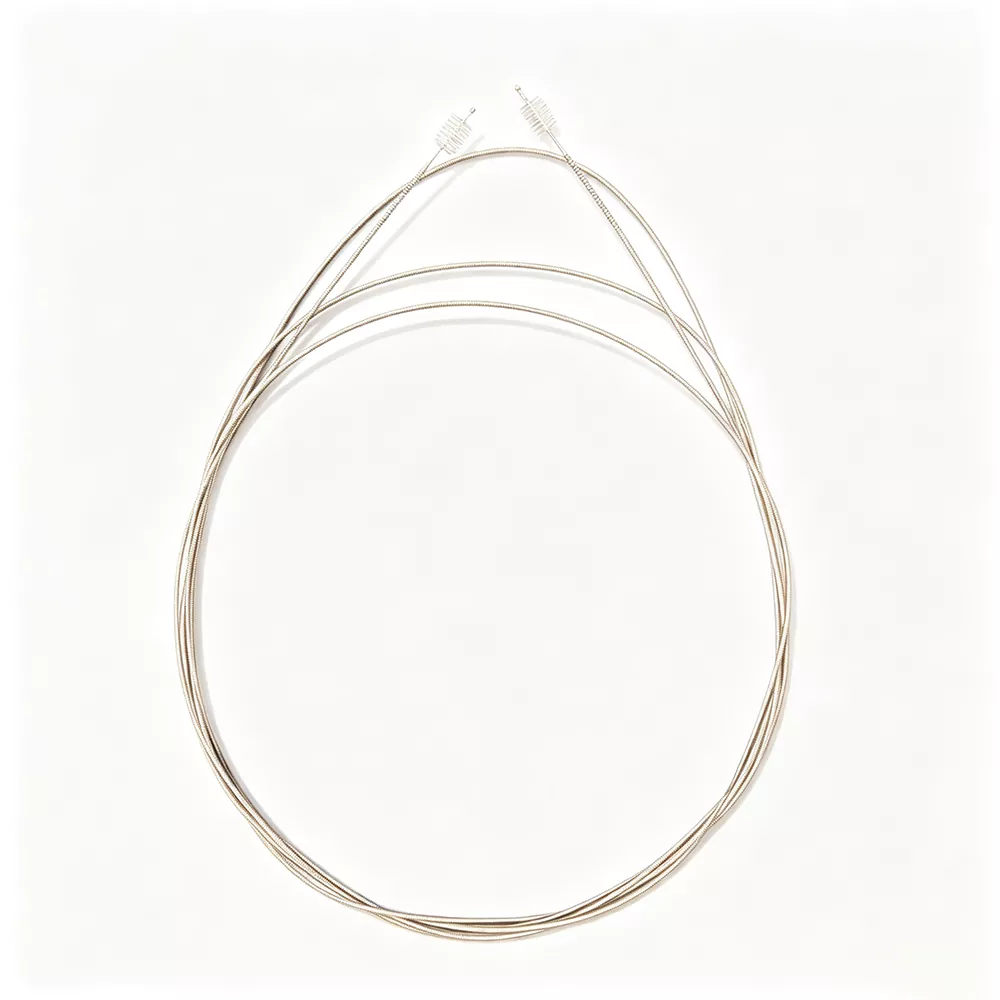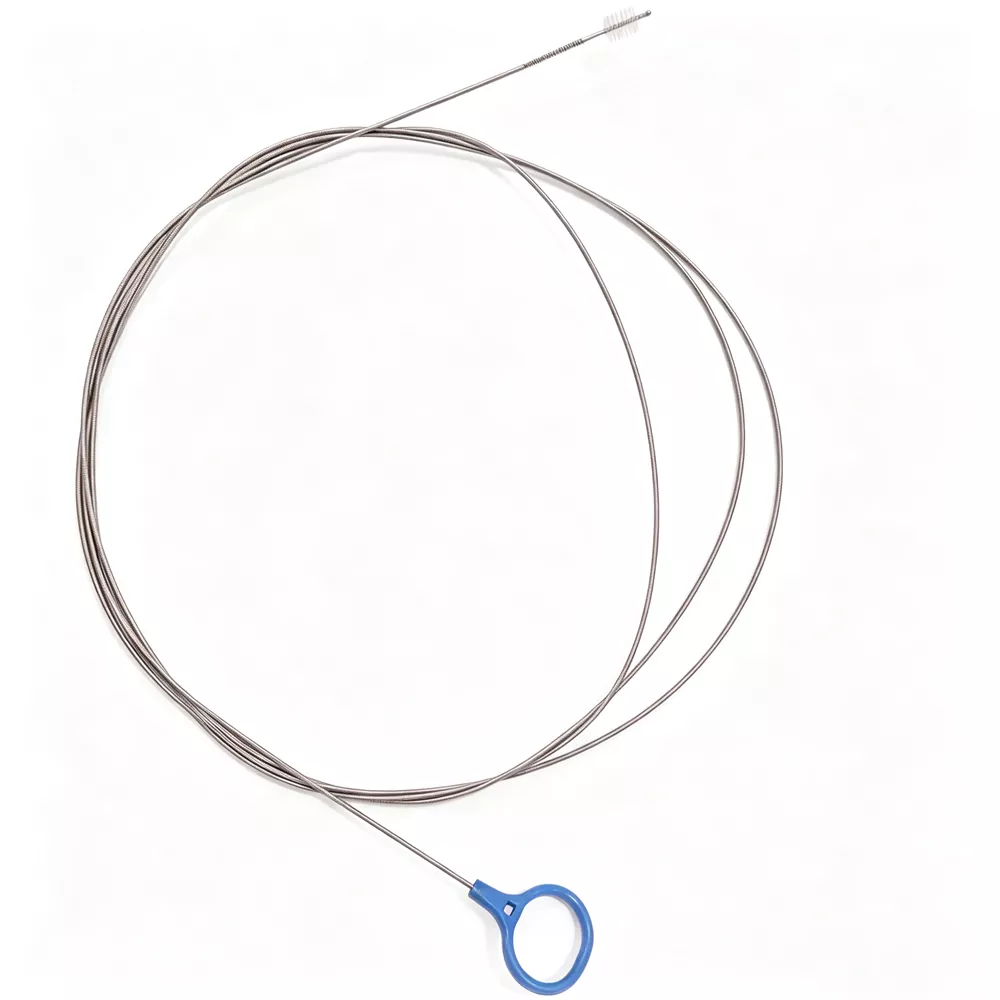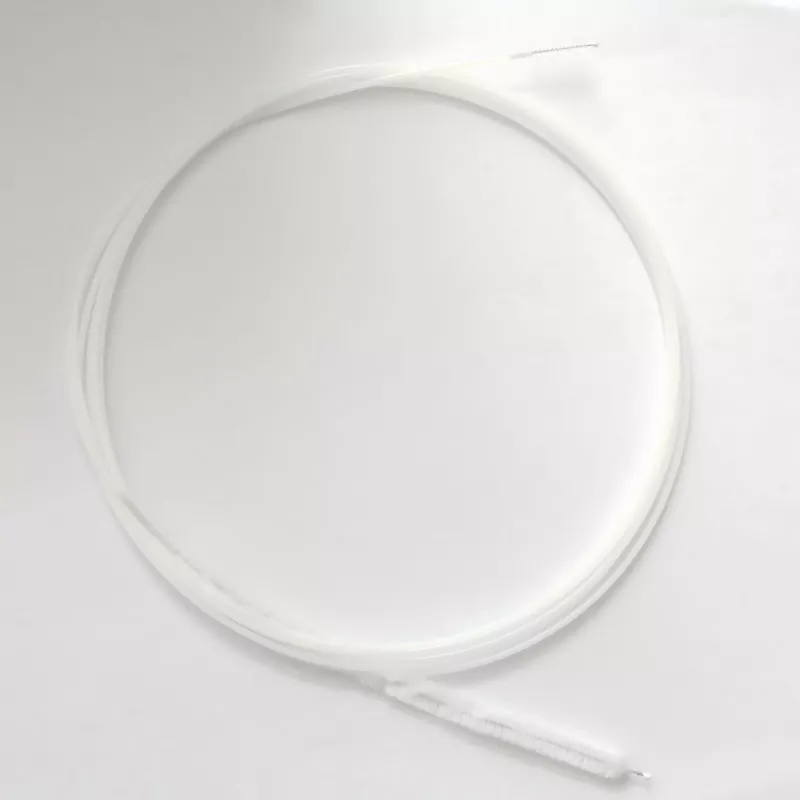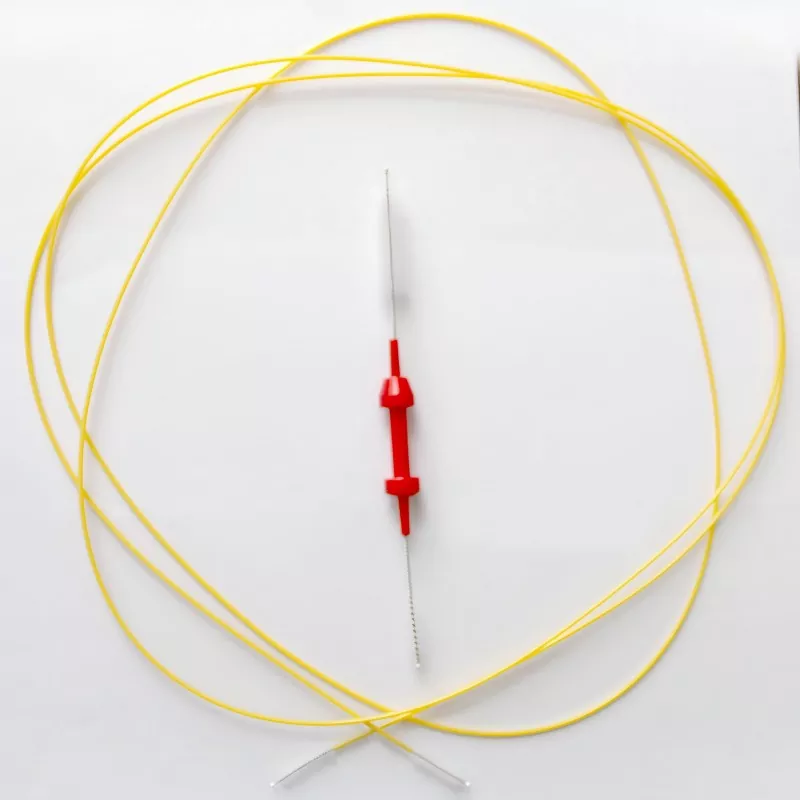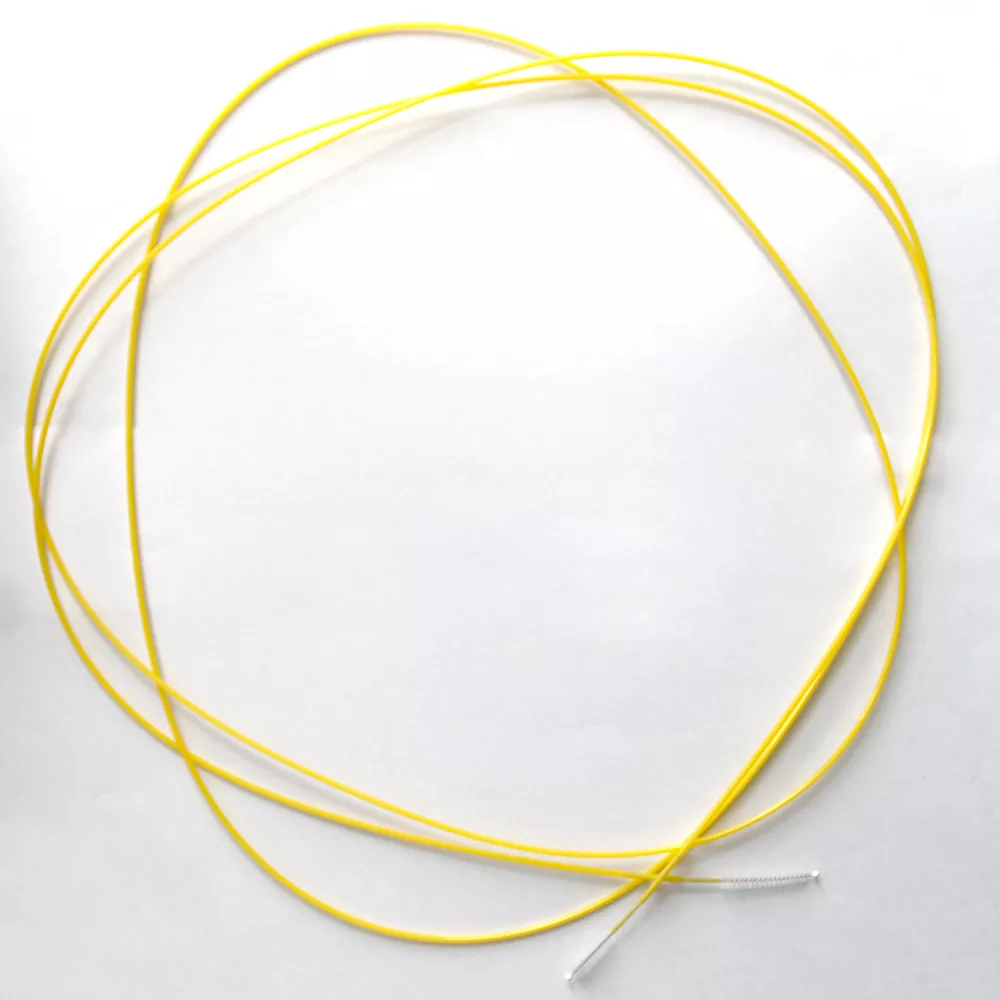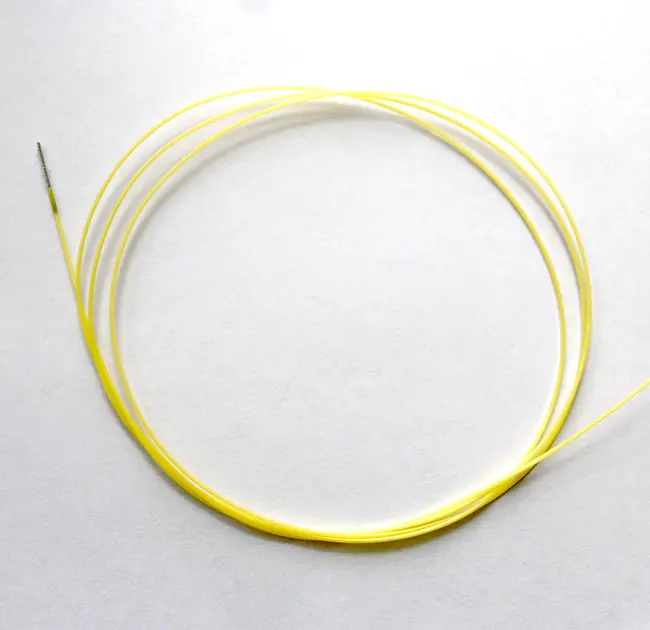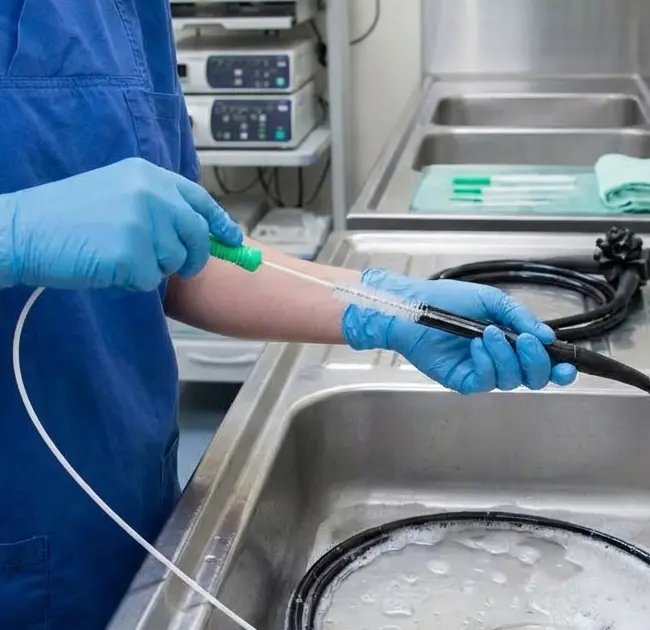
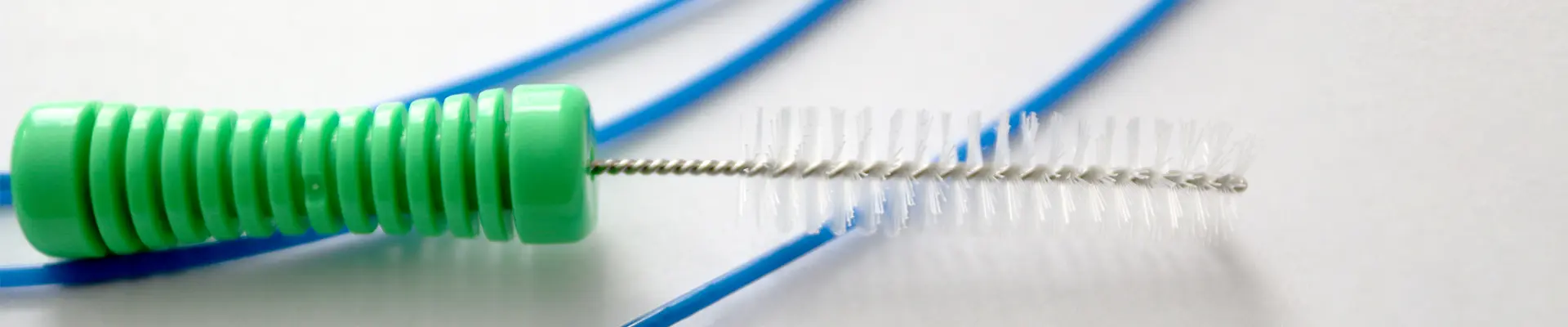
LucentMed’s reusable endoscope cleaning brush is an economical, sterilizable product designed to help healthcare facilities with limited budgets—yet robust sterilization protocols—effectively control costs.
We offer OEM/ODM customization services and provide a comprehensive product portfolio—including disposable endoscope cleaning brushes, interdental brushes, disposable endoscopic biopsy forceps, and gynecological sampling brushes—to facilitate one-stop procurement.
1. Bristles: The Reusable Endoscope Cleaning Brush features medical-grade nylon bristles that conform to the inner walls of the channel, using physical friction to remove biofilm and organic residues.
2. Brush Shaft/Mandrel: Constructed from carefully selected medical-grade 304 stainless steel spring wire, offering flexibility and kink resistance to navigate the curved channels of endoscopes.
3. Brush Tip: Features a rounded, plastic-encapsulated tip to prevent scratching the distal end of the channel during insertion.
4. Handle: Made of medical-grade PP plastic with an ergonomic design for easy gripping and operation; customizable hanging holes are available for convenient suspension and drying.
|
Comparison Criteria |
Reusable Endoscope Cleaning Brush |
Disposable Endoscope Cleaning Brush |
|
Usage Method |
Multiple reuses |
Single-use |
|
Cost Per Use |
Lower |
Higher |
|
Initial Purchase Cost |
Requires procurement of durable products |
Procurement based on usage |
|
Infection Control |
Relies on cleaning and disinfection processes |
New product for every use; simpler management |
|
Performance Consistency |
Varies with the number of uses |
Consistent performance every time |
|
Maintenance Requirements |
Requires cleaning, disinfection, and inspection |
No maintenance required |
|
Management Complexity |
Higher |
Lower |
|
Applicable Scenarios |
Scenarios with low usage frequency or cost sensitivity |
High-standard, high-volume endoscopy centers |
Recommendation:
Low usage frequency + established disinfection system + cost sensitivity → Reusable Endoscope Cleaning Brush
High usage frequency + strict infection control requirements + focus on workflow efficiency → Disposable Endoscope Cleaning Brush
Criteria for selecting a reusable endoscope cleaning brush:
1. Standardized cleaning and disinfection procedures are in place.
2. Comprehensive usage management protocols exist.
3. Usage volume is relatively stable.
|
Use Cases |
Reasons for Recommendation |
|
Medical facilities with low endoscopy usage frequency |
For facilities with lower endoscopy volumes and limited brush usage, reusable products can reduce the frequency of consumable procurement and lower the cost per use. |
|
Hospitals or clinics with strict cost-control requirements |
Provided that strict cleaning and disinfection protocols are followed, reusable brushes can reduce long-term expenditure on consumables. |
|
Regions or institutions with limited medical resources |
Reusable products alleviate inventory pressure and enhance operational flexibility when supply chains or consumable procurement are unstable. |
|
Hospitals with established cleaning and disinfection protocols |
Facilities with standardized CSSD (Central Sterile Supply Department) or endoscopy cleaning workflows are better equipped to manage reusable instruments. |
|
Training institutions or educational/experimental settings |
Given the relatively controllable usage frequency and infection risk, a reusable design aligns better with cost management requirements in educational settings. |
|
Low-risk, low-frequency cleaning tasks |
Reusable products may be selected for cleaning certain non-critical channels, subject to institutional guidelines. |
1. Immediate Pre-treatment: After use, rinse the brush head under running water to remove visible debris.
2. Enzymatic Soak: Immerse the Reusable Endoscope Cleaning Brush in a multi-enzyme cleaning solution; ensure the bristles are spread open during soaking to loosen residual organic matter.
3. Thorough Rinsing: Rinse the bristles and shaft with a pressurized water gun to ensure no enzymatic solution residue remains.
4. High-Level Disinfection/Sterilization: Select an appropriate method in accordance with Hospital Central Sterile Supply Department (CSSD) protocols (e.g., immersion in 2% glutaraldehyde for ≥20 minutes or low-temperature plasma sterilization).
5. Drying and Storage: Dry thoroughly after disinfection and hang for storage in a clean, dry, designated container to prevent re-contamination.
6. Pre-use Inspection: Visually inspect the brush before each use for detached bristles, shaft deformation, or rust; discard immediately if any abnormalities are found.
Assign a unique identification number to each reusable brush (using a heat-resistant hanging tag or a QR code-based traceability system) and maintain detailed records of the usage date, the personnel responsible for cleaning and disinfection, and the cumulative number of uses.
Adhere to the maximum reuse limit (50–100 uses) specified in the LucentMed instructions; once this limit is reached, the brush must be retired, regardless of its apparent condition.
● Inspect bristles: Check for flattened, worn, softened, or detached bristles before each use.
● Inspect brush shaft: Check the stainless steel spring wire for rust, breakage, or loss of flexibility.
● Inspect brush tip: Check the rounded, sealed tip for damage or detachment; if any metal wire is exposed, the brush must be discarded immediately.
LucentMed’s OEM/ODM services cover core product lines and offer extensive customization based on client requirements:
Gastrointestinal Endoscope Brushes: Cleaning brushes for gastroscopes, colonoscopes, and duodenoscopes (including specialized brushes for elevator channels)
Respiratory Endoscope Brushes: Cleaning brushes for bronchoscopes (including ultra-fine specifications)
Urological Endoscope Brushes: Cleaning brushes for ureteroscopes and cystoscopes
ENT Endoscope Brushes: Cleaning brushes for laryngoscopes and nasopharyngoscopes
Other Specialized Endoscopes: Cleaning brushes for non-standard channels, such as those in choledochoscopes and hysteroscopes
|
Customization Parameters |
Adjustable range |
Specifications |
|
Brush head diameter |
1.6mm – 8.0mm |
Precisely matches various endoscope channel diameters |
|
Brush handle length |
500mm – 3000mm |
Compatible with the working lengths of different endoscope types |
|
Bristle material |
Medical-grade Nylon / PBT |
Nylon bristles prioritize cleaning power; PBT bristles prioritize flexibility |
|
Bristle density |
Standard / High-density |
High-density design enhances biofilm removal efficiency |
|
Filament diameter |
Minimum 0.08mm |
Ultra-fine bristles reach deep into extremely narrow channels |
|
Brush head structure |
Rounded safety tip |
No sharp edges; prevents damage to the endoscope |
|
Handle design |
Standard handle / Hanging hole / Custom logo |
Supports custom branding/logo integration |
1. Requirement Discussion: The client outlines customization requirements (specifications, quantity, branding, special features, etc.).
2. Proposal & Quotation: The LucentMed technical team assesses feasibility and provides a proposal and quotation.
3. Contract Signing: Terms regarding product specifications, delivery schedules, pricing, and intellectual property rights are finalized.
4. Prototyping & Approval: Samples are produced; the client tests, verifies, and approves them.
5. Mass Production: Full-scale production proceeds based on the approved samples, with comprehensive quality monitoring.
6. Quality Inspection & Shipment: Finished products undergo final inspection and are delivered via the agreed-upon method.
7. After-Sales Support: Ongoing technical support and restocking services are provided.
A: ① Keep the brush moist immediately after use (at the bedside) to prevent blood and tissue debris from drying and hardening.
② Perform brushing underwater to avoid aerosol splashes.
③ Ensure thorough drying, as moisture is a breeding ground for biofilm formation.
④ It is recommended to conduct periodic (e.g., monthly) ATP bioluminescence or protein residue testing on cleaned reusable brushes. If RLU values remain consistently high, it indicates internal biofilm formation, and the entire batch of brushes should be discarded.
A: Yes, but the hospital's management capabilities must be considered.
They are suitable for hospitals that have established robust endoscope cleaning and disinfection systems, possess dedicated maintenance personnel, and maintain proper usage records.
For endoscopy centers with very high procedure volumes, a comprehensive assessment of reprocessing costs versus management efficiency is required.
A: Discontinue use if any of the following occur:
● Significant bristle wear
● Bristle shedding
● Brush head deformation
● Damage to the metal guidewire
● Loose handle
● Reduced cleaning effectiveness