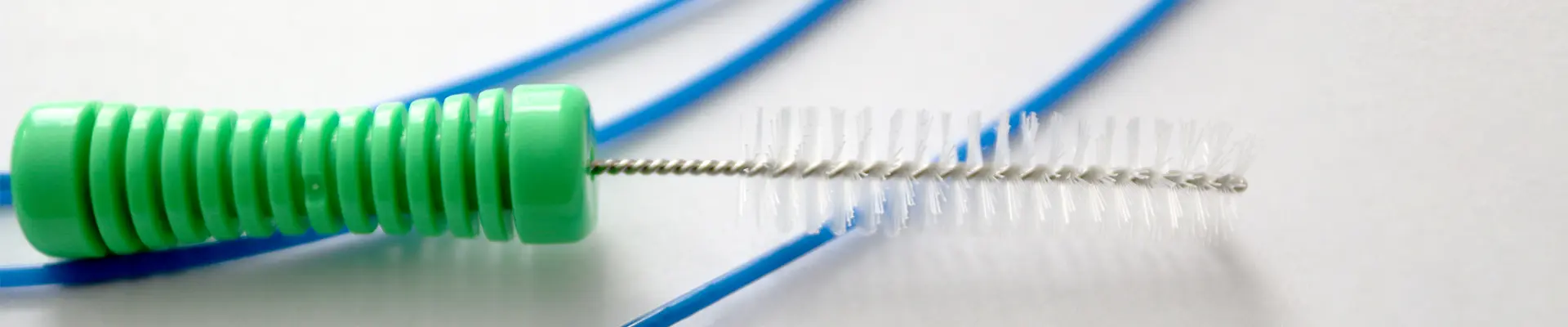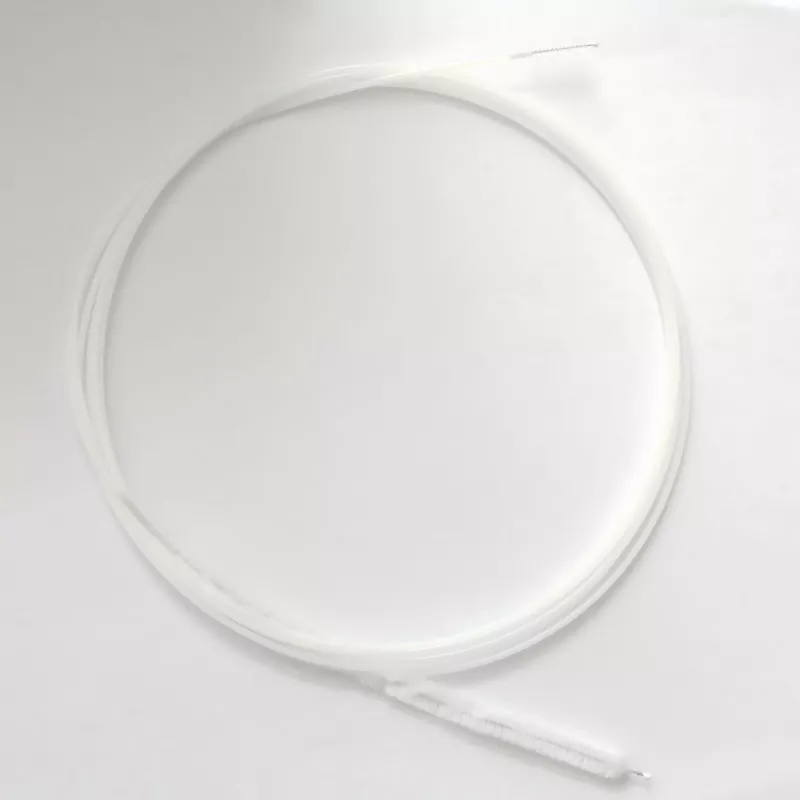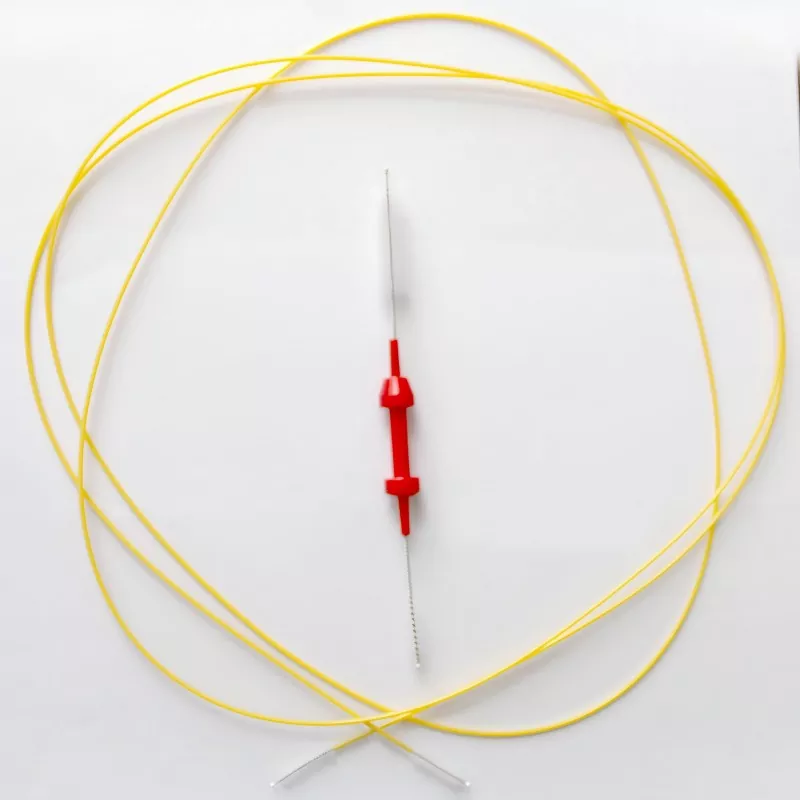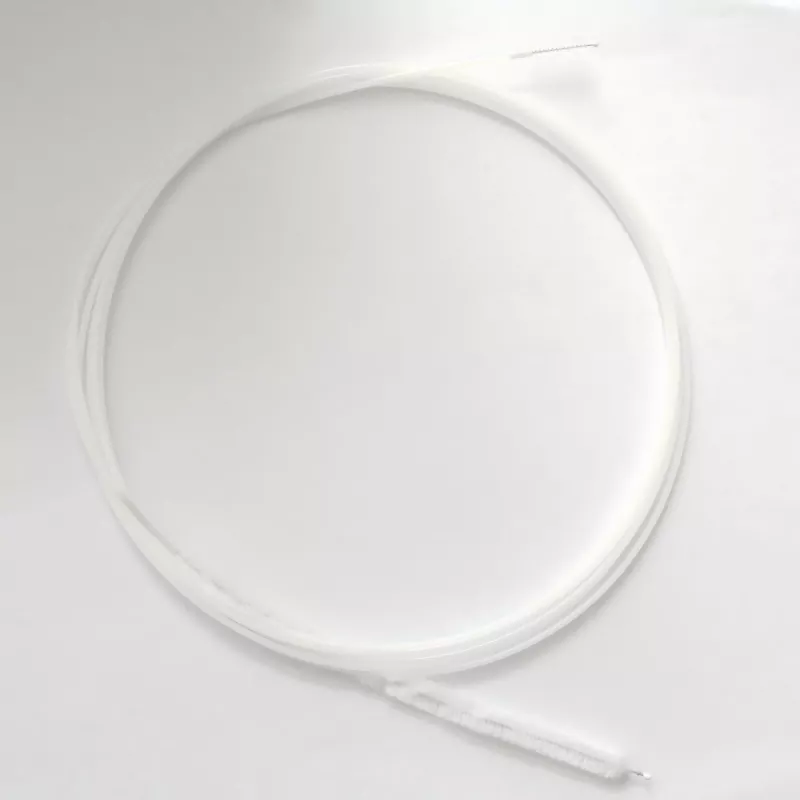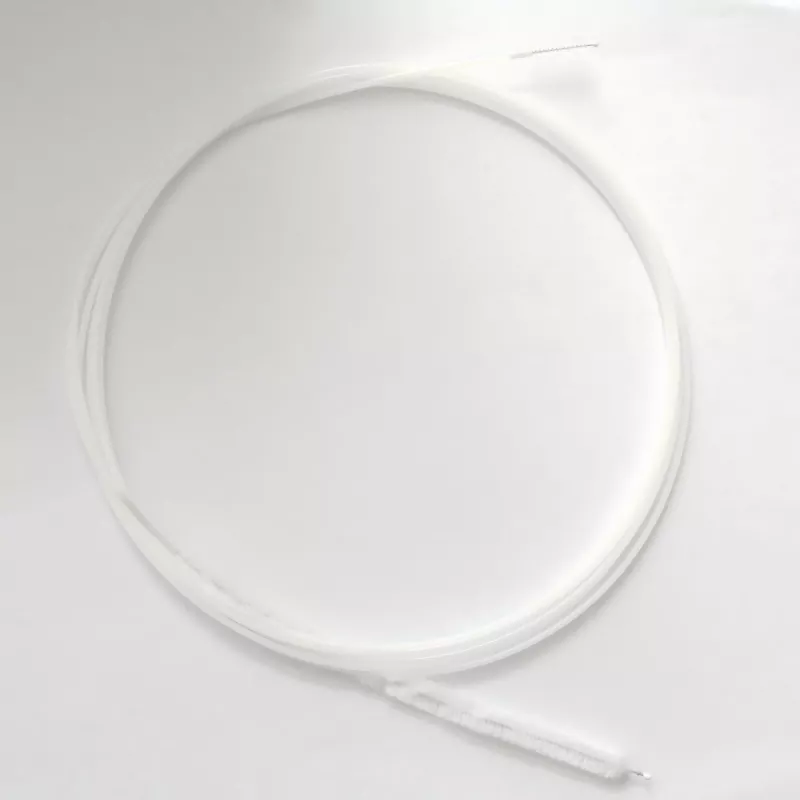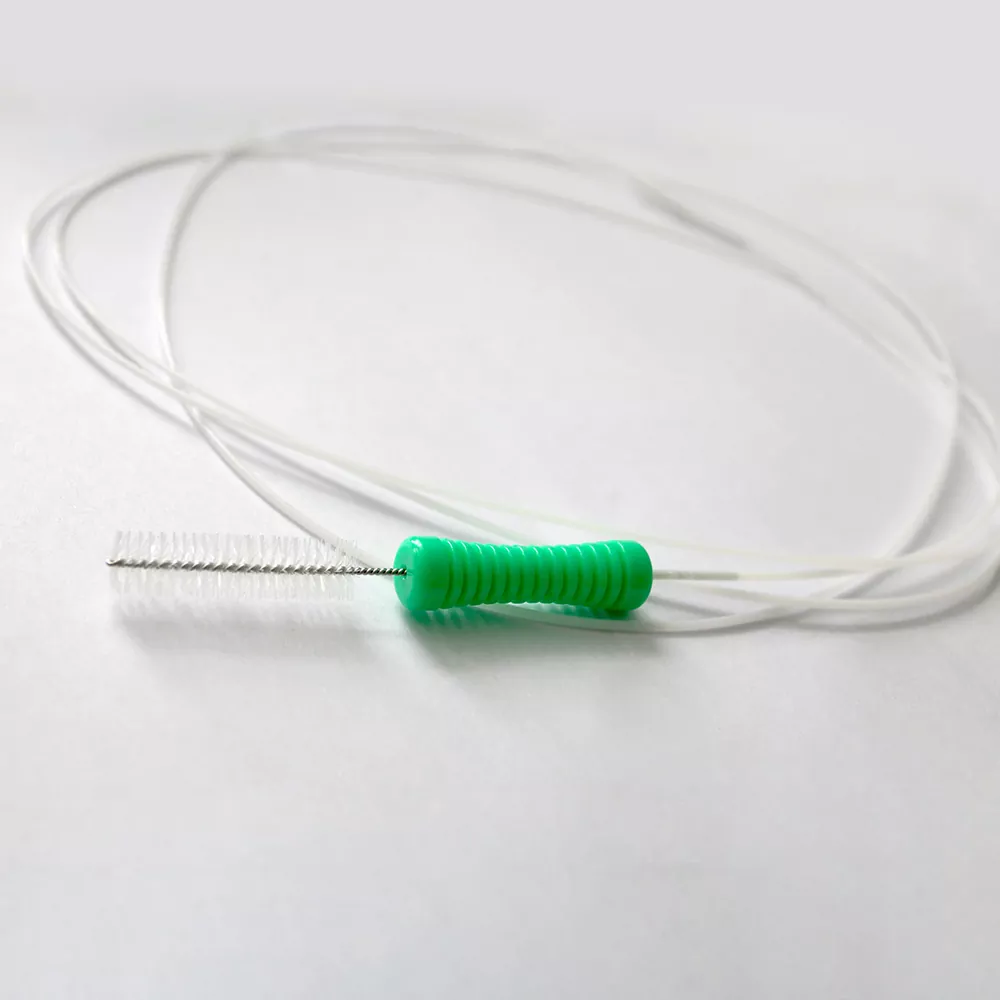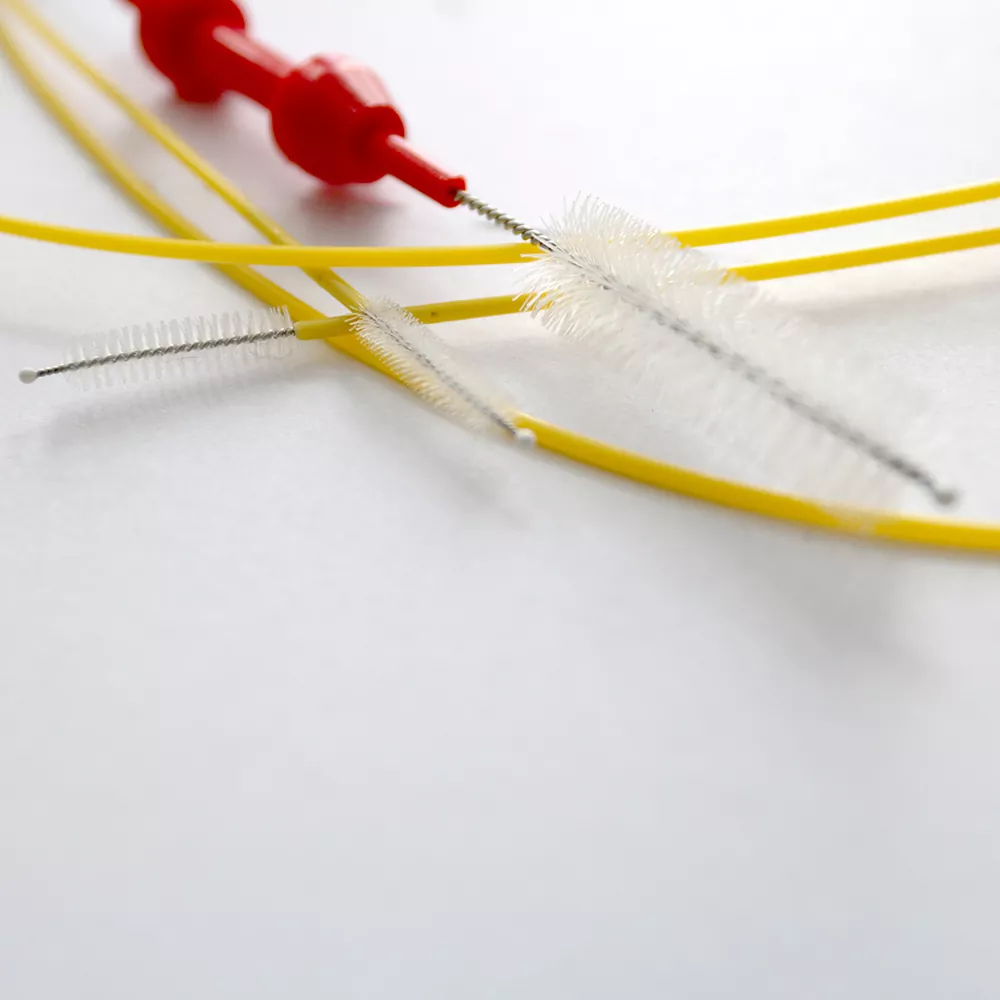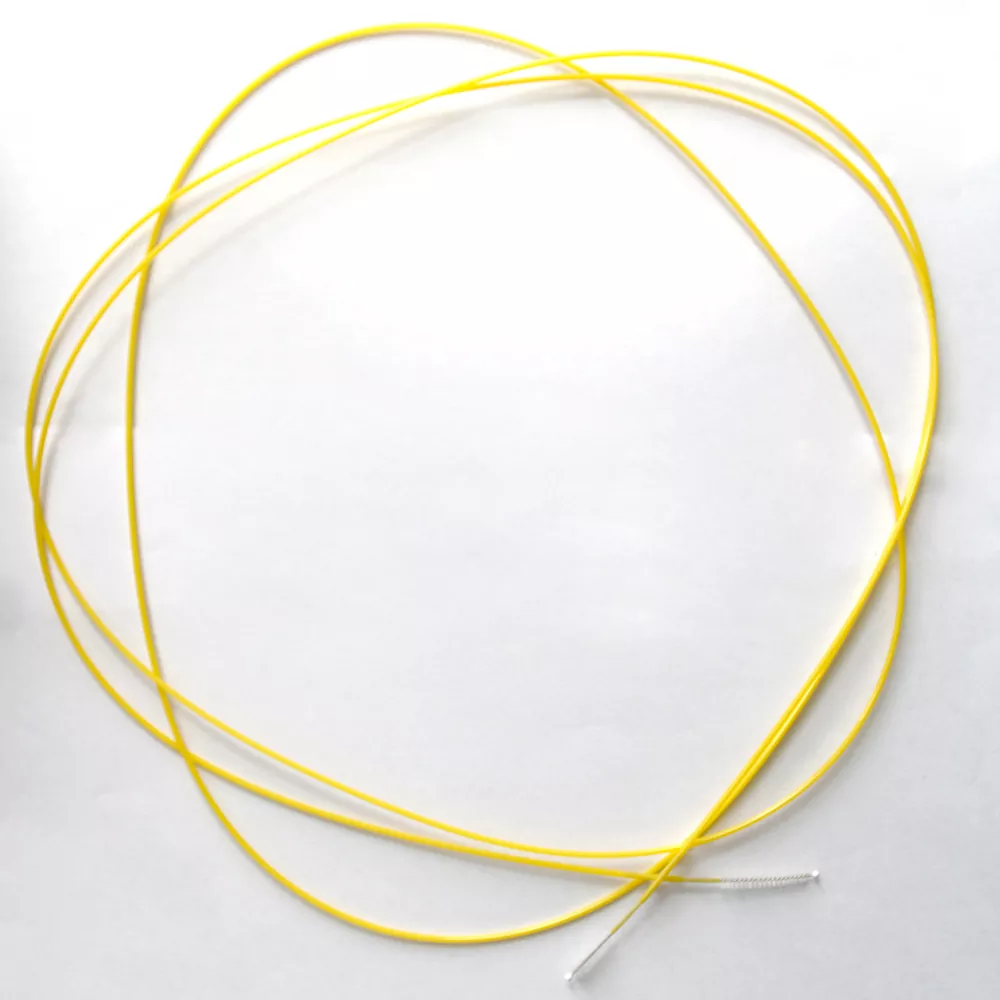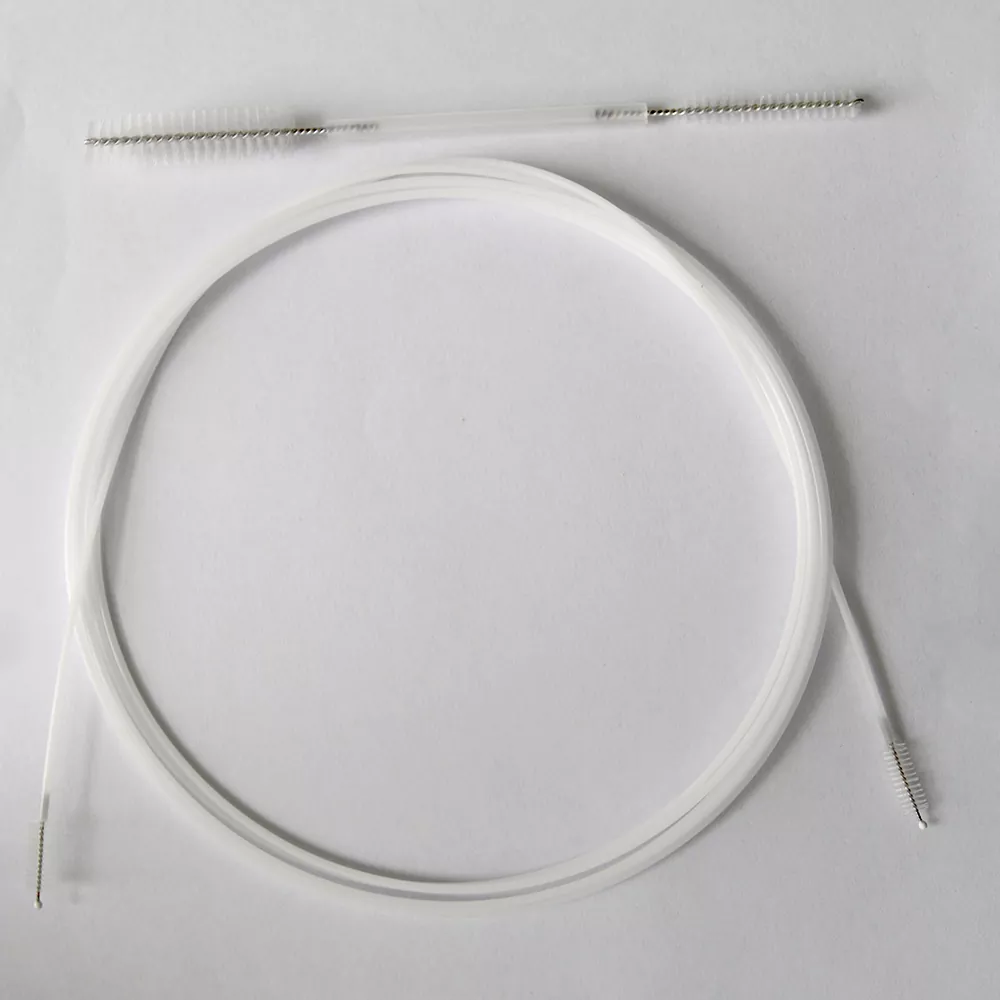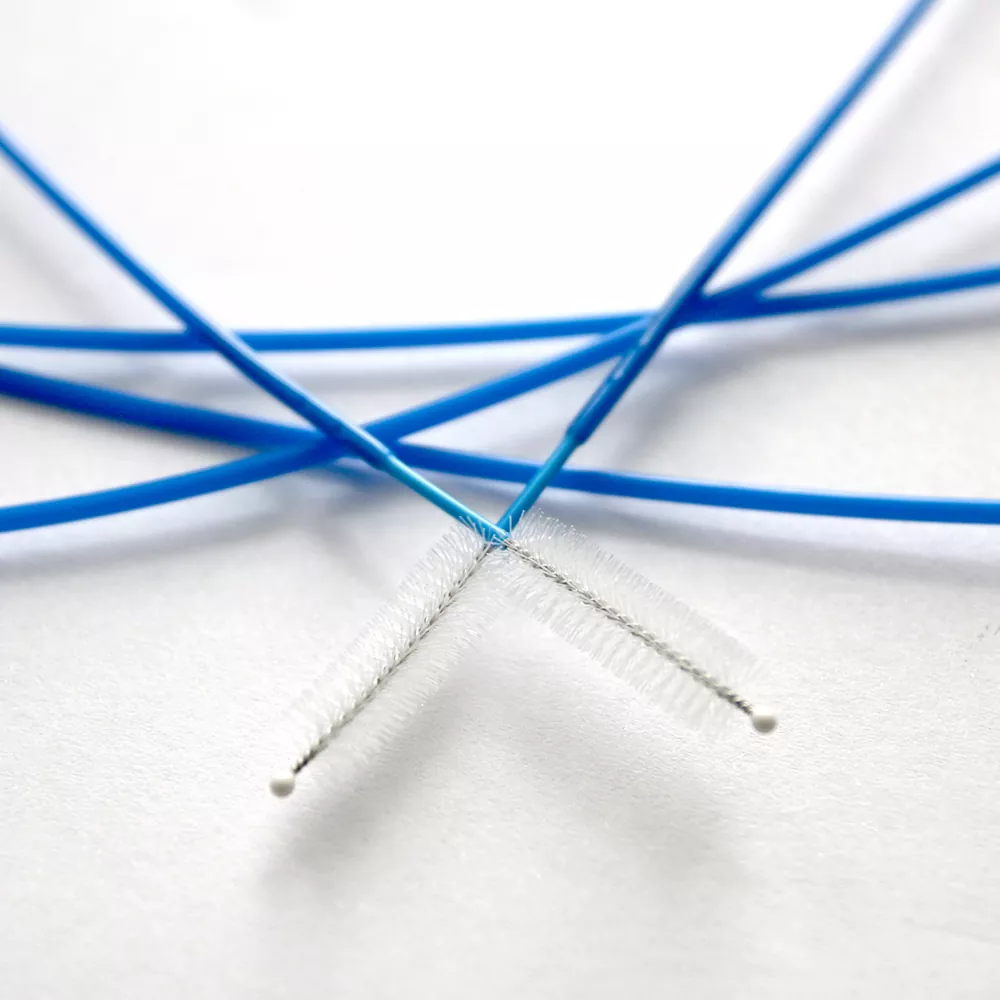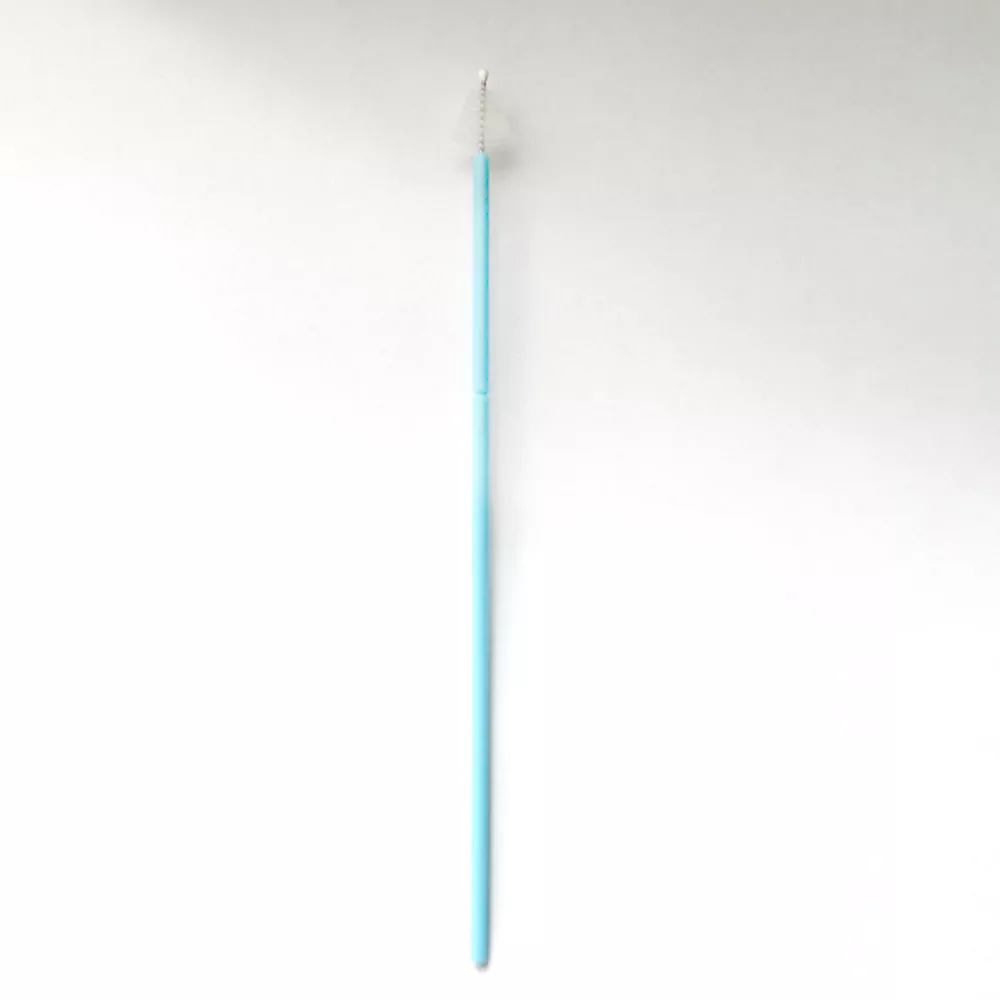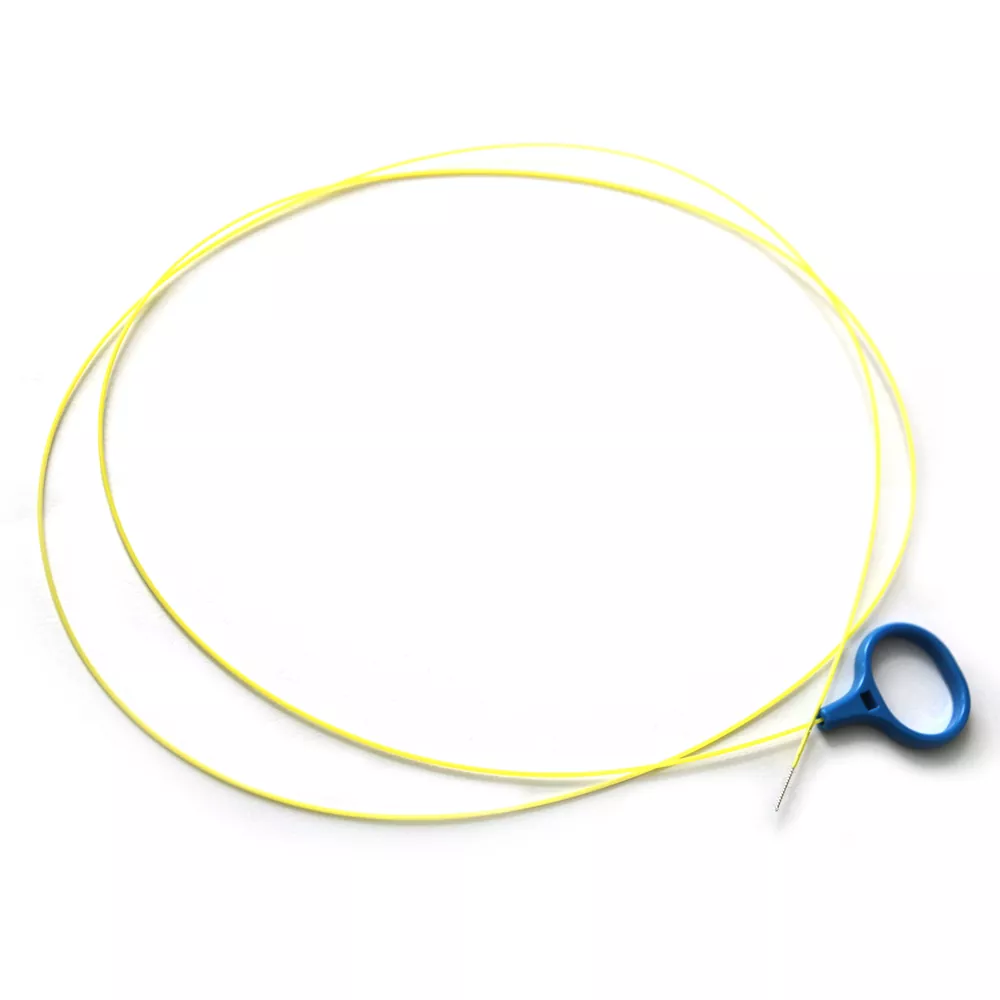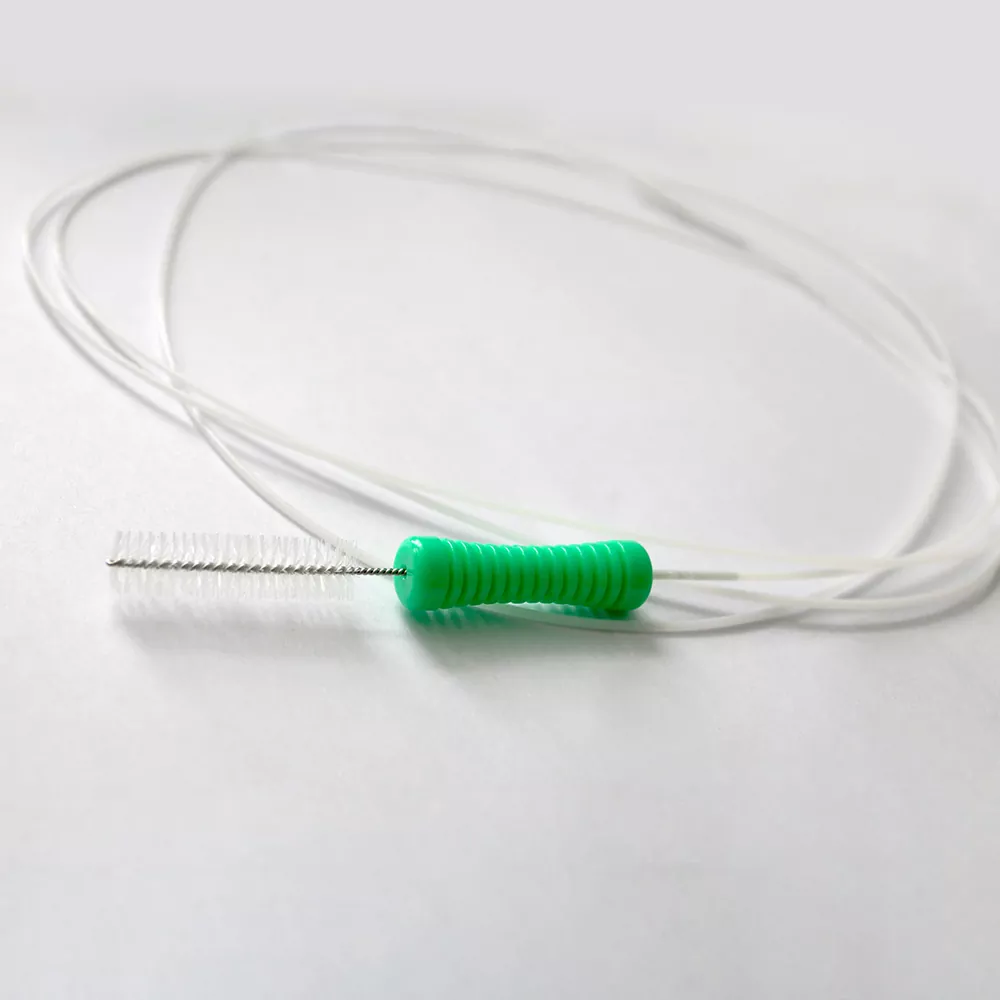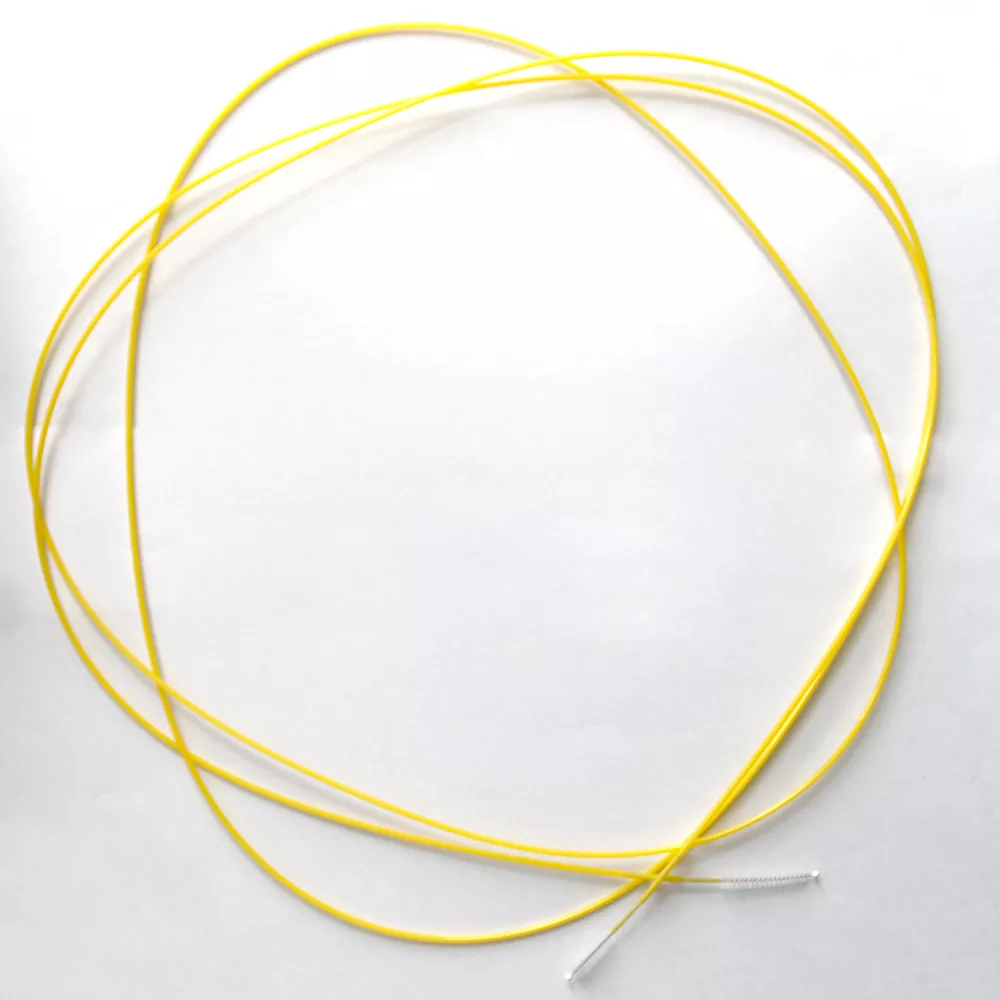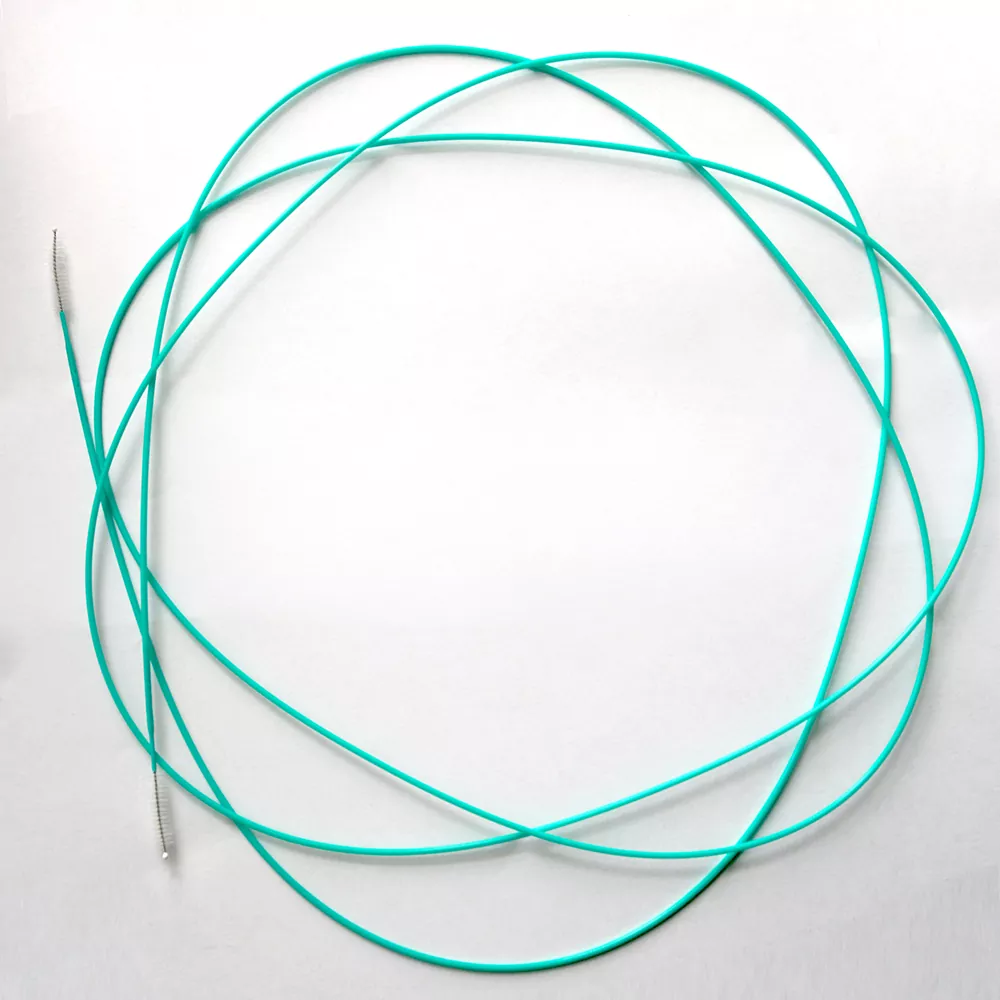
LucentMed is a specialized medical enterprise deeply committed to the R&D and manufacturing of medical consumables, backed by a comprehensive quality control system. We are your ideal manufacturer and supplier for Duodenal Endoscopic Brushes. Featuring high-density, flexible bristles compatible with mainstream endoscope models, our products are available for both wholesale and OEM customization.
LucentMed is a direct manufacturer of Duodenal Endoscopic Brushes, offering medical institutions a stable and reliable procurement option.
Our series of disposable endoscopic cleaning brushes features highly elastic and flexible bristles that provide superior cleaning power and are resistant to shedding, effectively removing debris and biofilms from internal lumens. Compliant with medical manufacturing standards, our products are meticulously crafted and safe for use.
As a factory with comprehensive manufacturing capabilities, we are able to supply cleaning brushes in bulk—ideal for departmental stocking and routine use—at a highly cost-effective price point.
Product Features and Benefits
1. Biofilm Removal Capability
Compared to standard cleaning tools, LucentMed's Duodenal Endoscopic Brush effectively removes the protective layers formed by bacterial accumulations on the inner walls of the instrument channels—a critical source of contamination that is notoriously difficult to eliminate using traditional cleaning methods.
2. Optimized Compatibility
Our product is specifically engineered to accommodate the complex architecture of duodenoscopes, with a particular focus on reaching "dead zones"—such as the recesses surrounding the elevator mechanism—that remain inaccessible to conventional cleaning brushes.
3. Visual Verification
Designed for use in conjunction with a borescope, this product enables visual verification of the interior lumen, ensuring that the cleaning process continues until no visible contaminants remain.
What Are the Applications of the Duodenal Endoscopic Brush?
1. Cleaning the Elevator Mechanism
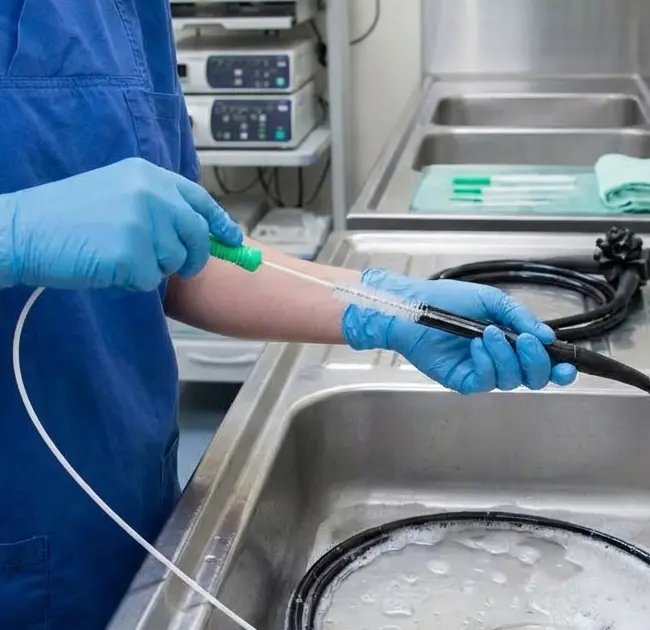
In duodenoscope reprocessing, a critical challenge lies in cleaning the elevator mechanism. This task requires the use of a micro-brush or fine-bristled brush—a role for which the Duodenal Endoscopic Brush manufactured by LucentMed is ideally suited.
After removing the distal cap, use the cleaning brush in conjunction with the raising and lowering movements of the elevator to scrub both its sides and internal grooves—paying particular attention to tiny crevices.
Use a 20 mL syringe to draw up cleaning solution, then repeatedly raise and lower the elevator mechanism at least three times.
During the cleaning of the distal tip, scrub the grooves surrounding the forceps channel outlet to prevent the retention of residual debris.
2. Verification of Drying Effectiveness
In accordance with relevant medical regulations, there are specific monitoring requirements regarding the quality of endoscope drying. When used in conjunction with a borescope, the Duodenal Endoscopic Brush enables the rapid identification of residual water films on the inner walls of the channels. This prevents microbial proliferation caused by moisture, thereby eliminating—at the source—the risk of secondary contamination following disinfection.
3. Cleaning Verification for Complex Endoscope Structures
For complex devices such as duodenoscopes and endoscopic ultrasound scopes, our product facilitates real-time visualization of the elevator hinge and internal grooves. This ensures the complete removal of biofilms, thereby mitigating the risk of healthcare-associated infection outbreaks.
Product Specifications
Item
Specifications
Note
Brush Head Diameter
Φ2.2 mm or Φ2.8 mm
Selection should be based on the inner diameter of the specific pipe type.
The Φ2.2mm size offers broad compatibility; the Φ2.8mm size is suitable for larger-diameter pipes.
Brush Body Length
1200 mm or 2200 mm
1200 mm: Commonly used for cholangioscopes or shorter duodenoscopes.
2200 mm: Commonly used for standard-length duodenoscopes or enteroscopes.
Bristle Material
Nylon / PBT
It features excellent wear resistance and flexibility, minimizing the risk of damage to the inner walls of the channel.
Handle Material
Stainless Steel (Reusable)
Constructed with a stainless steel spring hose, it is capable of withstanding high-temperature and high-pressure sterilization.
Brush Head Design
Blunt Tip Design
It features a rounded, blunt tip to prevent scratching or puncturing the endoscope's working channel during insertion and brushing.
Scope of Application
Duodenoscope, Cholangioscope
Suitable for endoscopes with an instrument channel inner diameter greater than 2.2 mm or 2.8 mm.
Selection Guide
1. Matching the Channel Inner Diameter
The instrument channel of a duodenoscope is typically narrower than that of a gastroscope, yet wider than that of an ultra-thin bronchoscope. For standard duodenoscopes (such as those used in ERCP procedures), the inner diameter of the instrument channel typically ranges from 3.2 mm to 3.7 mm.
Therefore, a Φ2.8 mm Duodenal Endoscopic Brush provides superior cleaning friction, whereas a Φ2.2 mm brush navigates more easily through narrow or tortuous channels.
2. Verifying the Scope Length
Duodenoscopes are relatively long instruments, with an effective length typically exceeding 1300 mm. Consequently, it is recommended to select a cleaning brush with a length of 2200 mm or greater to ensure it can fully traverse the entire length of the instrument channel.
For shorter pediatric scopes or specialized endoscopes, the 1200 mm size may be considered; please contact LucentMed directly for personalized consultation and guidance on the optimal solution.
3. Disposable vs. Reusable Options
This product belongs to LucentMed's series of disposable endoscopic cleaning brushes. Featuring a plastic (POM) handle, it is designed for single-use disposal immediately after use, thereby eliminating the risk of cross- infection.
Upon request, a reusable version can be custom-manufactured; this variant features a stainless steel handle and requires thorough cleaning and high-level disinfection after each use.
FAQ
Q: Which parts are the Duodenal Endoscopic Brushes primarily designed to clean?
A: They are primarily used for brushing complex, narrow lumens within a duodenoscope—specifically the elevator mechanism channel, instrument channel, and auxiliary water channel—to remove bile, mucus, biofilm, and residual debris, thereby meeting the infection control requirements for endoscope reprocessing.
Q: Why is a dedicated duodenoscope brush necessary? Can't a standard colonoscope brush be used instead?
A: Duodenoscope lumens are narrower, feature more curves, and possess a more complex structure. Standard colonoscope brushes typically have a larger diameter and are too rigid; using them can easily cause the brush to get stuck within the scope or damage the elevator mechanism.
Dedicated brushes are more flexible, have a smaller diameter, and offer superior compatibility.
Q: Is this product single-use or reusable?
A: We offer two types: a single-use version and a version suitable for high-temperature and high-pressure (autoclave) sterilization. You may select the option that best aligns with your department's infection control protocols and budget.
Q: In what scenarios is the 12-piece pack most suitable?
A: It is ideal for endoscopy centers that perform batch cleaning, centralized disinfection, and rotational use of instruments. This packaging facilitates easier inventory management and stocking, reduces the frequency of supply requisition requests, and enhances overall operational efficiency.
Q: Is there a risk of scratching the endoscope's lumens during use?
A: The brush head features a rounded, blunt protective design; the bristles are soft and densely packed, while the brush shaft is flexible and smooth. When used in accordance with standard operating procedures, the brush will not scratch the inner walls of the endoscope or damage the elevator mechanism components.
Q: How can I determine if this product is compatible with the duodenoscopes at my facility?
A: The primary factor to check is the inner diameter of the instrument channel. For common channel sizes (typically 2.0–3.2 mm), simply select the corresponding small-diameter brush head. We also recommend a brush length of ≥2400 mm to ensure that the entire length of the channel is thoroughly brushed.
Q: Is high-level disinfection still required after brushing?
A: Yes, it is. The cleaning brush performs only the physical removal of contaminants. After brushing, you must still proceed with the standard protocols for enzymatic cleaning, rinsing, and either high-level disinfection or sterilization, as required.
Q: What should I do if the brush bristles begin to shed?
A: As a professional manufacturer, LucentMed employs a high-density bristle-implantation process, making bristle shedding unlikely under normal usage conditions.
If you do notice any abnormalities, please stop using the brush immediately and contact our after-sales support team for a replacement to prevent any foreign objects from remaining lodged within the endoscope's lumens.
We use cookies to offer you a better browsing experience, analyze site traffic and personalize content. By using this site, you agree to our use of cookies.Privacy Policy