Follow Us:

Products
Endoscope Channel Cleaning Brush
  • Endoscope Channel Cleaning BrushEndoscope Channel Cleaning Brush

Endoscope Channel Cleaning Brush

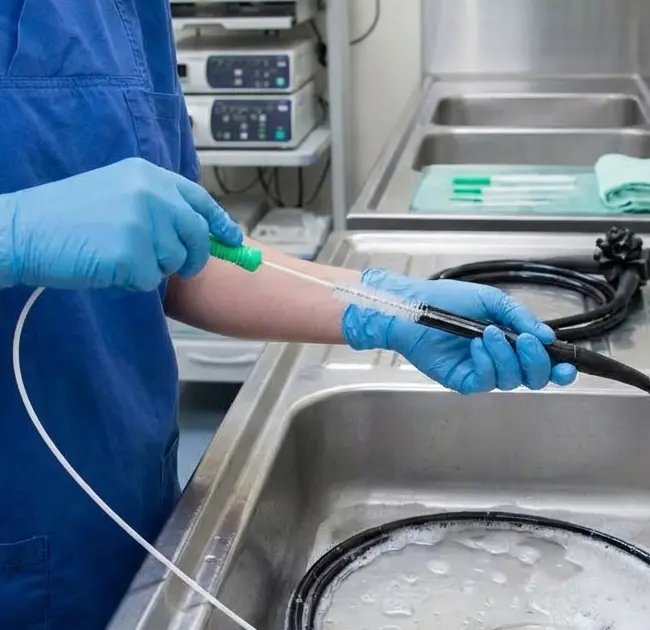
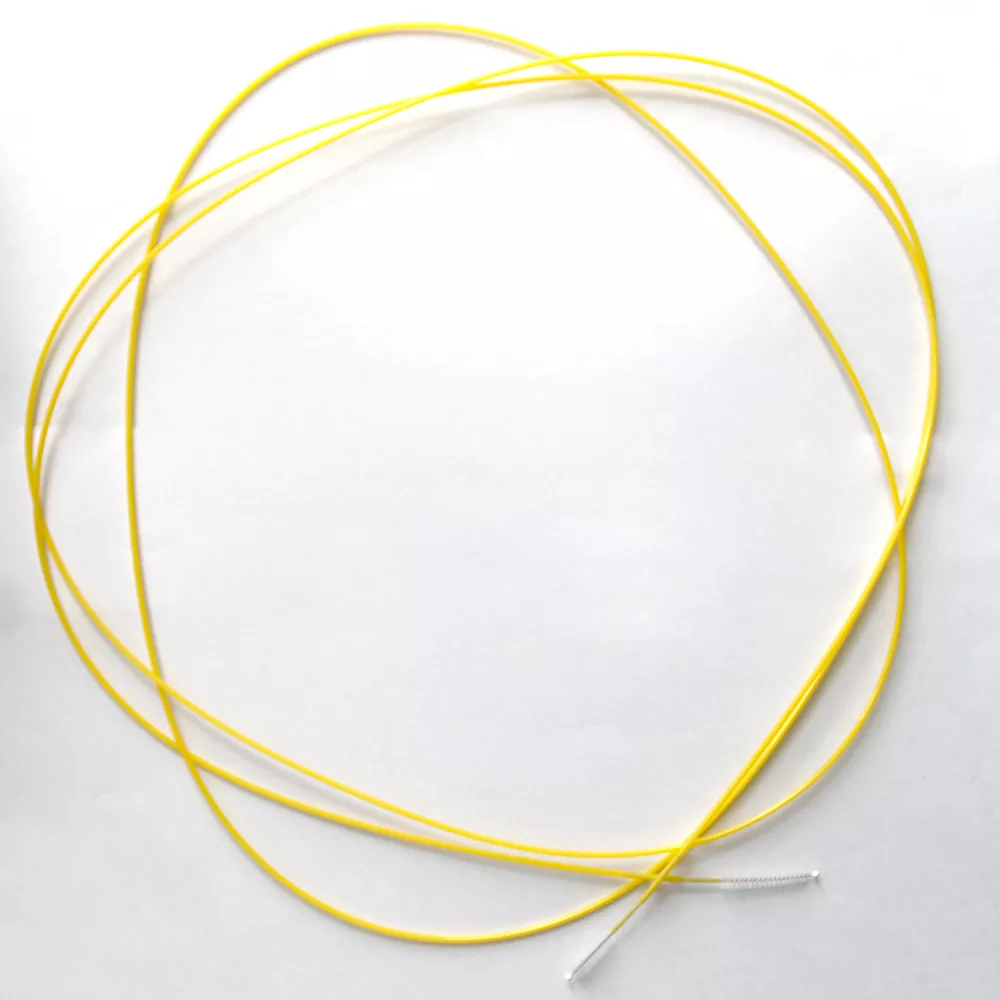
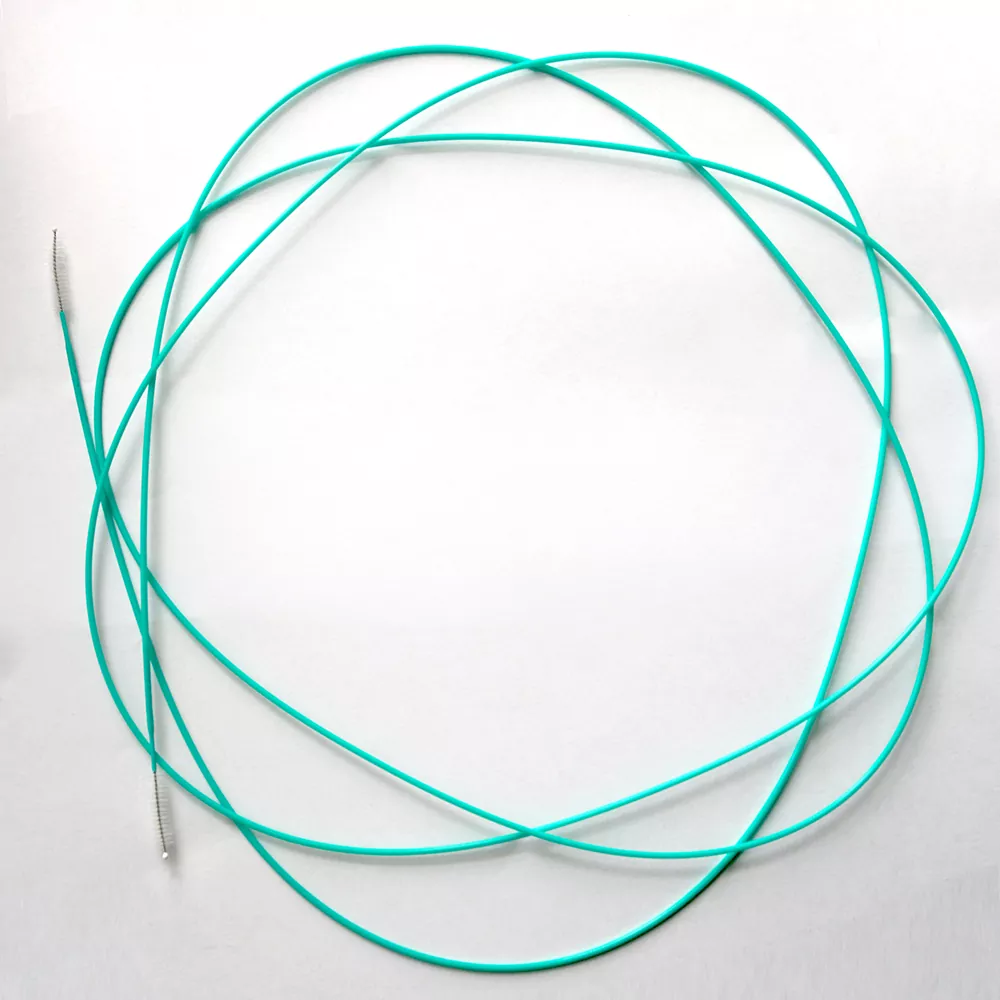
LucentMed’s Endoscope Channel Cleaning Brush is a professionally designed solution addressing the challenges of cleaning endoscope channels. As a specialized manufacturer and supplier in the medical industry, we offer a comprehensive range of cleaning brushes tailored to various endoscopes. We support wholesale orders at factory-direct prices, delivering single-pass cleaning efficiency that matches the results of multiple passes with traditional brushes.

LucentMed is a professional manufacturer of endoscope channel cleaning brushes, featuring cleanroom facilities and a comprehensive quality inspection system.

This product series is designed for the maintenance of instruments used in departments such as gastroenterology, pulmonology, and biliary surgery; it enables visual monitoring of the cleaning process, playing a crucial role in preventing cross-infection and equipment damage.

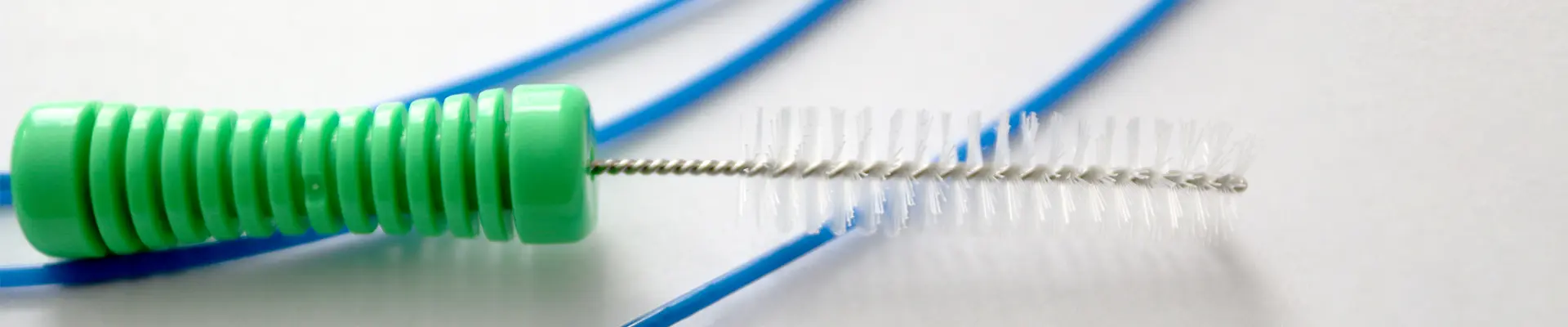
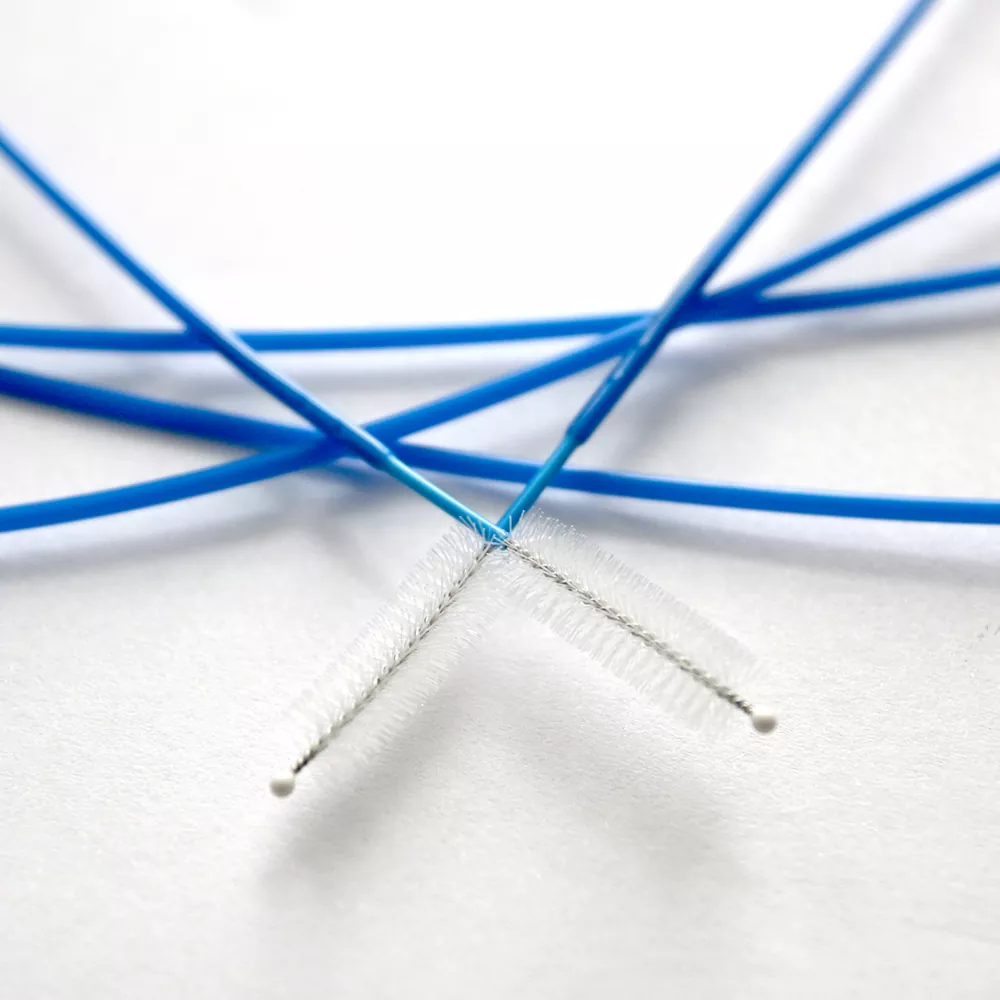
Brush Head Design

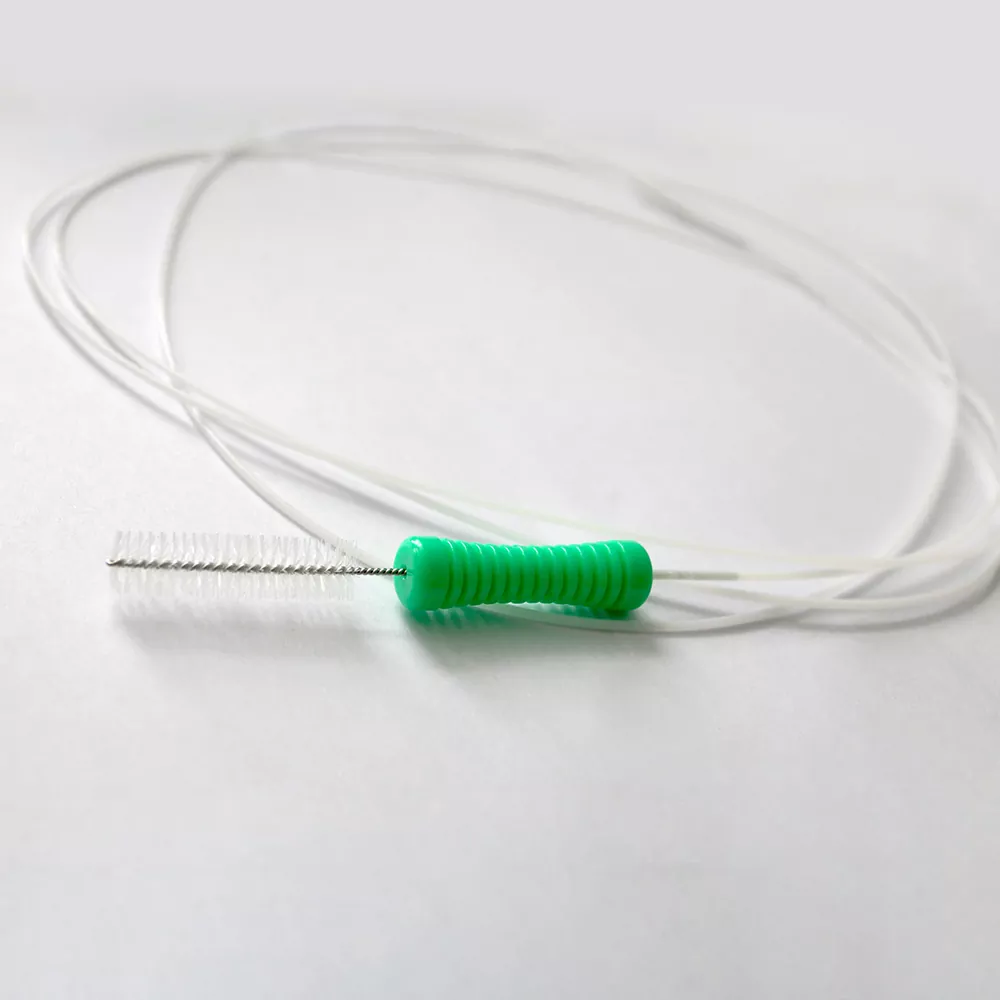
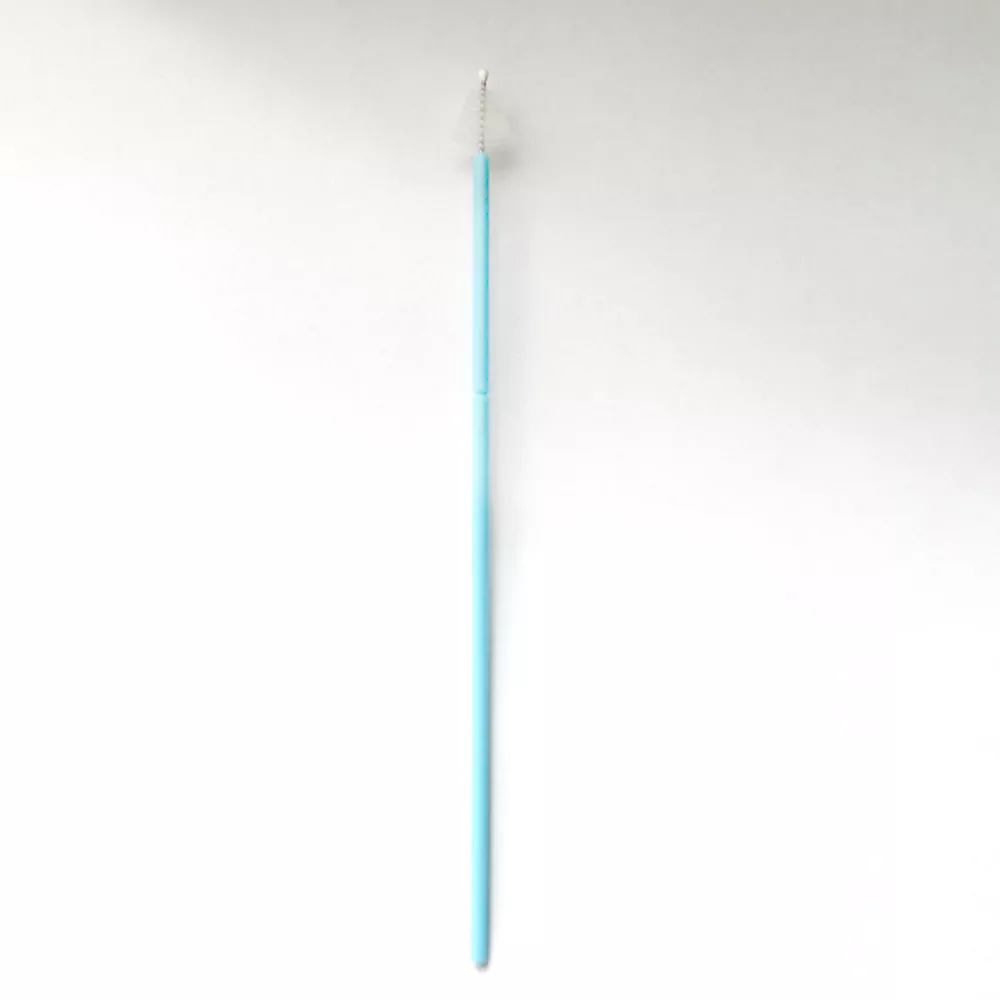
These endoscope channel cleaning brushes are designed to clean long, narrow, and tortuous internal channels. Suitable for various types of endoscopes, they effectively navigate complex luminal structures characterized by depth, narrowness, and curvature.

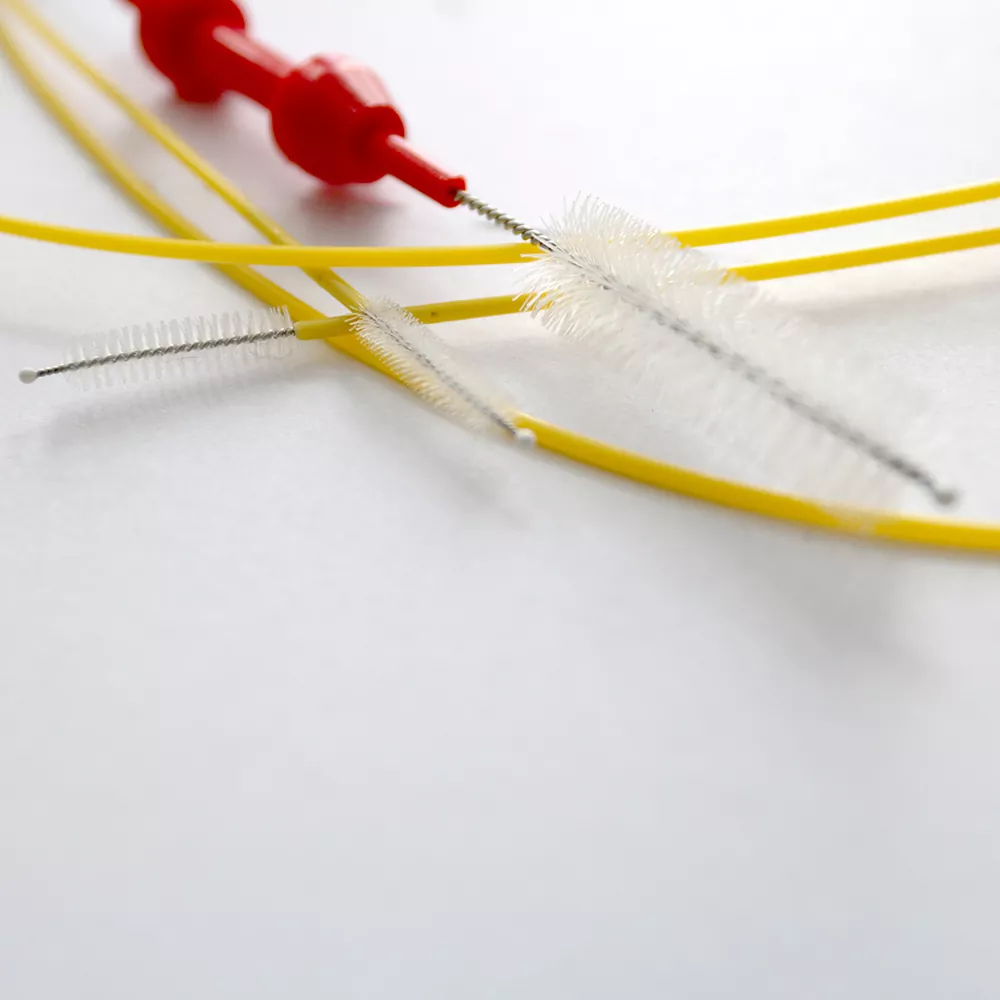
We offer two primary types of brush heads:

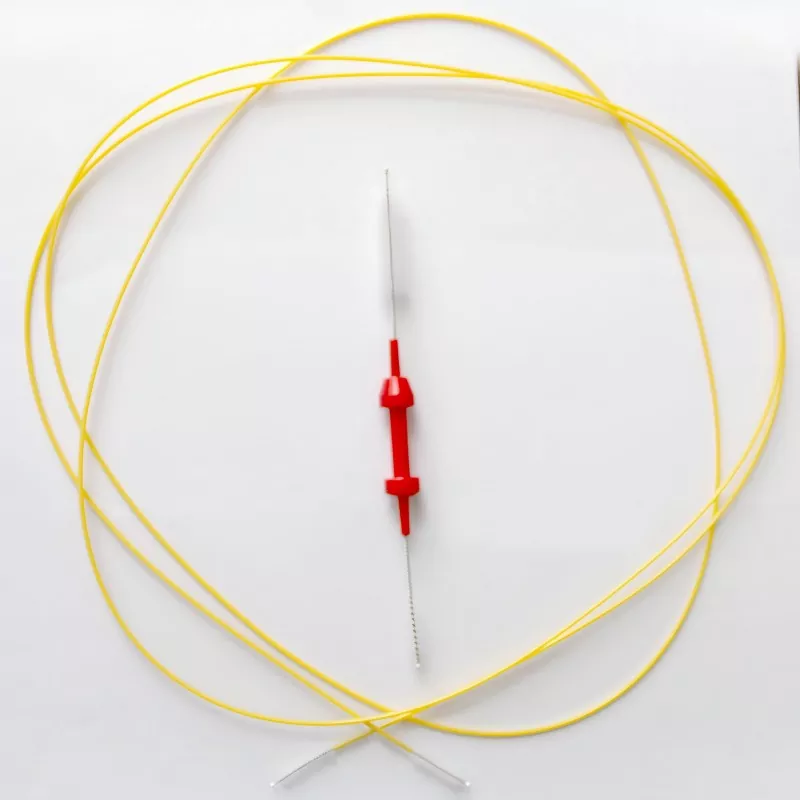
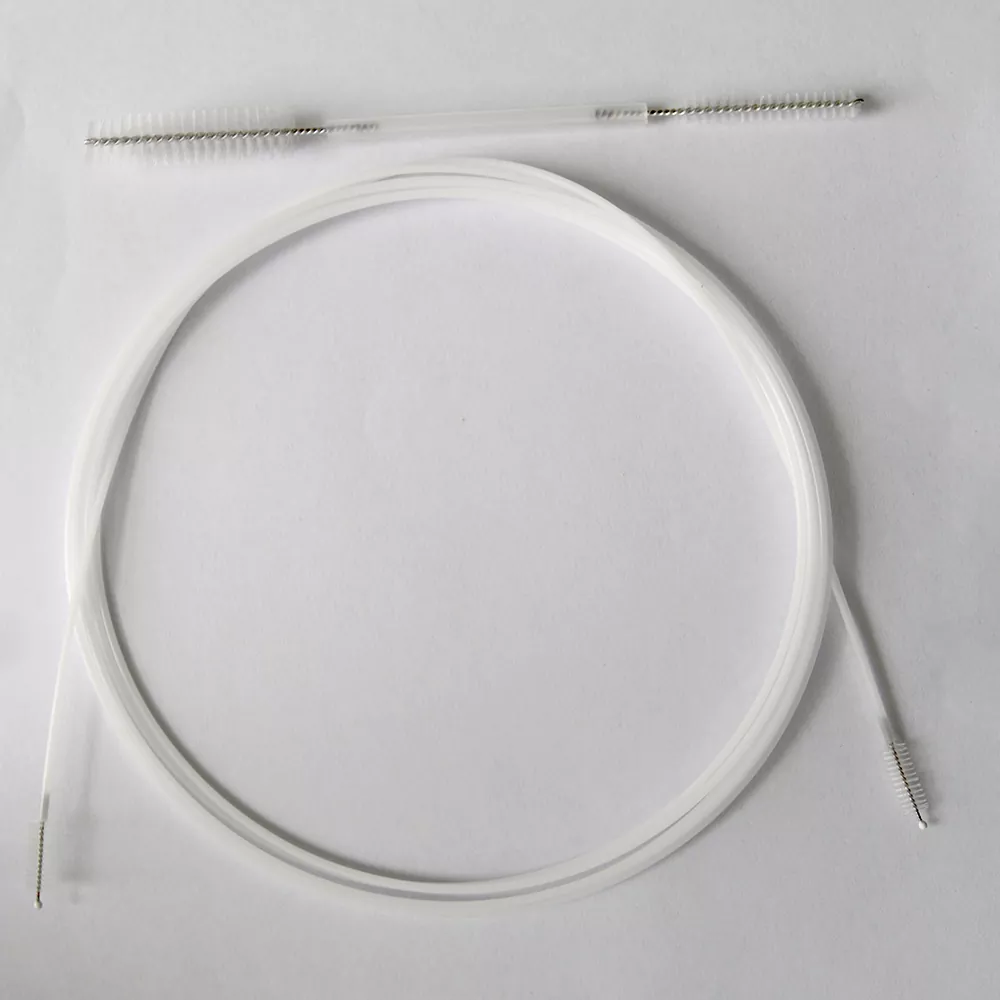
● Dual-end design: Slim and precise, tailored for narrow-diameter channels.

The smaller brush head easily enters and fits snugly against the channel walls of distal tip openings, narrow water/air channels, and other tight lumens.

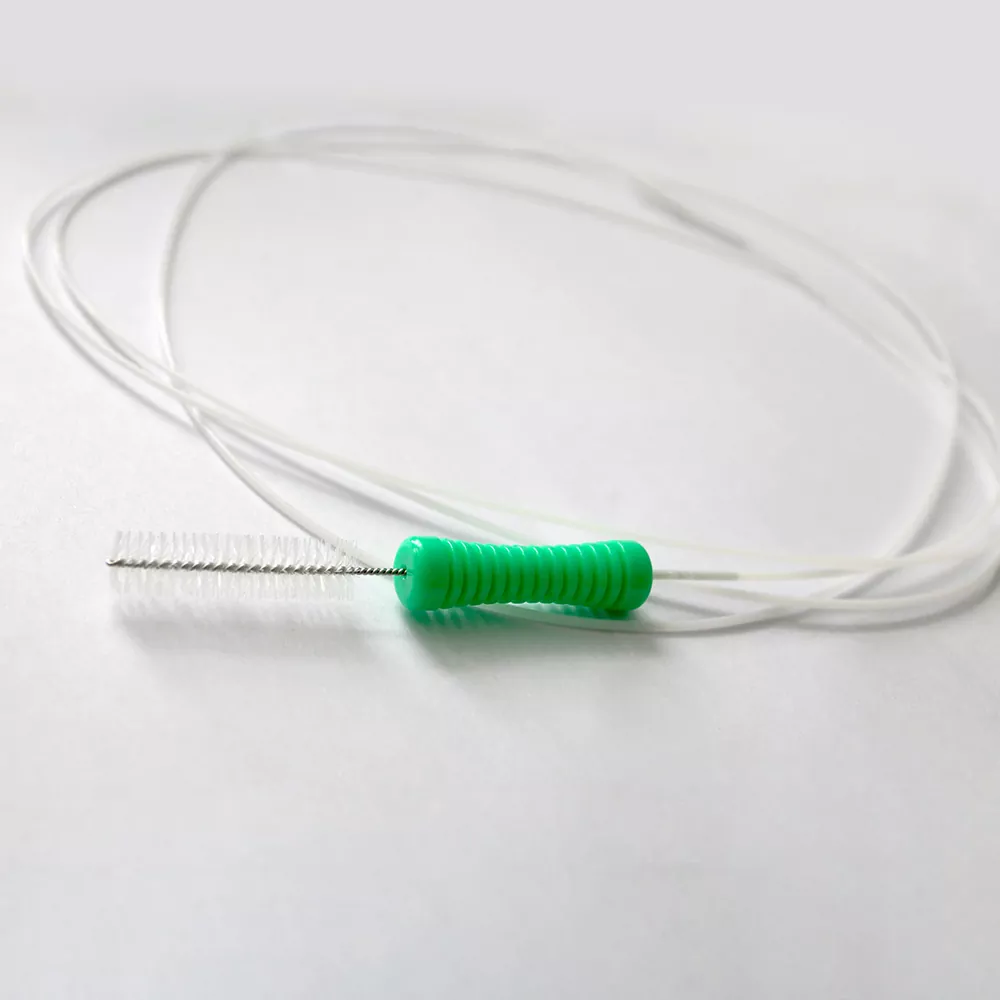
● Large-end brush head: Full and robust, designed specifically for larger-diameter flexible tubes.

The large brush head maintains tight contact with the inner channel walls, enabling 360-degree scrubbing to remove stubborn debris without leaving any blind spots.

Selecting the appropriate brush head ensures optimal contact between the bristles and the channel wall, allowing for the complete removal—in a single pass—of accumulated dust, dried residues, limescale, and microscopic particles invisible to the naked eye.

Material and Design Features

1. Rust-resistant and Highly Flexible

The Endoscope Channel Cleaning Brush navigates smoothly without jamming or damaging the channel, offering excellent flexibility.

LucentMed utilizes an integrated design featuring a stainless steel spring core that easily follows the channel's path and bends freely without permanent deformation, requiring only gentle guidance during use.

2. Rotating Nylon Bristles

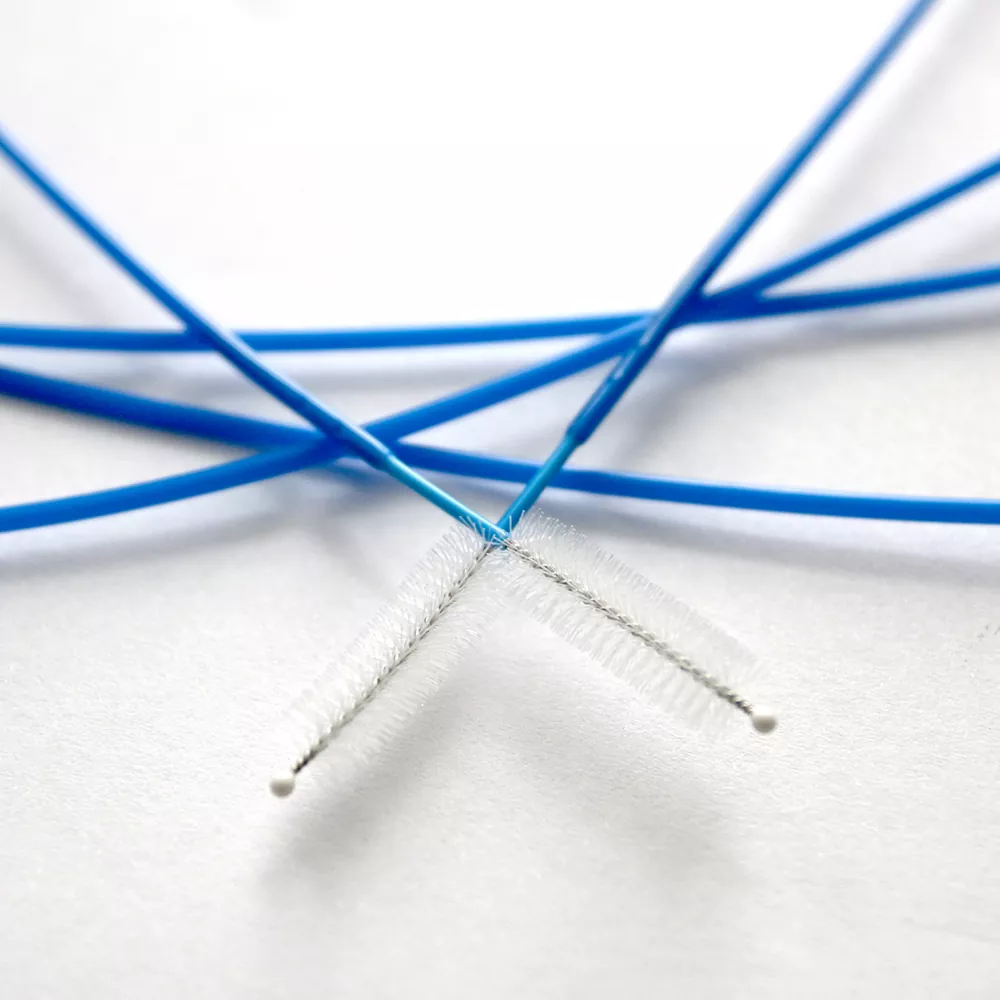
The brush head features rotating nylon bristles and a flexible tubular tip, striking a balance between cleaning efficiency and equipment protection.

The high-quality, medical-grade nylon bristles are arranged in a rotating pattern, creating a dynamic scrubbing action during insertion and withdrawal. Each bristle contact point ensures full engagement with the channel wall, gently dislodging and removing biofilms, mucus, dried blood, and tissue debris adhering to the inner surface.

Endoscope Channel Cleaning Brush

How to Choose the Right Endoscope Channel Cleaning Brush?

Step 1: Determine the Brush Head Diameter

The diameter of the brush bristles must be slightly larger than the inner diameter of the endoscope channel to ensure sufficient friction against the channel walls.

● Micro-channels

Common endoscope types: Ureteroscopes, bronchoscopes, pediatric endoscopes.

Selection: Channel inner diameter is typically 1.0–2.0 mm; choose a micro-brush.

● Standard channels

Common endoscope types: Standard gastroscopes, colonoscopes.

Selection: Channel inner diameter is typically 2.8–3.2 mm; choose a standard gastrointestinal brush.

● Large channels / Therapeutic endoscopes

Common endoscope types: Duodenoscopes, therapeutic colonoscopes.

Selection: Channel inner diameter is 3.7–4.2 mm or larger; choose a specialized large-sized brush head.

Step 2: Determine the Brush Shaft Length

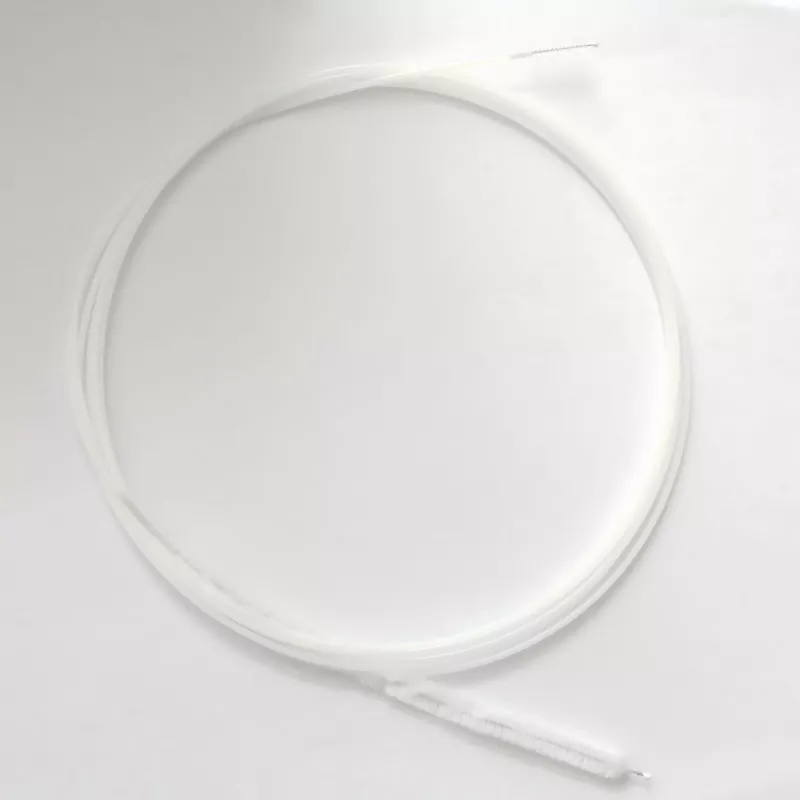
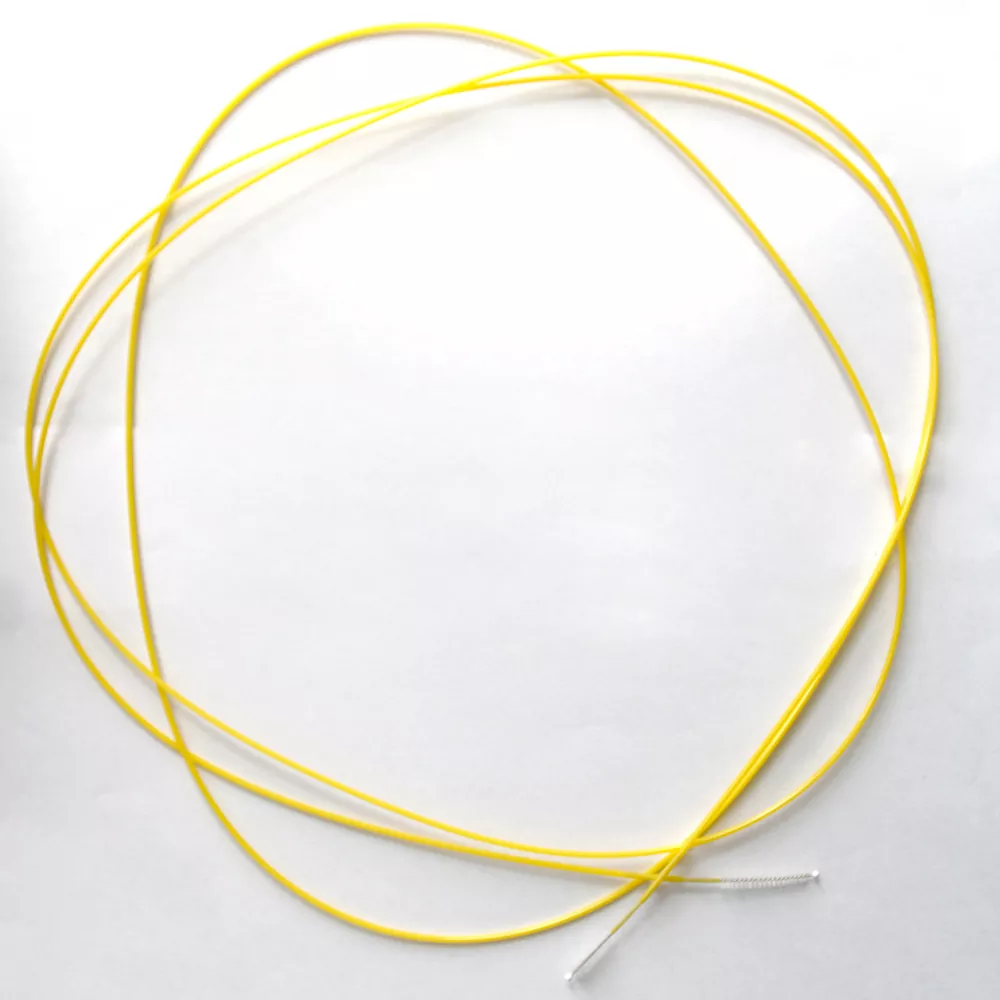
The effective length of the brush shaft must exceed the total length of the endoscope channel to ensure the brush head can fully exit from the other end.

● Gastroscopes/Bronchoscopes: Choose a product with a shaft length of approximately 120–160 cm.

● Colonoscopes: Due to their greater length, a product with a shaft length of 230–240 cm or more is required.

Step 3: Select Specialized Brushes (If Necessary)

Button ports/Control valves: Require a specialized control valve brush—usually a short, double-ended brush with one thick end and one thin end—designed specifically for cleaning the button housing.

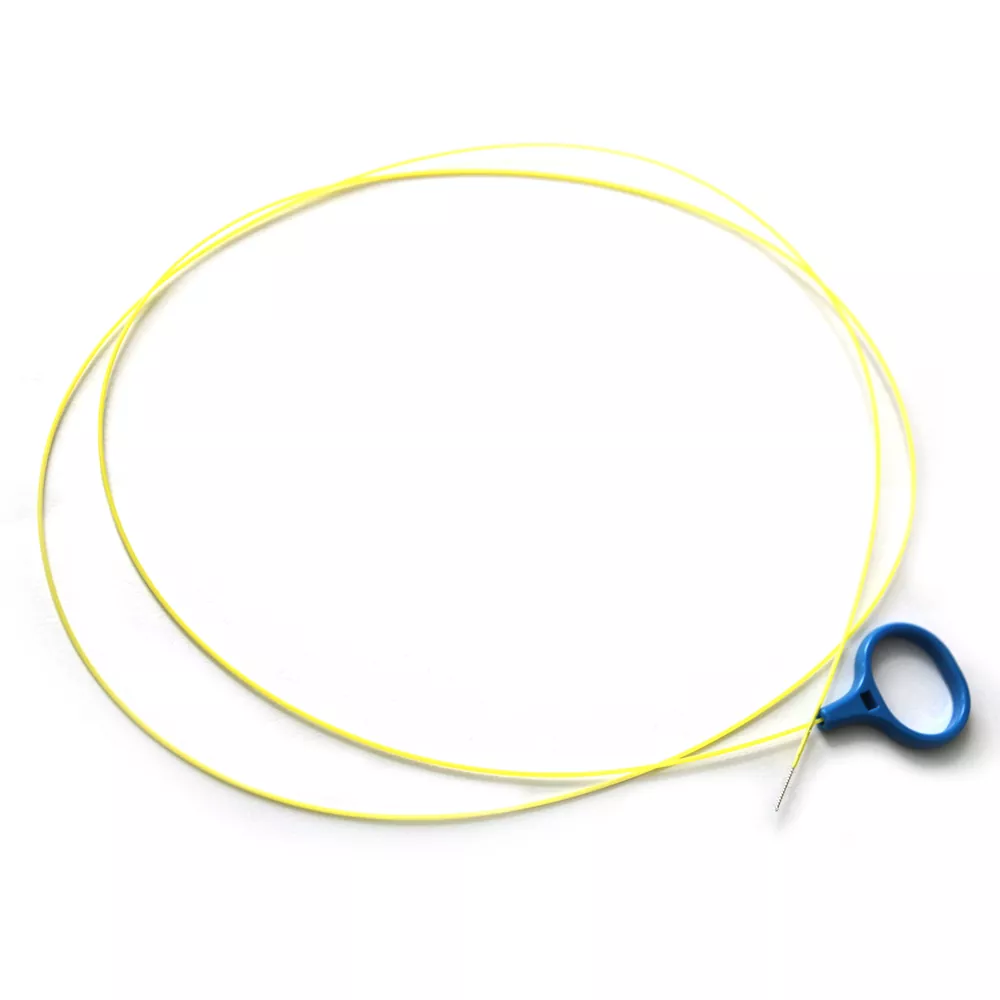
Forceps elevator channel: Features a highly complex structure; requires a specialized elevator channel brush that is extremely fine and equipped with a special protective tip.

FAQ

Q1: Are EO residue levels safe after sterilization?

A1: After standard sterilization, products undergo either forced aeration (48–72 hours in a ventilation cabinet) or natural aeration (7–14 days) to meet safety standards.

LucentMed conducts random inspections for EO residue on every sterilized batch; measured values are typically ≤0.5 mg.

Q2: Do disposable cleaning brushes generate excessive medical waste? How eco-friendly are they?

A2: The primary materials used in disposable endoscope cleaning brushes (PP, nylon, ABS) are classified as combustible medical waste. Upon incineration, they primarily yield CO₂ and water vapor, without producing persistent organic pollutants such as dioxins.

We are also collaborating with material suppliers to develop biodegradable medical brushes.

Q3: How is the risk of brush head detachment managed?

A3: LucentMed utilizes an integrated molding/die-casting process (avoiding adhesives); the pull-off strength at the connection between the brush head and the shaft is ≥10 N (approx. 1 kg)—more than five times the force required for normal operation.

Should any batch exhibit looseness or detachment, use must be halted immediately and a recall initiated; we provide free replacements and batch traceability analysis.

Q4: Which is safer: a metal brush shaft or a plastic one?

A4: Modern designs favor composite structures: brush heads utilize soft polymer materials (nylon/DuPont filaments). While all-metal brush shafts offer superior cleaning efficiency, they carry a higher risk of scratching if the bristle tips are not rounded.

Manufacturing precision is key; through micron-level tip grinding and rounding processes, metal bristles can also be used safely. Currently, composite shafts—featuring a metal core encased in plastic—are widely adopted to balance cleaning power with protective capabilities.

Hot Tags: endoscope channel cleaning brush, endoscope cleaning brush, endoscope brush
Send Inquiry
Contact Info
  • Address

    Zhongke Industrial City, No. 6, Xihuan Road, Jiangshan Town, Laixi City, Qingdao, Shandong Province, China

Your Vision + Our Expertise = Global-Ready Medical Solutions
Why Inquire with LucentMed?
48-Hour Custom Quote:
Free Sample Acceleration
Pre-Assessed Compliance
Scalability Guaranteed
X
We use cookies to offer you a better browsing experience, analyze site traffic and personalize content. By using this site, you agree to our use of cookies.Privacy Policy
RejectAccept