Follow Us:

News

Why Is an Interdental Cleaner Essential for Better Oral Hygiene and Healthier Gums

2026-11-02 0 Leave me a message

Article Summary: Maintaining healthy teeth requires more than brushing twice a day. An Interdental Cleaner is designed to remove food particles and plaque from the narrow spaces between teeth, where conventional toothbrushes cannot reach effectively. From daily oral hygiene to orthodontic care and dental implant maintenance, interdental cleaning tools provide targeted support for a more complete cleaning routine. This article explores how interdental cleaners work, their main advantages, available designs, size selection, proper usage, and the factors buyers should consider when choosing a reliable manufacturer. With its professional brush manufacturing experience, LucentMed provides a range of interdental cleaning solutions designed to meet different oral care requirements and customized product specifications.

Interdental Cleaner

Table of Contents


What Is an Interdental Cleaner?

An interdental cleaner is an oral hygiene tool specifically designed to clean the spaces between adjacent teeth. These areas are often difficult to access with an ordinary toothbrush because conventional toothbrush bristles primarily focus on exposed tooth surfaces and the gumline.

Interdental cleaners are available in several forms, including small interdental brushes, dental floss, specialized cleaning picks, and water-based cleaning devices. Among these options, interdental brushes are particularly useful for cleaning medium-to-wide interdental spaces and areas surrounding orthodontic appliances, dental bridges, and implants.

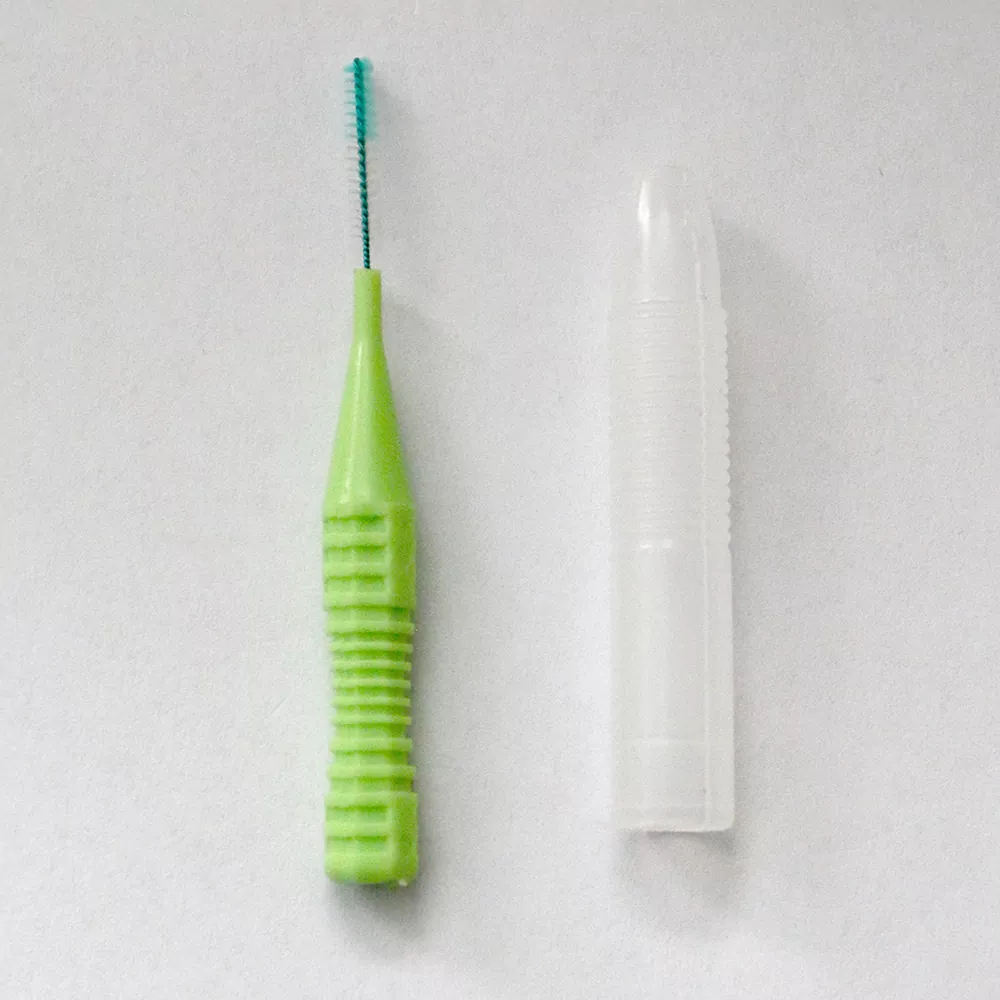
A typical interdental brush consists of three main components:

  • Brush Head: A compact cleaning section featuring fine bristles that remove food debris and plaque from interdental spaces.
  • Central Wire: A supporting structure that holds the bristles and provides flexibility during cleaning.
  • Handle: An ergonomic grip that helps users control insertion direction, movement, and cleaning pressure.

Depending on the product design, manufacturers may offer different head diameters, handle shapes, bristle configurations, and disposable or reusable options. These variations help accommodate different oral structures and consumer preferences.

For more information about available products, explore LucentMed Interdental Cleaner.


Why Does Interdental Cleaning Matter?

Food particles and bacterial plaque can accumulate between teeth throughout the day. If these deposits are not removed regularly, plaque may contribute to gum inflammation, unpleasant breath, and other oral health problems.

Regular interdental cleaning complements toothbrushing by reaching areas that toothbrush bristles may not adequately clean. According to the American Dental Association (ADA), cleaning between teeth with floss or another appropriate interdental cleaner is an important part of maintaining oral health.

1. Removes Food Particles and Plaque

Interdental brushes physically contact tooth surfaces within accessible gaps, helping dislodge trapped food particles and remove plaque deposits. Their compact brush heads allow users to clean areas that are difficult to reach with conventional toothbrushes.

2. Supports Healthier Gums

Consistent plaque removal helps support healthy gum tissue. Interdental cleaning is particularly important around gum margins, where plaque accumulation can contribute to gingivitis and periodontal problems.

3. Helps Maintain Fresh Breath

Food debris trapped between teeth can contribute to unpleasant breath as bacteria break down organic materials. Removing these deposits regularly helps maintain a cleaner oral environment.

4. Improves Cleaning Around Dental Appliances

Braces, bridges, and implants create additional spaces where food and plaque may accumulate. An appropriately sized interdental brush can help clean these difficult areas as part of a dentist-recommended oral hygiene routine.


How Does an Interdental Cleaner Work?

An interdental brush works through direct mechanical contact. Its fine bristles enter the space between teeth and gently sweep against accessible tooth surfaces, helping loosen plaque and remove trapped debris.

Unlike ordinary toothbrushes, which have relatively large brush heads, interdental cleaners are designed with compact dimensions to access restricted spaces.

The basic cleaning process involves three steps:

  1. Insertion: Position the brush at the entrance of the interdental space and gently guide it through the gap.
  2. Mechanical Cleaning: Move the brush back and forth gently to allow the bristles to contact the surrounding tooth surfaces.
  3. Removal: Carefully withdraw the brush and rinse it if the product is designed for reuse.

Proper sizing is essential. The brush should fit comfortably without requiring excessive pressure. Users should never force a brush into a space that is too narrow.

The effectiveness of an interdental cleaner depends on several design factors, including bristle quality, brush head diameter, wire flexibility, structural stability, and handle ergonomics.


What Are the Different Types of Interdental Cleaners?

Different consumers have different oral hygiene requirements. Therefore, manufacturers develop multiple interdental cleaning designs to accommodate different cleaning situations and user preferences.

1. Standard Interdental Brushes

Standard interdental brushes feature a compact brush head supported by a central wire. They are commonly used for daily cleaning between teeth and are available in multiple diameters.

2. Disposable Interdental Brushes

Disposable interdental brushes are designed for convenient single-use applications. They are suitable for travel, retail oral care products, dental distribution channels, and situations where users prefer not to clean and store reusable tools.

3. Reusable Interdental Brushes

Reusable models are designed for repeated cleaning when maintained according to the manufacturer's instructions. Their practical value depends on material durability, bristle condition, and appropriate hygiene management.

4. Orthodontic Interdental Brushes

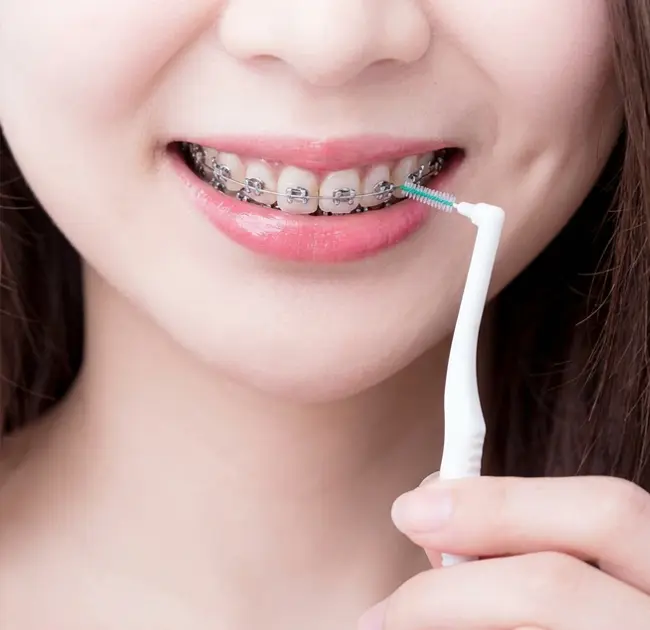
These products are designed to help clean around brackets, archwires, and other orthodontic components. Their compact brush heads and suitable handle configurations provide access to areas that may be difficult to reach with conventional toothbrushes.

5. Customized Interdental Brushes

Customized products allow brands and distributors to specify brush dimensions, handle structures, colors, packaging, and other product details. This option is particularly valuable for businesses developing differentiated oral care product lines.


Interdental Cleaner vs. Other Oral Hygiene Tools

Although several oral hygiene products help clean between teeth, their working principles and suitable applications differ. Understanding these differences helps consumers select appropriate cleaning tools.

Comparison Criteria Toothbrush Dental Floss Interdental Brush Water Flosser
Primary Function General tooth cleaning Cleaning tight tooth contacts Cleaning interdental spaces Water-based rinsing
Cleaning Method Mechanical brushing Thread-based cleaning Direct bristle contact Pressurized water
Suitable Spaces Exposed surfaces Very narrow gaps Accessible medium and wider gaps Various interdental areas
Orthodontic Care Limited access Requires technique Useful around brackets Useful as a supplement
Implant Maintenance Limited access Useful in selected areas Useful with suitable sizing Supplementary cleaning
Portability High High High Depends on device

No single oral hygiene tool is suitable for every interdental space. For example, dental floss may be more appropriate for tight contacts, while interdental brushes can be useful where sufficient space allows the brush to pass without force. Water flossers can provide additional cleaning support.

For comprehensive guidance, readers can consult the ADA guide to dental floss and interdental cleaners.


How to Choose the Right Interdental Cleaner Size

Size selection is one of the most important factors affecting the comfort and performance of an interdental brush. A brush that is too small may not make sufficient contact with the tooth surfaces, while one that is too large may cause discomfort or injure the gums.

LucentMed offers multiple size options to accommodate different interdental spaces, including ultra-fine specifications for narrower gaps and larger brush heads for wider spaces.

The following table provides a general product selection reference based on the specifications displayed on the product page.

Brush Head Diameter ISO Reference Typical Application Recommended Consideration
0.4 mm ISO 0 Ultra-narrow spaces Very small interdental gaps
0.5 mm ISO 0–1 Very narrow spaces Users requiring extra-fine brushes
0.6 mm ISO 1 Narrow spaces Fine daily cleaning
0.7 mm ISO 1–2 Medium spaces General interdental cleaning
0.8 mm ISO 2 Medium-to-wide spaces Selected orthodontic applications
1.0 mm ISO 3 Relatively wide spaces Selected bridge and implant cleaning
1.2 mm and above ISO 4+ Wide spaces Users with larger interdental gaps

Important: The chart is a general product reference, not a universal clinical prescription. Actual brush selection should be based on individual tooth spacing and professional dental advice. Different manufacturers may also use different dimensional conventions.

Key Factors to Consider

  • Brush Diameter: Match the brush head to the available interdental space.
  • Bristle Density: Appropriate bristle distribution helps improve contact with tooth surfaces.
  • Wire Flexibility: A suitable supporting wire helps the brush navigate accessible spaces without unnecessary force.
  • Handle Design: An ergonomic handle provides better grip and cleaning control.
  • Product Hygiene: Consider whether disposable or reusable models better suit the intended application.

How to Use an Interdental Cleaner Correctly

Correct usage is essential for achieving effective cleaning while protecting delicate gum tissue. Even a well-designed interdental brush may cause discomfort if users select an inappropriate size or apply excessive pressure.

Step-by-Step Cleaning Instructions

  1. Select the appropriate size. Choose a brush that fits the space comfortably. Different areas of the mouth may require different sizes.
  2. Position the brush correctly. Stand in front of a mirror and identify the interdental space to be cleaned.
  3. Insert gently. Guide the brush through the opening without forcing it against the teeth or gums.
  4. Move horizontally. Use gentle back-and-forth movements to clean the accessible surfaces.
  5. Clean each selected area. Pay attention to spaces around orthodontic appliances and dental restorations when appropriate.
  6. Maintain product hygiene. Rinse reusable brushes according to the manufacturer's instructions and replace them when worn or damaged.

Important Usage Precautions

  • Never force an interdental brush into a tight space.
  • Avoid excessive pressure that may injure the gums.
  • Do not continue using a brush with bent wires or damaged bristles.
  • Follow the product's cleaning, storage, and replacement instructions.
  • Consult a dental professional if bleeding, pain, or irritation persists.

People who are new to interdental cleaning may notice mild bleeding, particularly when gum inflammation is already present. Persistent or heavy bleeding should not be ignored and requires professional evaluation.


Who Can Benefit from Interdental Cleaners?

Interdental cleaners are useful for many people, although the appropriate design and size depend on individual oral conditions.

1. Daily Oral Care Users

Individuals who want to improve their daily oral hygiene routines can use appropriately sized interdental brushes to clean accessible spaces between teeth.

2. Orthodontic Patients

People wearing braces often experience additional plaque accumulation around brackets and wires. Specialized interdental brushes can help clean these areas more effectively.

3. Dental Implant and Bridge Users

Dental implants and fixed bridges may create cleaning areas that are difficult to reach with standard toothbrushes. Suitable interdental cleaning tools can help maintain these areas under professional guidance.

4. Dental Clinics and Oral Care Distributors

Dental clinics, pharmacies, distributors, and oral care brands require reliable products with consistent specifications. Interdental brushes are practical additions to professional and consumer oral hygiene product portfolios.

5. Private Label and OEM Brands

Companies developing their own oral care product lines may require customized brush dimensions, packaging, colors, and branding. Working with an experienced manufacturer can simplify product development and bulk procurement.


What Should Buyers Look for in an Interdental Cleaner Manufacturer?

For importers, wholesalers, dental product distributors, and private-label brands, selecting an appropriate manufacturer is just as important as selecting the product itself.

A dependable supplier should provide consistent production quality, flexible specifications, transparent communication, and reliable customization support.

1. Manufacturing Experience

Experience in brush manufacturing helps suppliers understand the relationship between bristle materials, brush dimensions, wire structures, and handle ergonomics. Buyers should evaluate a manufacturer's production history and relevant product experience.

2. Material and Product Quality

Material selection directly influences brush performance and durability. Buyers should request information about bristle materials, supporting wire specifications, handle materials, and applicable product safety documentation.

3. Quality Control Procedures

Consistent quality requires systematic inspection throughout manufacturing. Important checkpoints include:

  • Incoming raw material inspection.
  • Brush head and bristle insertion inspection.
  • Dimensional and structural consistency checks.
  • Finished product appearance inspection.
  • Packaging and batch identification checks.

4. OEM and ODM Customization

Different markets have different product positioning and packaging requirements. An experienced OEM/ODM supplier should be able to discuss customization options, including:

  • Brush head diameter and length.
  • Handle shape, dimensions, and colors.
  • Bristle specifications and product configurations.
  • Private-label printing and customized packaging.
  • Product samples and development support.

Why Consider LucentMed?

LucentMed is a medical and oral care brush manufacturer operated by Qingdao Lushua Medical Technology Co., Ltd. With manufacturing experience dating back to 2004, the company supplies various brush products for oral care, medical, and industrial applications.

Its interdental cleaner product range focuses on different cleaning requirements through multiple brush sizes and product configurations.

Key manufacturing and service advantages include:

  • Professional Manufacturing Experience: More than 20 years of experience in brush research, development, and production.
  • Multiple Product Specifications: Different brush diameters and designs for varying interdental spaces.
  • Quality Management: A dedicated 30-person quality inspection team supports product consistency and manufacturing inspection.
  • Sample Support: Product samples are available to help buyers evaluate specifications before bulk purchasing.
  • OEM/ODM Services: Customization options cover product dimensions, structures, colors, and packaging.
  • International Manufacturing Standards: The company reports ISO 13485, ISO 9001, and CE-related certifications and compliance credentials. Buyers should verify the applicable certification scope and product documentation for their target market.

For businesses seeking a professional interdental cleaner manufacturer, LucentMed provides product selection assistance, sample evaluation, and customized manufacturing solutions.


Frequently Asked Questions

Q1: What is the main purpose of an interdental cleaner?

A: An interdental cleaner is designed to remove food particles and plaque from spaces between teeth that conventional toothbrushes may not reach effectively. It supports daily oral hygiene and helps maintain healthier gums when used correctly.

Q2: Is an interdental brush better than dental floss?

A: Neither option is universally better. Dental floss is particularly useful for tight tooth contacts, while interdental brushes are suitable for accessible medium and wider spaces. The appropriate choice depends on individual tooth spacing and dental recommendations.

Q3: Can interdental cleaners be used with braces?

A: Yes. Appropriately sized interdental brushes can help clean around orthodontic brackets and archwires, where food debris and plaque may accumulate. Users should select suitable products and avoid applying excessive pressure.

Q4: What size interdental cleaner should I choose?

A: The correct size depends on the space between your teeth. Smaller diameters are generally appropriate for narrower spaces, while larger brushes may suit wider gaps. A dental professional can help determine the correct size for individual areas.

Q5: Can interdental brushes be used around dental implants?

A: Yes. Certain interdental brushes can help clean accessible spaces around implants and bridges. However, users should select a compatible design, particularly regarding supporting wire materials and coatings, to avoid damaging restoration surfaces. Professional dental guidance is recommended.

Q6: How often should an interdental cleaner be replaced?

A: Replacement frequency depends on the product design and manufacturer's instructions. A reusable brush should be replaced when its bristles become flattened, its supporting wire becomes bent, or its cleaning performance deteriorates. Disposable products should be discarded after the intended use.

Q7: Does LucentMed provide customized interdental cleaners?

A: Yes. LucentMed supports OEM and ODM customization for different product requirements. Buyers can discuss brush dimensions, handle designs, colors, packaging, and other specifications with the manufacturing team.

Q8: Can buyers request samples before placing bulk orders?

A: Yes. LucentMed provides sample support so buyers can evaluate product dimensions, brush structures, and overall quality before confirming larger orders. Customized sample arrangements can be discussed according to project requirements.


Conclusion: Make Interdental Cleaning Part of Daily Oral Care

Effective oral hygiene requires attention to areas that conventional toothbrushes cannot adequately reach. An appropriately selected Interdental Cleaner helps remove food debris and plaque between teeth, supports gum health, and provides additional cleaning access around braces, bridges, and implants.

For consumers, selecting the correct brush size and using it gently are essential to achieving a comfortable cleaning experience. For distributors, dental clinics, and private-label brands, product consistency, material quality, manufacturing capabilities, and customization flexibility are equally important purchasing considerations.

As an experienced oral care brush manufacturer, LucentMed is committed to providing practical interdental cleaning solutions for different market requirements. Whether you are looking for standard products, customized specifications, or OEM/ODM manufacturing support, explore the possibilities with our professional team. If you are planning a new oral care product line or searching for a reliable long-term supplier, contact us today to request product samples, discuss customization requirements, and receive a competitive quotation for your business.

Related News
Leave me a message
X
We use cookies to offer you a better browsing experience, analyze site traffic and personalize content. By using this site, you agree to our use of cookies. Privacy Policy
RejectAccept