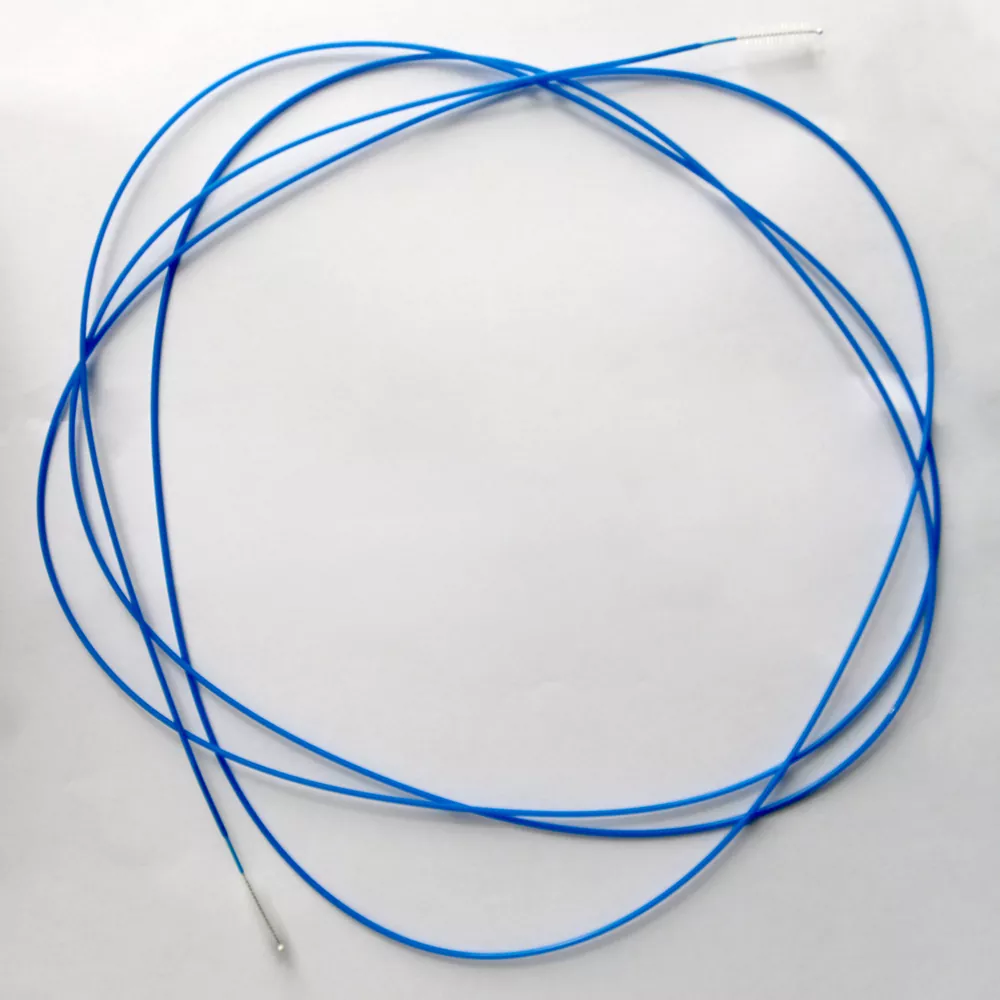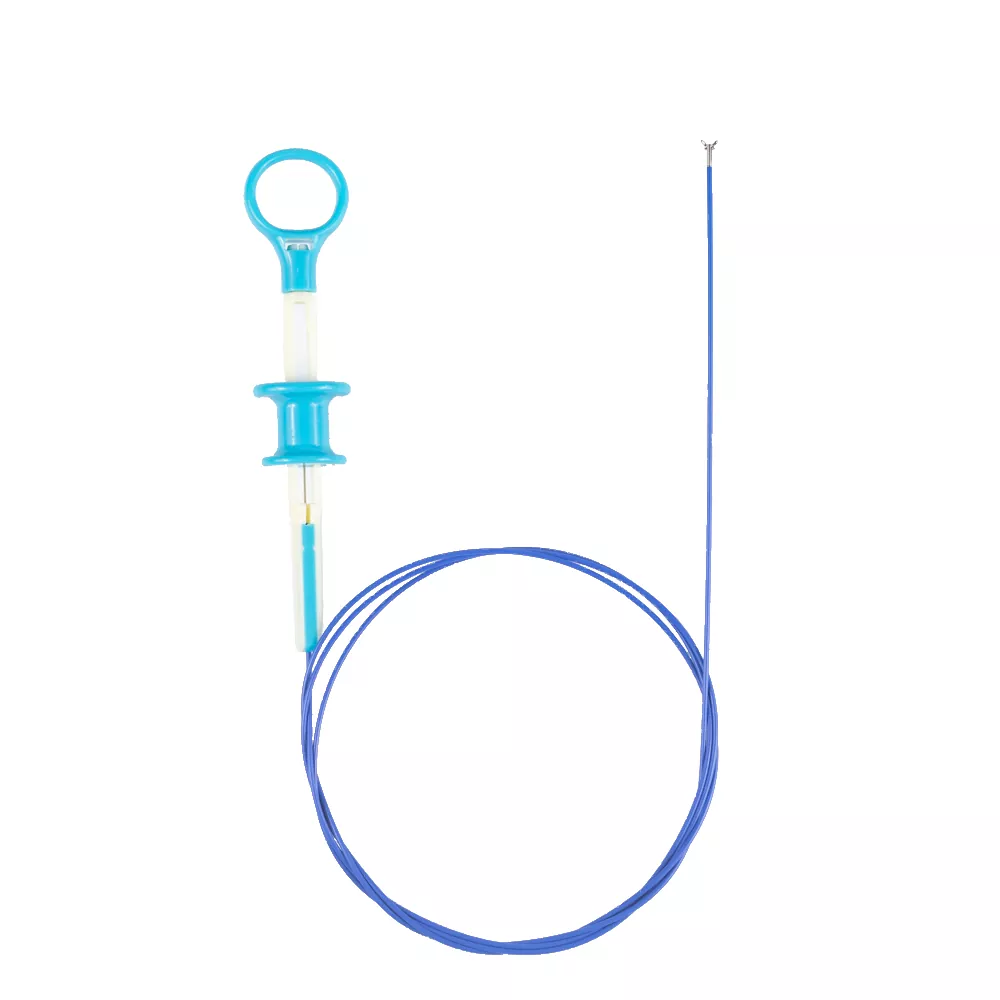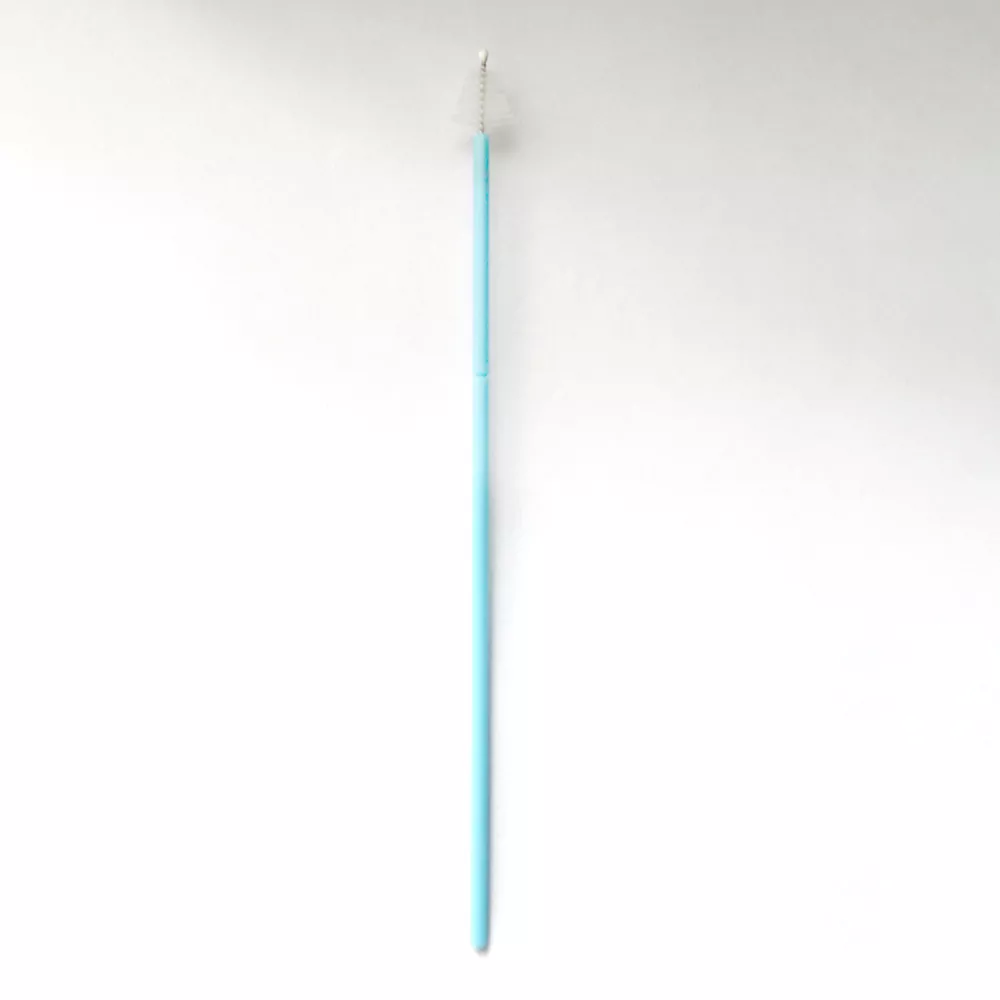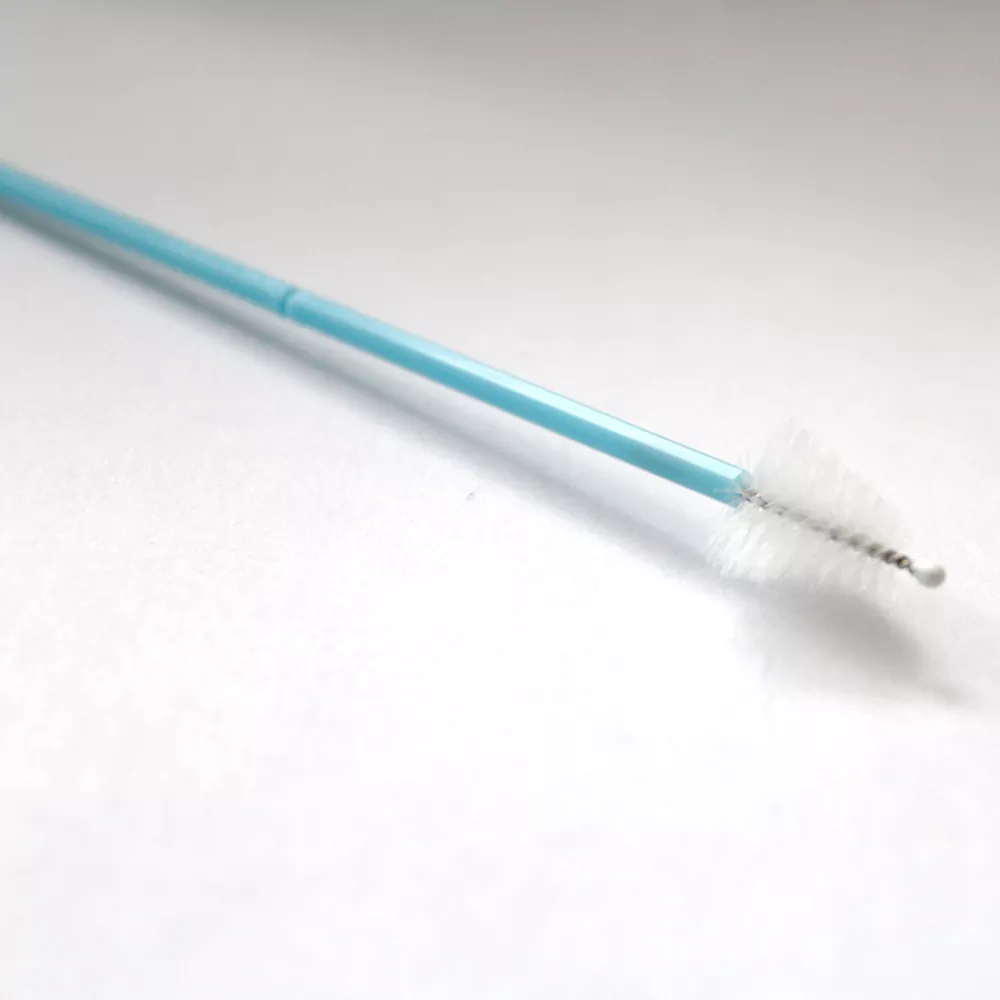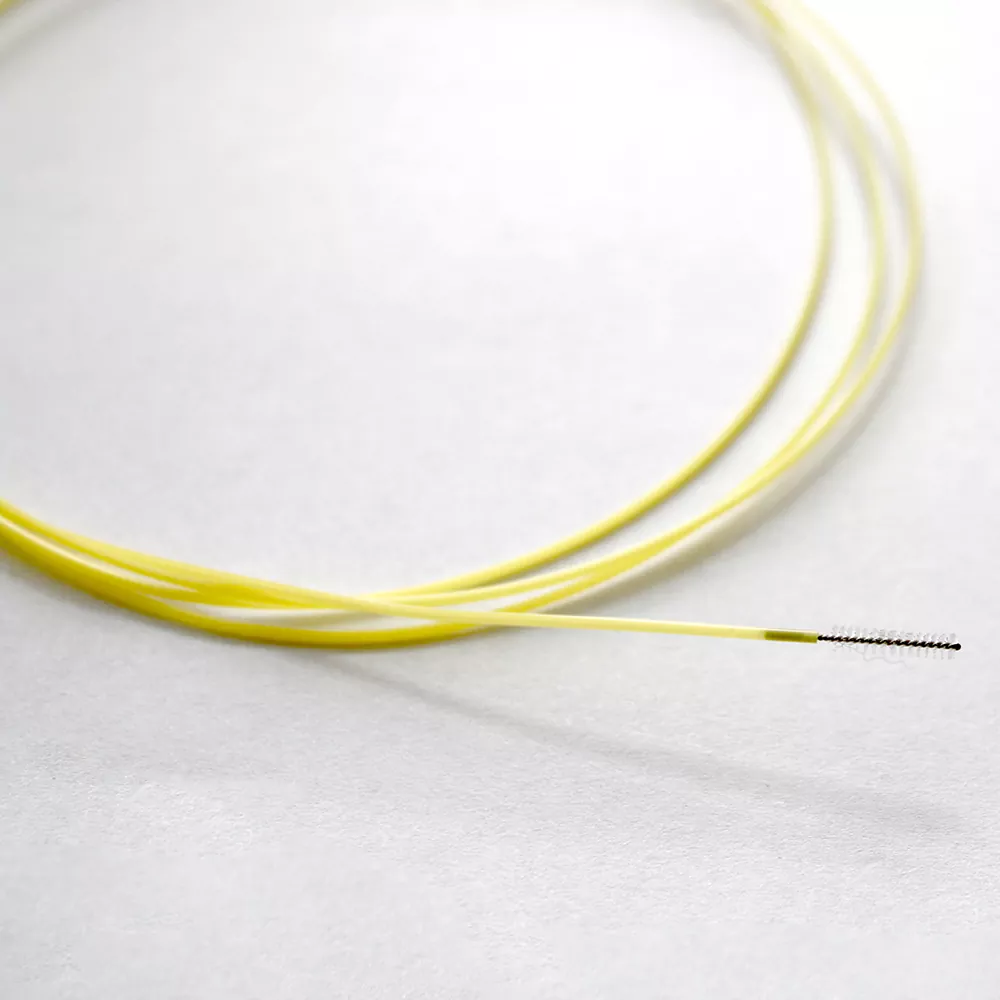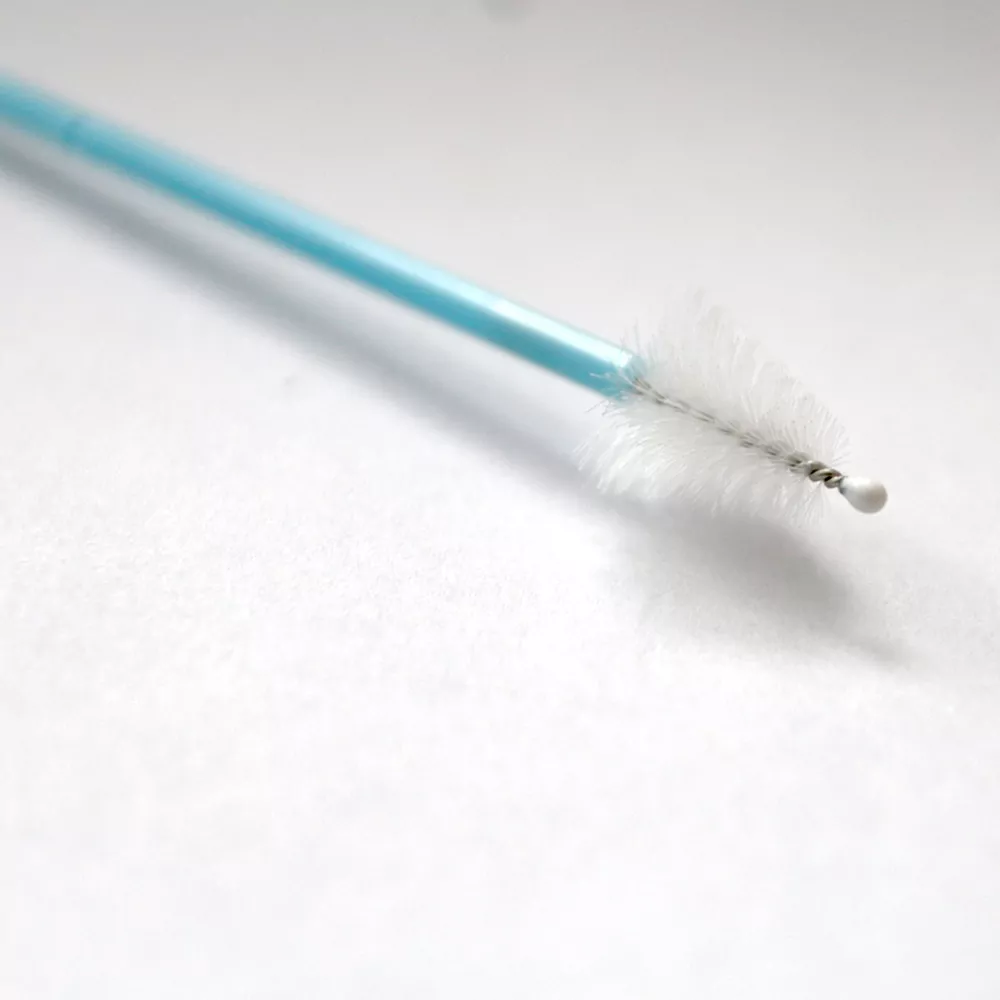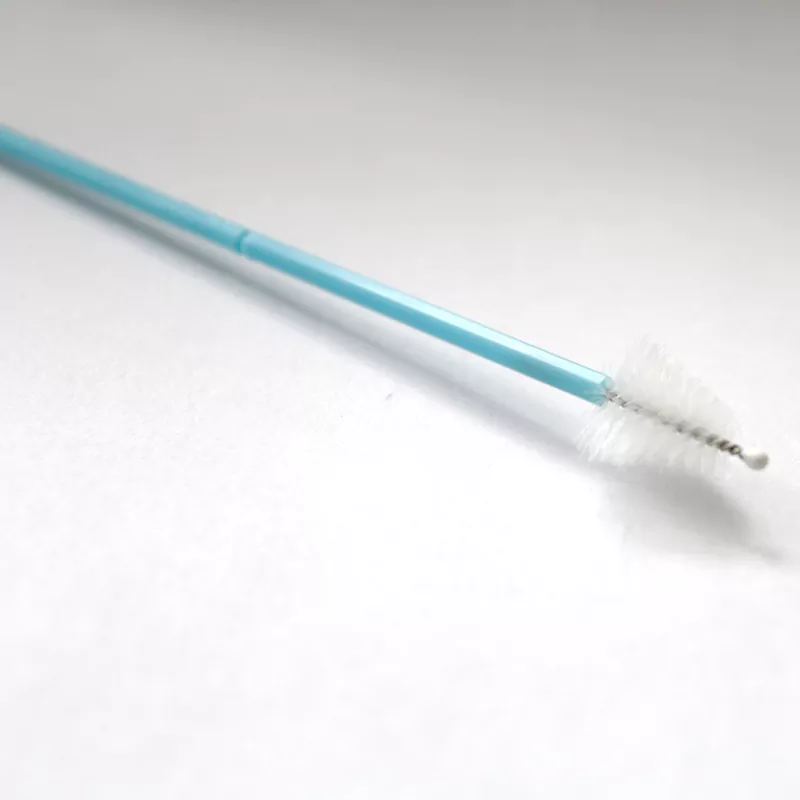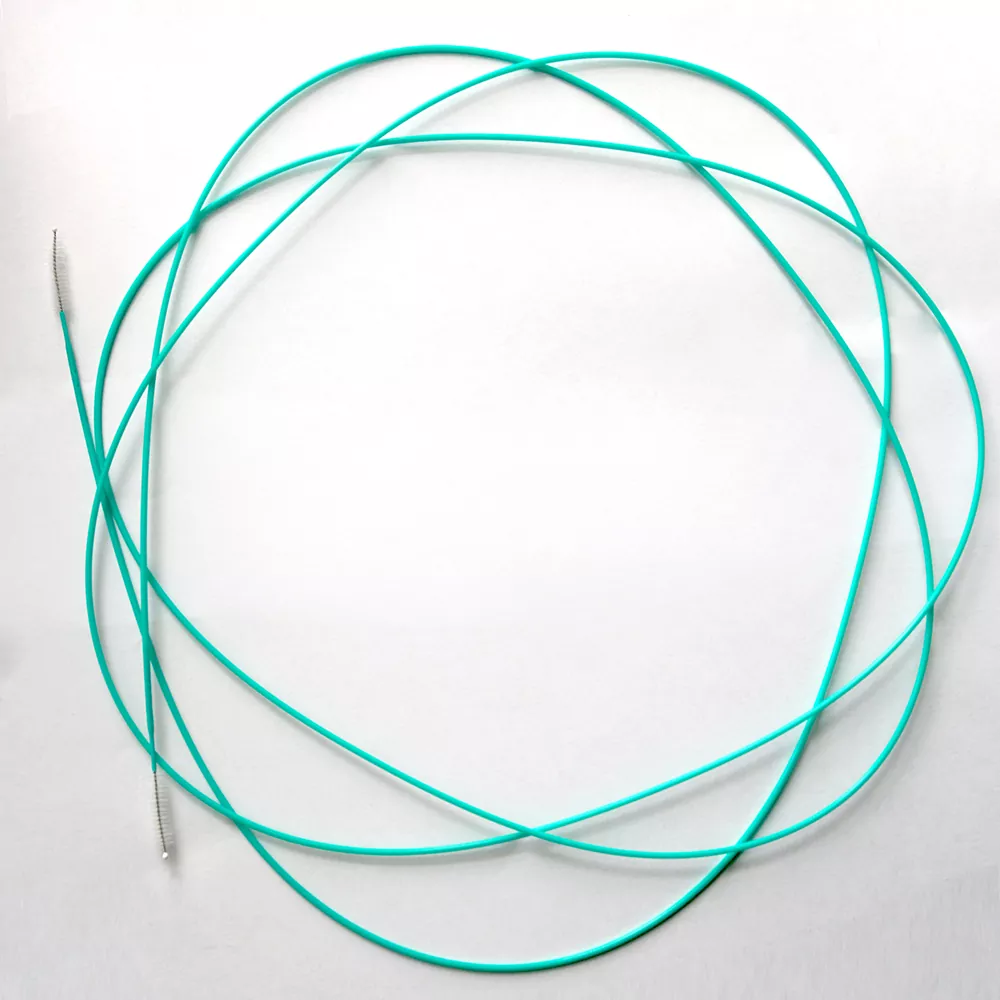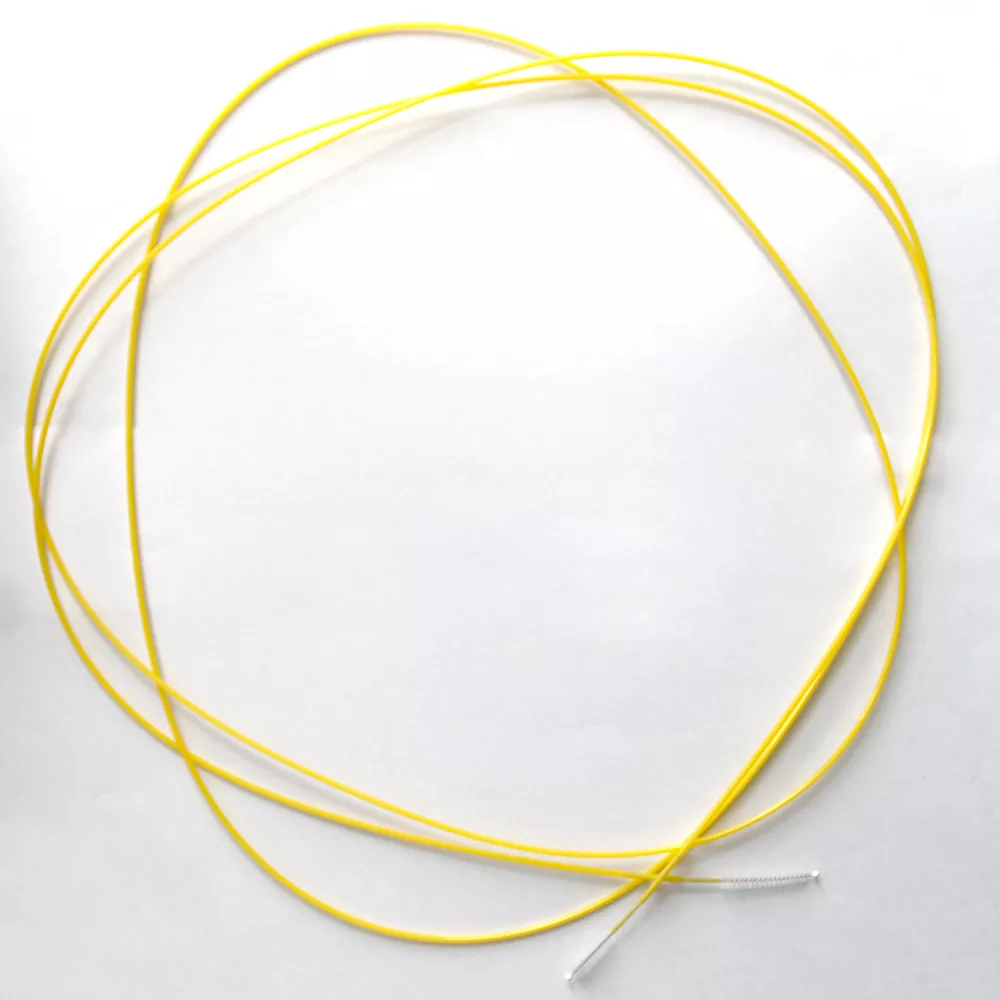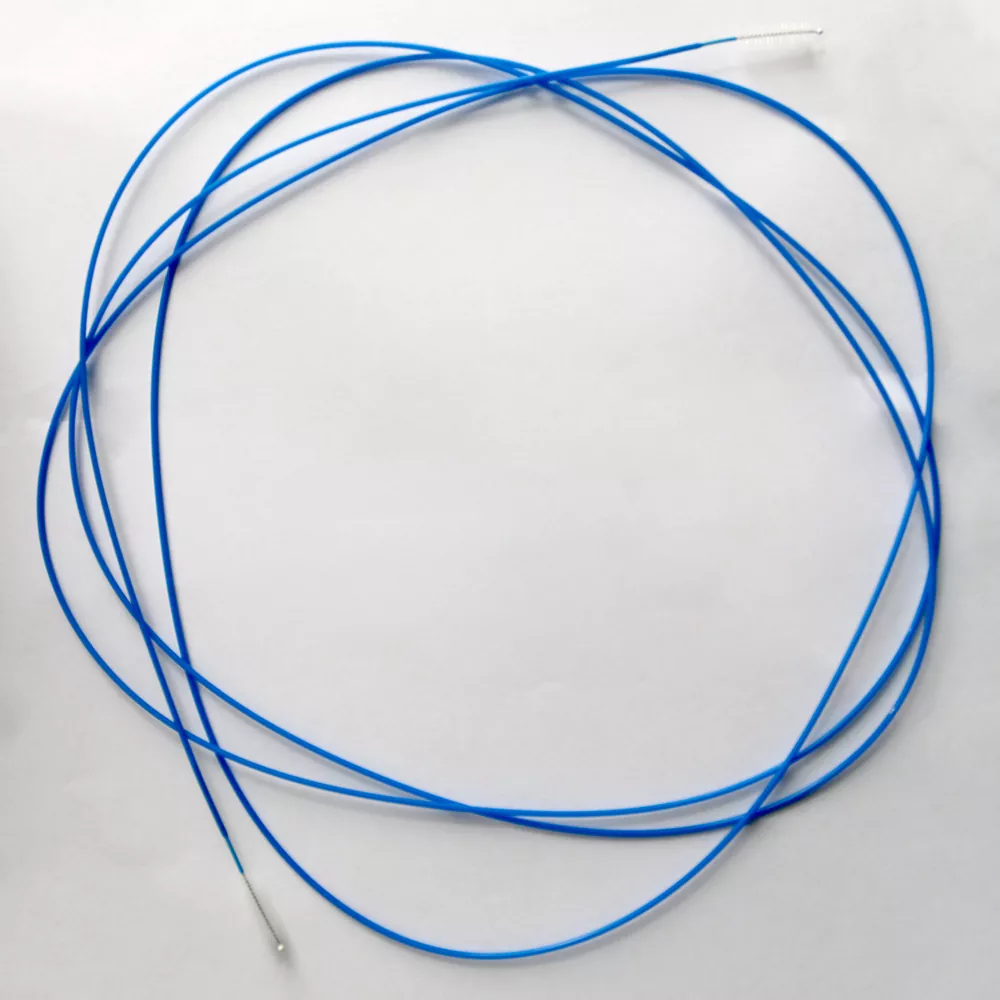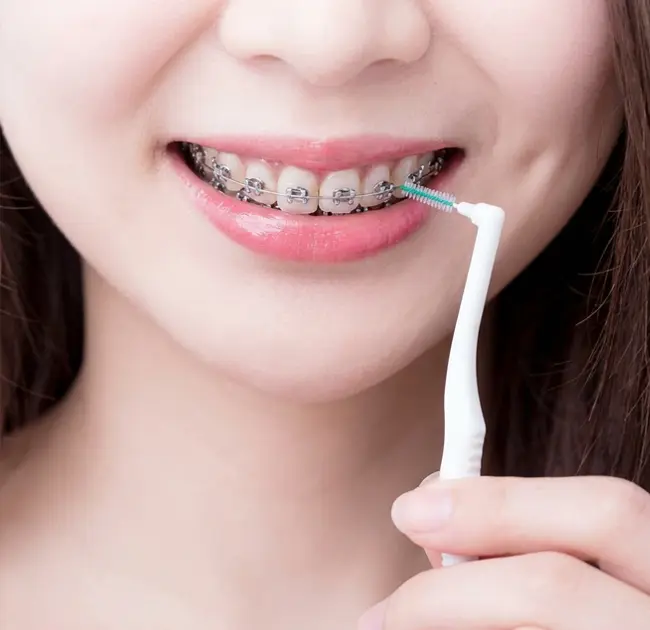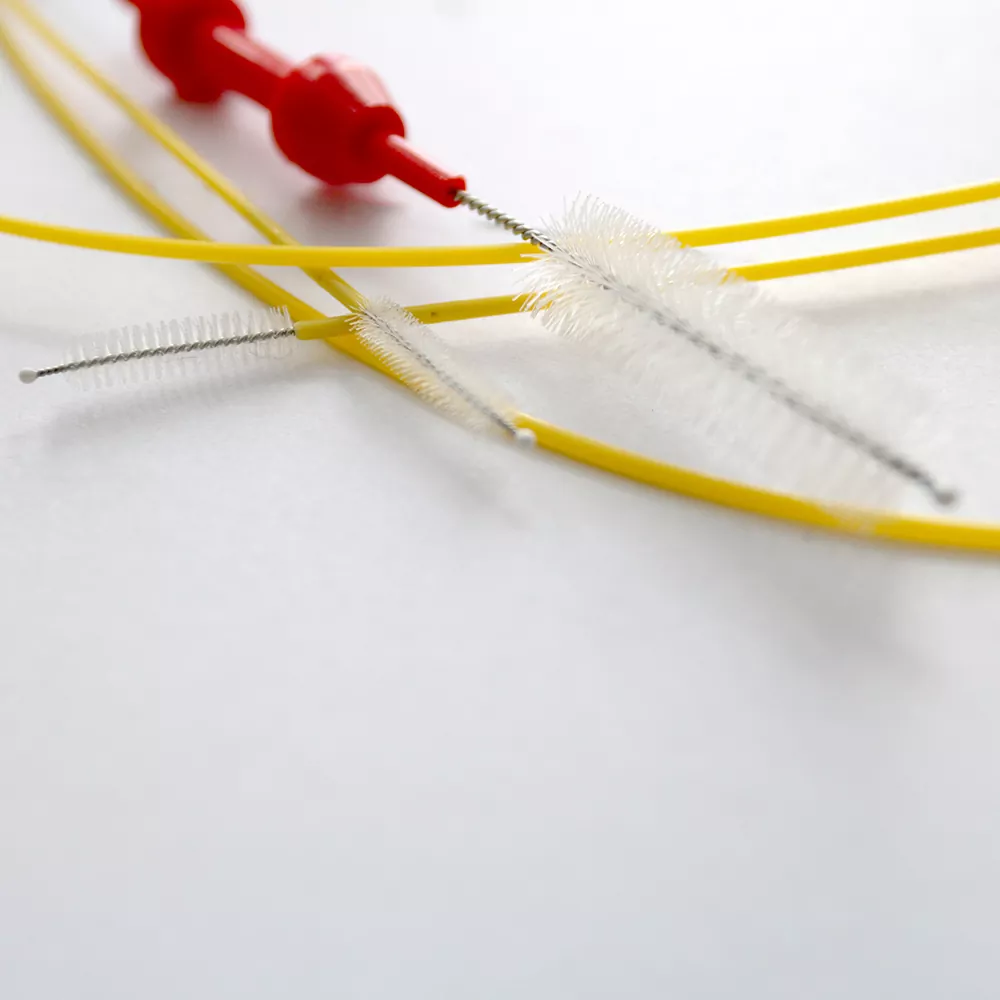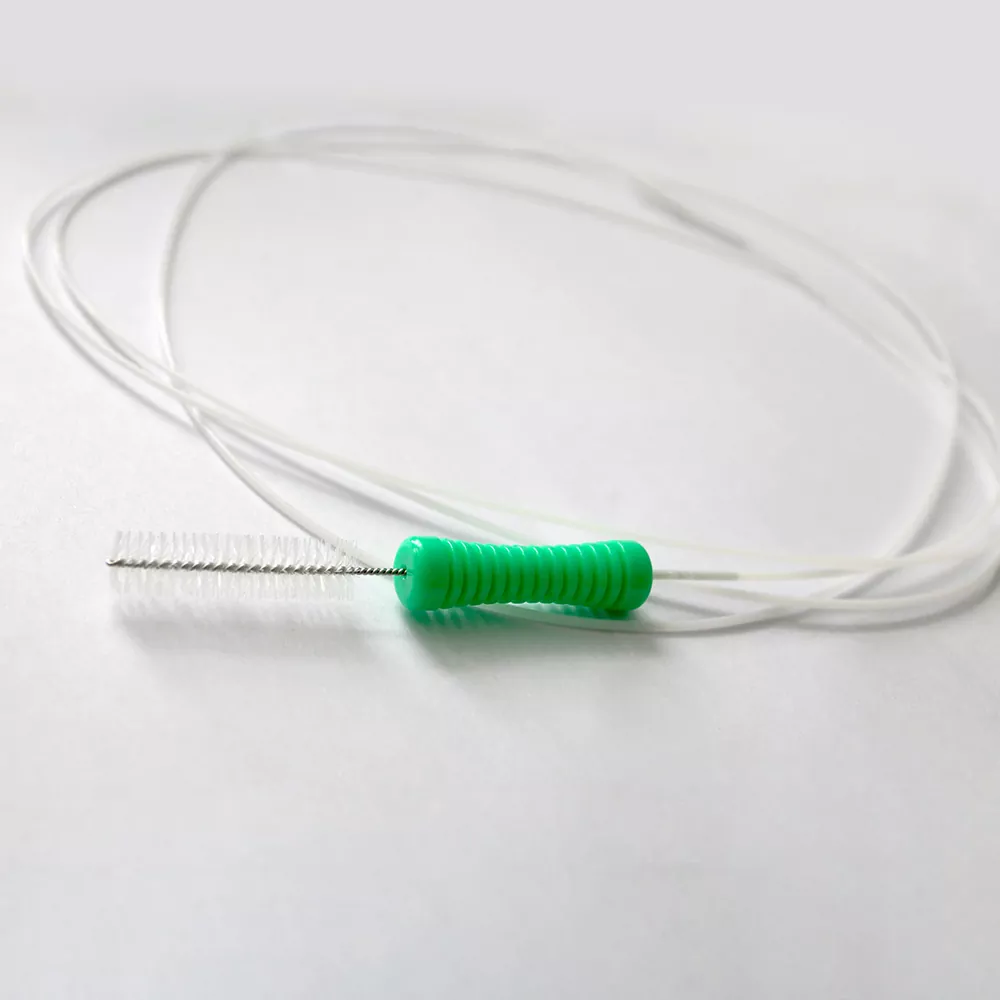
A valve cleaning brush is a small but important tool for maintaining the cleanliness and functional condition of medical instruments, valves, channels, ports, and other hard-to-reach components. In clinical and laboratory environments, ordinary wiping or rinsing may not be enough to remove blood, tissue residue, protein deposits, or other contaminants from narrow spaces. A properly designed valve cleaning brush provides controlled mechanical action that helps reach areas where fingers, cloths, or standard cleaning tools cannot.
This article explains how a valve cleaning brush works, why brush design matters, how to select the right specifications, common cleaning challenges, maintenance practices, and practical considerations for healthcare professionals, medical device manufacturers, distributors, and purchasing teams.
Medical instruments frequently contain small openings, valve seats, joints, grooves, channels, and recessed surfaces. These structures can improve instrument functionality, but they can also create difficult cleaning zones. Organic material may remain inside these areas even when the external surface appears visually clean.
Cleaning is more than simply making an instrument look clean. Effective cleaning removes foreign material and organic or inorganic residue before subsequent disinfection or sterilization. According to CDC guidance, remaining contamination can interfere with later disinfection and sterilization processes. Prompt cleaning is also important because dried material can become substantially more difficult to remove.
This is where a valve cleaning brush becomes valuable. Instead of relying only on water or detergent, the brush introduces physical contact into narrow or recessed areas. The bristles can reach surfaces that are difficult to access manually, helping loosen and remove residue during the cleaning stage.
For healthcare facilities, laboratories, medical device manufacturers, and professional reprocessing departments, the objective is not simply to purchase a brush. The objective is to use a cleaning tool whose dimensions and materials are appropriate for the device being processed.
A valve cleaning brush works through a combination of fluid, detergent, and mechanical movement. The cleaning solution helps loosen contamination, while the bristles provide friction against the contaminated surface.
For narrow valves or internal passages, this mechanical action can be particularly useful. A brush can move through a restricted opening and contact the surrounding surface. Repeated controlled movement helps dislodge deposits so they can be flushed away.
CDC guidance recognizes brushing as a mechanical cleaning method and recommends cleaning brushes that are appropriate to the size of channels or ports so that the bristles can contact the surfaces being cleaned.
The effectiveness of the process depends on several factors:
Using excessive force is generally not a substitute for correct brush selection. A properly sized brush can provide effective contact without requiring aggressive manipulation.
Different cleaning environments require different brush designs. A professional valve cleaning brush should therefore be evaluated by its complete construction rather than by appearance alone.
Bristle Material
Bristles may be manufactured from different synthetic or specialty materials depending on the intended application. Softer bristles can be appropriate for delicate surfaces, while more rigid bristles may provide greater mechanical action for stubborn deposits. The correct choice depends on the instrument material and manufacturer's cleaning requirements.
Brush Diameter
Diameter is one of the most important specifications. A brush that is too small may fail to contact enough of the internal surface. A brush that is too large may be difficult to insert or may create unnecessary friction.
Overall Length
Longer instruments and deep channels require sufficient working length. A brush that cannot reach the contaminated area cannot perform its intended function effectively.
Shaft Flexibility
The shaft should balance flexibility and control. Some applications require a brush that can follow a curved pathway, while others require a relatively rigid shaft for controlled straight-line cleaning.
Handle Design
A suitable handle improves grip and allows operators to maintain controlled movement. In professional environments where repeated cleaning is required, ergonomics can affect both efficiency and consistency.
Selecting a valve cleaning brush should begin with the instrument rather than the brush. Before purchasing, identify the areas that need to be cleaned and determine the dimensional requirements.
| Specification | What to Check | Why It Matters |
|---|---|---|
| Brush Diameter | Opening or channel dimensions | Determines whether the bristles can make appropriate surface contact |
| Brush Length | Depth of the cleaning area | Ensures the brush can reach the required location |
| Bristle Material | Instrument material and cleaning process | Helps balance cleaning action and surface protection |
| Shaft Material | Required rigidity and chemical compatibility | Influences control, durability, and application suitability |
| Handle | Grip and operating conditions | Supports controlled and repeatable cleaning movements |
| Packaging | Individual or bulk packaging requirements | Supports workflow, storage, and inventory management |
For reusable medical equipment, the brush itself should also be compatible with the facility's validated cleaning and reprocessing procedures. Manufacturer instructions should take priority when they specify particular brush types, detergents, temperatures, mechanical actions, or processing conditions.
Valve cleaning brushes can serve a wide range of professional cleaning applications where narrow, recessed, or difficult-to-access surfaces need mechanical cleaning.
For endoscopic applications in particular, guidance emphasizes using brushes appropriately sized for channels and ensuring that reusable cleaning items are thoroughly reprocessed according to the applicable instructions.
Problem 1: Residue remains inside narrow openings
Rinsing alone may not generate enough mechanical action. A correctly sized valve cleaning brush can introduce friction directly into the restricted area.
Problem 2: The brush cannot reach the contaminated area
This often results from insufficient brush length. Measure the required cleaning depth before selecting the product.
Problem 3: The brush does not contact the internal surface
An undersized brush may pass through a channel without adequately contacting its walls. Brush diameter should therefore be selected according to the channel or port dimensions.
Problem 4: The instrument surface is damaged during cleaning
Excessive force, unsuitable bristle materials, or incorrect brush dimensions may increase the risk of surface damage. Use the brush recommended or permitted by the instrument manufacturer and avoid unnecessary force.
Problem 5: Cleaning results vary between operators
Standardized procedures can improve consistency. Facilities should define the brush type, cleaning solution, movement method, cleaning frequency, inspection requirements, and reprocessing procedure for applicable instruments.
A general workflow for using a valve cleaning brush may include the following steps. The actual process should always follow the specific device manufacturer's validated instructions.
Manual cleaning should be performed carefully because contaminated instruments may present splash and sharps risks. CDC guidance also recommends appropriate protective measures and the use of long-handled brushes where needed to keep hands away from sharp instruments.
| Application Requirement | Recommended Design Direction | Main Consideration |
|---|---|---|
| Small internal opening | Small-diameter brush | Access and surface contact |
| Deep channel | Extended-length brush | Reach and control |
| Curved pathway | Flexible shaft | Navigation through the pathway |
| Delicate component | Appropriately soft or compatible bristles | Surface protection |
| Heavy residue | More effective mechanical design where permitted | Residue removal without excessive force |
| High-volume facility | Standardized brush specifications | Consistency and workflow efficiency |
A cleaning brush is itself a cleaning tool and therefore needs appropriate care. Reusable brushes should not be treated as permanently clean simply because they have been used for cleaning.
After use, follow the applicable manufacturer's instructions for cleaning, disinfection, sterilization, drying, and storage. CDC guidance states that reusable cleaning equipment should be properly cleaned, disinfected, dried, maintained, and stored, with processing performed according to manufacturer instructions.
Inspect the brush regularly for:
A damaged brush may no longer provide predictable contact with the target surface. Establishing replacement criteria helps maintain consistent cleaning performance.
For hospitals, laboratories, distributors, and medical equipment manufacturers, purchasing decisions should go beyond unit price. A valve cleaning brush is a functional component of a broader cleaning workflow, so consistency and specification control can be important.
When evaluating a supplier, purchasing teams may consider:
Qingdao Lushua Medical Technology Co., Ltd. can be positioned as a professional supplier for customers seeking medical cleaning brush solutions with application-specific requirements. For buyers who need different dimensions, structures, packaging configurations, or OEM requirements, discussing the actual cleaning scenario with the manufacturer can help establish a more suitable specification.
Q1: What is a valve cleaning brush?
A valve cleaning brush is a specialized brush designed to help clean narrow openings, valve areas, channels, grooves, and other difficult-to-access parts of medical or technical equipment.
Q2: Why is brush diameter important?
Diameter determines how the bristles interact with the internal surface. A brush that is too small may provide insufficient contact, while an oversized brush may be difficult to insert or may create unnecessary friction.
Q3: Can a valve cleaning brush be used for medical instruments?
It can be used for compatible medical instruments when the brush design and cleaning procedure are appropriate for the specific device. Always follow the instrument manufacturer's cleaning and reprocessing instructions.
Q4: Can valve cleaning brushes be customized?
Depending on the manufacturer, customization may include brush diameter, working length, total length, bristle material, bristle density, shaft construction, handle configuration, and packaging.
Q5: Should a reusable cleaning brush be reprocessed?
If the brush is designed for reuse, it should be cleaned and reprocessed according to its manufacturer's instructions and the facility's applicable procedures. CDC guidance recommends appropriate reprocessing of reusable cleaning supplies and equipment.
Q6: Is a valve cleaning brush a substitute for disinfection or sterilization?
No. Cleaning and disinfection or sterilization are different stages. A brush provides mechanical cleaning action to help remove contamination; it does not automatically make an instrument disinfected or sterile.
Q7: How should buyers choose the right brush length?
Measure the depth of the area that must be reached and allow enough working length for controlled handling. The brush should reach the required area without making operation unnecessarily difficult.
Q8: What should be checked before ordering valve cleaning brushes in bulk?
Confirm the required dimensions, bristle material, shaft design, handle type, packaging, intended cleaning process, compatibility requirements, sampling procedure, and production consistency before placing a large order.
A valve cleaning brush may be a small component, but its design can have a meaningful impact on the practical cleaning of narrow, recessed, and difficult-to-access areas. Effective cleaning depends on more than detergent or rinsing; appropriate mechanical action, correct brush dimensions, suitable materials, and a controlled procedure all contribute to a reliable workflow.
For professional buyers, the most useful approach is to begin with the instrument and cleaning challenge, then select the brush according to the required diameter, length, bristle characteristics, flexibility, and operating conditions. Following manufacturer instructions is essential, particularly when the brush is used as part of medical-device reprocessing.
With application-focused manufacturing and customization capabilities, Qingdao Lushua Medical Technology Co., Ltd. can support customers looking for valve cleaning brushes and other specialized medical cleaning solutions. Whether the requirement involves standard products, bulk purchasing, customized specifications, or OEM cooperation, communicating the actual application and technical requirements is the first step toward developing a suitable solution.
Need a valve cleaning brush for your specific medical instrument or cleaning application? Contact us to discuss your required size, bristle material, length, packaging, and customization requirements.
Phone: +86-18661928062
Mobile: +86-18661928062
E-mail: 18661928062@163.com
Address:Zhongke Industrial City, No. 6, Xihuan Road, Jiangshan Town, Laixi City, Qingdao, Shandong Province, China
Copyright © 2026 Qingdao Lushua Medical Technology Co., Ltd. All Rights Reserved.