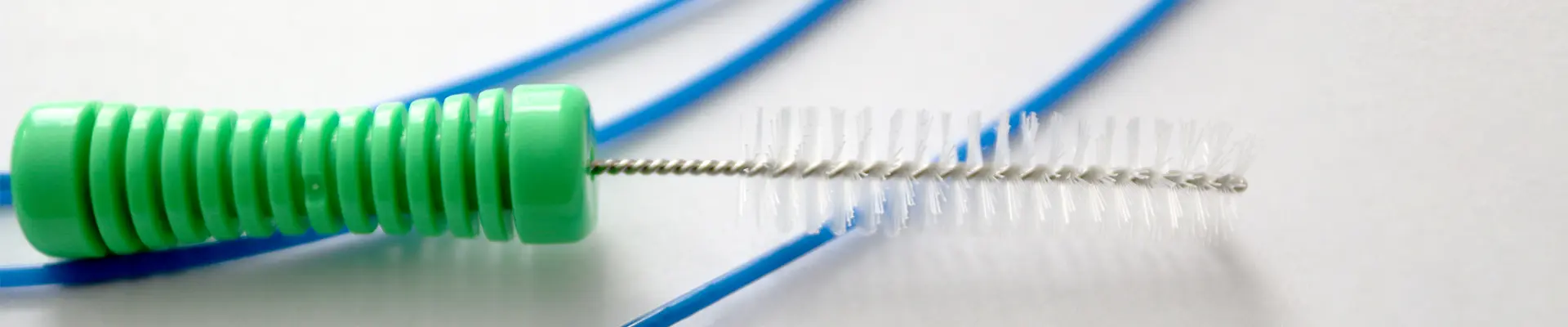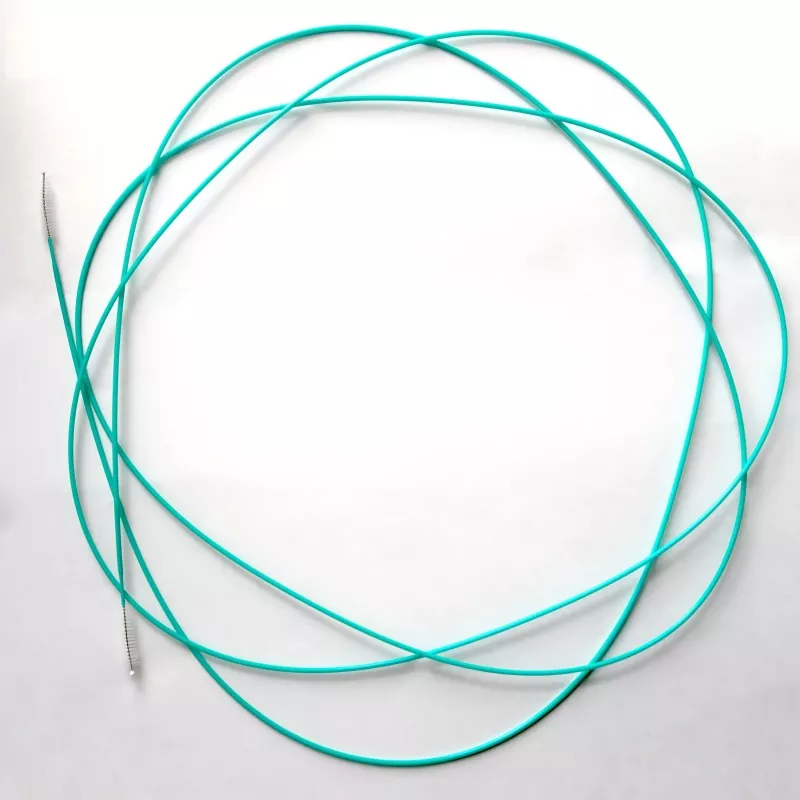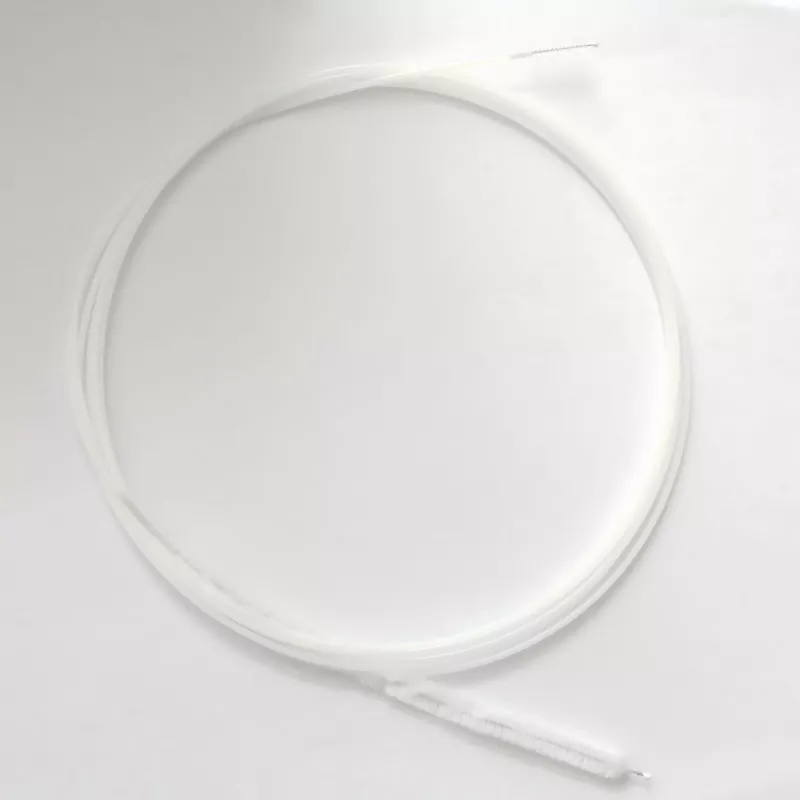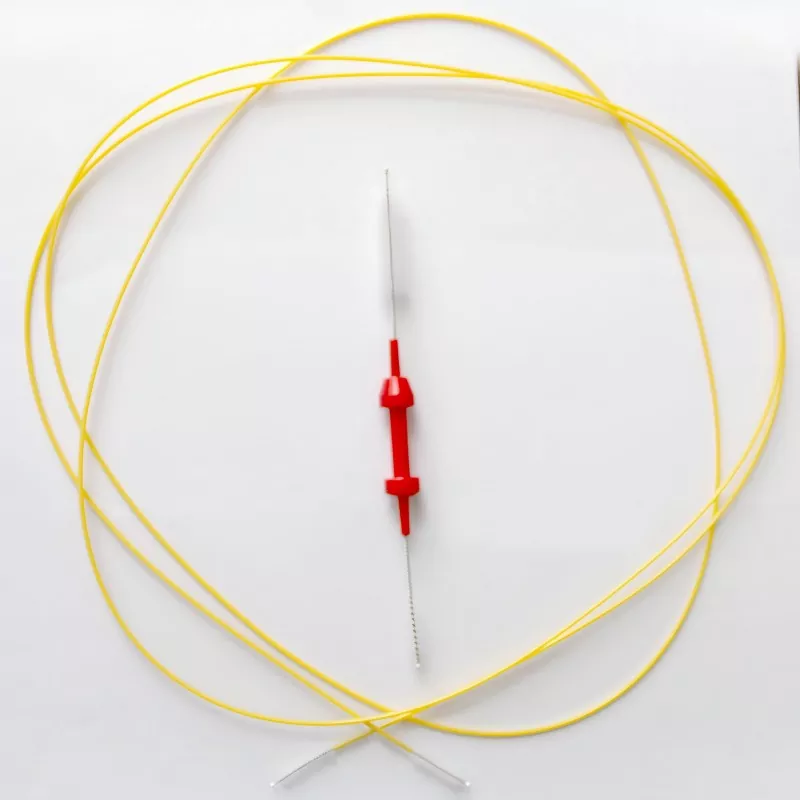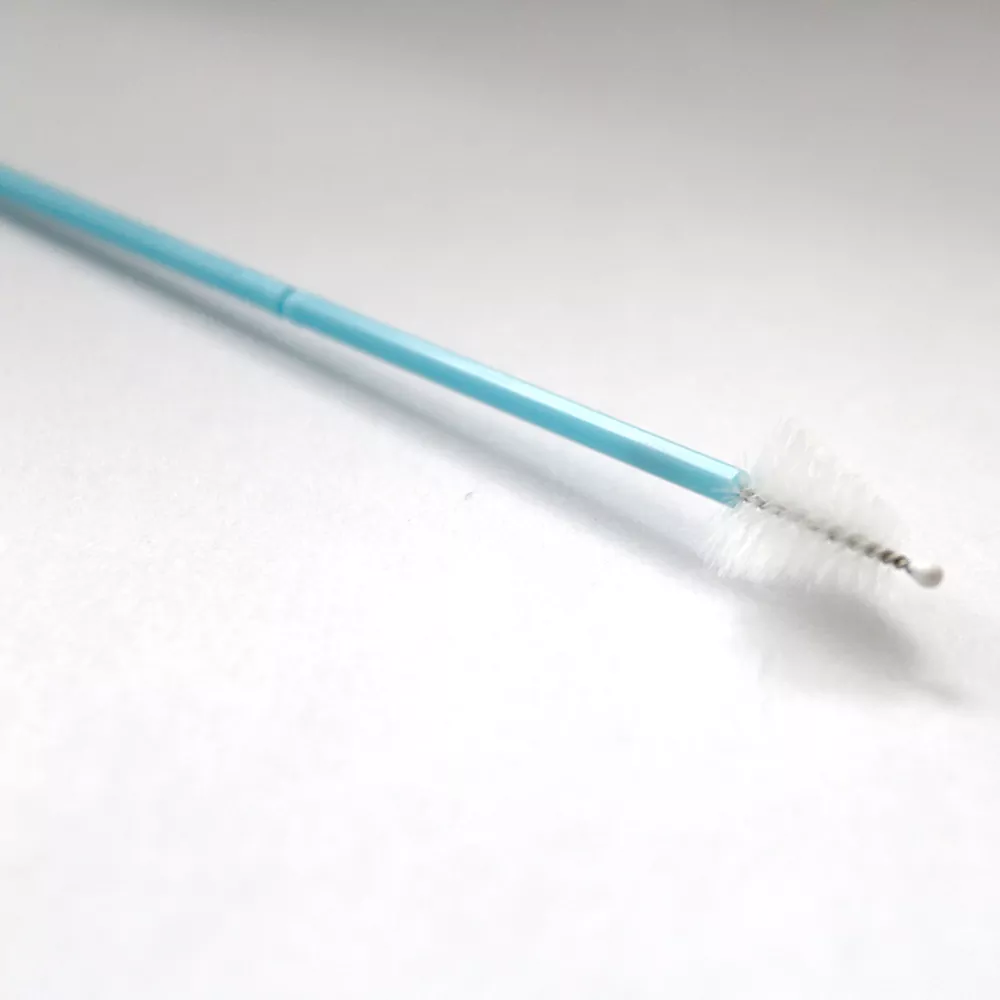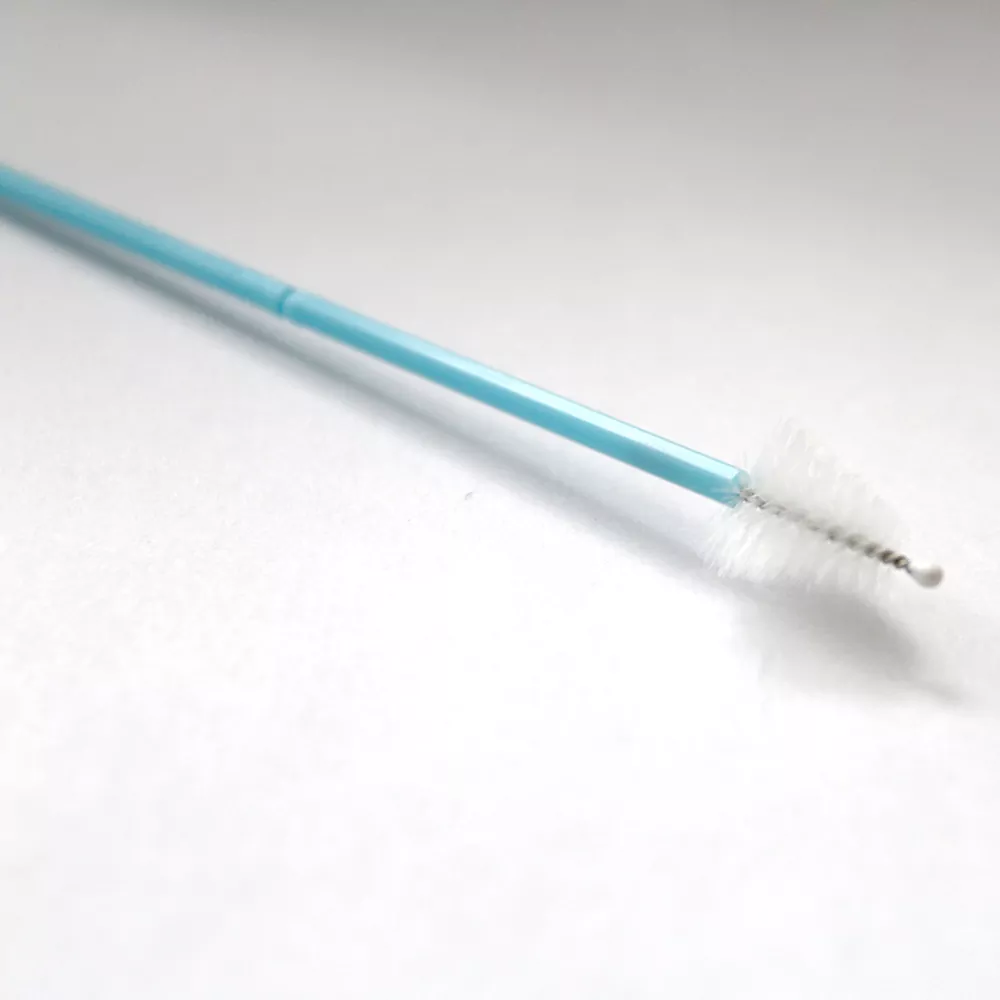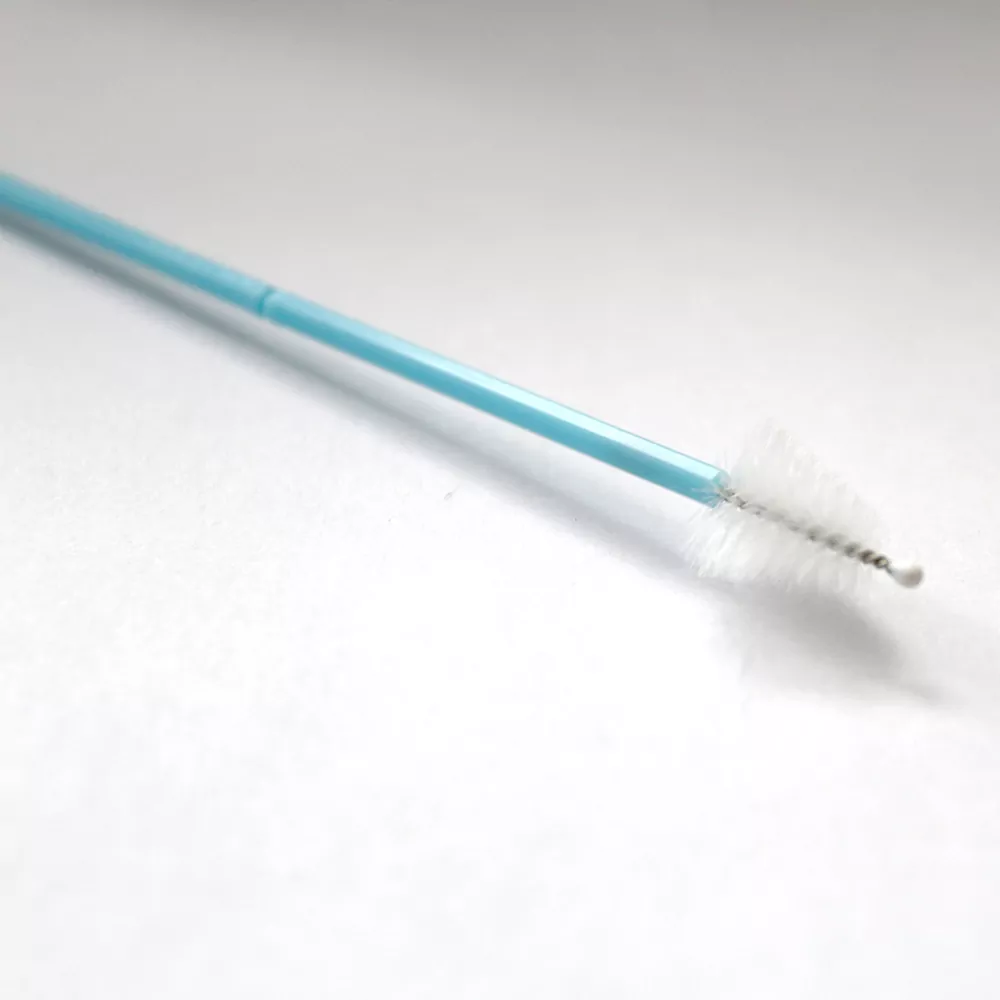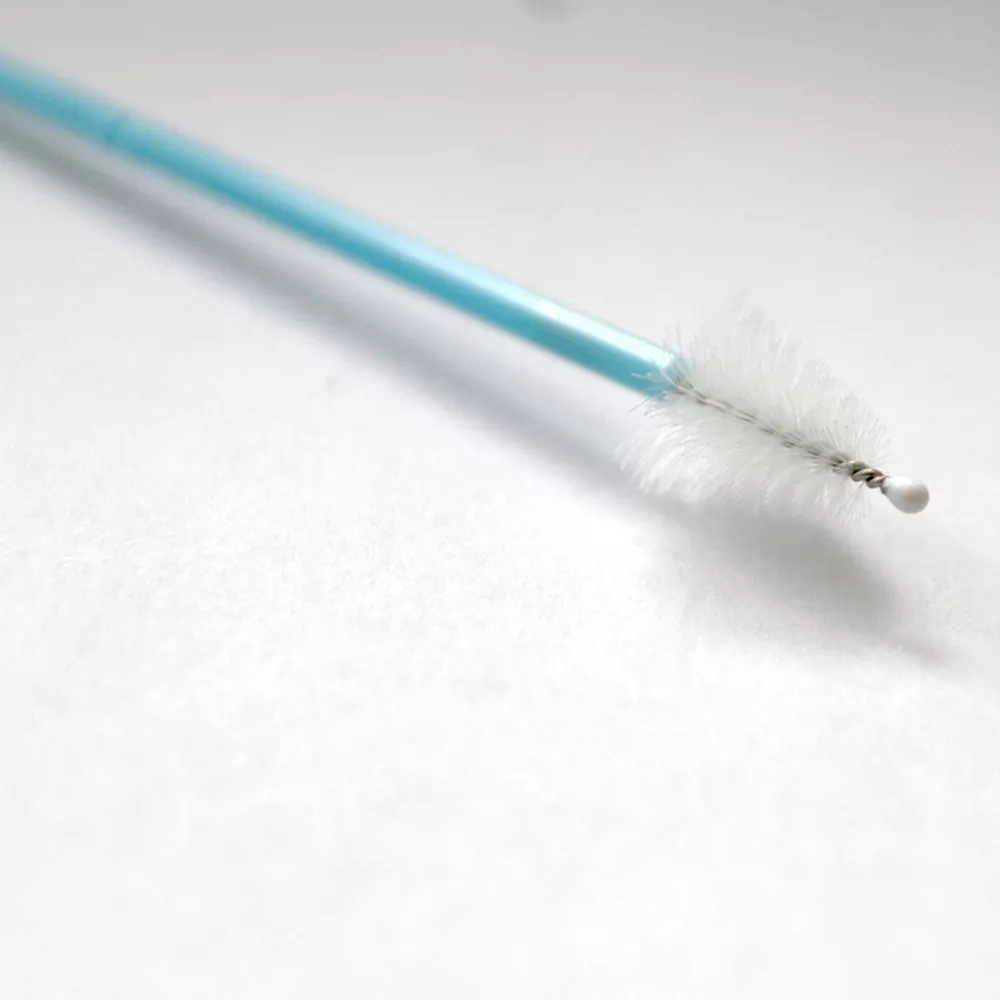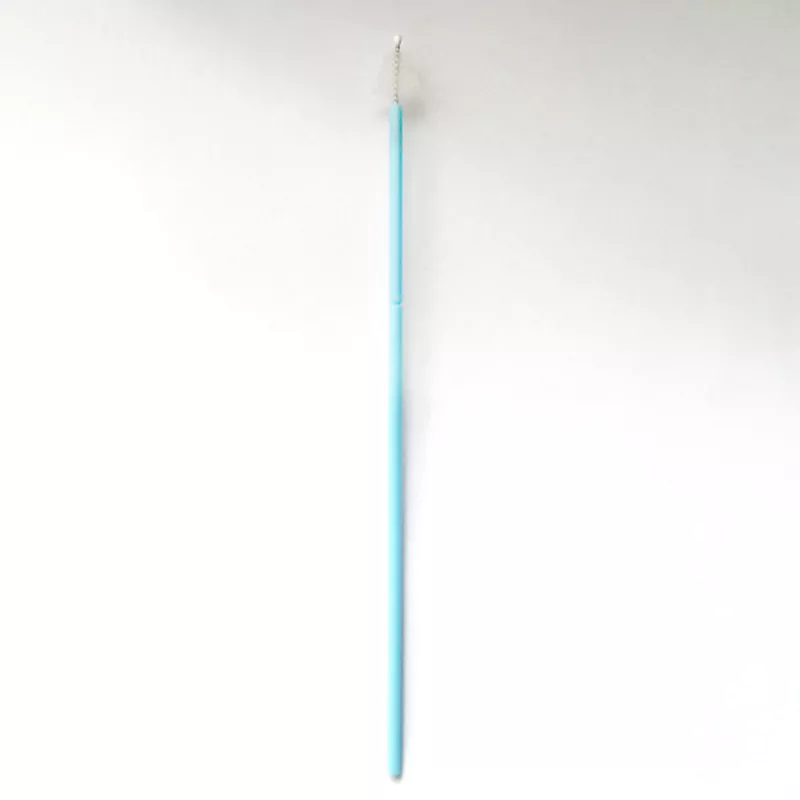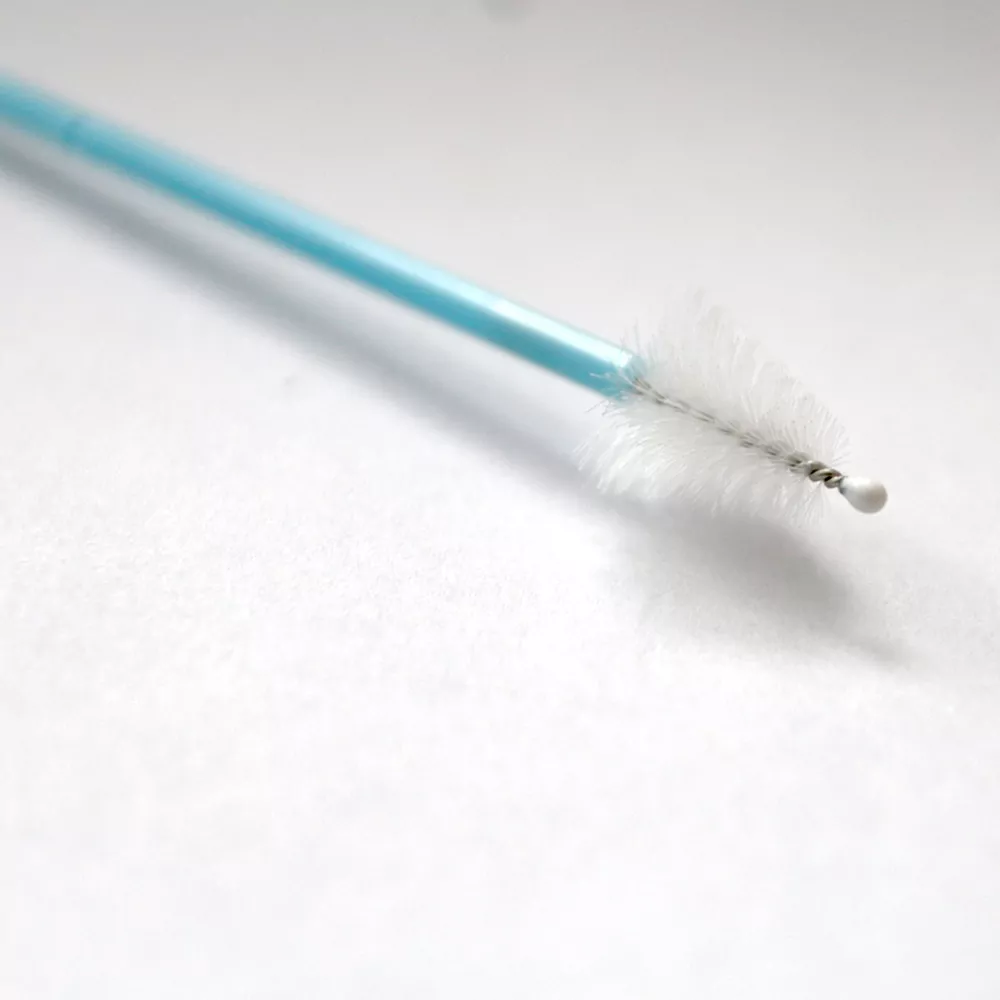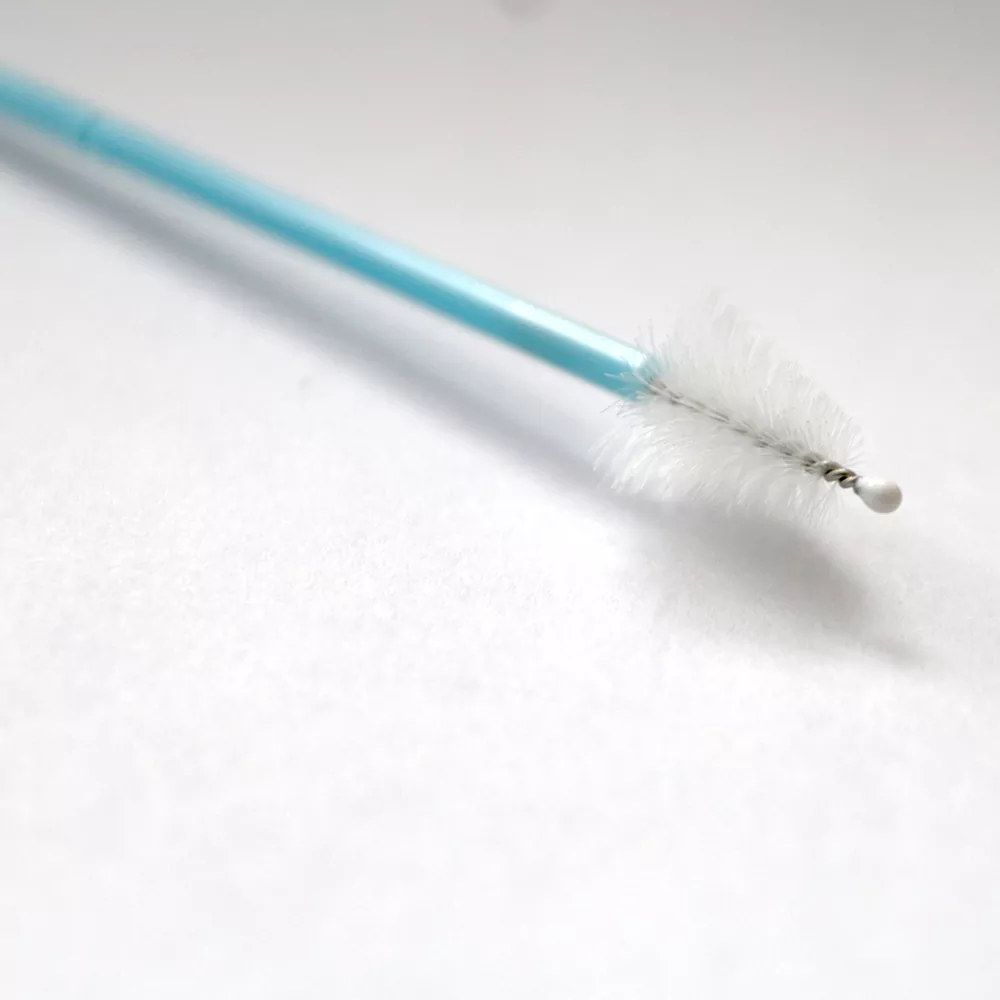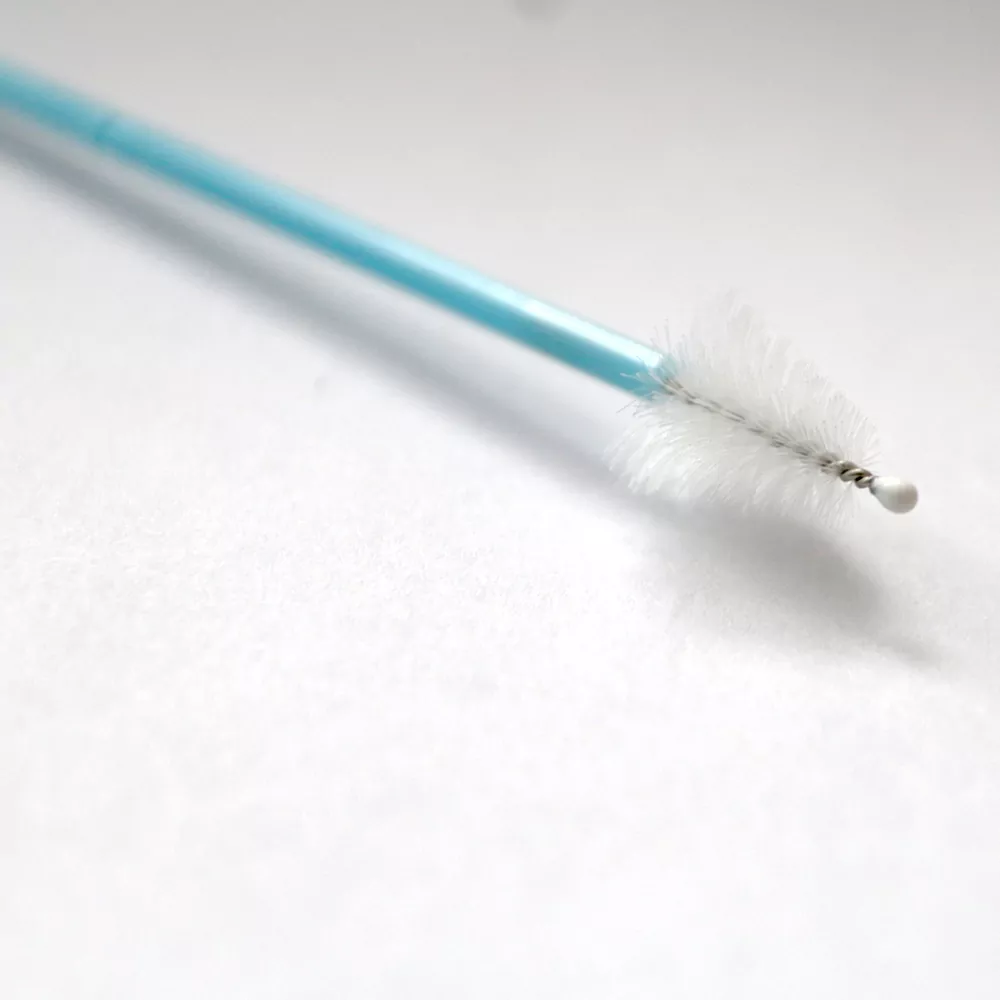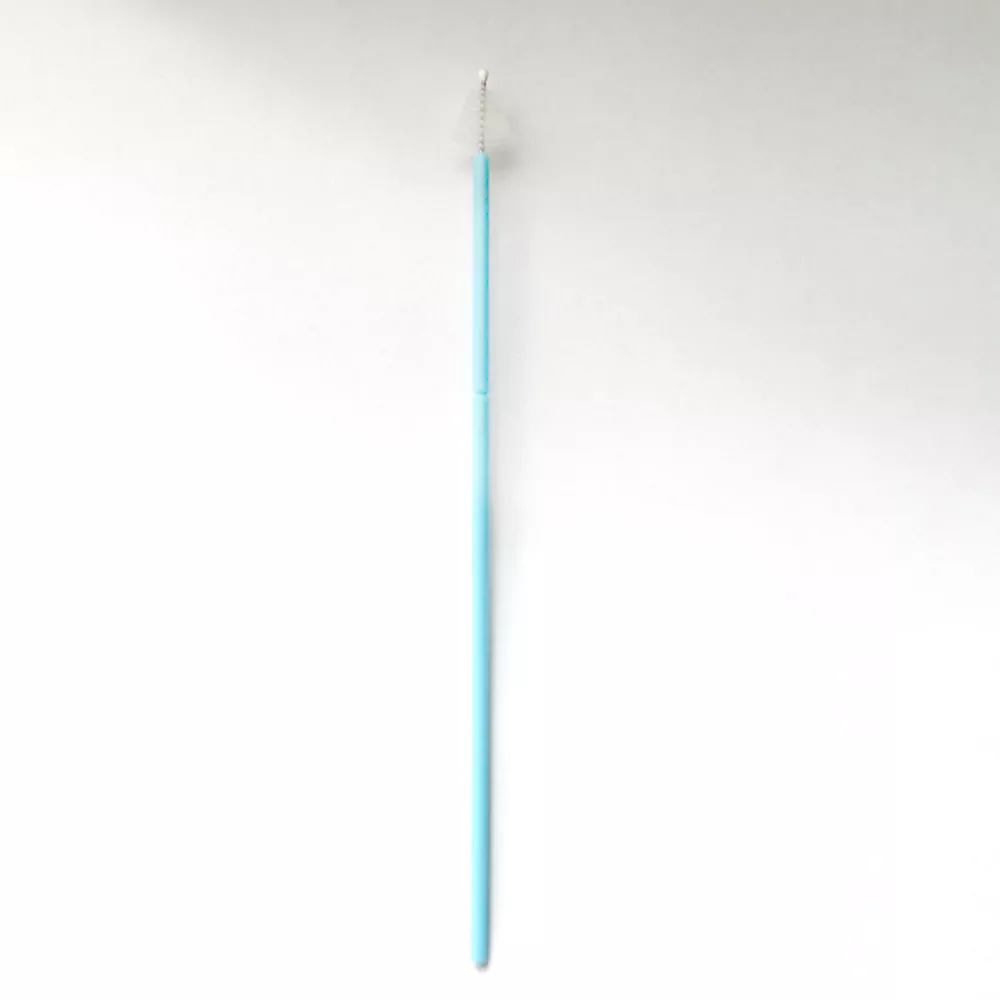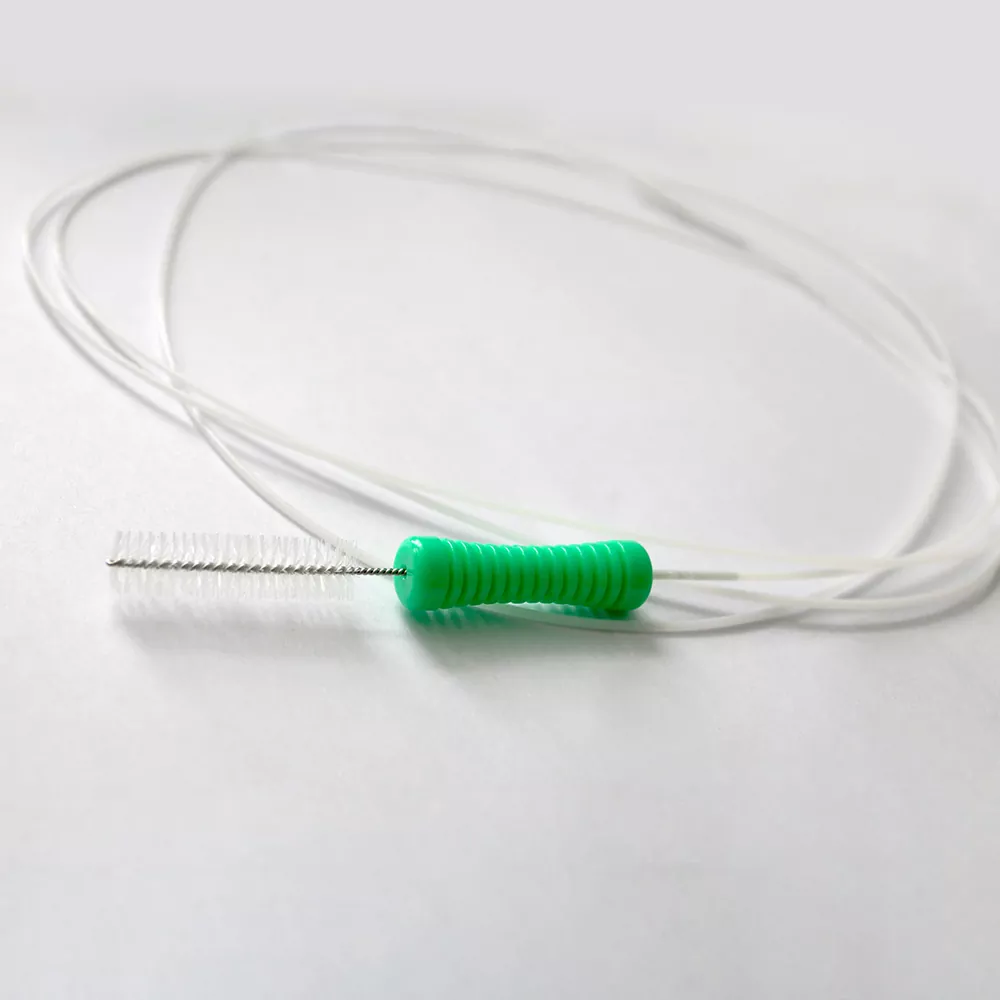
Contact LucentMed to purchase disposable gynecological brushes at factory-direct prices. Suitable for hospitals, maternal and child health centers, medical check-up centers, and medical laboratories, these products support OEM/ODM customization. They feature individual packaging and EO sterilization, offer ease of use, and ensure higher sampling efficiency.
LucentMed has successfully obtained ISO 13485 certification for its medical device quality management system, ensuring that the entire process—from design and production to quality control—of its disposable gynecological brushes meets internationally recognized medical-grade standards.
We operate a Class 100,000 cleanroom equipped with fully automated production lines; every step of the process—including incoming raw material inspection, injection molding, bristle assembly, and final sterilization and packaging—is subject to rigorous control.
After sample collection, the brush head can be placed directly into the preservation solution vial, eliminating the need for manual secondary processing and thereby enhancing screening efficiency.
What Materials Does LucentMed Use to Manufacture Its Disposable Gynecological Brush?
1. Brush Head
Material: Medical-grade nylon
Features: Soft, fine bristles that are resistant to shedding; stable structure with excellent flexibility and resilience; ensures adequate sample collection with minimal tissue irritation.
2. Connecting Shaft
Material: Medical-grade polypropylene (PP)
Features: Lightweight with moderate strength; smooth surface; resistant to bending or breaking. Customizable break-point available for easy placement of the brush head into preservation solution.
3. Handle
Material: Medical-grade polypropylene (PP)
Features: Comfortable grip and stable handling; color, length, and branding can be customized to meet OEM/ODM requirements.
4. Packaging Materials
Packaging options: Medical paper-plastic pouches, Tyvek® sterile packaging, PE bags
Features: Individually packaged for easy storage and management; excellent sealing integrity; sterile and safe. Packaging specifications and labeling information can be customized according to customer requirements.
Product Specifications
Item
Specifications
Brush head material
Medical-grade Nylon
Handle material
Medical-grade Polypropylene (PP)
Product structure
Brush head + Shaft + Handle
Bristle stiffness
Soft / Medium (customizable)
Total length
140–170 mm (customizable)
Brush head length
15–25 mm (customizable)
Brush head diameter
4–8 mm (customizable)
Handle color
White, blue, pink, or customized via Pantone color code
Disposable Gynecological Brush vs. Other Gynecological Sampling Tools: Product Comparison
Comparison Criteria
Gynecological Sampling Brush
Cervical Spatula
Cytobrush
Cervical Broom
Main Structure
Round/Tapered Brush Head + Handle
Flat spatula design
Small brush-like structure
Broom-like multi-arm brush head
Sampling Range
External Cervical Os + Cervical Canal
Primarily for the external cervical os
Primarily for the endocervical canal
Simultaneously covers the external os and the transformation zone
Cell Collection Efficiency
High (uniform collection)
Moderate
Medium-to-high (for the endocervical canal)
High
Sample Integrity
Good (uniform cell distribution)
Average
Highly localized
Good
Patient Comfort
High (soft bristle design)
Moderate (may cause a scraping sensation)
Moderate
Relatively high
LBC Compatibility
Excellent fit
Average fit
Compatible
Highly suitable
Ease of Use
Low (standardized design)
Low
Moderate
Low
Disposable
Yes
Yes
Yes
Yes
Clinical Application
Widespread (hospitals/screening centers)
Traditional screening
Specialized sampling of the endocervical canal
Large-scale screening programs
Proper Sampling Procedure
● Pre-procedure Preparation
1. Verify Information: Confirm patient identity, test type (TCT/HPV/Pap smear), and sampling date.
2. Explanation and Notification: Explain the purpose, procedure, and potential discomfort to the patient; obtain informed consent (if required).
3. Patient Positioning: Instruct the patient to assume the lithotomy position to fully expose the cervix.
● Sampling Steps
Step 1: Open Sterile Packaging
Open the individual package in a clean environment; ensure the brush head does not touch non-sterile objects and use immediately after removal.
Step 2: Expose the Cervical Area
Use gynecological instruments to expose the cervix, ensuring clear visibility of the external cervical os and the sampling area.
Step 3: Position the Sampling Brush
Gently insert the Disposable Gynecological Brush into the cervical os, ensuring the brush head makes full contact with the external cervical os and the entrance to the cervical canal.
Step 4: Standardized Rotational Sampling
Perform rotation according to clinical protocols (typically clockwise rotation; adhere to local clinical guidelines).
Maintain steady pressure to ensure the bristles fully contact the target area; remove the brush after completing the required number of rotations.
Step 5: Sample Transfer and Processing
(1) Liquid-Based Cytology (LBC): Place the brush head into the preservation solution and process for cell release and preservation according to laboratory requirements.
(2) Pap Smear: Evenly spread the sample onto a microscope slide and fix immediately.
Step 6: Waste Disposal
Dispose of materials according to medical waste regulations after sampling; reuse or re-sterilization is prohibited.
Precautions
1. To ensure the collected exfoliated cervical cells accurately reflect their natural state without external interference, the patient should avoid sexual intercourse, vaginal douching, and the use of any vaginal suppositories, gels, or ointments for 24 hours prior to sampling.
2. It is recommended that cervical sampling be performed 3 to 7 days after the complete cessation of menstruation; this period offers an ideal window for obtaining high-quality samples, as cervical epithelial cells are actively renewing and secretions are minimal.
3. During pregnancy, the cervix is delicate and highly vascular; improper sampling may induce uterine contractions or cause bleeding. Sampling requires a medical assessment and must be performed with caution.
4. If significant active cervical bleeding or severe inflammation is observed, sampling should be postponed. It is recommended to first administer treatment to stop the bleeding or resolve the inflammation, and to schedule the sampling only after the cervical condition has stabilized.
5. This product is for single use only; reuse is strictly prohibited.
We use cookies to offer you a better browsing experience, analyze site traffic and personalize content. By using this site, you agree to our use of cookies.Privacy Policy