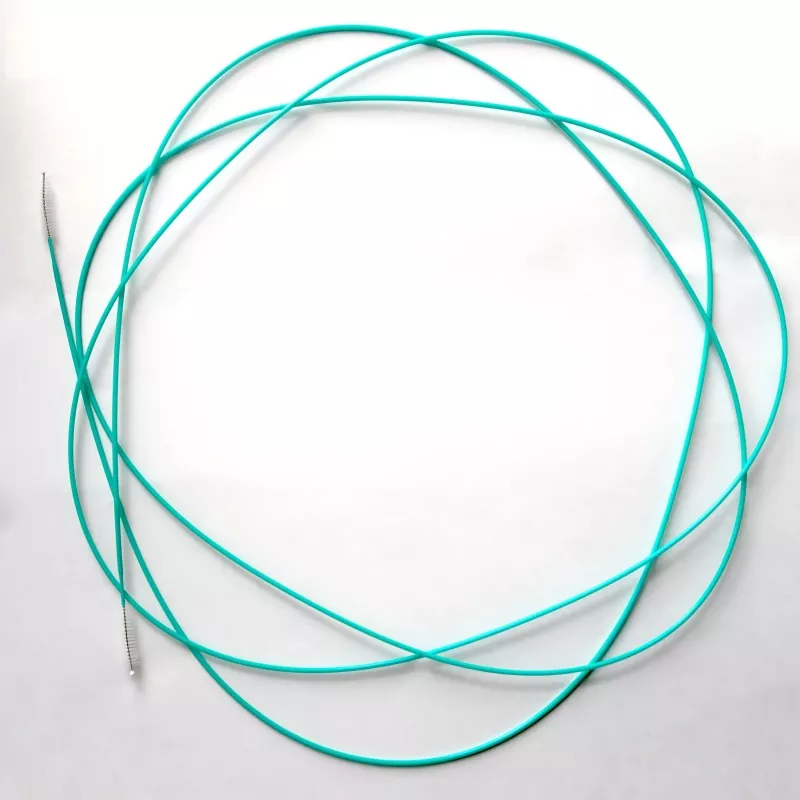
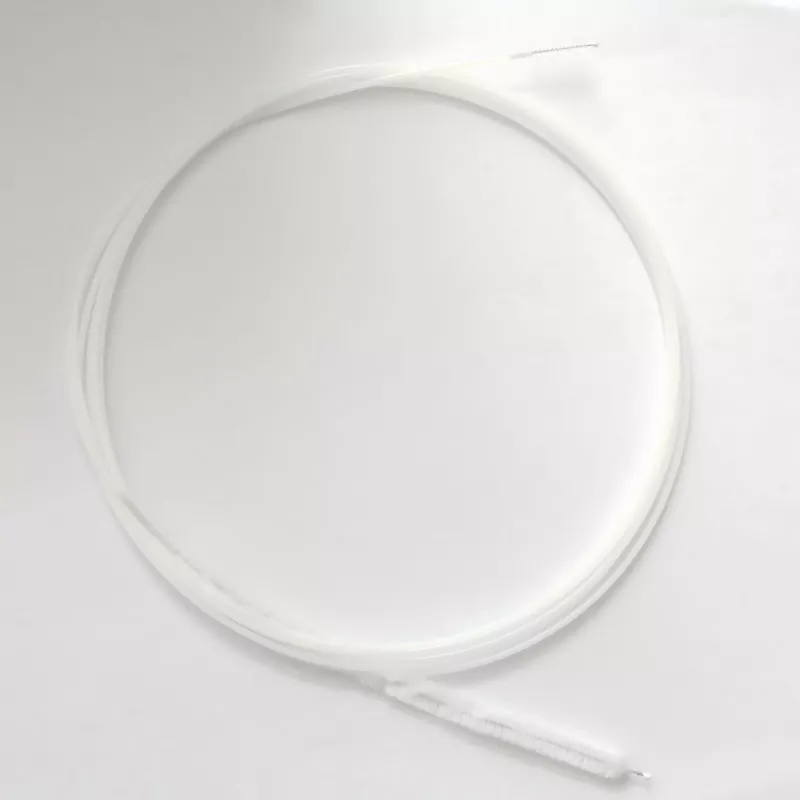
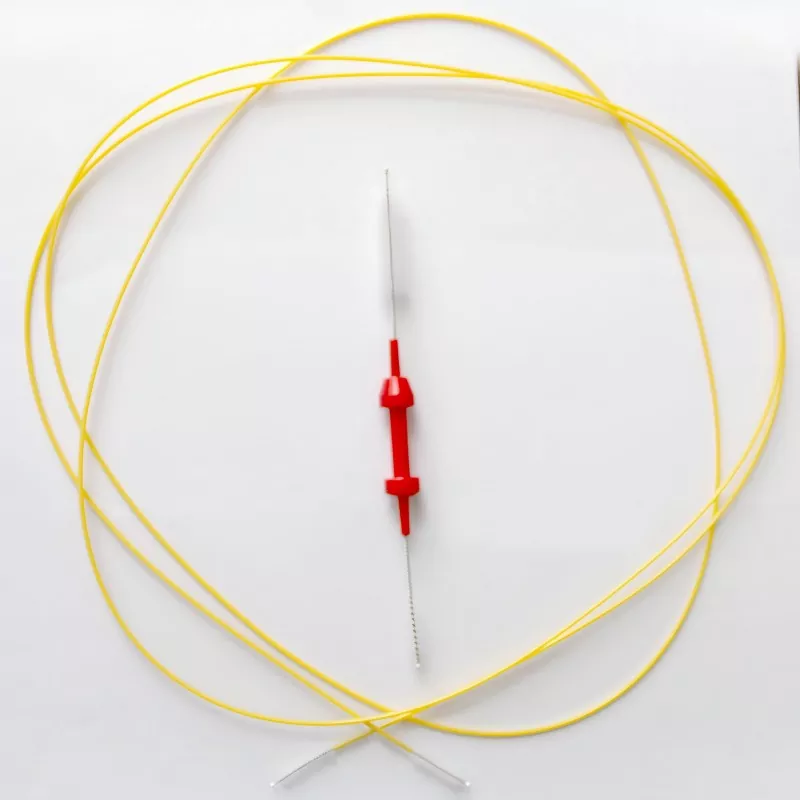
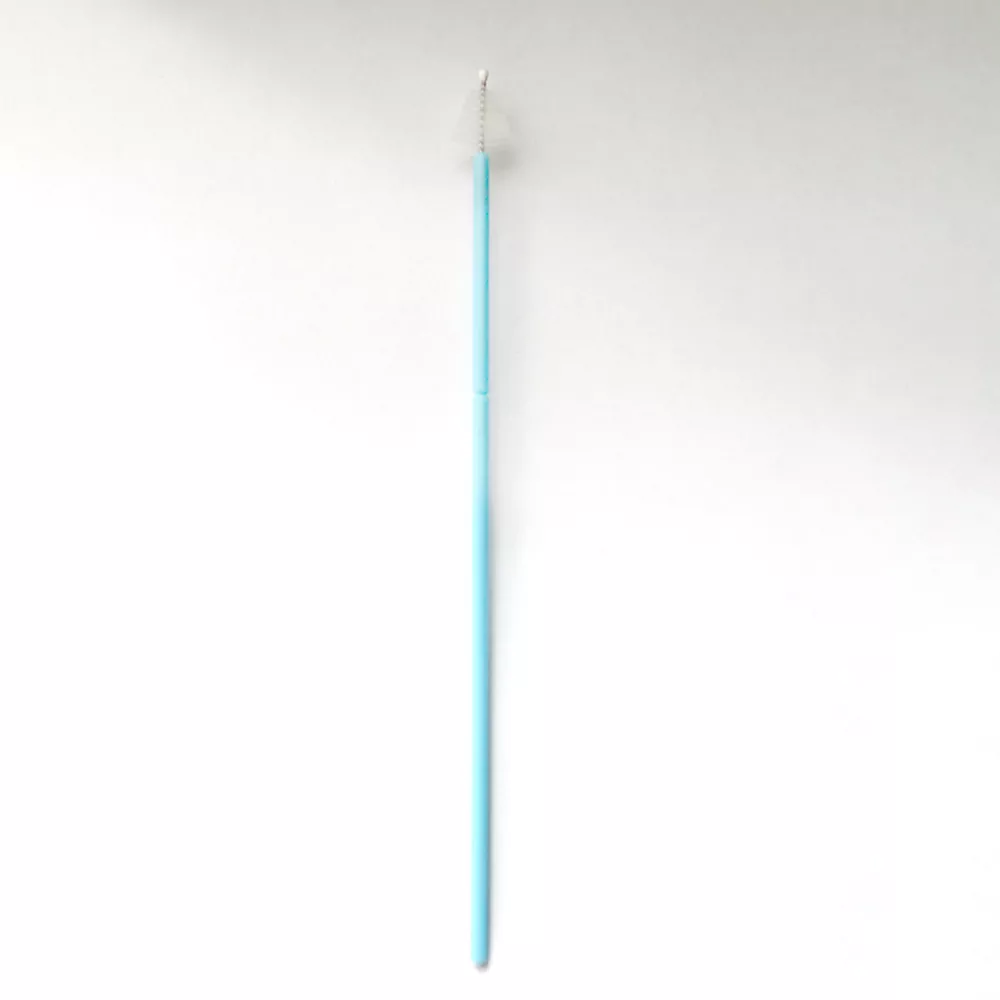
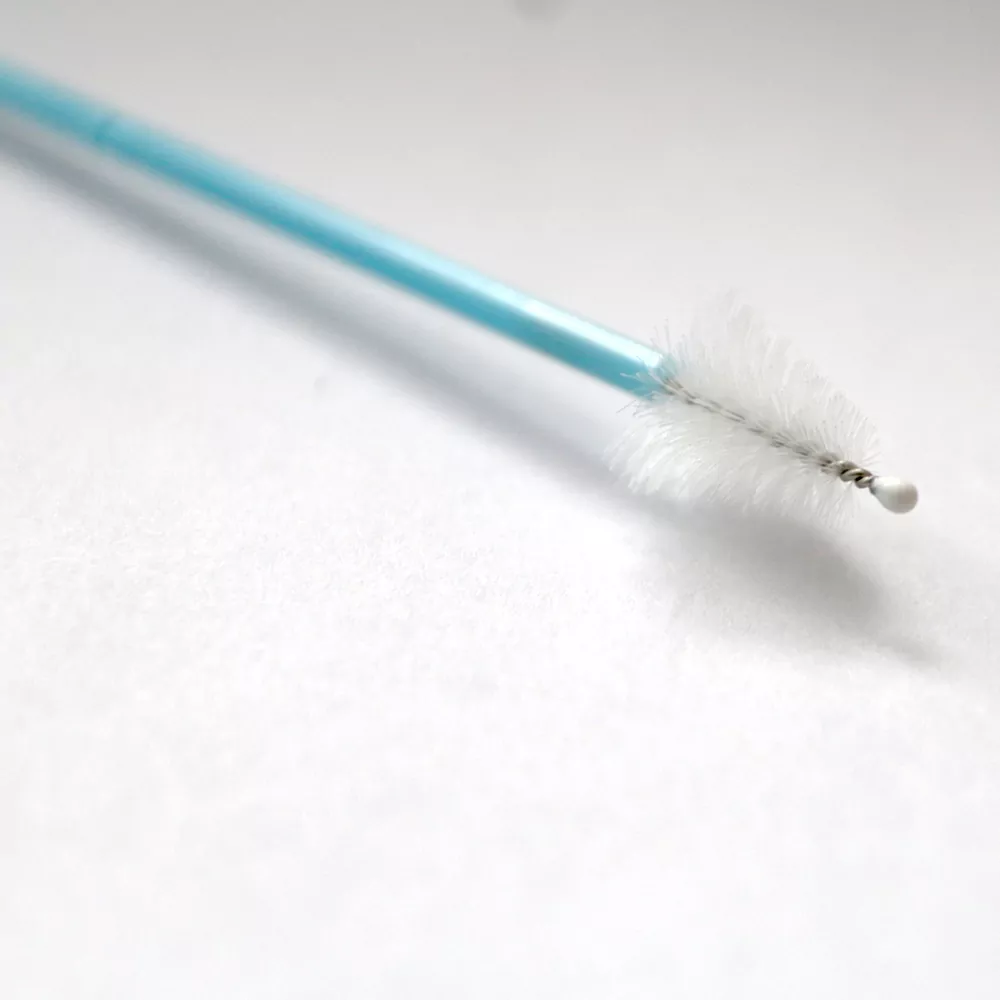
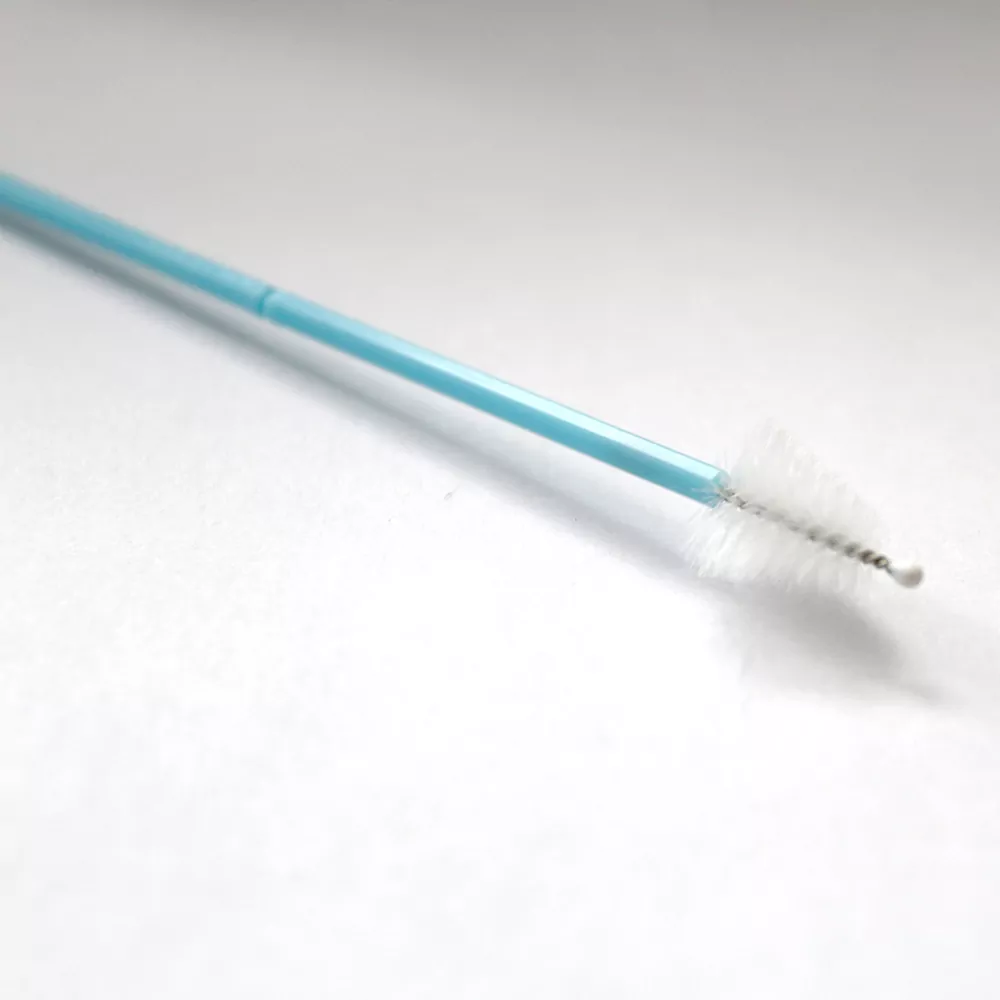
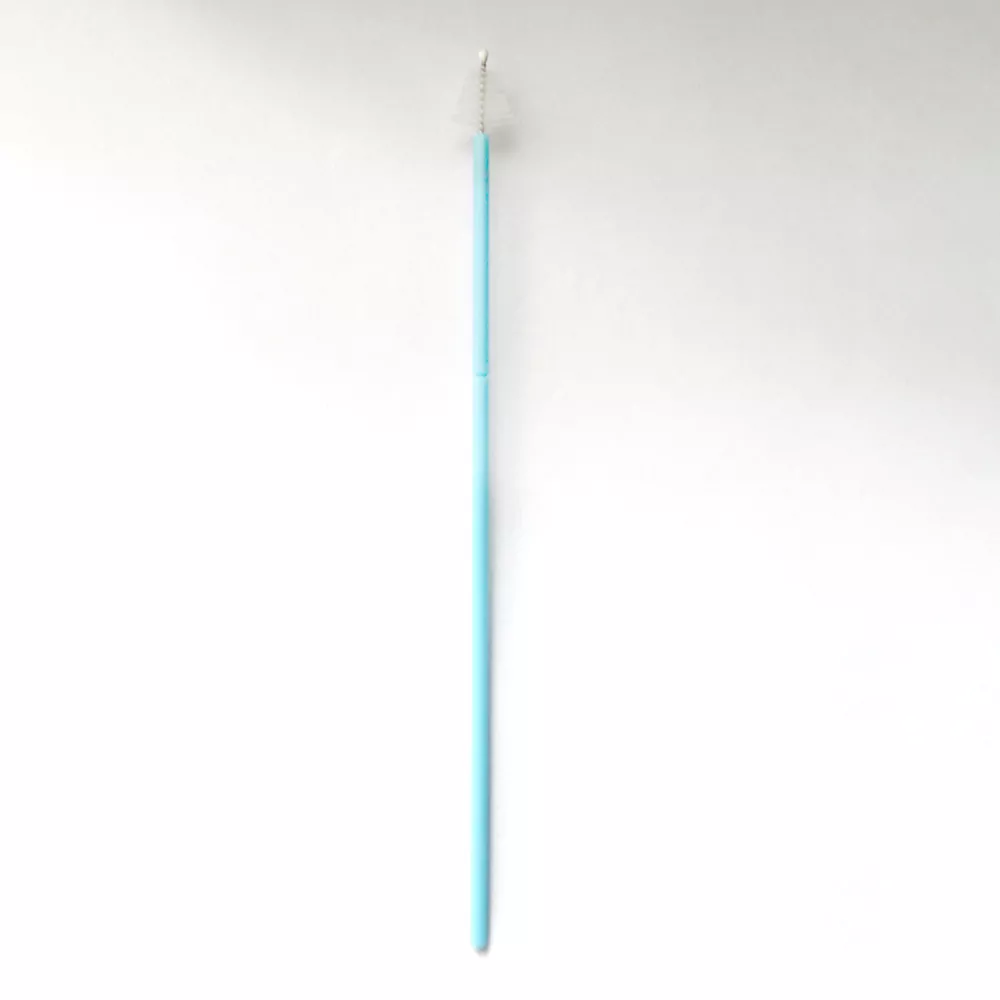
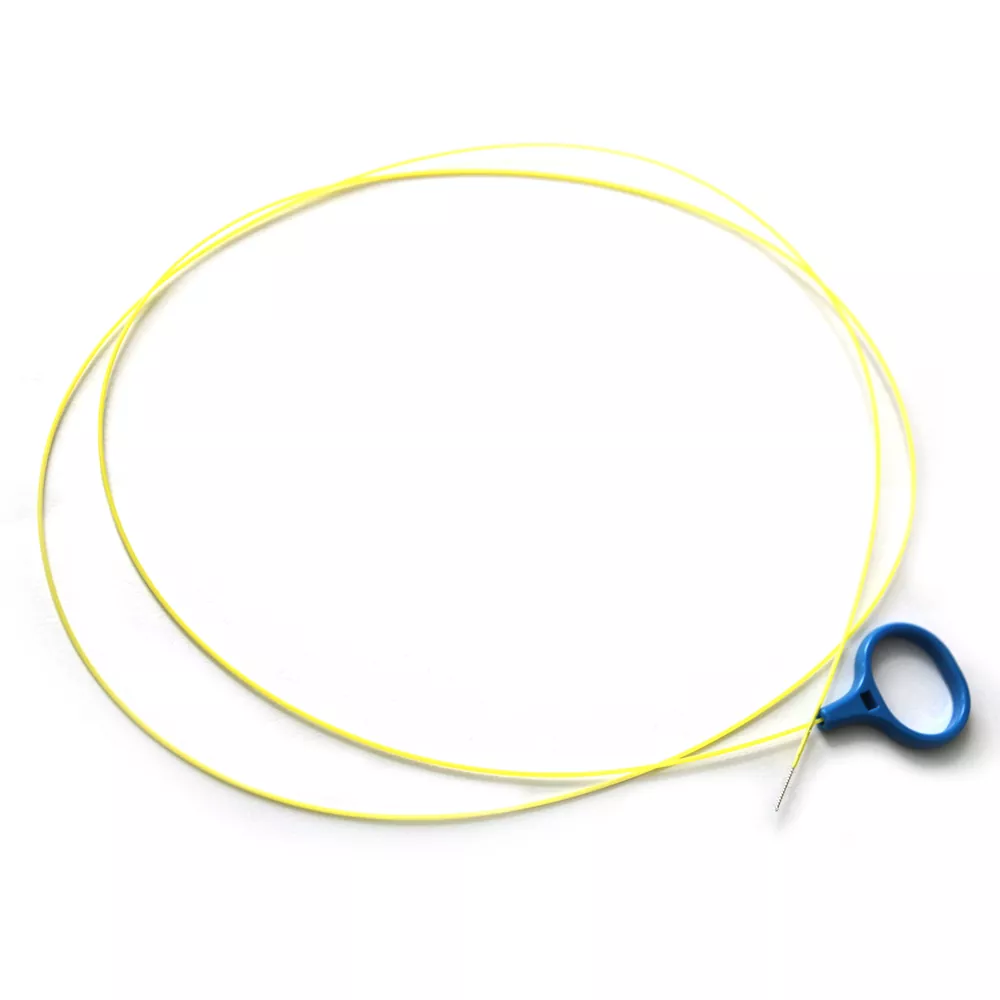
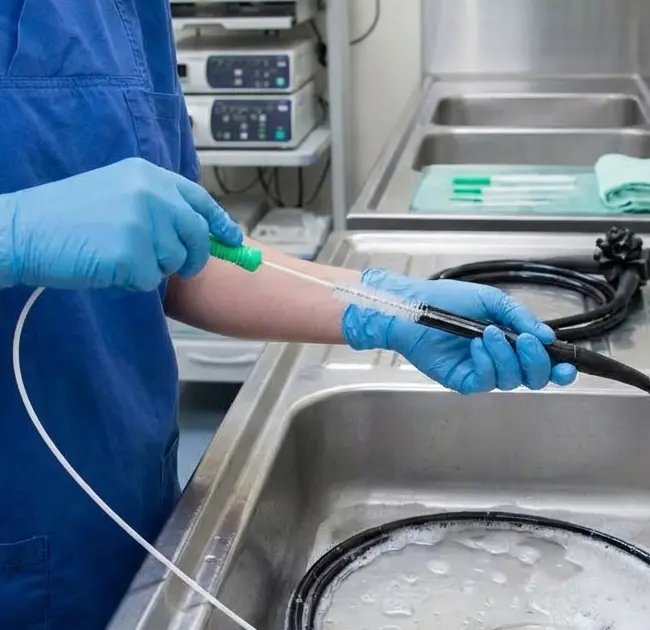
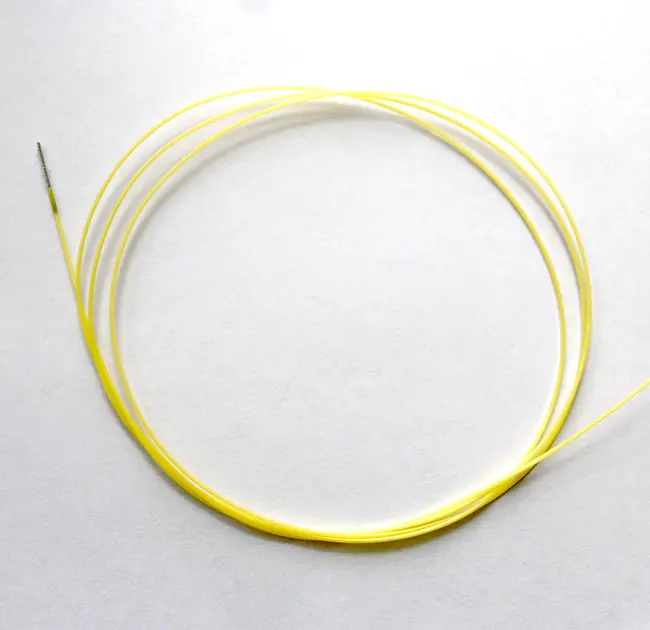
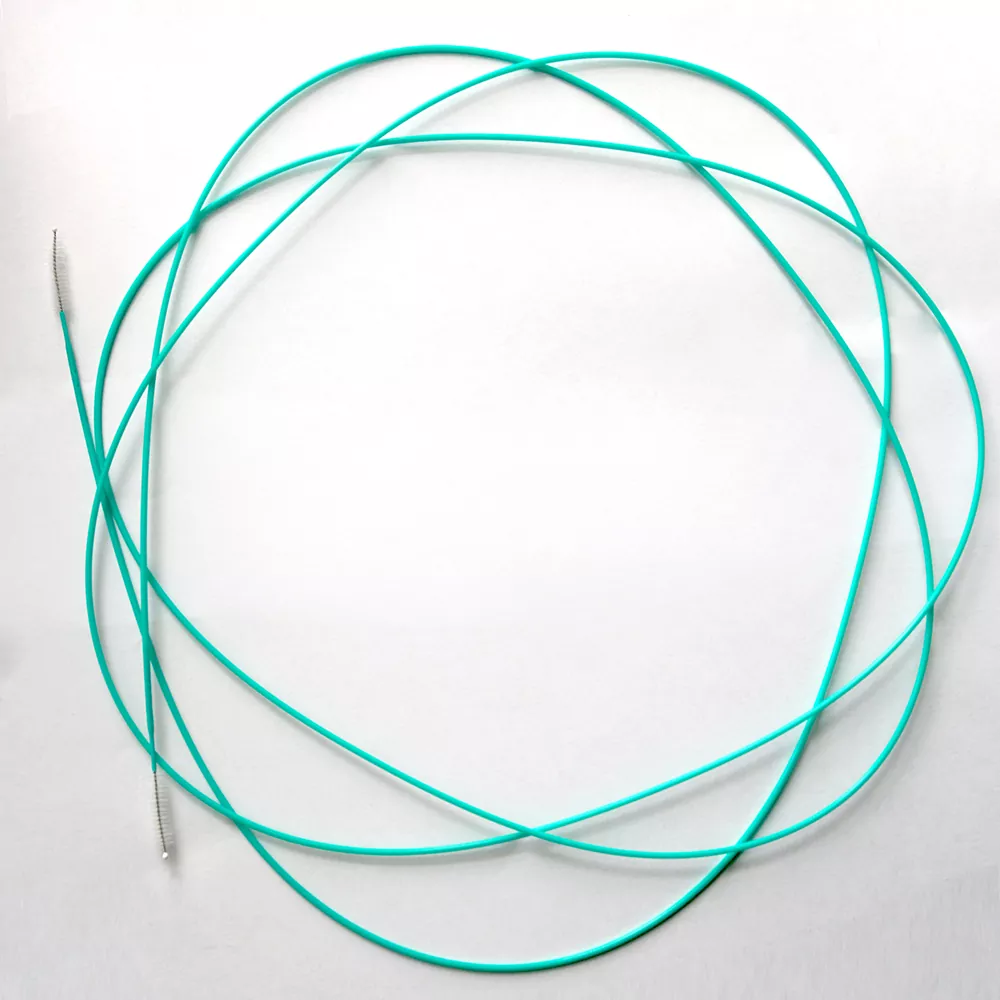
Contact LucentMed to purchase professional medical-grade cervical brushes at direct wholesale prices; samples are available for trial, and we provide comprehensive technical and solution support. All products are individually packaged and EO-sterilized, fully certified under ISO 13485, ISO 9001, and CE standards. We also provide—or fully assist in obtaining—the certifications and reports required for market access in various countries.
What Is a Cervical Brush?
A cervical brush is a medical sampling tool used in gynecology to collect cervical cells; it is primarily employed in cervical cancer screening, cervical cytology tests, and related gynecological examination procedures.
It collects samples of exfoliated cervical epithelial cells for laboratory cytological analysis by using the flexible bristles on its head to make contact with the surface of the cervix and the endocervical canal.
Compared to traditional sampling methods using cotton swabs or spatulas, the cervical brush offers a wider sampling area, ease of use, and higher cell collection efficiency, making it a commonly used tool in modern cervical screening procedures.
Structural Design and Working Principle
1. Structure
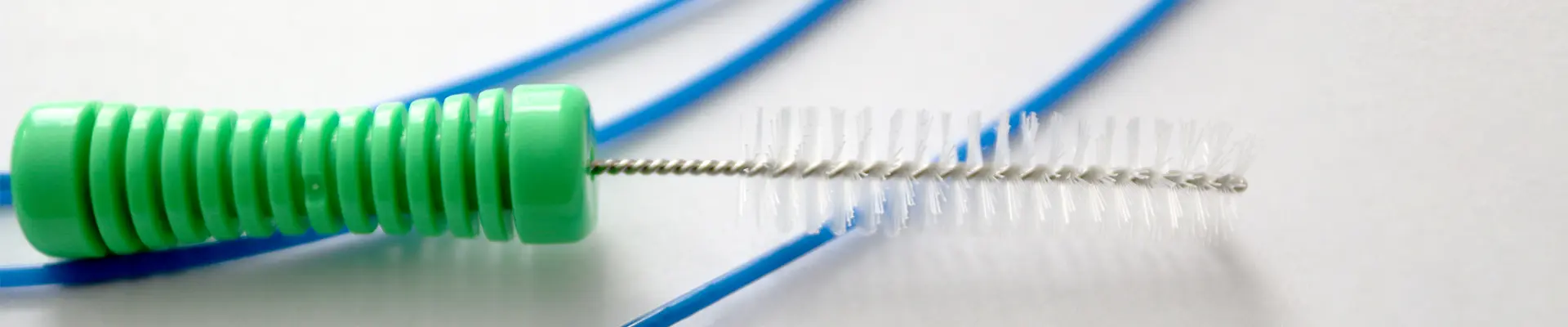
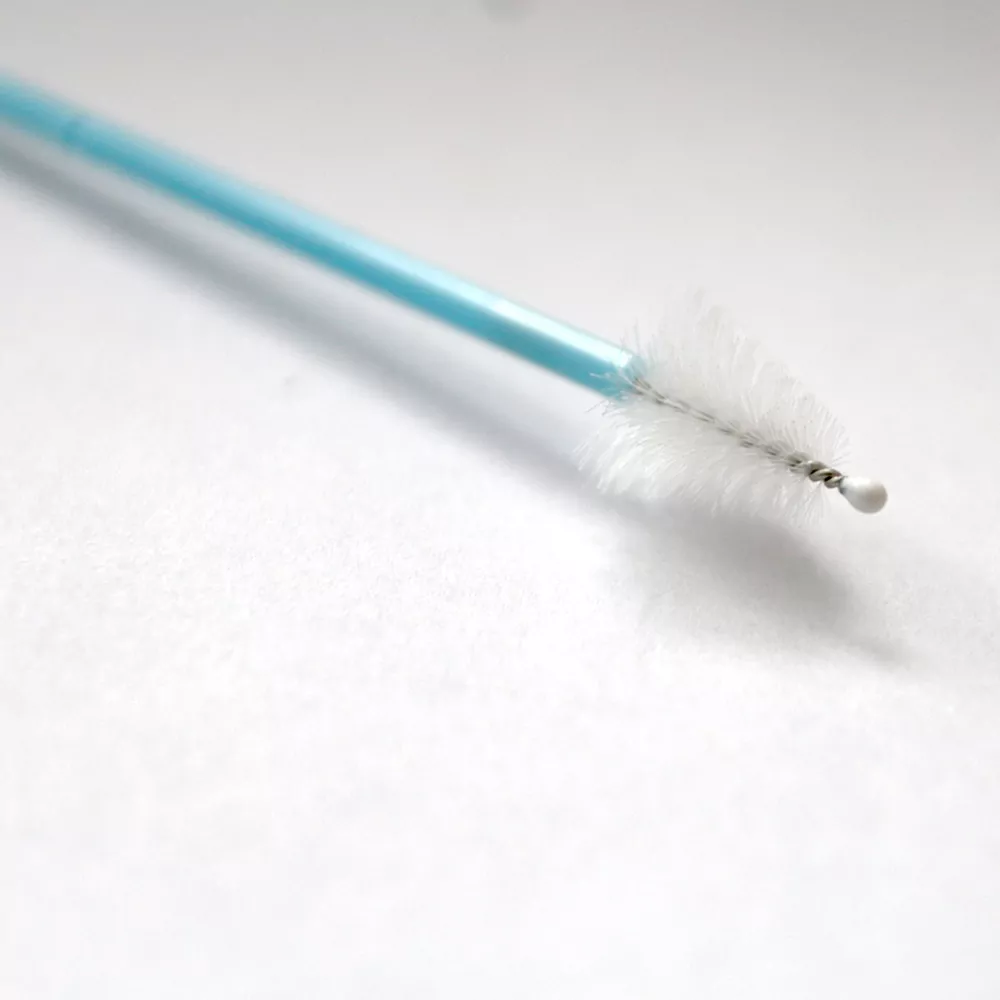
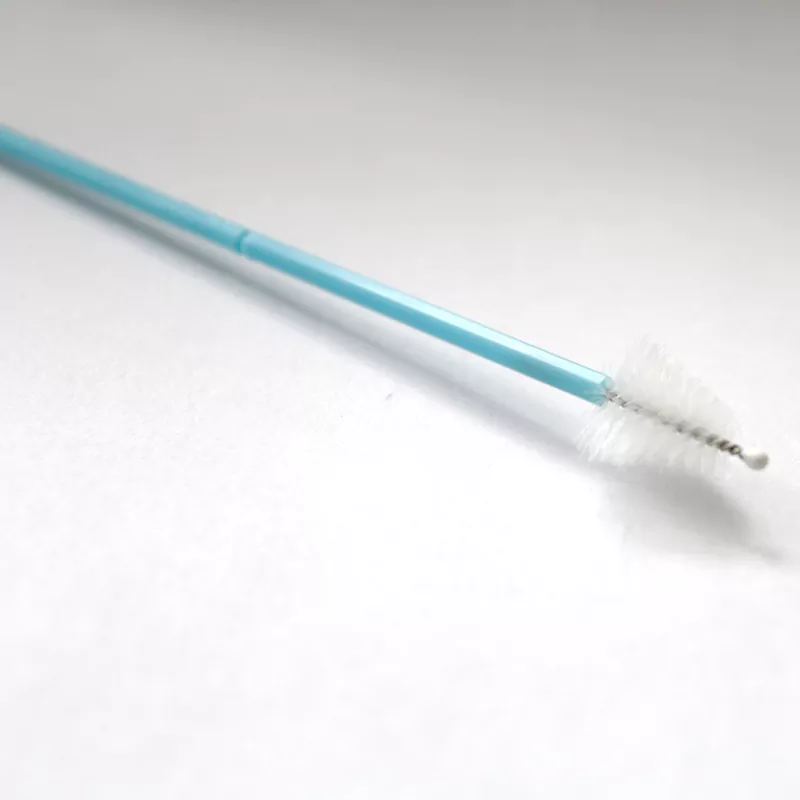
Brush head: Located at the distal end and composed of soft plastic bristles, it features a three-pronged configuration consisting of a central main brush and two lateral auxiliary brushes (variants such as spiral or broom-like shapes are also available).
The central bristles are longer, designed to reach deep into the endocervical canal to collect endocervical cells; the lateral bristles are shorter, designed to collect cells from the ectocervix (cervical os).
Handle: A slender plastic shaft that facilitates gripping and manipulation by the clinician. It may feature a designated break point, allowing the handle to be snapped off after sampling so that the brush head can be placed directly into a vial of preservation solution.
2. Working Principle
The ingenious design of the cervical brush lies in its ability to simultaneously collect cells from two critical anatomical regions.
|
Sampling Area
|
Brush head section
|
Clinical Significance
|
|
Ectocervix
|
Shorter bristles on the sides
|
Covers the squamous epithelium area; a high-risk zone for lesions.
|
|
Endocervical Canal
|
Longer bristles in the center
|
Covers the columnar epithelium area; sampling from this region is required for deep-seated lesions.
|
By inserting the central bristles into the cervical os and gently rotating the brush 360° to 720°, exfoliated cells from both regions are simultaneously collected onto the brush head; the brush head is then either smeared onto a glass slide (for a conventional Pap smear) or placed into a vial of preservation solution (for liquid-based cytology, such as TCT or LCT) and sent to the laboratory for analysis.
Cervical Brushes vs. Other Sampling Tools: What Are the Advantages?
Currently, the cervical brush has become the mainstream sampling tool for cervical cancer screening in clinical practice, offering comprehensive sampling, ease of use, and a high rate of cell preservation.
|
Comparison Dimension
|
Cervical Brush
|
Ayre spatula
|
Cytobrush + Swab
|
|
Sampling Area
|
External os + endocervical canal; single-step procedure
|
Ectocervix only
|
Typically requires the combined use of a two-piece set
|
|
Cell Yield
|
High yield; comprehensive coverage
|
Minimal; surface only
|
Moderate
|
|
Procedural Difficulty
|
Simple; all-in-one step
|
Simple but incomplete coverage
|
Somewhat complex; requires a multi-step procedure
|
|
Applicable Tests
|
TCT, Pap Smear
|
Conventional Pap smear
|
HPV testing, microbial culture
|
|
Patient Discomfort
|
Mild
|
Mild
|
Mild
|
In What Situations Is a Cervical Brush Used?
Routine cervical cancer screening: Regular cervical cytology testing is recommended for women aged 21 or older or those who are sexually active.
Combined HPV testing: Samples collected using certain cervical brushes can also be used for HPV DNA testing.
Investigation of abnormal bleeding: Identifying the cause of contact bleeding or irregular vaginal bleeding.
Post-treatment follow-up: Periodic check-ups following treatment for cervical lesions (e.g., after a LEEP procedure).
Instructions for Use
1. Expose the cervix: Use a vaginal speculum to fully expose the cervix and wipe away any surface mucus.
2. Insert the brush: Align the central bristles of the cervical brush with the external cervical os and gently insert it into the cervical canal until the side bristles make contact with the surface of the external os.
3. Rotate to collect samples: Gently rotate the brush 3–5 times (360°–720°) in the same direction to ensure adequate cell collection.
4. Transfer the sample:
▷ Conventional smear: Evenly smear the brush head onto a microscope slide and immediately fix it with a fixative solution.
▷ Liquid-based cytology (TCT): Place the brush head directly into the vial containing the preservation solution; rinse thoroughly, discard the brush head, and tightly seal the vial for transport to the laboratory.
5. Disposal: The cervical brush is a sterile, single-use product; dispose of it as medical waste after use.
Precautions for Use
1. Single-use only: Reuse is strictly prohibited to prevent cross-infection.
2. Avoid sampling during menstruation: Menstrual blood can interfere with cytological interpretation; it is recommended to perform the procedure 3 to 7 days after menstruation ends.
3. Pre-sampling precautions: Avoid sexual intercourse, vaginal douching, and the use of vaginal medications for 24–48 hours prior to sampling to ensure accurate results.
4. Gentle technique: Do not apply excessive force during rotation to avoid causing cervical bleeding; exercise particular caution with pregnant women or patients with cervical inflammation.
5. Caution during pregnancy: If sampling is required for a pregnant woman, the procedure should be performed cautiously following a medical assessment to avoid stimulating the cervix and triggering uterine contractions.
Why Choose LucentMed?
✔ Fully Automated Production Lines
1. Automated Flocking Line: Precision control over adhesive volume, voltage, and flocking duration ensures consistent bristle adhesion and density.
2. Automated Assembly Line: Enables efficient and precise connection between the brush head and shaft, guaranteeing overall structural integrity.
3. Ethylene Oxide (EO) Sterilization Equipment: Equipped with comprehensive sterilization and aeration systems to ensure every batch of cervical brushes meets the medical-grade sterility standard of SAL 10⁻⁶.
4. Independent Sterile Packaging Line: Automated sealing and inspection of medical-grade paper-plastic pouches ensure seal integrity.
✔ Stable Production Capacity
|
Production Capacity Dimensions
|
Overview
|
|
Mass supply capability
|
Capable of reliably meeting supply demands for hundreds of thousands of units per month.
|
|
Small-batch customization
|
Supports flexible customization with minimum order quantities ranging from 500 to 1,000 units.
|
|
Concurrent production of diverse product categories
|
Product lines include cervical sampling brushes, endoscope cleaning brushes, oral care interdental brushes, valve cleaning brushes, and more, with production lines capable of flexible reconfiguration.
|
✔ One-Stop Customization Service
● Product Specification Customization: Brush head diameter, bristle length and density, handle length and flexibility, break-point design, etc., can all be adjusted to meet specific requirements.
● Packaging Customization: Custom printing for individual polybags, blister card design, specifications for inner boxes and outer cartons, and support for multilingual labeling.
● Branding Customization: Private labeling support, offering end-to-end services ranging from design and prototyping to mass production.
● Dedicated Service: LucentMed assigns a dedicated specialist to manage the project, overseeing every stage—from requirements discussion and prototype testing to bulk supply and after-sales support.
FAQ
Q: How should cells be transferred to the preservation solution after sampling?
A: Place the brush head directly into the TCT preservation solution vial. Rinse it up and down at least 10 times, pressing the brush head firmly against the vial wall to fully spread the bristles and ensure all cells are released into the solution. Finally, tighten the cap securely and send the sample to the laboratory for testing.
Q: What might cause insufficient cell yield after sampling?
A: Insufficient cell yield is usually associated with the following factors rather than the quality of the cervical brush itself:
1. Vaginal douching or medication use prior to sampling, which washes away exfoliated cells.
2. Insufficient rotation or inadequate pressure during sampling, resulting in incomplete collection.
3. Inadequate rinsing during transfer to the preservation solution, preventing complete cell release.
4. The patient is menopausal, a condition naturally associated with a lower number of exfoliated cells.
Q: Can custom products utilize LucentMed’s medical device manufacturing qualifications?
A: Yes. LucentMed holds ISO 13485 certification for medical device quality management systems.
Clients can leverage our comprehensive manufacturing qualifications, sterilization reports, and inspection data to rapidly complete the regulatory filing and market launch processes for their own branded products, significantly shortening the time to market.