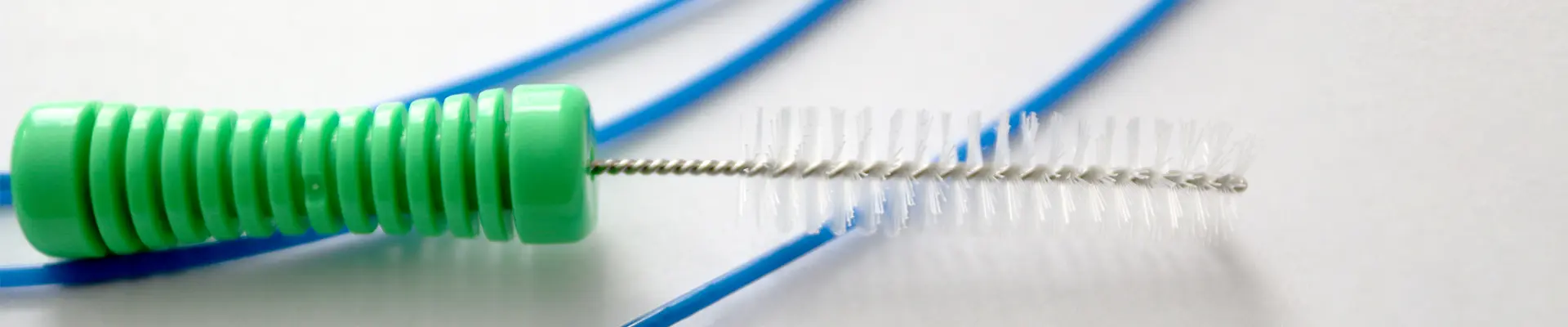
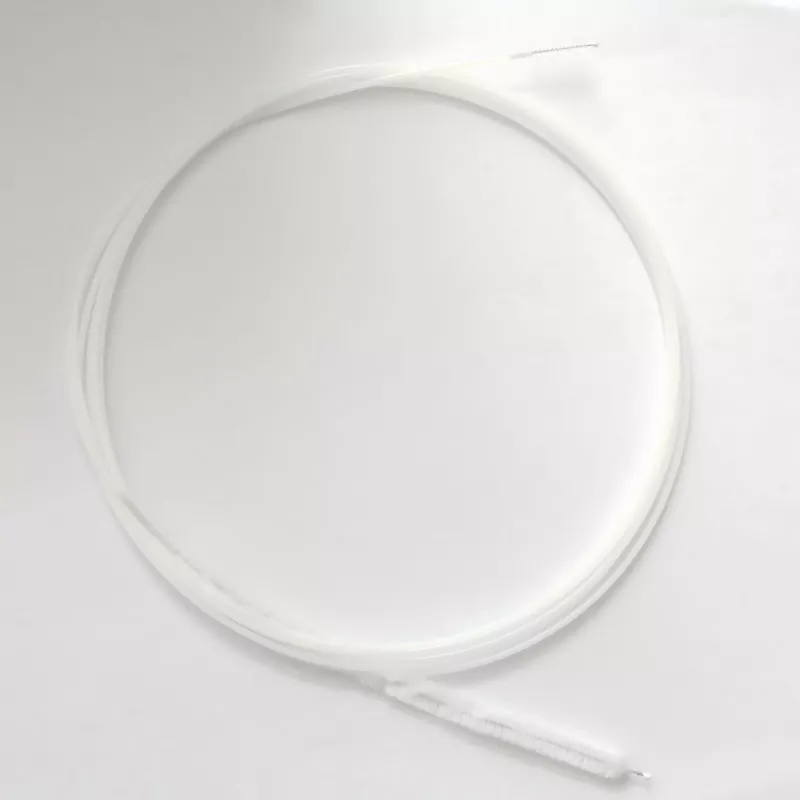
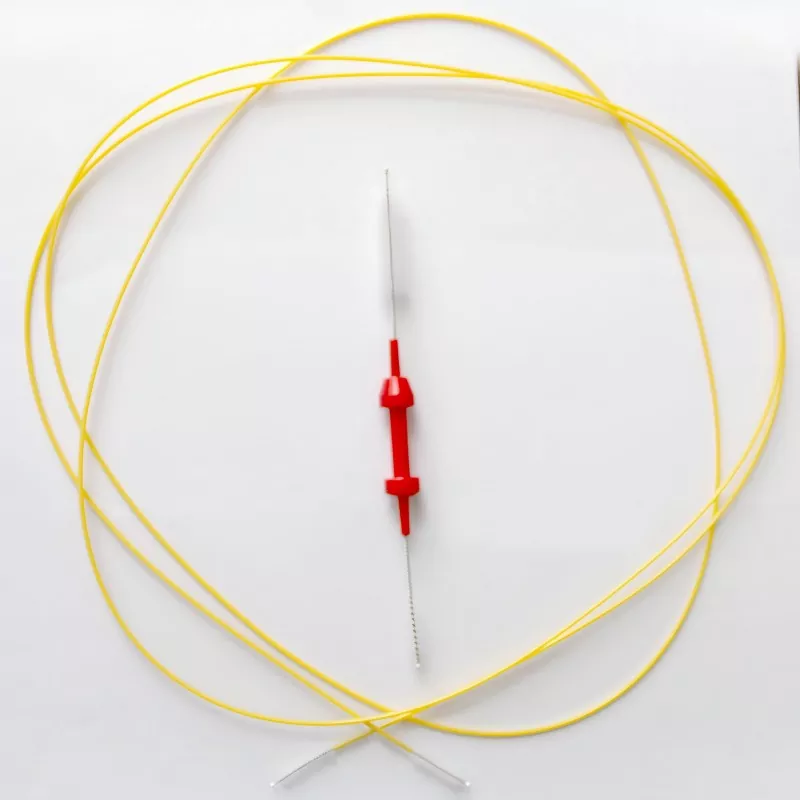
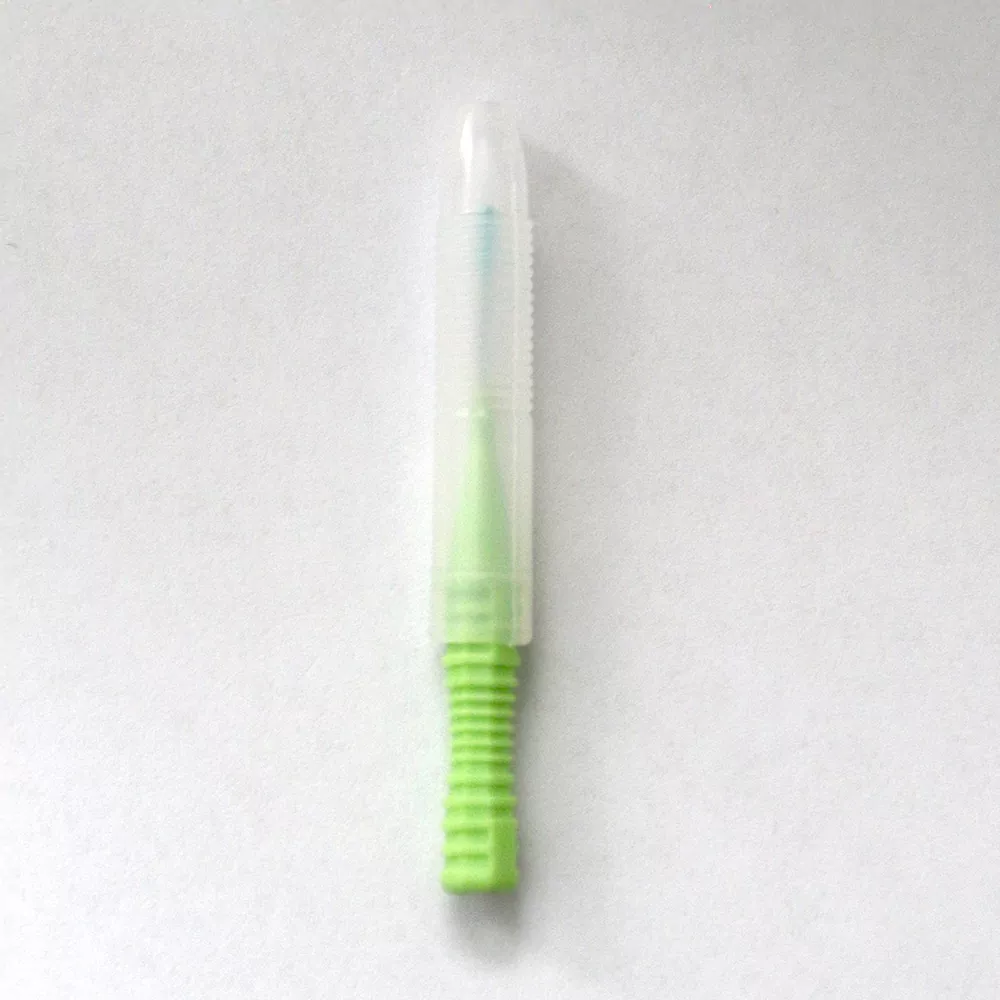
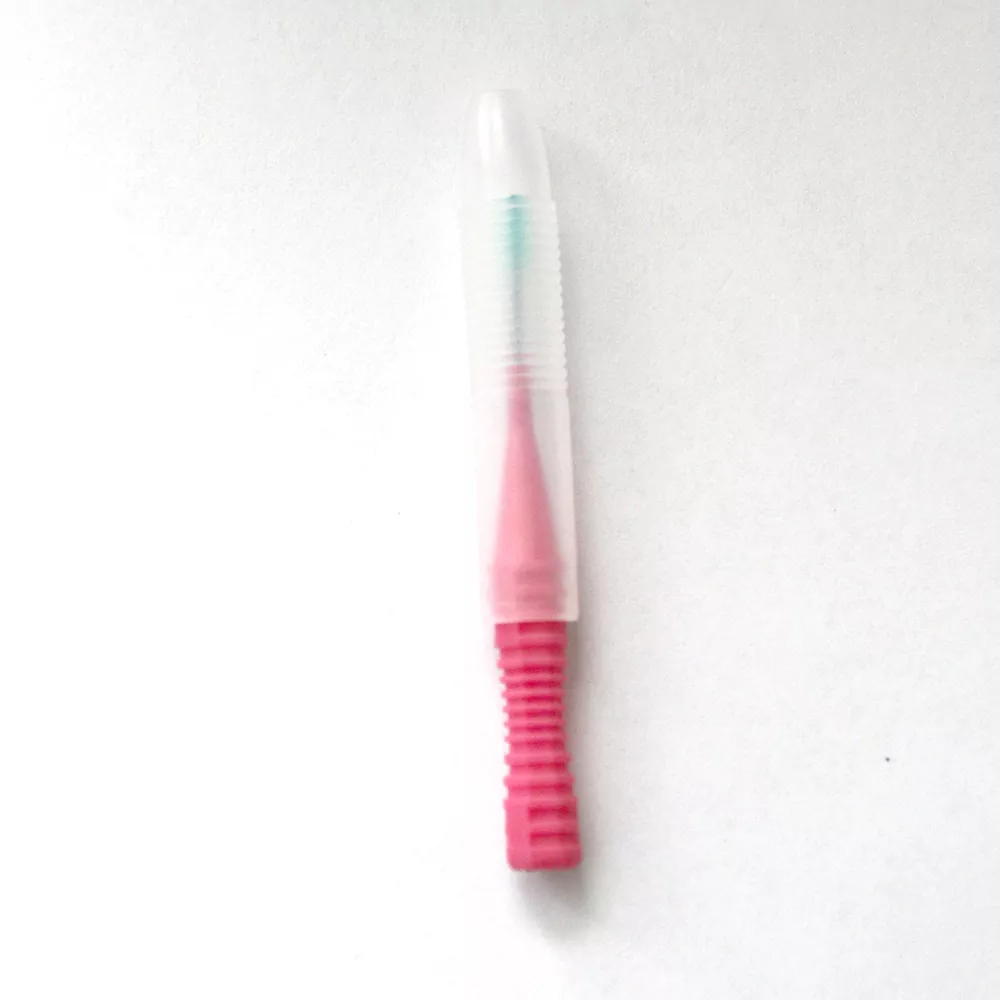
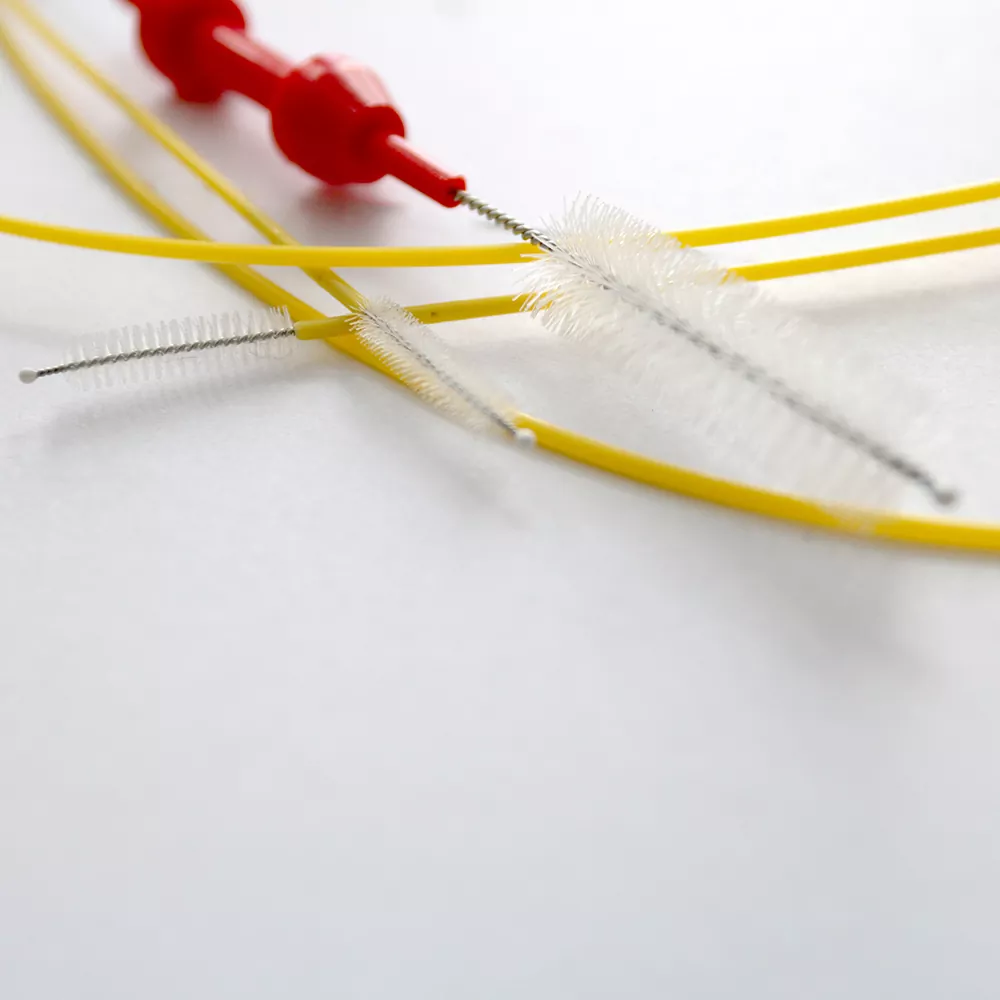
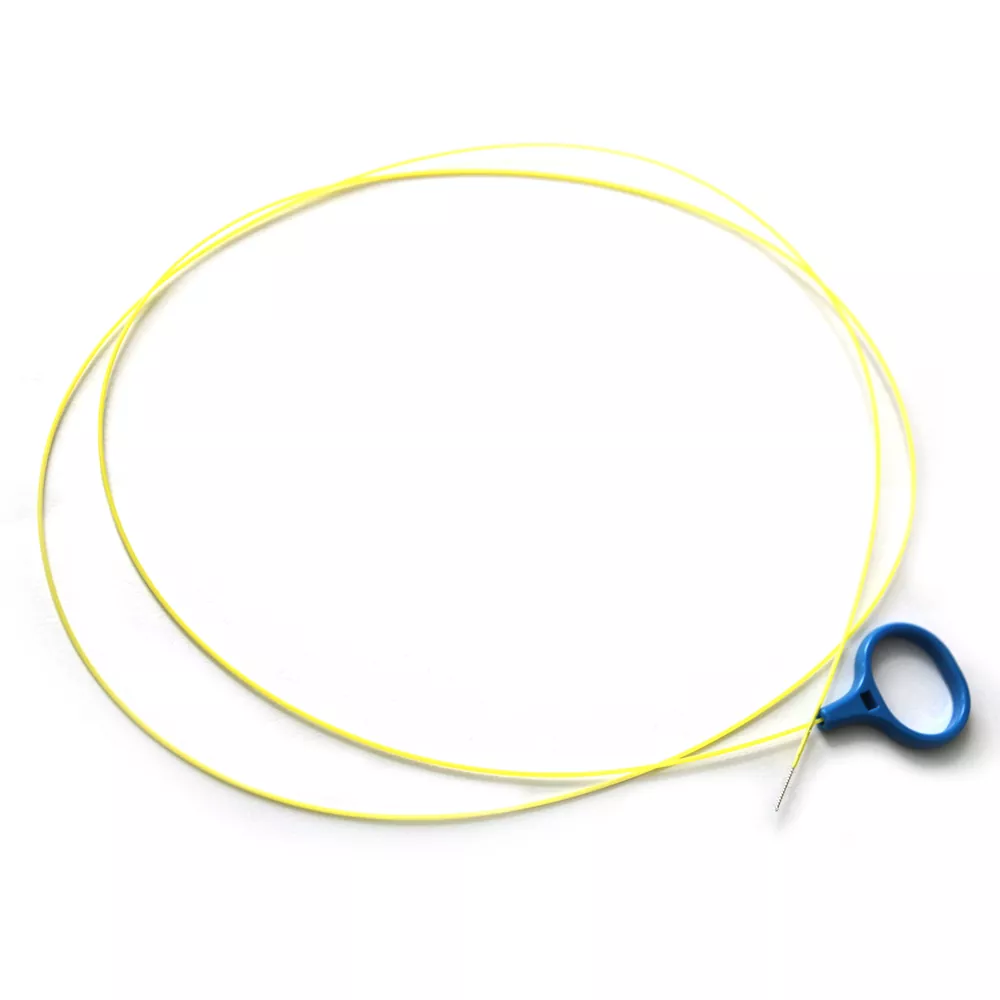
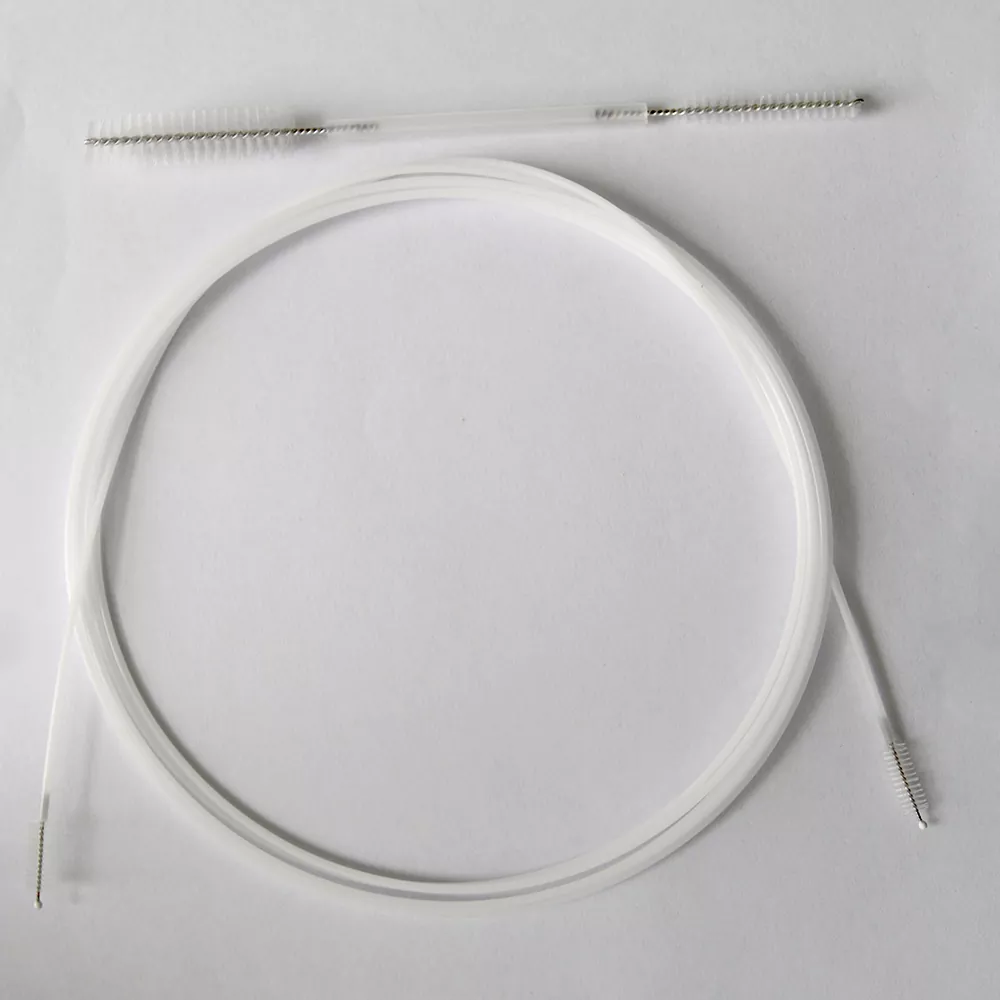
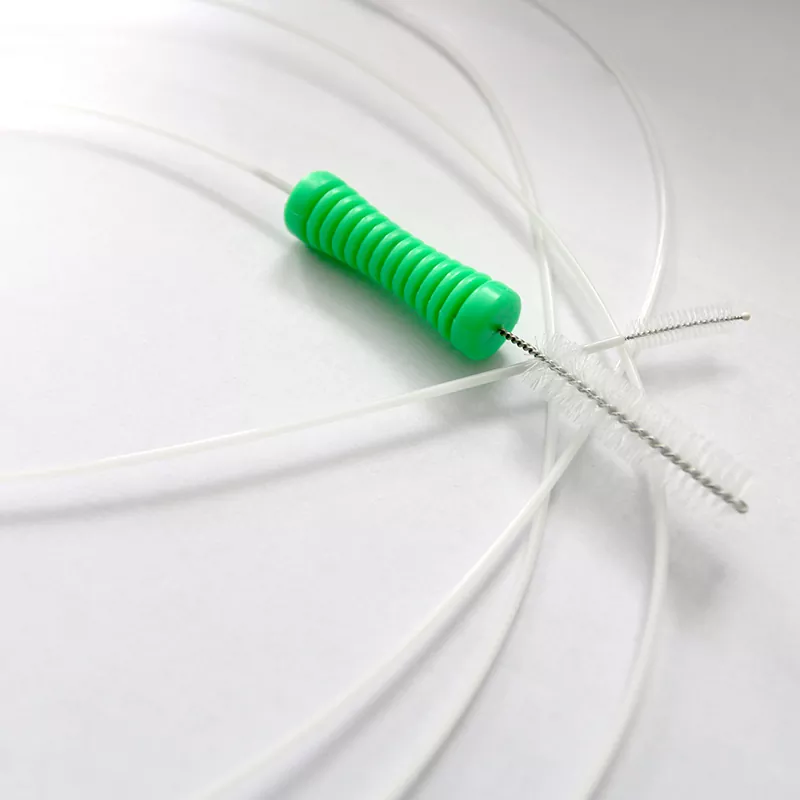
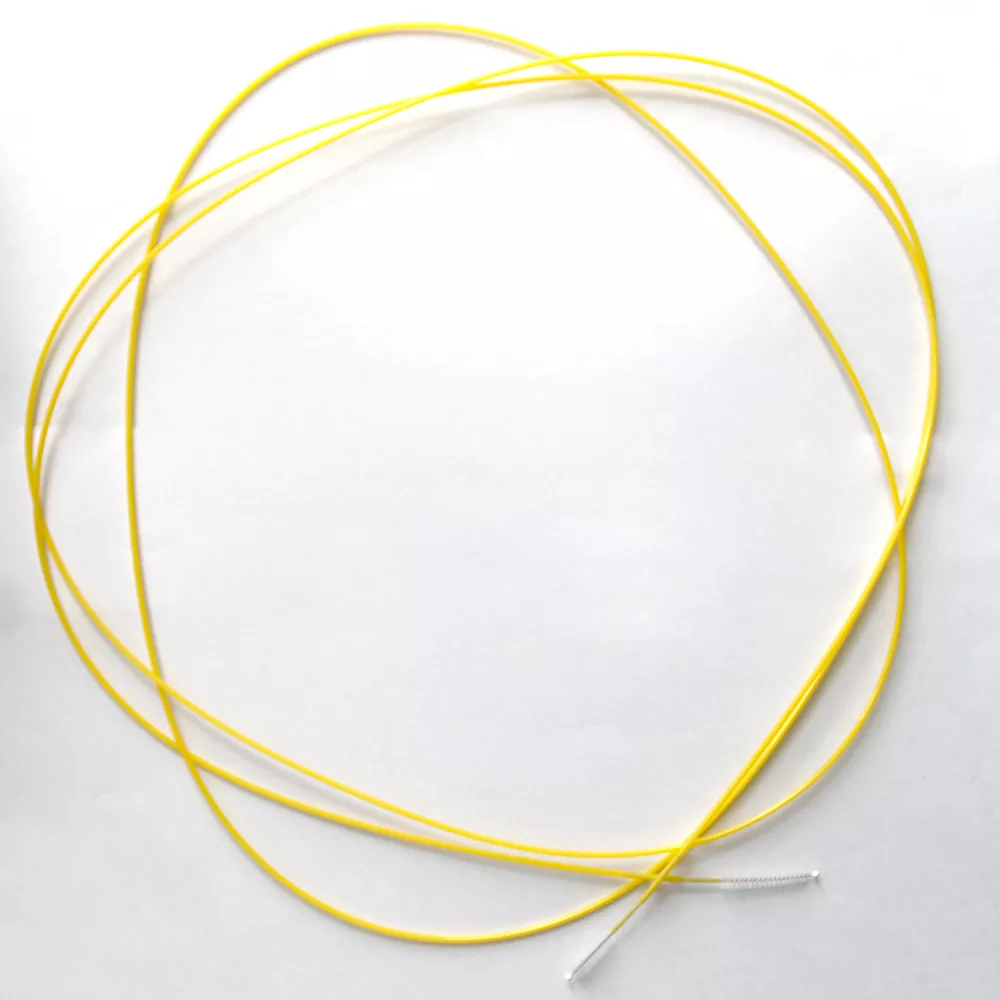
LucentMed is a manufacturer fully certified to ISO 13485 (Medical Device Quality Management System), ISO 9001 (Quality Management System), and CE standards. We manufacture our interdental brushes to medical-grade quality standards; designed for use alongside a regular toothbrush, they effectively clean interdental spaces that standard bristles cannot reach.
What Is an Interdental Brush?
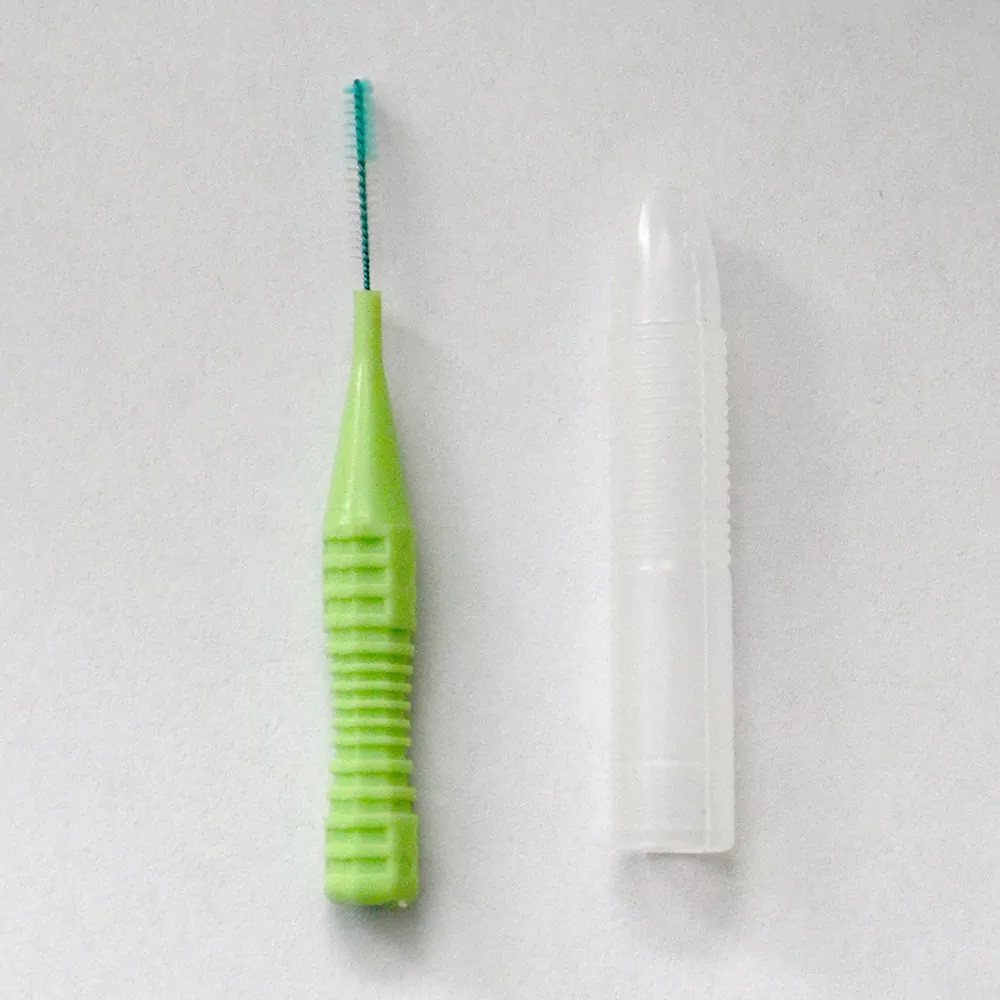
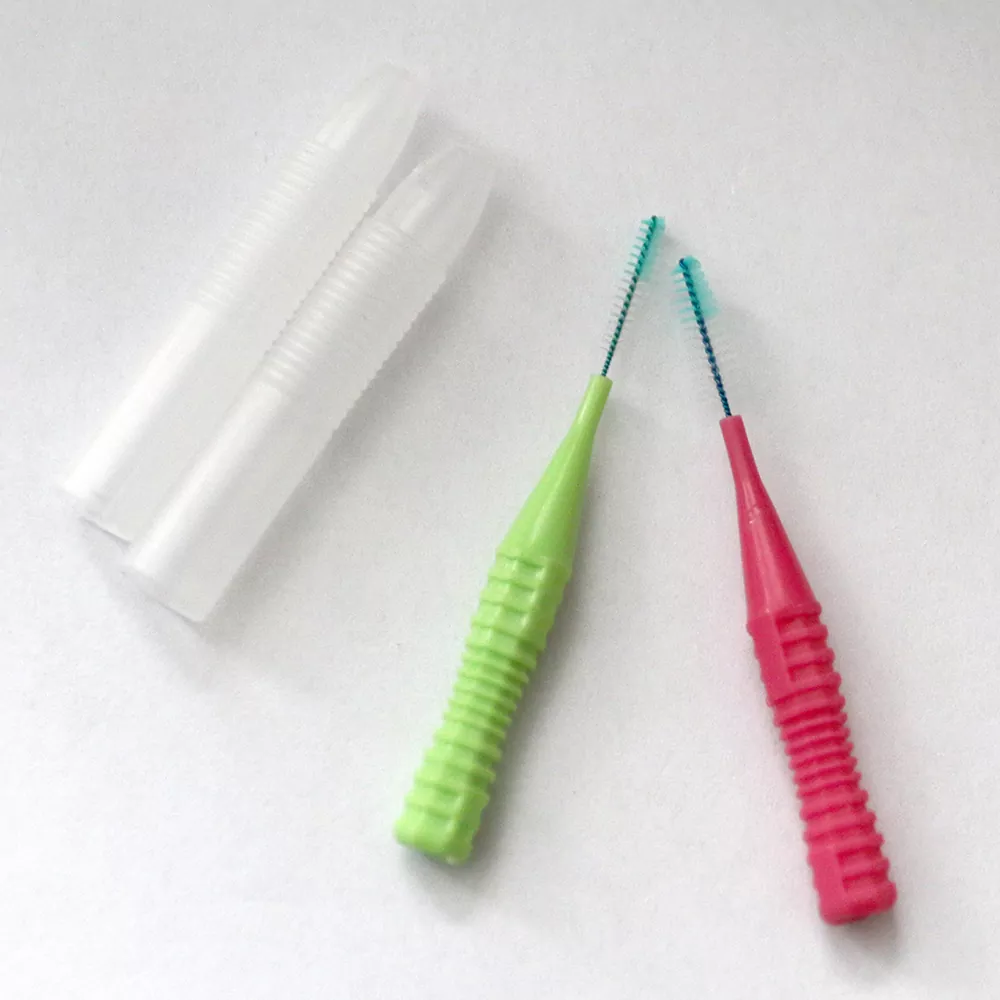
An interdental brush is an oral care tool designed to clean the spaces between teeth and the areas around orthodontic appliances. Its small brush head reaches into gaps that are difficult for a standard toothbrush to access, removing plaque, food debris, and soft deposits, thereby helping to maintain gum health and oral cleanliness.
It has a simple structure consisting of two parts:
● Brush head: An extremely fine bundle of cylindrical or conical bristles, available in various sizes (ranging from 0.4mm to 1.5mm in diameter) to fit different gap sizes.
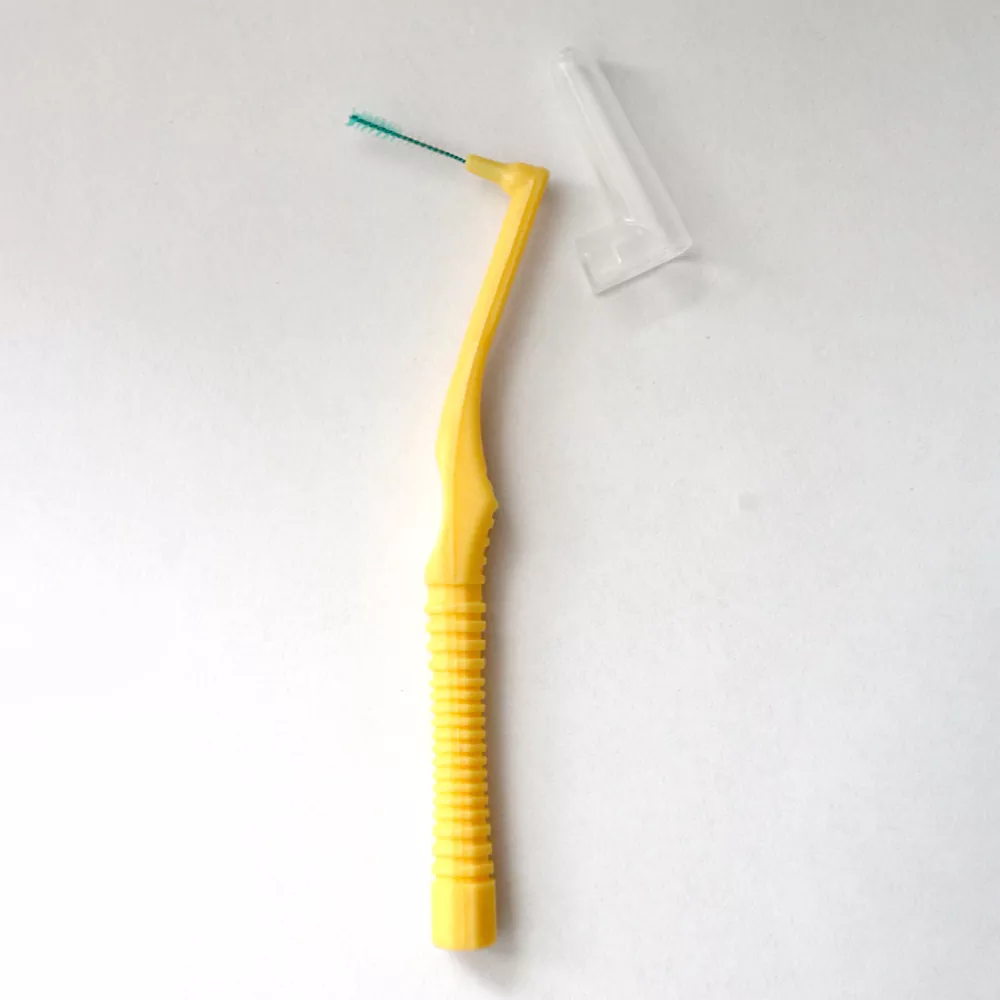
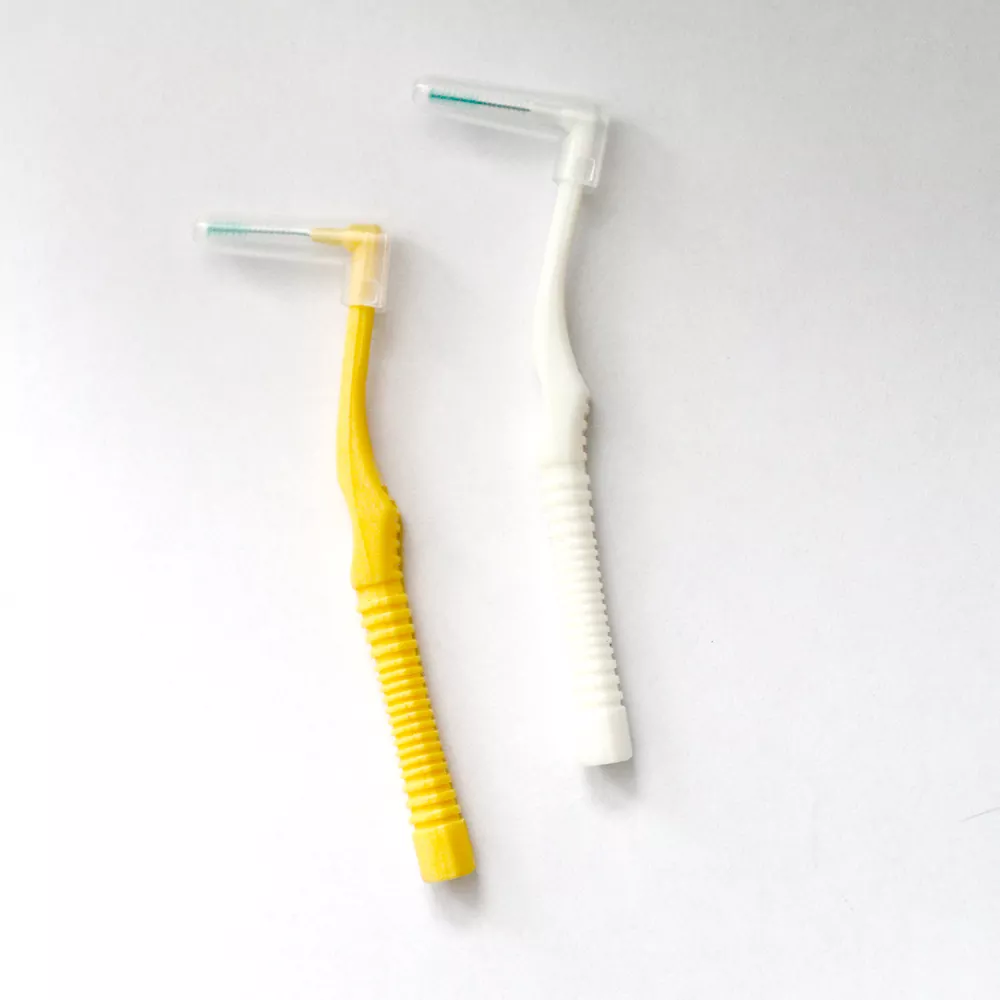
● Handle: A slender rod made of plastic or metal, designed for easy gripping and handling. Some models feature an angled handle to facilitate cleaning the back teeth.
In appearance, it resembles a miniature test-tube brush and is much smaller than a standard toothbrush.
What Are the Benefits of an Interdental Brush?
1. Cleans plaque from interdental spaces
Due to the narrow spaces between teeth, the bristles of a standard toothbrush often cannot fully reach these areas, making them prone to plaque accumulation, food debris, and gum irritation.
Interdental brushes can reach deep into the gaps between teeth, using mechanical action to help remove this debris.
2. Helps prevent gum problems
Long-term plaque accumulation can lead to swollen, red gums, bleeding, and periodontal discomfort.
Regular use of interdental brushes improves cleaning between teeth and helps maintain periodontal health.
3. Suitable for people undergoing orthodontic treatment
For those wearing fixed braces—including archwires and brackets—it is difficult to clean the areas around the brackets using only a standard toothbrush.
Interdental brushes are effective for cleaning the intricate details of these orthodontic appliances.
4. Suitable for people with wider gaps between teeth
Compared to dental floss, interdental brushes are easier to maneuver in wider gaps, offer broader cleaning coverage, and provide a more intuitive user experience.
Common Types
Based on brush head structure, usage method, and intended application, interdental brushes can be categorized into types such as straight-handle, L-shaped, tapered, cylindrical, and orthodontic-specific; customization is available, allowing for selection based on specific needs.
● Overview of Main Types
|
Types
|
Structural Features
|
Main Application Scenarios
|
|
Straight-handle interdental brush
|
Straight-line configuration of brush head and handle; simple design and flexible handling
|
Daily interdental cleaning, front teeth care
|
|
L-shaped interdental brush
|
Angled brush head and handle for easy access to posterior teeth
|
Molar and back teeth cleaning
|
|
Tapered interdental brush
|
Tapered brush head with a diameter that increases from tip to base
|
Care for different sized interdental spaces and various interdental sizes
|
|
Cylindrical interdental brush
|
Uniform brush head diameter with a cylindrical shape
|
Care for fixed-size interdental spaces and periodontal care
|
|
Orthodontic interdental brush
|
Optimized for brackets and archwires
|
Cleaning around braces and aligners
|
|
Disposable interdental brush
|
Single-use design; portable and hygienic
|
Travel, clinic care, hotel and promotional packaging
|
● Selection Recommendations
|
Procurement Requirements
|
Recommended Types
|
|
Mass-market oral care sector
|
Straight Interdental Brush
|
|
Premium oral care brands
|
L-Shaped + Multi-Size Set
|
|
Periodontal care product line
|
Conical / Cylindrical
|
|
Orthodontic care market
|
Orthodontic Interdental Brush
|
|
Sales via medical channels
|
Multi-Size Combination Set
|
Interdental Brushes vs. Dental Floss: What’s the Difference?
|
Comparison Criteria
|
Interdental Brush
|
Dental Floss
|
|
Cleaning Method
|
Bristles penetrate interdental spaces to remove plaque and food debris through mechanical friction
|
Use dental floss to stick to the adjacent surfaces of teeth and remove attachments by scraping
|
|
Primary Cleaning Area
|
Suitable for wide interdental gaps, areas with gum recession, and around dental restorations
|
Close contact between teeth
|
|
Cleaning Coverage
|
Can contact the surfaces on both sides of the teeth simultaneously
|
Mainly relies on wires to fit the tooth surface on one side for cleaning
|
|
Requirements for Interdental Spaces
|
Best suited for interdental spaces with sufficient room
|
More suitable for tighter gaps between teeth
|
|
Ease of Use
|
Intuitive to use and easy to master
|
Requires certain skills to control strength and angle
|
|
Suitability for Orthodontics
|
Ideal for cleaning around braces, brackets, and archwires
|
Difficulty passing through orthodontic structures
|
|
Periodontal Care
|
Suitable for the care of gum recession and periodontal spaces
|
Mainly used for daily adjacent surface cleaning
|
|
Cleaning Efficiency
|
Highly efficient for larger gaps and areas with complex structures
|
More effective for close tooth gaps
|
|
User Experience
|
Provides distinct tactile feedback; sizes can be selected based on needs
|
Requires finger operation, which is not easy for some users to accept
|
|
Product Form
|
Available in a wide range of sizes, structures, and specifications
|
Dental floss rolls, dental floss sticks, etc.
|
Tip: The two are not mutually exclusive. Use dental floss for tight gaps and interdental brushes for wider ones; using them together yields the best results.
Proper Usage Instructions
1. Select the Right Size
The brush head should fit easily into the interdental space; slight resistance is ideal.
If there is no resistance at all, the brush head is too small.
If force is required to insert it, the brush head is too large.
2. Insert Gently
Align the brush head with the gap between teeth and insert it gently towards the gum line; do not force or push hard.
3. Brush Back and Forth
Gently move the brush back and forth within the gap 2–3 times to clean the adjacent tooth surfaces.
4. Clean Each Gap Individually
Clean each interdental space one by one, including the area behind the last molar.
5. Rinse the Brush Head
Disposable type: Discard after a single use.
Reusable type: Rinse the bristles under running water after use and allow to air dry before reusing.
Precautions
● Do not force insertion: If the brush head does not slide easily into the interdental space, switch to a smaller size or use dental floss to avoid damaging your gums.
● Replace regularly: Cleaning efficiency drops significantly if the bristles become deformed, splayed, or rusty; replace the brush promptly (generally recommended every week to month, depending on usage frequency).
● Use with mouthwash: Using an antibacterial mouthwash after interdental brushing can further reduce residual bacteria.
● Potential bleeding upon first use: If your gums are inflamed, slight bleeding may occur during initial use; this usually improves after a few days of proper use. If bleeding persists, consult a periodontist.
Target Users
Patients with periodontal disease: Gum recession leads to wider interdental spaces, making standard dental floss less effective.
Orthodontic patients: Debris easily accumulates between brackets and archwires; interdental brushes can maneuver flexibly to clean these areas.
Individuals with dental implants or fixed bridges: The gaps between restorations and natural teeth require specialized cleaning.
Individuals with naturally wide interdental spaces: Such as the elderly or those with receding gums.
Health-conscious individuals seeking meticulous oral care: Can be used to supplement or replace daily dental flossing.
Packaging and Shipping
▷ Product Packaging
1. Inner Packaging
|
Packaging Format
|
Specifications
|
Use Cases
|
|
Individual polybag
|
Each interdental brush is individually sealed in a clear PE/PP bag.
|
Disposable interdental brushes; cost-effective products
|
|
Blister card
|
Brush heads are encased in a clear PVC/PP blister pack with a printed paper backing card; common configurations include 3, 4, or 5 brushes per card.
|
Mainstream format for supermarket retail and pharmacy shelf displays
|
|
Tube/Box
|
Multiple brush heads are packed into small plastic tubes or small paper boxes.
|
Replacement brush head sets; portable packs
|
|
Sterile individual packaging
|
Packaged in medical-grade paper-plastic pouches and sterilized using ethylene oxide (EO).
|
Medical-grade/orthodontic-specific products
|
2. Outer Packaging
Packed in FSC-certified cartons.
Example of common specifications: 288 cards per carton
Reference outer carton dimensions: approx. 42 × 32.5 × 37.5 cm
Reference gross/net weight: approx. 6.05 kg / 4.95 kg
Carton markings: Product name, quantity, gross weight, net weight, volume (CBM), batch number, production date, and shipping symbols such as "Fragile" and "Keep Dry."
▷ Shipping and Logistics
|
Shipping Methods
|
Applicable Scenarios
|
Estimated Transit Time
|
|
Courier
|
Samples, small-batch orders
|
3–7 business days
|
|
Air Freight
|
Small-to-medium batches, time-sensitive shipments
|
5–10 business days
|
|
Sea Freight
|
Large-volume export orders
|
20–40 days (depending on the destination port)
|
FAQ
Q: Will using interdental brushes cause the gaps between teeth to widen?
A: Not if used correctly.
As long as you choose the right size and use a gentle motion, interdental brushes will not widen the gaps; instead, they help prevent gaps from worsening due to periodontal disease.
Q: Can children use interdental brushes?
A: It depends on the situation; generally, use by young children is not recommended. Children typically have smaller gaps between their teeth and delicate oral tissues, so improper use could easily injure their gums.
However, if a child is in the stage of losing baby teeth or undergoing orthodontic treatment, they may use ultra-fine, soft-bristled interdental brushes designed specifically for children, provided there is parental guidance and supervision.
Q: How should reusable interdental brushes be cleaned and stored after use?
A: Wash, shake dry, and air out. After each use, rinse debris from the brush head under running water, shake off excess moisture vigorously, and store the brush in a dry, well-ventilated case.
Avoid storing them in a sealed container while still damp, as this can promote bacterial growth.