Follow Us:

News

How Can a Cervical Sampling Brush Improve Cell Collection for Reliable Cervical Screening

2026-10-29 0 Leave me a message

LucentMed provides medical sampling solutions designed to support consistent cervical cell collection in gynecological examinations and laboratory testing. A Cervical Sampling Brush is an important medical consumable used to collect exfoliated cells from the cervix for cytological and other laboratory examinations. For hospitals, diagnostic laboratories, distributors, and medical device procurement teams, choosing a suitable brush involves evaluating its design, material quality, sample transfer performance, compatibility, and manufacturing consistency.

A well-designed cervical sampling brush helps healthcare professionals collect cervical cell specimens for screening and laboratory analysis. Its brush-head geometry, bristle flexibility, handle design, and compatibility with the intended collection and preservation system can influence the sampling workflow. This guide explains how cervical sampling brushes work, their common applications, key product specifications, selection criteria, and purchasing considerations. It also introduces LucentMed's product options and customization services for professional medical buyers.

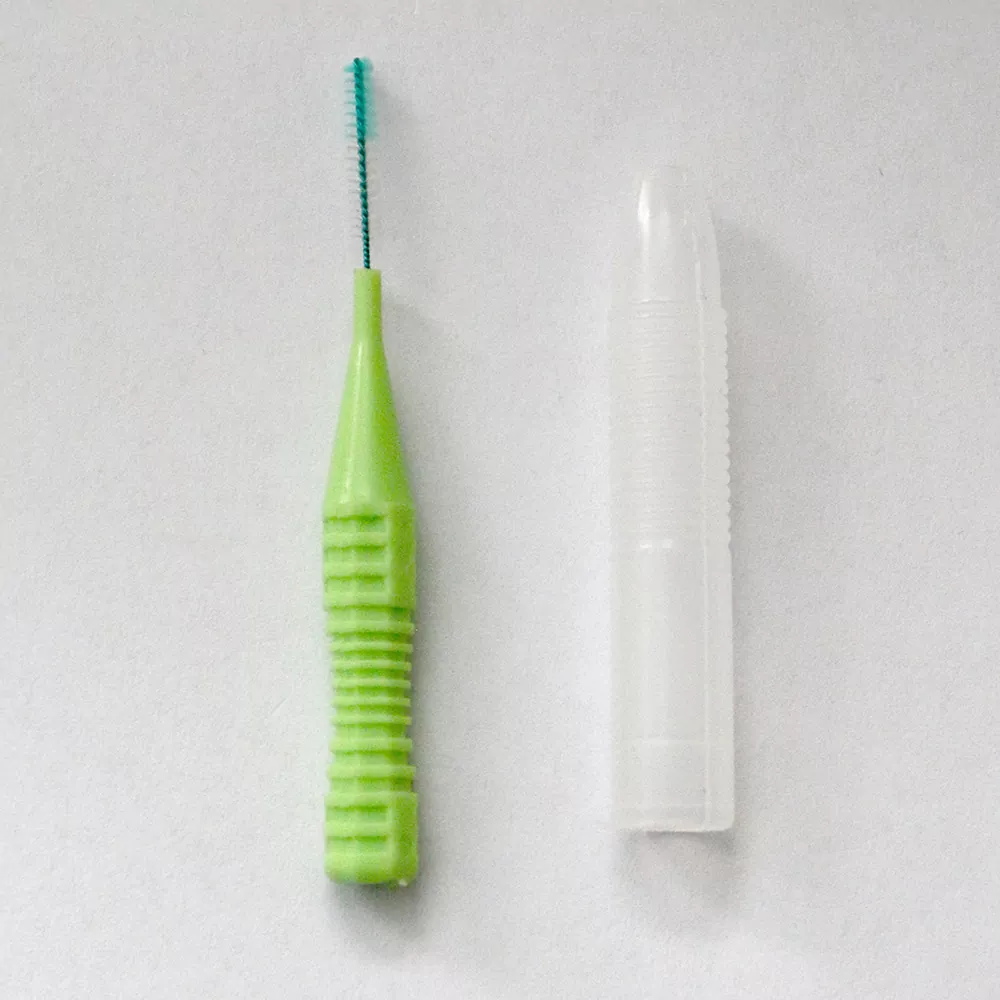
Cervical Sampling Brush

Table of Contents

  1. What Is a Cervical Sampling Brush?
  2. How Does a Cervical Sampling Brush Work?
  3. What Are the Main Applications?
  4. Which Design Features and Materials Matter?
  5. What Specifications Should Buyers Compare?
  6. How Can Buyers Select the Right Brush?
  7. How Does Quality Control Support Reliable Sampling?
  8. What Should Medical Buyers Consider Before Ordering?
  9. Frequently Asked Questions
  10. Conclusion

1. What Is a Cervical Sampling Brush?

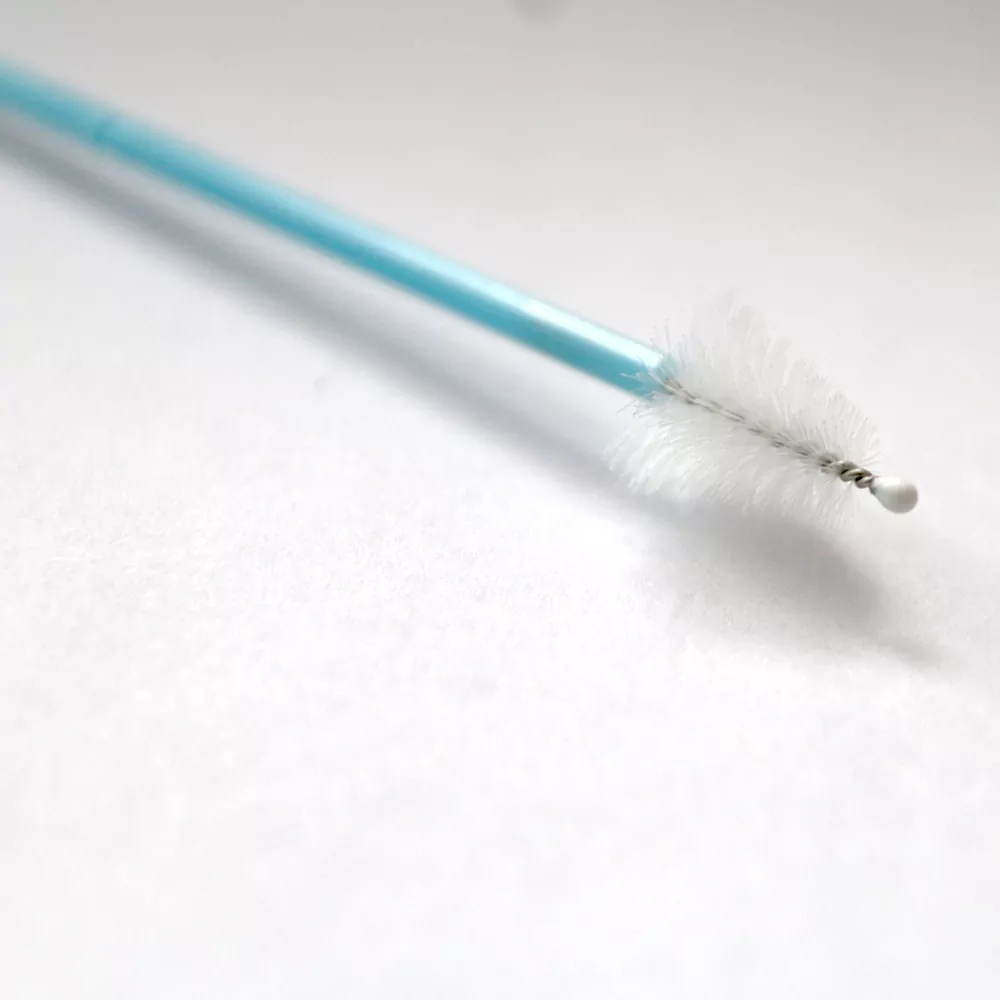
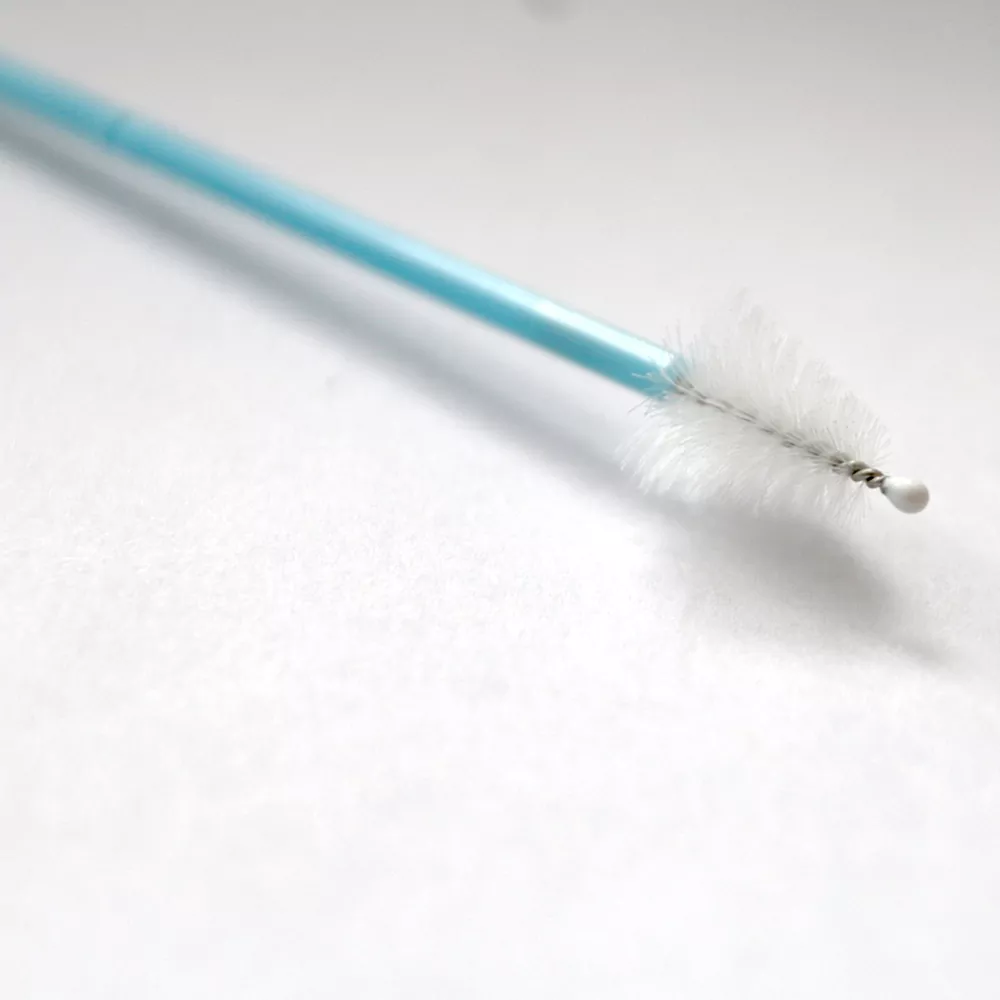
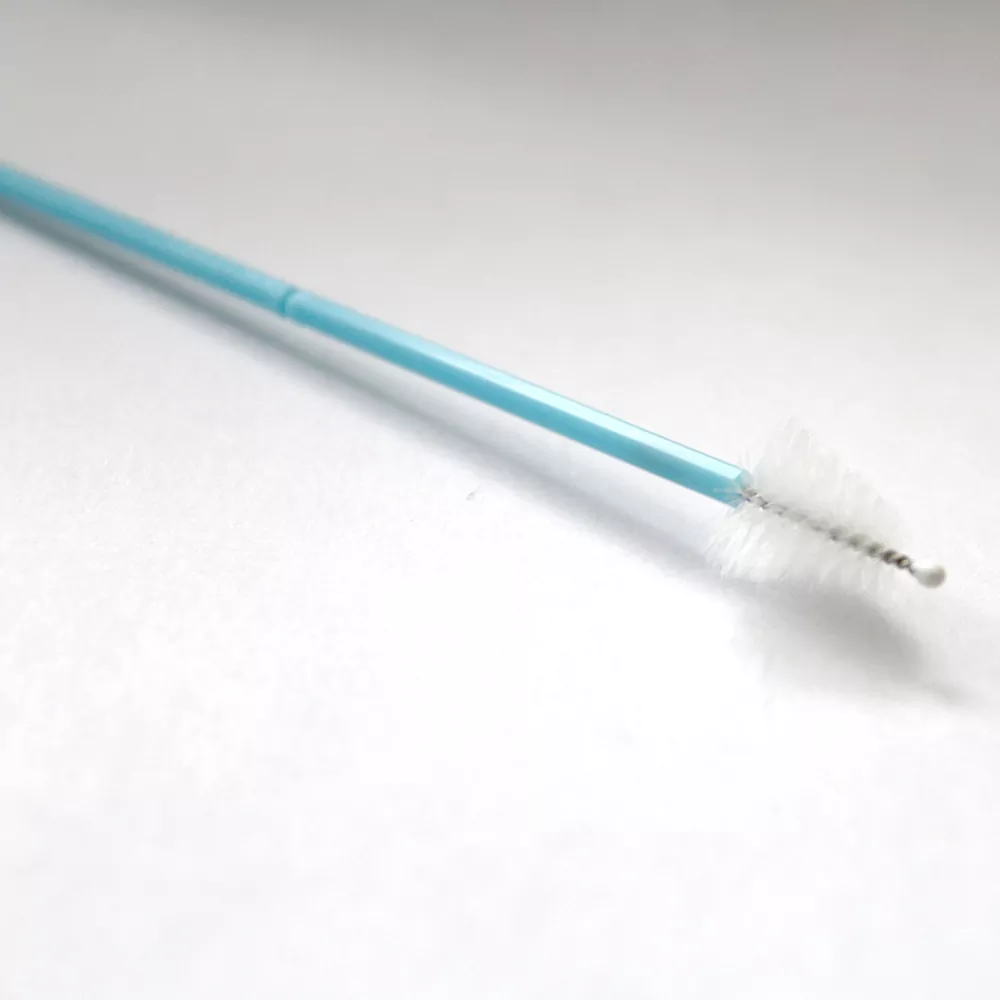
A cervical sampling brush is a medical collection instrument designed to obtain exfoliated cells from the cervical surface and, depending on its configuration, the endocervical canal. The collected material is prepared for laboratory examination according to the applicable clinical protocol.

These brushes are commonly associated with cervical cytology procedures, including conventional Pap smear testing and liquid-based cytology. Certain collection systems are also used to obtain specimens for human papillomavirus (HPV) testing when the device and preservation medium are compatible with the validated laboratory method.

Many designs feature a slender handle and a flexible brush head. Broom-shaped configurations may combine longer central bristles with shorter peripheral bristles to contact different areas around the cervical opening. Other designs use different bristle arrangements to meet specific sampling requirements.

LucentMed manufactures cervical sampling brushes for professional medical applications. Buyers can explore the Cervical Sampling Brush product page to review the available design and discuss product requirements with the manufacturer.


2. How Does a Cervical Sampling Brush Work?

The brush collects cells through controlled contact between its bristles and the intended sampling area. During a clinical examination, a qualified healthcare professional uses the device according to its instructions for use and the relevant sampling protocol.

The general workflow includes the following stages:

  1. Preparation: Confirm the patient's procedure requirements, the correct collection device, and the appropriate specimen container or slide.
  2. Positioning: Use the clinically prescribed technique to position the brush at the intended cervical sampling site.
  3. Cell collection: Apply the rotation, contact, and withdrawal method specified in the device instructions and clinical protocol.
  4. Specimen transfer: Transfer the collected material to the designated slide or compatible preservation medium, following the validated procedure.
  5. Laboratory processing: Label, handle, and transport the specimen according to laboratory requirements.

Collection and transfer procedures vary by device design and test system. A detachable brush head, for example, may simplify transfer into a collection vial when that configuration is specifically designed for the purpose.

Healthcare professionals should always follow the manufacturer's instructions for use rather than assuming that every brush uses the same insertion depth, rotation count, or specimen-release technique.


3. What Are the Main Applications of a Cervical Sampling Brush?

A cervical sampling brush can support several specimen collection workflows, provided that the selected device is intended for the application and compatible with the testing system.

  • Cervical cytology: Collection of cervical cells for Pap smear examination and assessment of cellular abnormalities.
  • Liquid-based cytology: Collection of specimens for processing in a compatible cell preservation solution.
  • HPV testing: Specimen collection for molecular testing when permitted by the applicable device labeling and laboratory protocol.
  • Gynecological examinations: Collection of cervical specimens in hospitals, women's health clinics, and other qualified healthcare settings.
  • Diagnostic laboratory workflows: Supply of appropriately collected specimens for subsequent preparation, examination, and analysis.

It is important to distinguish specimen collection from diagnosis. The brush itself does not identify cervical disease or determine an HPV infection status. Results depend on appropriate clinical sampling, specimen handling, validated laboratory methods, and professional interpretation.


4. Which Design Features and Materials Matter?

The design of a cervical sampling brush affects how it is handled and how it interacts with the sampling site. Medical buyers should assess the complete device rather than judging quality by appearance alone.

Brush-Head Geometry

Broom-shaped brush heads are designed to contact the area around the cervical opening while allowing selected bristles to reach the endocervical region. The geometry, length, density, and flexibility of the bristles should match the intended procedure.

Bristle Material and Flexibility

Soft, flexible bristles can facilitate controlled contact during specimen collection. Depending on the model, brush heads may use polymer filaments or other specified materials. Buyers should verify the exact material composition and relevant biocompatibility documentation for the chosen product.

Handle and Connection Design

A suitably designed handle supports controlled manipulation during sampling. Some models incorporate a detachable head or a defined breakpoint to facilitate specimen transfer. These features should be evaluated against the intended collection system and instructions for use.

Sterility and Packaging

For products labeled sterile, packaging integrity and the validated sterilization process are essential procurement considerations. The sterilization method, shelf life, storage conditions, and single-use requirements should be confirmed from the applicable product documentation.


5. What Specifications Should Buyers Compare?

Comparing documented specifications helps hospitals, distributors, and laboratory suppliers identify a cervical sampling brush that fits their operational requirements. The following table summarizes the principal evaluation points. Exact values should be confirmed for the selected LucentMed model before purchasing.

Specification What to Evaluate Why It Matters
Brush-head design Broom-shaped, spiral, or other available configuration Determines the intended sampling geometry and contact area.
Bristle material Specified polymer or filament composition Supports assessment of flexibility, durability, and material suitability.
Handle material Documented medical-grade material and structural design Influences handling, rigidity, and compatibility with the procedure.
Overall length Model-specific dimensions and tolerances Helps confirm suitability for the intended workflow.
Sterilization Sterile or non-sterile configuration and validated method Must align with clinical requirements and product labeling.
Specimen transfer Slide application, compatible liquid medium, or detachable head Supports correct specimen handling and laboratory processing.
Packaging Individual packaging, carton quantity, and labeling options Helps manage storage, traceability, and distribution.
Customization Available design, packaging, and OEM/ODM options Allows buyers to align procurement with market and workflow needs.

Do not assume that all cervical sampling brushes share the same dimensions, material composition, sterilization status, or regulatory indications. Request the relevant technical data sheet, instructions for use, and supporting documentation for the exact model under consideration.


6. How Can Buyers Select the Right Cervical Sampling Brush?

The most suitable product is the one that meets the intended clinical application, specimen-processing requirements, and purchasing specifications. A structured evaluation can help procurement teams avoid unnecessary substitutions and compatibility issues.

Define the Intended Testing Method

Start by identifying whether the device will be used for conventional cytology, liquid-based cytology, HPV testing, or another approved collection procedure. Confirm that the collection device and specimen medium are appropriate for the intended laboratory method.

Review Product Compatibility

Check whether the brush can be used with the receiving vial, preservation solution, slide preparation method, or collection kit. If the product includes a detachable head, verify the transfer procedure and container compatibility.

Evaluate Handling and Sample Transfer

Assess brush-head consistency, handle control, packaging convenience, and specimen transfer instructions. Where practical, request samples for an appropriate evaluation under the organization's approved assessment process.

Check Documentation and Supply Capability

Before approving a supplier, request relevant technical specifications, quality certificates, sterilization information, packaging details, and traceability documentation. Confirm lead times, order quantities, and the supplier's ability to maintain consistent product requirements across repeat orders.

A practical procurement checklist includes:

  • Confirmed intended use and compatible testing workflow.
  • Approved materials, dimensions, and brush-head configuration.
  • Required sterility status and packaging format.
  • Available technical documentation and quality records.
  • Defined sampling, inspection, and acceptance criteria.
  • Clear arrangements for delivery, repeat orders, and customization.

7. How Does Quality Control Support Reliable Sampling?

Consistent manufacturing is important because variations in bristle arrangement, handle dimensions, assembly, or packaging can affect product usability and conformity to specifications.

When assessing a cervical sampling brush supplier, buyers should look for a documented quality management approach covering raw materials, manufacturing processes, finished-product inspection, and batch traceability.

Useful quality checks may include:

  • Incoming material inspection: Verification of material identity and supplier documentation.
  • Dimensional inspection: Assessment of specified handle, shaft, and brush-head dimensions.
  • Visual inspection: Checking for visible defects, uneven bristles, damaged components, or assembly issues.
  • Functional evaluation: Testing applicable mechanical and handling characteristics against defined acceptance criteria.
  • Packaging inspection: Verifying package integrity, labeling, and relevant batch information.
  • Documentation review: Confirming that applicable sterilization, quality, and product records are available.

LucentMed identifies itself as a medical brush manufacturer and offers product-specific information and customization support. Buyers should verify the certificates, regulatory status, and test reports relevant to their destination market and selected product rather than relying on general supplier claims alone.


8. What Should Medical Buyers Consider Before Ordering?

For distributors, importers, hospitals, and private-label brands, product selection is only one part of procurement. Packaging, order volume, documentation, and supply continuity also influence the total purchasing decision.

Procurement Factor Questions to Ask the Supplier
Product availability Which standard models are available, and what are their specifications?
OEM/ODM services Can the brush design, packaging, or branding be customized?
Sample evaluation Can samples be provided for technical review before a bulk order?
Quality documentation Which certificates, inspection records, and technical documents are available?
Production planning What are the minimum order quantity, production lead time, and repeat-order arrangements?
Export requirements Can the supplier support the labeling, documentation, and import requirements of the target market?

LucentMed offers a range of medical brushes and supports OEM/ODM customization. Buyers can also explore related solutions, including the Liquid-Based Cytology Brush, to compare product configurations for their intended workflows.

Before placing an order, document the agreed specifications and acceptance criteria. For medical devices, final suitability depends on the exact product labeling, applicable regulatory requirements, and the intended clinical use.


9. Frequently Asked Questions

Q1: What is a cervical sampling brush used for?

A cervical sampling brush is used to collect exfoliated cells from the cervix for laboratory examination. Depending on the specific device and validated testing protocol, collected specimens may be used for cervical cytology or HPV testing.

Q2: Can a cervical sampling brush be used for both Pap smear and liquid-based cytology?

Some models are designed for use with more than one specimen-processing method, while others have specific indications. Confirm compatibility with the manufacturer's instructions, the collection medium, and the laboratory's validated procedure.

Q3: What is the difference between a broom-type brush and a standard cervical brush?

A broom-type brush generally has a shaped arrangement of central and peripheral bristles intended to contact different areas around the cervical opening. Standard designs may use different bristle shapes or configurations. The appropriate option depends on the intended sampling site and clinical protocol.

Q4: Are cervical sampling brushes supplied sterile?

Sterility depends on the particular model and packaging configuration. Buyers should check the product label, instructions for use, sterilization documentation, and package integrity before use.

Q5: What materials are commonly used in cervical sampling brushes?

Materials vary by design and manufacturer. Brush heads may use polymer bristles or specified filament assemblies, while handles may use medical-grade plastics. Always confirm the material composition of the selected model and review the relevant safety documentation.

Q6: Can LucentMed customize cervical sampling brushes?

LucentMed offers OEM/ODM services for medical brushes. Buyers can contact the company to discuss available brush configurations, material requirements, packaging, labeling, and other project-specific needs. Custom designs should be reviewed for technical feasibility and applicable regulatory requirements.

Q7: What should buyers request before placing a bulk order?

Request the product specification sheet, instructions for use, applicable quality and regulatory documents, sterilization information where relevant, packaging details, sample availability, minimum order quantity, and estimated lead time. Written confirmation helps ensure that the delivered product matches the agreed requirements.


10. Conclusion

Selecting the right Cervical Sampling Brush requires attention to brush-head geometry, material composition, handling characteristics, specimen compatibility, sterility, and manufacturing quality. A structured evaluation helps healthcare providers and medical product distributors identify a suitable collection device while supporting consistent procurement and laboratory workflows.

As a medical brush manufacturer, LucentMed provides cervical sampling brush solutions and OEM/ODM support for buyers seeking product options tailored to their requirements. To discuss specifications, request samples, or explore customized packaging and supply solutions, contact us today and connect with the LucentMed team to identify a suitable option for your medical product portfolio.

Related News
Leave me a message
X
We use cookies to offer you a better browsing experience, analyze site traffic and personalize content. By using this site, you agree to our use of cookies. Privacy Policy
RejectAccept