Follow Us:

News

How Can a Segmented-Handle Cervical Brush Improve Cervical Cell Collection in Clinical Practice

2026-10-12 0 Leave me a message

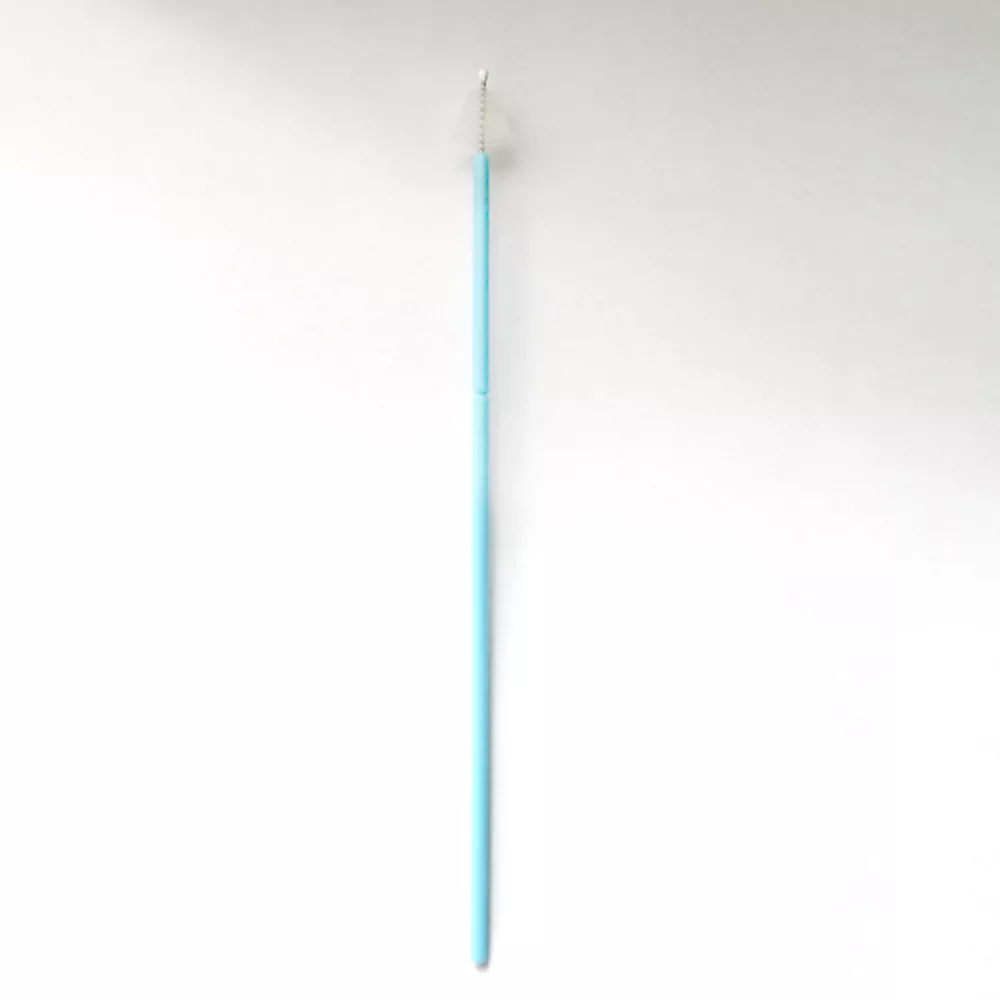
LucentMed provides medical brush solutions designed to support reliable specimen collection and efficient clinical workflows. A Segmented-Handle Cervical Brush is a specialized sampling device used to collect cervical cells for cytological examination, with a segmented handle design that can support controlled handling and convenient specimen processing when configured for the intended clinical procedure.

A Segmented-Handle Cervical Brush is designed for cervical cell sampling in gynecological examinations and cervical screening workflows. Its handle structure, brush-head configuration, material selection, and packaging can all influence usability and specimen-handling procedures. For hospitals, diagnostic laboratories, medical distributors, and private-label brands, selecting an appropriate cervical sampling brush requires attention to product specifications, intended use, sterilization status, and compatibility with the laboratory's collection protocol. This guide explains the product's working principles, key design considerations, clinical applications, purchasing criteria, and supplier evaluation factors to help professional buyers make informed sourcing decisions.

Segmented-Handle Cervical Brush

Table of Contents


What Is a Segmented-Handle Cervical Brush?

A Segmented-Handle Cervical Brush is a medical sampling instrument intended to collect exfoliated cells from the cervical surface and, depending on its brush design and approved intended use, the endocervical area. The collected specimen can subsequently be processed for cytological examination according to the relevant clinical and laboratory protocol.

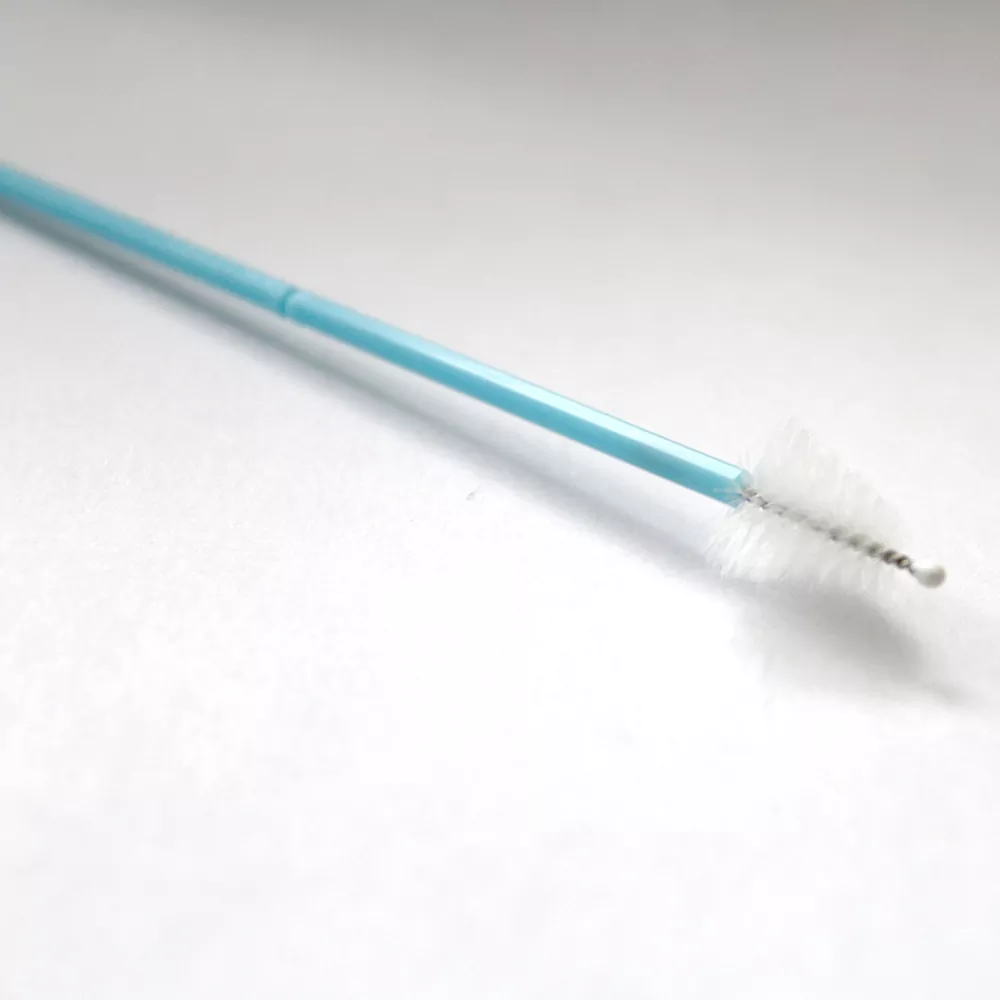
The term "segmented handle" describes a handle structure incorporating distinct sections or a designated separation feature. Depending on the specific model, this construction may facilitate handling, controlled separation, or specimen transfer. Buyers should verify the actual design rather than assume that every segmented model has the same break point, detachable component, or collection method.

In clinical practice, cervical sampling brushes are used by qualified healthcare professionals during gynecological examinations. The collected cells may be examined using conventional cytology or liquid-based cytology methods when the device is suitable for the selected procedure.

When evaluating a product, professional buyers should focus on three fundamental questions:

  • Is the brush designed for the intended cervical sampling procedure?
  • Does its handle and brush-head construction support the required collection and specimen-transfer workflow?
  • Are its sterilization status, packaging, labeling, and documentation appropriate for the target market?

How Does the Design Support Cervical Cell Sampling?

The performance of a cervical sampling brush depends on the interaction between its brush head, shaft, handle, and the procedure for which it is intended. A segmented handle can be a useful design feature when its construction matches the clinician's handling requirements and the laboratory's specimen-processing method.

1. Controlled Handling

A suitably designed handle provides a practical gripping area for healthcare professionals. Appropriate length, diameter, rigidity, and surface characteristics can help support controlled positioning during sampling. These factors should be assessed against the product's instructions for use and the requirements of the intended clinical setting.

2. Brush-Head Contact

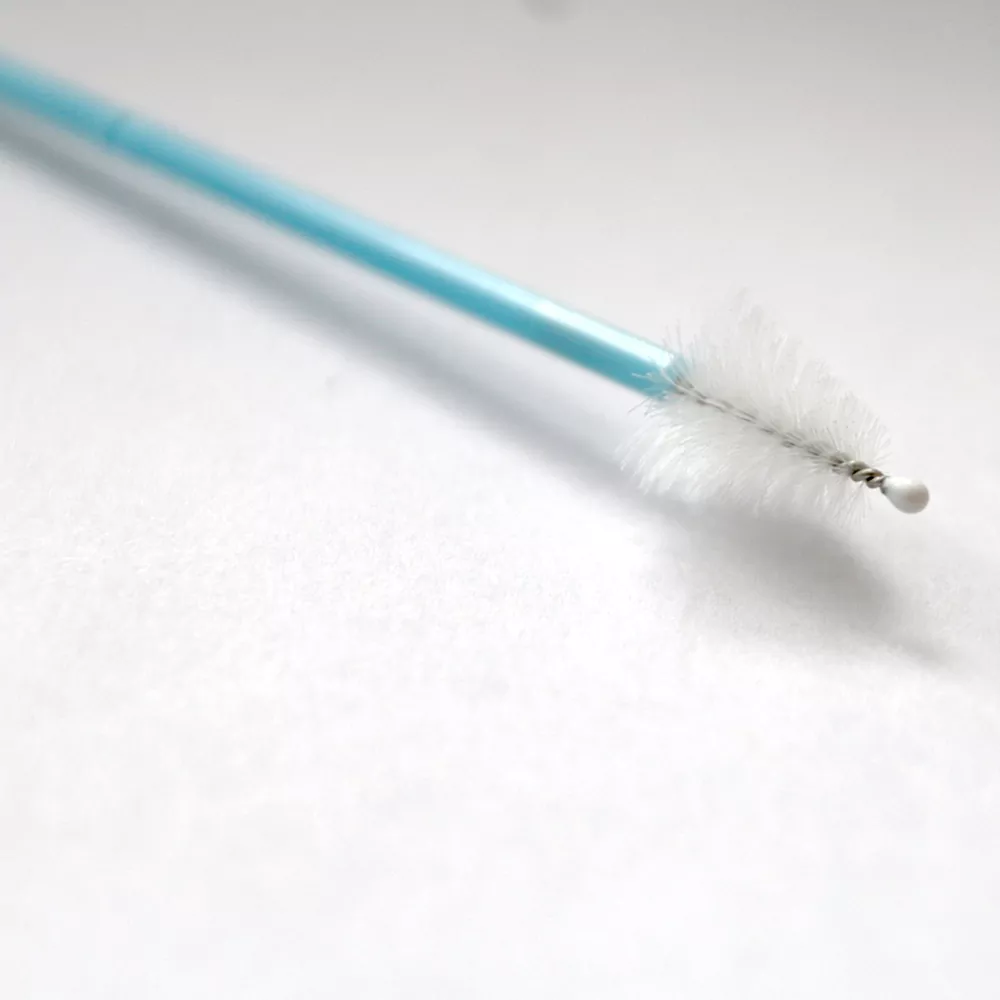
The brush head is the primary component responsible for collecting exfoliated cells. Its shape, filament arrangement, flexibility, and dimensions influence contact with the sampling area. Different cervical brush designs may use broom-shaped, spiral, or other configurations, so selection should be based on the clinical protocol rather than appearance alone.

3. Specimen Transfer

Some cervical sampling devices incorporate a separation feature that allows the brush head or another designated section to be separated after collection. Where this function is provided, it may help align specimen transfer with the manufacturer's instructions and the receiving laboratory's procedure.

Importantly, a segmented structure does not automatically guarantee a higher cellular yield or improved diagnostic accuracy. Specimen quality also depends on collection technique, the sampled area, sample preservation, laboratory processing, and the characteristics of the underlying clinical condition.


Key Product Features and Design Considerations

For healthcare providers and medical supply purchasers, the following design elements deserve particular attention when assessing a Segmented-Handle Cervical Brush.

  • Handle construction: Review the handle material, length, rigidity, grip characteristics, and the function of any segmented or breakable section.
  • Brush-head configuration: Confirm the shape, size, filament arrangement, and suitability for the intended sampling method.
  • Material selection: Verify the materials used in the handle, bristles, connecting components, and any adhesive or tip materials where applicable.
  • Separation mechanism: Determine whether the model is designed for controlled separation and whether the process is described in its instructions for use.
  • Sterilization and packaging: Confirm whether the supplied product is sterile or non-sterile, how it is packaged, and what storage conditions apply.
  • Traceability: Check lot identification, labeling, product documentation, and applicable quality requirements.

These characteristics should be evaluated together. For example, a brush intended for liquid-based cytology must be compatible with the relevant specimen container and laboratory procedure. A device intended for another collection method should not be assumed to be interchangeable without confirmation.


Product Specifications and Evaluation Criteria

Technical specifications help procurement teams compare products objectively and establish clear expectations before placing an order. The precise specifications of a Segmented-Handle Cervical Brush should be confirmed against the selected model's technical datasheet and approved product documentation.

Specification What Buyers Should Verify Why It Matters
Product type Segmented-handle cervical sampling brush Confirms the device category and intended application
Handle material Material grade and relevant technical documentation Supports material suitability and consistent production
Brush material Filament type, dimensions, flexibility, and arrangement Helps assess suitability for the specified sampling method
Overall dimensions Total length, handle diameter, and brush-head dimensions Supports compatibility with the intended clinical workflow
Handle segmentation Separation location, mechanism, and operating instructions Clarifies handling and specimen-transfer requirements
Sterilization status Sterile or non-sterile supply, method where applicable, and validation documentation Supports appropriate procurement and clinical handling
Packaging Individual packaging, quantity per box, labeling, and carton details Helps with storage, distribution, and inventory management
Quality documentation Applicable quality certificates, declarations, and product-specific records Supports supplier qualification and regulatory review

Exact dimensions, material grades, sterilization methods, packaging quantities, and shelf life should not be inferred from generic cervical brush specifications. Request the current product datasheet from the supplier to confirm the details of the specific model being purchased.


Clinical Applications and Workflow Considerations

Cervical sampling brushes are used in professional gynecological settings where cervical cell collection is required. Depending on the specific device's intended use and compatibility, potential settings include:

  • Gynecology clinics: Collection of cervical cell specimens during scheduled examinations.
  • Hospitals: Support for cervical sampling within established clinical screening and diagnostic workflows.
  • Diagnostic laboratories: Receipt and processing of specimens collected using compatible devices.
  • Women's health screening programs: Supply of suitable sampling consumables for organized screening services.
  • Medical distribution channels: Procurement and distribution of appropriately documented cervical sampling products to healthcare facilities.

Example: Coordinating Collection and Laboratory Processing

Consider a gynecology clinic that collects cervical specimens for laboratory analysis. Before introducing a new segmented-handle model, the procurement and clinical teams review its intended use, instructions for use, separation mechanism, and compatibility with their existing specimen containers.

The clinic then confirms that healthcare professionals can follow the manufacturer's collection procedure and that the receiving laboratory can process the specimen using its established protocol. This type of pre-purchase evaluation helps identify workflow incompatibilities before routine adoption. It is an illustrative purchasing scenario, not a claim of a documented clinical trial or measured product outcome.

Any cervical sampling procedure should be performed by qualified healthcare professionals in accordance with the device instructions, local clinical guidelines, and applicable infection-prevention requirements. The brush itself does not diagnose cervical disease; diagnosis depends on appropriate laboratory analysis and clinical interpretation.


Segmented-Handle vs. Conventional Cervical Brushes

Not all cervical brushes use the same handle construction. The practical difference between a segmented-handle model and a conventional one-piece design depends on the actual product architecture and its intended workflow.

Comparison Factor Segmented-Handle Design Conventional Handle Design
Handle structure Includes distinct sections or a designated separation feature, depending on the model May use a continuous handle without a designated separation point
Specimen transfer May support a specified separation procedure if designed for that purpose Transfer follows the product's intended collection and handling method
Handling requirements Users must understand the segmentation mechanism and operating instructions Users follow the handling procedure specified for the particular design
Compatibility Requires confirmation of compatibility with the collection protocol and specimen container Requires the same verification against the intended procedure
Selection priority Choose when the actual design meets workflow and technical requirements Choose when the design meets workflow and technical requirements

Neither construction is universally superior. The appropriate choice depends on specimen-processing requirements, ease of handling, validated product performance, procurement costs, and the preferences of the clinical team.


How to Select a Reliable Cervical Brush Supplier

Medical procurement involves more than comparing unit prices. A dependable supplier should provide clear technical information, consistent product specifications, suitable quality documentation, and responsive communication throughout the purchasing process.

1. Verify Manufacturing and Quality Systems

Review the manufacturer's quality management arrangements and confirm that any stated certifications apply to the relevant facility, product category, and intended market. For example, ISO 13485 relates to quality management systems for medical devices; it should not be interpreted as automatic approval of every individual product.

2. Request Product-Specific Documentation

Before confirming an order, ask for the technical datasheet, instructions for use, packaging details, sterilization information where applicable, and relevant conformity or regulatory documents. Verify that the documents correspond to the exact model and destination market.

3. Evaluate Customization Requirements

For distributors and private-label brands, customization may involve packaging artwork, labeling, handle colors, dimensions, or other design details. Confirm which options are available for the specific cervical brush, whether tooling is required, and how design changes are reviewed and approved.

4. Clarify Commercial and Logistics Terms

Procurement teams should confirm the minimum order quantity, sample availability, production lead time, shipping arrangements, carton specifications, and order acceptance criteria. These details make supplier comparisons more transparent and reduce the likelihood of misunderstandings.

LucentMed supplies a range of medical brushes and offers OEM/ODM services across supported product categories. Buyers evaluating its Segmented-Handle Cervical Brush can request model-specific technical information to determine whether the product meets their clinical, packaging, and sourcing requirements.

For additional background on related sampling products, see the liquid-based cytology brush product page and the LucentMed official website.


Frequently Asked Questions

1. What is a Segmented-Handle Cervical Brush used for?

A Segmented-Handle Cervical Brush is intended for collecting cervical cell specimens for examination when the particular model is suitable for that procedure. Its exact indication and collection method should be confirmed in the manufacturer's instructions for use.

2. What is the purpose of the segmented handle?

The segmented structure may provide a designated separation point or facilitate a particular handling and specimen-transfer process. The precise function depends on the model, so buyers should verify how the handle is designed to operate.

3. Can a Segmented-Handle Cervical Brush be used for liquid-based cytology?

Some cervical sampling brushes are designed for liquid-based cytology, but compatibility should never be assumed from the product name alone. Confirm that the selected model is intended for liquid-based collection and is compatible with the receiving laboratory's specimen container and processing protocol.

4. Are cervical sampling brushes supplied sterile?

Sterilization status varies by product. Check the packaging, product label, instructions for use, and supporting documentation to determine whether a specific model is supplied sterile and which sterilization method, if any, applies.

5. What specifications should buyers compare before ordering?

Important factors include the brush-head design, handle material, overall dimensions, segmentation mechanism, intended use, sterilization status, packaging configuration, shelf life where applicable, and relevant quality documentation. Buyers should compare verified specifications rather than relying on generic descriptions.

6. Does LucentMed offer customization for medical brushes?

LucentMed provides OEM/ODM customization services for supported brush products. Buyers should contact the company to confirm whether their requested handle design, dimensions, packaging, labeling, and order quantity are available for the Segmented-Handle Cervical Brush.

7. How can medical distributors evaluate a supplier before placing a bulk order?

Request a current technical datasheet, relevant product and quality documentation, sample availability, packaging information, pricing, and delivery terms. Review the documents against your intended market's requirements and confirm all product-specific details before issuing a purchase order.


Conclusion: Choosing the Right Segmented-Handle Cervical Brush

A Segmented-Handle Cervical Brush should be selected according to its intended clinical use, handle design, brush-head configuration, specimen-transfer procedure, and verified quality documentation. For hospitals, laboratories, and medical distributors, a structured evaluation helps ensure that the selected product fits the intended workflow without relying on unsupported assumptions about sampling performance or regulatory status.

LucentMed offers medical brush manufacturing and customization services for supported product categories. If you are sourcing cervical sampling brushes for clinical supply, distribution, or a private-label project, contact us to request product specifications, confirm customization options, discuss packaging requirements, and obtain a quotation for your purchasing needs.

Related News
Leave me a message
X
We use cookies to offer you a better browsing experience, analyze site traffic and personalize content. By using this site, you agree to our use of cookies. Privacy Policy
RejectAccept