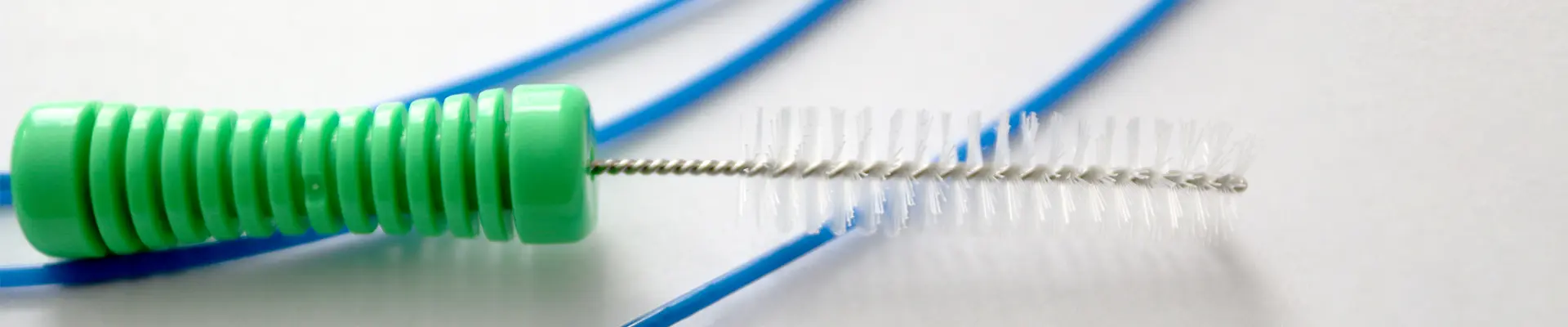
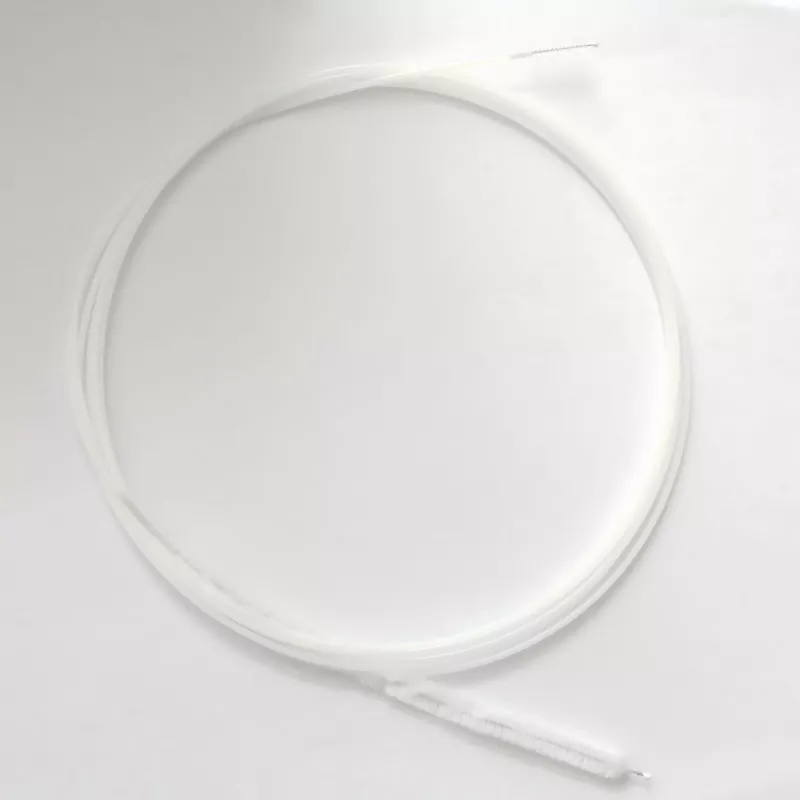
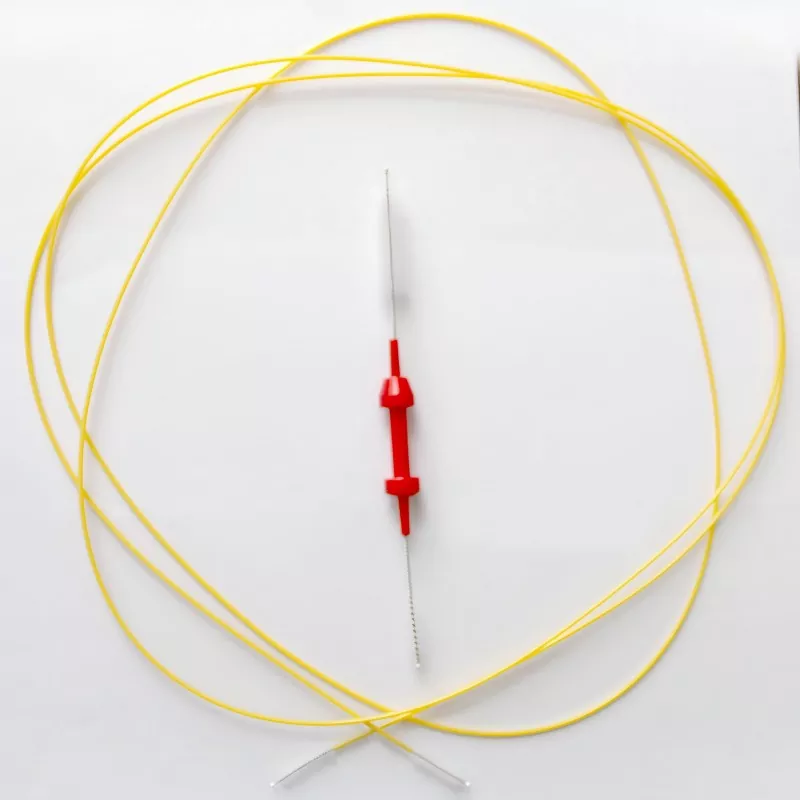
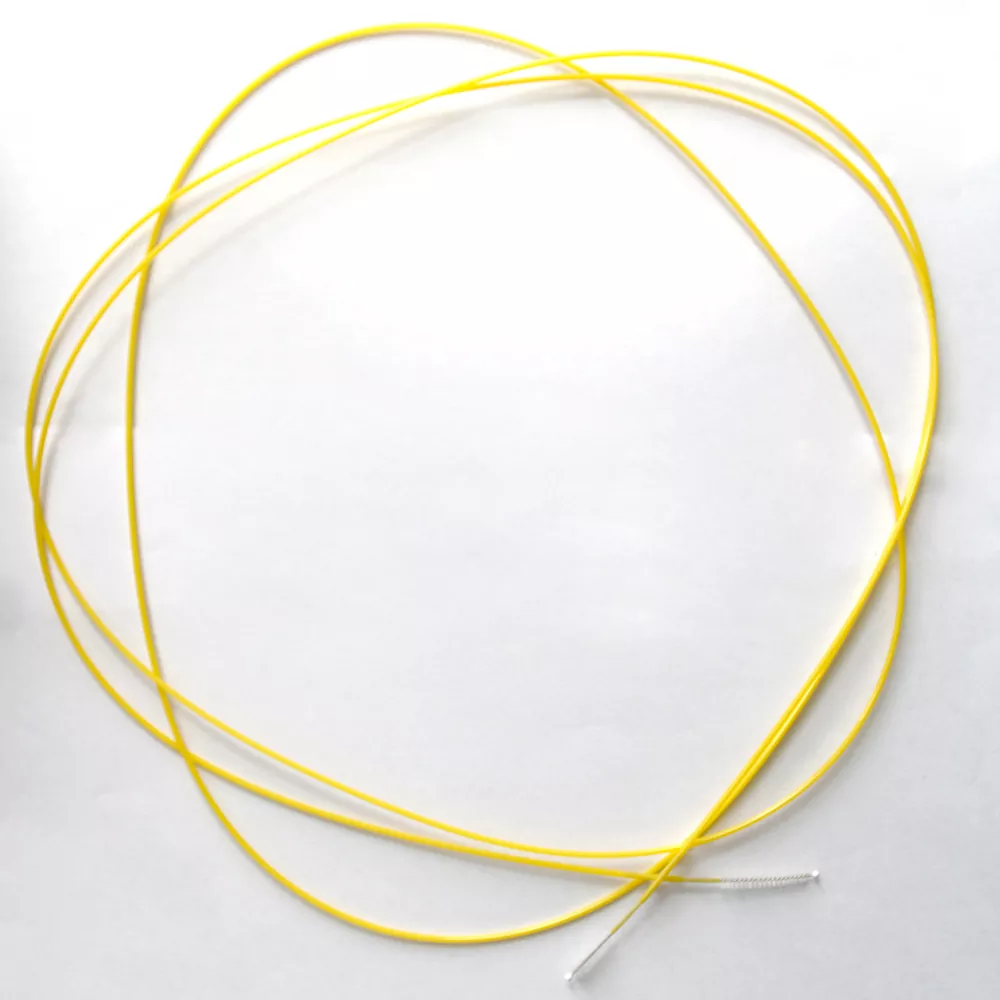
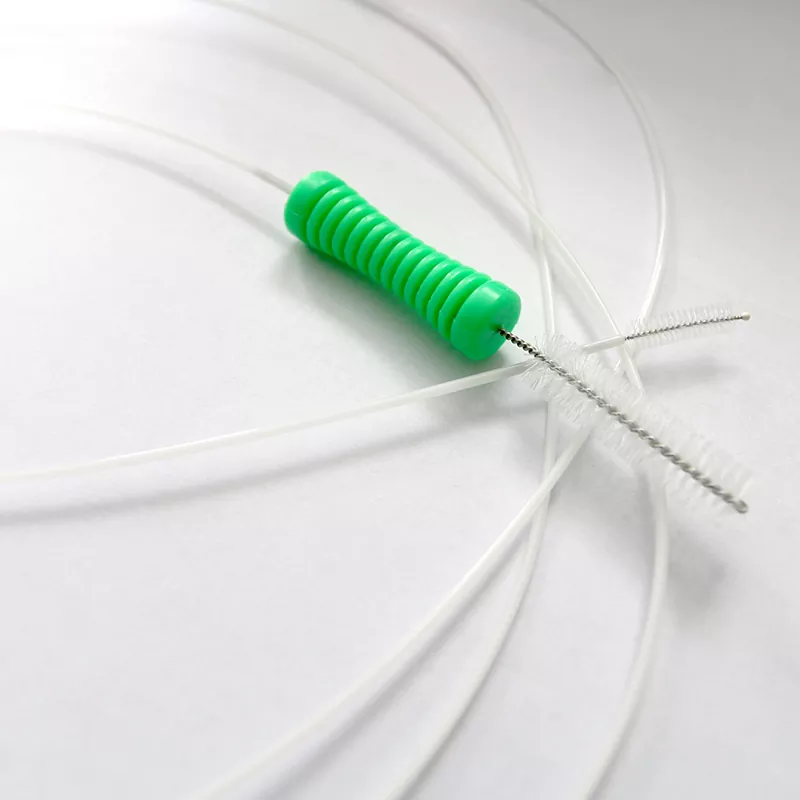
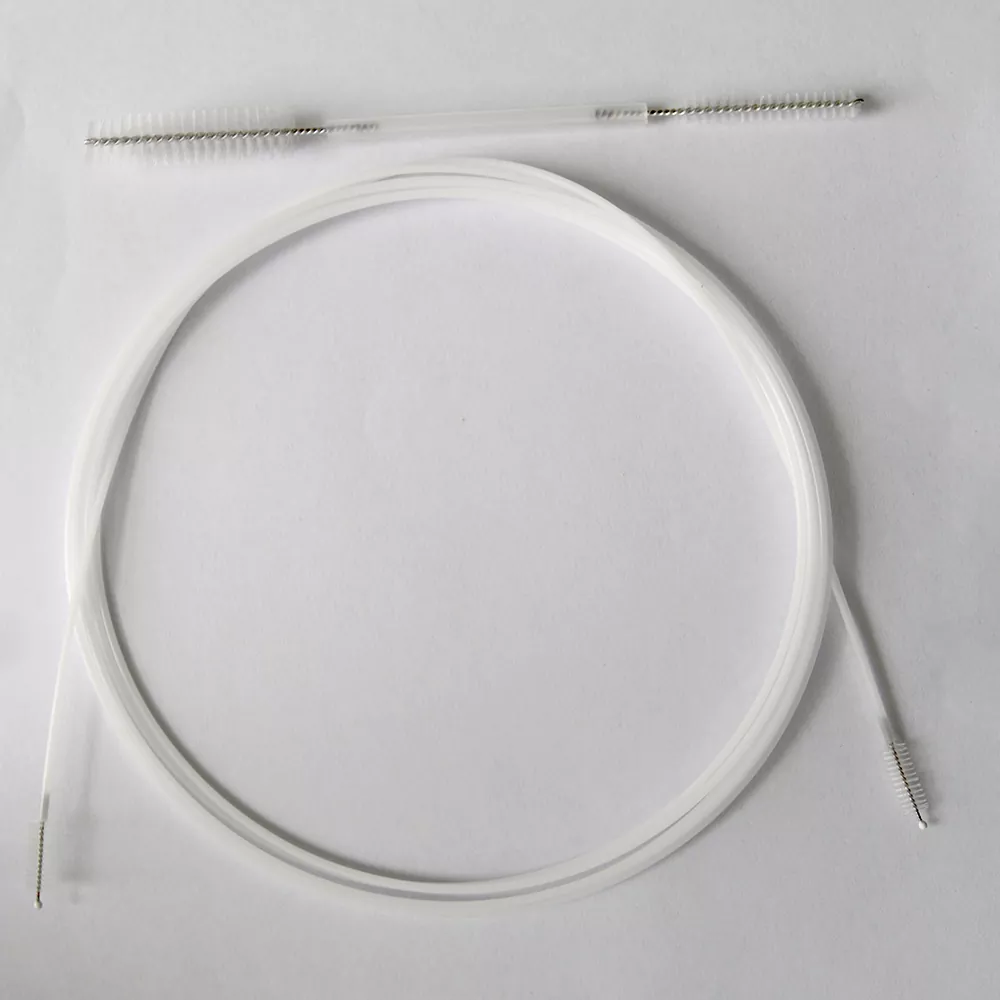
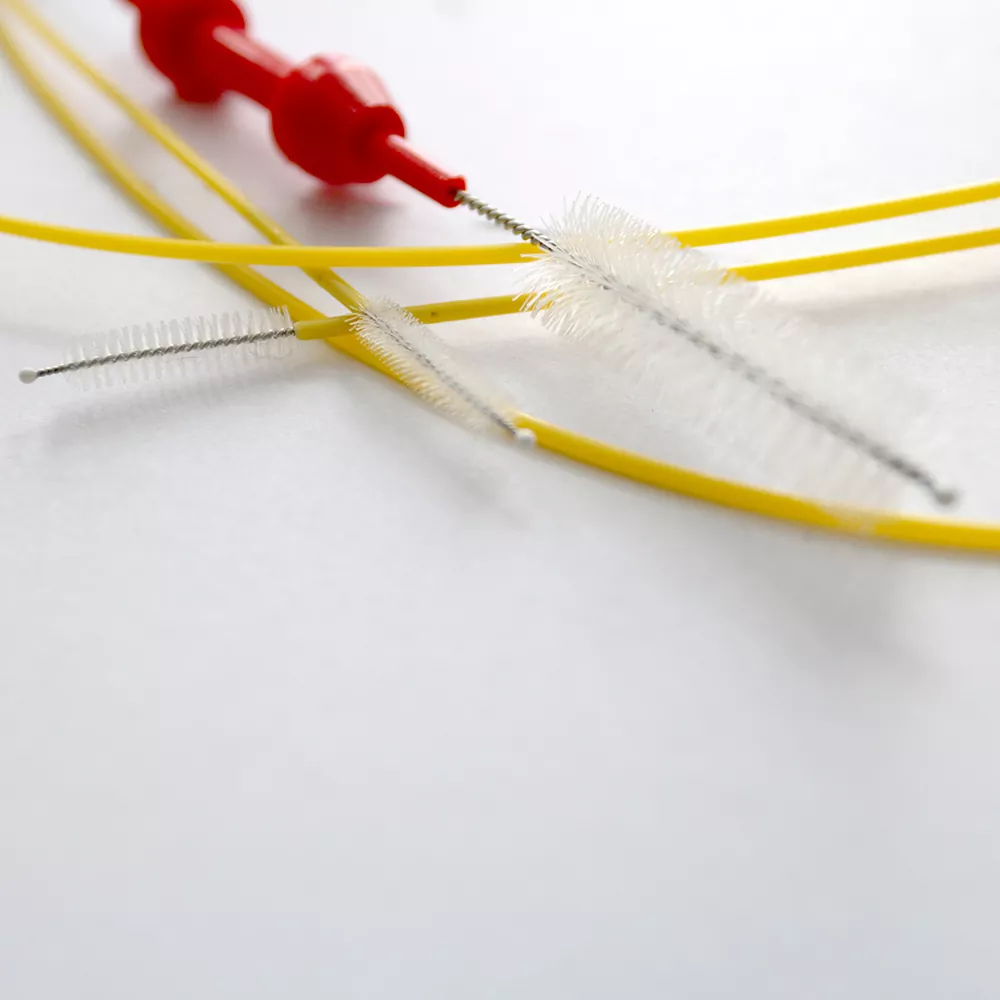
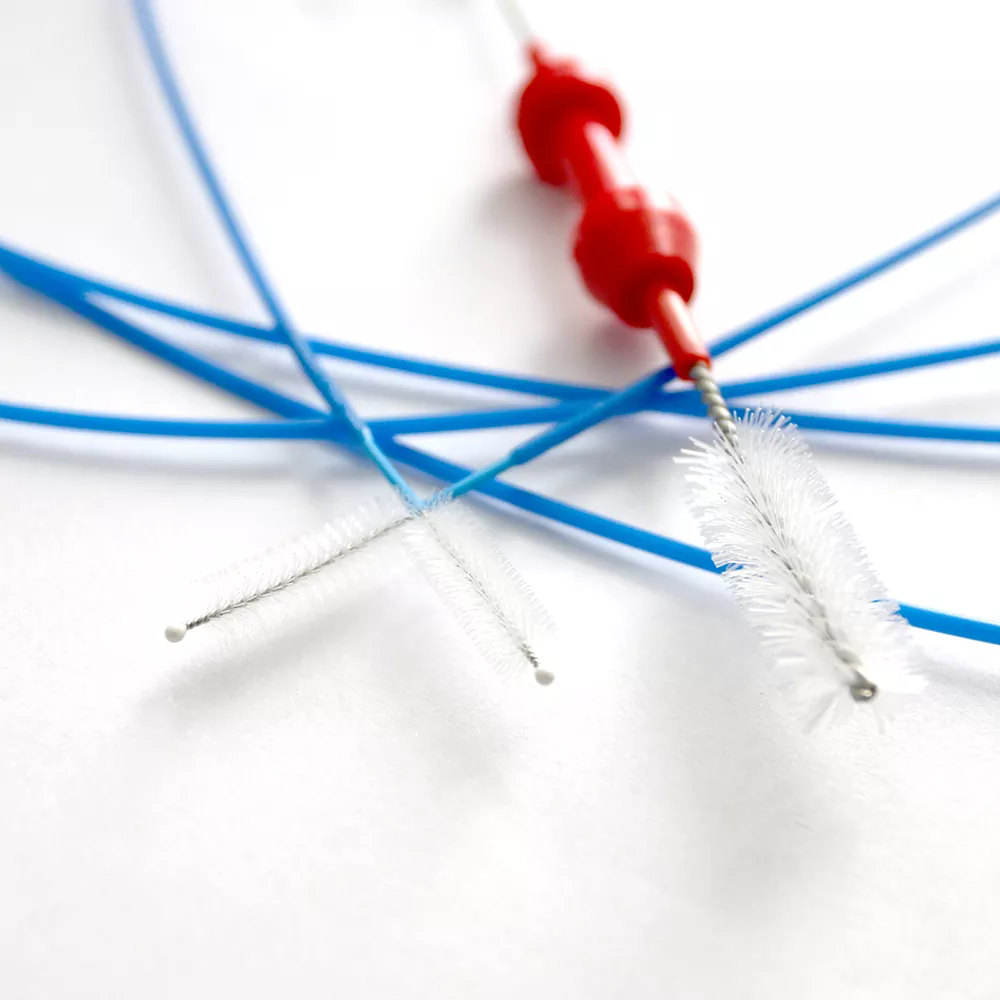
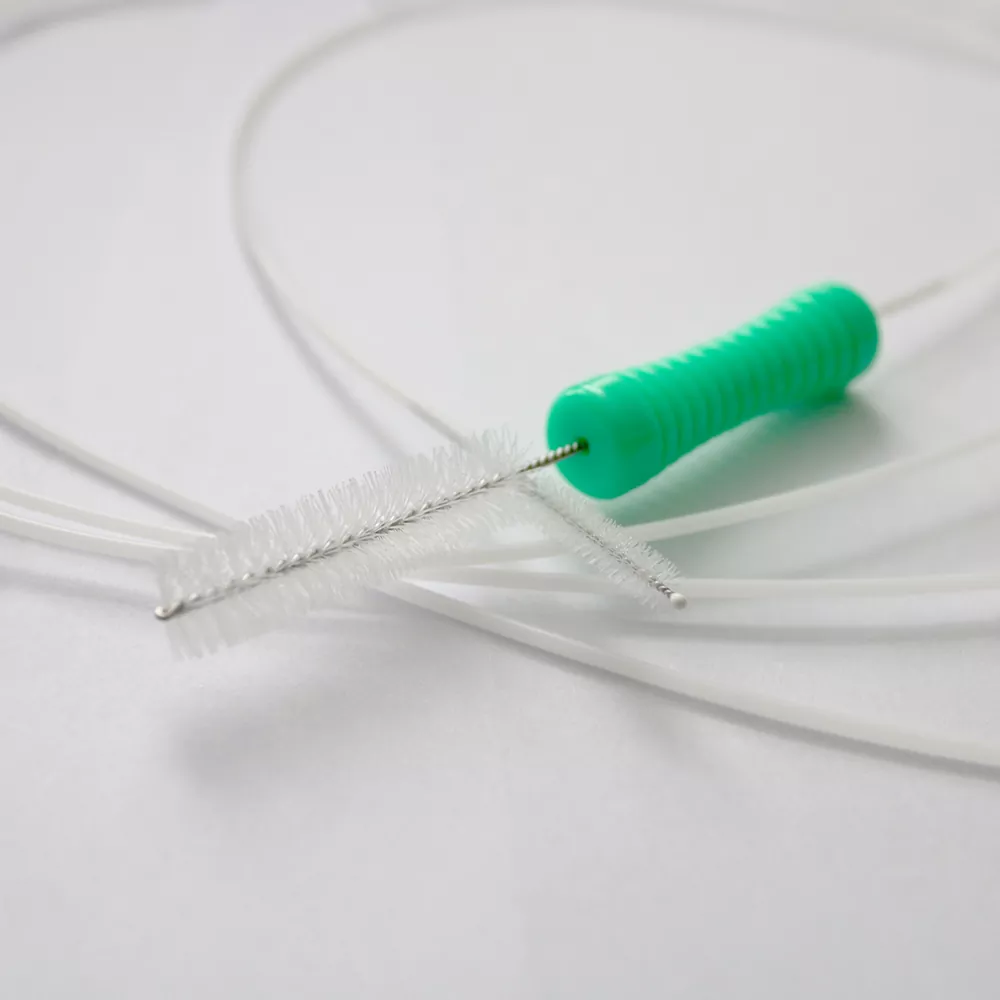
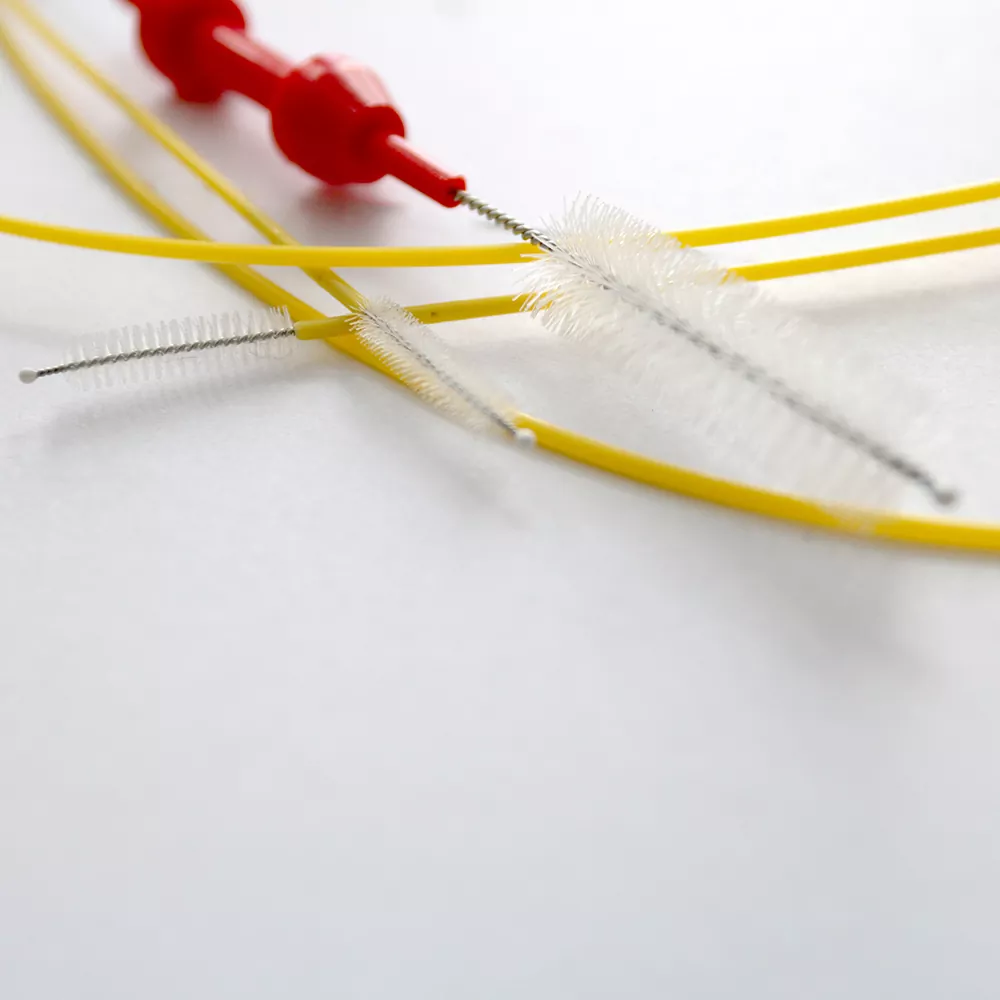
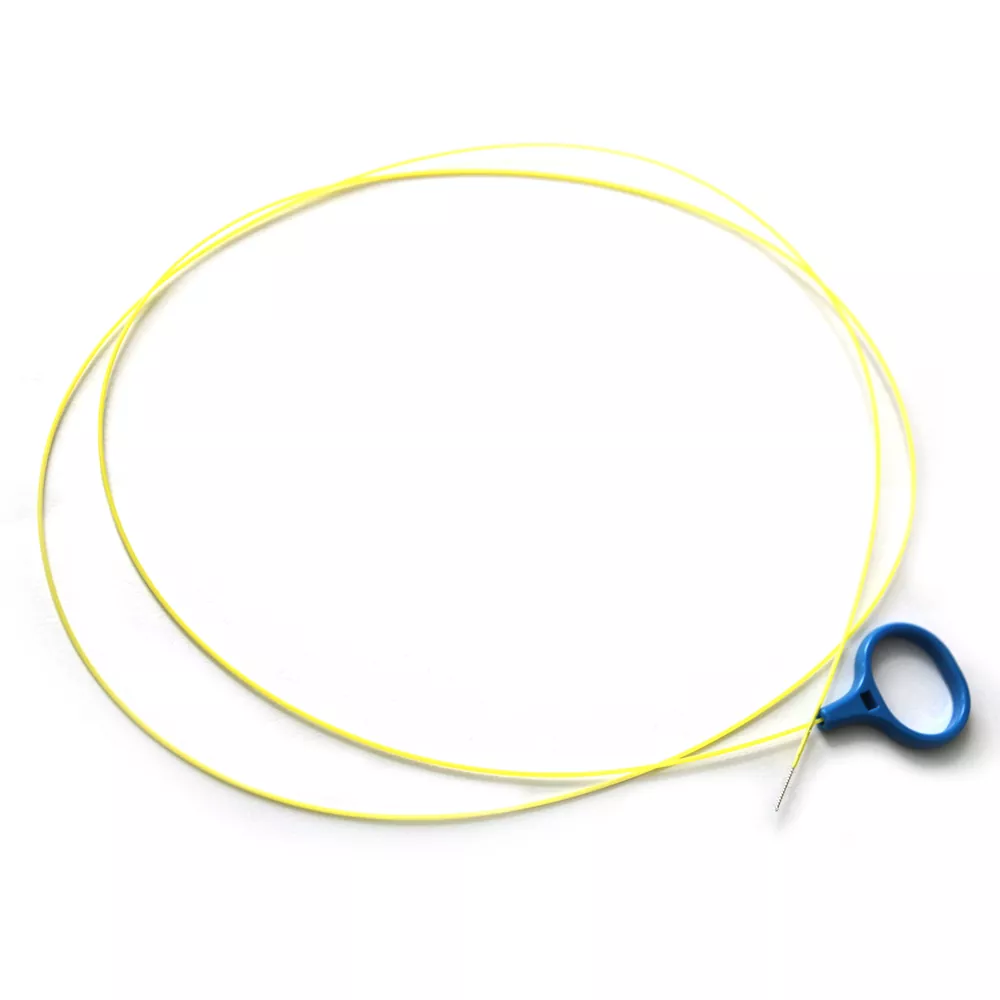
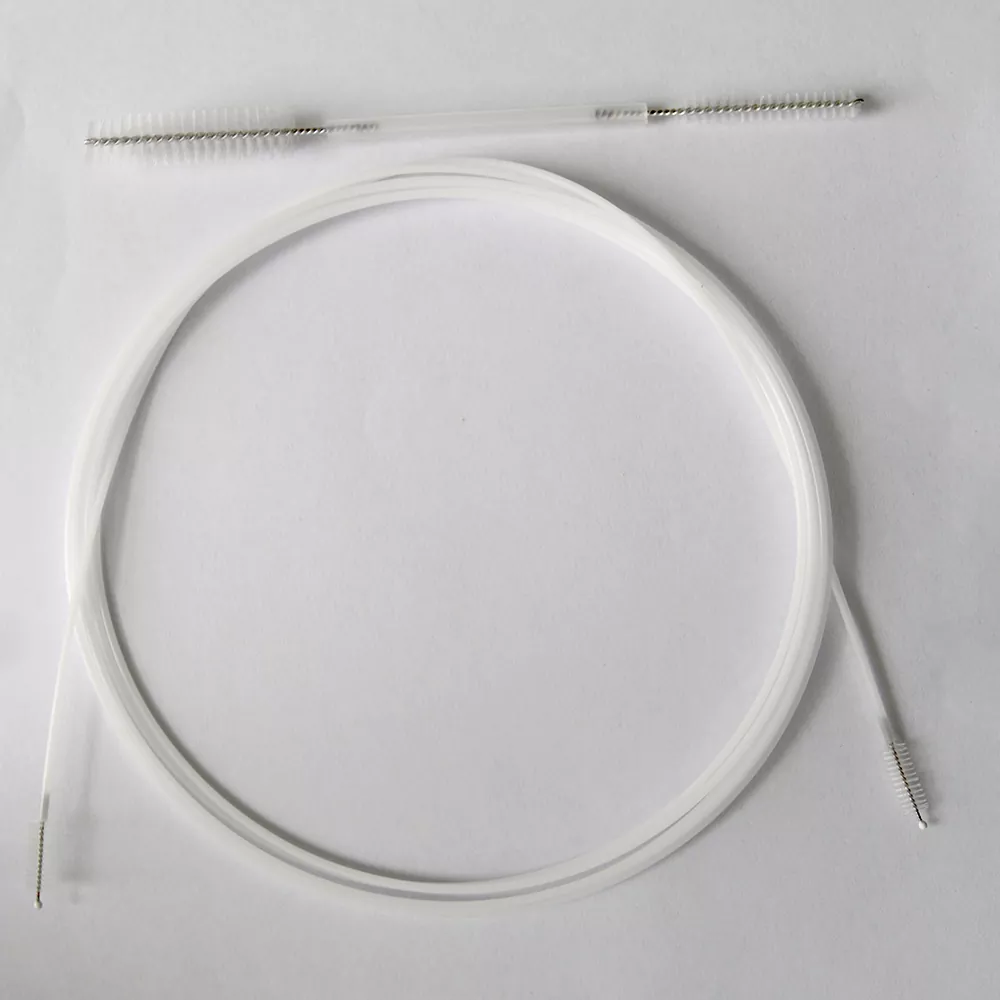
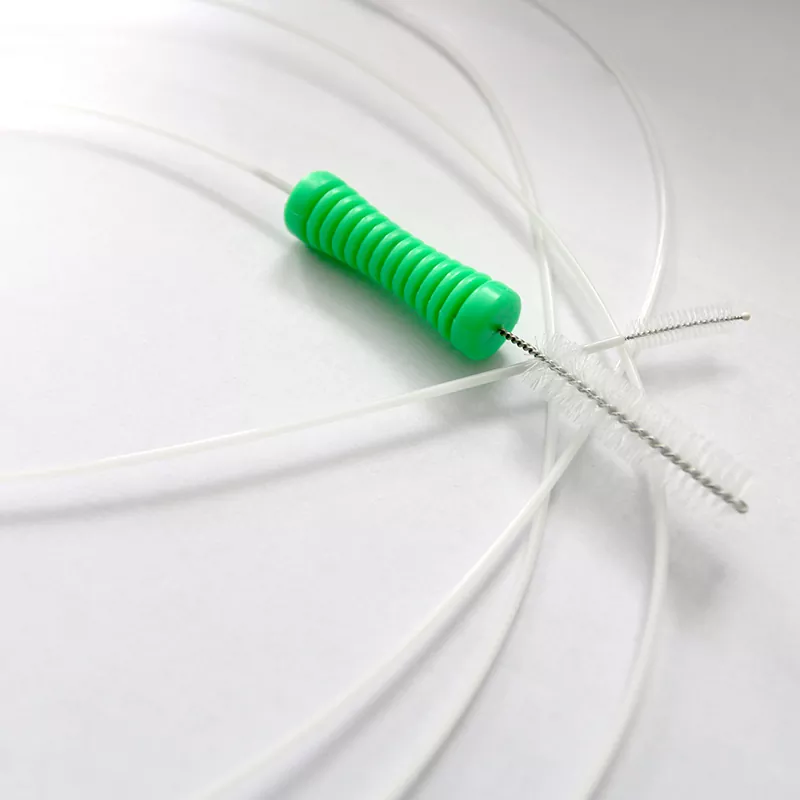
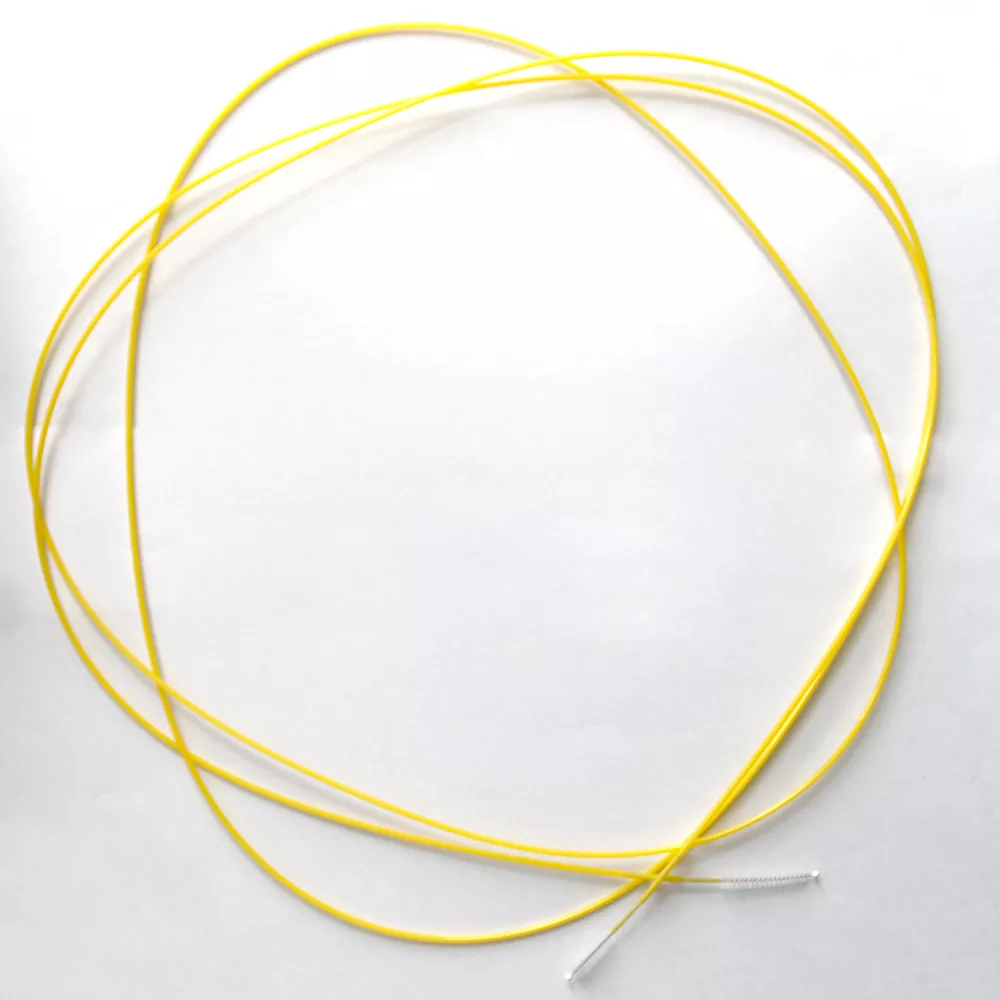
LucentMed is a manufacturer of disposable endoscope cleaning brushes. These products are designed and manufactured using medical-grade materials, come in EO-sterilized packaging, and are available in various specifications. Designed for single use to effectively prevent cross-contamination, they are suitable for hospitals and specialized medical facilities and are compatible with major endoscope brands such as Olympus and Boston Scientific.
Why Use Disposable Endoscope Cleaning Brushes?
1. Completely eliminate the risk of cross-contamination
With reusable cleaning brushes, biofilms easily accumulate at the base of the bristles and within the crevices of the wire shaft after repeated use, potentially causing serious nosocomial cross-contamination.
Disposable brush solution: Designed for single use, ensuring a brand-new, sterile brush for every procedure; this fundamentally cuts off the pathway for pathogen transmission between patients via the cleaning brush.
2. Ensure consistent and reliable cleaning performance
As reusable brushes are used repeatedly, bristles lose their integrity—bending or shedding—and the wire shaft may rust or deform. This prevents the bristles from maintaining close contact with the channel walls, leading to a drastic drop in cleaning efficacy.
Disposable brush solution: Each brush is brand new, offering optimal bristle density, flexibility, and wall contact. This generates sufficient physical shear force to thoroughly remove biofilms and debris.
3. Significantly improve endoscope turnaround efficiency
Reusable brushes require a full post-use cycle—cleaning, high-level disinfection/sterilization, drying, and storage—which is time-consuming, labor-intensive, and necessitates dedicated personnel for management and quality control.
Disposable brush solution: Ready to use straight from the package and disposable after use, eliminating all subsequent processing steps.
4. Meet rigorous infection control standards and accreditation requirements
Major global infection control guidelines now generally favor the use of disposable cleaning brushes.
Chinese Standards: Complies with the management requirements for cleaning tools outlined in WS507, the "Technical Specification for Cleaning and Disinfection of Flexible Endoscopes."
International Guidelines: Guidelines from the SGNA (Society of Gastroenterology Nurses and Associates) in the US explicitly recommend the use of disposable cleaning brushes to minimize the risk of infection.
Application Scenarios
1. By Endoscope Type
Disposable endoscope cleaning brushes are essential tools in the reprocessing workflow for various flexible endoscopes, widely used for cleaning the channels of the following instruments:
Gastrointestinal endoscopes: Gastroscopes, colonoscopes, duodenoscopes, endoscopic ultrasound (EUS) scopes, etc.
Respiratory endoscopes: Bronchoscopes, portable airway scopes, etc.
Urological/Gynecological endoscopes: Flexible ureteroscopes, cystoscopes, hysteroscopes, etc.
ENT endoscopes: Nasopharyngoscopes, laryngoscopes, etc.
Other specialty endoscopes: Choledochoscopes, laparoscopes, arthroscopes, ventriculoscopes, etc.
2. By Clinical Department and Facility
Hospital Endoscopy Centers: Departments such as Gastroenterology, Pulmonology, Urology, and ENT; used in conjunction with automated washer-disinfectors for channel brushing.
Operating Rooms and Anesthesiology Departments: Cleaning brushes used for rapid pre-treatment and bedside cleaning of instruments following procedures.
Third-party Central Sterile Supply Departments (CSSD): Centralized, batch processing of reusable flexible endoscopes.
Day Surgery Centers and Outpatient Clinics: The preferred choice for scenarios involving lower usage frequency or where the maintenance costs of reusable brushes are not cost-effective.
Operational Procedure
|
Step
|
Key Requirements
|
Common Errors
|
|
Pre-treatment
|
Perform air/water flushing for ≥10 seconds immediately after use
|
Delaying pre-cleaning, allowing soil to dry
|
|
Leak testing
|
Perform leak testing before each cleaning (at least once daily)
|
Skipping leak testing and proceeding with cleaning despite damaged channels
|
|
Scrubbing
|
Ensure the brush head emerges from both ends; brush repeatedly until no visible contaminants remain
|
Unidirectional brushing; withdrawing the brush without cleaning the brush head
|
|
Cleaning solution
|
Replace after cleaning each endoscope
|
Using the same basin of cleaning solution for multiple endoscopes
|
|
Wiping cloth
|
Replace after each use
|
Using the same cloth to wipe multiple endoscopes
|
|
Disposable brush
|
Discard after a single use; reuse is strictly prohibited
|
Reusing items after cleaning, thereby negating infection control benefits
|
Precautions and Contraindications
● Do not reuse disposable brushes: Even if the appearance remains intact, a used disposable endoscope cleaning brush must never be reused.
● Do not dry brush: Brushing must be performed in a cleaning solution; dry brushing generates excessive friction and can damage the channel coating.
● Do not use excessive force: If resistance is encountered, retract the brush head and adjust the angle before advancing again; do not force it through.
● Medical waste disposal: Used disposable cleaning brushes should be collected as infectious medical waste and handed over to a qualified facility for safe disposal.
● Record-keeping and traceability: A record must be maintained for every cleaning and disinfection procedure, including the patient's name, endoscope serial number, times of cleaning and disinfection, and the operator's name.
Comparison Table of Common Endoscope Cleaning Brush Specifications
|
Endoscope Type
|
Applicable channel inner diameter (mm)
|
Recommended brush head diameter (mm)
|
Recommended brush handle length (cm)
|
Typical Application Areas
|
|
Pediatric Bronchoscope/Ureteroscope
|
1.2 ~ 2.0
|
1.0 ~ 2.0
|
≥ 120
|
Ultra-fine working channels, air/water channels
|
|
Adult Bronchoscope/Laryngoscope
|
2.0 ~ 2.8
|
2.0 ~ 2.2
|
≥ 120
|
Biopsy channels, suction channels
|
|
Gastroscope/Duodenoscope
|
2.8 ~ 3.8
|
2.8 ~ 3.7
|
≥ 180
|
Biopsy channels, elevator mechanism areas
|
|
Colonoscope/Therapeutic Gastrointestinal Endoscope
|
3.8 ~ 5.0
|
3.7 ~ 5.0
|
≥ 230
|
Large-diameter biopsy channels, suction channels
|
|
Valve/Button Port
|
/
|
5.0 ~ 11.0
|
≥ 8.0
|
Biopsy inlet valves, suction buttons
|
A Guide to Avoiding Pitfalls in Model Selection
|
Common Selection Errors
|
Potential Risks
|
Best Practices
|
|
Brush head diameter > Pipe inner diameter
|
Excessive compression of the brush bristles or difficulty advancing the brush may cause the inner wall of the pipeline to crack or become scratched.
|
Consult the Instructions for Use (IFU) and select a brush with a diameter slightly smaller than or equal to the internal diameter of the channel.
|
|
Brush rod length < Total pipe length
|
Failure to pass the brush head completely through the pipeline, leaving residual biofilm at the distal end.
|
Brush shaft length = total channel length + a margin of at least 5 cm.
|
|
Using a thick brush for a narrow pipe
|
The brush head becomes stuck inside the pipeline, rendering the endoscope unusable.
|
Strictly distinguish between brushes used for air/water channels (narrow) and those for biopsy channels (wide).
|
|
Overlooking brush rod flexibility
|
The brush shaft snaps at a bend or fails to pass through.
|
Select a brush with a highly flexible spring-steel wire shaft or a polymer-sheathed shaft.
|
LucentMed Quality Control Process
1. Incoming Quality Control (IQC)
Medical-grade material verification: All bristles (nylon) and handles (PP) undergo rigorous biocompatibility and chemical resistance testing.
Wire flexibility testing: Stainless steel brush shafts undergo fatigue-resistance bending tests to ensure they do not break or deform when navigating the complex, curved channels of endoscopes.
2. In-Process Quality Control (IPQC)
Bristle insertion monitoring: Real-time monitoring of bristle density and the anchoring strength of bristle roots.
Brush head formation inspection: 100% inspection of the brush head tip to ensure no exposed metal or sharp burrs.
Sterile packaging seal integrity testing: Seal integrity checks are performed during packaging to ensure no air leakage occurs during transport and storage.
3. Outgoing Quality Control (OQC)
Dimensional accuracy inspection: High-precision instruments are used to inspect brush head diameters and shaft lengths; dimensional tolerances are controlled within ±0.1mm.
Tensile and wear resistance testing: Mechanical fatigue testing simulates the repetitive scrubbing actions performed in clinical settings.
Sterility and bioburden testing: Strict adherence to protocols for aeration and sterility testing following Ethylene Oxide (EO) sterilization.
4. Clinical Simulation Validation
Endoscope compatibility testing: Periodic physical passage tests using flexible endoscopes from major brands (e.g., Olympus, Fujifilm).
Cleaning efficacy assessment: Scientific methods, such as protein residue detection (e.g., ATP bioluminescence assays), are used to verify the brush's actual effectiveness in removing biofilms and organic matter.
5. Certification and Compliance Assurance
System certification: Operations strictly follow the GB/T 42061 / ISO 13485 quality management system for medical devices.
Traceability management: Each product batch has a unique production lot number and inspection report, enabling full lifecycle traceability from factory release to clinical use.
FAQ
Q: How can I determine if the cleaning brush diameter is truly appropriate during clinical use?
A: You can judge this based on tactile feedback and visual observation.
If you encounter excessive resistance or the brush shaft bends significantly during insertion, the diameter is too large.
If insertion is smooth but the brush head feels loose or wobbles inside the channel, the diameter is too small.
An appropriate cleaning brush should pass through smoothly while providing a sense of frictional resistance from the bristles against the channel walls.
Q: Can cleaning brushes for choledochoscopes or bronchoscopes be used interchangeably with standard gastrointestinal (GI) endoscope brushes?
A: Interchangeable use is not recommended. Channels in choledochoscopes and pediatric bronchoscopes are extremely narrow and long with sharp curvature; the bristle stiffness and wire core flexibility of specialized cleaning brushes are specifically engineered for these conditions.
Using a standard GI endoscope brush may cause channel damage, brush head detachment, or the brush becoming stuck inside the channel.
Q: What is the typical minimum order quantity (MOQ) for custom, non-standard cleaning brushes?
A: It depends on the specifications and manufacturing process. For adjustments to standard sizes, the MOQ is typically 1,000–5,000 units.
For special, non-standard specifications (such as coated brushes, unique brush head shapes, or designs requiring new mold tooling), the MOQ can be negotiated to around 500 units.
We recommend contacting LucentMed’s professional customer service team to discuss the best solution for your needs.