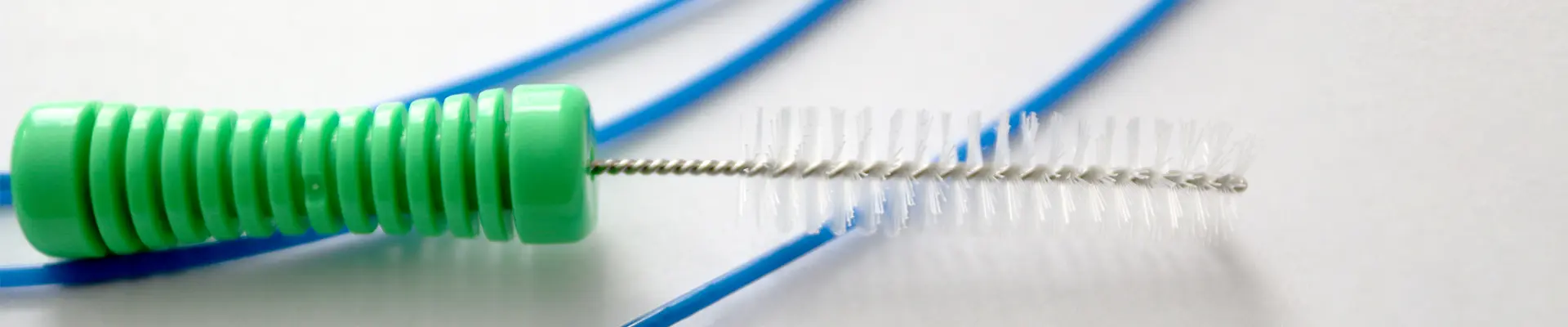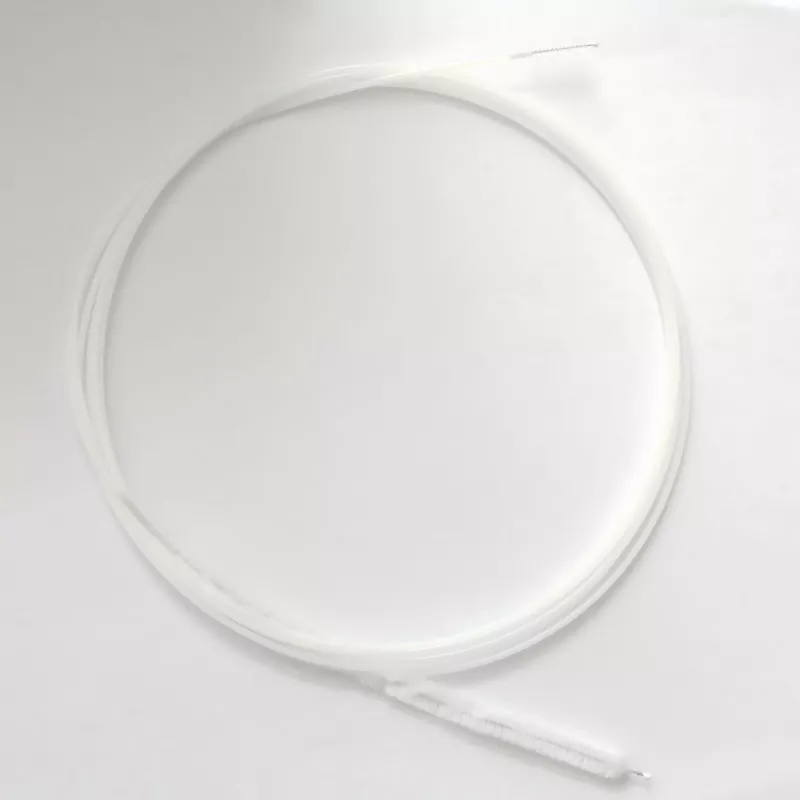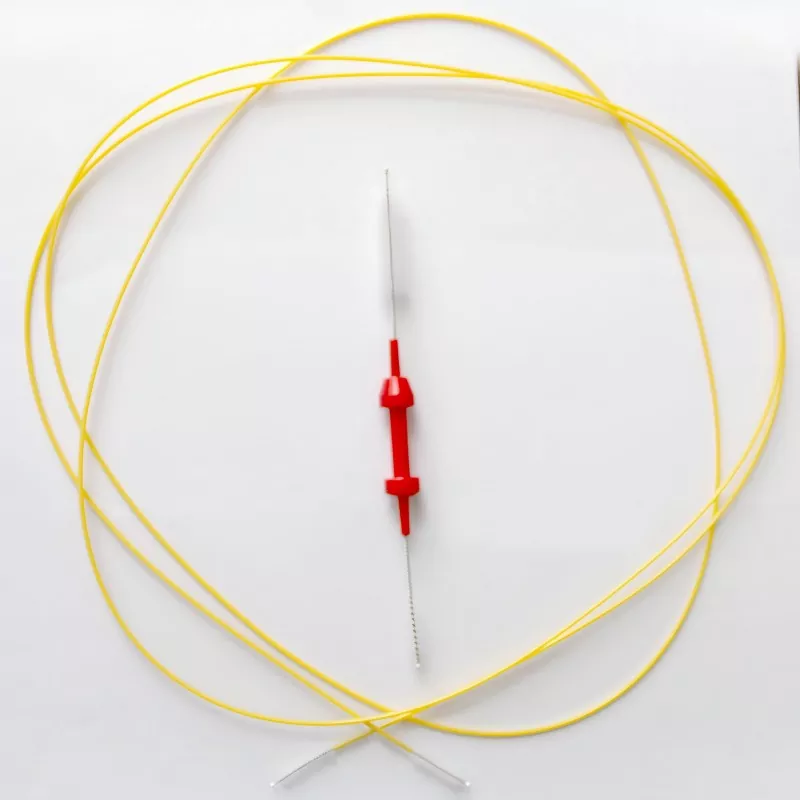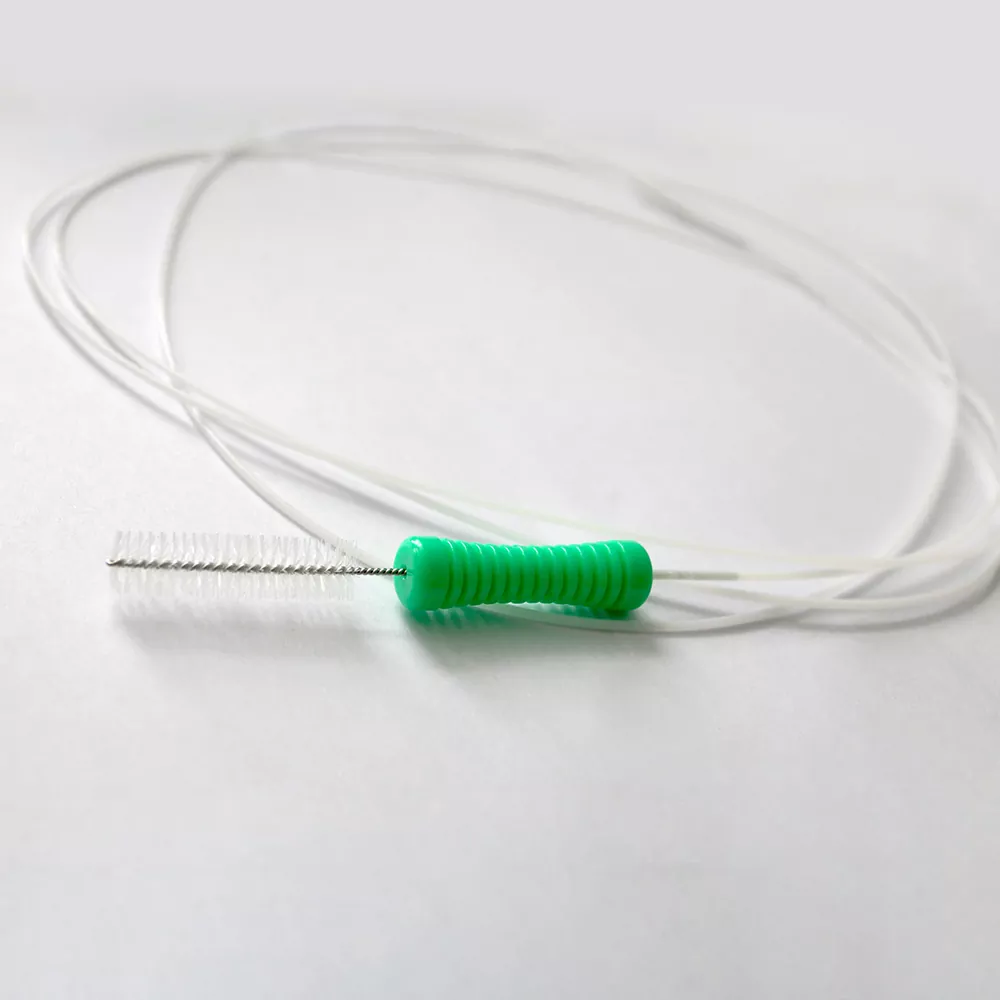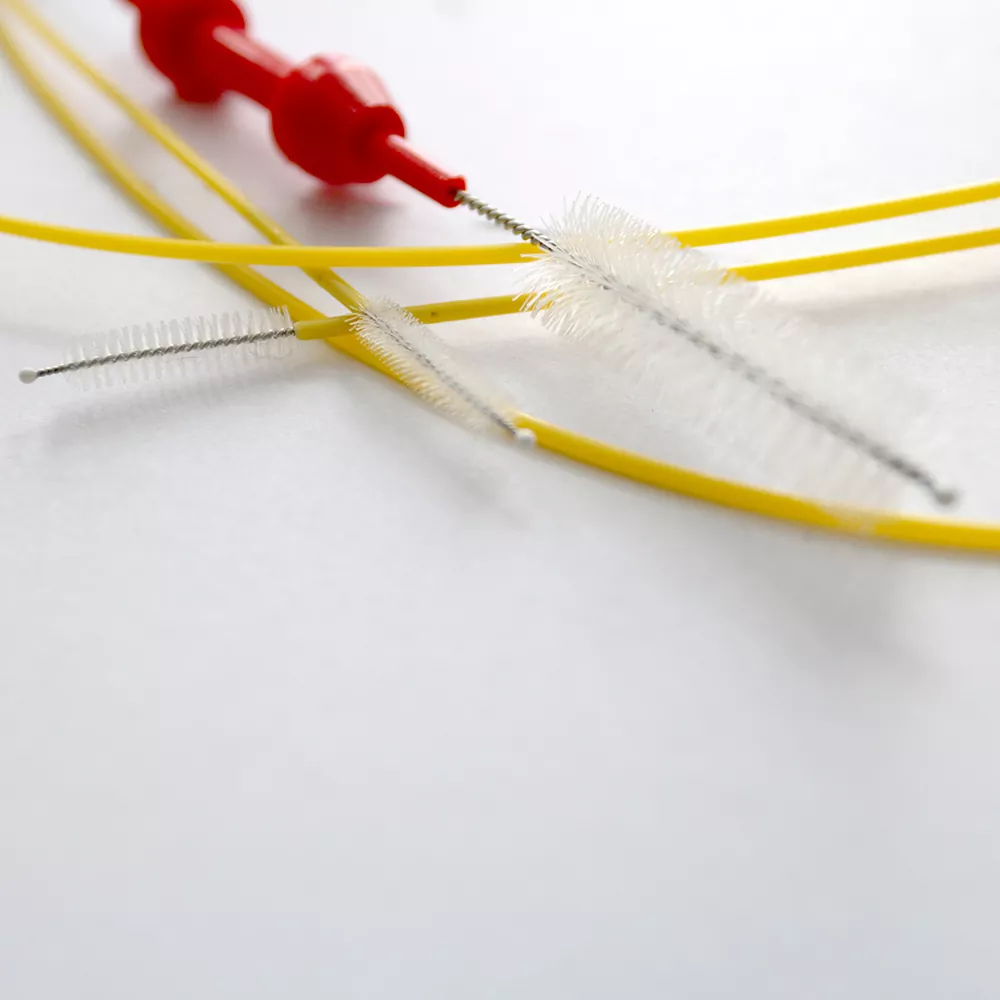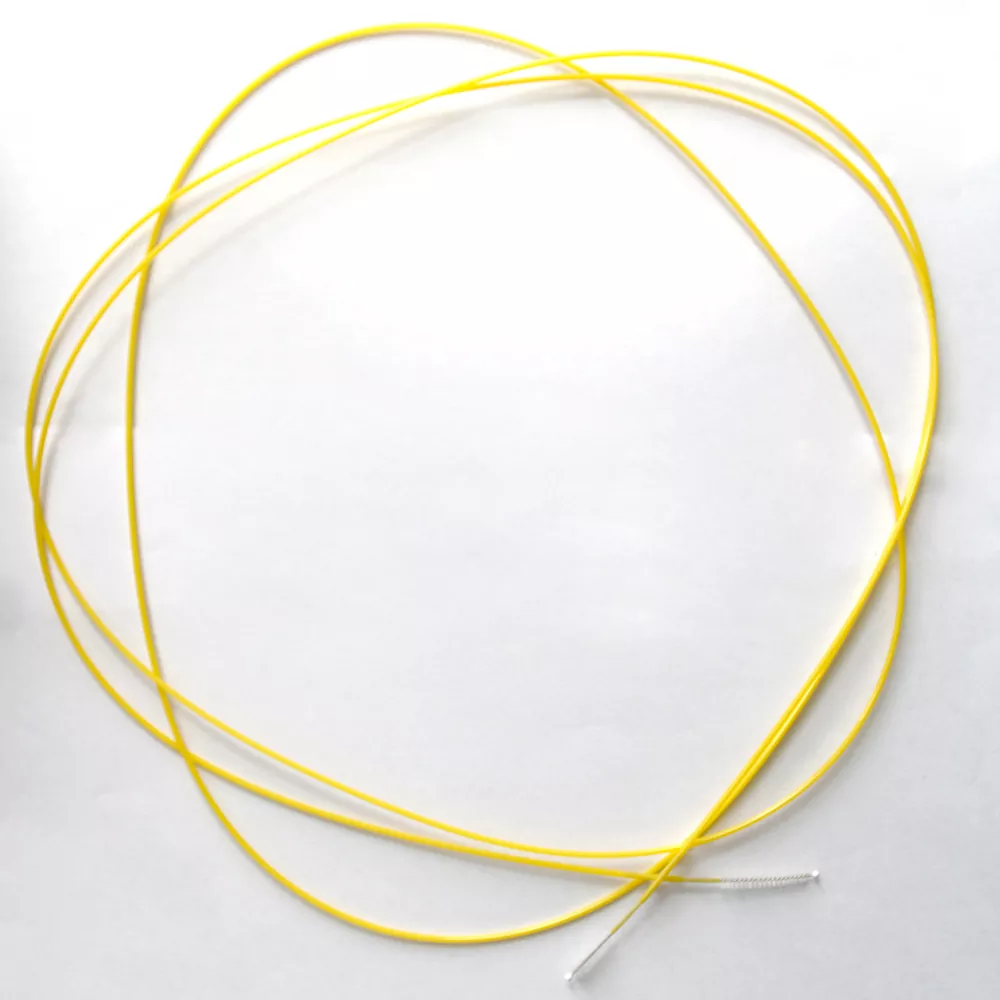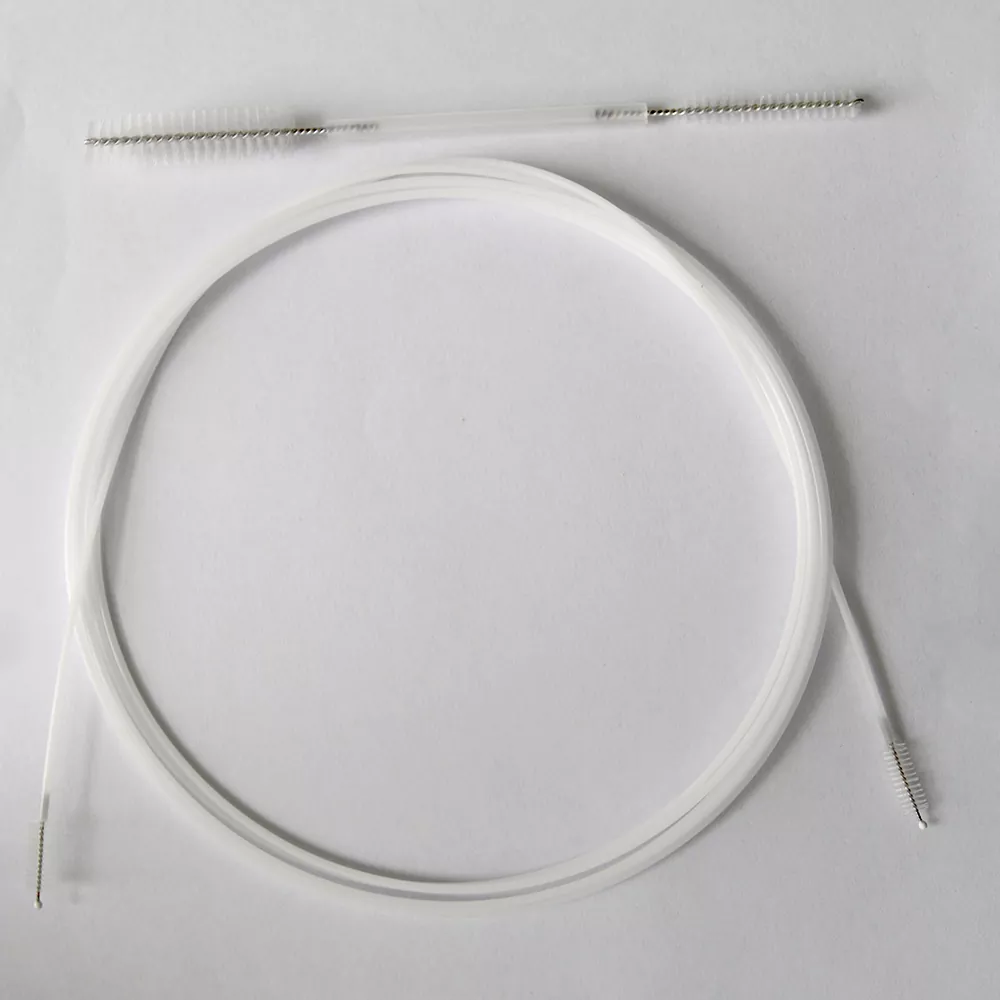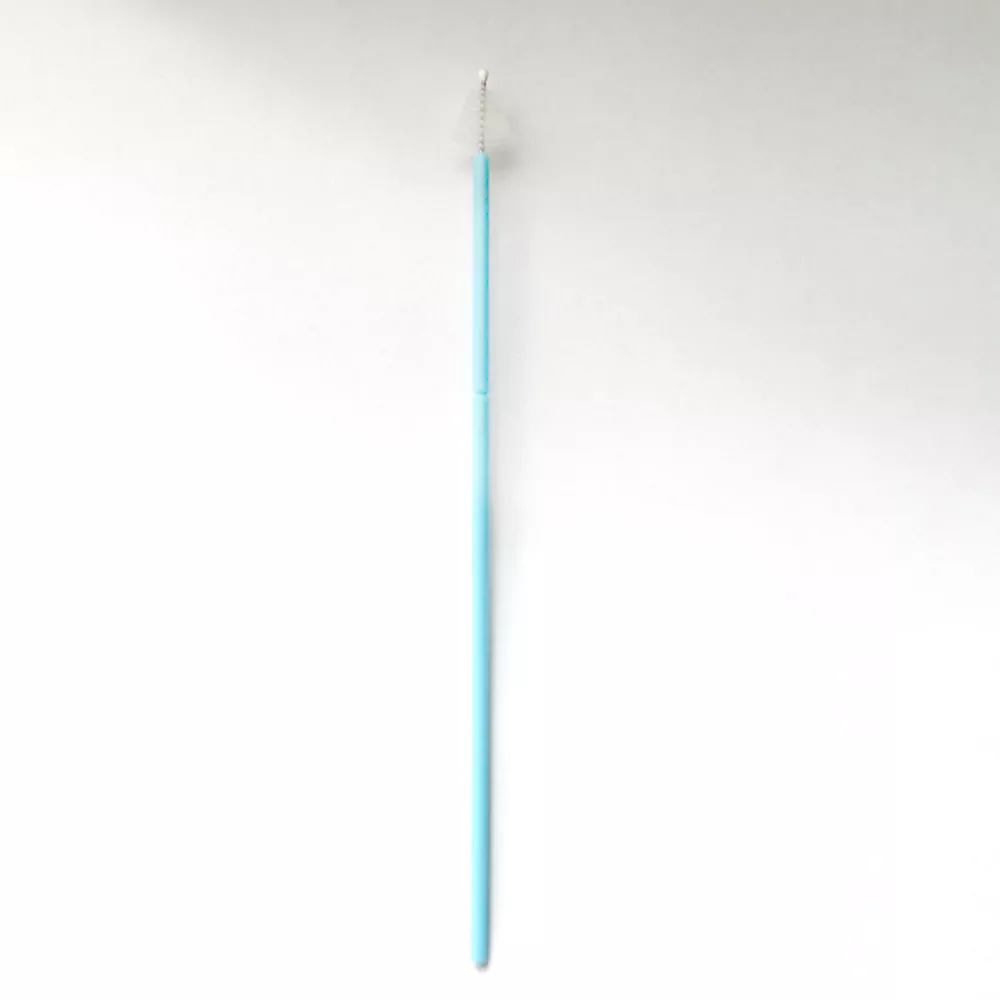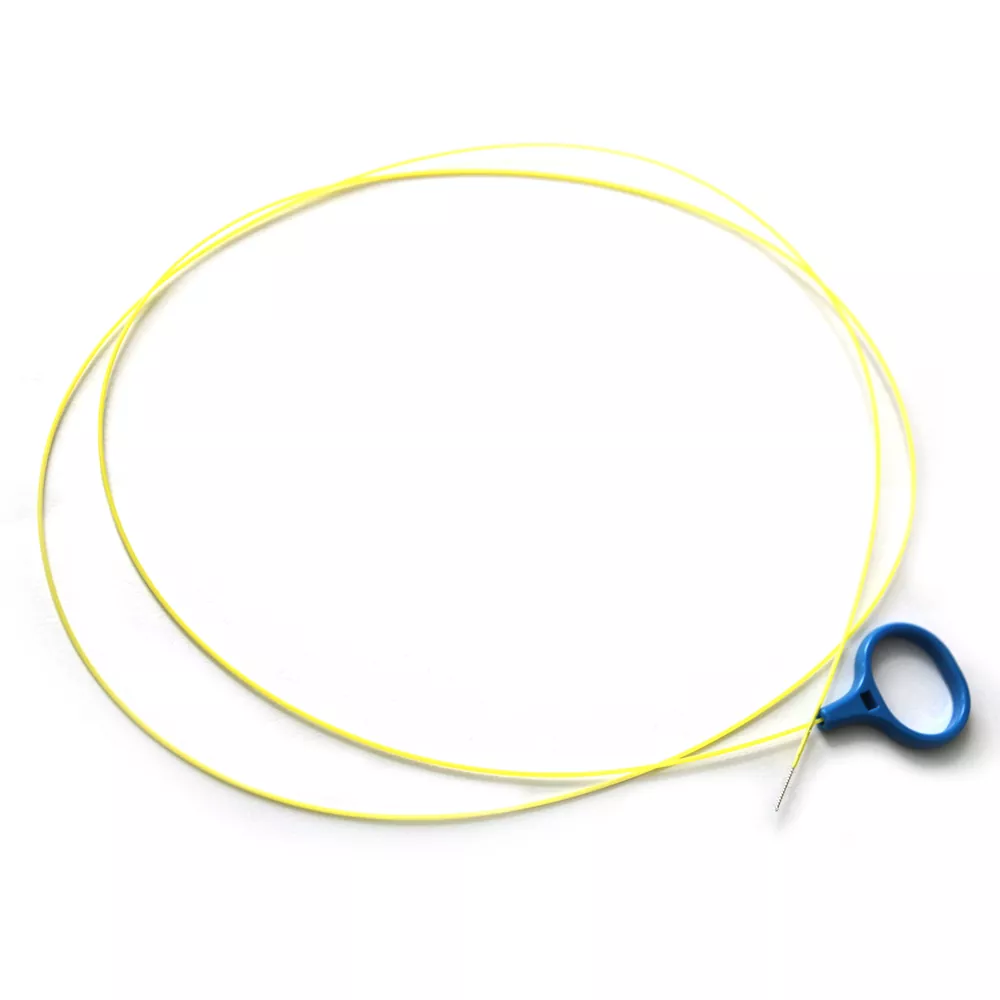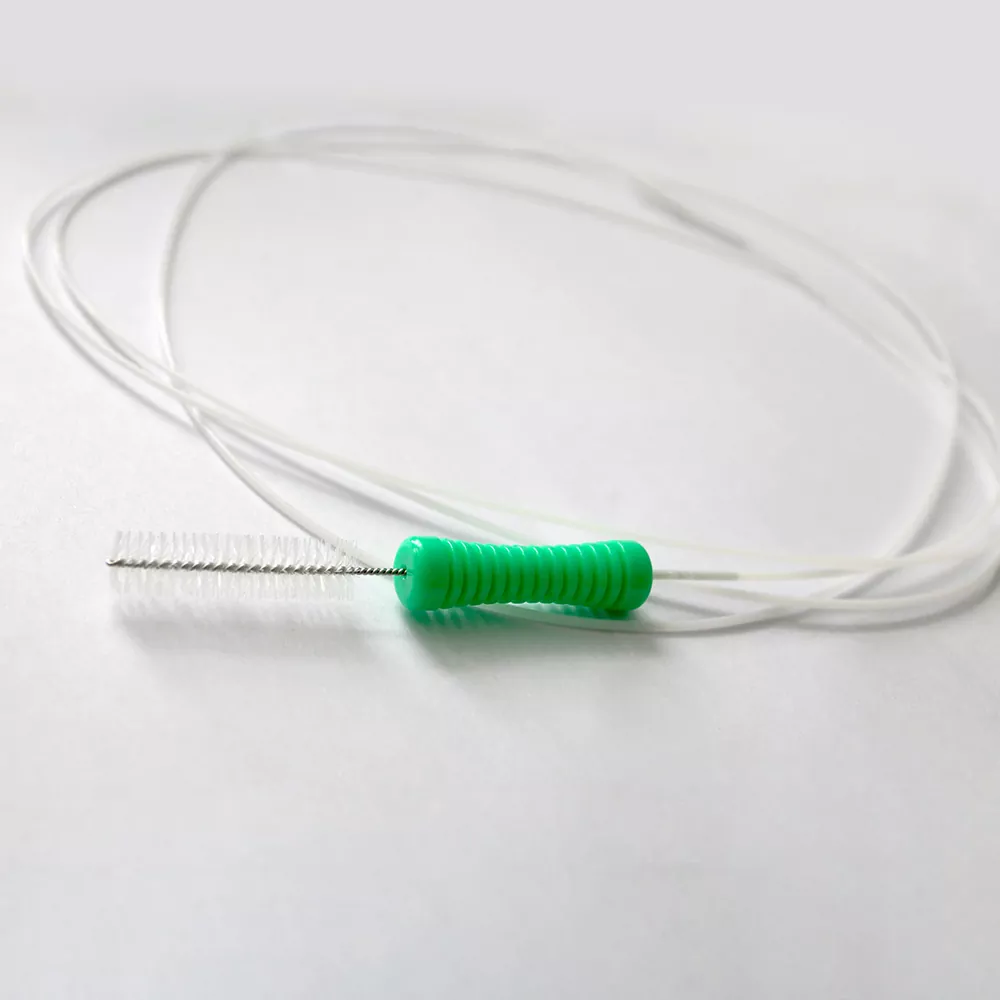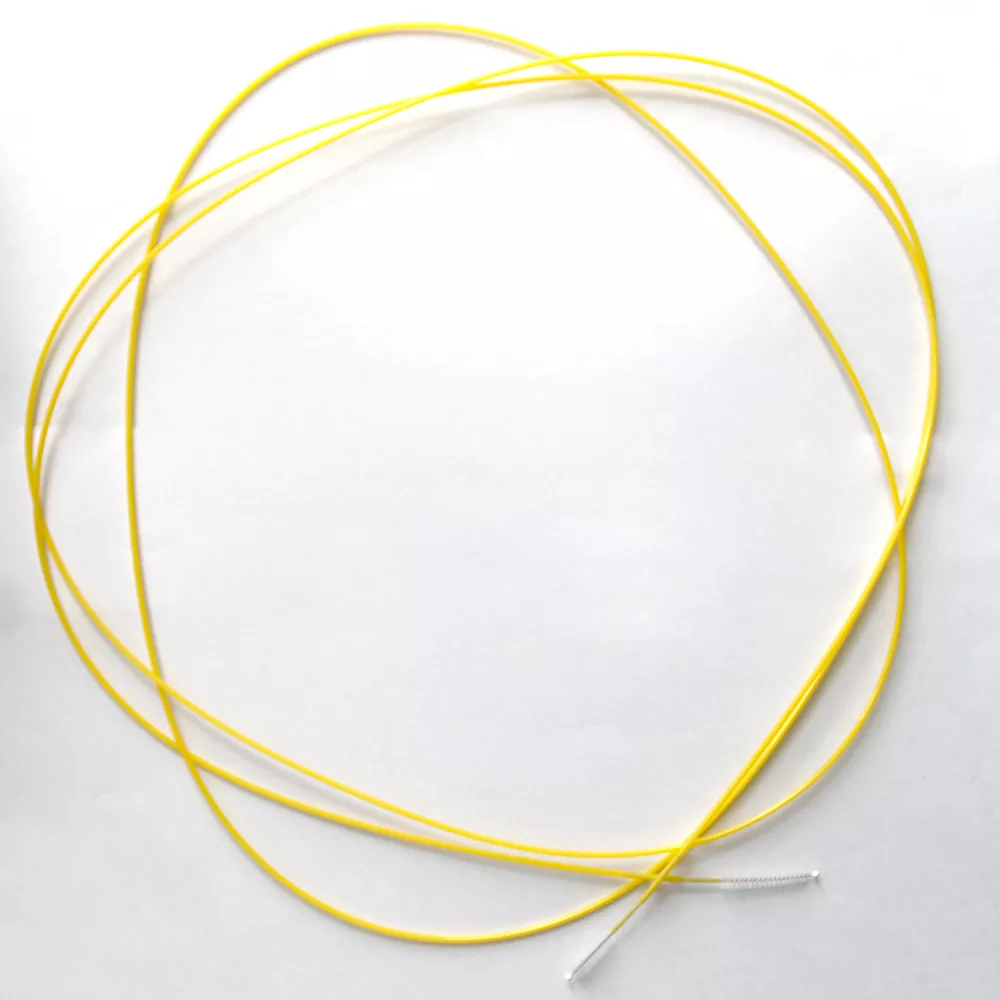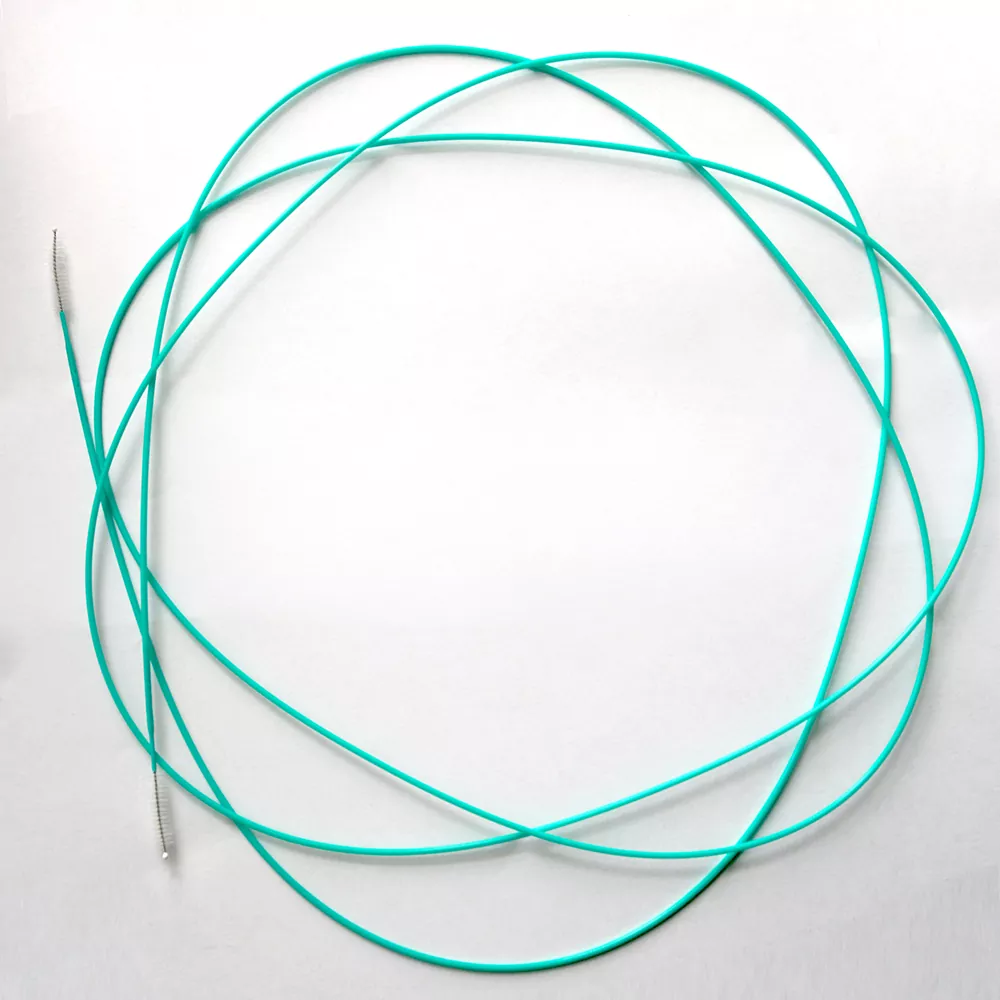
LucentMed specializes in the R&D and manufacturing of flexible endoscope cleaning brushes. As a legitimate primary manufacturer, we operate standardized cleanrooms and automated production lines. Our products feature flexible shafts, rounded protective tips, and high-density bristle implantation—ensuring thorough cleaning without damaging the endoscope. We offer full support for custom specifications and OEM services.
As a specialized manufacturer of medical cleaning brushes, LucentMed focuses on the production of Flexible Endoscope Cleaning Brushes.
Our products are resistant to various disinfectants and cleaning agents; designed for single-use, they ensure safety and hygiene while effectively preventing cross-contamination.
Available in a comprehensive range of specifications, our brushes are compatible with various endoscopes—including gastroscopes and colonoscopes—and fully comply with medical device standards, offering efficient cleaning performance and peace of mind during use.
Product Features
Brush Shaft: Our disposable endoscope cleaning brushes feature a highly flexible stainless steel shaft that bends freely without breaking, allowing for smooth passage through the complex channels of an endoscope.
Brush Head: Designed with a blunt, rounded protective tip, the brush head effectively safeguards the inner walls of the lumen against damage.
Bristles: The high-density, medical-grade nylon bristles are securely anchored; they do not shed or fray during scrubbing, ensuring a thorough, corner-to-corner clean.
Applications
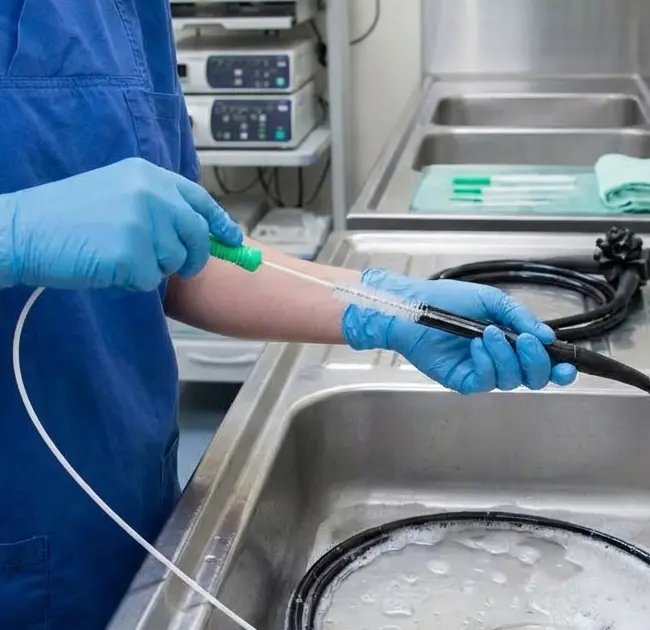
The Flexible Endoscope Cleaning Brush is primarily designed for cleaning the working channels of flexible endoscopes, such as gastroscopes, colonoscopes, and bronchoscopes.
It is suitable for use in hospital endoscopy centers, sterile processing departments, health examination centers, and similar facilities. It efficiently removes contaminants—including mucus and tissue debris—from internal lumens, thereby providing a reliable foundation for subsequent disinfection and sterilization processes.
Product Specifications
Parameter Category
Key Parameters
Specifications
Standards and Specifications
Basic Dimensions
Brush Head Diameter
1.6mm / 2.2mm / 2.8mm / 3.0mm
Compatible with endoscopes ranging from pediatric/ultra-thin gastroscopes to adult gastroscopes and colonoscopes; the selected size should be 0.1–0.2 mm larger than the inner diameter of the instrument channel.
Effective Length
1200mm / 1800mm / 2200mm / 2300mm
Must cover the entire length of the channel; a total length exceeding the channel length by 200 mm is recommended to ensure complete coverage without any dead zones.
Bending Radius
≤ 15mm
Ensures smooth passage through the bending section of the endoscope, eliminating the risk of jamming.
Corrosion-resistant and impervious to acids and alkalis; combines both flexibility and strength, ensuring it does not fracture when bent.
Brush Head Material
High-Density Medical-Grade Nylon Bristles
Features low water absorption and resistance to chemical cleaning agents; does not shed lint or fray.
Brush Head Design
Blunt, Rounded Protective Tip
Free of sharp edges or corners, providing 100% protection for the inner walls of the endoscope lumen and completely eliminating the risk of mechanical damage.
Selection and Compatibility Guide
1. Select Brush Head Diameter Based on Endoscope Channel Inner Diameter
The brush head diameter of the Flexible Endoscope Cleaning Brush should be slightly larger than the inner diameter of the endoscope's instrument channel—specifically by 0.1 to 0.2 mm—to ensure a snug fit for effective cleaning without causing jamming.
For standard gastroscopes, select 2.2 mm or 2.8 mm; for colonoscopes, select 3.0 mm; and for ultra-thin or pediatric endoscopes, select 1.6 mm.
2. Select Brush Body Total Length Based on Endoscope Length
The total length of the brush must exceed the working channel length of the endoscope by at least 200 mm to ensure it can fully traverse the entire length of the channel.
For gastroscopes, lengths of 1800 mm or 2200 mm are commonly used; for colonoscopes, select 2300 mm or longer.
3. Select Product Type Based on Usage Scenario
For hospital endoscopy centers, we recommend selecting the disposable, sterile model to ensure the strictest infection control standards.
Departments with established, standardized sterilization protocols may opt for reusable models capable of withstanding high temperatures and high pressure; please contact us directly to arrange for customization.
4. Select Flexibility Level Based on Endoscope Curvature
For endoscopes with complex or highly curved channels, prioritize models featuring a high-flexibility brush shaft. This ensures smooth passage through bends without kinking, thereby preventing damage to the inner walls of the endoscope.
Standard Usage Instructions
1. Pre-treatment
Immediately after use, rinse the surface of the endoscope and the biopsy port with running water to preliminarily remove mucus, blood, and other contaminants.
2. Cleaning Solution Infusion
Inject a multi-enzymatic cleaning solution into the endoscope's working channel to thoroughly saturate the inner walls of the lumen.
3. Channel Brushing
Insert a LucentMed disposable endoscope cleaning brush through the biopsy port and advance it at a steady pace until it exits the opposite end. Gently push, pull, and rotate the brush throughout the channel 2–3 times to ensure complete removal of contaminants.
4. Residual Rinse
After brushing, repeatedly flush the channel with clean water or purified water until the outflow is free of foam and impurities.
5. Post-procedure Handling
Dispose of the single-use cleaning brush as medical waste immediately after use.
If the reusable model is utilized, it must be thoroughly cleaned, dried, and sterilized via high-temperature and high-pressure methods prior to reuse.
FAQ
Q: What are the core principles for selecting an endoscope cleaning brush?
A: The key to selection is ensuring that the specifications of the cleaning brush precisely match the channels of the endoscope. This includes the diameter of the brush head, its length, and the flexibility of the brush shaft.
The safest and most reliable approach is to contact LucentMed immediately to obtain our product catalog and usage recommendations, discuss your specific requirements, and explore suitable solutions.
Q: How can I determine if the brush head diameter is appropriate?
A: The diameter of the brush head must precisely match the inner diameter of the endoscope channel.
Too Large: Forcing insertion will damage the inner wall of the channel and may even cause the brush head to become stuck or the bristles to detach.
Too Small: The bristles cannot effectively contact and scrub the inner wall of the channel, resulting in insufficient cleaning power and a failure to thoroughly remove biofilms and contaminants.
Q: What are the requirements regarding the length of the brush shaft?
A: The length of the brush shaft must be longer than the endoscope channel being cleaned. This ensures that during the scrubbing process, the brush head can fully extend out of the opposite end of the channel, guaranteeing that the entire length of the channel is thoroughly cleaned.
Q: Does the stiffness of the bristles affect cleaning effectiveness?
A: Yes, it has a significant impact. The stiffness of the bristles is typically determined by their diameter, which directly influences both cleaning power and the protection of the endoscope.
Soft-bristle brushes (bristle diameter < 0.10mm): Offer excellent protection for the channel but provide relatively weaker cleaning power.
Medium-bristle brushes (bristle diameter 0.10mm – 0.15mm): Strike a good balance between cleaning effectiveness and channel protection, making them a commonly chosen option.
Hard-bristle brushes (bristle diameter 0.15mm – 0.20mm): Generate stronger cleaning friction; however, they should be used with caution on precision-engineered endoscopes (such as duodenoscopes) to prevent damage.
Q: Are there alternatives to traditional bristle brushes?
A: Yes. In addition to common brushes made of nylon or PBT materials, other options include:
Plastic-fin brushes: Studies have shown that these are more effective than traditional bristle brushes at removing biofilms from channels.
Piston brushes: These utilize a sealing ring to create negative pressure within the channel, allowing them to extract debris more effectively.
Q: Should I choose disposable or reusable cleaning brushes?
A: This depends on the healthcare facility's infection control protocols and cost considerations. We can assist you by analyzing your specific situation to provide recommendations and customized solutions.
We use cookies to offer you a better browsing experience, analyze site traffic and personalize content. By using this site, you agree to our use of cookies.Privacy Policy