
LucentMed provides Disposable Gastroscopy Biopsy Forceps designed for endoscopic tissue sampling, combining medical-grade stainless steel jaws, a flexible catheter sheath, and an ergonomic handle to support controlled operation during gastrointestinal examinations.
Disposable gastroscopy biopsy forceps are essential accessories for obtaining gastrointestinal tissue samples during diagnostic endoscopy. Their performance depends on jaw design, working length, channel compatibility, handling characteristics, and sterile packaging. This guide explains how these instruments work, compares common jaw configurations, outlines key selection criteria, and highlights practical considerations for healthcare facilities and medical device distributors. It also introduces the product specifications listed by LucentMed and provides a purchasing checklist to help buyers evaluate suitable models for their endoscopy systems.
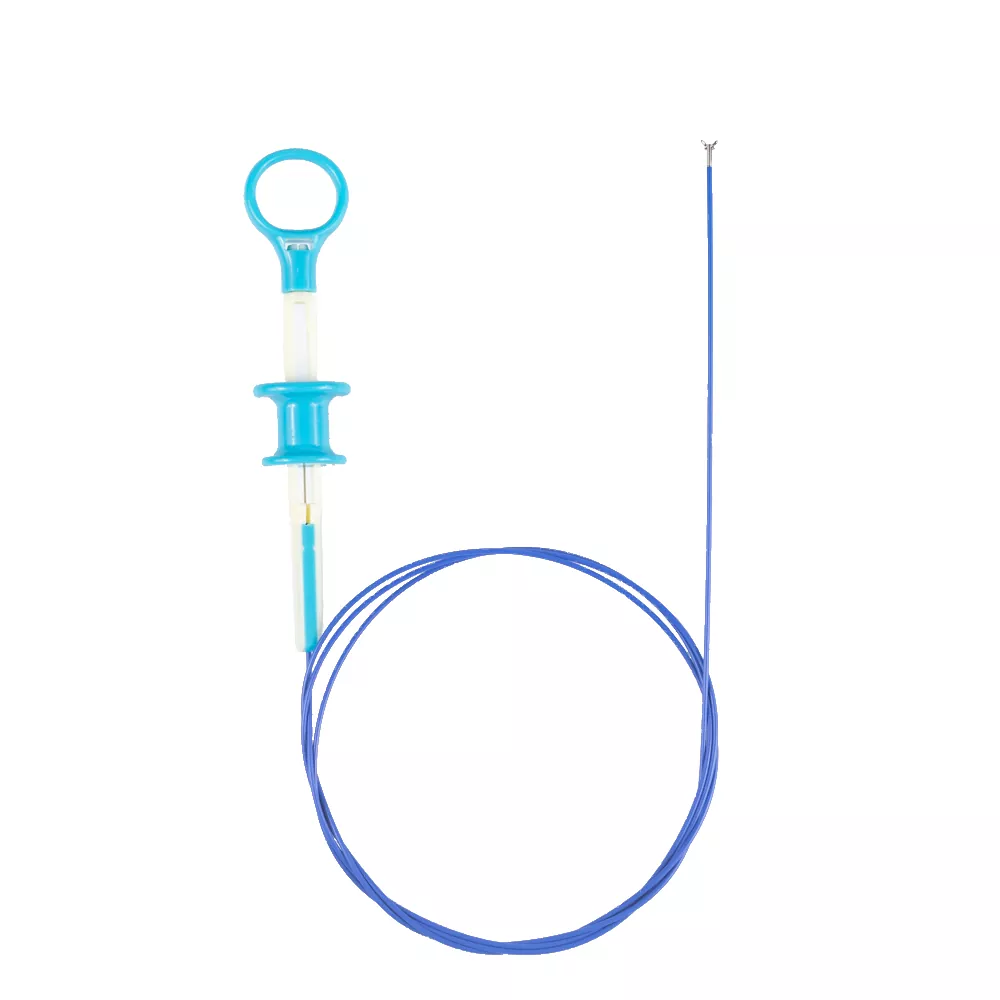
Table of Contents
- What Are Disposable Gastroscopy Biopsy Forceps?
- What Are the Main Components and Design Features?
- What Are the Primary Clinical Applications?
- Product Specifications and Selection Considerations
- What Are the Advantages of Disposable Biopsy Forceps?
- How Should Buyers Select the Right Model?
- Handling, Safety, and Quality Considerations
- Frequently Asked Questions
- Conclusion: Choosing a Suitable Biopsy Forceps Supplier
1. What Are Disposable Gastroscopy Biopsy Forceps?
Disposable gastroscopy biopsy forceps are single-use medical instruments inserted through the working channel of a gastroscope to collect small tissue specimens from the gastrointestinal tract. The samples can subsequently be examined by a pathology laboratory to help clinicians investigate suspicious mucosal changes, inflammation, and other abnormalities.
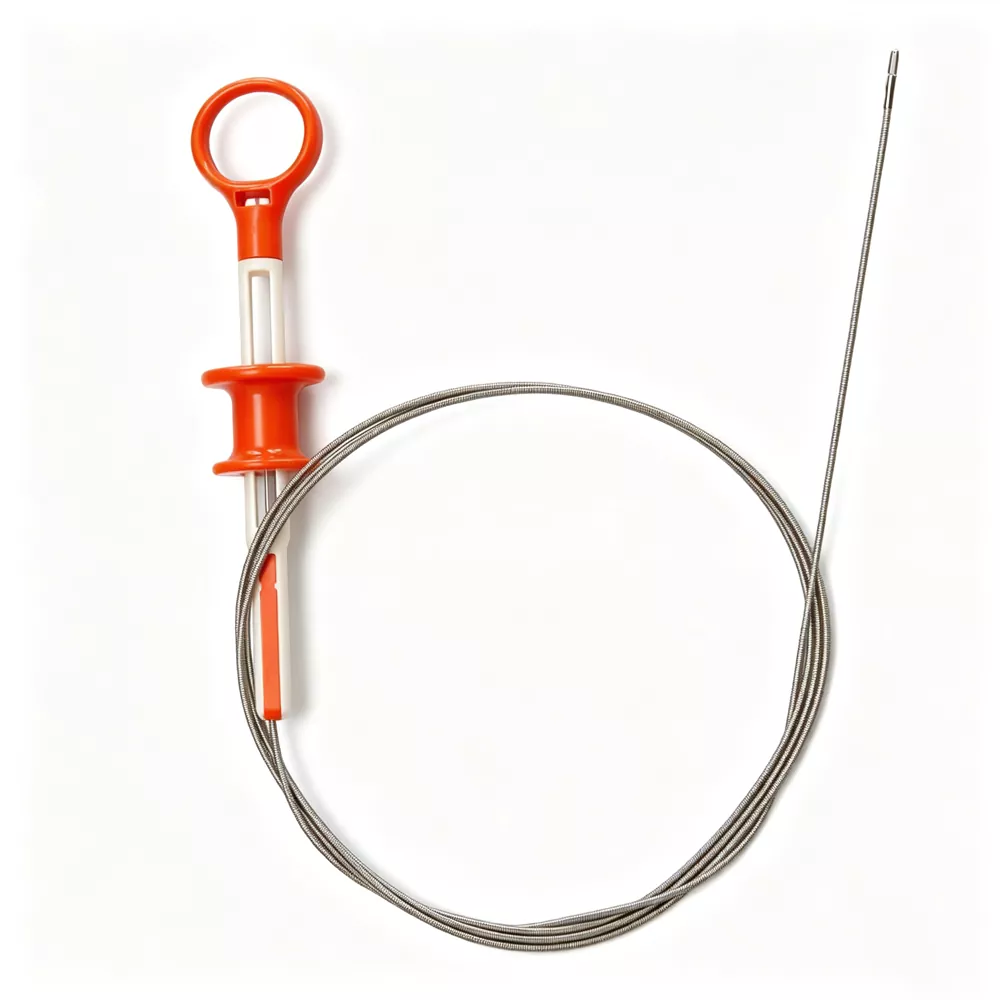
The instrument generally consists of a distal jaw assembly, a flexible insertion sheath, an internal control wire, and a proximal handle. When the operator moves the handle, the jaw mechanism opens or closes to grasp and excise a tissue sample under endoscopic visualization.
Unlike reusable instruments, single-use forceps are intended for one procedure and must not be reprocessed for reuse. When supplied sterile and in intact packaging, they can help healthcare facilities simplify instrument preparation and reduce the cross-contamination risks associated with inadequate reprocessing.
For hospitals, outpatient endoscopy centers, and medical supply distributors, selecting an appropriate model requires more than comparing prices. The forceps must match the intended procedure, endoscope channel, working length, and relevant manufacturer instructions.
2. What Are the Main Components and Design Features?
Distal Jaw Assembly
The distal jaws perform the actual tissue collection. Their geometry affects gripping behavior, tissue engagement, and the operator's ability to obtain a specimen of suitable size. Common configurations include oval cup jaws and alligator-style jaws.
- Oval cup jaws: Designed for routine mucosal tissue sampling and commonly selected for general diagnostic gastroscopy.
- Alligator cup jaws: Feature a toothed gripping profile intended to provide additional mechanical engagement in appropriate applications.
- Jaws with a positioning spike: Incorporate a central point that can help anchor the jaws on certain smooth or slippery lesions when clinically appropriate.
Flexible Catheter Sheath
The insertion sheath connects the handle to the distal jaw assembly. Its flexibility and surface characteristics influence how the instrument travels through the endoscope's working channel, particularly along curved sections. LucentMed describes a plastic-coated spring sheath with a PTFE-coated surface on its product page.
Ergonomic Control Handle
The handle allows the operator to control jaw movement from outside the patient. A well-designed mechanism should support predictable opening and closing, comfortable handling, and controlled tissue acquisition during the procedure.
These components work together. A suitable jaw design cannot compensate for an incompatible sheath diameter, insufficient working length, or a control mechanism that does not operate as intended.
3. What Are the Primary Clinical Applications?
Disposable biopsy forceps are primarily used to obtain tissue specimens under endoscopic visualization. Their suitability depends on the suspected condition, the target tissue, and the clinical protocol.
Evaluation of Suspicious Gastric or Esophageal Lesions
When an endoscopist identifies an abnormal mucosal area, forceps may be used to collect specimens for histopathological examination. The resulting findings can support further diagnostic assessment and treatment planning.
Investigation of Gastric Polyps
Selected lesions may require tissue sampling to help characterize their histological features. The appropriate sampling method depends on lesion size, morphology, location, and the clinician's assessment. Biopsy forceps should not be regarded as a universal substitute for dedicated polypectomy devices.
Assessment of Gastritis and Related Conditions
Gastric mucosal specimens may be collected to investigate inflammatory changes, atrophy, intestinal metaplasia, or Helicobacter pylori infection when indicated. Sampling sites and the number of specimens should follow the relevant clinical protocol.
In every application, specimen adequacy depends on several factors, including instrument suitability, lesion characteristics, sampling technique, and subsequent specimen handling. No individual instrument can guarantee a particular diagnostic result.
4. Product Specifications and Selection Considerations
Before purchasing, buyers should review the manufacturer's published specifications and verify compatibility with their existing endoscopy equipment. The following table summarizes the key information presented on LucentMed's product page.
| Specification | Published Information | Purchasing Consideration |
|---|---|---|
| Intended application | Endoscopic tissue biopsy sampling | Confirm suitability for the intended procedure. |
| Jaw configuration | Cup-jaw or alligator-jaw type | Choose according to the sampling task and clinical requirements. |
| Working length | 1,600 mm or 2,300 mm; customizable | Match the insertion length to the endoscope and procedure. |
| Endoscope channel compatibility | Channels listed as ≥2.0 mm or ≥2.8 mm | Verify the exact model's outer diameter and scope instructions. |
| Sheath construction | Flexible, plastic-coated spring sheath | Review flexibility, surface finish, and insertion performance. |
| Operating mechanism | Push-pull handle | Assess smoothness and control during handling. |
| Packaging | Individually packaged | Confirm sterile status, packaging integrity, and labeling. |
| Usage type | Disposable, single-use | Follow the instructions for use and disposal requirements. |
Note: Specifications above reflect the information displayed on the referenced LucentMed webpage. Confirm the exact model, dimensions, sterilization details, regulatory documentation, and compatibility before placing an order. Customization options should be verified directly with the supplier.
For further details, visit the LucentMed Disposable Gastroscopy Biopsy Forceps product page.
5. What Are the Advantages of Disposable Biopsy Forceps?
Single-Use Convenience
Single-use instruments eliminate the need to reprocess the forceps for another patient. This can simplify instrument turnover and reduce the workload associated with cleaning and sterilizing reusable forceps, while supporting the facility's broader infection prevention procedures.
Controlled Tissue Engagement
Properly manufactured jaw assemblies are designed to open and close consistently. Precise alignment and reliable mechanical movement can support controlled specimen acquisition when the instrument is used according to its instructions.
Flexible Navigation
A flexible insertion sheath can help the instrument pass through compatible endoscope channels. Coating characteristics may also influence friction, although actual performance should be evaluated against the specified scope configuration and operating conditions.
Convenient Inventory Management
Individually packaged, single-use devices can simplify stock allocation by procedure room and support traceability through appropriate lot identification and documentation. Buyers should also consider shelf life, storage requirements, packaging quantities, and expected procedure volume.
These advantages depend on the product's validated design, manufacturing controls, packaging, and correct use. Procurement teams should evaluate documented evidence rather than rely solely on general product descriptions.
6. How Should Buyers Select the Right Model?
Medical procurement teams should evaluate technical fit, clinical requirements, and supplier documentation before selecting a disposable gastroscopy biopsy forceps model.
- Confirm the procedure. Establish whether the instrument is intended for routine upper gastrointestinal biopsy or another specifically indicated application.
- Check the working channel. Compare the forceps' maximum outer diameter with the endoscope manufacturer's minimum working-channel requirement.
- Verify working length. Choose a length appropriate for the endoscope and intended anatomical access.
- Select the jaw design. Compare cup and alligator configurations, with or without a spike, according to the intended sampling task.
- Review sterilization and packaging. Request applicable sterilization information, packaging specifications, shelf-life details, and instructions for use.
- Assess supplier documentation. Request relevant quality-system documents, product conformity information, traceability details, and market-specific regulatory evidence.
- Compare total procurement costs. Consider unit price, delivery lead time, minimum order quantities, storage requirements, and supply consistency.
Questions to Ask a Manufacturer or Supplier
- Which jaw diameters and working lengths are available?
- Which endoscope models and channel sizes have been verified as compatible?
- Is the product supplied sterile and individually packaged?
- Can the supplier provide the applicable instructions for use and product technical documentation?
- Are samples available for a qualified evaluation before bulk purchasing?
- What are the lead time, packaging quantity, and customization options?
Requesting clear answers to these questions helps distributors and healthcare purchasing teams compare products on documented requirements instead of price alone.
7. Handling, Safety, and Quality Considerations
Disposable gastroscopy biopsy forceps are medical devices that must be selected, handled, and used by appropriately trained healthcare professionals. The following points are general procurement and handling considerations, not a replacement for the manufacturer's instructions or clinical training.
- Inspect before use: Check the packaging, labeling, expiry date, and device condition. Do not use a product with compromised packaging or visible damage.
- Verify compatibility: Confirm that the selected instrument is suitable for the endoscope and intended procedure before insertion.
- Follow the instructions for use: Insertion, jaw operation, withdrawal, and specimen retrieval must follow the manufacturer's directions and the facility's approved clinical procedures.
- Do not reuse: Single-use forceps must not be cleaned, resterilized, or used on another patient unless the device is specifically designed and authorized for such use, which disposable models are not.
- Maintain traceability: Retain the relevant product and lot information according to the facility's documentation requirements.
- Manage device failures appropriately: If damage, malfunction, or breakage occurs, stop using the device and follow established clinical escalation, patient-safety, and incident-reporting procedures.
For international procurement, buyers should independently verify the product's applicable regulatory status in the destination market. Supplier statements alone should not be treated as proof of approval, certification, or clinical performance.
8. Frequently Asked Questions
Q1: What are disposable gastroscopy biopsy forceps used for?
They are used with a compatible gastroscope to obtain tissue samples from the gastrointestinal tract under endoscopic visualization. The specimens can be sent for pathological assessment or other indicated laboratory testing.
Q2: What is the difference between oval cup and alligator cup biopsy forceps?
Oval cup forceps have cup-shaped jaws commonly used for routine tissue sampling. Alligator-style forceps feature a toothed jaw profile designed to provide additional gripping engagement. The appropriate configuration depends on the target tissue, clinical purpose, and device instructions.
Q3: How do I choose the correct working length?
Check the working length required for the intended procedure and the specifications of the gastroscope. LucentMed lists 1,600 mm and 2,300 mm options, with customization noted on its product page. Confirm the available configuration before ordering.
Q4: Are these forceps compatible with every gastroscope brand?
No universal compatibility should be assumed. Although a product may be described as compatible with major endoscope brands, buyers must confirm the exact forceps model, outer diameter, working length, and minimum channel requirements for the specific endoscope.
Q5: Are disposable biopsy forceps supplied sterile?
LucentMed's product description states that its forceps are ethylene oxide (EO) sterilized and individually packaged. Buyers should confirm the sterilization status, packaging integrity, labeling, and applicable documentation for the specific product batch before use.
Q6: Can disposable gastroscopy biopsy forceps be reused after sterilization?
No. Instruments labeled for single use must not be reused or resterilized. Reuse may compromise device integrity and create infection-control risks.
Q7: What information should buyers request before placing a bulk order?
Request the model number, jaw configuration, outer diameter, working length, compatible channel size, packaging details, sterilization documentation, instructions for use, shelf-life information, relevant regulatory documents, and a quotation covering order quantity and delivery terms.
9. Conclusion: Choosing a Suitable Biopsy Forceps Supplier
Selecting the right disposable gastroscopy biopsy forceps involves balancing clinical suitability, endoscope compatibility, reliable mechanical operation, sterile packaging, and documented quality requirements. Hospitals and distributors should verify product specifications and regulatory documentation before purchasing, while ensuring that healthcare professionals follow the applicable instructions for use.
LucentMed offers disposable gastroscopy biopsy forceps with multiple jaw configurations, specified working lengths, and customization options described on its product page. If you are sourcing endoscopic biopsy instruments for a hospital, clinic, distribution business, or medical device portfolio, review the product details and contact us to request current specifications, discuss compatibility requirements, and obtain a quotation for your purchasing needs.