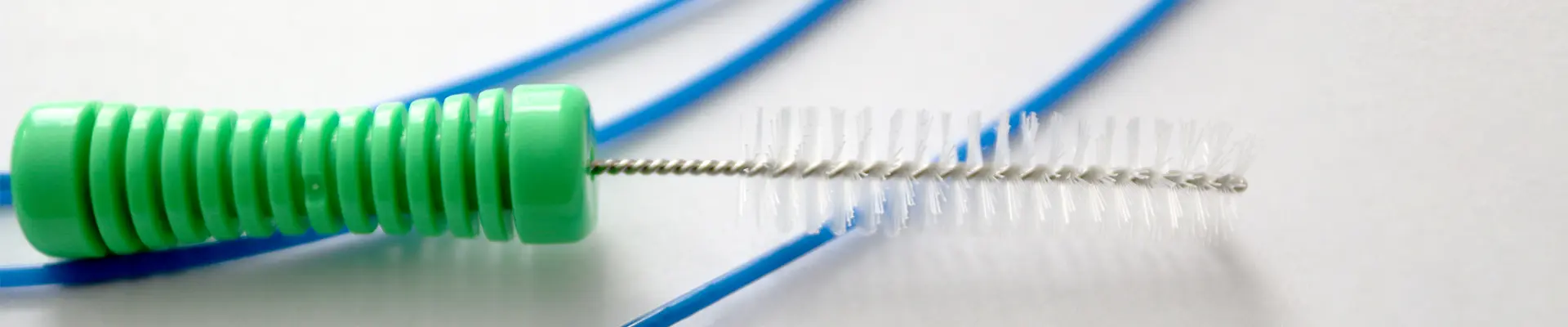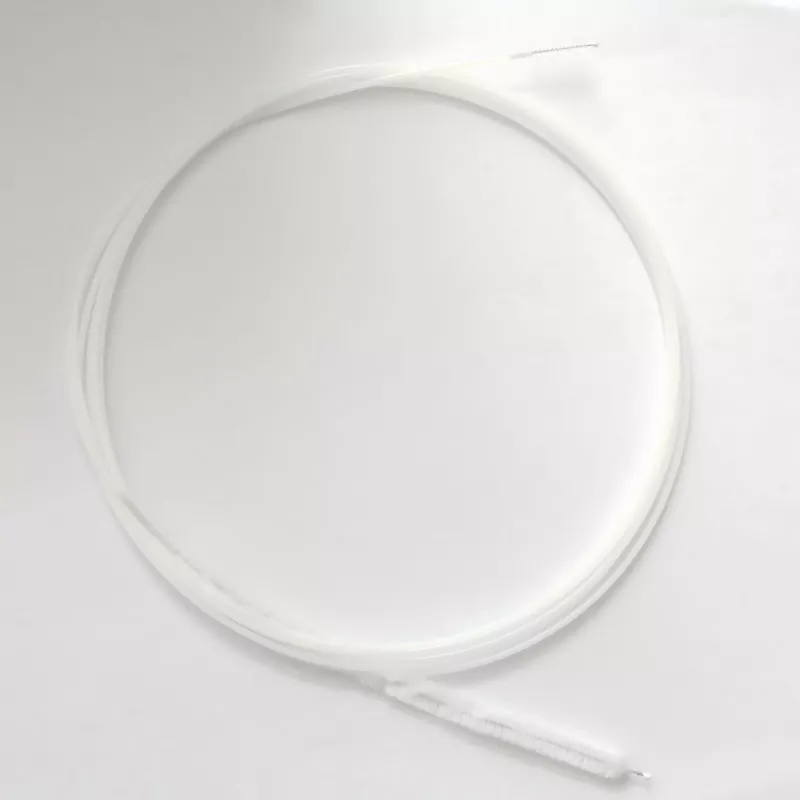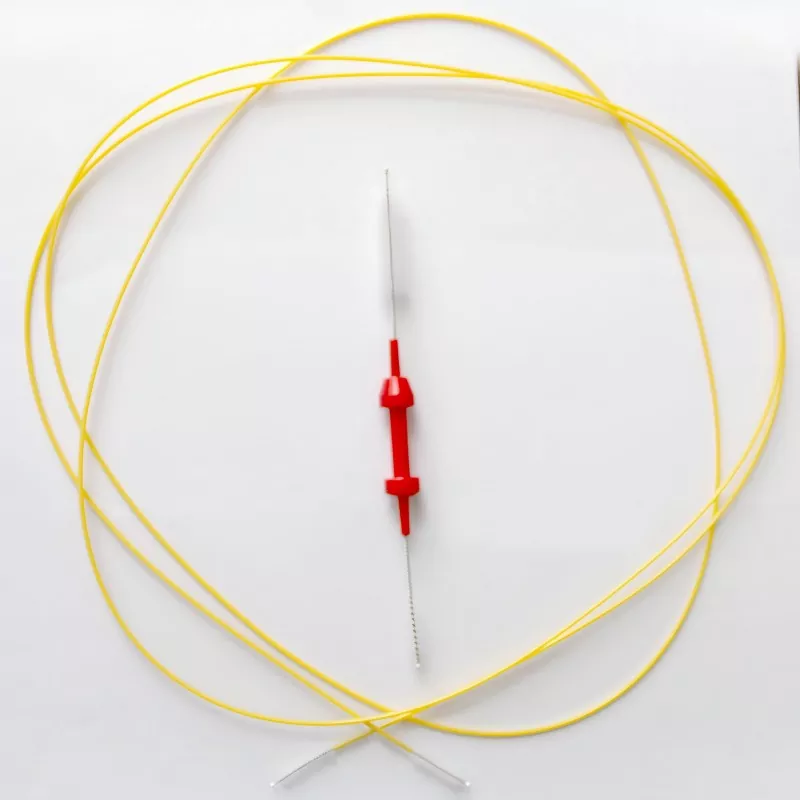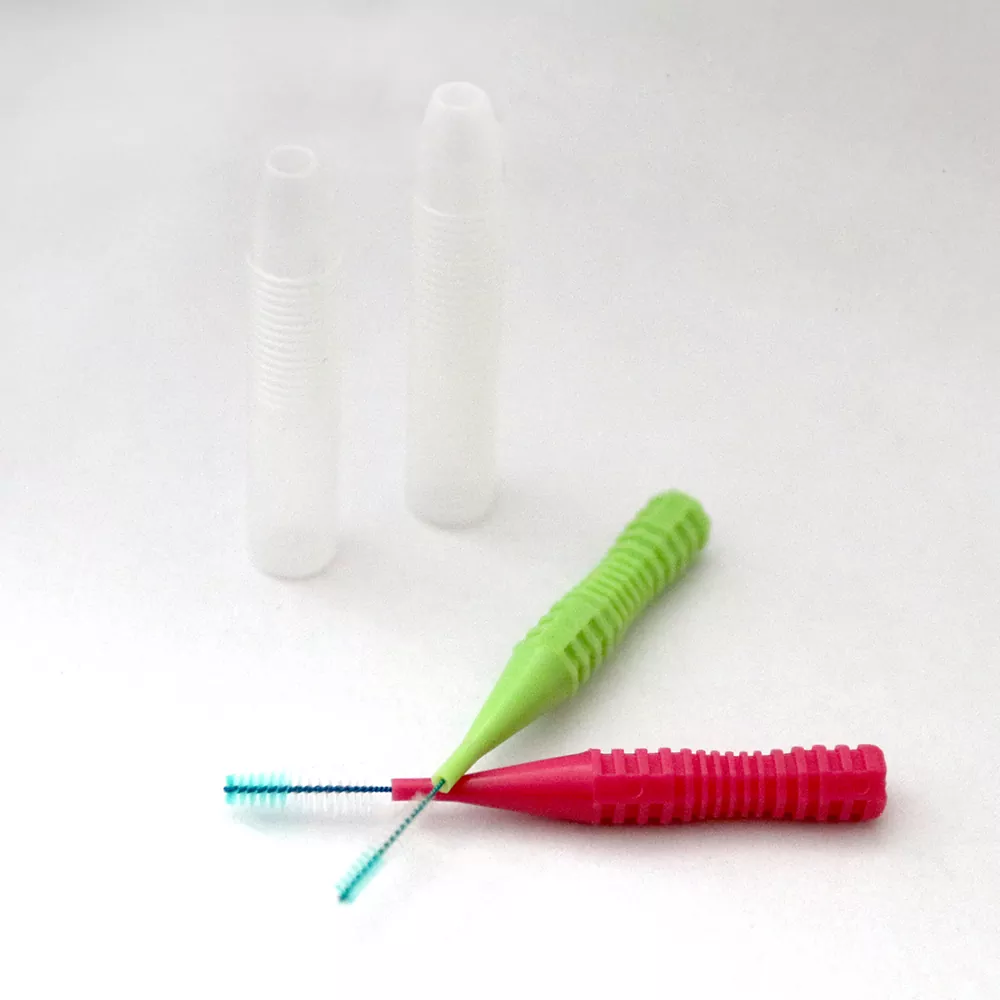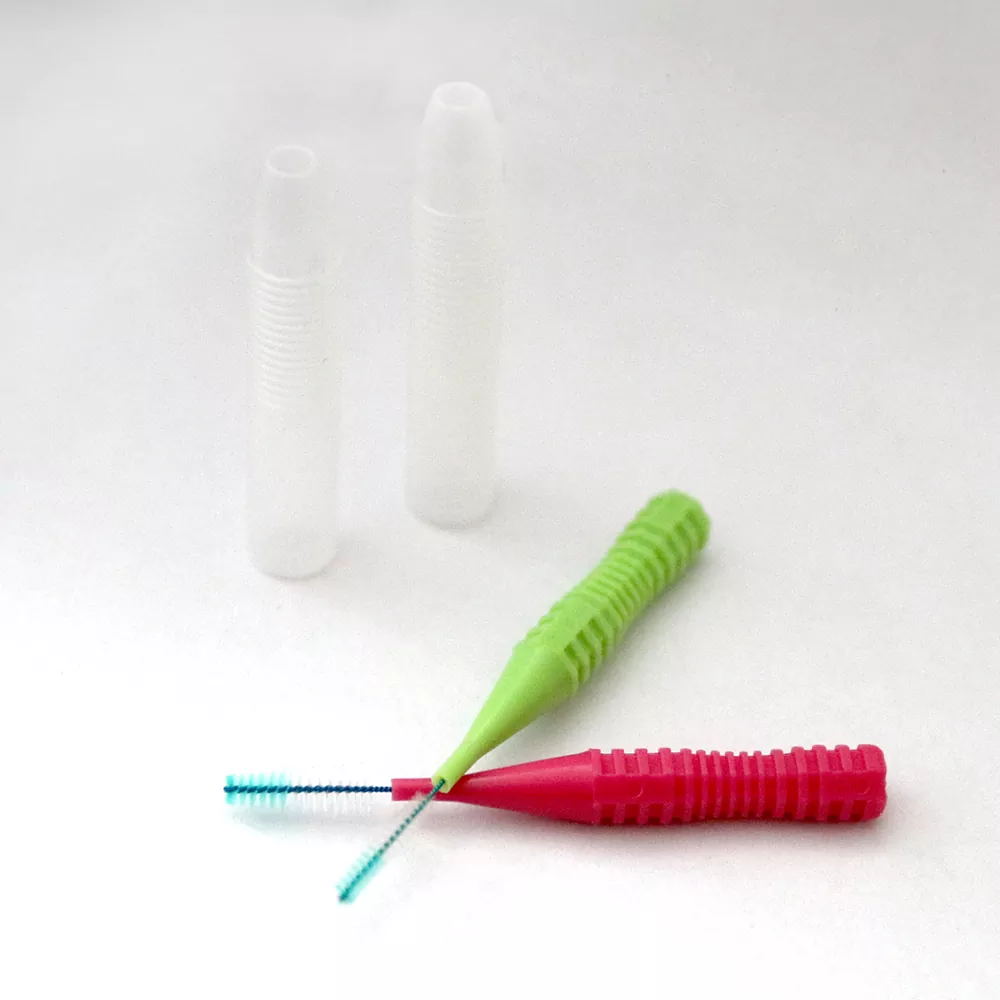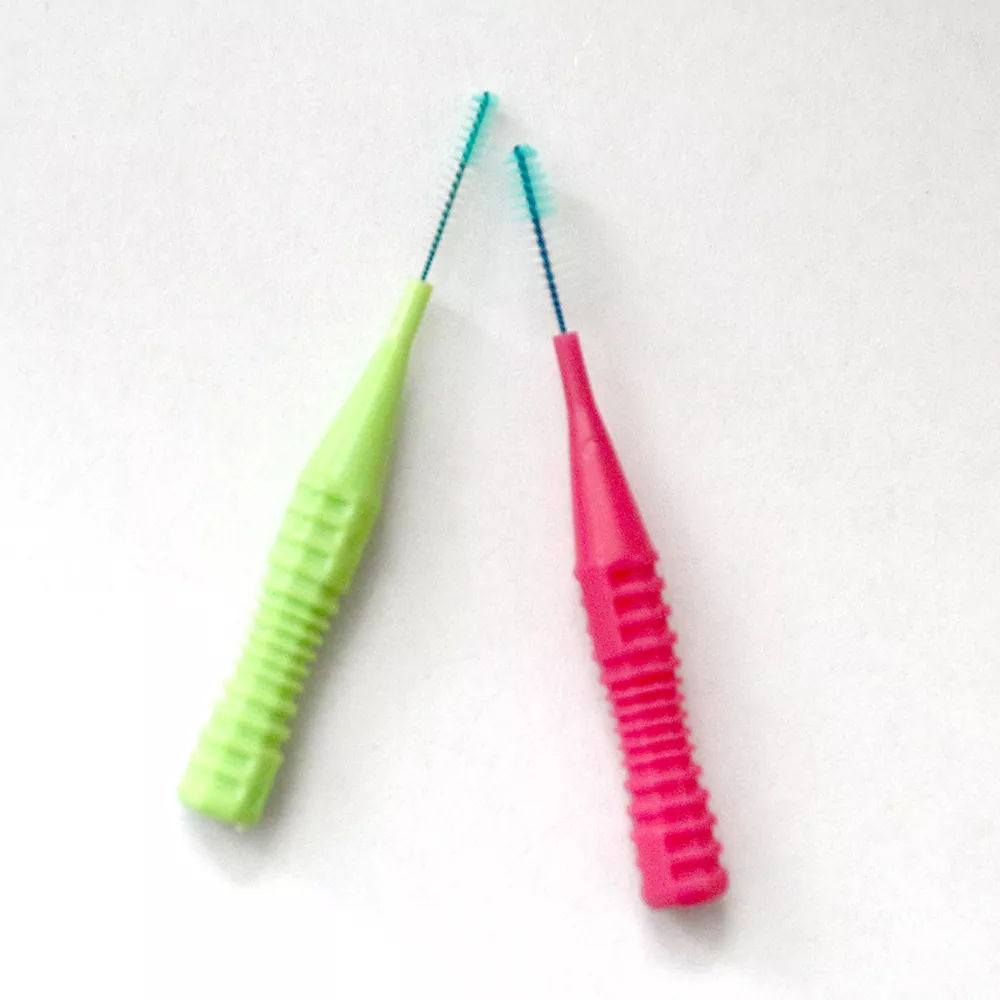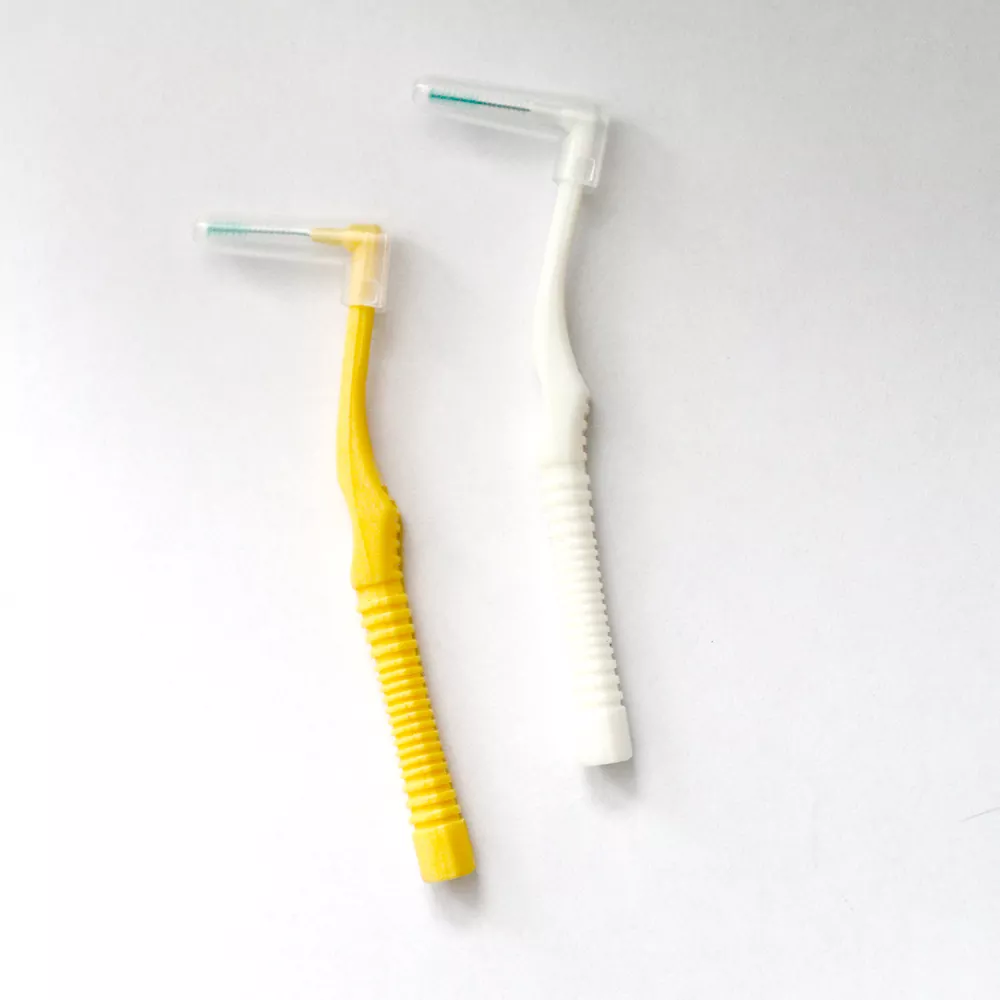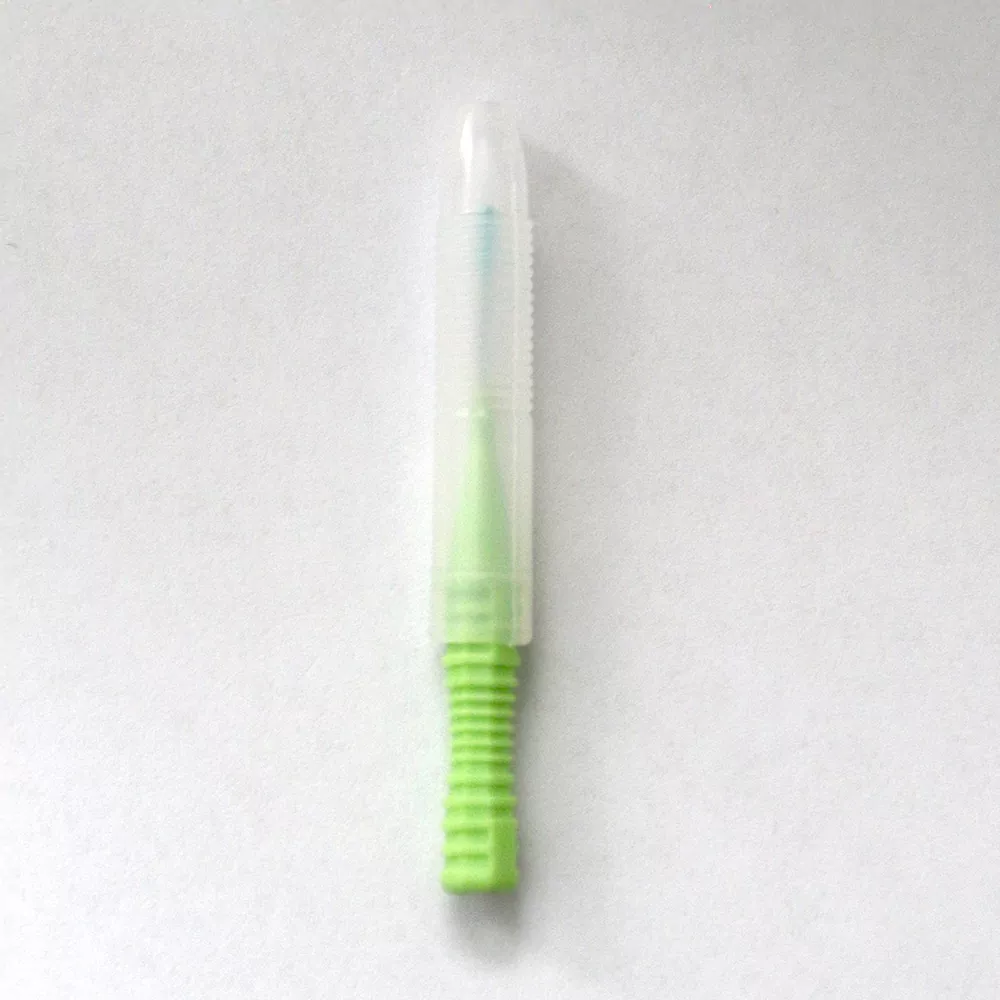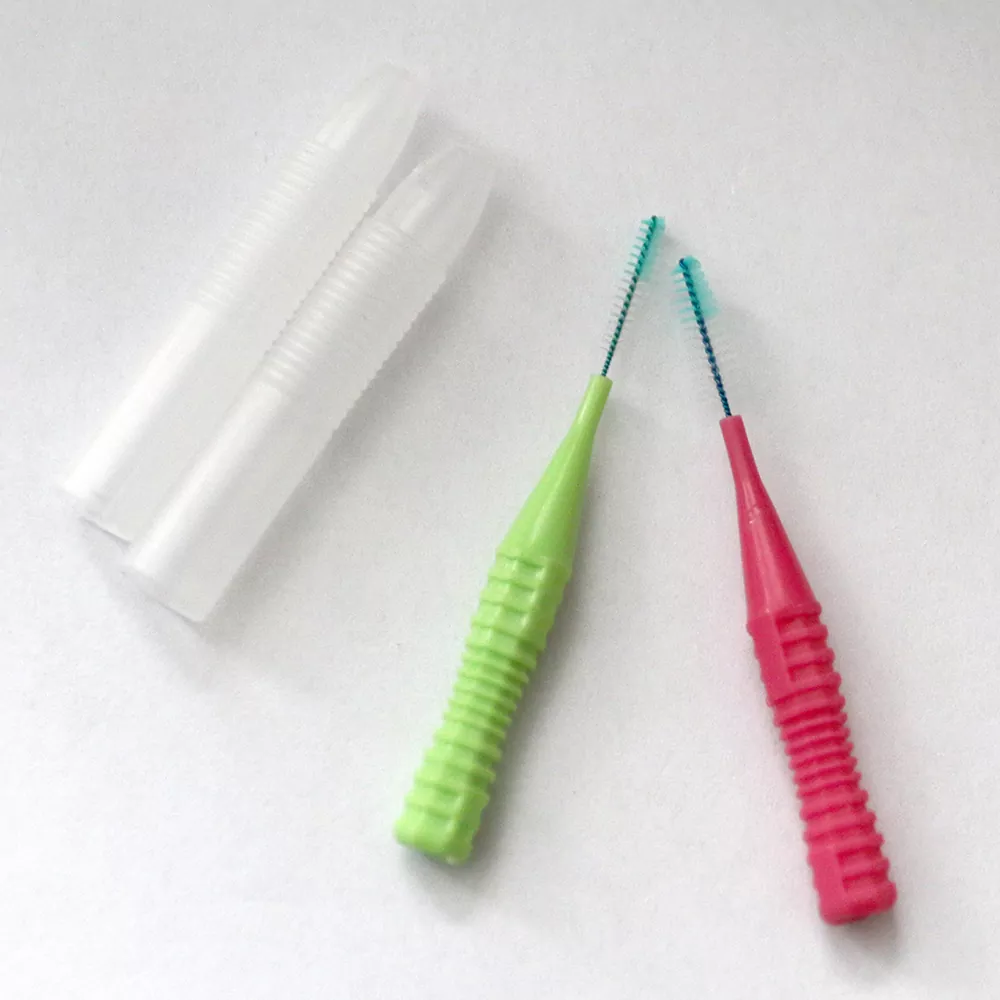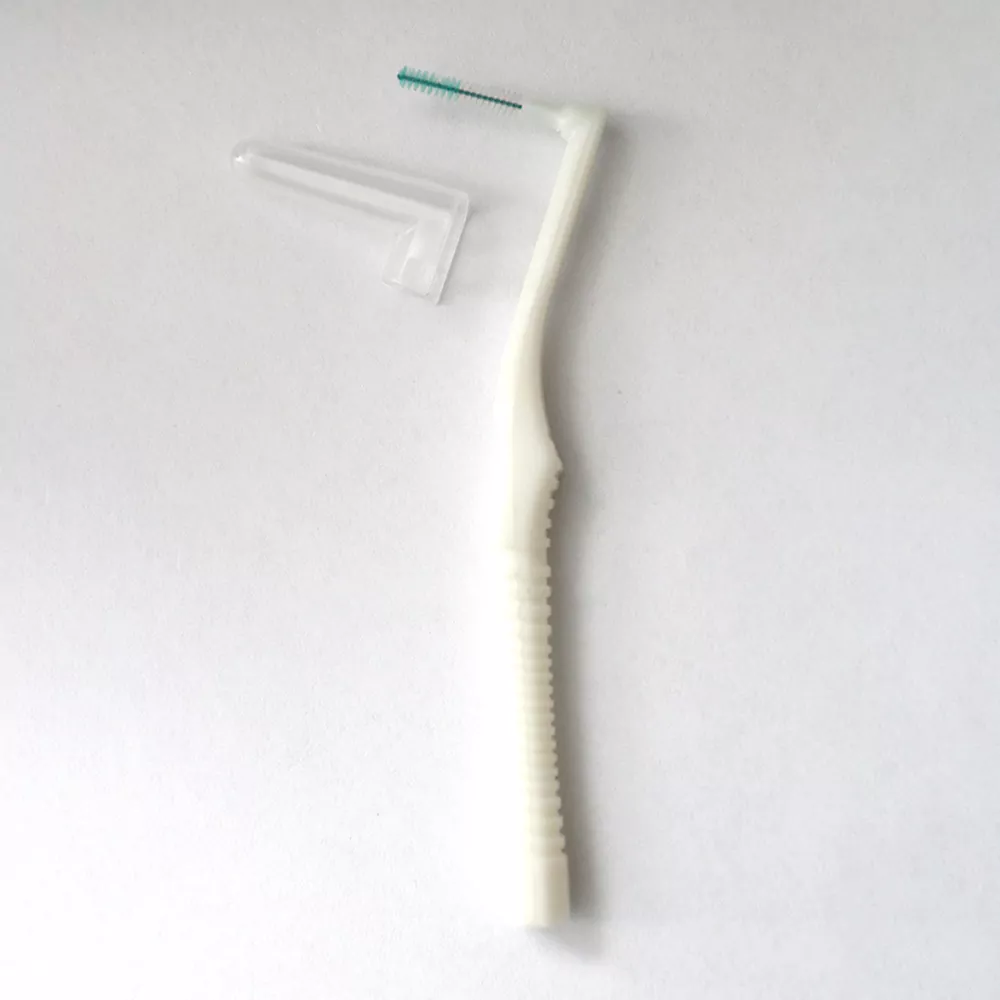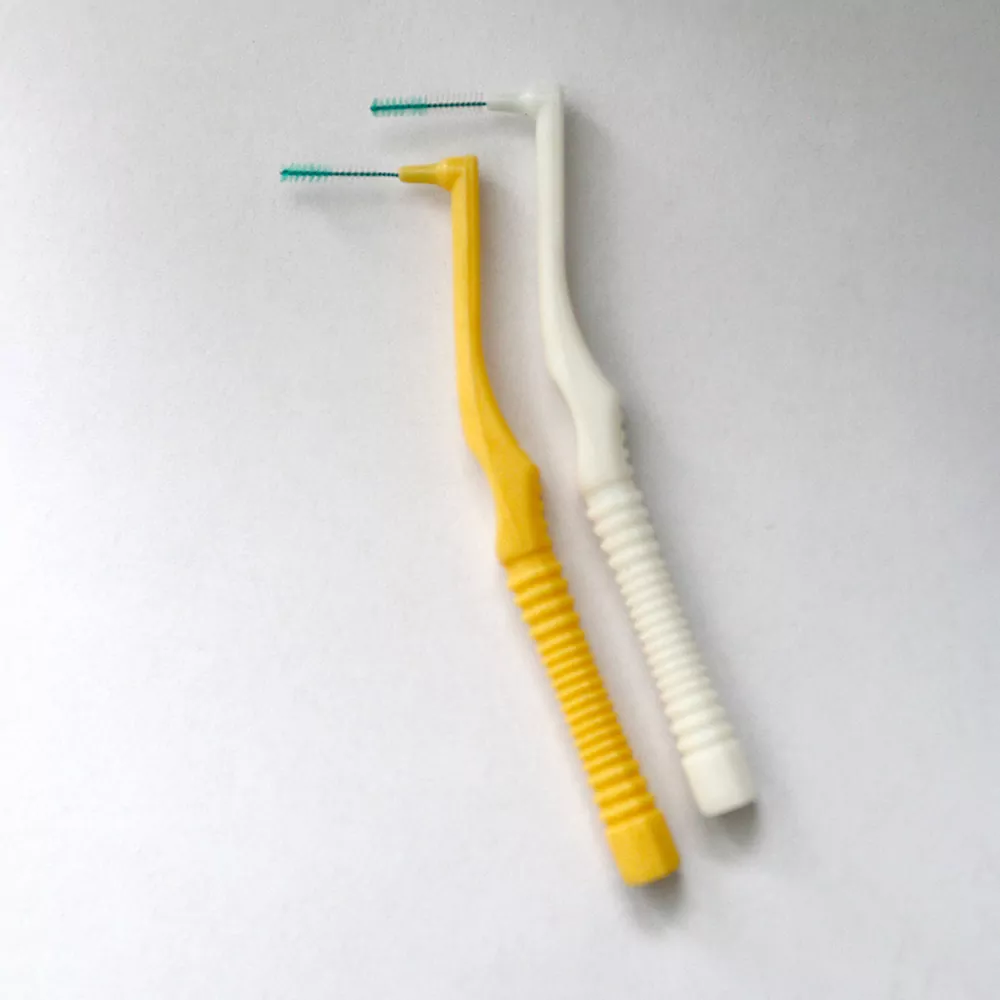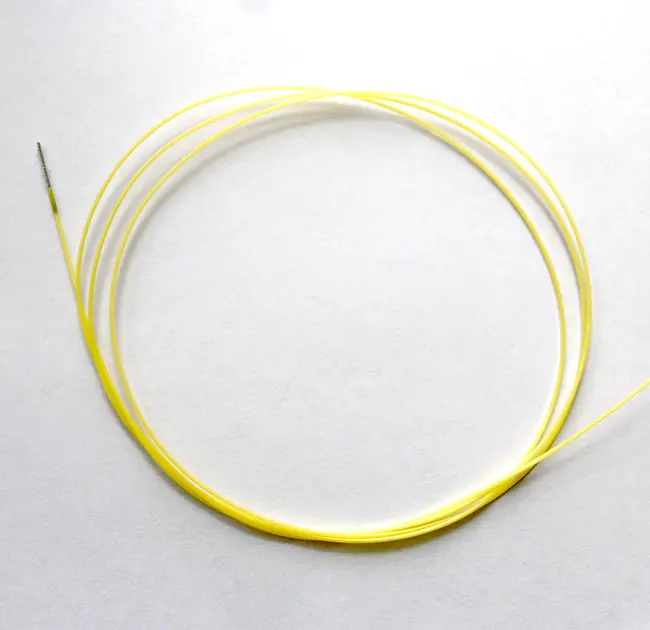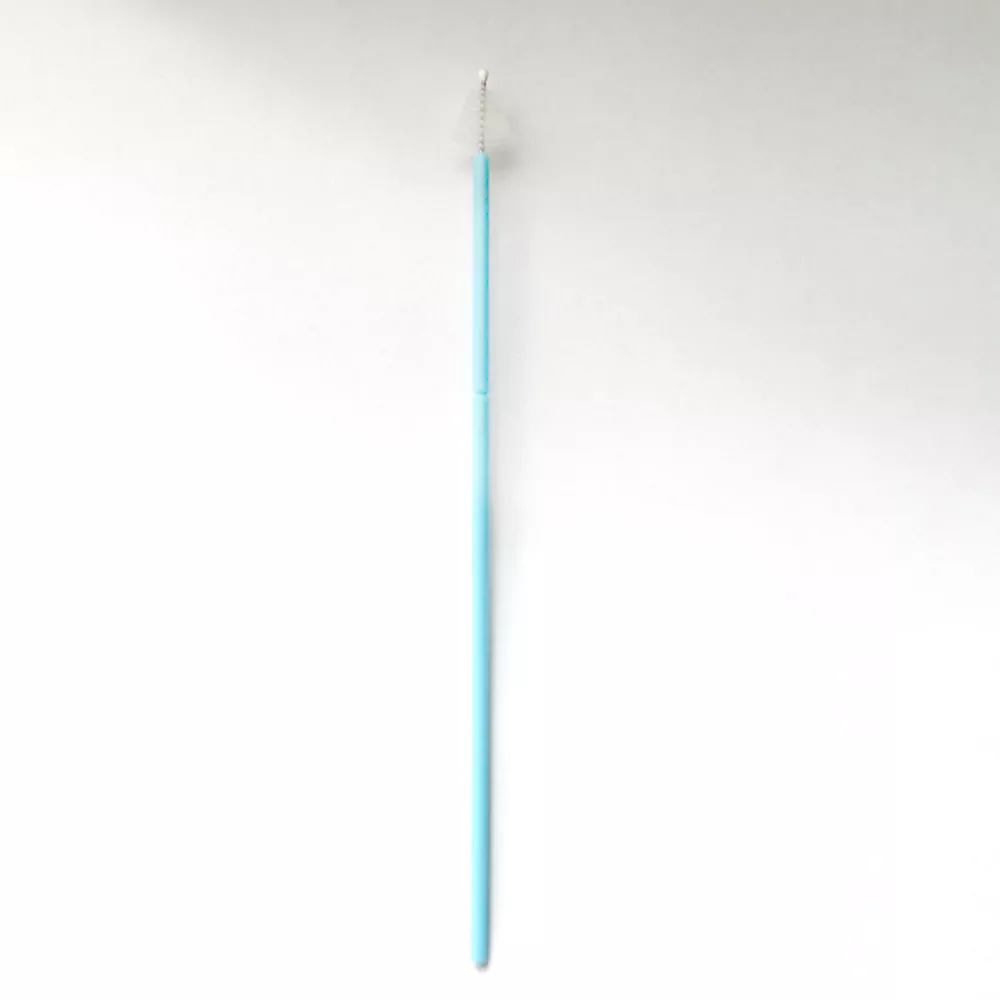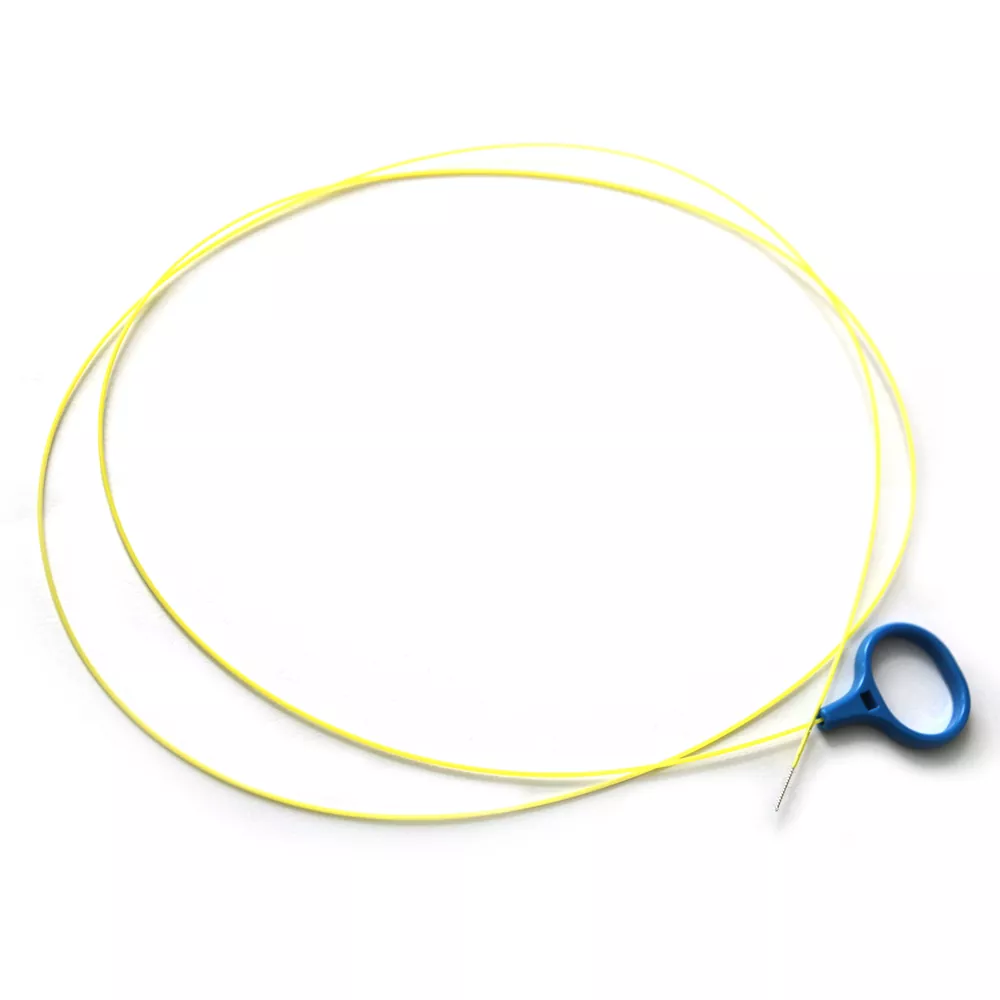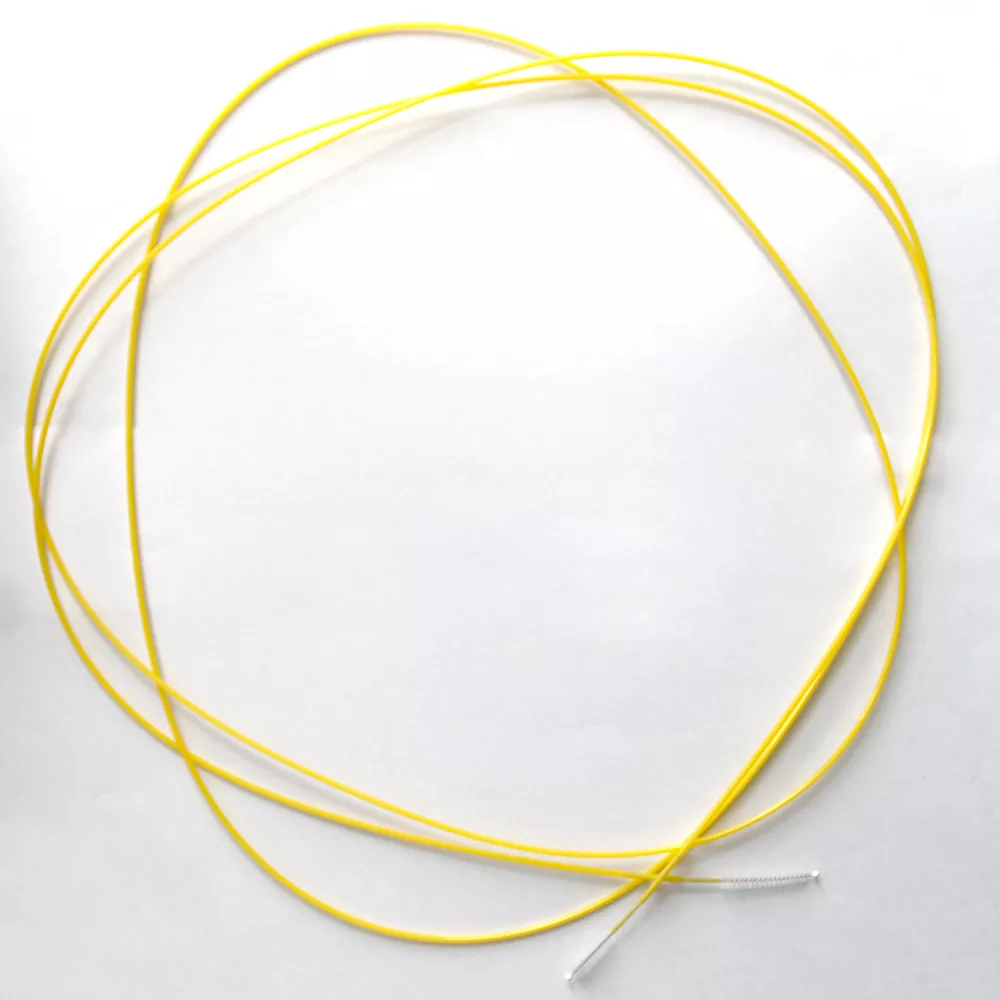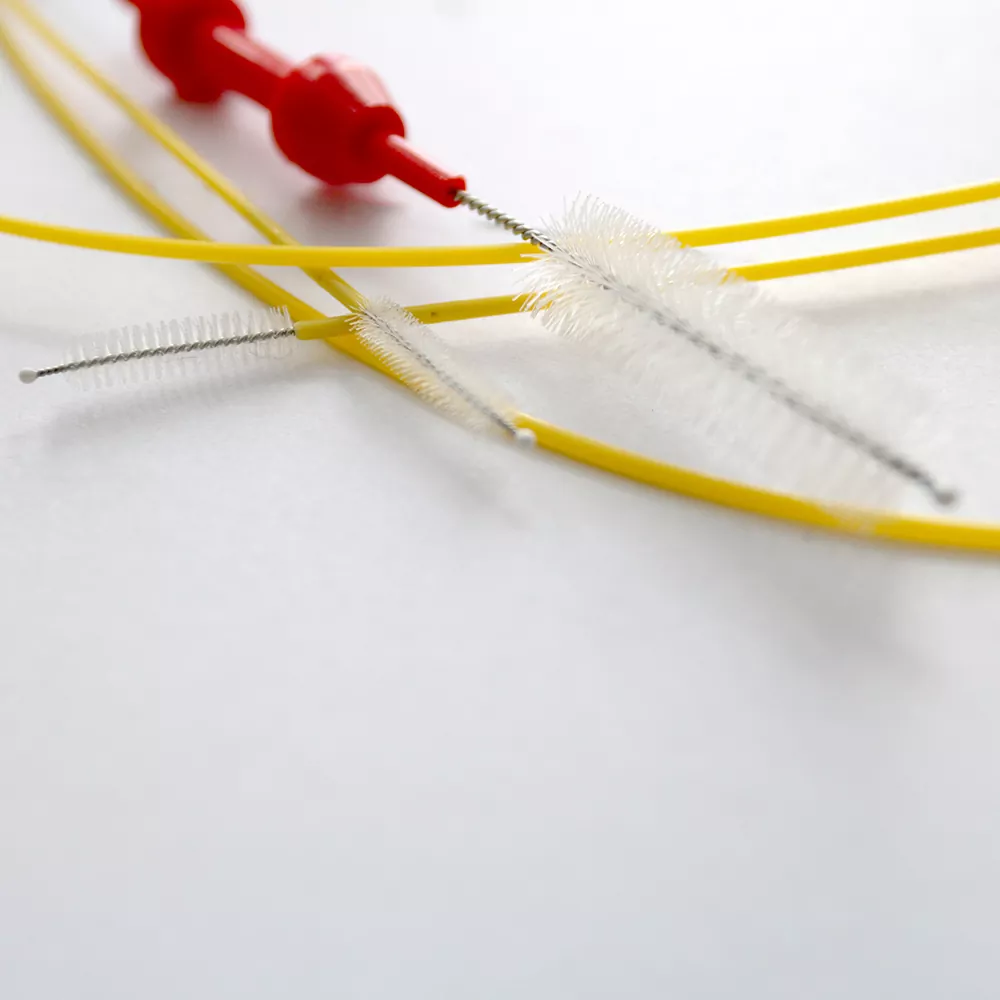
LucentMed is a manufacturer and supplier of high-quality teeth cleaning brushes. The company holds authoritative international certifications, including ISO 13485, ISO 9001, and CE, and can provide testing documentation to meet market requirements. These brushes enable efficient, precise, and targeted cleaning, making them suitable for clinical oral care, orthodontic care, dental implant maintenance, and daily deep cleaning.
LucentMed is the original manufacturer of interdental brushes, offering one-stop OEM customization services and a range of specifications; every product is manufactured in a GMP-standard cleanroom.
Featuring highly elastic bristles and a slim brush head design, our interdental brushes reach deep into the gaps between teeth for thorough cleaning without damaging the gums, ensuring superior cleaning coverage.
What Problems Does the Teeth Cleaning Brush Solve?
Problem 1: Toothbrushes cannot clean hard-to-reach gaps between teeth.
The Issue: Standard toothbrush heads are too large; they only clean tooth surfaces and cannot penetrate deep into the gaps between teeth.
Solution: The Teeth Cleaning Brush features a slim brush head and high-density bristles, allowing for precise access to interdental spaces.
Problem 2: Difficulty cleaning around orthodontic appliances.
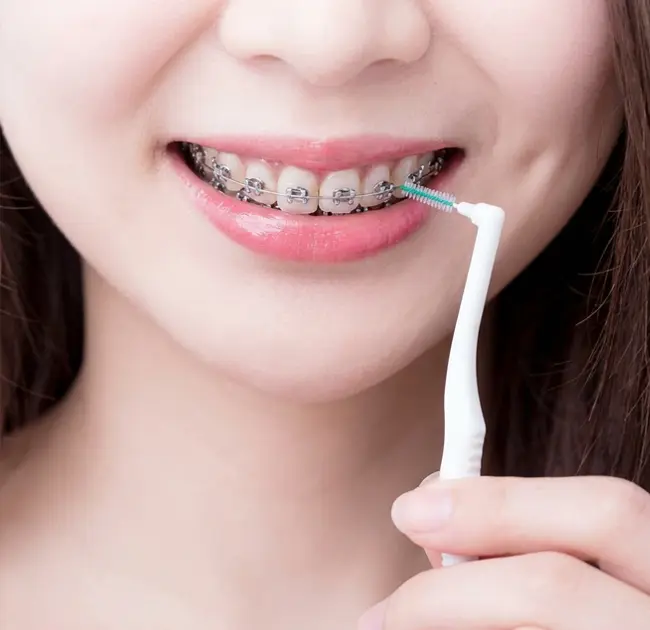
The Issue: People wearing braces have complex dental structures where food easily gets trapped between brackets and wires; standard toothbrushes cannot thoroughly clean these tight spaces.
Solution: The interdental brush can flexibly navigate complex areas, improving the efficiency and comfort of orthodontic care.
Problem 3: Plaque accumulation along the gumline.
The Issue: The gumline is a prime area for plaque buildup, yet standard brushing often fails to cover it completely.
Solution: Designed with soft, fine bristles, the brush contours to the gumline for precise, targeted cleaning, gently removing plaque.
Problem 4: Inadequate cleaning of dental implants and restorations.
The Issue: Restorations such as implants, crowns, and bridges involve complex structures; standard tools can easily damage these restorations, potentially compromising their long-term durability.
Solution: The Teeth Cleaning Brush offers soft bristles and controllable brushing pressure, ensuring effective cleaning without damaging crowns or implant structures.
Product Specifications
Item
Specifications
Bristle Material
Medical-grade nylon filament
Handle Material
Medical-grade, eco-friendly PP/ABS plastic
Brush Head Design
Tapered / Cylindrical
Brush Head Diameter
0.4mm / 0.5mm / 0.6mm / Customizable
Brush Head Length
3mm – 8mm (Customizable)
Total Length
60mm – 180mm (Customizable)
Packaging
Individually wrapped
Quality System
ISO13485 Medical Device Quality Management System
Factory Certification
ISO9001 / CE Certified
OEM/ODM
Custom branding and OEM services available
Custom Logo
Logo printing on product and packaging available
Custom Color
Handle color customizable to brand requirements
Bristle Stiffness
Soft / Medium-soft / Customizable firmness
Recommended Order of Product Use
Step 1: Toothbrush
Action: Use with fluoride toothpaste and the Bass Method to brush for at least 2 minutes.
Purpose: To primarily remove about 60% of the plaque and soft debris from tooth surfaces (buccal, lingual, and occlusal sides).
Step 2: Traditional Dental Floss
Action: Pull out a length of floss and gently slide it into tight gaps inaccessible to interdental brushes; curve it into a "C" shape against the side of the tooth and move it up and down.
Purpose: To remove hidden plaque at the contact points where teeth touch.
Step 3: Interdental Brush
Action: Moisten with water and use a horizontal back-and-forth motion to clean around orthodontic brackets, beneath archwires, in "black triangles" caused by gum recession, and under dentures.
Purpose: To clean hard-to-reach areas that toothbrushes and floss cannot access.
Note: Must be used after brushing. Toothpaste foam softens debris in the gaps, allowing the interdental brush to more efficiently remove deep-seated dirt.
Step 4: Water Flosser (Optional)
Action: Move the nozzle along the gumline and the edges of orthodontic appliances, using the pulsed water stream for a final rinse.
Purpose: To flush away tiny debris loosened by mechanical cleaning in the previous steps but not yet expelled, and to relieve gum pressure.
Step 5: Mouthwash
Action: Swish for about 30 seconds and spit out; avoid rinsing with water or eating for half an hour afterward.
Purpose: With physical plaque deposits already disrupted, the active ingredients in the mouthwash can penetrate deep into the gaps to provide long-lasting chemical antibacterial protection.
FAQ
Q1: Do LucentMed products meet medical export standards?
A: Yes, they comply with international medical standards. We have obtained ISO 13485 (medical device quality management systems), ISO 9001 (quality management systems), and CE certification; furthermore, all products are manufactured in cleanrooms that meet GMP standards.
Q2: How often should the Teeth Cleaning Brush be used?
A: Usage frequency depends on the specific scenario:
General users: 1–2 times daily (after brushing teeth)
Braces wearers: After every tooth-brushing session
Dental implant patients: 1–2 times daily for long-term maintenance
Medical institutions: Use according to established care protocols
Q3: Are the bristles of LucentMed's interdental brushes made of natural or synthetic materials?
A: We use medical-grade synthetic nylon. Every batch of bristles undergoes microbial testing to ensure hygiene and safety.
Q4: Will the wire core of the product rust?
A: No, it will not rust. The wire core used in LucentMed interdental brushes is made of medical-grade 304 stainless steel, which possesses excellent corrosion resistance.
Hot Tags: Teeth Cleaning Brush, Interdental Brush, Dental Cleaning Brush
We use cookies to offer you a better browsing experience, analyze site traffic and personalize content. By using this site, you agree to our use of cookies.Privacy Policy