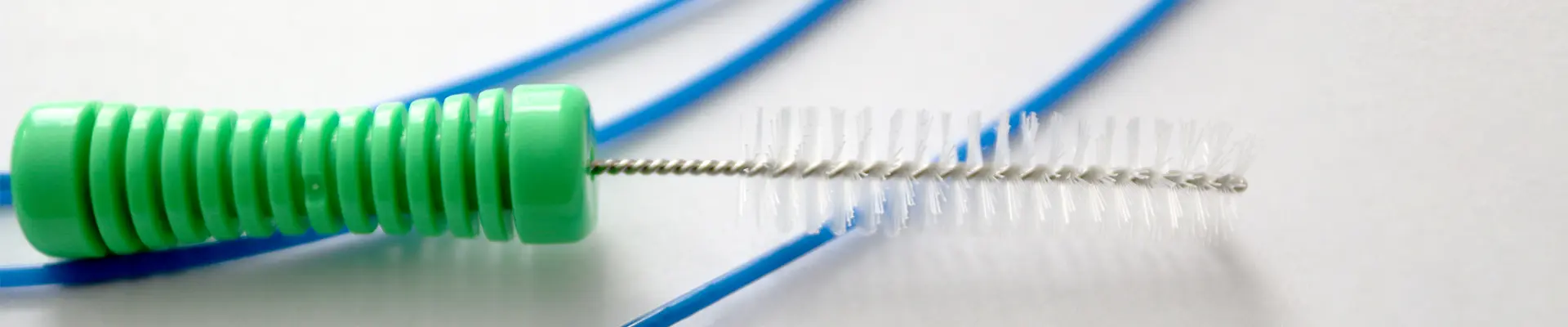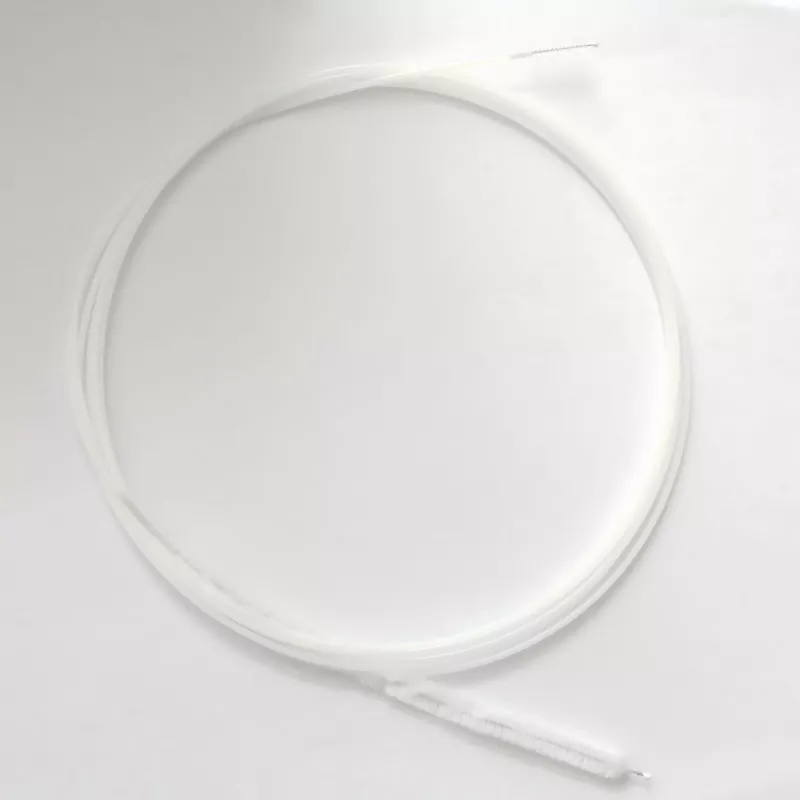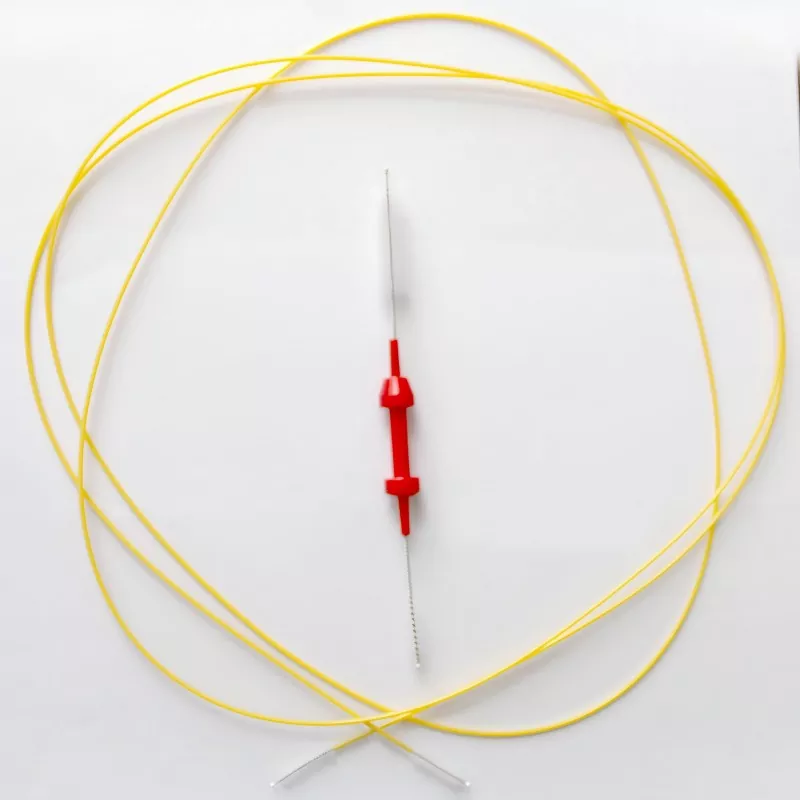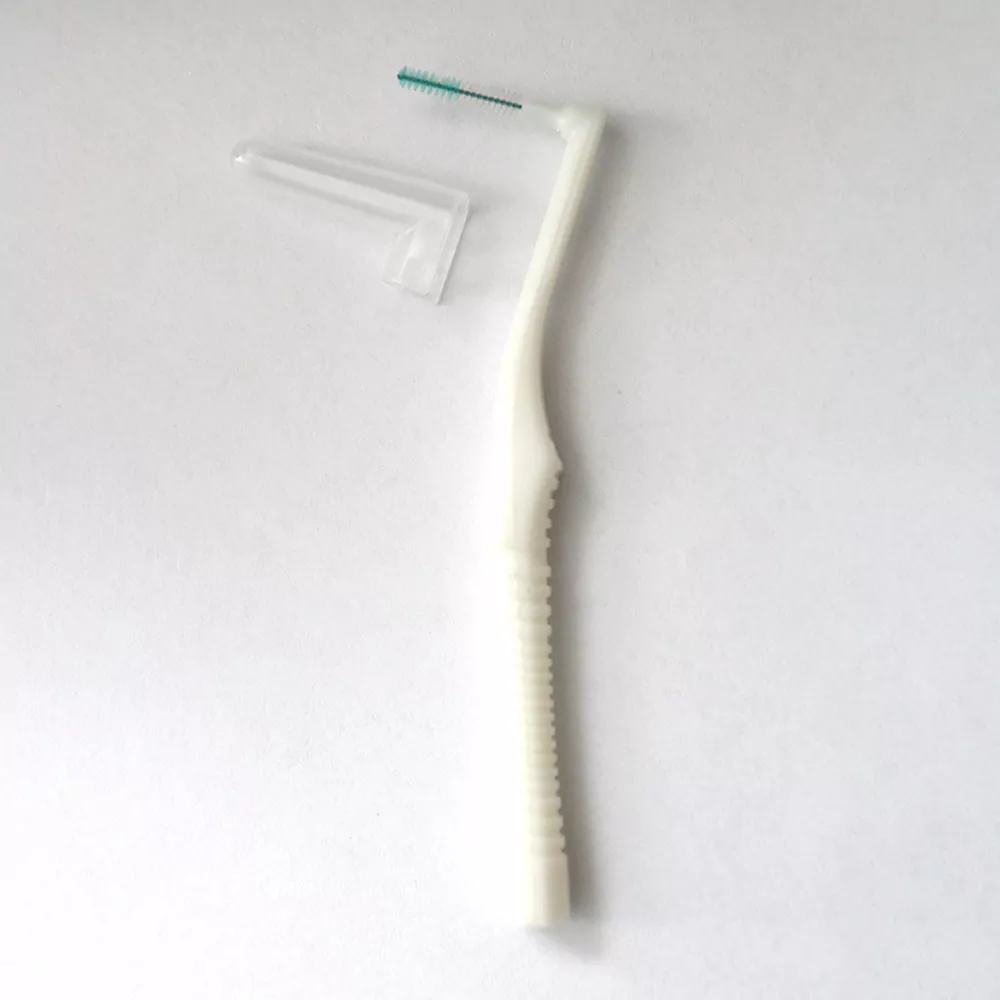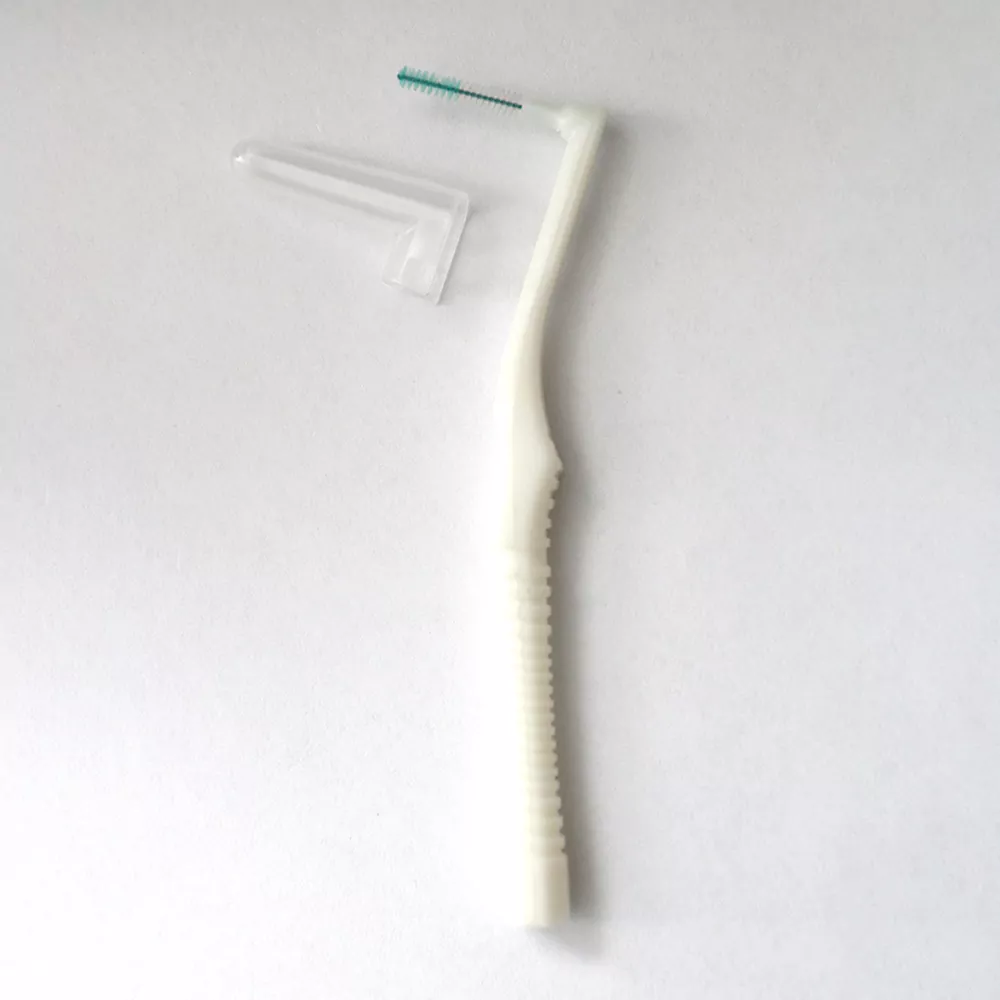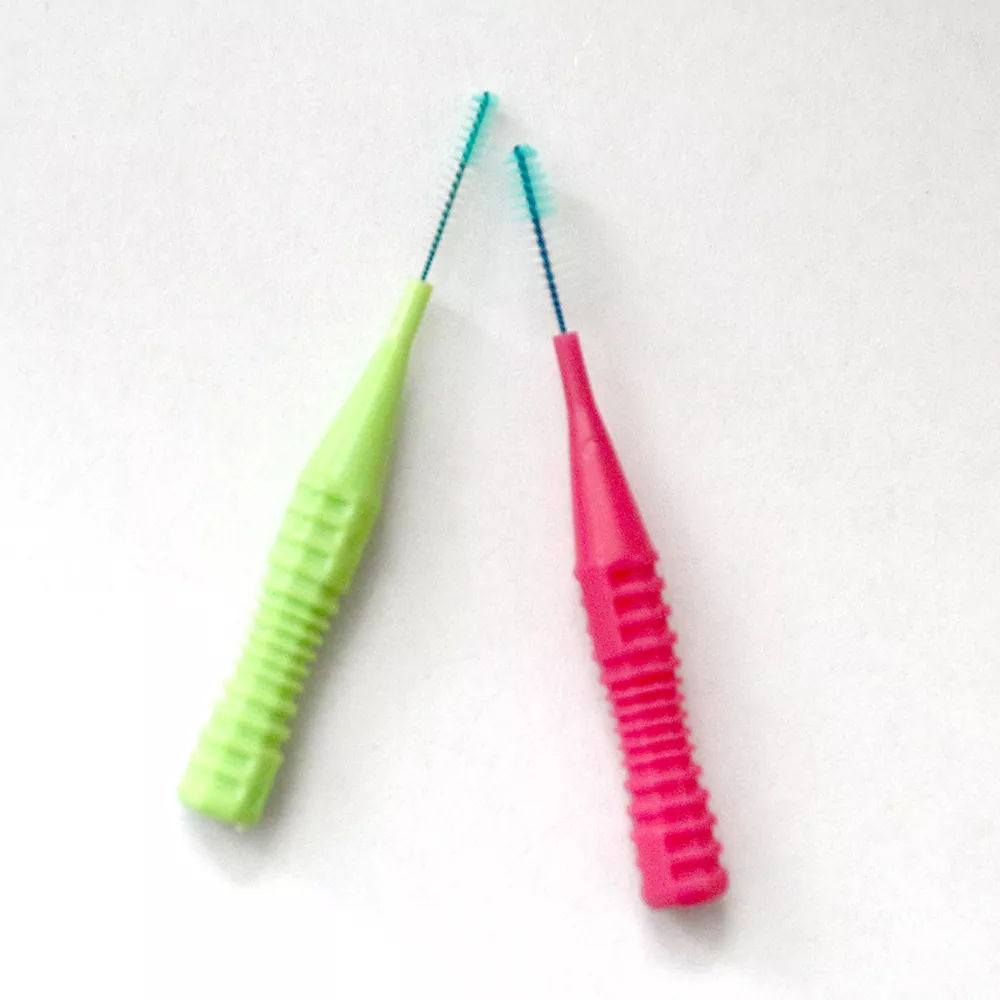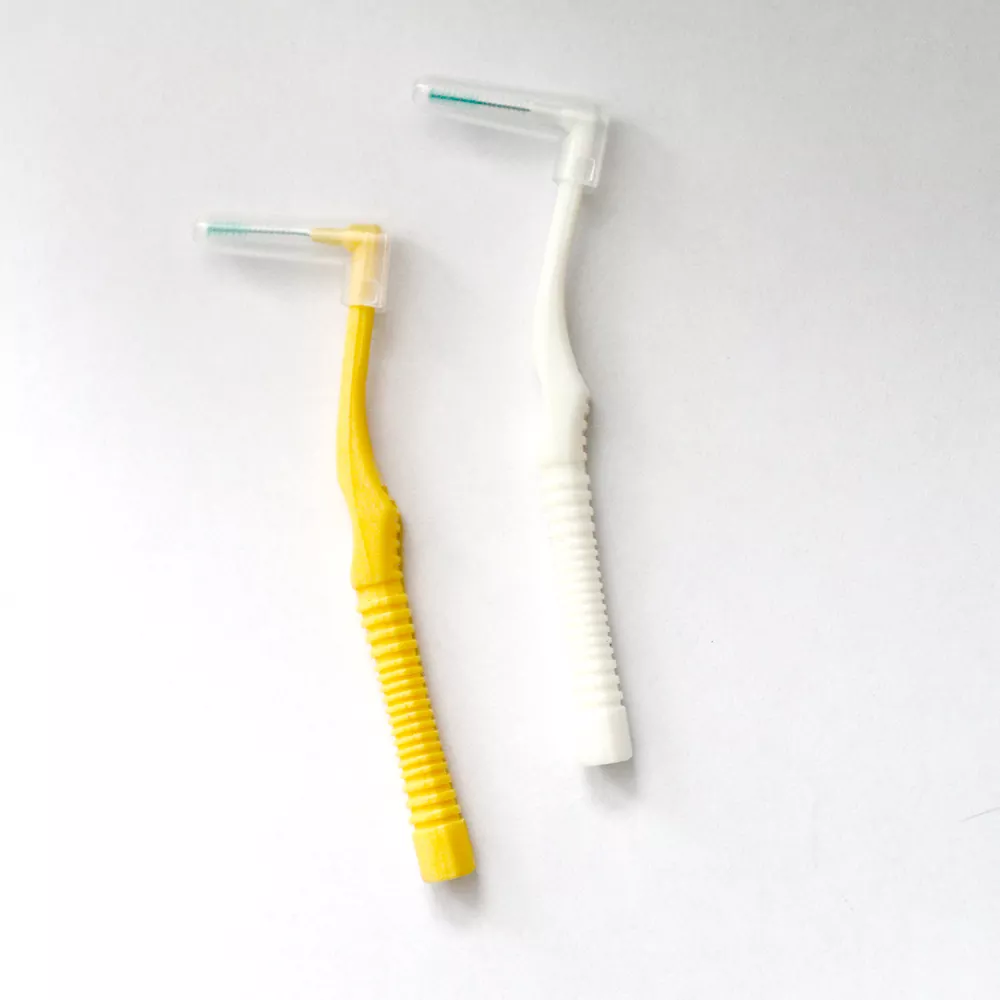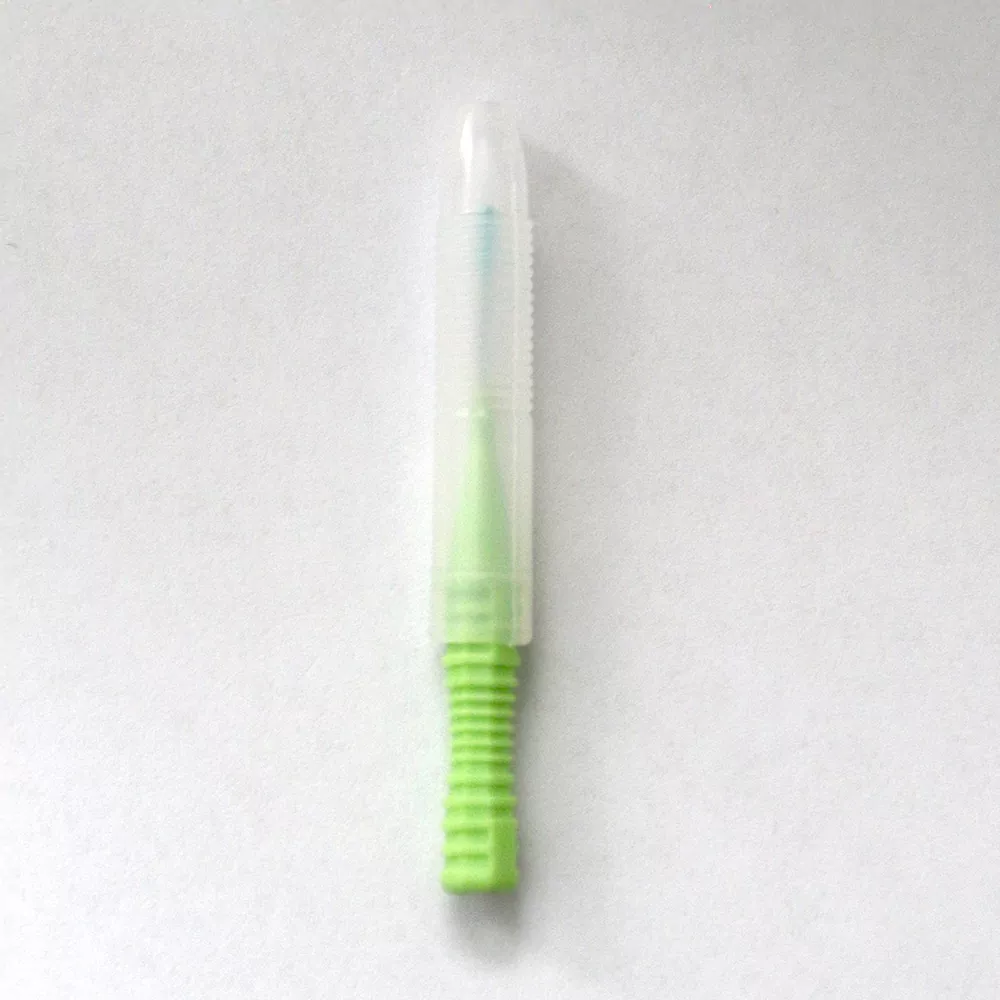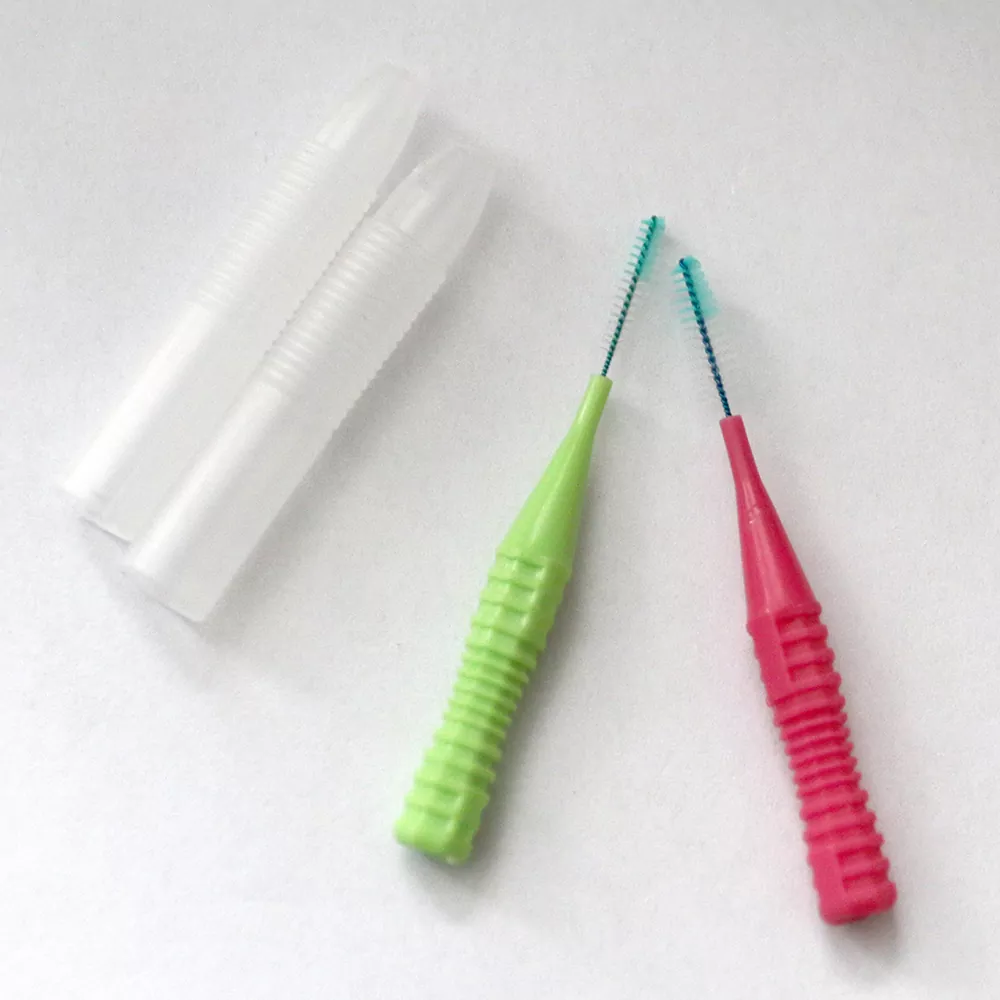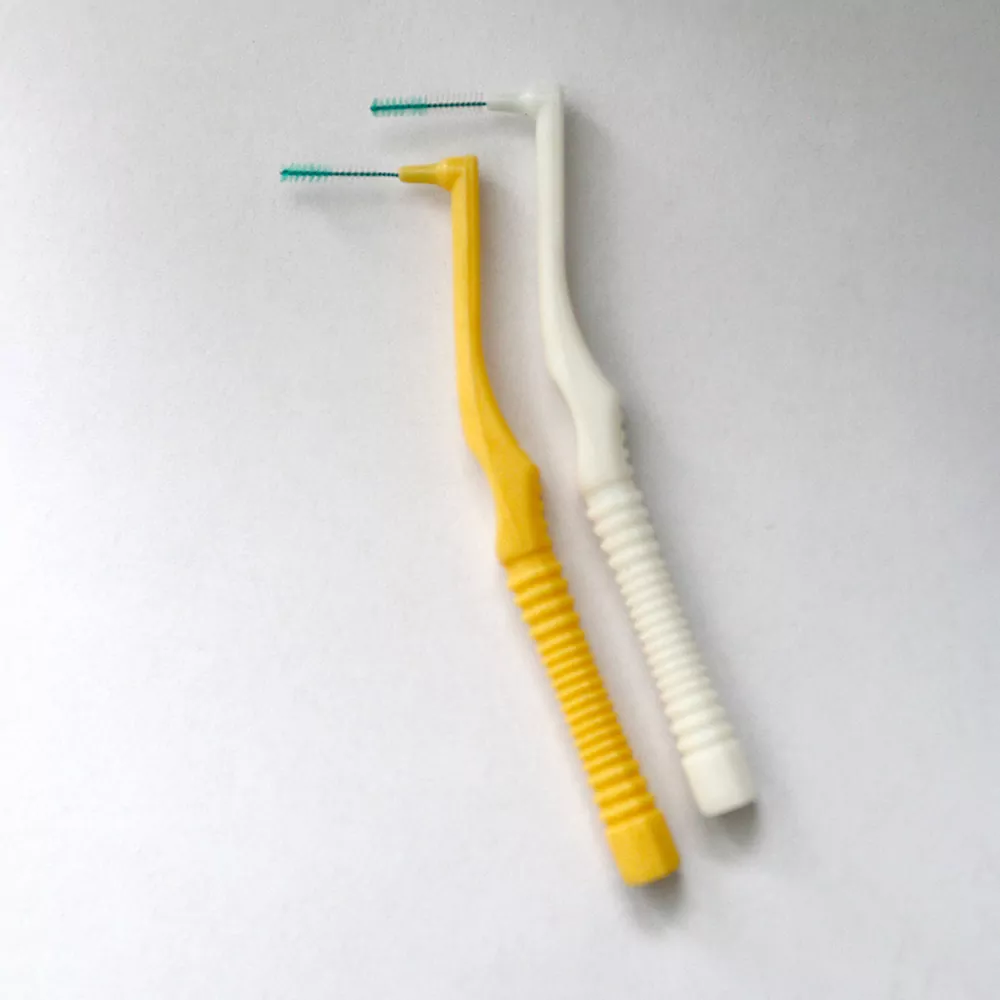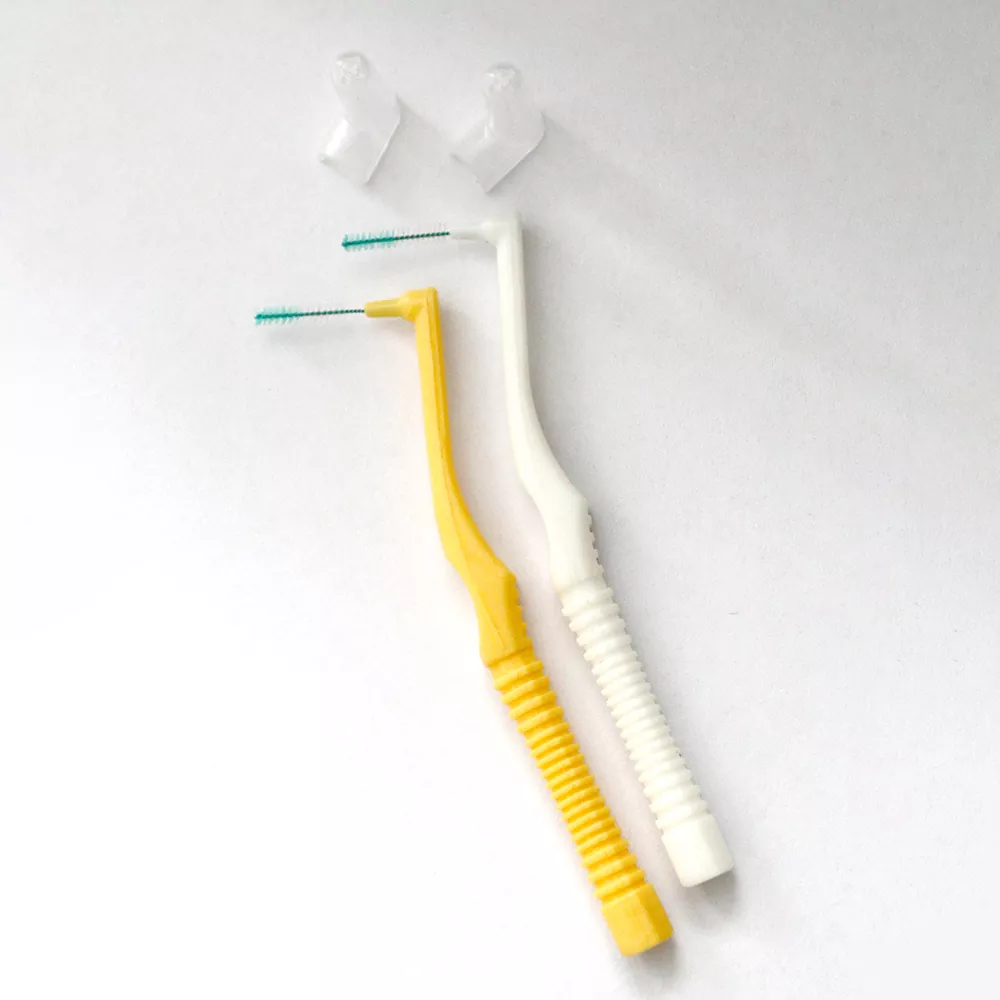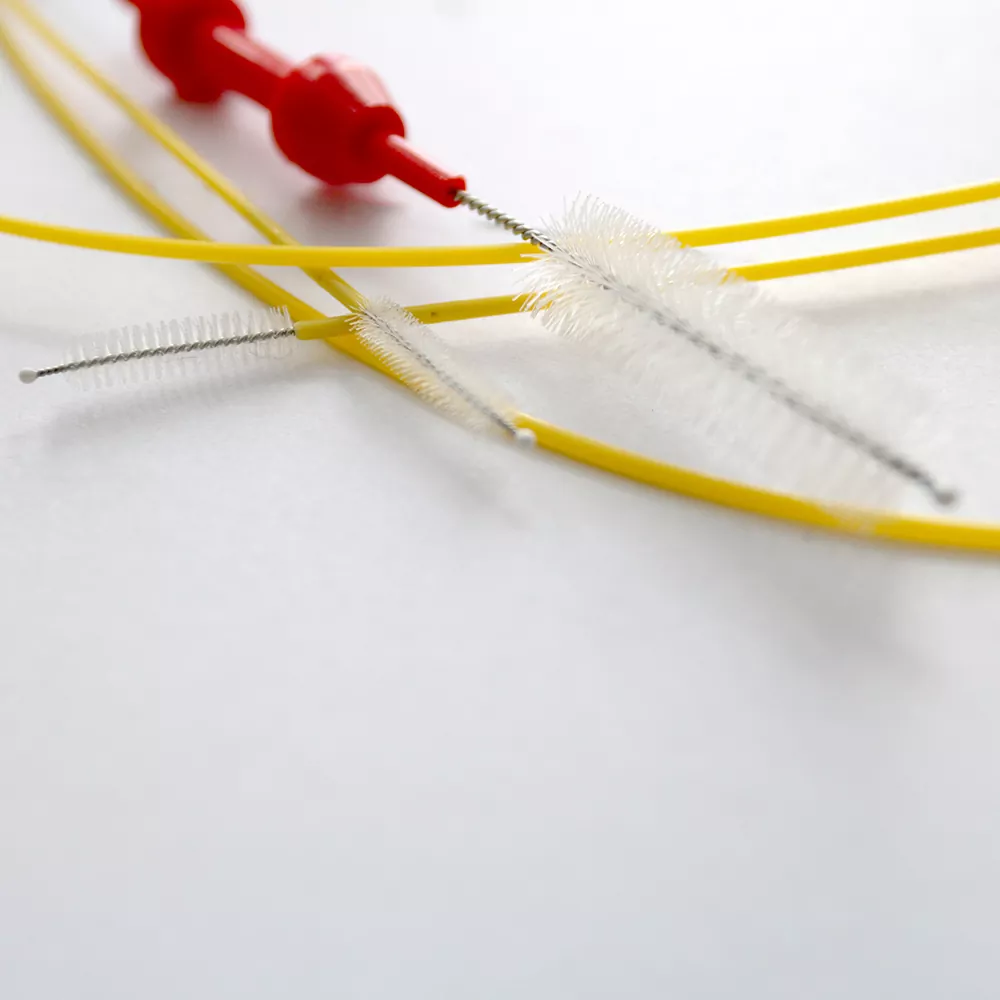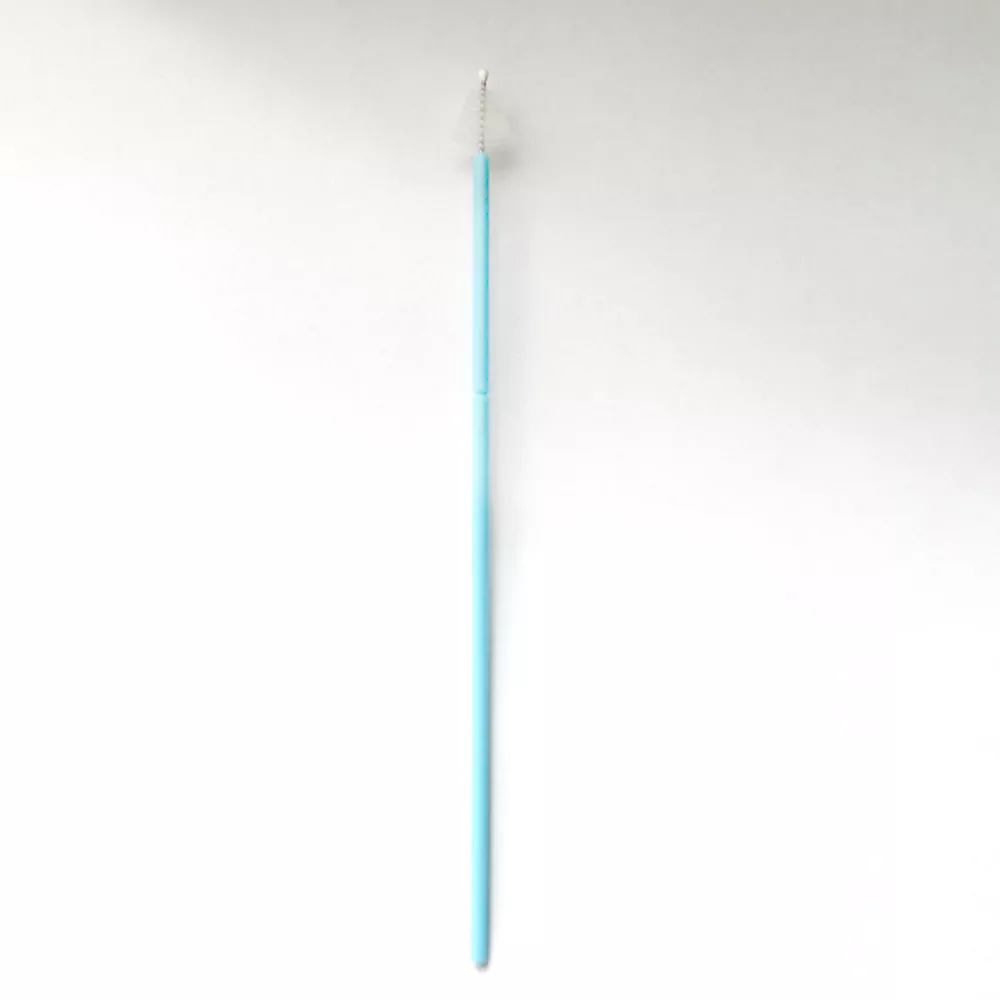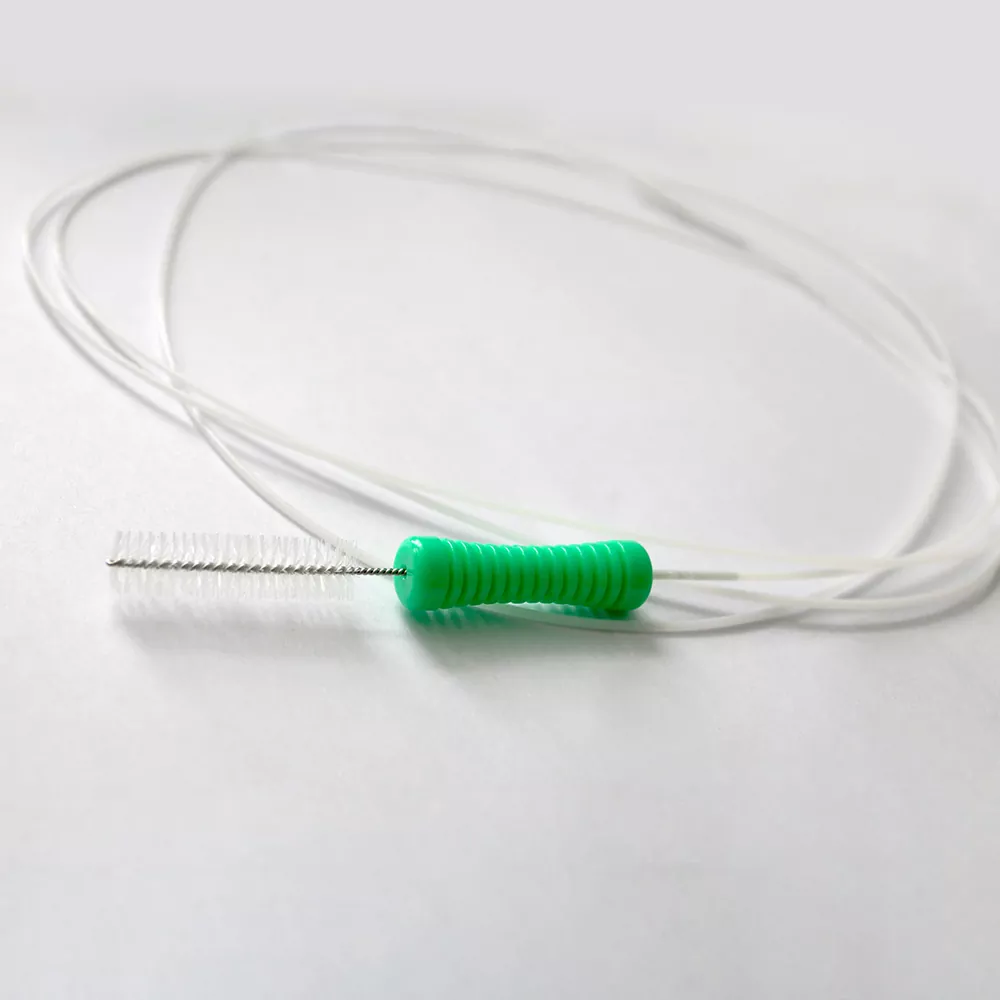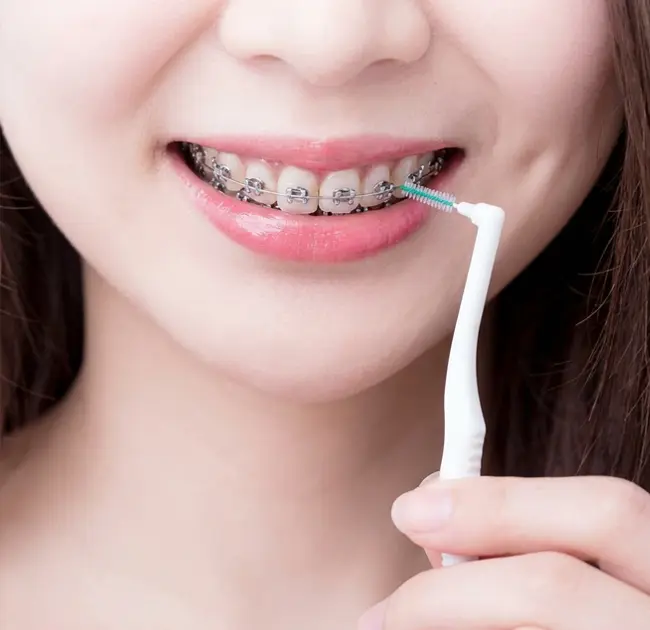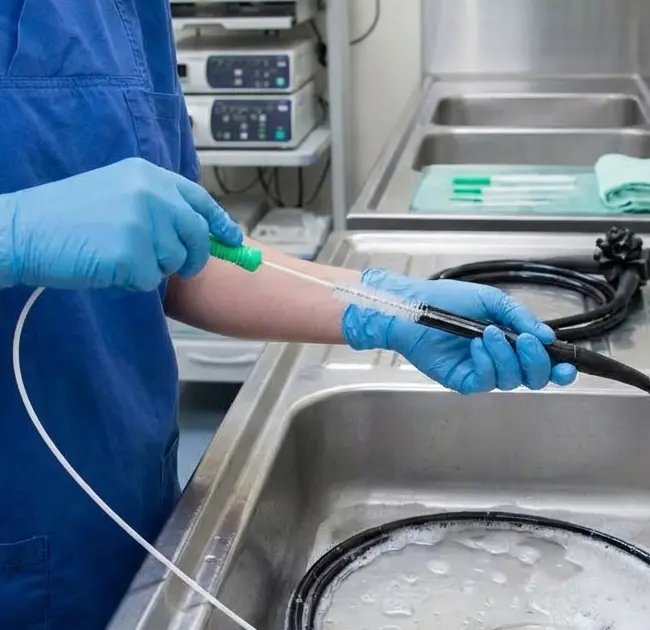
Looking for a high-quality interdental brush for braces? LucentMed is a reliable manufacturer and supplier operating a modern, 7,800-square-meter cleanroom that meets GMP standards, ensuring medical-grade safety and hygiene. Our products effectively remove plaque from tooth enamel and the edges of brackets, helping to reduce the incidence of interproximal cavities and gingivitis.
LucentMed offers Interdental Brush for Braces to global customers, featuring medical-grade standards and user-friendly designs, with support for OEM customization. Made from soft, comfortable materials, these brushes are safe to use and will not harm teeth or gums.
Why Must People with Braces Use Interdental Brushes?
1. Braces create hard-to-clean areas
Once fixed braces are fitted, the tooth surface is no longer smooth; instead, the structure becomes complex with multiple obstacles. A standard toothbrush can only clean the outer surfaces and cannot reach into the intricate parts of the appliance.
Interdental brushes are necessary to ensure better dental protection.
2. Food debris gets trapped and lingers longer
Food particles—such as breadcrumbs, meat fibers, rice grains, and vegetable scraps—easily get caught in the braces. Interdental brushes remove this debris more efficiently, preventing the area from becoming a breeding ground for bacteria.
3. Plaque accumulates more rapidly
Cleaning is more difficult during orthodontic treatment, leading to faster plaque buildup. Relying solely on a standard toothbrush results in uneven cleaning, which increases the risk of cavities, gingivitis, and other issues.
4. Better suited for braces than dental floss
Dental floss has limitations for those with braces; it can easily snag on the archwire and makes it difficult to quickly clean multiple tooth spaces.
Interdental brushes can be inserted directly for use; they are faster to operate and better suited for frequent daily use.
Product Specifications
Item
Specifications
Bristle material
Medical-grade ultra-fine soft nylon bristles
Bristle diameter
0.08–0.12 mm
Brush head specifications
ISO sizes: 0.6 mm / 0.7 mm / 0.8 mm / 1.0 mm / 1.2 mm / 1.5 mm
Handle material
Eco-friendly PP material with non-slip texture
Brush head shape
Tapered / Cylindrical
Packaging type
Individually packaged
Target audience
Suitable for daily cleaning, orthodontic care, and periodontal care
Product features
Soft bristles gentle on gums; deep cleaning; resistant to deformation
Target Users
1. Fixed braces wearers: Includes users of metal brackets, ceramic brackets, and self-ligating brackets.
2. Patients undergoing orthodontic treatment: Suitable for use throughout the entire treatment period; however, it is recommended to switch sizes as the gaps between teeth change.
3. Orthodontic retainer wearers: Suitable for users of both fixed and removable retainers.
4. Individuals with tight interdental spaces but complex tooth structures: Suitable even for those not wearing braces if they have crowded, overlapping, or misaligned teeth.
5. Individuals with gingivitis or early-stage periodontal issues: Requires enhanced cleaning due to gum problems.
6. Daily users with a strong focus on oral care: Provides a third layer of cleaning beyond just toothbrushing and flossing.
7. Not suitable for:
● Individuals with extremely tight or non-existent interdental spaces: Exercise caution and select the smallest size if necessary.
● Individuals with untreated, severe gum infections: Consult a medical professional first.
● Young children unable to use the tool correctly: Adult supervision required.
Usage Frequency Guide
Usage Scenarios / Target Users
Recommended Frequency
Recommended usage times
Instructions
Daily basic care for brace wearers
Once daily
After brushing teeth at night
Minimum standard; must be followed
Standard orthodontic care
Twice daily
After breakfast + at night
Balances cleaning effectiveness with comfort
Users requiring high-level cleaning
2–3 times daily
After meals + before bed
Recommended for those prone to food impaction or with sensitive gums
Immediate post-meal cleaning
Once after each meal
5–10 minutes after meals
Prevents food debris and plaque buildup
Early-stage orthodontics (1–3 months)
2–3 times daily
After meals + at night
Rapid tooth movement makes cleaning challenging
Mid-stage orthodontics (stabilization phase)
1–2 times daily
After breakfast or at night
Cleaning routine gradually stabilizes
Late-stage orthodontics (fine-tuning)
Once daily
At night
Focuses on maintenance
Users with sensitive gums or mild bleeding
At least once daily
Starting at night
Frequency can be increased after adapting
Users focused on oral health maintenance
Once daily
At night
Serves as a supplement to dental floss and toothbrushes
FAQ
Q1: Can Interdental Brush for Braces replaces toothbrush or dental floss?
A: No, they cannot replace them; they serve only as a supplementary tool.
Toothbrush: Cleans tooth surfaces.
Dental floss: Cleans tight gaps between teeth.
Interdental brush: Cleans around braces hardware, larger gaps, and hard-to-reach areas.
Q2: Will using an interdental brush damage my braces?
A: No. When used correctly, it will not affect the brackets or damage the wires, nor will it compromise the orthodontic results.
However, avoid using excessive force; forcing the brush in could cause it to get stuck. Also, avoid using a size that is too large for the gap.
Q3: Why does my gum bleed when using an interdental brush?
A: Mild bleeding is common during the initial stage. It may be due to existing gum inflammation caused by inadequate cleaning over a long period, making the gums sensitive to the initial use of the brush.
Be gentle, choose the appropriate size, and the condition usually improves after a few days of consistent use.
Hot Tags: Interdental Brush for Braces, Orthodontic Interdental Brush Manufacturer, Braces Interdental Brush Supplier
We use cookies to offer you a better browsing experience, analyze site traffic and personalize content. By using this site, you agree to our use of cookies.Privacy Policy