Follow Us:

News

How Can an Endoscope Suction Tube Brush Improve Cleaning Efficiency?

2026-09-01 0 Leave me a message

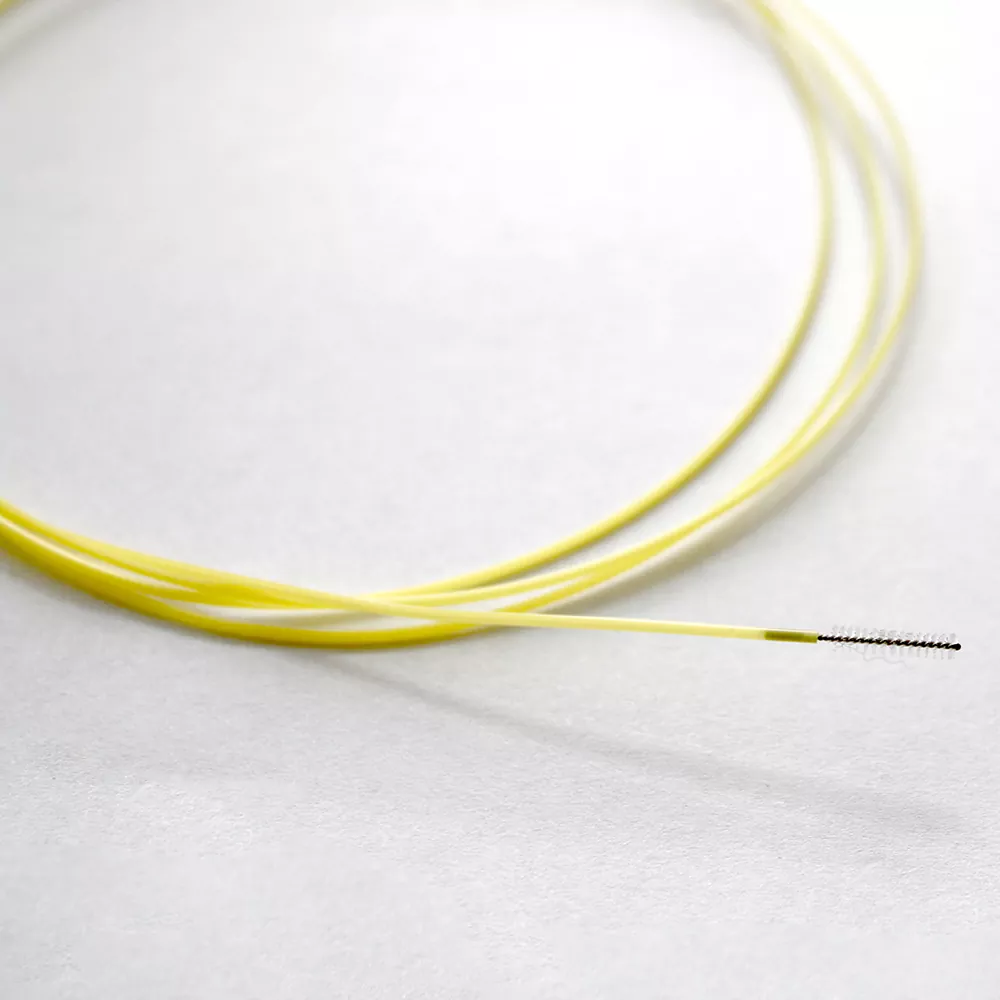
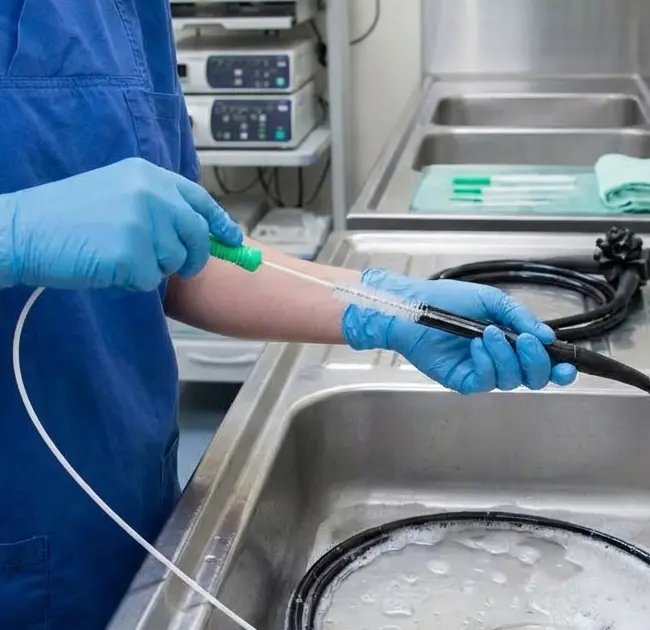
Endoscopes contain long, narrow and difficult-to-access channels that can retain biological material after a procedure. Simply flushing these channels may not always provide sufficient mechanical action, particularly when contaminants adhere to the internal surface. An Endoscope Suction Tube Brush provides controlled mechanical cleaning by allowing a brush to pass through the suction or working channel and contact areas that are difficult to reach.

Choosing the right brush involves more than looking at the brush diameter. Channel dimensions, brush length, bristle configuration, shaft flexibility, material compatibility, cleaning instructions and intended application all influence performance. This guide explains how suction tube brushes work, what characteristics matter during selection, how they can support consistent reprocessing, and what users should consider when establishing a practical cleaning workflow.

Endoscope Suction Tube Brush

Table of Contents

  1. Article Outline
  2. Why Endoscope Channels Are Difficult to Clean
  3. What Is an Endoscope Suction Tube Brush?
  4. Why Mechanical Brushing Matters
  5. Key Features of a Reliable Suction Tube Brush
  6. How to Select the Right Brush
  7. How to Use a Brush in an Endoscope Cleaning Workflow
  8. Common Cleaning Mistakes to Avoid
  9. Brush Selection Comparison Table
  10. Practical Benefits for Healthcare Facilities
  11. Frequently Asked Questions
  12. Contact Qingdao Lushua Medical Technology Co., Ltd.

Article Outline

01

Understand why internal endoscope channels create cleaning challenges.

02

Learn the role of an Endoscope Suction Tube Brush.

03

Identify the characteristics that affect cleaning performance.

04

Build a practical and repeatable brush-based cleaning process.

Why Endoscope Channels Are Difficult to Clean

Flexible endoscopes are sophisticated medical devices with internal passages designed for suction, irrigation, instruments and other functions. These channels may be long, narrow and curved. During a procedure, they can come into contact with mucus, blood, tissue fragments and other organic material.

The main challenge is accessibility. The outside surface of an endoscope can be visually inspected and wiped relatively easily, while the inside of a narrow channel cannot be cleaned effectively by surface wiping alone. Liquid flushing can help loosen and transport contaminants, but mechanical action is often an important part of manual cleaning.

Important: Reprocessing procedures should always follow the specific endoscope manufacturer's instructions, validated facility procedures and applicable medical-device reprocessing requirements.

A properly selected Endoscope Suction Tube Brush can address this accessibility problem by bringing bristles into direct contact with the internal channel surface. This helps create the mechanical action needed to dislodge material that may otherwise remain attached.

What Is an Endoscope Suction Tube Brush?

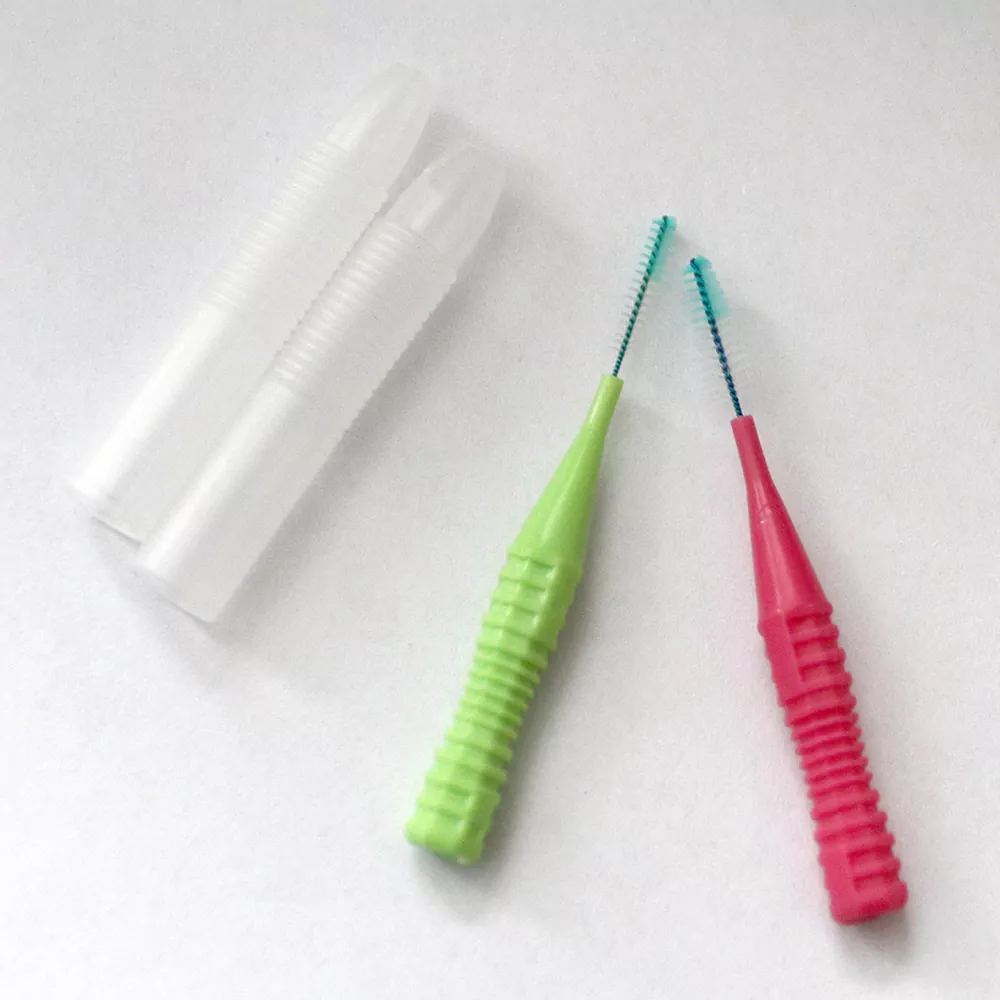
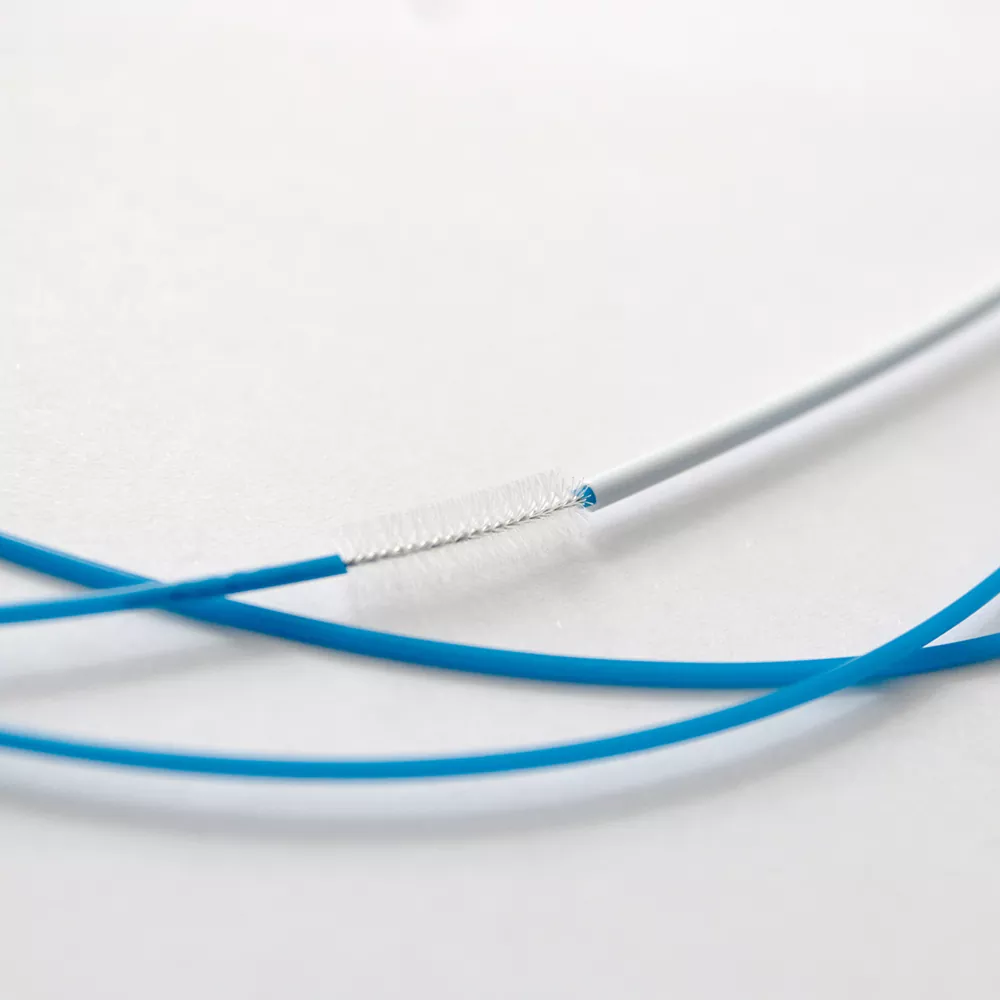
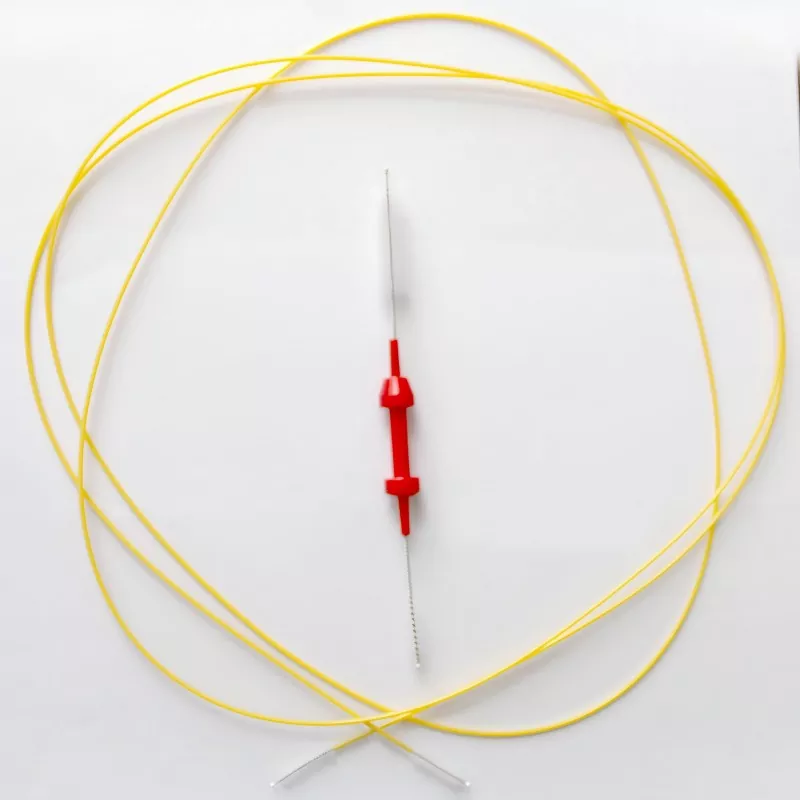
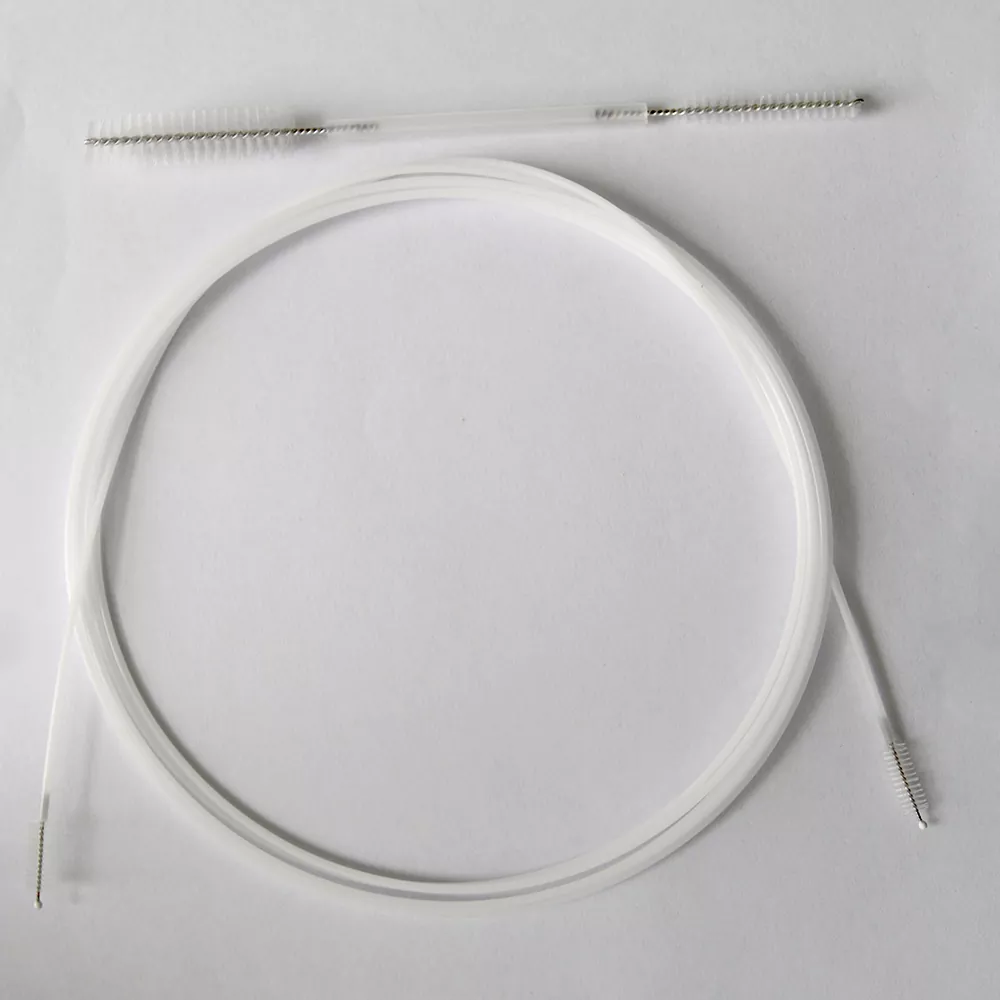
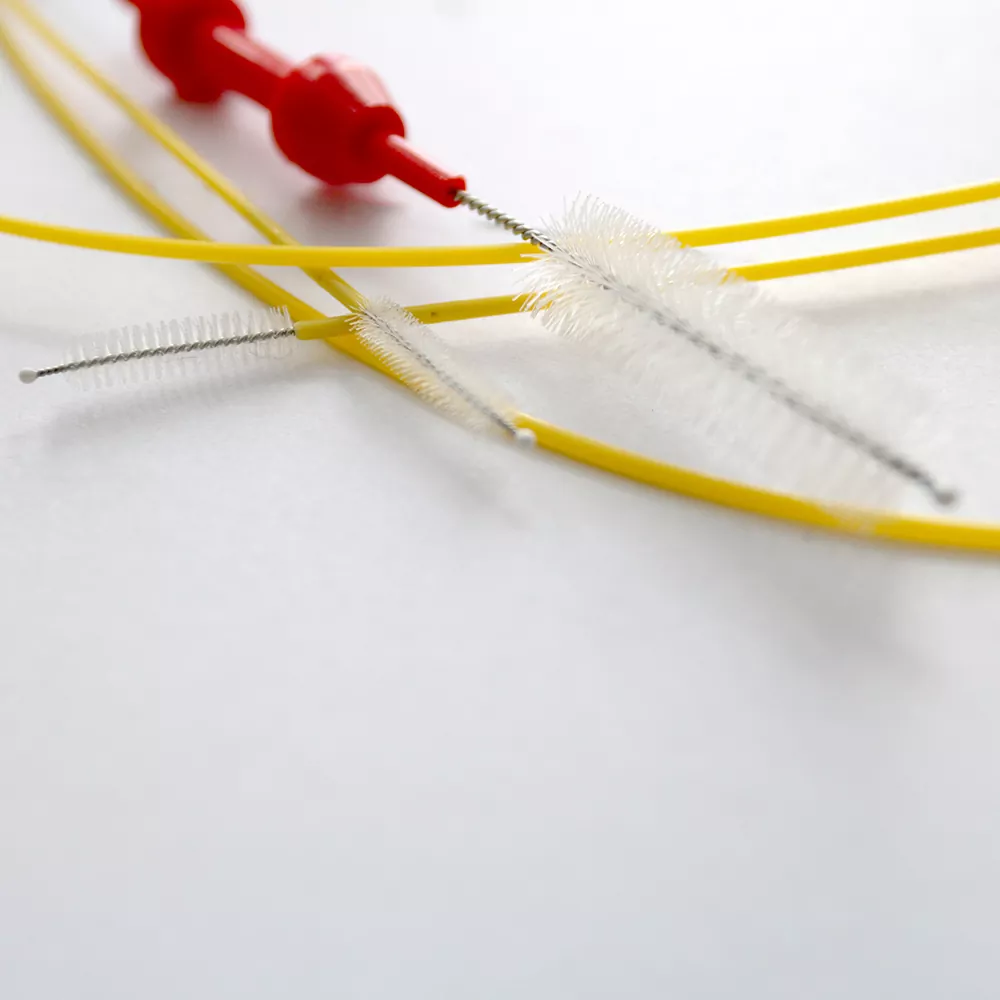
An Endoscope Suction Tube Brush is a specialized cleaning accessory used to mechanically clean internal channels of compatible endoscopic equipment. It generally consists of a flexible shaft and a brush head containing bristles arranged to contact the inside of a narrow tube.

Unlike a conventional household brush, a medical channel brush must be designed around the dimensional and functional requirements of medical tubing. The shaft needs to navigate the channel without unnecessarily compromising maneuverability, while the brush head must provide sufficient contact with the internal surface.

  • Flexible construction for navigating narrow or curved channels.
  • Appropriately sized brush head for the intended channel.
  • Controlled bristle arrangement for mechanical cleaning.
  • Sufficient overall length for the target device.
  • Materials selected for compatibility with the intended cleaning process.
  • Consistent manufacturing quality for repeatable performance.

Why Mechanical Brushing Matters

One of the central principles of manual cleaning is mechanical action. A cleaning solution may help soften or loosen contaminants, but a brush provides direct physical contact with the internal surface. This combination can be particularly useful when organic material has adhered to the walls of a narrow channel.

Cleaning Approach Main Function Potential Limitation
Flushing Moves liquid through internal channels May not physically remove firmly attached residue
Chemical cleaning Helps loosen or break down contaminants Effectiveness depends on concentration, contact time and soil type
Mechanical brushing Provides direct physical contact Requires correct brush size and proper technique

In a well-designed reprocessing workflow, these methods are not necessarily alternatives. Instead, they can serve complementary functions according to the device manufacturer's validated instructions.

Key Features of a Reliable Suction Tube Brush

Not every channel brush provides the same performance. Buyers and reprocessing professionals should evaluate several characteristics rather than focusing on price alone.

  1. Correct brush diameter: The brush must be compatible with the internal diameter of the channel. A brush that is too small may provide insufficient contact, while an unsuitable oversized brush can create excessive resistance or risk device damage.
  2. Appropriate brush length: The brush should be long enough for the intended channel and provide practical handling during the cleaning process.
  3. Flexible shaft: Flexibility helps the brush move through curved passages while maintaining adequate control.
  4. Consistent bristles: Bristle density, distribution and material influence how effectively the brush contacts the channel wall.
  5. Secure brush construction: The brush head and shaft should be securely assembled to reduce the risk of component separation during intended use.
  6. Material compatibility: Materials should be appropriate for the cleaning agents, temperatures and procedures specified for the intended application.

How to Select the Right Endoscope Suction Tube Brush

Selecting a channel brush should begin with the device manufacturer's specifications. The internal diameter and channel length are particularly important because they determine whether the brush can pass through the channel and make appropriate contact with its internal surface.

Selection Factor Why It Matters
Channel diameter Determines appropriate brush diameter and channel compatibility.
Channel length Determines the minimum practical brush length.
Channel geometry Affects the flexibility and maneuverability required from the shaft.
Device instructions Defines acceptable cleaning methods and compatible accessories.
Cleaning chemicals Materials need to withstand the intended cleaning environment.

For healthcare distributors and procurement teams, consistency between batches is also important. Stable dimensions and controlled manufacturing processes can make it easier to standardize cleaning supplies across different departments or facilities.

How to Use a Brush in an Endoscope Cleaning Workflow

The exact cleaning procedure must always follow the endoscope manufacturer's instructions and the healthcare facility's validated protocol. However, the following principles illustrate where a channel brush commonly fits into a manual cleaning workflow.

01. Preparation

Review the device instructions and prepare the specified cleaning solution and accessories.

02. Initial Cleaning

Remove gross contamination according to the validated reprocessing procedure.

03. Brushing

Use the compatible channel brush to mechanically clean the specified internal passage.

04. Rinsing

Rinse according to the applicable instructions to remove loosened material and cleaning residues.

05. Inspection

Inspect the device and cleaning accessories according to the established procedure.

Staff training is another important consideration. Even a well-designed brush cannot compensate for incorrect sizing, improper insertion technique or failure to follow the device-specific cleaning procedure. Standardized training and documented procedures help improve consistency between operators.

Common Cleaning Mistakes to Avoid

Many problems associated with channel cleaning are caused not by the concept of brushing itself, but by incorrect product selection or inconsistent use.

  • Using an incompatible brush diameter: Always verify the channel dimensions and manufacturer's requirements.
  • Choosing a brush that is too short: A short brush may not reach the entire area requiring cleaning.
  • Ignoring material compatibility: Cleaning agents and processing conditions can affect accessory materials.
  • Continuing to use damaged brushes: Worn, damaged or compromised cleaning accessories should be managed according to facility procedures.
  • Relying on flushing alone: Liquid movement and mechanical cleaning perform different functions.
  • Skipping inspection: Cleaning processes should include the inspection steps required by the applicable procedure.
Safety reminder: A cleaning brush is an accessory, not a replacement for a validated endoscope reprocessing procedure. Always follow the specific device manufacturer's instructions and applicable healthcare regulations.

Brush Selection Comparison Table

Requirement Recommended Consideration Potential Problem if Ignored
Diameter Match the compatible channel specification Poor contact or excessive resistance
Length Select according to channel length Incomplete access
Flexibility Consider channel geometry Difficult navigation
Bristles Look for appropriate density and construction Reduced mechanical contact
Material Verify compatibility with the intended process Premature degradation or incompatibility

Practical Benefits for Healthcare Facilities

When the correct Endoscope Suction Tube Brush is incorporated into an appropriate cleaning procedure, it can provide several practical advantages.

Better Channel Access

A long, flexible brush can help operators reach internal passages that are difficult to access using external wiping methods.

Consistent Handling

Standardized brush dimensions can support repeatable cleaning practices across trained personnel.

Operational Efficiency

A suitable brush can simplify access to narrow channels and support a structured manual cleaning workflow.

Procurement Flexibility

Manufacturers offering multiple dimensions can help distributors and healthcare facilities match brushes to different applications.


Frequently Asked Questions

1. What is an Endoscope Suction Tube Brush used for?

It is designed to provide mechanical cleaning of compatible internal endoscope channels, helping remove contaminants from surfaces that are difficult to reach with external cleaning methods.

2. How do I know which brush diameter I need?

The appropriate diameter should be determined from the endoscope manufacturer's specifications and the internal dimensions of the channel being cleaned. Do not select a brush based solely on appearance.

3. Why does brush length matter?

The brush needs sufficient length to access the intended portion of the channel. An unsuitable length may limit cleaning coverage and make handling less convenient.

4. Can one brush fit every type of endoscope?

No. Endoscopes can have different channel dimensions, lengths and configurations. Brush selection should be based on the specific device and the applicable cleaning instructions.

5. Is flushing enough to clean an endoscope channel?

Flushing can be an important part of cleaning, but it does not necessarily replace mechanical action. The appropriate combination of cleaning methods should follow the device manufacturer's validated instructions.

6. What should buyers look for in a medical channel brush supplier?

Buyers should consider dimensional consistency, material information, manufacturing quality, product specifications, packaging, documentation and the supplier's ability to provide suitable configurations for the intended application.

Looking for a Reliable Endoscope Suction Tube Brush Supplier?

Choosing the right medical cleaning accessory is an important part of building a practical and consistent endoscope reprocessing workflow. From brush diameter and shaft length to bristle construction and material compatibility, every specification should be matched to the intended application.

Qingdao Lushua Medical Technology Co., Ltd. focuses on medical cleaning and related medical technology products, providing product solutions for professional healthcare and medical supply applications. Whether you are a medical distributor, healthcare procurement professional or OEM buyer, discussing your specific requirements with an experienced supplier can make product selection more efficient.

Need product specifications, customized configurations or bulk purchasing support? Contact us to discuss your Endoscope Suction Tube Brush requirements.

Related News
Leave me a message
X
We use cookies to offer you a better browsing experience, analyze site traffic and personalize content. By using this site, you agree to our use of cookies.Privacy Policy
RejectAccept