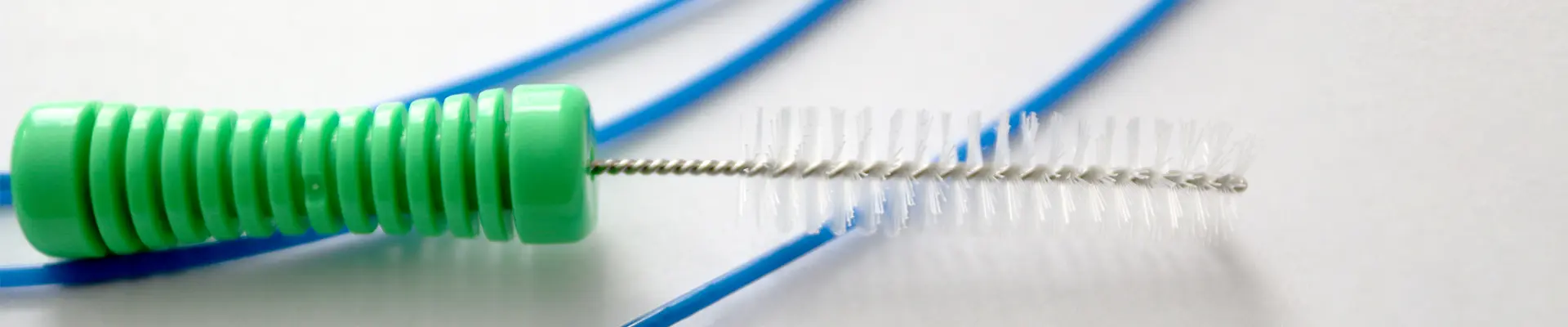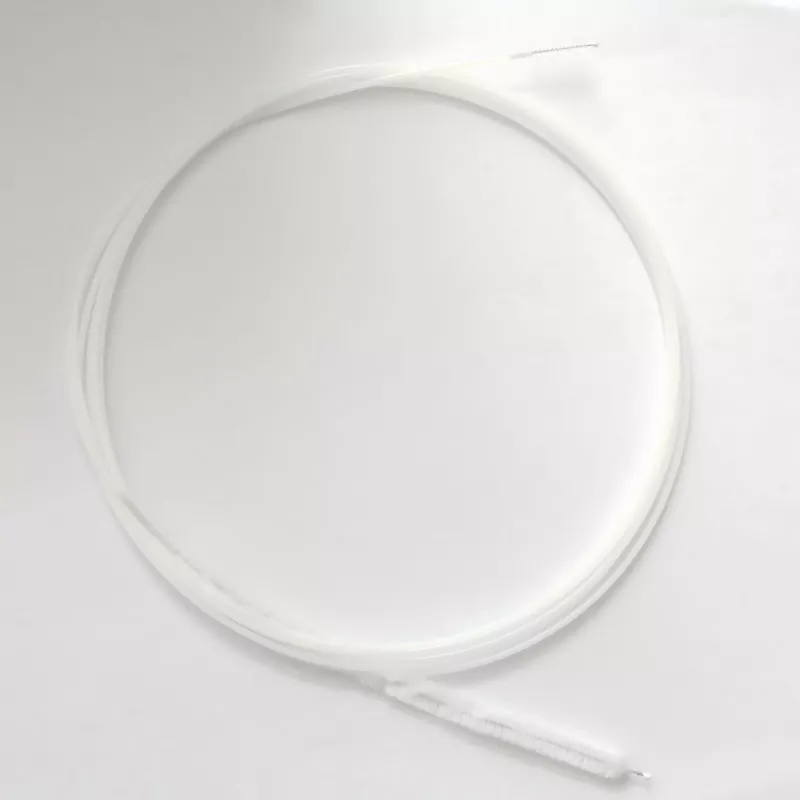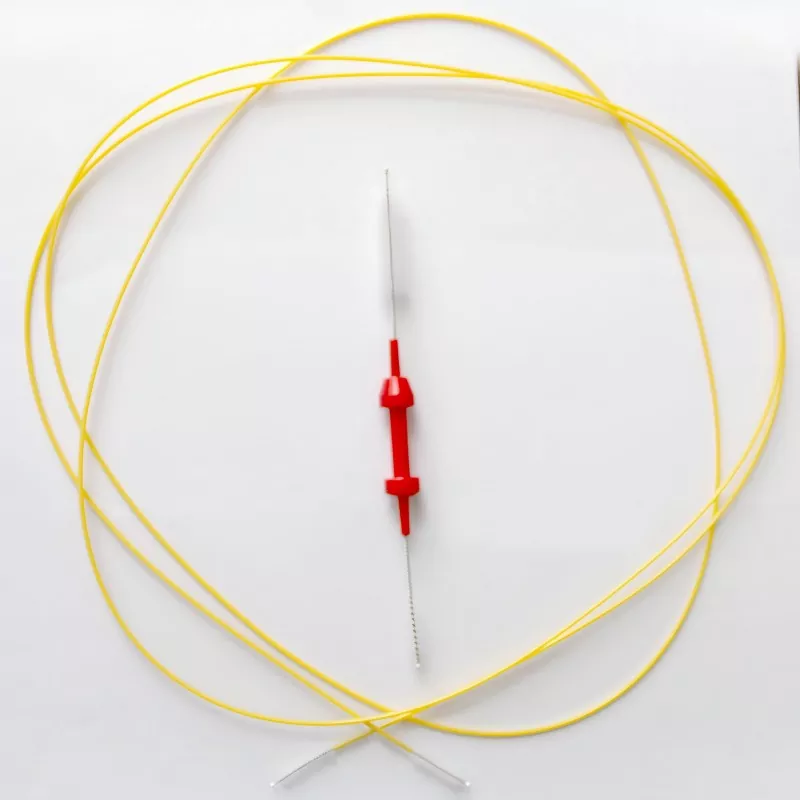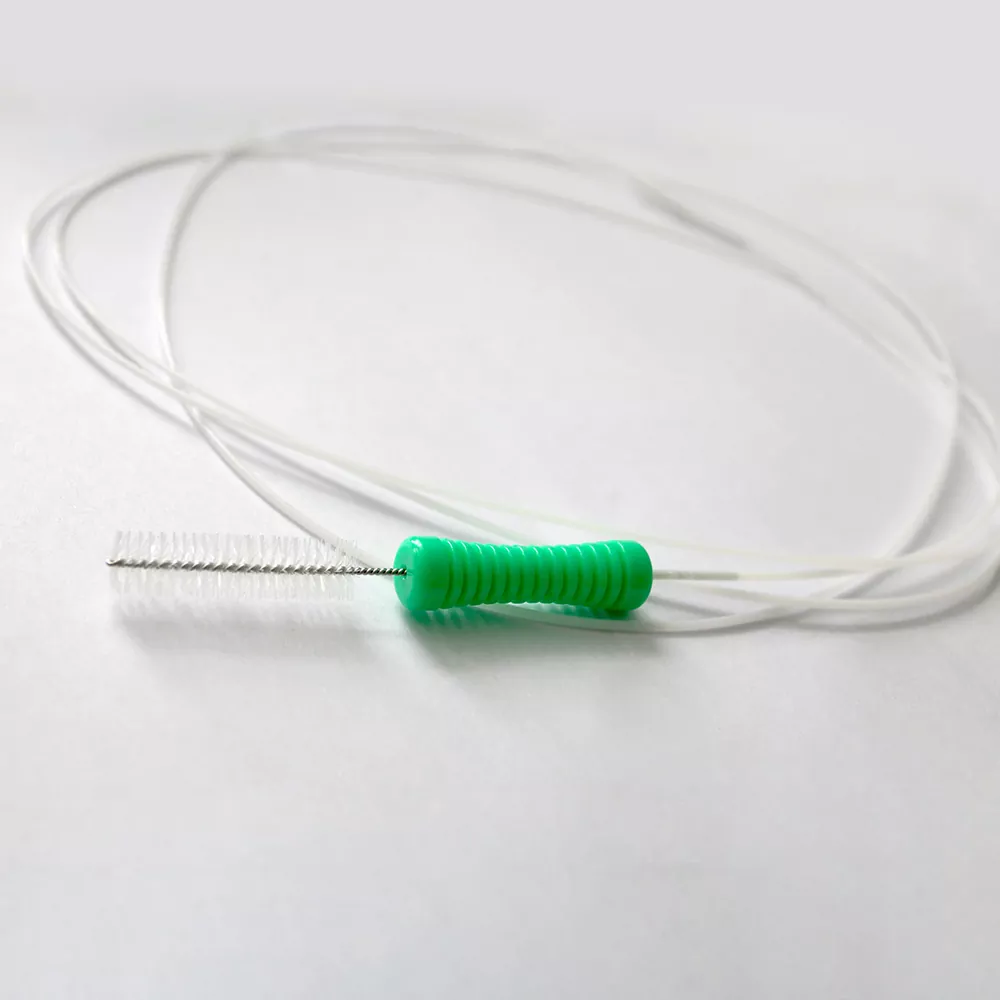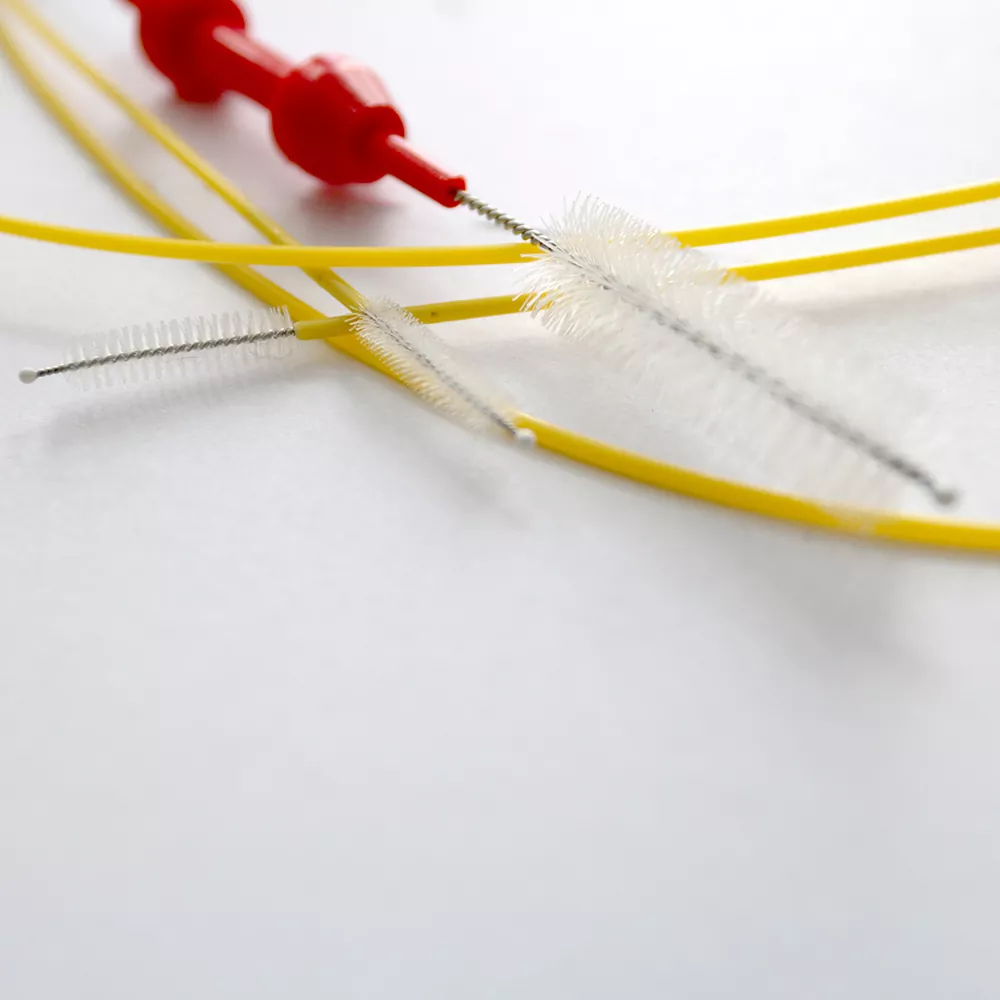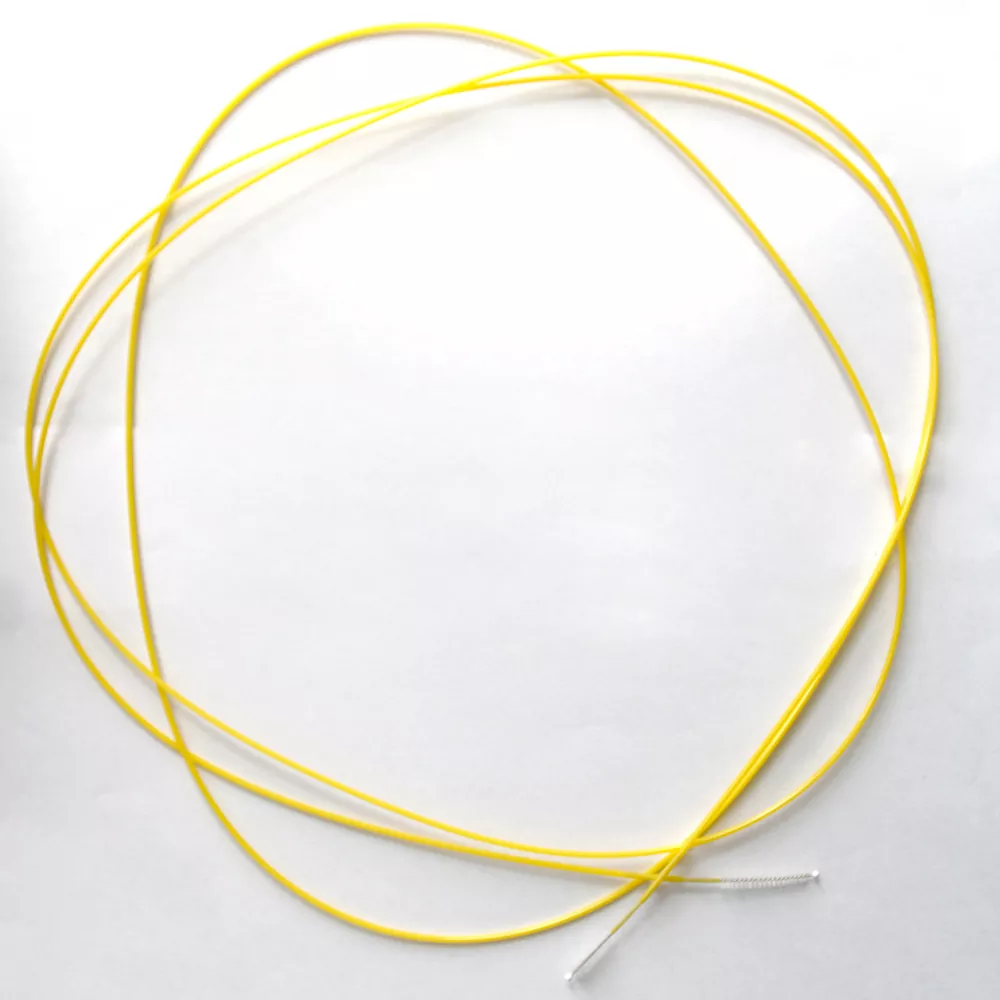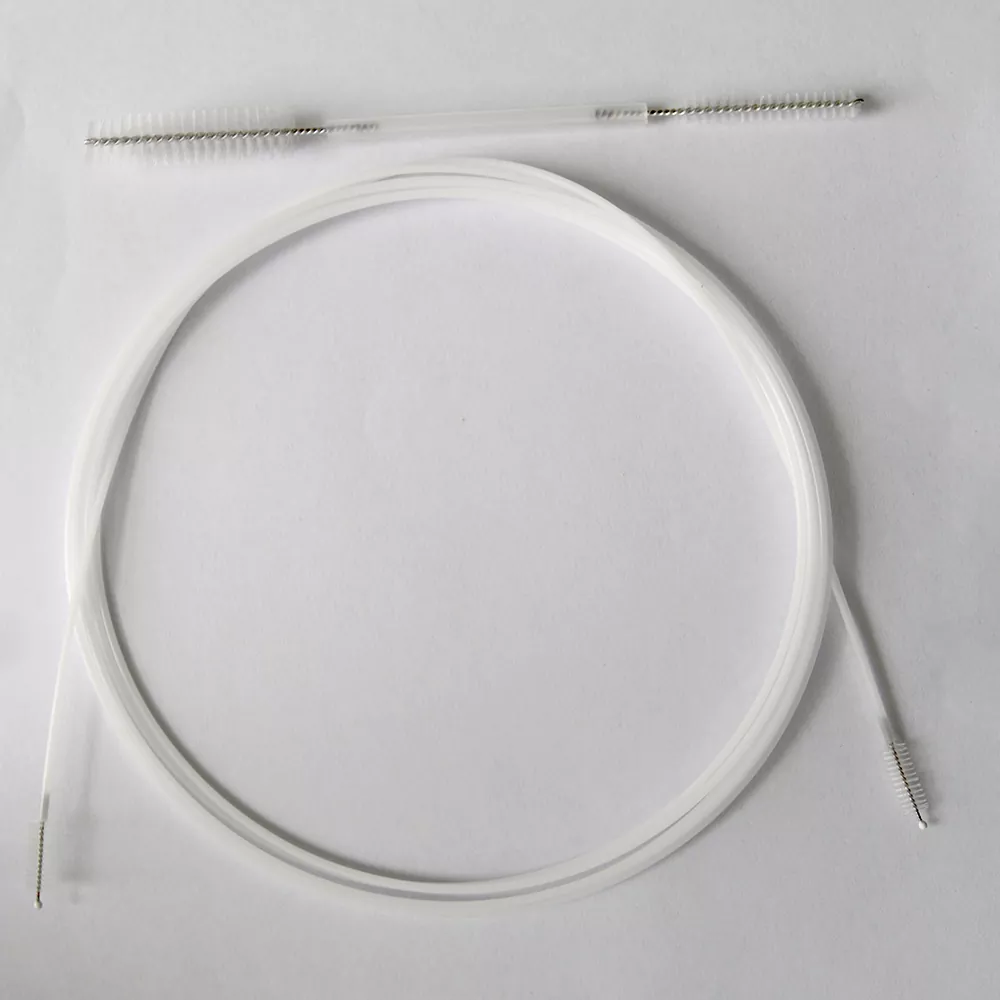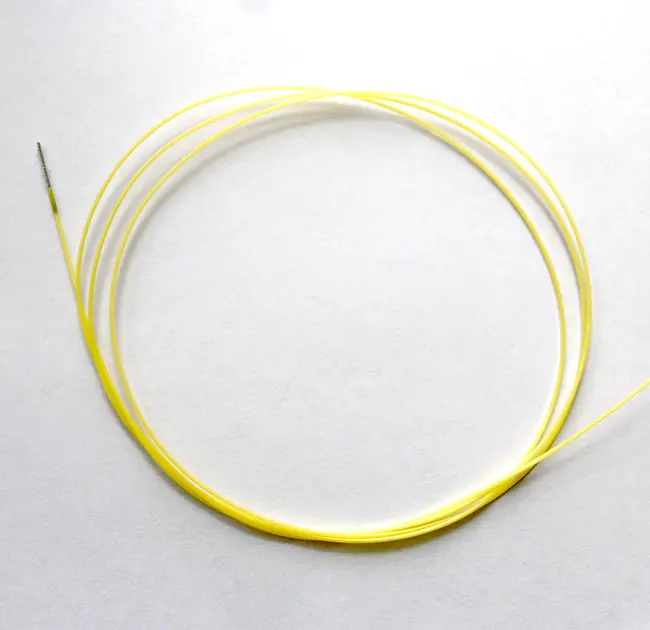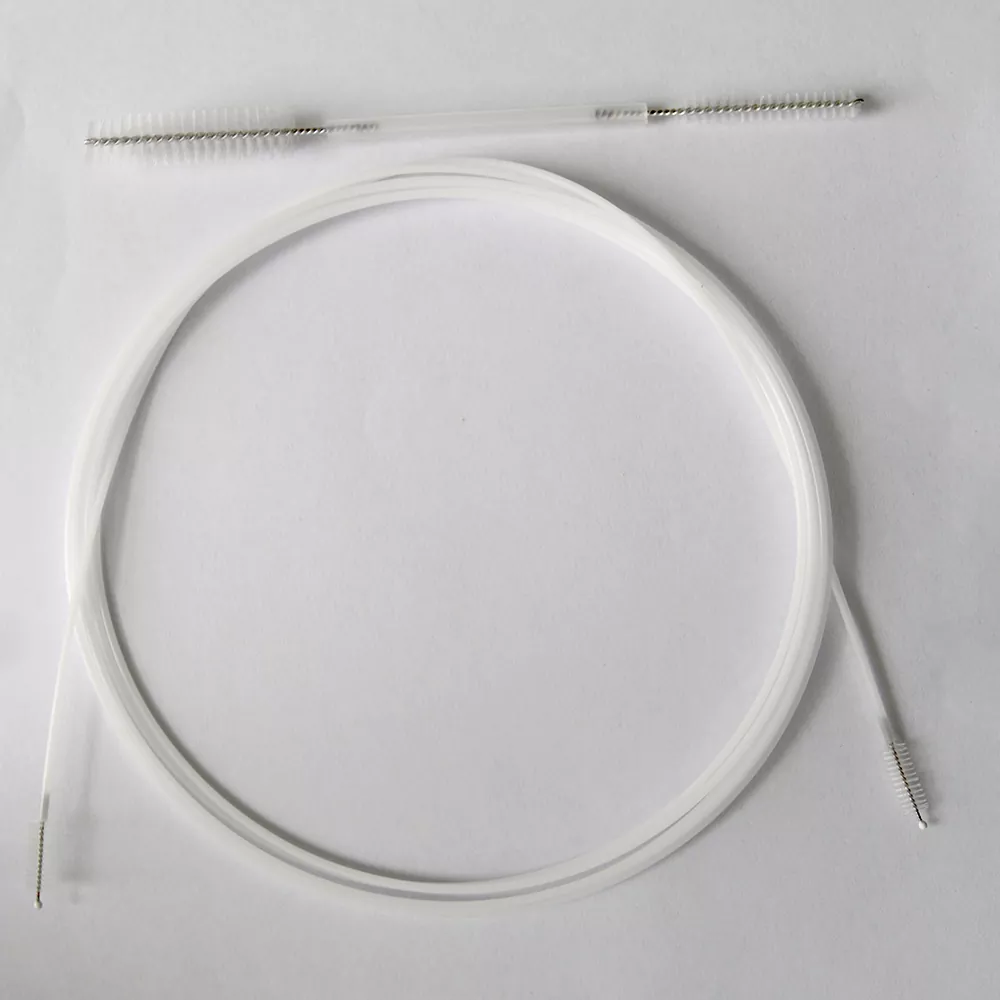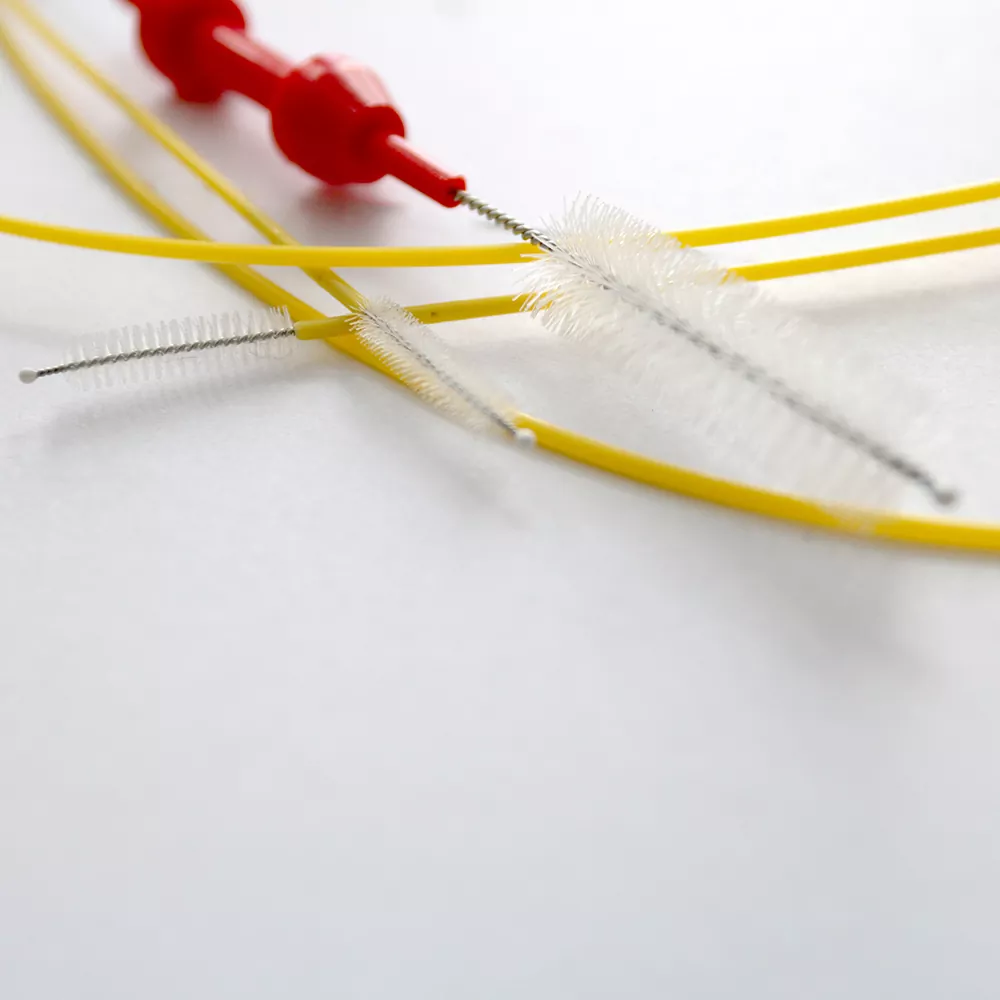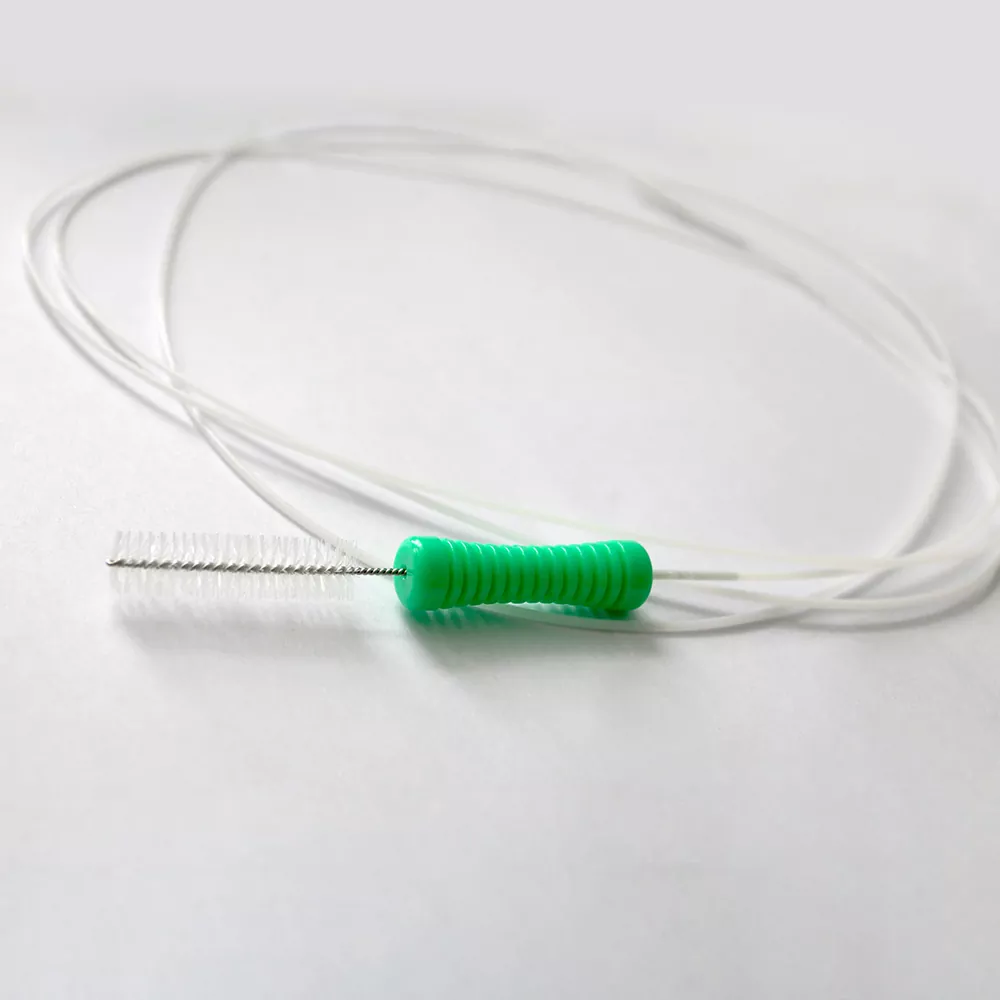
As a professional manufacturer of endoscope suction tube brushes, LucentMed offers custom project services and supports wholesale procurement. Designed specifically for cleaning endoscope suction channels and suction ports, this brush is suitable for use by medical staff, hospital equipment departments, and endoscopy unit managers; we can also provide or assist in obtaining the necessary market access certifications and compliance documentation.
LucentMed offers a highly efficient and user-friendly endoscope suction tube brush. As a reliable manufacturer, we utilize a highly flexible brush shaft designed to navigate complex, curved channels with ease.
The rounded, protective tip design eliminates the risk of scratching the delicate inner lining of the endoscope during cleaning, while the high-density bristle anchoring ensures the bristles remain securely in place, preventing secondary contamination caused by shedding during use.
What Are the Functions of Endoscope Suction Tube Brushes?
1. Cleaning internal channels
Endoscope suction tube brushes are essential for cleaning the biopsy ports, suction channels, and working channels of endoscopes.
Every insertion and withdrawal of biopsy forceps or suction procedure leaves behind blood, mucus, and tissue debris within the channels. Before subsequent disinfection, it is crucial to prevent pathogens from colonizing these channels at the source.
2. Preventing blockages
For instance, during endoscopic submucosal dissection (ESD), a sudden blockage in the suction channel—preventing the aspiration of intraoperative bleeding or the smooth passage of biopsy forceps—can force the procedure to be interrupted.
By performing regular, thorough brushing, cleaning brushes from LucentMed strip away crystallized deposits, dried blood, and biofilm layers from the channel walls, effectively preventing channel narrowing, obstructions, or complete blockages.
3. Preparing for disinfection
Proper brushing of endoscopes can increase the sterilization pass rate by more than 30%.
The physical scrubbing action of the cleaning brush tears away and scrapes off biofilm, allowing the disinfectant to come into direct contact with the actual material of the channel walls.
Endoscopic Suction Tube Brushes vs. Standard Endoscope Cleaning Brushes: What Is the Difference?
Comparison Criteria
Endoscope Suction Tube Brush
Endoscope Cleaning Brush
Primary Use
Specialized for cleaning endoscope suction channels
Routine Endoscope Lumen Cleaning
Applicable Areas
Suction Channel
Working channel, biopsy channel, instrument channel
Target Contaminants
Blood, mucus, tissue debris, residual body fluids
Common organic residues and impurities
Biofilm Removal Capability
★★★★★
★★★☆☆
Bristle Density
Higher
Standard configuration
Cleaning Intensity
Stronger
Routine cleaning
Flexibility Requirements
Higher; suitable for complex, curved channels
General
Channel Fit Precision
Stricter requirements
Relatively lenient
Infection Control Level
Dedicated to high-risk areas
Routine cleaning applications
Compatible Endoscope Types
Suction channels of gastroscopes, colonoscopes, bronchoscopes, duodenoscopes, etc.
Various flexible and rigid endoscopes
Hospital Procurement Trends
Increasingly adopted as a standalone setup in hospitals
Basic standard configuration
Recommended Use Cases
High standards for infection control; tertiary hospitals; endoscopy centers
Routine endoscope reprocessing workflow
Product Specifications
Item
Specifications
Brush head diameter
1.6mm, 2.2mm, 2.8mm, 3.0mm, 5.0mm
Total product length
1200mm, 1800mm, 2200mm, 2300mm
Brush handle material
Medical-grade stainless steel + flexible coating
Bristle material
Medical-grade nylon bristles; securely anchored to prevent shedding
Brush head structure
Rounded protective tip; no sharp edges; prevents damage to the endoscope
Sterilization method
Ethylene oxide (EO) sterilized
Packaging type
Individually sterile-packaged
Scope of application
For cleaning channels of flexible endoscopes such as gastroscopes, colonoscopes, and bronchoscopes
FAQ
Q1: How should a reusable endoscope suction tube brush be disinfected/sterilized?
A: Chemical disinfection: Soak in an alkaline disinfectant solution, such as ortho-phthalaldehyde (OPA) or peracetic acid, for the duration specified in the solution's instructions (typically 5–12 minutes).
Note: Prolonged soaking may cause the nylon material to age.
Prohibited: Do not soak in chlorine-based disinfectants (e.g., sodium hypochlorite/bleach), as this accelerates the aging and brittleness of the bristles.
Q2: How can I determine if the suction tube brush has effectively cleaned the tube?
A: A quick on-site assessment can be made via three visual checks:
Check the brush head: There is a significant reduction in residues removed by the brush head, or no visible debris remains.
Check the rinse fluid: After flushing with a high-pressure water gun, the outflowing water is clear and free of flocculent matter.
Check the tube wall: Inspect the inner wall of the tube using a lighted magnifier to ensure there is no visible adhered matter.
Q3: What should I do if the brush head gets stuck inside the suction tube?
A: Stop using it immediately. If the brush head has not fully entered the tube, slowly withdraw it from the insertion end; inject warm water or an enzymatic solution from the opposite end to moisten and soften any dried residue.
Gently push from the opposite end using another brush to help loosen it; then, holding the brush handle firmly, slowly rotate it 15° clockwise and counter-clockwise before attempting to pull it out.
If the above methods fail, stop the procedure and send the endoscope to a service center to avoid damage caused by excessive force.
We use cookies to offer you a better browsing experience, analyze site traffic and personalize content. By using this site, you agree to our use of cookies.Privacy Policy