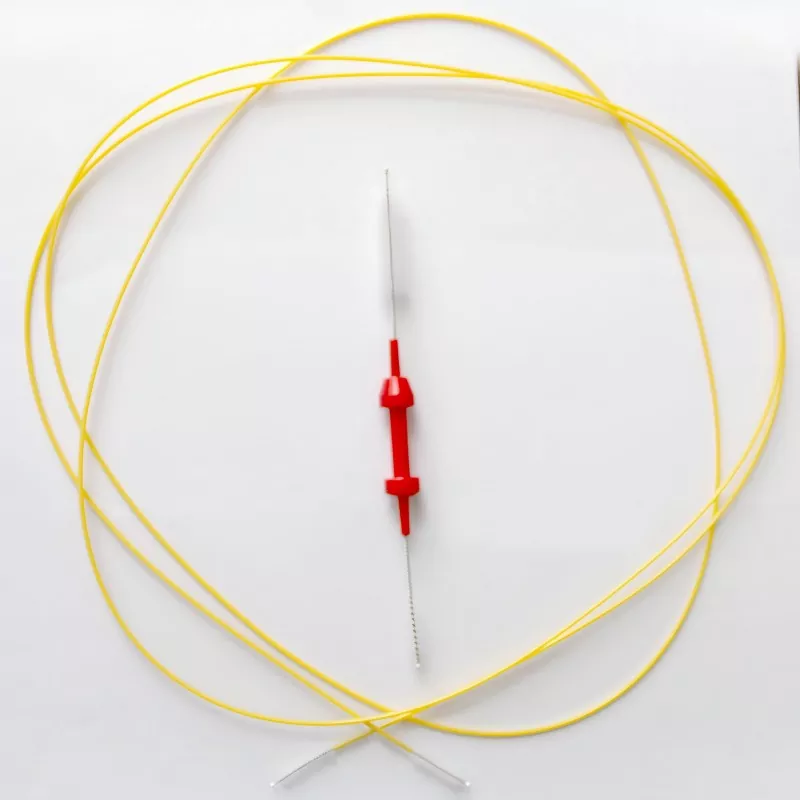
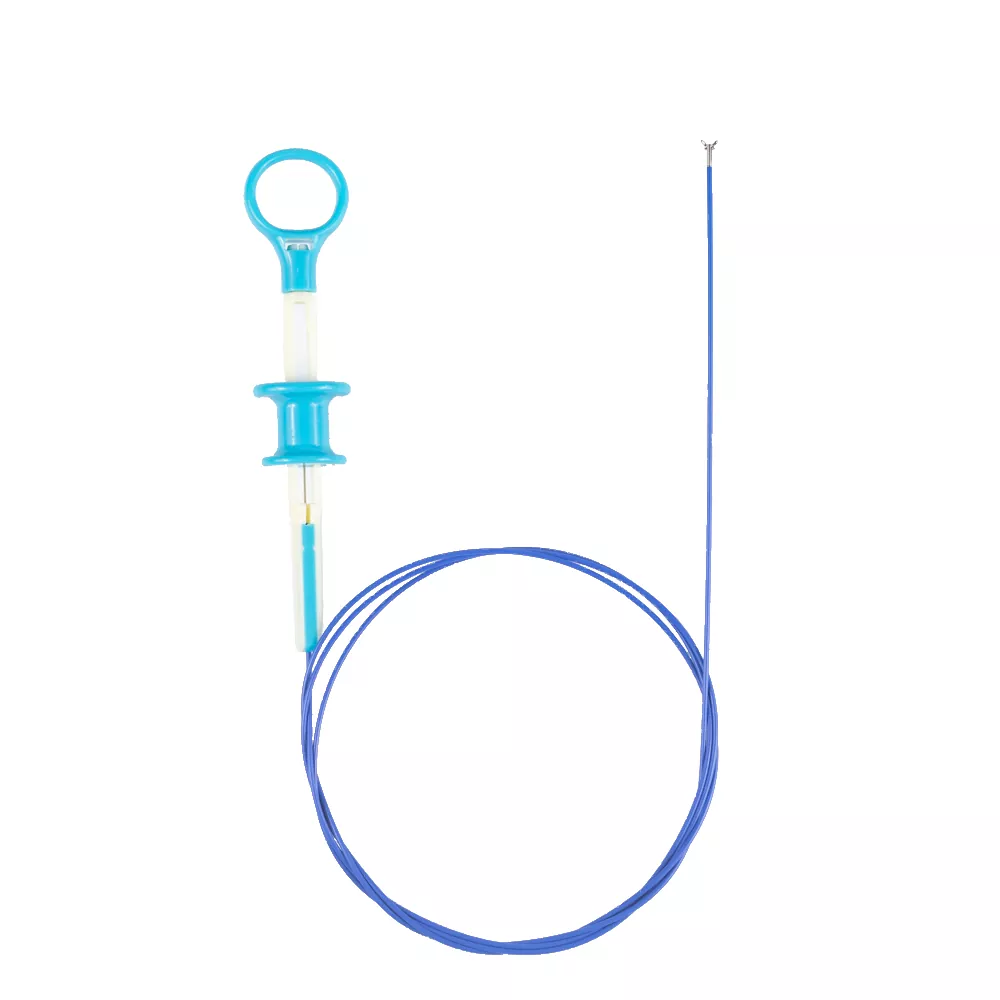
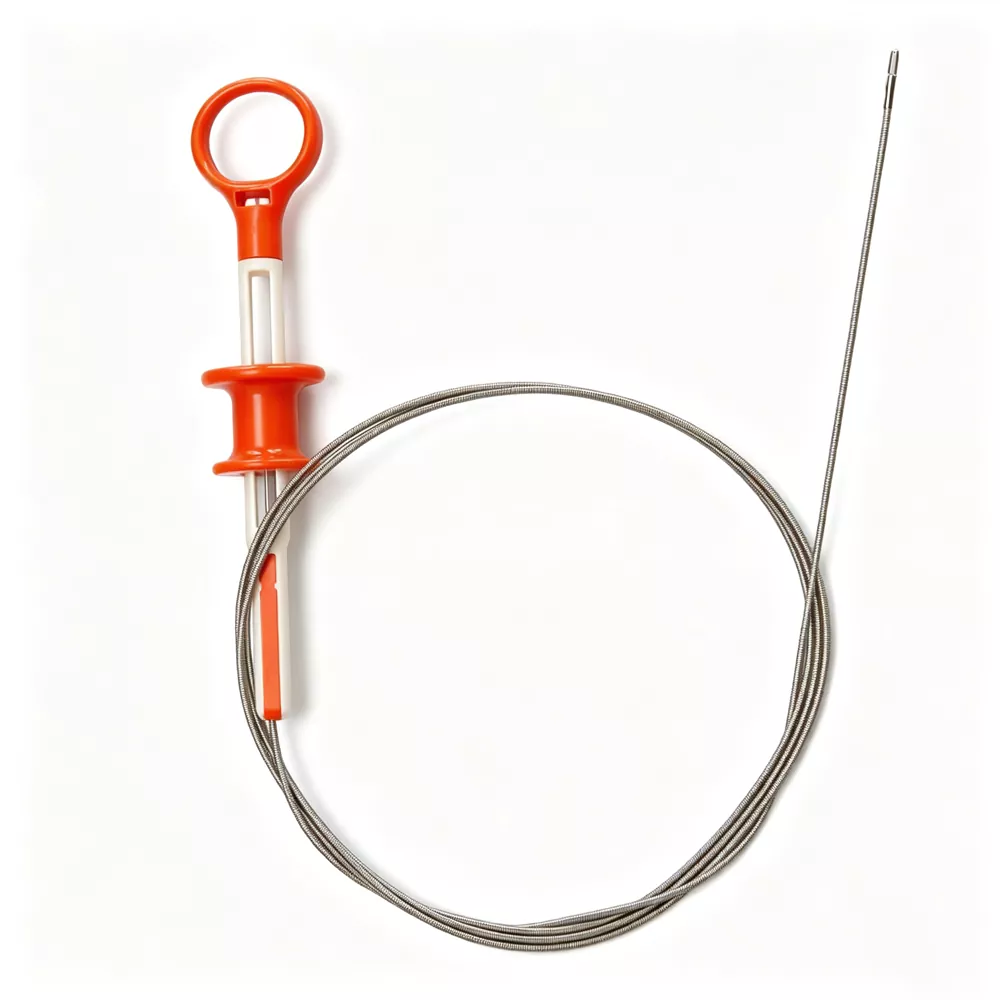
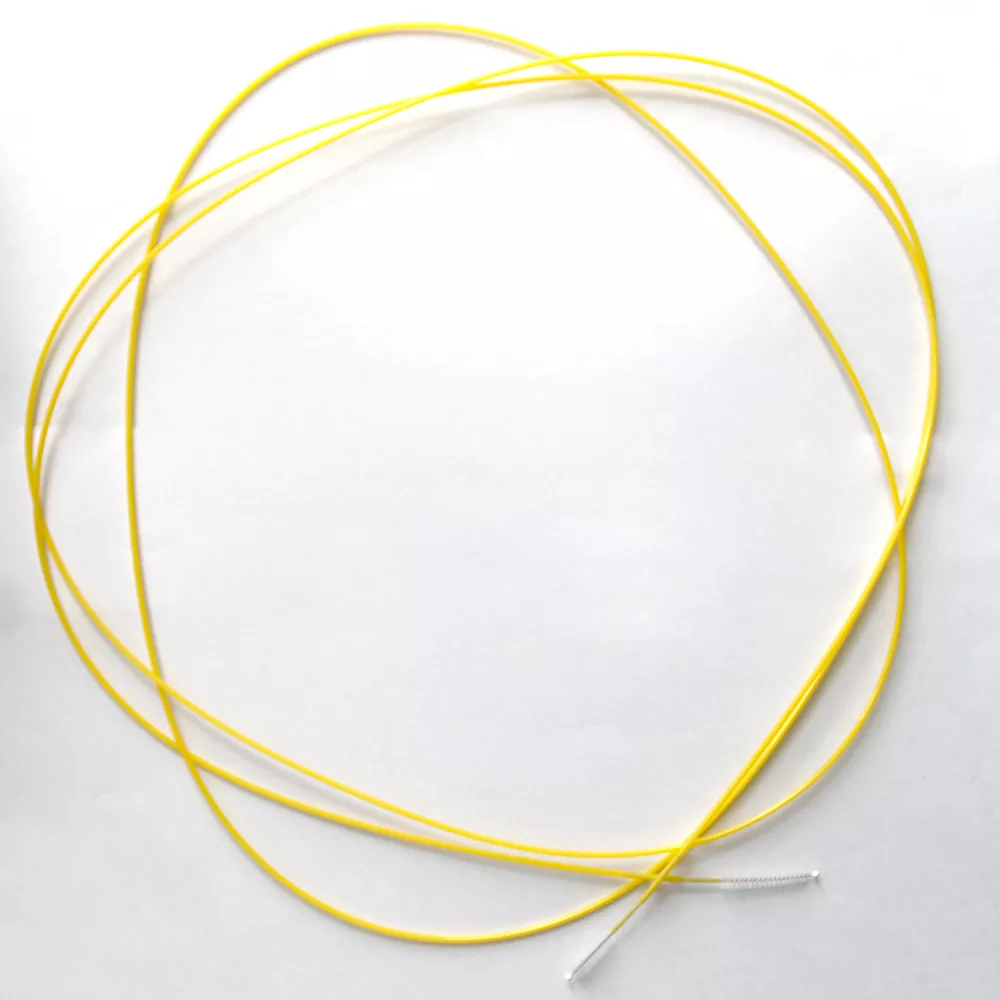
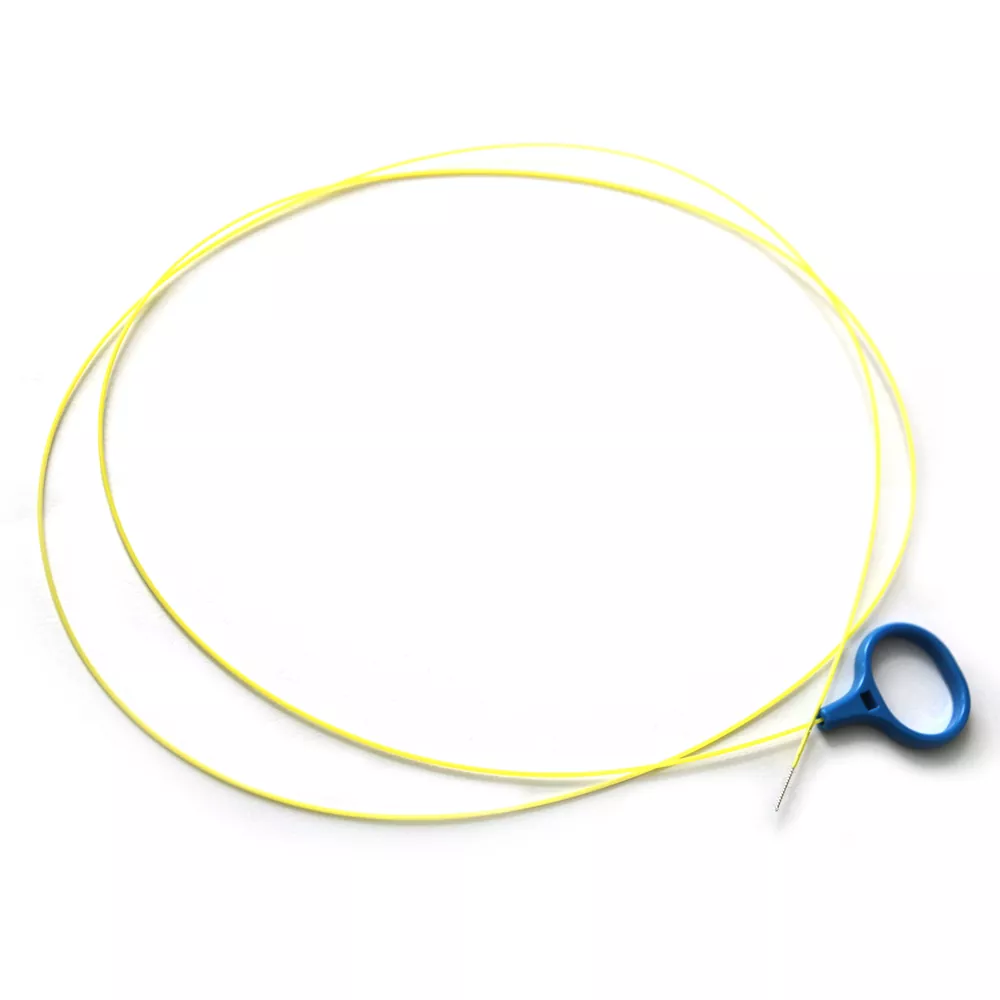
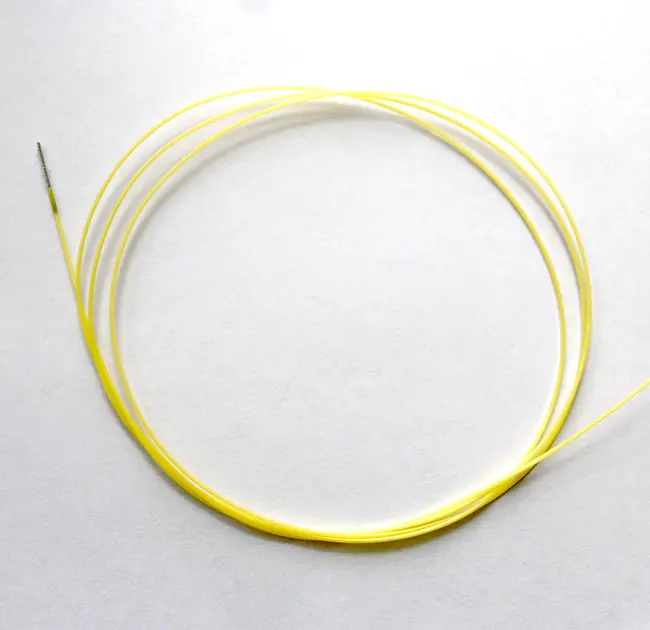
LucentMed is a reliable manufacturer of disposable live sampling forceps. We offer small-batch samples for evaluation and support customization and volume production once the solution is confirmed. Our products are manufactured using medical-grade materials in compliance with ISO 13485 and ISO 9001 standards, and they hold CE certification and multiple patents.
Each pair of sampling forceps undergoes EO sterilization, and we provide tailored solutions suited to various endoscope types and clinical departments.
Why Are Disposable Biopsy Forceps Widely Used in Modern Endoscopy?
1. Eliminating Cross-Contamination
Biopsy forceps come into direct contact with a patient's blood and mucosal tissue. Even after cleaning and high-temperature sterilization, reusable forceps may still harbor residual biofilm in concealed areas, such as the jaw hinge or the interior of the spring tube.
By using a disposable type, it can reduce the risk associated with inadequate reprocessing of reusable devices.
2. Consistent Performance
Single-use products are brand new for every procedure; the sharpness of the jaws and the opening/closing force remain optimal, avoiding the performance degradation caused by metal fatigue associated with repeated use.
LucentMed maintains strict quality management to ensure high product consistency; every unit undergoes factory testing to guarantee safe use.
3. Regulatory Requirements
Many healthcare systems and professional practices increasingly adopt disposable biopsy forceps due to infection control requirements and workflow considerations.
As a manufacturer deeply committed to the industry, we strictly adhere to these standards and supply compliant products to international buyers and projects.
What Are the Components of Disposable Live Sampling Forceps?
Disposable live sampling forceps typically consist of the following four parts:
|
Components
|
Functional Description
|
|
Jaw
|
Located at the distal end and made of 304 medical-grade stainless steel, it is responsible for grasping tissue.
Common jaw types include: flat cup, spiked, alligator-tooth, rat-tooth, and serrated.
|
|
Sheath/Catheter
|
A long, flexible tube connecting the jaw head to the handle; it utilizes a spring-coil or plastic-coated spring-coil structure to ensure smooth advancement through curved endoscope channels.
|
|
Pull wire
|
A pull-wire housed within the flexible tube; it transmits force from the handle to control the opening and closing of the jaw head.
|
|
Handle
|
Located at the proximal end for the physician to hold and operate; it features a sliding grip or finger rings to control the opening and closing of the jaws.
|
What Are the Characteristics of Different Types of Biopsy Forceps Heads?
1. Plain Cup: Features smooth, cup-shaped jaws; suitable for routine mucosal tissue sampling with minimal tissue trauma.
2. Serrated Cup: Features serrated edges on the cups for superior gripping power; prevents tissue slippage and is suitable for slippery or tough tissues.
3. With Needle: Features a central positioning needle that anchors the forceps upon insertion, ensuring precise sampling; particularly suitable for use in the highly motile gastrointestinal tract.
4. Alligator/Crocodile Jaw: Features jaws resembling alligator teeth with strong biting force; suitable for grasping larger or harder tissue samples and for foreign body retrieval.
5. Rat Tooth: Features sharp, tooth-like jaws that provide an exceptionally secure grip; suitable for fibrotic or scarred tissue.
How to Choose the Right Type of Biopsy Forceps?
The core principles for selecting disposable biopsy forceps are: use "smooth-cup" jaws for soft tissue, "serrated" jaws for slippery tissue, "needle" jaws for difficult-to-access locations, and "alligator" jaws for hard tissue.
Selection should be flexibly tailored to the specific anatomical site and clinical objective; you can consult LucentMed with your specific requirements.
● Recommendations based on anatomical site and endoscope type
|
Site/Endoscopy
|
Recommended Jaw Types
|
Rationale
|
|
Esophagus
|
Flat-cup / With needle
|
Mucosa is thin; flat-cup type causes minimal trauma; needle-equipped type allows for precise positioning during esophageal peristalsis
|
|
Stomach
|
Flat-cup / With needle
|
Gastric wall exhibits active peristalsis; needle-equipped type provides secure anchoring; flat-cup type suffices for routine examinations
|
|
Duodenum
|
With needle
|
Intestinal lumen features sharp angles and strong peristalsis; needle-equipped type offers distinct positioning advantages
|
|
Colon/Rectum
|
Serrated / Flat-cup
|
Colonic mucosa is slippery; serrated type prevents slippage; studies indicate superior sample quality with flat-cup or oval types during colonoscopy
|
|
Bronchus
|
Flat-cup (Small diameter 1.8mm)
|
Airway mucosa is extremely fragile; requires small-diameter, flat-cup type to minimize injury
|
|
Bladder/Urethra
|
Serrated / Alligator-tooth
|
Mucosa is slippery and tumor tissue is tough; requires strong grasping force
|
● Recommendations based on clinical objective
|
Clinical Purpose
|
Recommended Gripper Heads
|
Features
|
|
Routine screening/physical examination
|
Flat Cup Type
|
Simple operation, minimal trauma, and meets standard pathological requirements
|
|
Helicobacter pylori testing
|
Flat Cup Type (Small Jaw)
|
Requires small sample volumes; small jaw size minimizes bleeding
|
|
Early cancer screening/staging
|
Alligator Tooth Type / Large-Aperture Flat Cup Type
|
Suitable for obtaining larger, deeper samples to assess depth of invasion
|
|
Inflammatory Bowel Disease (IBD)
|
Flat Cup Type / Serrated Type
|
Ideal for multi-site/multi-sample collection; flat-cup design offers high efficiency
|
|
Tumor characterization
|
Alligator Tooth Type / Needle-Equipped Type
|
Strong biting force for hard tissue; precise anchoring capability for difficult-to-reach locations
|
|
Foreign body retrieval
|
Alligator Tooth Type
|
High biting force; suitable for grasping various foreign bodies
|
LucentMed Product Standards
● Key Technical Parameters
|
Parameter
|
Common specifications
|
|
Outer diameter (O.D.) of the jaw head
|
1.8 mm – 2.8 mm (compatible with various endoscope working channels)
|
|
Working length
|
120 cm – 230 cm (selected based on the examination site)
|
|
Jaw opening angle
|
≥ 80° – 90° (wider opening allows for larger sample volume)
|
|
Jaw capacity
|
Approx. 3 mm – 8 mm
|
|
Sterilization method
|
Ethylene oxide (EO) sterilization; individually sterile-packaged
|
|
Material
|
Jaw: Medical-grade stainless steel (e.g., ASTM F899 standard)
Catheter: Stainless steel coil spring with polymer coating
Handle: Medical-grade plastic
|
● Compliance Information
1. Sterilization Method: Ethylene Oxide (EO) sterilization; individually sterile-packaged and ready for immediate use.
2. Material Standards: The jaw and spring tube are made of medical-grade stainless steel, while the handle is made of medical-grade PP/ABS plastic, ensuring excellent biocompatibility.
3. Performance Specifications: Maximum jaw opening angle ≥ 90°; hardness 280–480 HV0.2; surface roughness meets standards, ensuring sharpness and durability.
4. Compliance & Certification: Manufactured under the ISO 13485 medical device quality management system; complete factory inspection reports and sterilization certificates are available.
FAQ
Q: Why do disposable live sampling forceps sometimes fail to grasp tissue or cause the tissue to slip off?
A: This is usually due to an inappropriate choice of forceps tip or incorrect handling technique.
For slippery mucosal surfaces (such as colon polyps), it is recommended to use serrated or needle-equipped biopsy forceps to enhance grip and effectively prevent slippage.
Q: What precautions should be taken when releasing the sample from needle-equipped biopsy forceps?
A: When retrieving the sample, the jaws must be closed to fully retract the positioning needle into the forceps cup before withdrawing the device from the endoscope.
Forcing a withdrawal while the needle tip is exposed can easily tear the retrieved tissue sample, damaging the pathological specimen.
Q: What are the consequences of selecting the wrong working length for biopsy forceps?
A: The working length of the biopsy forceps must exceed the actual working length of the endoscope.
If the forceps are too short and the jaws are activated before the tip fully extends beyond the distal end of the endoscope, the jaws may scratch the endoscope's precision optical lens, causing irreversible damage.
Q: What is LucentMed’s after-sales response mechanism if an adverse event is reported?
A: LucentMed prioritizes customer satisfaction and has established a comprehensive system for monitoring and tracing adverse events.
Upon receiving clinical feedback, our quality team initiates a response within 24 hours, tracing production records and quality inspection reports via the product batch number.
If a product quality issue is confirmed, we commit to an unconditional free replacement and assume full responsibility.
Additionally, we provide a detailed failure analysis report to help refine clinical operating procedures and ensure closed-loop management.