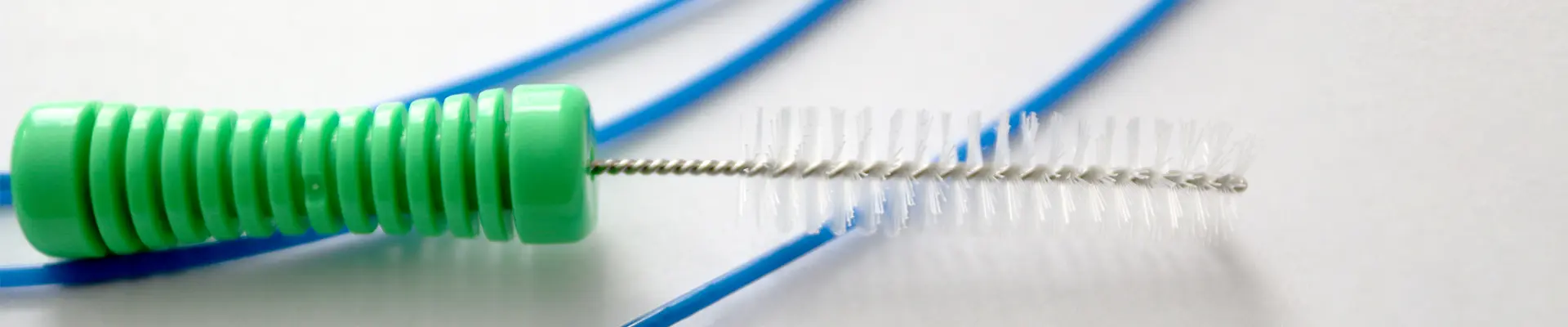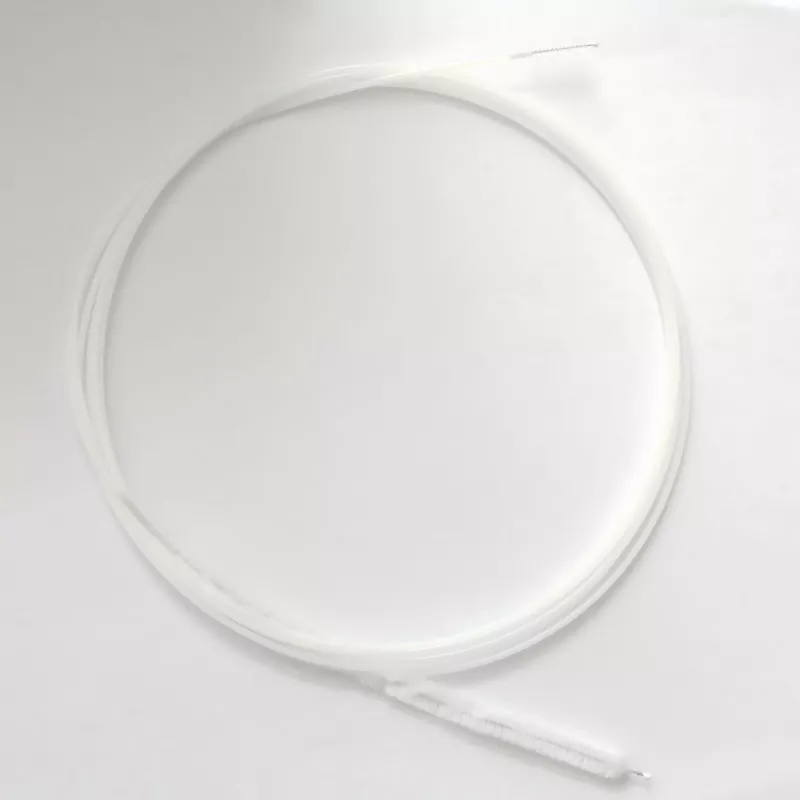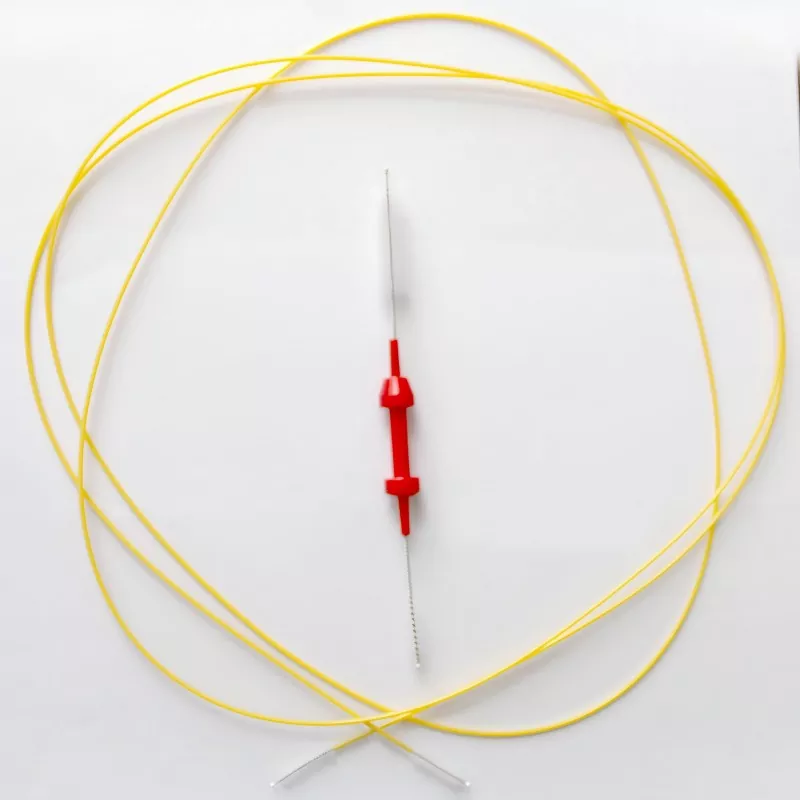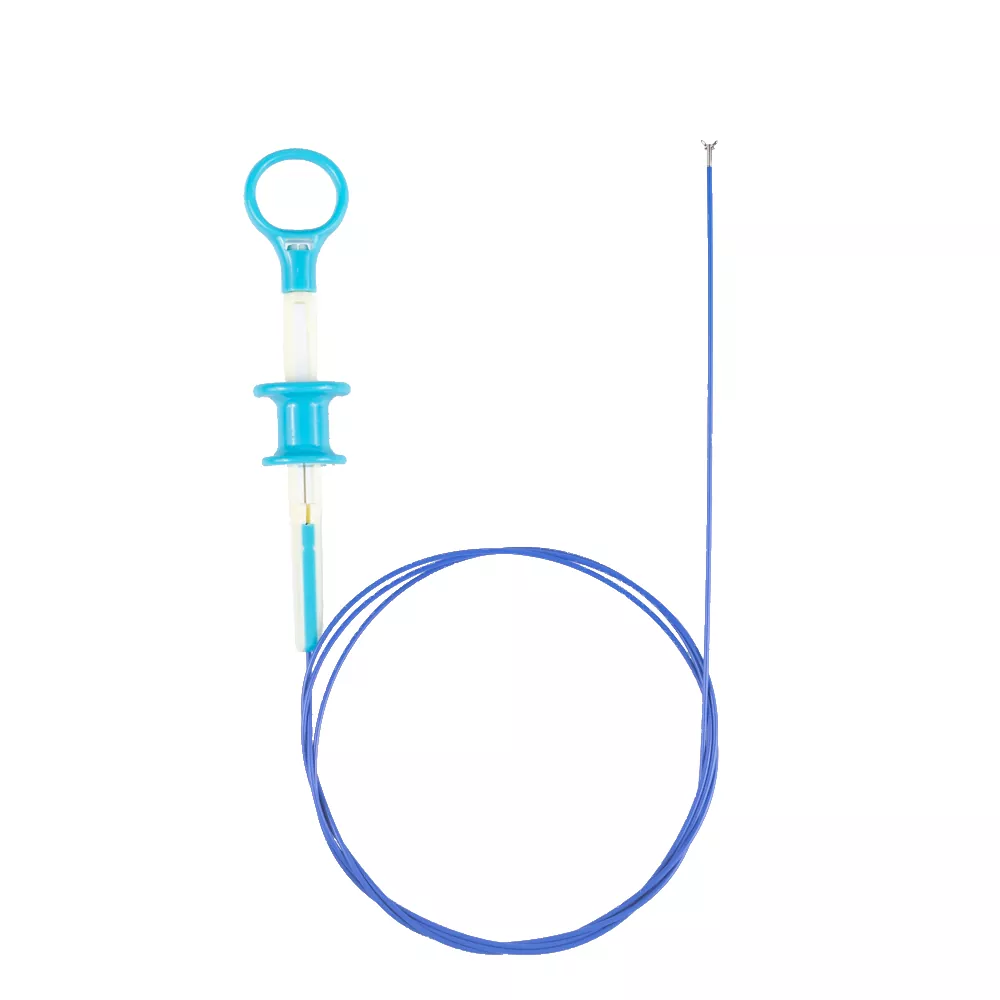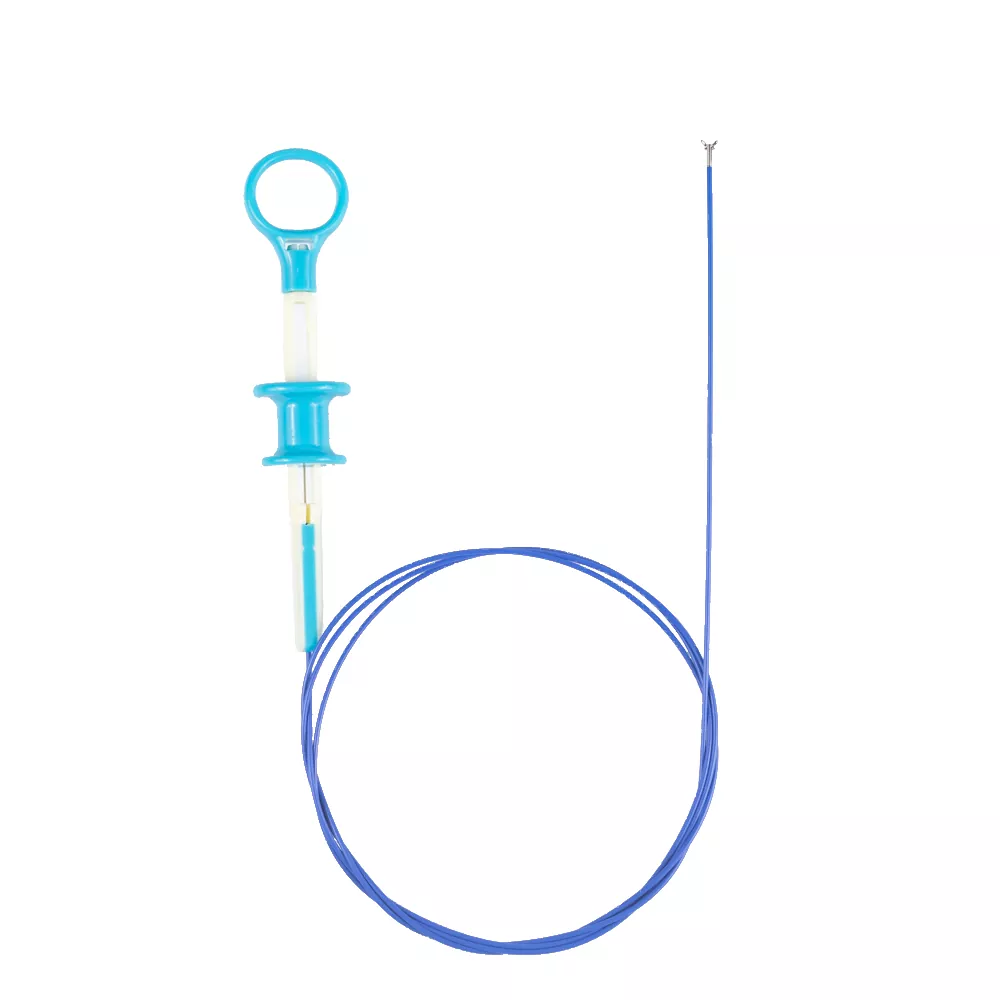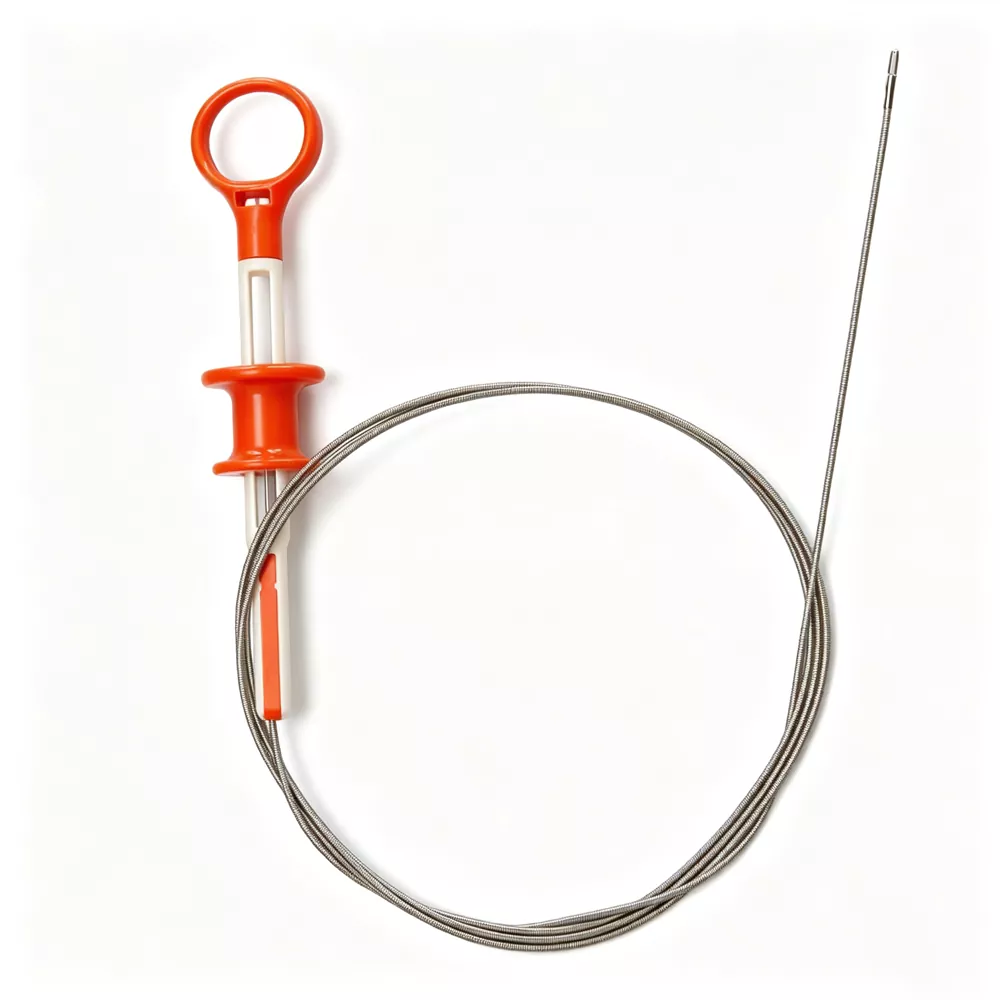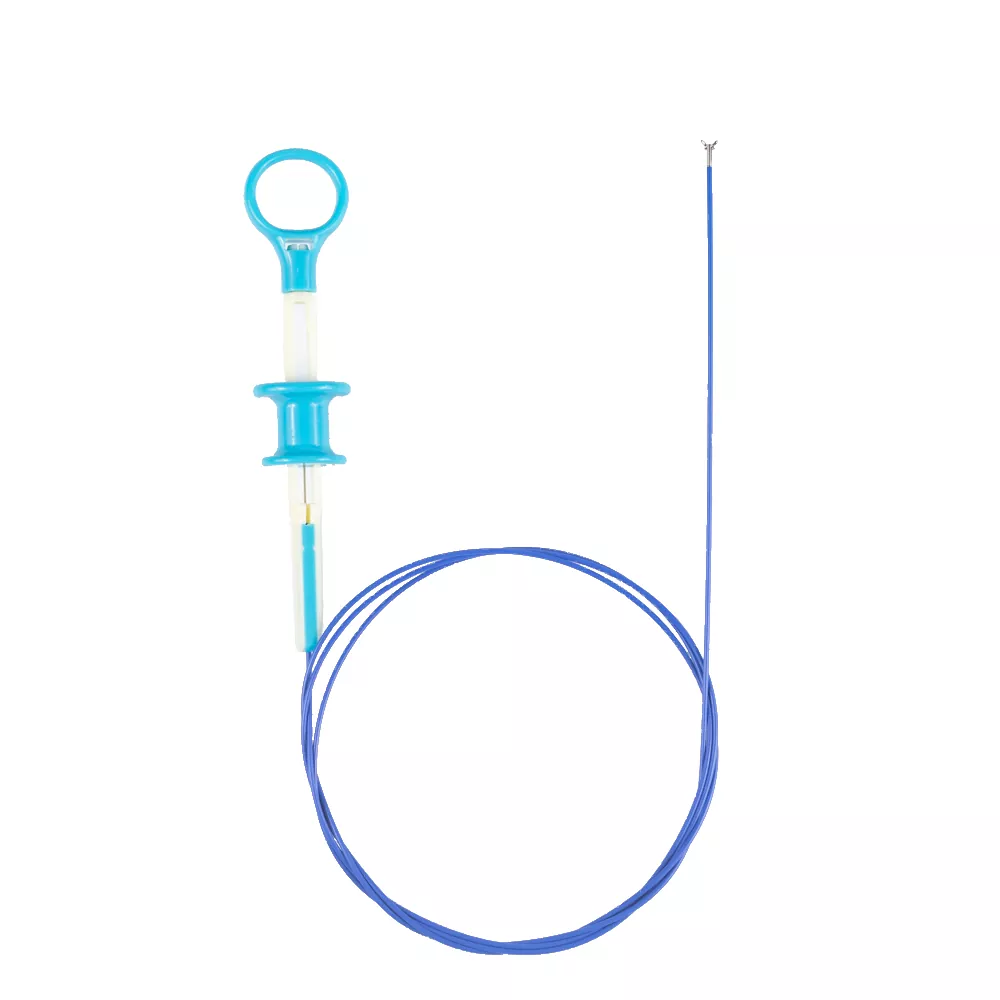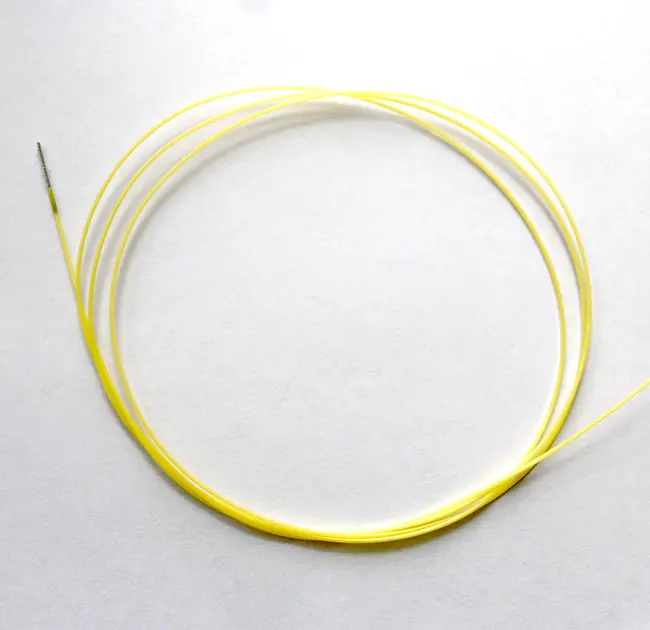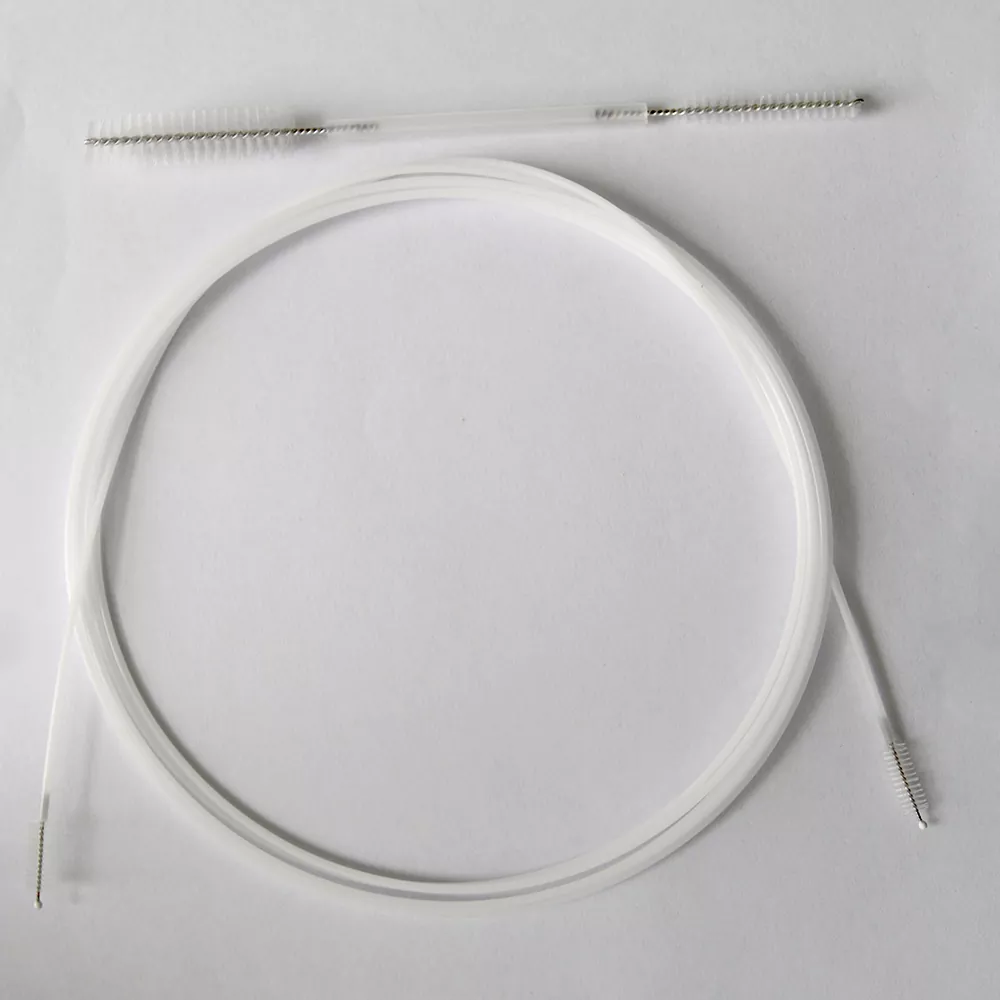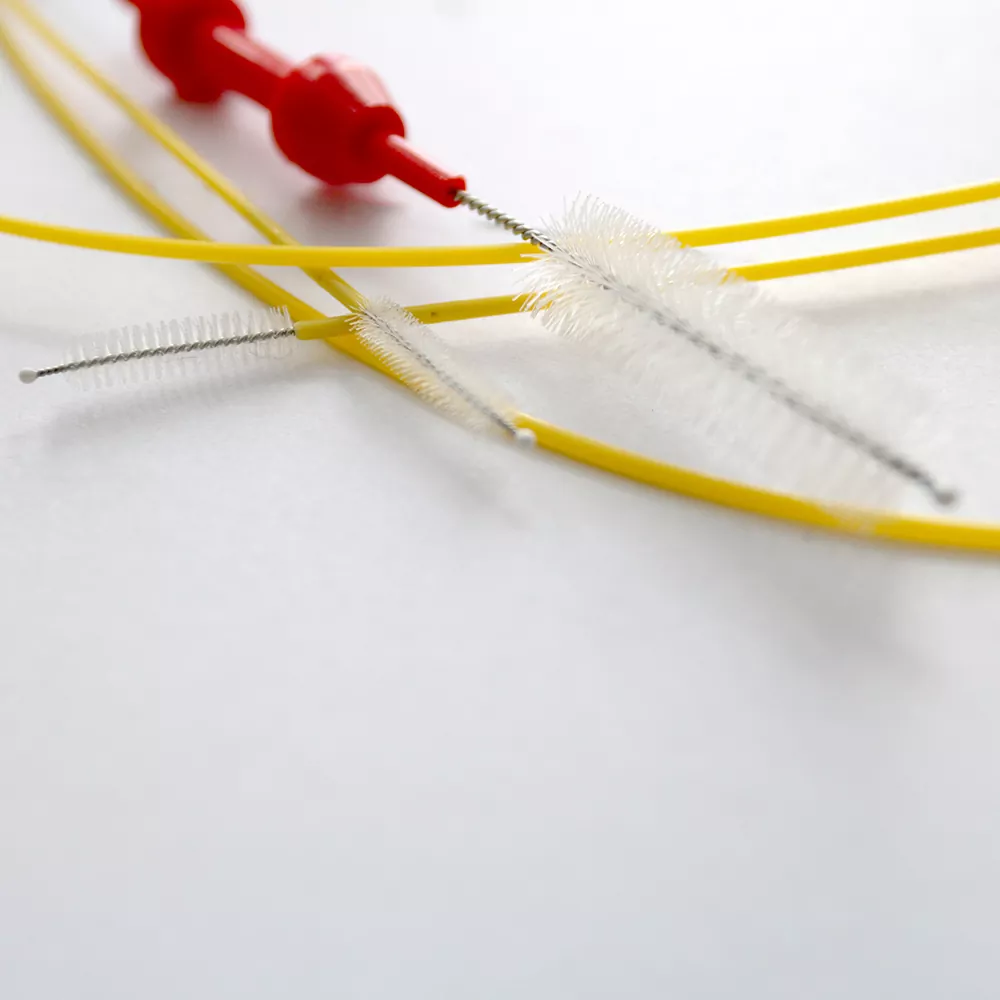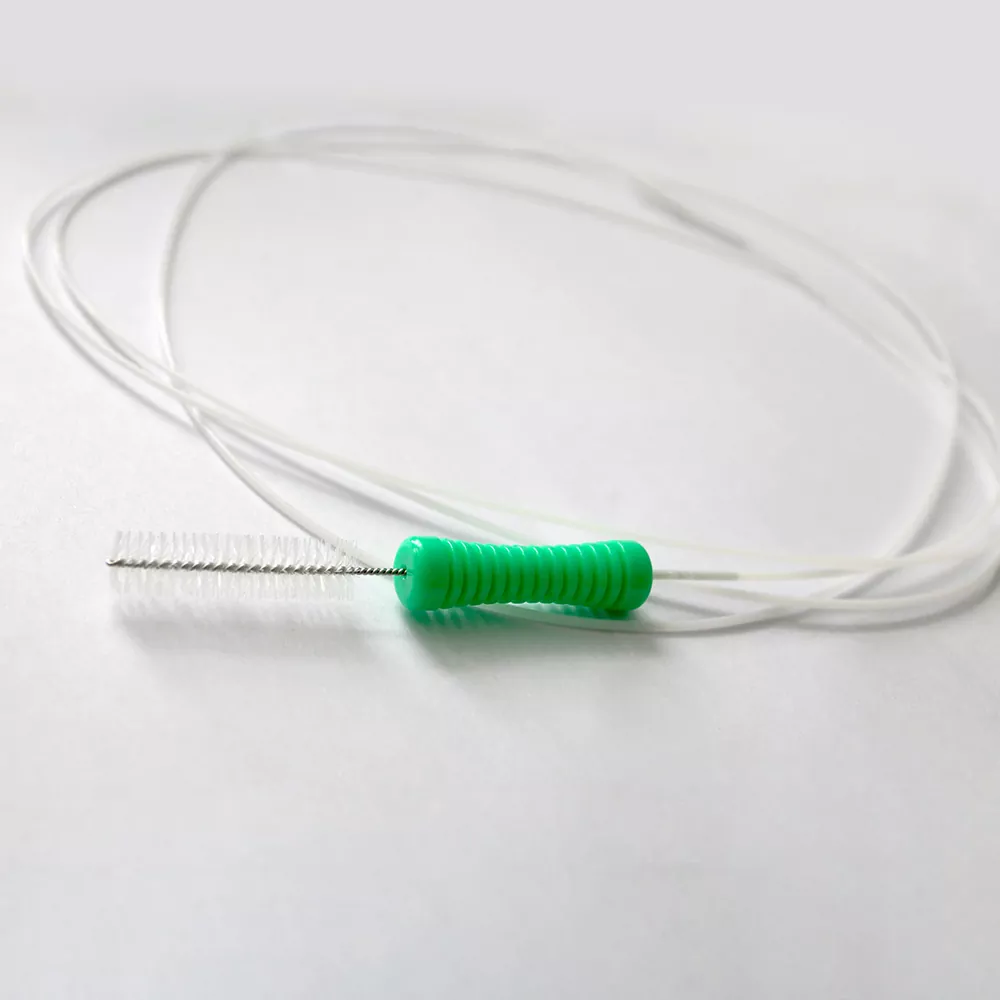
LucentMed is a Chinese manufacturer of medical products, offering disposable bronchoscopy biopsy forceps at direct-sale prices. The product features medical-grade stainless steel jaws, a PTFE-coated stainless steel spring shaft, and a PC-ABS polymer handle; it is designed for ease of use and to minimize patient discomfort.
As a manufacturer and supplier of high-quality disposable bronchoscopy biopsy forceps, LucentMed utilizes highly safe, medical-grade materials and ergonomic designs; the products undergo rigorous biocompatibility testing, ensuring high sampling precision and ease of use.
What Are the Key Advantages of Disposable Bronchoscopy Biopsy Forceps?
1. Reduced risk of cross-infection
Designed for single-patient use, these forceps are sterilized with ethylene oxide (EO) prior to shipment.
Unlike reusable models, they completely eliminate the risk of cross-infection caused by inadequate cleaning or sterilization failure—making them particularly suitable for patients with multidrug-resistant organisms or infectious diseases.
2. Consistent and reliable performance
Each procedure utilizes a brand-new forceps tip featuring sharp cutting edges and a tight cup closure, ensuring biopsy samples remain intact with minimal tissue crushing.
Issues associated with repeated use—such as wire stretching, joint wear, jaw deformation, or sticking mechanisms—are avoided, thereby enhancing biopsy quality and the success rate of foreign body retrieval.
3. Eliminates the need for cleaning, disinfection, and sterilization
As single-use, patient-specific devices, they bypass the cumbersome reprocessing workflow, which includes initial cleaning, enzymatic washing, rinsing, ultrasonic cleaning, drying, sterilization, and biological monitoring.
4. Enhanced patient confidence and satisfaction
Patients can clearly see the unopened, individually packaged disposable device; this eliminates concerns regarding reuse, fosters trust, and improves the overall patient experience.
Product Applications
1. Biopsy of bronchial mucosa and diseased tissue
For suspected lesions—such as endobronchial tuberculosis, lung cancer, granulomas, or ulcerative lesions—Disposable Bronchoscopy Biopsy Forceps are used to retrieve small samples of mucosa or diseased tissue. These samples are then sent for histopathological examination, acid-fast staining, or special staining to assist in establishing a definitive diagnosis.
2. Removal of bronchial foreign bodies
The forceps can be used to grasp foreign bodies aspirated into the airway, such as food particles, bone fragments, denture pieces, or cotton fibers.
For this application, alligator-jaw forceps are recommended to provide superior gripping strength.
3. Assistance in clearing mucus plugs and blood clots
The forceps can grasp and help remove tenacious mucus plugs or blood clots, thereby improving airway patency.
However, in such cases, the forceps serve only as an adjunct; suction or lavage remains the primary method of clearance.
4. Assistance with endoscopic marking and localization
In some centers, the forceps are used to gently grasp the mucosa to create a mark, aiding in the localization of sites for subsequent treatment.
5. Adjunct to interventional procedures
They can be used to excise minute endoluminal granulation tissue or polypoid hyperplasia and serve as an adjunct to bronchoscopic interventional cryobiopsy.
What Precautions Should Be Taken When Using Disposable Bronchoscopy Biopsy Forceps?
1. Maintain direct visualization
During the advancement of the disposable bronchoscopy biopsy forceps, the operator must ensure the forceps tip remains within the bronchoscope's field of view at all times to avoid blind insertion.
2. Avoid damaging areas with major blood vessels
Before sampling, carefully observe the vascular distribution around the lesion, particularly when dealing with highly vascular tumors or inflamed tissue.
3. Post-procedure observation and management of the biopsy site
After obtaining the tissue sample, pause for a few seconds to observe the biopsy site and confirm the absence of significant oozing or active bleeding.
4. Control the angle and force of advancement
Be mindful of the bronchoscope's bending limits during the procedure; do not force the biopsy forceps beyond the angle or depth the endoscope can safely accommodate.
5. Maintain steady and gentle movements
Keep hands steady and movements gentle during the sampling process; avoid sudden force or violent shaking to minimize mechanical irritation and injury to the airway wall.
6. Specimen retrieval and preservation
After sampling, slowly withdraw the forceps under direct visualization, ensuring the forceps tip does not collide with the endoscope body, which could cause the specimen to drop or become damaged.
7. Handling abnormal situations
If abnormal resistance is encountered, or if the patient experiences sudden, severe coughing or a drop in blood oxygen levels, stop the procedure immediately. Assess the cause and take appropriate measures; if necessary, withdraw the instrument and re-plan the sampling path.
FAQ
Q1: Where are disposable bronchoscopy biopsy forceps primarily used?
A: They are primarily used for procedures within the trachea, the left and right main bronchi, and the segmental or sub-segmental bronchi.
Q2: Can they be used on pediatric patients?
A: Yes, but care must be taken to select a smaller outer diameter and a smaller cup size to minimize airway obstruction and trauma. The procedure time should be kept as short as possible to avoid hypoxemia.
Q3: Why is it sometimes impossible to obtain a suitable tissue sample?
A: The forceps tip may have contacted the tissue before fully opening; the sampling angle might be incorrect; or the lesion itself may consist of necrotic tissue, requiring deeper sampling or a change of site.
Q4: What are the advantages of disposable forceps compared to reusable ones?
A: Single-use forceps eliminate the risk of cross-infection, making them particularly suitable for patients with tuberculosis, drug-resistant infections, or compromised immune systems.
We use cookies to offer you a better browsing experience, analyze site traffic and personalize content. By using this site, you agree to our use of cookies.Privacy Policy