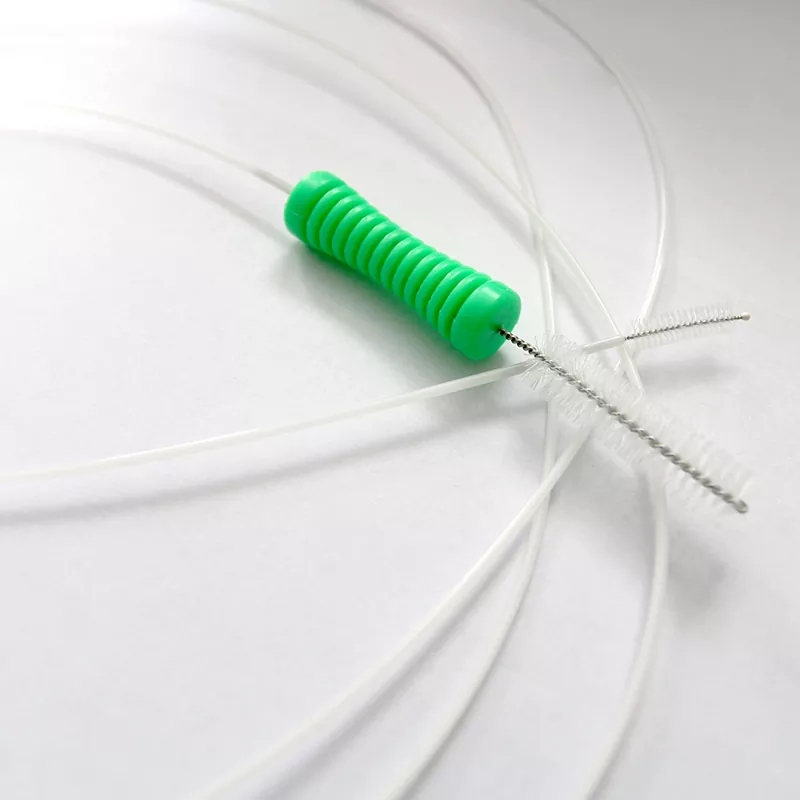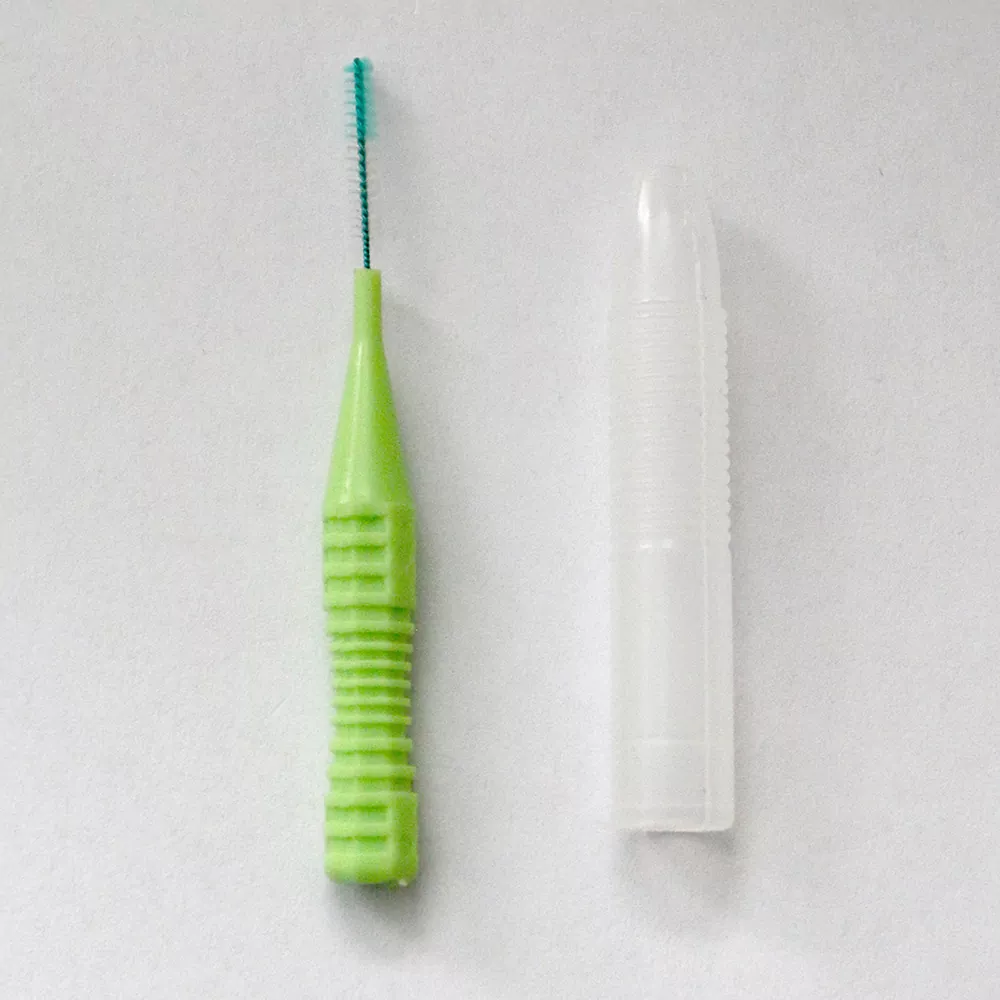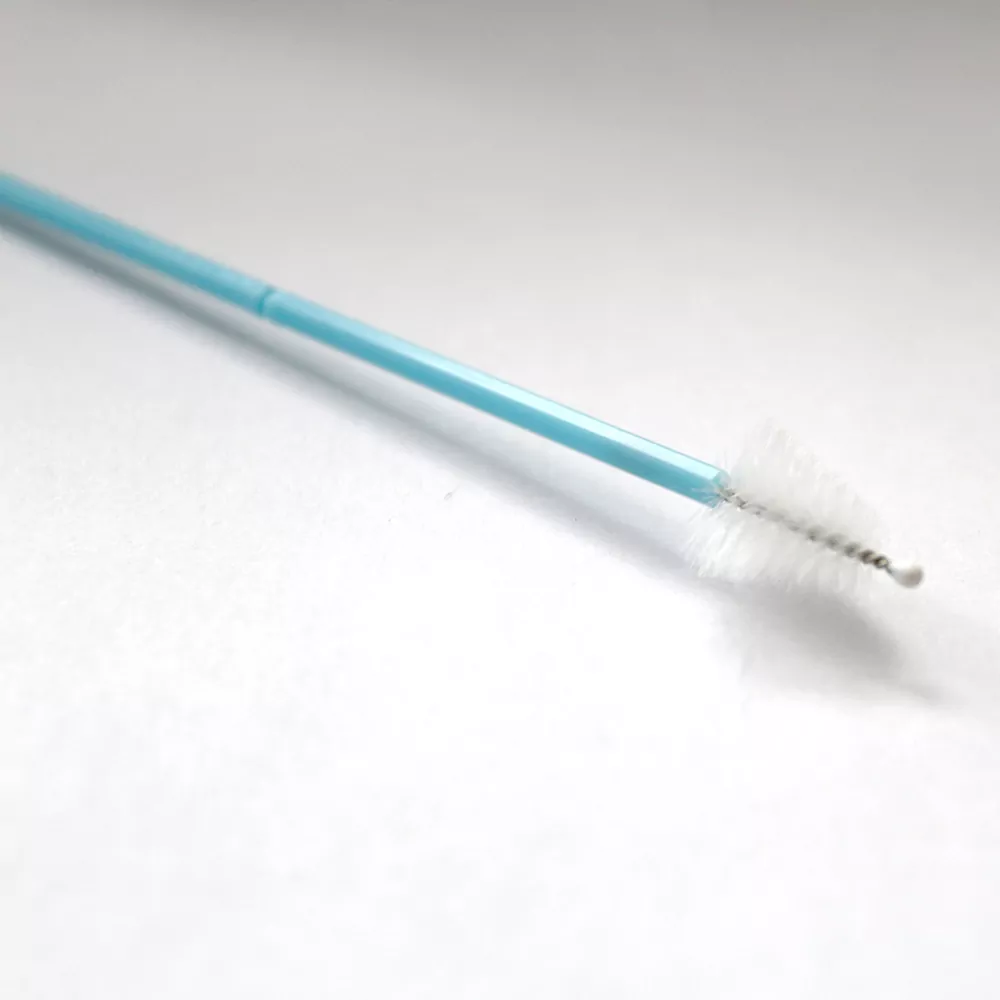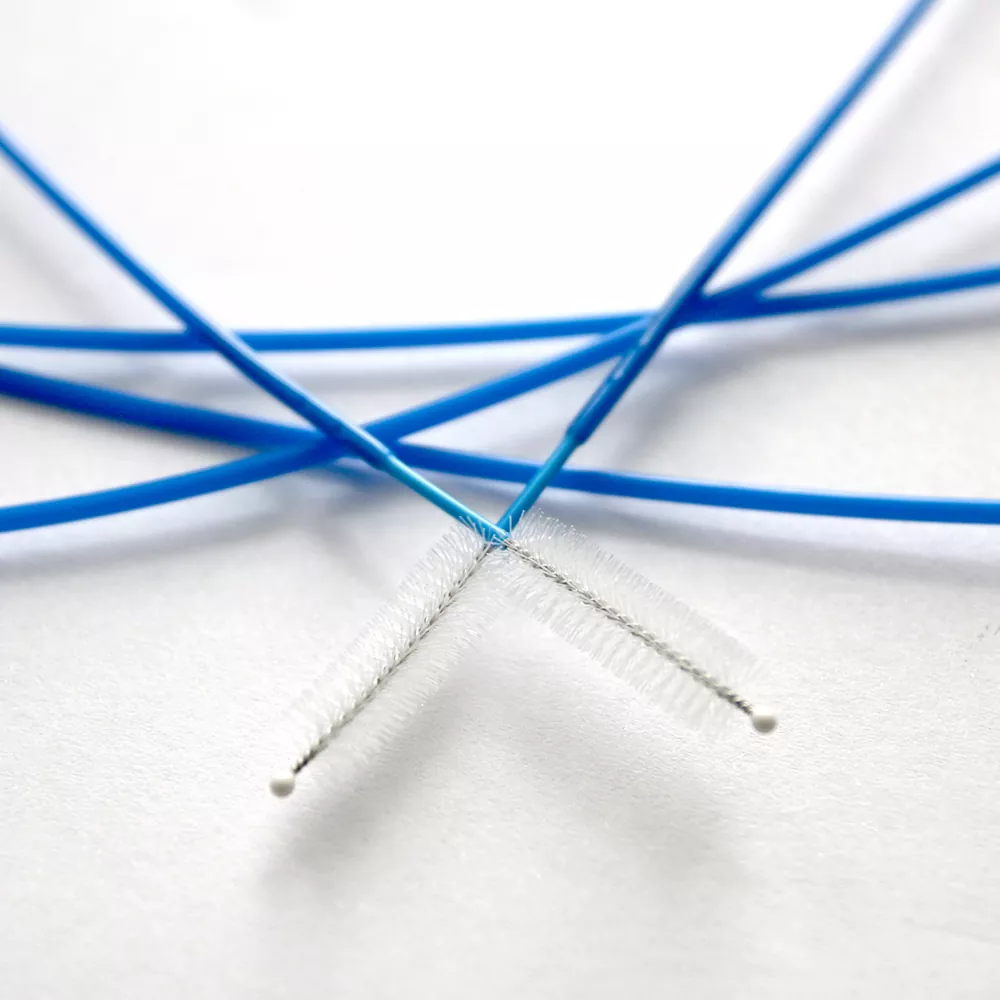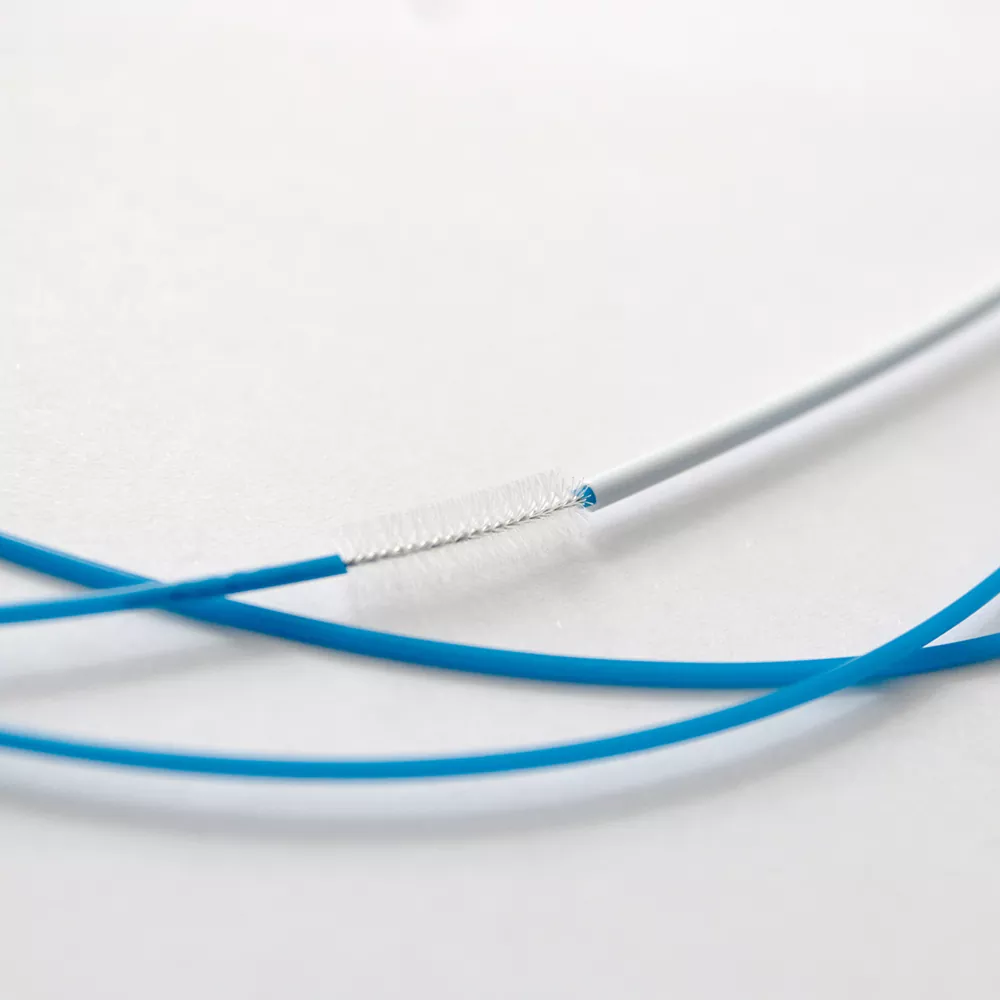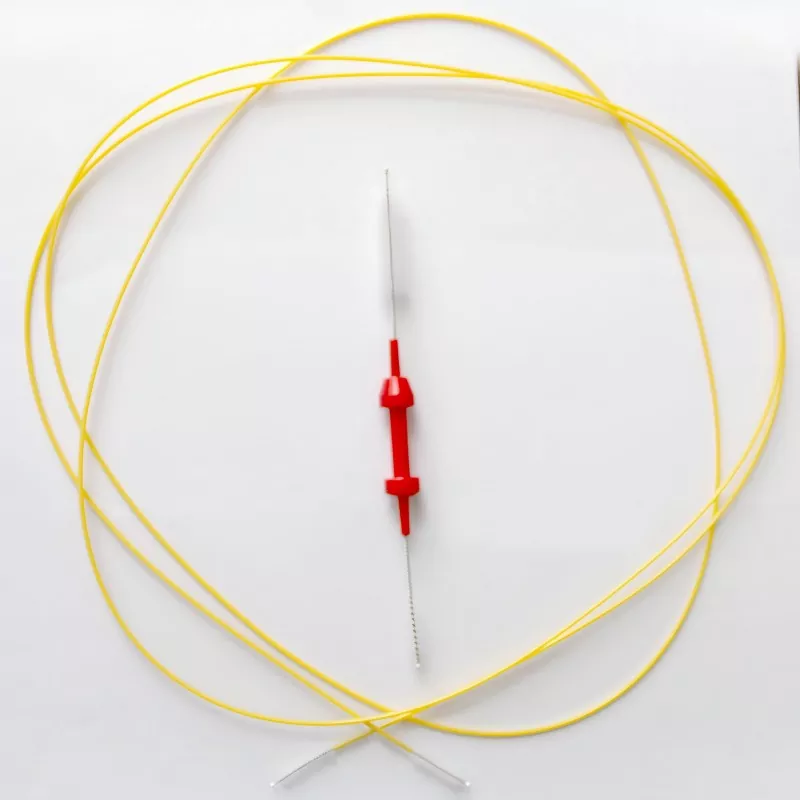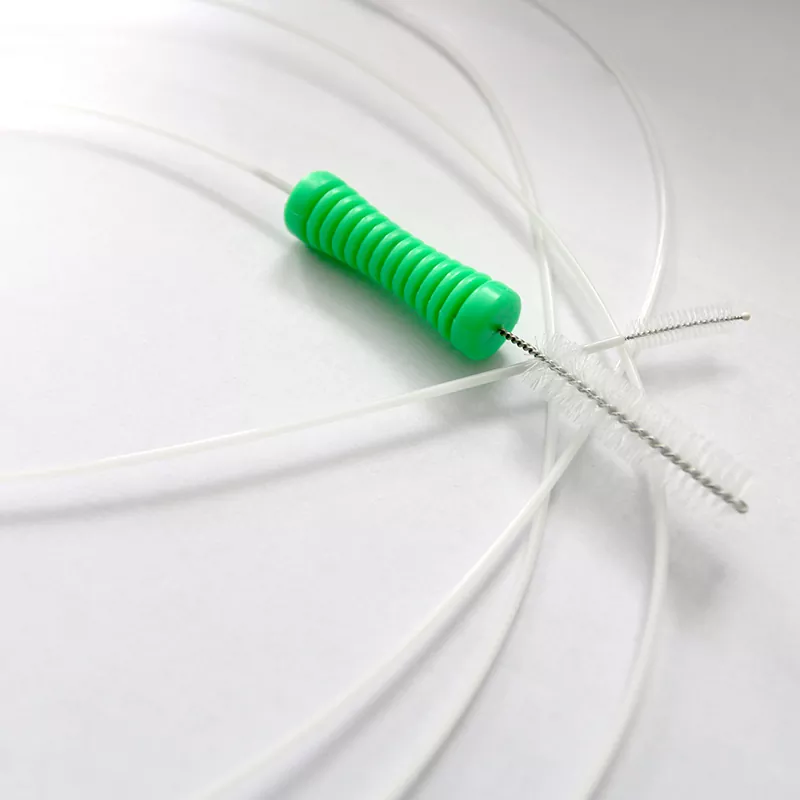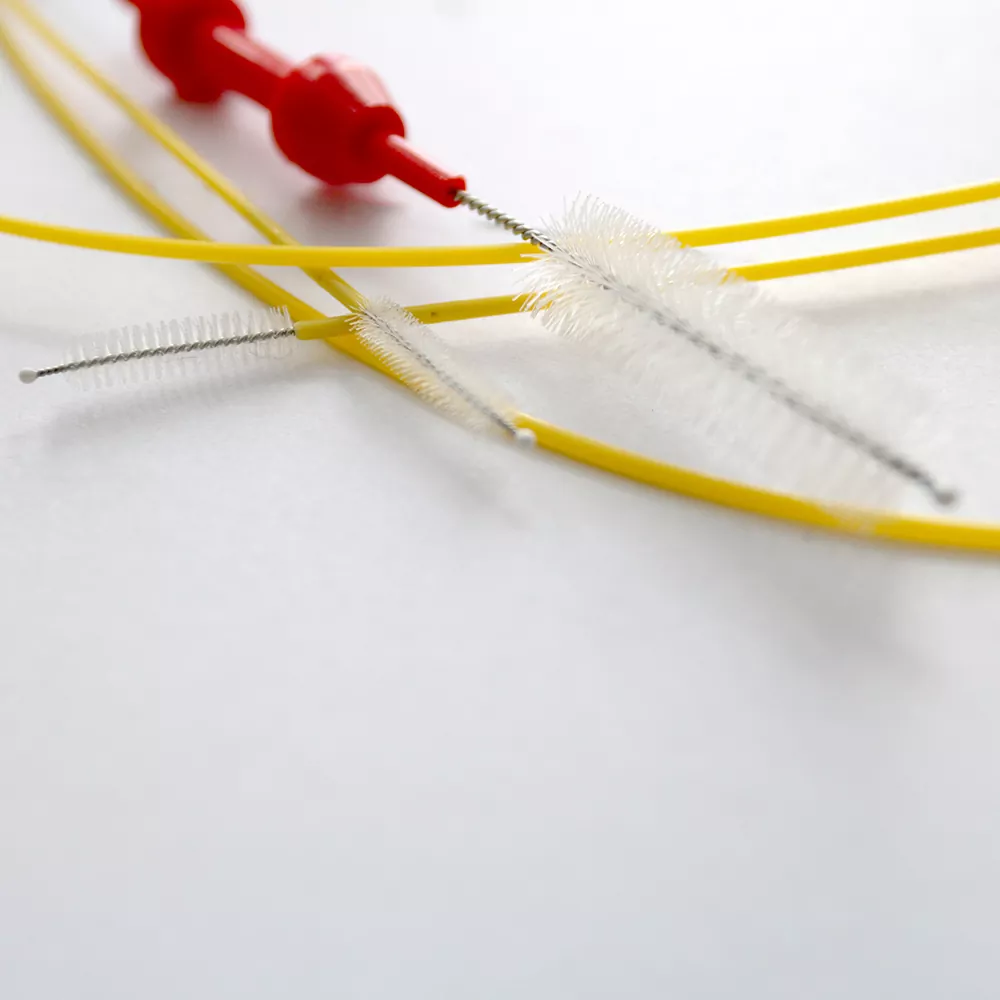
Endoscope cleaning brushes are essential tools for removing biological residues, mucus, blood, and tissue debris from the internal channels of flexible endoscopes. Proper cleaning is a critical step in preventing cross-contamination and maintaining the performance of endoscopic equipment.
However, during daily clinical use, medical staff may encounter various problems related to brush selection, operation methods, product quality, and maintenance. Understanding these common issues can help healthcare facilities improve cleaning efficiency and reduce risks during endoscope reprocessing.
One of the most common problems is using an endoscope cleaning brush that does not match the internal channel size of the endoscope.
If the brush diameter is too small:
- The brush may not fully contact the channel wall;
- Residual contaminants may remain inside the channel;
- Cleaning efficiency may be reduced.
If the brush diameter is too large:
- The brush may become difficult to insert;
- Excessive friction may damage the brush or endoscope channel;
- Operation may become less smooth.
Therefore, the brush diameter should be selected according to the endoscope working channel diameter to ensure effective contact while maintaining safe operation.
Endoscope channels are narrow and complex structures where contaminants can easily accumulate.
Common cleaning difficulties include:
- Incomplete removal of mucus and organic residues;
- Failure to brush the entire length of the channel;
- Insufficient brushing repetitions during manual cleaning.
A suitable Endoscope Cleaning Brush should have:
- Appropriate brush length;
- Uniformly distributed bristles;
- Good flexibility to pass through curved channels.
Correct brushing technique and compliance with cleaning protocols are equally important.
During repeated use, cleaning brushes may experience:
- Bent guide wires;
- Loose or missing bristles;
- Damaged brush heads;
- Deformed handles.
A damaged brush may not only reduce cleaning performance but may also introduce foreign materials into the endoscope channel.
Before each use, operators should check:
- Whether the brush head is intact;
- Whether bristles are firmly attached;
- Whether the shaft is straight and flexible.
Damaged brushes should be replaced immediately.
Flexible endoscopes contain long and curved internal channels, making brush flexibility an important factor.
A brush with insufficient flexibility may cause:
- Difficulty advancing through the channel;
- Increased operating resistance;
- Potential damage to the endoscope.
High-quality Endoscope Cleaning Brushes from LucentMed are designed with optimized shaft flexibility, allowing smoother passage through curved pathways while maintaining sufficient strength for effective cleaning.
Reusable endoscope cleaning brushes require strict cleaning, disinfection, and maintenance procedures after each use.
Common problems include:
- Incomplete cleaning after use;
- Improper storage conditions;
- Excessive reuse beyond recommended limits;
- Lack of usage records.
These issues may increase the risk of contamination.
For facilities with high patient volumes or strict infection control requirements, Disposable Endoscope Cleaning Brushes are often preferred because they provide a new cleaning tool for each procedure and simplify management.
Different endoscope systems may have different channel specifications, including:
- Working channel diameter;
- Channel length;
- Internal structure.
A cleaning brush suitable for one endoscope model may not be suitable for another.
When selecting Endoscope Cleaning Brushes, healthcare facilities should confirm compatibility with commonly used endoscope brands, such as:
- Olympus;
- Fujifilm;
- PENTAX Medical;
- Karl Storz.
Matching the correct brush specification helps ensure effective cleaning performance.
Even properly cleaned brushes can become contaminated if stored incorrectly.
Recommended storage practices include:
- Keeping products in clean and dry conditions;
- Avoiding contact with contaminated surfaces;
- Protecting brush heads from deformation;
- Following manufacturer storage requirements.
Proper storage helps maintain product performance and extends the service life of reusable products.
When selecting an Endoscope Cleaning Brush, healthcare providers and distributors should consider:
1. Endoscope Compatibility: Endoscope type, working channel diameter, and required brush length.
2. Brush Structure: Single-ended or double-ended brush design, bristle material, shaft flexibility, handle design.
3. Usage Requirements: Choose according to cleaning frequency, infection control requirements, hospital workflow, cost management needs.
Send your needs to LucentMed, and start a new cooperation with us today, beginning with free sample!
Phone: +86-18661928062
Mobile: +86-18661928062
E-mail: 18661928062@163.com
Address:Zhongke Industrial City, No. 6, Xihuan Road, Jiangshan Town, Laixi City, Qingdao, Shandong Province, China
Copyright © 2026 Qingdao Lushua Medical Technology Co., Ltd. All Rights Reserved.