Follow Us:

News

How Can Disposable Colonoscopy Biopsy Forceps Improve Tissue Sampling and Endoscopy Efficiency

2026-10-20 0 Leave me a message

Article Summary: Disposable colonoscopy biopsy forceps play an important role in lower gastrointestinal endoscopy by supporting controlled tissue collection, consistent instrument performance, and efficient infection control. LucentMed provides disposable colonoscopy biopsy forceps designed with medical-grade stainless steel cups, flexible sheaths, and multiple jaw configurations to accommodate different clinical sampling requirements. Understanding jaw design, working length, outer diameter, sterilization, and packaging helps healthcare providers and medical distributors select suitable instruments for their needs.

Disposable Colonoscopy Biopsy Forceps

Table of Contents

1. What Are Disposable Colonoscopy Biopsy Forceps?

2. Clinical Applications in Gastrointestinal Endoscopy

3. Key Design Features and Performance Benefits

4. Product Specifications and Selection Guide

5. Cup-Type vs. Alligator-Type Biopsy Forceps

6. Disposable vs. Reusable Biopsy Forceps

7. Sterility, Packaging, and Quality Considerations

8. What Should Buyers Check Before Purchasing?

9. Frequently Asked Questions

10. Conclusion


What Are Disposable Colonoscopy Biopsy Forceps?

Disposable colonoscopy biopsy forceps are single-use endoscopic instruments designed to collect small tissue specimens from the colon and rectum during diagnostic procedures. They are introduced through the working channel of a compatible colonoscope, allowing clinicians to access selected areas of the gastrointestinal tract without requiring a separate surgical incision.

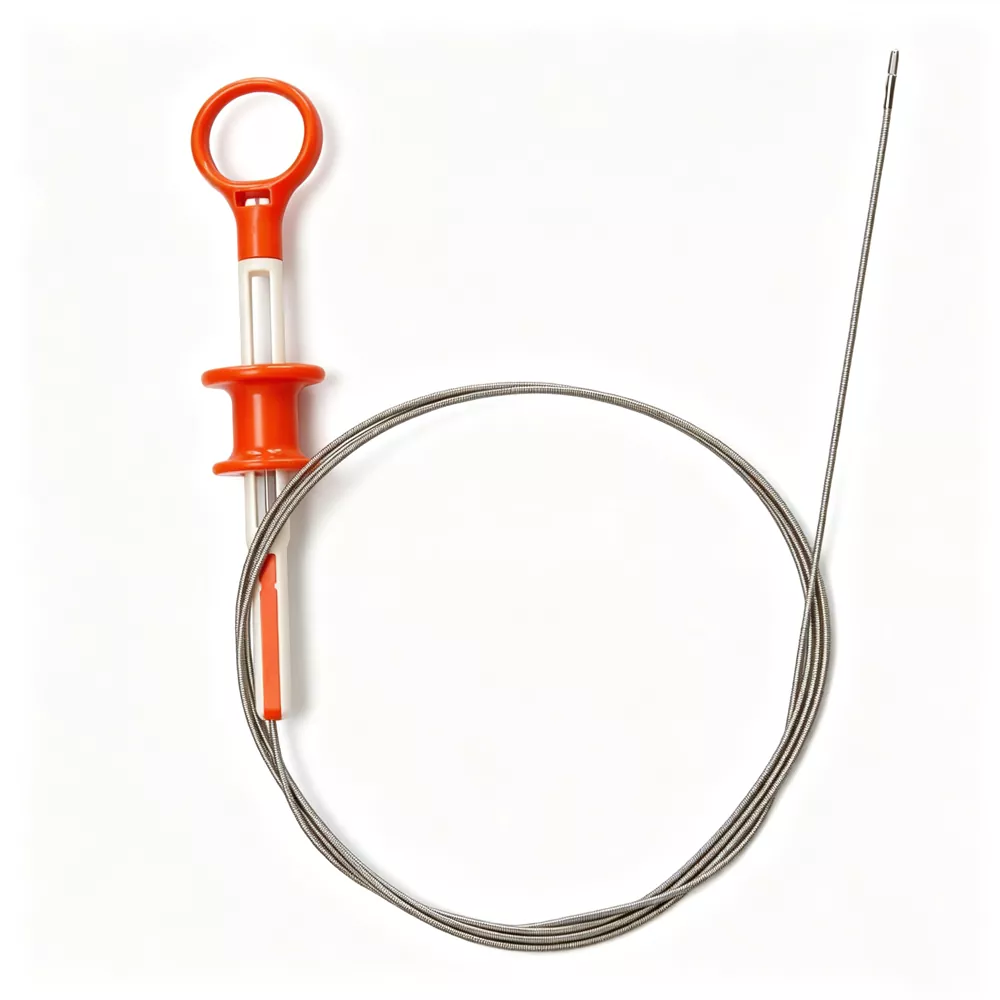
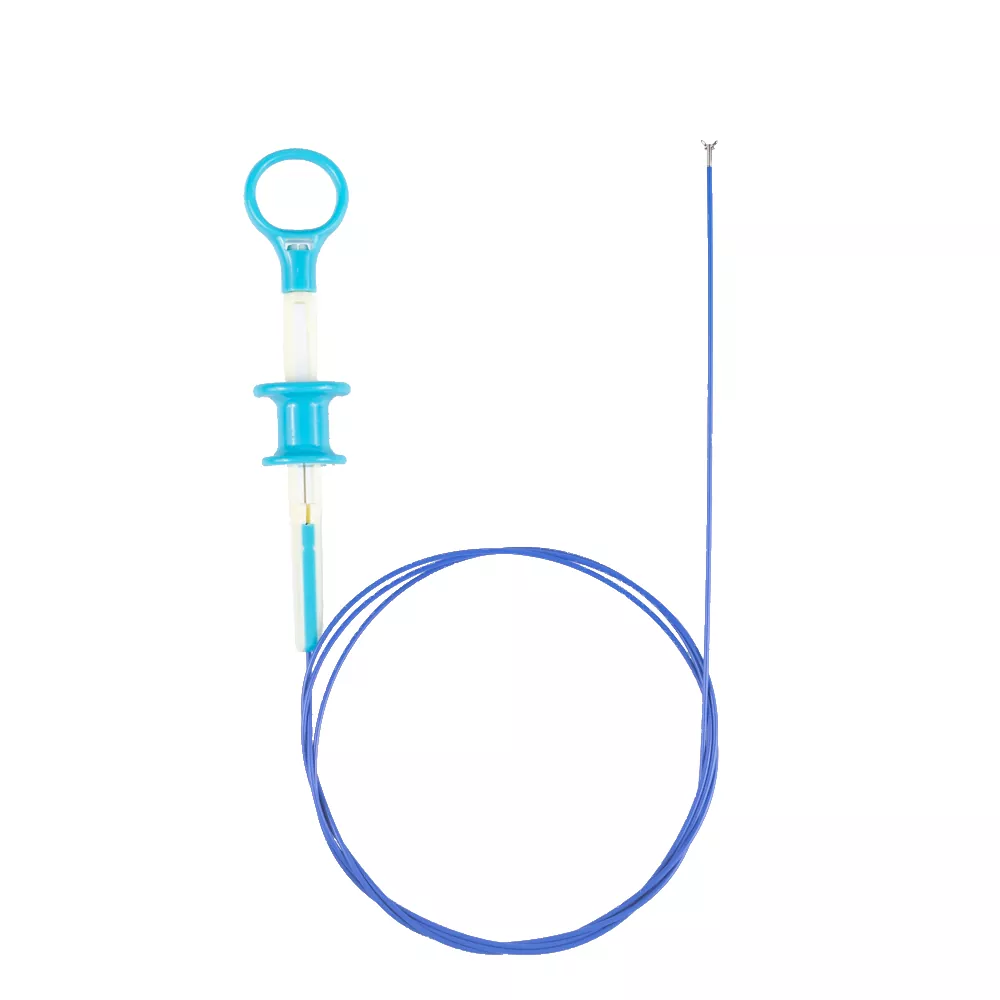
The instrument generally consists of a handle, a flexible insertion sheath, an internal operating mechanism, and a pair of small cutting cups at the distal end. When the handle is operated, the jaws open and close to grasp and excise a tissue specimen for subsequent pathological examination.

Unlike reusable instruments, disposable models are intended for one procedure or one patient, according to the manufacturer's instructions. This single-use approach eliminates the need to reprocess the instrument between patients and can simplify preparation for endoscopy departments managing frequent examinations.

LucentMed manufactures disposable colonoscopy biopsy forceps using medical-grade stainless steel for the forceps cups, a flexible outer sheath incorporating polymer and spiral metal components, and a medical-grade polypropylene handle. Different configurations are available to address varying endoscope compatibility and tissue-sampling requirements.


Clinical Applications in Gastrointestinal Endoscopy

Biopsy forceps support diagnostic procedures by enabling clinicians to obtain tissue for microscopic assessment. The specimen can help pathologists evaluate cellular changes, inflammation, and other abnormalities that cannot be fully characterized through visual inspection alone.

Common clinical applications include:

  • Colorectal screening: Collecting tissue from suspicious mucosal abnormalities identified during colonoscopy.
  • Inflammatory bowel disease assessment: Obtaining mucosal specimens when evaluating conditions such as ulcerative colitis and Crohn's disease.
  • Investigation of unexplained symptoms: Supporting diagnostic evaluation when endoscopic findings warrant tissue analysis.
  • Lesion sampling: Obtaining selected specimens from visible abnormalities for histopathological examination.
  • Follow-up examinations: Supporting tissue assessment when clinicians determine that repeat sampling is appropriate.

Forceps selection should reflect the intended procedure, the characteristics of the target tissue, the endoscope's working-channel dimensions, and the clinician's technique. Biopsy forceps are not a substitute for dedicated polypectomy or other therapeutic devices when a different intervention is indicated.


Key Design Features and Performance Benefits

The performance of disposable colonoscopy biopsy forceps depends on several interconnected design elements. A well-matched instrument should provide reliable jaw movement, appropriate tissue engagement, manageable insertion resistance, and compatibility with the intended endoscope.

1. Precision-Designed Forceps Cups

The distal jaws must open and close smoothly to engage the target tissue. Proper alignment helps the opposing cups meet consistently, supporting controlled specimen collection. Medical-grade stainless steel provides the structural strength needed for repeated jaw movement during a single procedure.

2. Flexible Sheath Construction

The insertion sheath typically combines a polymer outer layer with a spiral metal structure. This construction balances flexibility and pushability as the instrument travels through the endoscope's working channel. Smooth passage can help clinicians maintain control while positioning the jaws at the intended sampling site.

3. Multiple Jaw Configurations

Oval-cup and alligator-jaw designs offer different tissue-engagement characteristics. Models with a central spike may provide additional anchoring, while needleless versions avoid that feature. The appropriate configuration depends on clinical judgment and the intended sampling task.

4. Single-Use Sterile Presentation

Individually packaged, sterilized instruments can streamline preparation and reduce dependence on instrument reprocessing workflows. LucentMed specifies ethylene oxide (EtO) sterilization for its disposable colonoscopy biopsy forceps. Users should always verify the sterile barrier, expiry date, and instructions for use before opening a package.


Product Specifications and Selection Guide

Technical specifications are central to purchasing decisions because the wrong insertion diameter or working length may make a forceps model incompatible with the intended colonoscope. Buyers should confirm the exact model rather than relying solely on a general product description.

Specification LucentMed Product Details Selection Consideration
Intended endoscope Colonoscope Confirm compatibility with the specific endoscope model.
Clinical application Lower gastrointestinal tissue sampling Match the instrument to the intended diagnostic procedure.
Forceps cup material Medical-grade stainless steel Review material and product documentation.
Outer sheath PTFE/PE outer sheath with spiral metal coil Consider flexibility and passage through the working channel.
Handle material Medical-grade polypropylene (PP) Evaluate grip, handling, and operating mechanism.
Working length 1,600 mm, 1,800 mm, and 2,300 mm; customizable Verify the required insertion length for the endoscope.
Outer diameter 1.8 mm and 2.3 mm Check the minimum compatible working-channel diameter.
Cup opening 5.0–7.0 mm, depending on model Confirm the selected model's jaw-opening dimensions.
Jaw configurations Oval cup and alligator cup Choose according to tissue characteristics and sampling needs.
Spike options With spike or needleless Confirm whether additional tissue anchoring is appropriate.
Sterilization Ethylene oxide (EtO) Check sterile labeling, expiry, and applicable documentation.
Packaging Individually sterile packaged Inspect package integrity before use.

Important: These specifications describe the product range, not necessarily every individual model. Actual dimensions, compatibility, and customization options should be confirmed against the selected product's technical documentation and instructions for use.


Cup-Type vs. Alligator-Type Biopsy Forceps

Jaw geometry influences how biopsy forceps engage tissue. Although both configurations are designed for endoscopic sampling, their structures offer different handling characteristics.

Comparison Factor Oval-Cup Forceps Alligator-Type Forceps
Jaw structure Opposing cup-shaped jaws Elongated jaws with a toothed or serrated profile
Typical strength Controlled engagement for routine mucosal sampling Firm tissue engagement in selected applications
Potential advantage Suitable for common biopsy requirements May help maintain grip on tissue that is more difficult to grasp
Selection factors Target tissue, specimen requirements, and scope compatibility Target tissue, access angle, and desired gripping characteristics
Spike availability Depends on the model Depends on the model

Oval-cup forceps are a practical option for many routine mucosal biopsies. Alligator-type designs may be considered when their jaw profile offers an advantage for a particular target. Neither configuration is universally superior; the appropriate choice depends on the clinical situation and the clinician's assessment.

For purchasing teams, maintaining access to more than one jaw configuration may help an endoscopy department accommodate different procedures. However, inventory planning should be based on actual usage, clinician preferences, and validated compatibility rather than assuming every facility needs every model.


Disposable vs. Reusable Biopsy Forceps

Both disposable and reusable biopsy forceps can serve endoscopic tissue-sampling workflows when appropriately designed and used. Their main operational difference is what happens after a procedure.

Evaluation Factor Disposable Forceps Reusable Forceps
After-use handling Discard according to applicable procedures and regulations Requires validated cleaning, disinfection, and sterilization processes as applicable
Preparation New sterile unit prepared for each use Previously used instrument must complete the required reprocessing cycle
Reprocessing workload No instrument reprocessing between patients Requires staff time, equipment, and process controls
Instrument tracking Single-use inventory and expiry management Reprocessing records and instrument-life tracking may be required
Cost considerations Recurring per-unit purchasing cost Purchase cost plus reprocessing, maintenance, and replacement costs
Best purchasing approach Assess per-procedure cost and workflow needs Assess lifetime cost and reprocessing capacity

Disposable instruments can reduce reprocessing workload, but they are not automatically less expensive in every setting. A fair cost comparison should include purchase price, labor, equipment, quality controls, maintenance, waste handling, and the number of procedures performed. Infection prevention also depends on correct handling and compliance with the facility's protocols.


Sterility, Packaging, and Quality Considerations

For single-use medical instruments, sterility assurance and package integrity are essential procurement considerations. A product's technical performance matters, but buyers should also review how it is manufactured, sterilized, packaged, stored, and documented.

LucentMed describes its disposable colonoscopy biopsy forceps as individually packaged and EtO-sterilized. Its product information also identifies ISO 13485 and ISO 9001 quality-system certifications and medical-grade materials. Buyers should request current supporting documents and verify that the applicable certificates and product registrations cover the specific product and destination market.

Before use, healthcare professionals should check:

  • The package is sealed and shows no visible damage, moisture, or contamination.
  • The product name, model, lot number, and expiry date are legible.
  • The sterilization status and applicable indicators meet the manufacturer's instructions.
  • The device has been stored within the specified environmental conditions.
  • The instrument is compatible with the intended colonoscope and procedure.

Disposable forceps should not be reused or reprocessed unless the manufacturer has specifically authorized such use under applicable regulations. Follow the instructions for use and local clinical waste-disposal requirements.


What Should Buyers Check Before Purchasing?

Hospitals, endoscopy centers, distributors, and medical-device importers can use a structured evaluation process to reduce procurement errors and improve supply consistency.

  1. Confirm endoscope compatibility. Match the forceps outer diameter and working length to the intended colonoscope and its working channel.
  2. Specify the jaw design. Identify whether oval-cup or alligator-type forceps are needed and whether a spike is required.
  3. Review clinical performance requirements. Consider jaw alignment, opening dimensions, handling, and tissue-engagement characteristics.
  4. Request product documentation. Review specifications, instructions for use, sterilization information, quality-system documents, and market-specific regulatory evidence.
  5. Evaluate packaging and shelf life. Confirm individual packaging, storage requirements, expiry dating, and transport conditions.
  6. Assess supply reliability. Discuss minimum order quantities, lead times, production capacity, sample evaluation, and customization options.
  7. Compare total procurement cost. Include freight, import requirements, storage, expiry-related losses, and expected consumption.

For medical distributors, consistent specifications and clear model identification can also simplify product catalog management. For healthcare providers, a standardized purchasing checklist helps clinicians and procurement teams evaluate instruments against the same requirements.


Frequently Asked Questions

1. What are disposable colonoscopy biopsy forceps used for?

They are used to collect small tissue specimens from the colon or rectum during colonoscopy when a clinician determines that biopsy is appropriate. The collected tissue can then be examined by a pathology laboratory.

2. Are disposable colonoscopy biopsy forceps supplied sterile?

LucentMed specifies individually sterile packaging and ethylene oxide sterilization for its product. Buyers should confirm the sterilization status, package integrity, and expiry date for the exact model before use.

3. What is the difference between oval-cup and alligator-type forceps?

Oval-cup forceps use opposing cup-shaped jaws and are commonly considered for routine mucosal sampling. Alligator-type forceps have a different jaw profile that may provide a firmer grip in selected applications. The appropriate design depends on tissue characteristics and clinical requirements.

4. How do I select the correct working length and outer diameter?

Check the specifications of the intended colonoscope, including its working-channel diameter and required insertion length. LucentMed lists working lengths of 1,600 mm, 1,800 mm, and 2,300 mm, along with outer diameters of 1.8 mm and 2.3 mm. Confirm the compatibility of the specific model before ordering.

5. Can disposable biopsy forceps be reused?

No. Instruments labeled for single use should not be reused or reprocessed unless expressly authorized by the manufacturer and permitted under applicable regulations. Follow the product instructions and the healthcare facility's infection-control procedures.

6. What materials are used in LucentMed disposable colonoscopy biopsy forceps?

According to the product information, the forceps cups are made of medical-grade stainless steel, the outer sheath incorporates PTFE/PE and a spiral metal coil, and the handle uses medical-grade polypropylene.

7. How should disposable biopsy forceps be stored?

Follow the storage conditions on the product label and in the instructions for use. LucentMed's product information recommends a cool, dry, well-ventilated storage area at room temperature not exceeding 30°C, away from direct sunlight and excessive pressure that could damage the package or instrument.

8. What should distributors request before placing a bulk order?

Distributors should request the current product specification, available models, compatibility details, sterilization and packaging information, applicable quality and regulatory documentation, shelf-life details, pricing, minimum order quantity, and estimated delivery lead time.


Conclusion: Choosing the Right Disposable Colonoscopy Biopsy Forceps

Choosing suitable disposable colonoscopy biopsy forceps requires more than comparing unit prices. Jaw configuration, working length, outer diameter, endoscope compatibility, sterile packaging, and product documentation all contribute to an informed purchasing decision. A systematic evaluation helps healthcare providers support consistent endoscopy workflows while enabling distributors to maintain an appropriate product range.

LucentMed offers disposable colonoscopy biopsy forceps with multiple configurations and size options for professional medical-device procurement. Whether you are sourcing instruments for an endoscopy department, developing a distribution portfolio, or evaluating customized supply requirements, explore the LucentMed disposable colonoscopy biopsy forceps product page for further details. For current specifications, sample evaluation, bulk pricing, or customization options, contact us to discuss your requirements and identify a suitable solution for your market.

Related News
Leave me a message
X
We use cookies to offer you a better browsing experience, analyze site traffic and personalize content. By using this site, you agree to our use of cookies. Privacy Policy
RejectAccept