As a specialized manufacturer of sterile endoscope cleaning brushes, LucentMed operates standardized cleanrooms and automated production lines. Our products feature sterile, individual packaging and are designed for single-use to strictly control infection risks. With comprehensive certifications and stable production capacity, we are fully equipped to fulfill both bulk orders and custom requests. We welcome you to contact us.
LucentMed specializes in the production of Sterile Endoscope Cleaning Brushes, featuring individual sterile packaging to effectively minimize the risk of cross-contamination.
As an experienced direct manufacturer, our products are resistant to various disinfection agents and are available in a comprehensive range of specifications compatible with a wide variety of endoscopes—including gastroscopes and colonoscopes. Compliant with medical device regulations, our brushes are both safe and highly efficient.
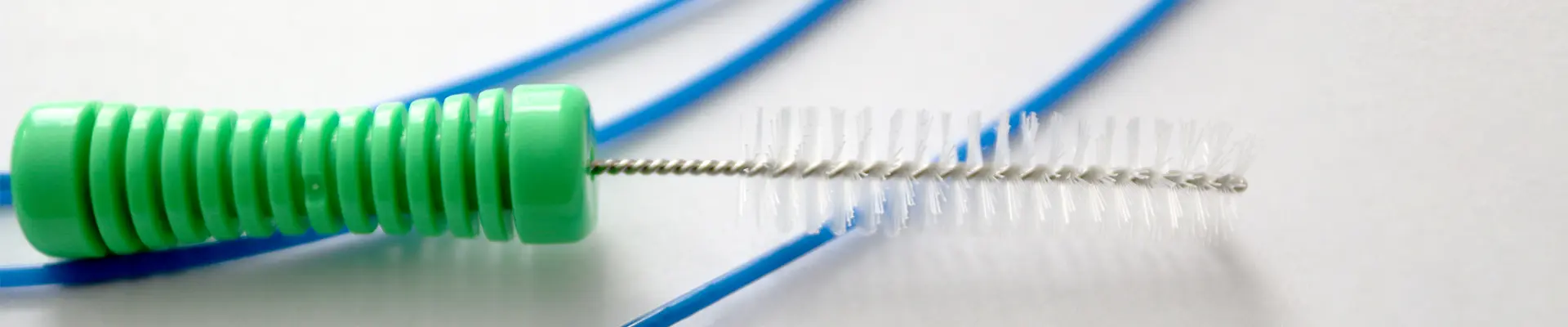
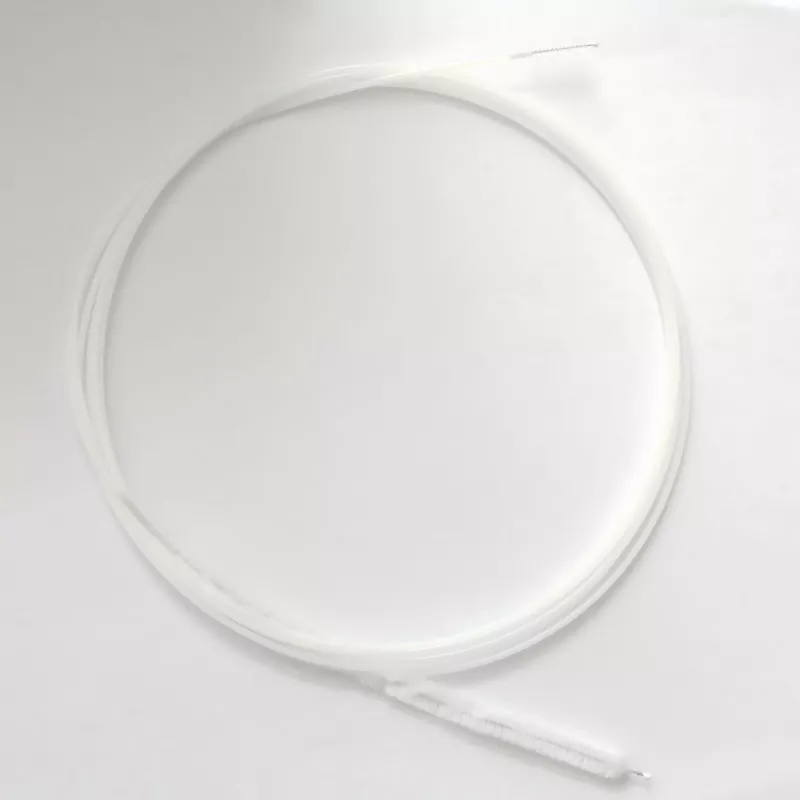
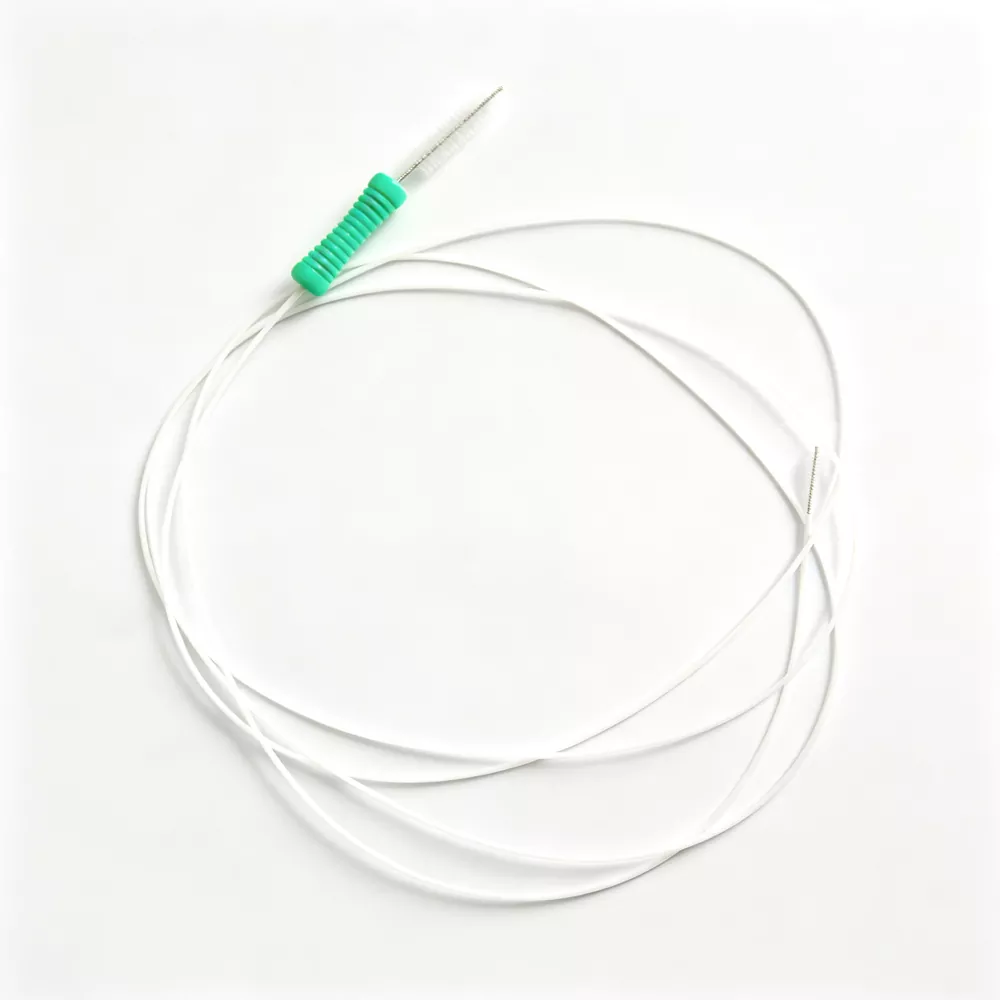
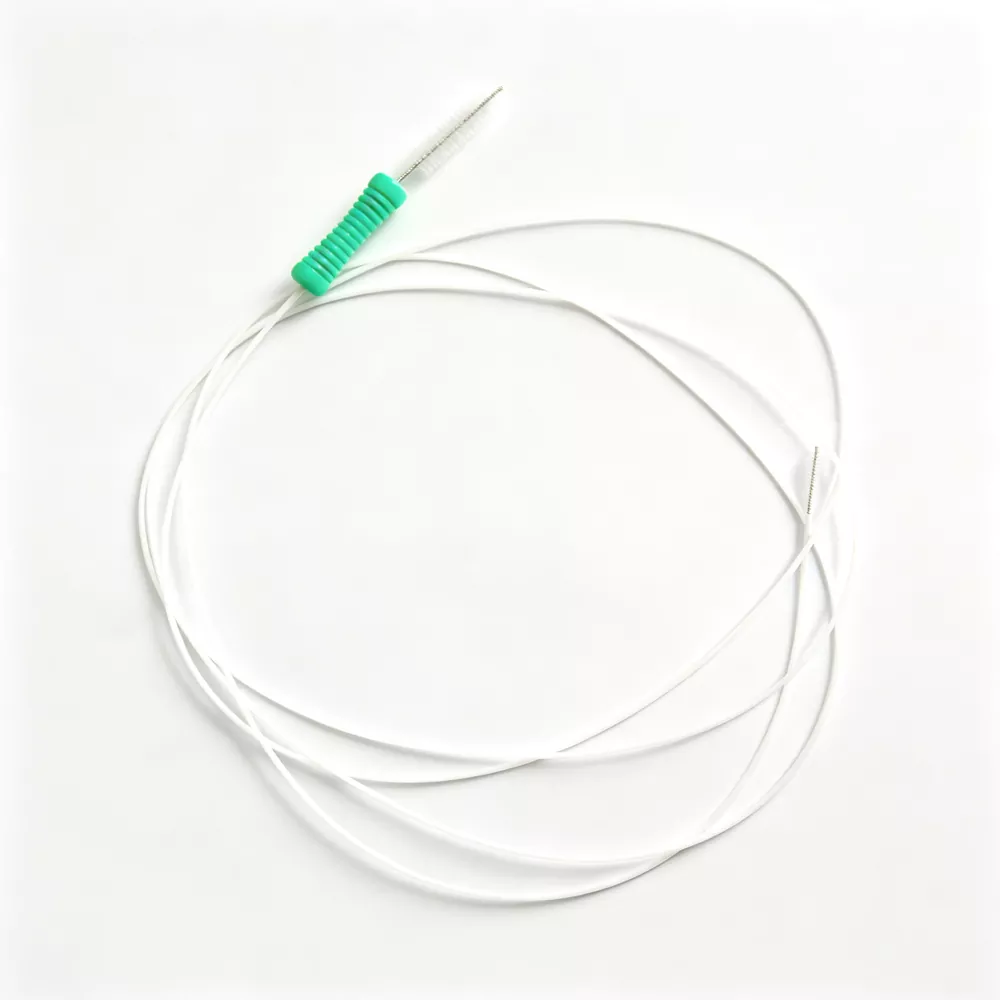
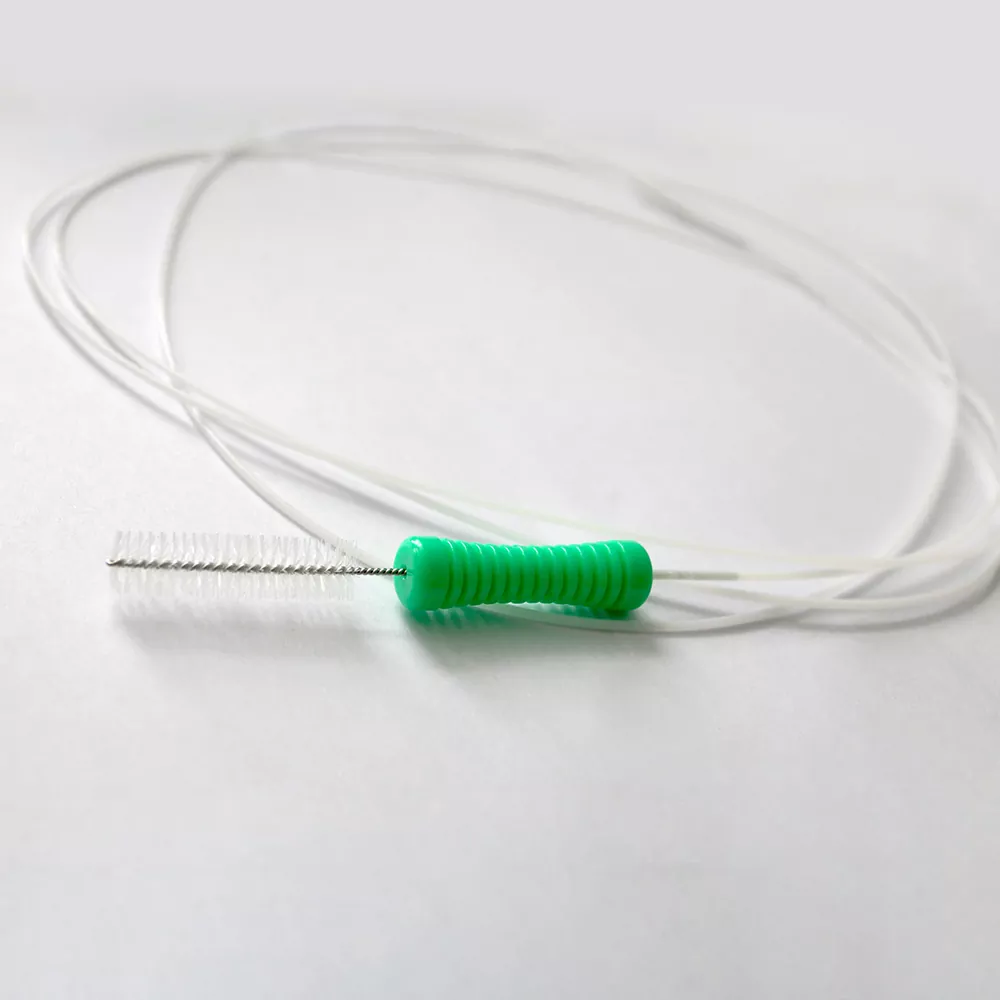
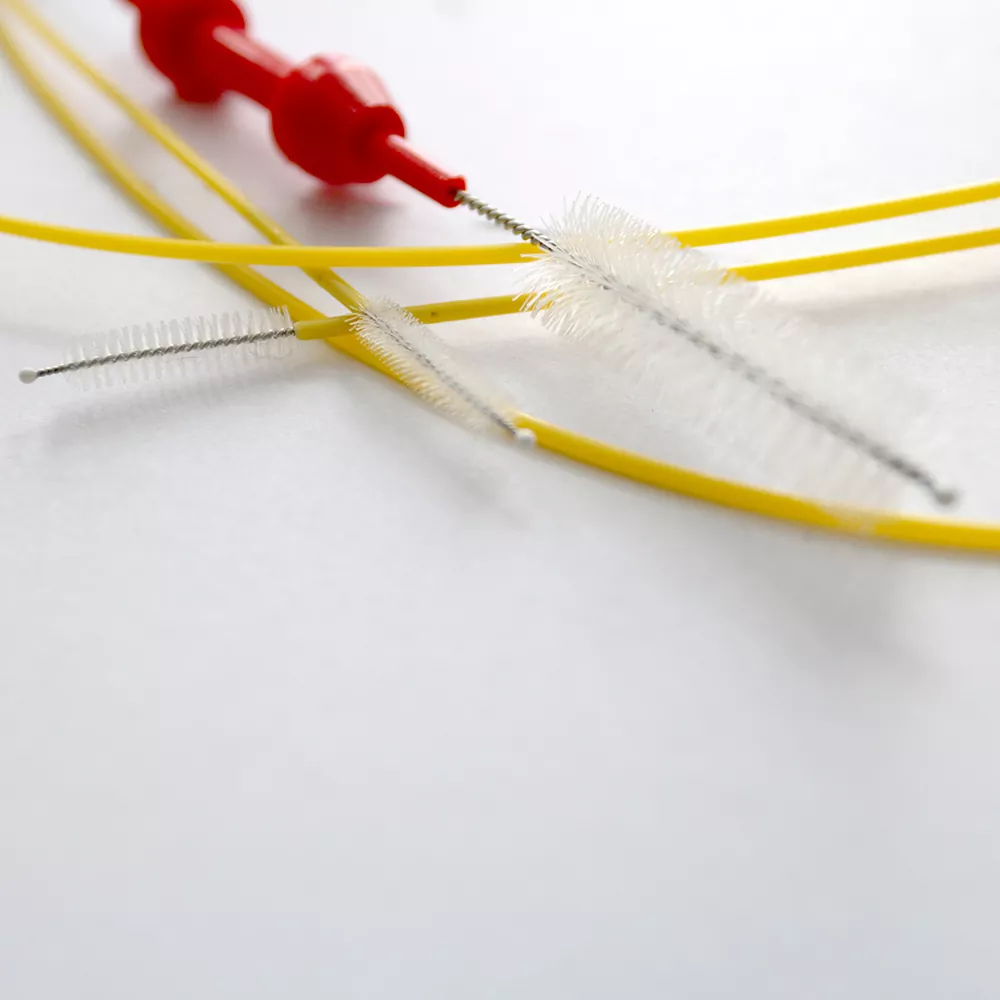
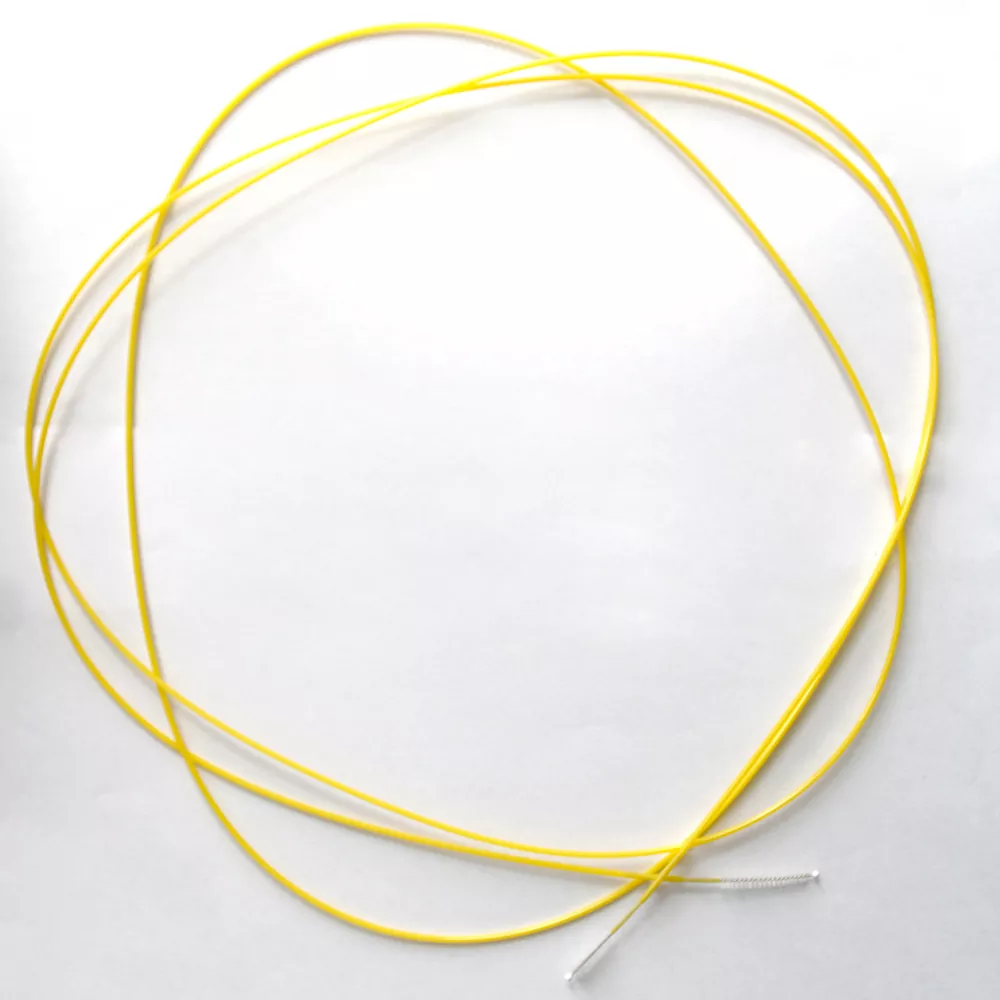
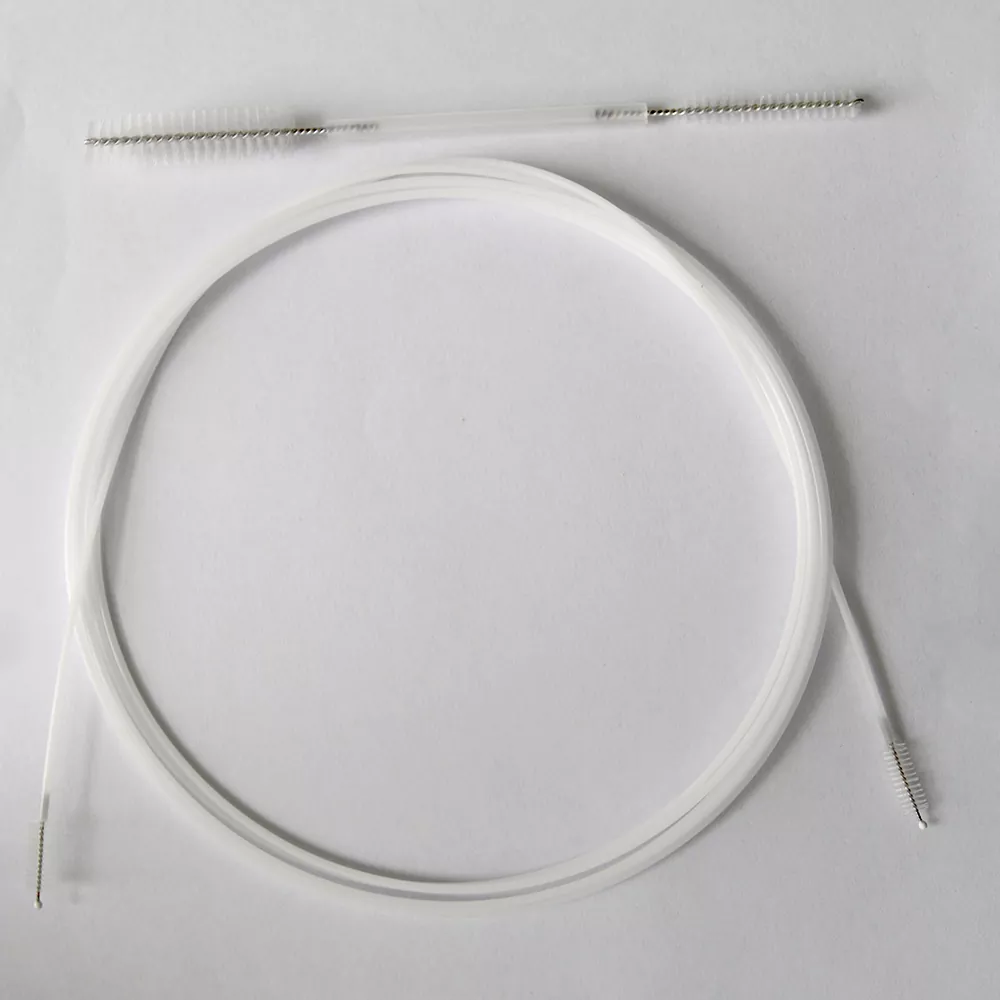
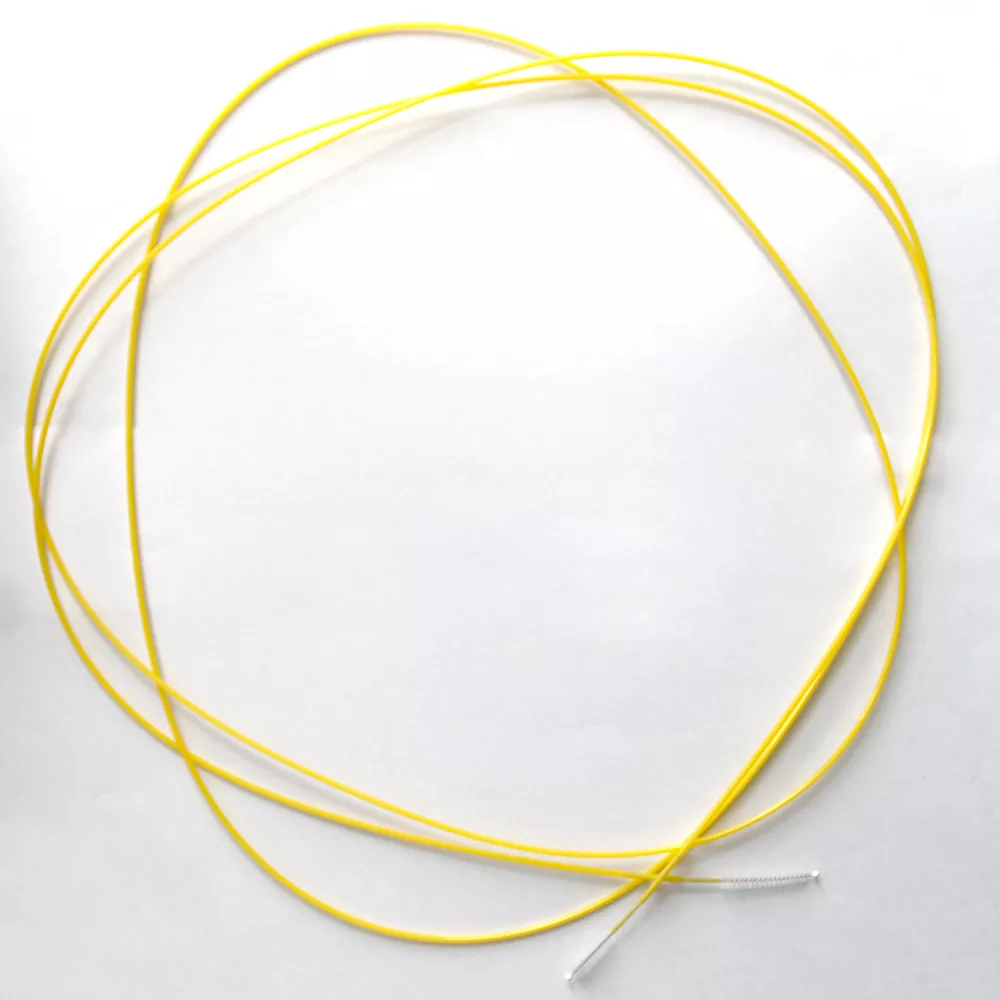
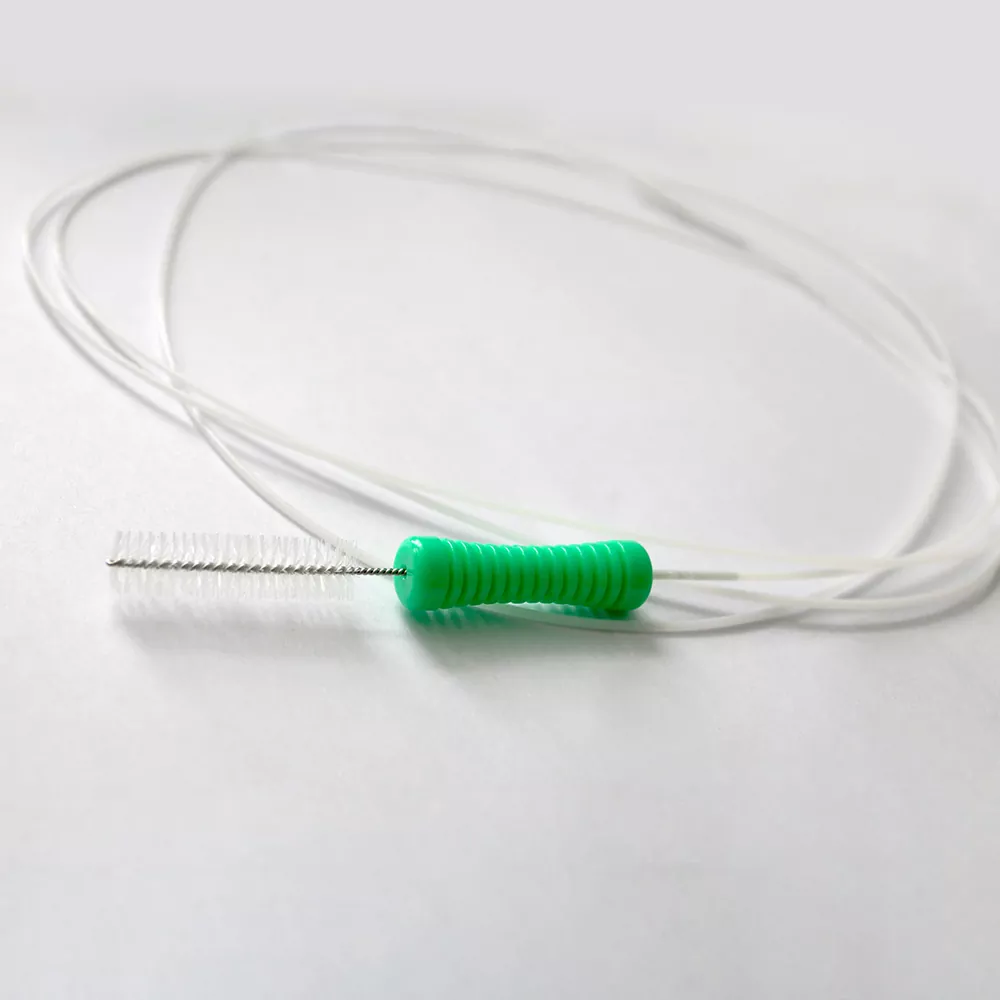
Each endoscope cleaning brush features a flexible shaft that is pliable and easily maneuverable, allowing it to pass smoothly through the complex internal channels of an endoscope. The blunt, rounded protective tip prevents damage to internal lumens, while the high-density, medical-grade bristles are securely anchored to prevent shedding, ensuring a thorough and comprehensive cleaning without any blind spots.
Product Features
1. Sterile and Safe
- Sterilized using Ethylene Oxide (EO) and provided in individual, sterile packaging.
- Designed for single-use only—one brush per patient, per endoscope, per procedure—thereby completely eliminating the risk of cross- infection.
2. Flexible and Endoscope-Friendly
- Features a highly flexible, elongated shaft capable of smoothly navigating through curved channels.
- Contains no exposed metal parts or rigid cores, thereby eliminating the risk of scratching and protecting the internal coating of the endoscope.
3. Efficient Cleaning
- Utilizes medical-grade nylon bristles that conform 360° to the inner wall of the tube, ensuring powerful decontamination.
- Features a rounded, blunt tip design to prevent puncturing or scratching of the internal lumen.
- The bristles are securely anchored—preventing shedding, detachment, or the leaving behind of any fiber residue.
4. Broad Applicability
- LucentMed offers a wide range of specifications to suit various clinical departments, including Gastroenterology, Pulmonology, Urology, and ENT.
- Complies fully with established guidelines for endoscope cleaning and disinfection; possesses all necessary regulatory qualifications; and we are fully prepared to cooperate regarding any additional certifications or documentation that may be required.
Applicable Settings
- Hospital Endoscopy Centers, Operating Rooms, and Sterile Processing Departments
- Outpatient Endoscopy Rooms and Endoscopy Departments within Health Check-up Centers
Blunt, Rounded Protective Tip; No Sharp Edges; Prevents Damage to Endoscope
Sterilization Method
Ethylene Oxide (EO) Sterilization
Packaging Format
Individually Sterile-Packaged
Scope of Application
For cleaning channels of flexible endoscopes, including gastroscopes, colonoscopes, bronchoscopes, etc.
How to Choose the Right Sterile Endoscope Cleaning Brush?
Selecting the appropriate cleaning brush for sterile endoscopes—such as laparoscopes, arthroscopes, hysteroscopes, etc.—is crucial for achieving sterilization standards and ensuring surgical safety.
For these types of endoscopes, which feature precise structures and narrow lumens, we offer a range of professional cleaning brushes in corresponding models and specifications. You may refer to the following key dimensions when making your selection:
1. Matching the Endoscope Lumen Specifications
The inner diameter of a sterile endoscope's lumen is typically much smaller than that of a standard flexible endoscope, and lumen lengths vary significantly.
Matching Brush Head Diameter
The diameter of the Sterile Endoscope Cleaning Brush's head must precisely match the inner diameter of the lumen.
If the brush head is too large: Forcing it through will scratch the delicate inner walls of the lumen and may even cause bristles to break off and remain inside—creating serious iatrogenic risks.
If the brush head is too small: It cannot effectively generate friction against the lumen walls, making it difficult to remove adhering tissue debris, bloodstains, and other contaminants, thereby leading to sterilization failure.
Matching Brush Shaft Length
The length of the brush shaft should be slightly longer than the length of the lumen being cleaned to ensure that the entire length of the lumen is effectively scrubbed during the cleaning process.
For long, slender instruments such as ureteroscopes and cholangioscopes, we recommend selecting specialized extra-long and ultra-fine cleaning brushes.
2. Selecting Appropriate Bristle Materials and Design
Most sterile endoscopes are rigid or semi-rigid instruments; their lumen materials often have limited tolerance for abrasion from bristles, making the choice of bristle material critically important.
Bristle Material
We recommend using medical-grade synthetic fibers—such as nylon or PBT—like those found in LucentMed products.
These materials offer excellent elasticity and abrasion resistance, are less prone to shedding, and possess chemical resistance, allowing them to withstand immersion in multi-enzymatic cleaning solutions and subsequent sterilizing agents.
Bristle Hardness
The hardness of the bristles should be selected based on the lumen material and the nature of the contaminants.
For metal lumens with smooth inner walls: We recommend bristles of medium hardness to strike a balance between cleaning efficacy and protective care.
For lumens with internal coatings or those made of softer materials: We recommend using soft-bristled brushes to prevent scratching.
Brush Head Design
The spiral-shaped brush head increases the contact surface area with the tube wall, thereby enhancing cleaning efficiency.
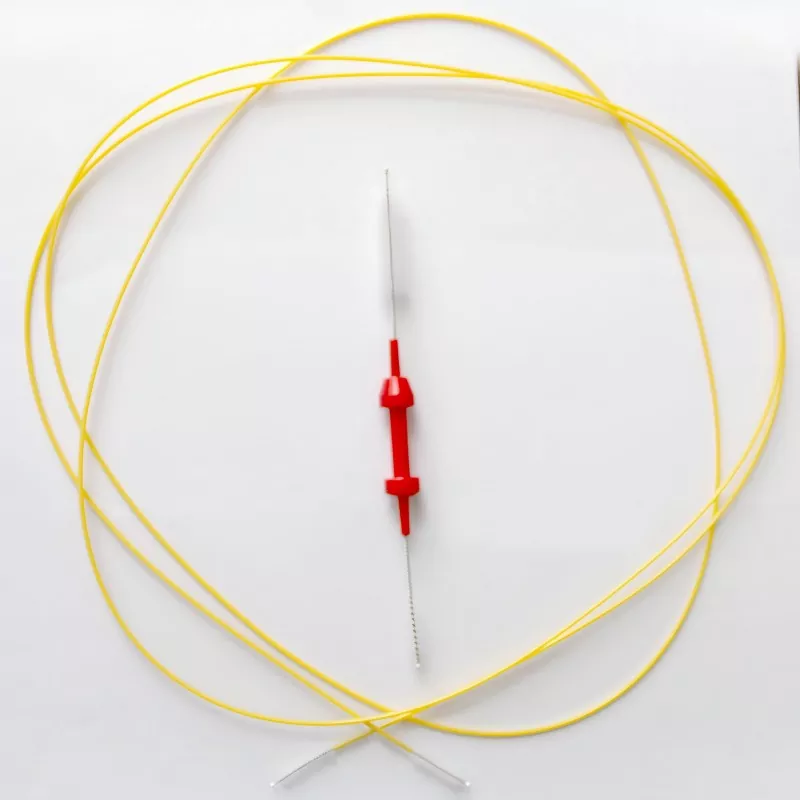
Some of our products feature plastic-fin or piston-style brush designs; these can be customized to specific requirements and offer superior efficacy in removing stubborn biofilms.
3. Clarifying Usage Methods and Sterilization Compatibility
Sterile endoscopes require sterilization-level processing; therefore, the choice of cleaning brush itself must be compatible with the established sterilization protocols.
Single-Use Type
We recommend prioritizing this option; the majority of the products we offer are single-use endoscope cleaning brushes.
Each cleaning brush comes in individually sterilized packaging—ready for immediate use upon opening and intended for disposal after a single use. This fundamentally eliminates the risk of cross- infection, making it particularly suitable for surgical settings involving a high risk of infection.
Reusable Type
If you require reusable cleaning brushes, please contact us for customization options. These products are designed to withstand high-temperature and high-pressure steam sterilization, as well as low-temperature sterilization methods such as hydrogen peroxide plasma.
After each use, the brush must undergo thorough cleaning and disinfection. Additionally, the integrity of the bristles should be inspected regularly; if any deformation or shedding of bristles is detected, the brush must be immediately discarded.
Instructions for Use
1. After use, rinse the surface and working channel of the endoscope with running water to remove debris.
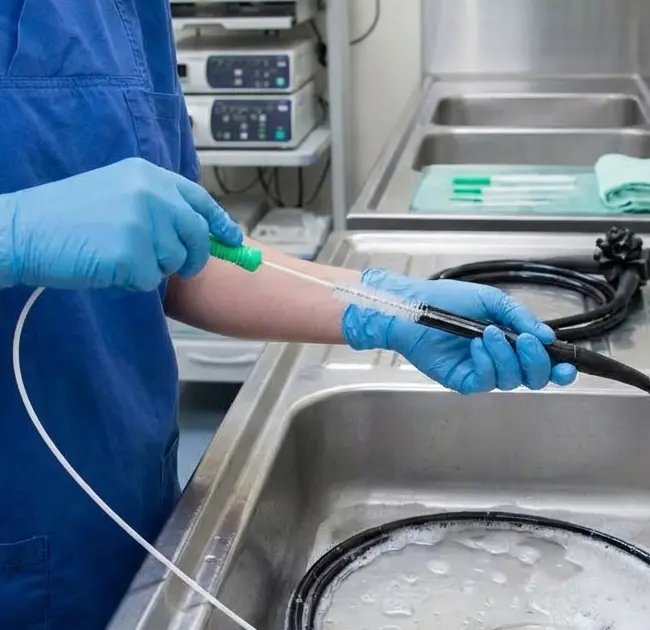
2. Open the sterile packaging, remove the Sterile Endoscope Cleaning Brush, and slowly insert it through the endoscope's biopsy port.
3. Gently advance the brush to the opposite end of the channel; repeatedly push, pull, and rotate the brush to scrub the channel 2–3 times.
4. After scrubbing, thoroughly flush the channel with clean water or a multi-enzymatic cleaning solution until no impurities remain.
5. This product is a single-use, sterile device; after use, dispose of it in accordance with medical waste regulations. Do not reuse.
Hot Tags: Sterile Endoscope Cleaning Brush, China, Manufacturer, Supplier, Factory
We use cookies to offer you a better browsing experience, analyze site traffic and personalize content. By using this site, you agree to our use of cookies.Privacy Policy