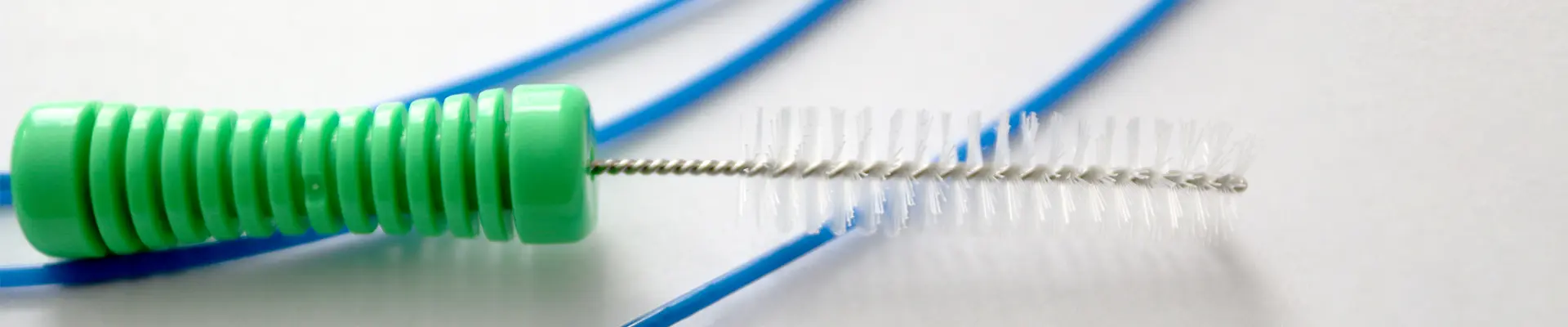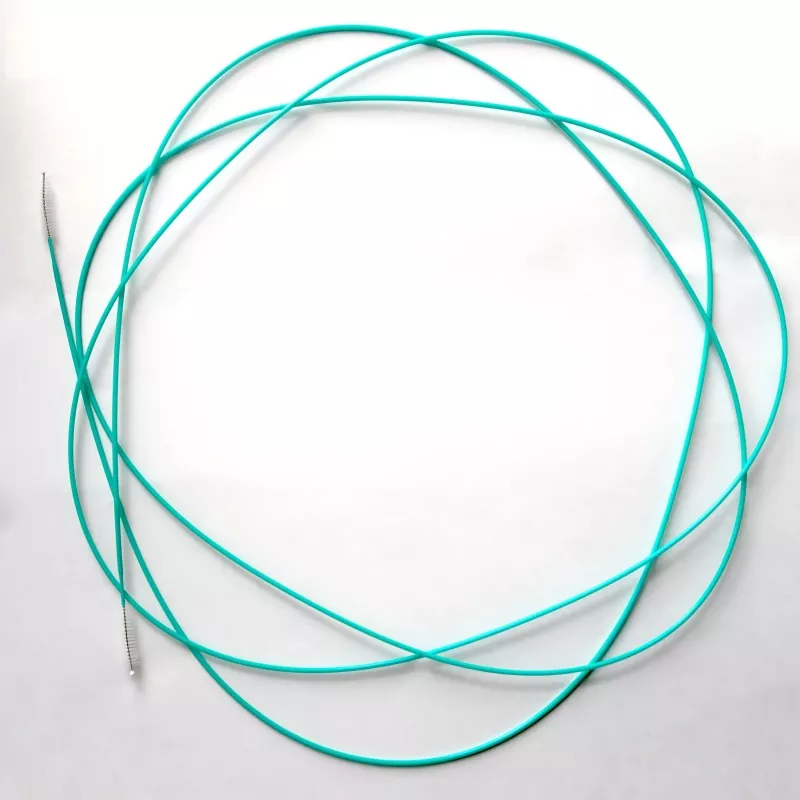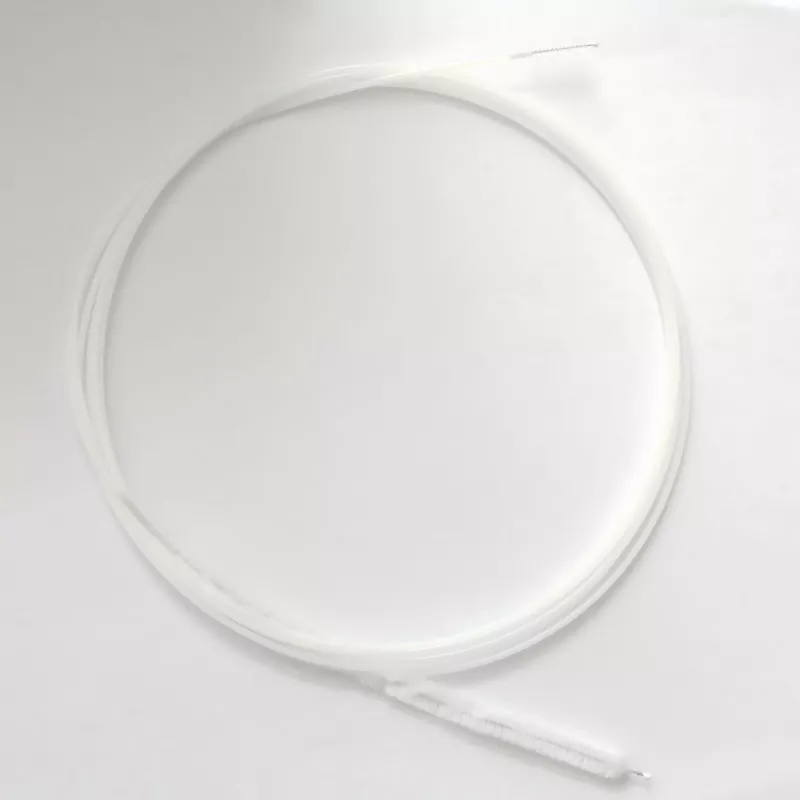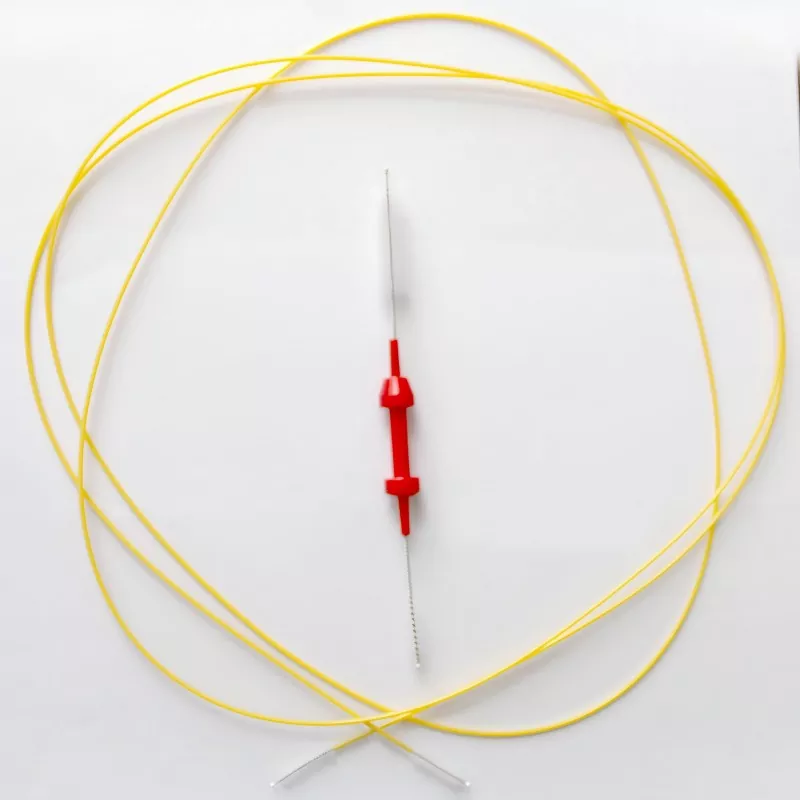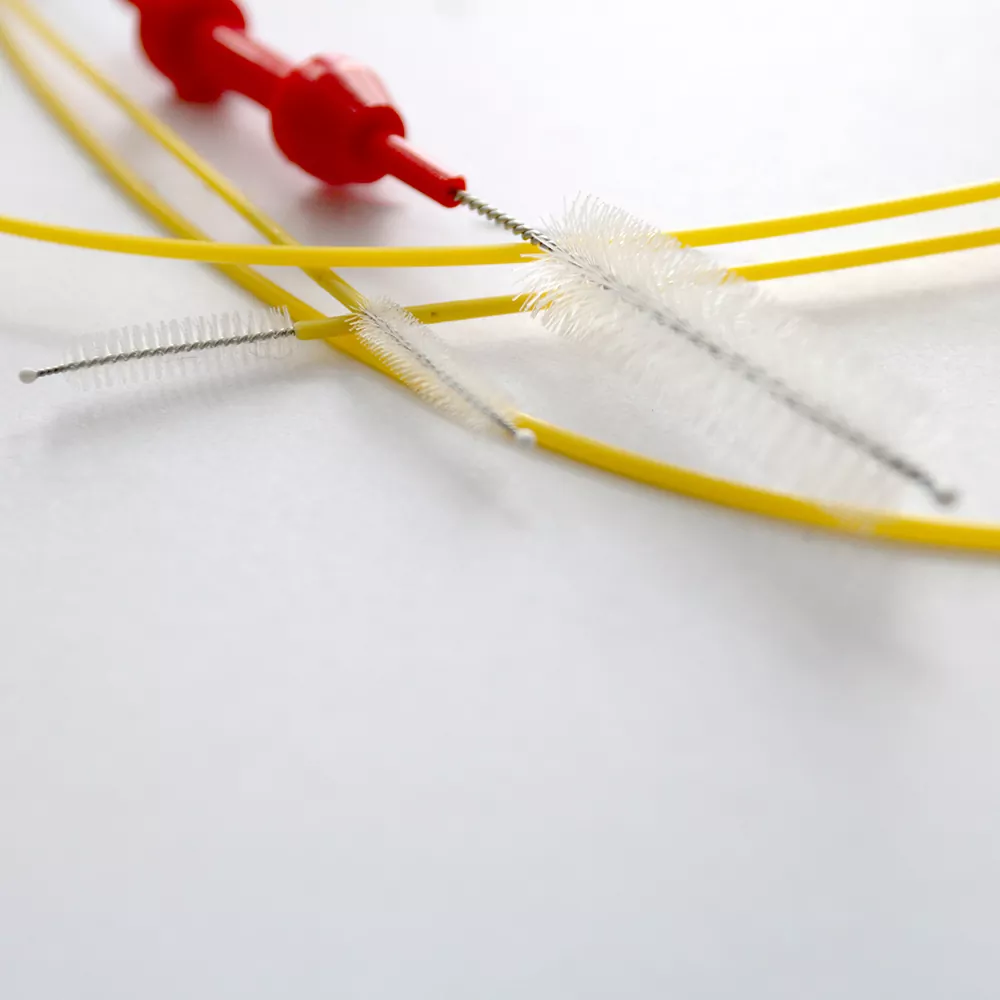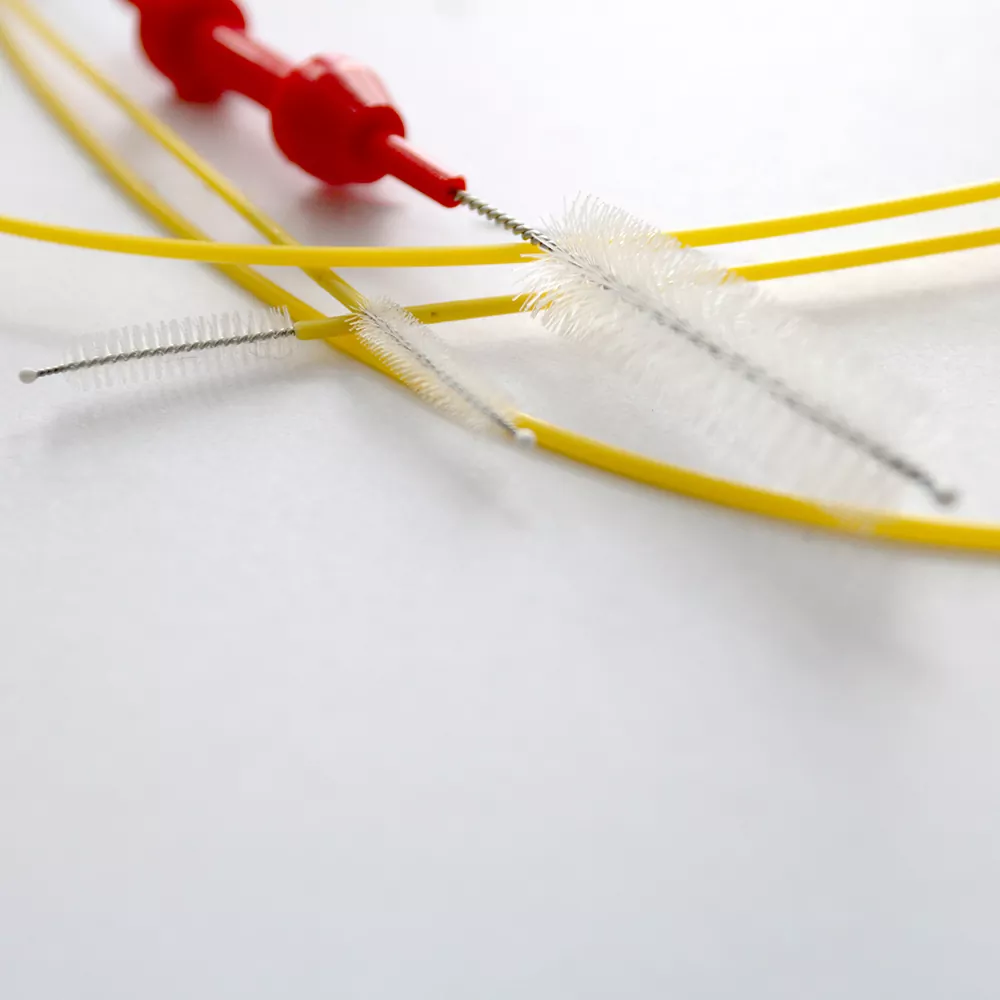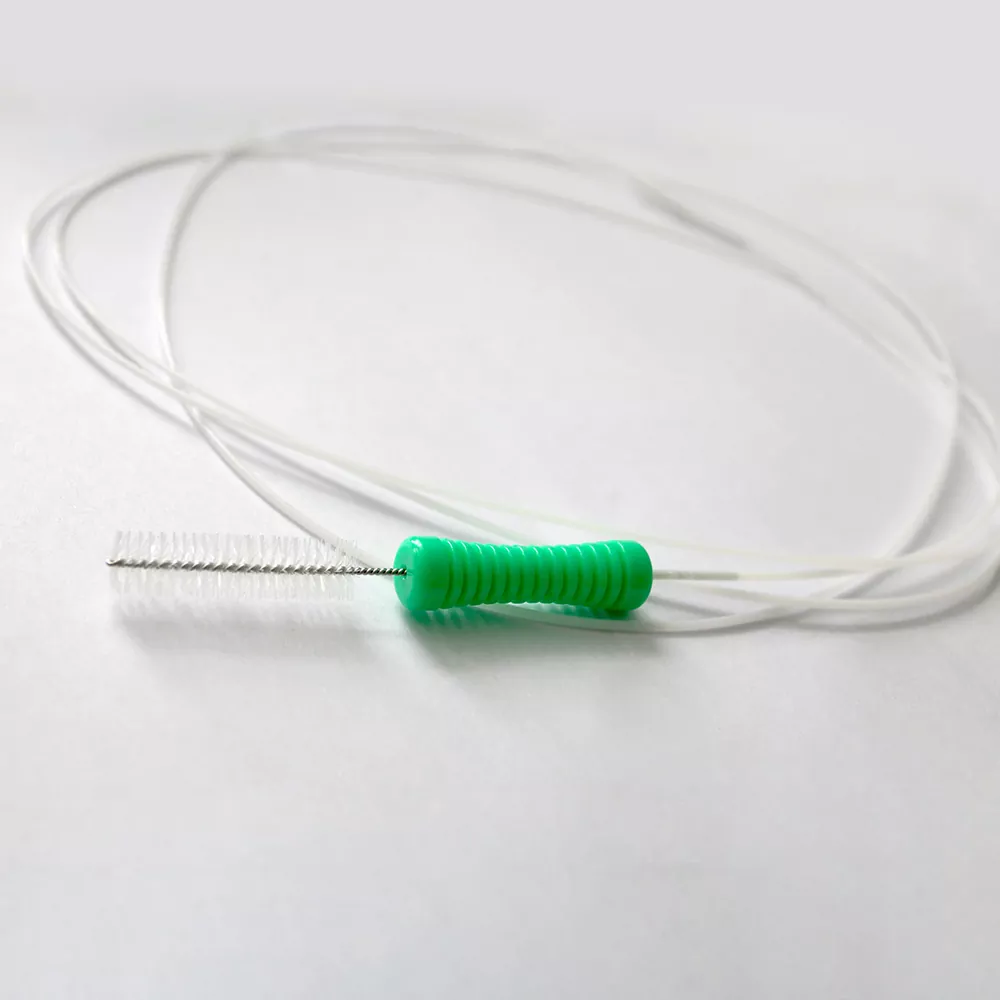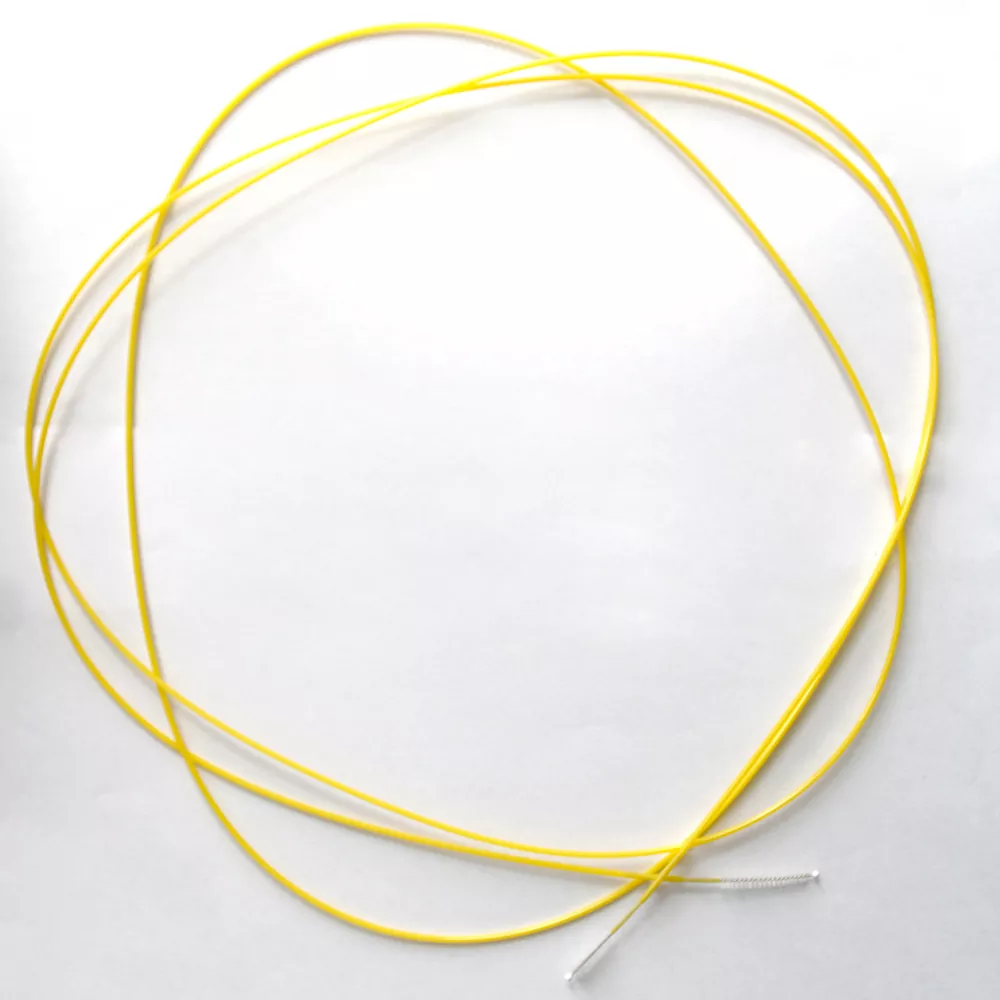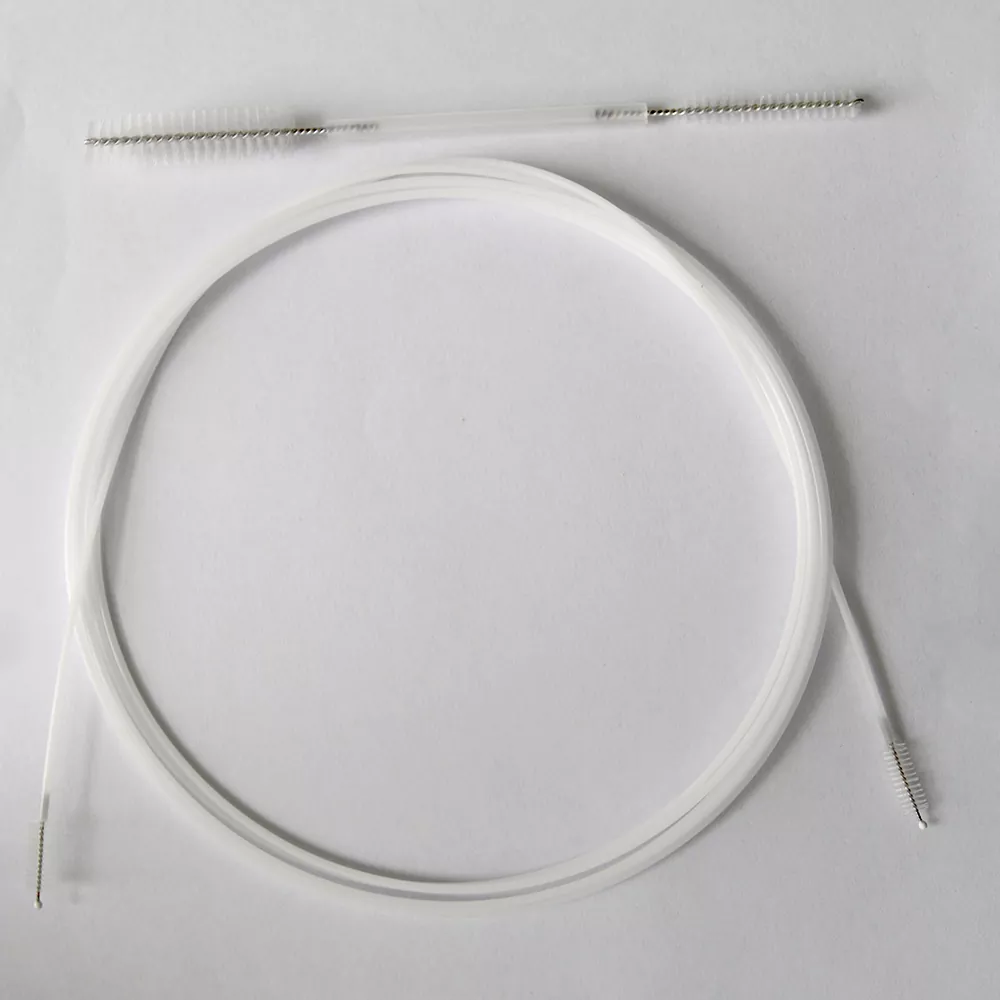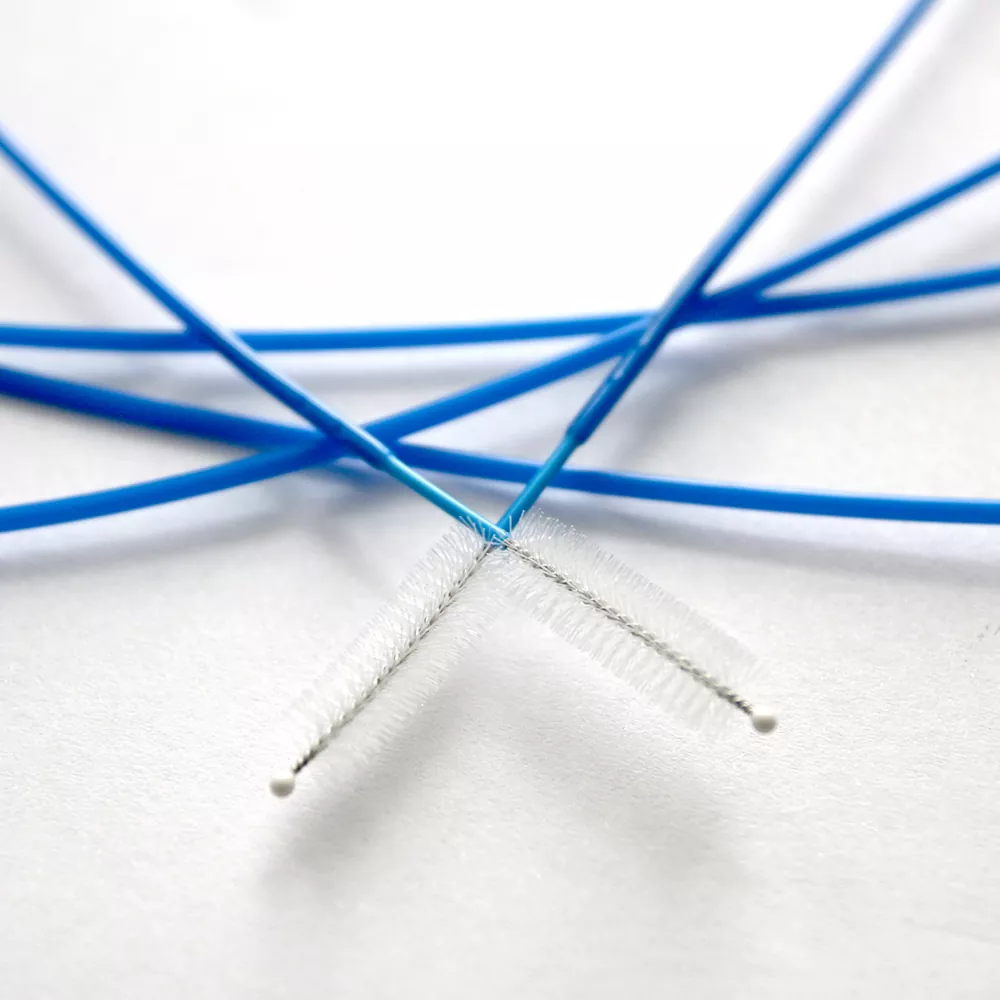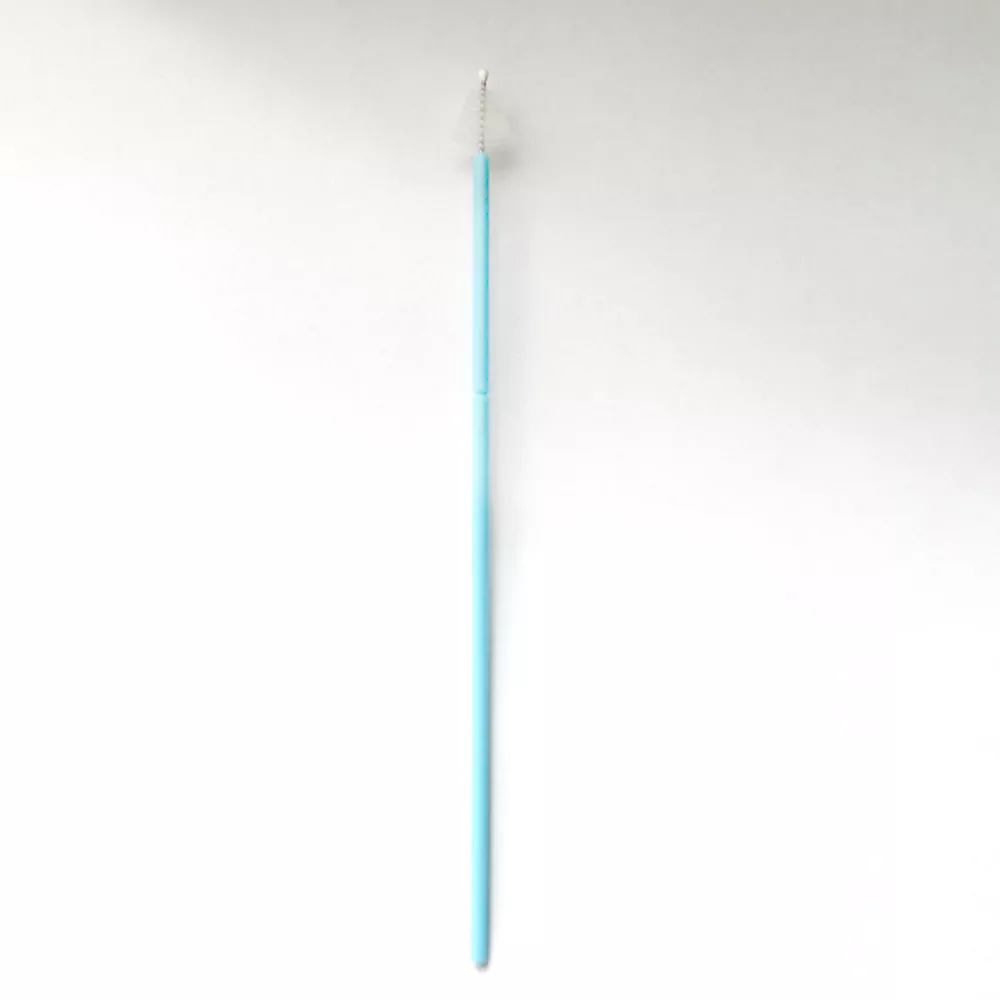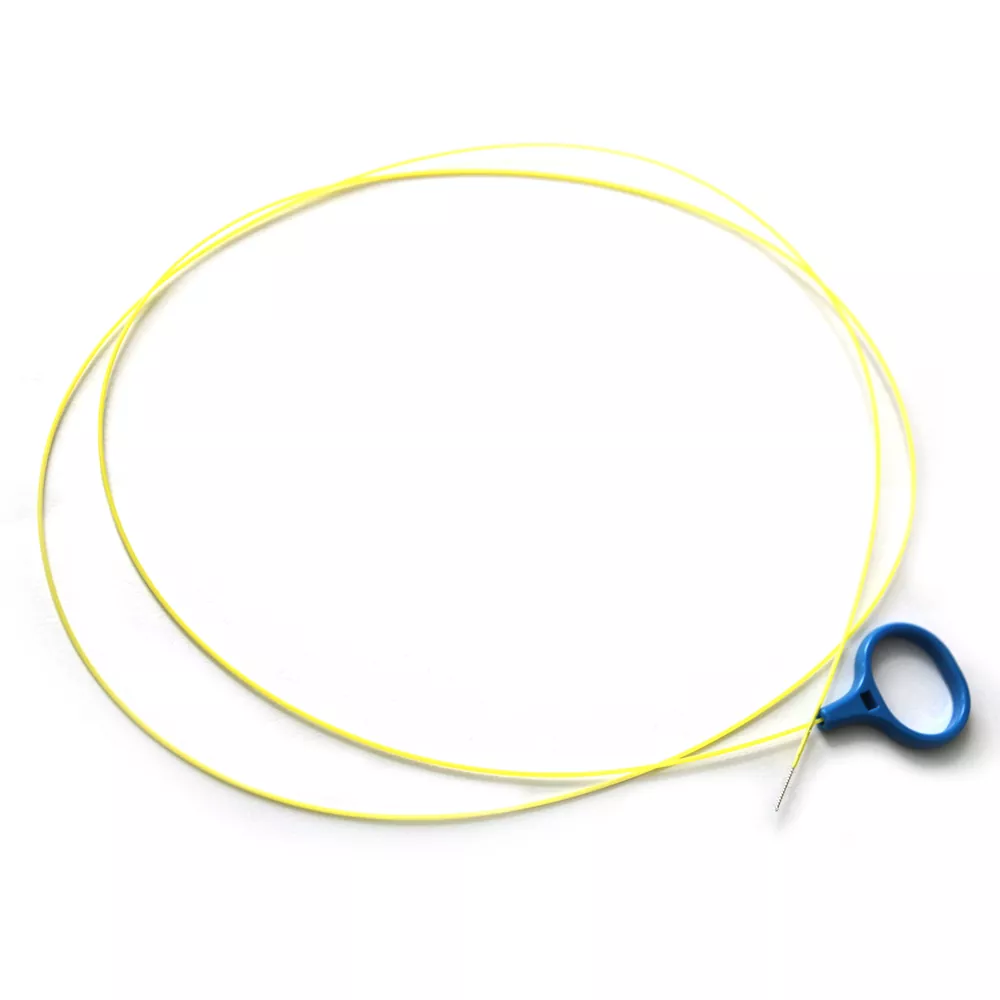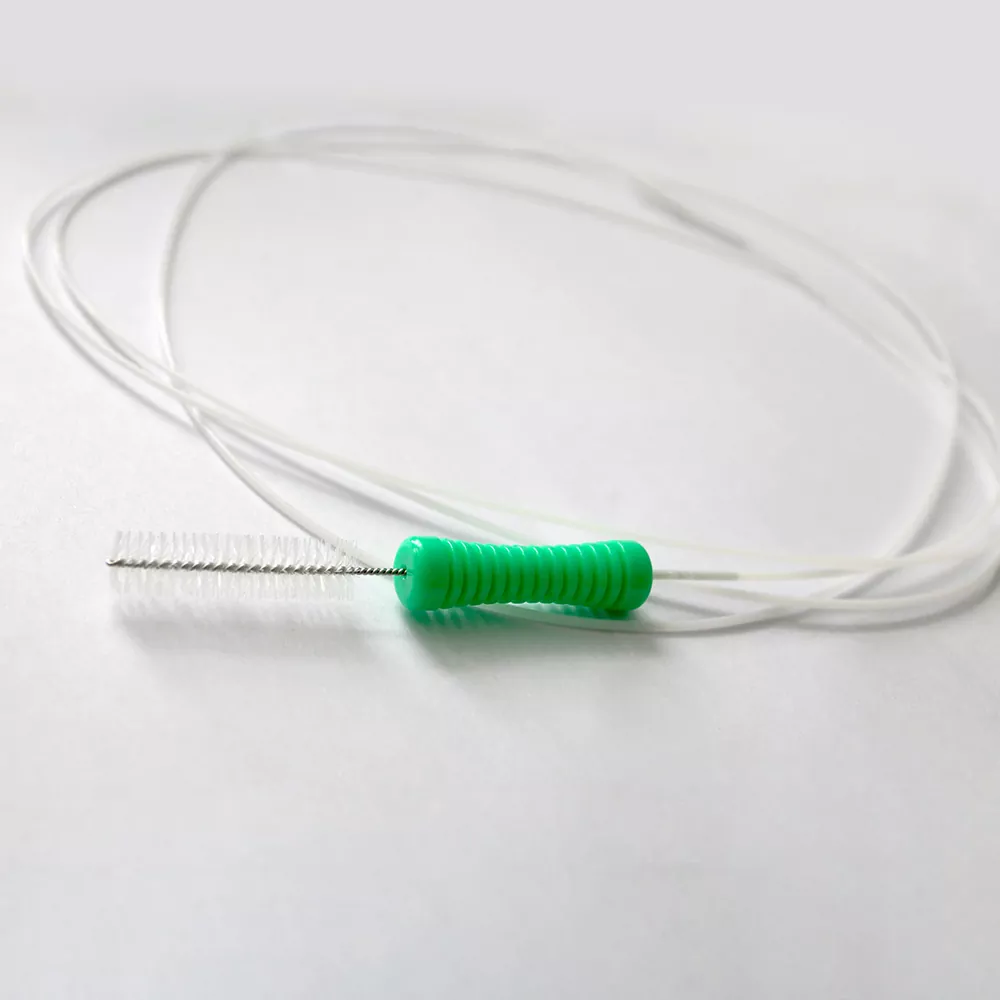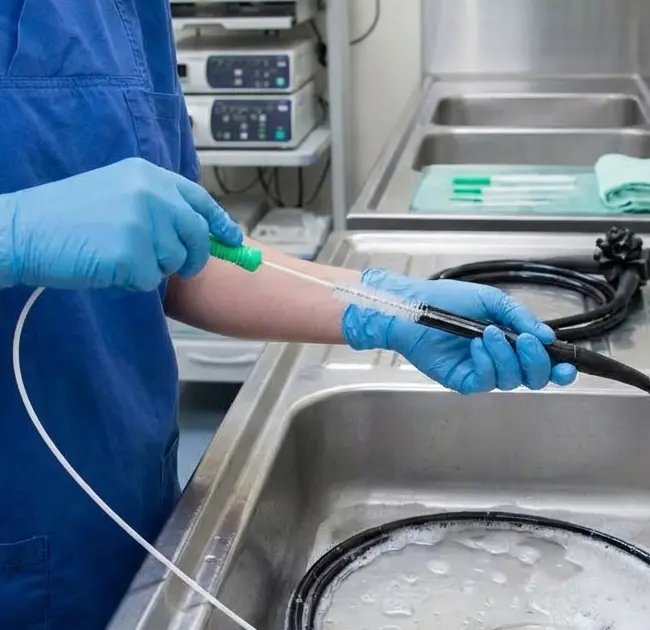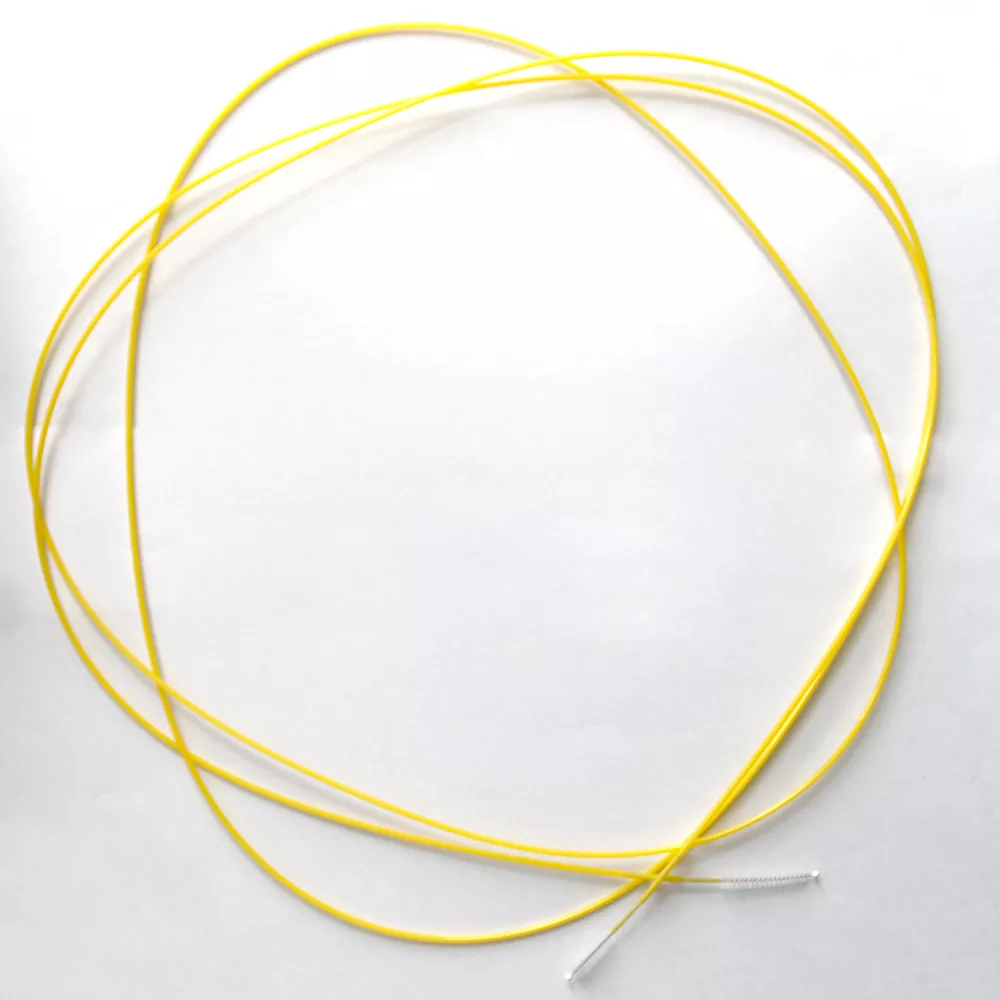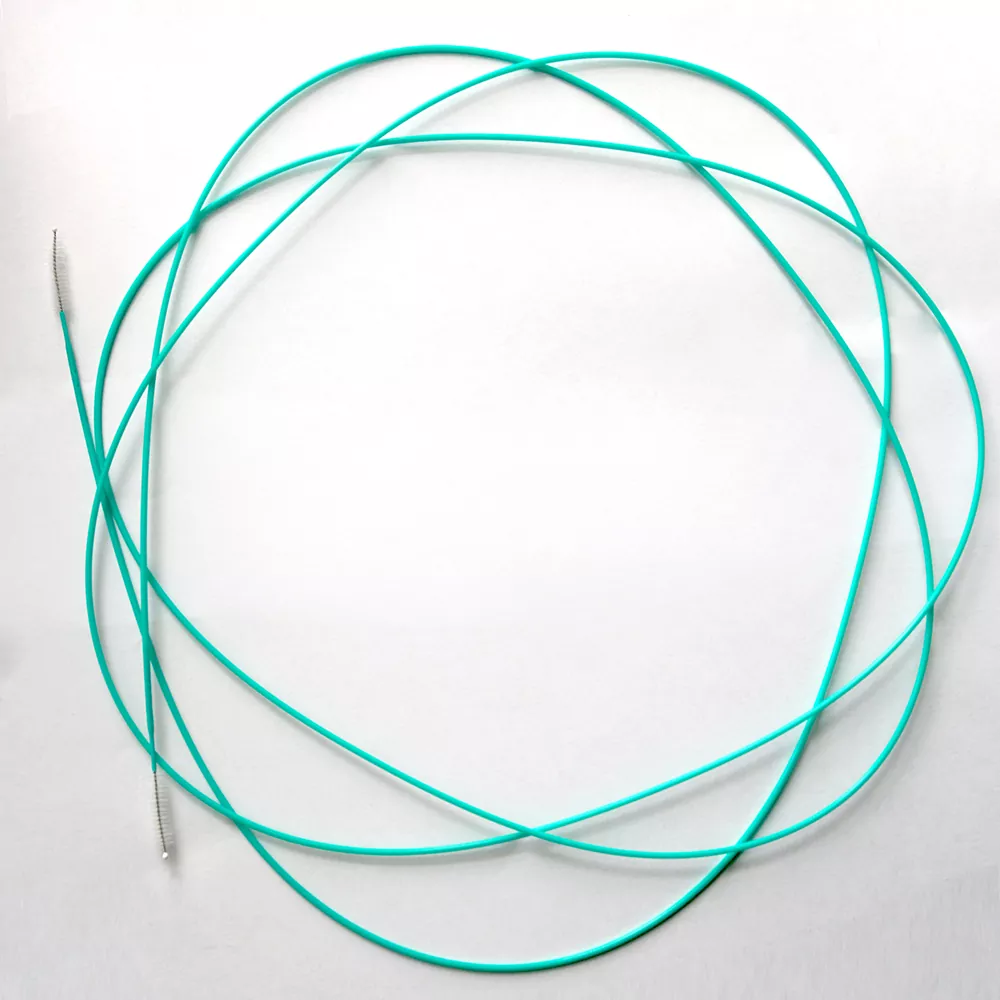
LucentMed is a professional manufacturer of disposable medical brushes. Designed for single use, these brushes cannot be reused; they reduce the risk of cross-infection, align with modern hospital infection control standards, and are suitable for cleaning a wide range of endoscopes.
The Disposable Medical Brush is a product developed in response to evolving infection control concepts and the upgrading of procurement systems. LucentMed, a specialized manufacturer, produces these brushes using high-quality, medical-grade materials; their high-density bristle structure ensures effective cleaning and facilitates superior disinfection results.
Core Structural Design
The manufacturing requirements for disposable endoscope cleaning brushes are rigorous; each unit consists of the following components:
● Stainless Steel Guidewire: LucentMed's cleaning brushes utilize an ultra-fine spring steel wire for the shaft. This ensures the brush neither buckles nor scratches the endoscope's interior while being advanced through channels ranging from 1.5 to 2.3 meters in length.
● High-Density Nylon Bristles: The density and stiffness of the bristles are precisely calibrated to provide sufficient friction for removing blood, mucus, and biofilm from the channel walls without damaging the endoscope lumen.
● Protective Tip: The brush features a smooth, rounded tip that encapsulates the metal end, preventing the brush from puncturing the channel as it navigates the endoscope's curved sections.
Disposable Medical Brush vs. Reusable Brush
Comparison Criteria
Disposable medical cleaning brush
Reusable cleaning brush
Method of Use
Single-use
Multiple uses
Infection Risk
Lower
Depends on the disinfection process
Operational Workflow
Simplified
Complex (requires cleaning and disinfection)
Cost Structure
Cost per use
Lower long-term cost
Consistency
High
Decreases with use
Hospital Trends
Increasingly popular
Gradually decreases
Why Are Hospitals Increasingly Favoring the Use of Disposable Medical Cleaning Brushes?
1. Completely eliminates cross-infection
Endoscopes are high-risk reusable medical devices; their internal channels are in constant contact with patient blood, mucus, and secretions. Reusable cleaning brushes have complex structures that are extremely difficult to clean and disinfect thoroughly.
Advantage of disposables: One brush per scope; they are destroyed as medical waste after use, cutting off the path of cross-infection caused by cleaning tools at the source.
2. Ensures effective mechanical cleaning
Endoscopes require thorough cleaning followed by high-level disinfection. After multiple uses, the bristles of reusable brushes inevitably flatten, deform, wear out, or shed, reducing scrubbing force and contact efficiency.
Advantage of disposables: Disposable brushes are brand new for every use, ensuring that every pass through the channel achieves the required high-efficiency cleaning result.
3. Avoids hidden damage to expensive endoscopes
After prolonged use and repeated high-temperature sterilization, the metal guidewires of reusable brushes may suffer from metal fatigue, develop burrs, or bend, easily scratching the expensive internal Teflon coating or damaging the channels.
Advantage of disposables: The guidewires and protective tips of disposable brushes remain in pristine condition, minimizing the risk of such mechanical damage.
4. Optimizes overall hospital costs and efficiency
On the surface, purchasing disposable consumables increases material costs per procedure, but from the perspective of overall hospital operations, it is actually more cost-effective:
Saves labor and equipment resources: With reusable brushes, cleaning staff must dedicate time to cleaning, inspecting, packaging, and autoclaving the brushes themselves.
Increases turnover rates: Switching to disposable brushes eliminates the tedious steps of processing the brushes; this accelerates the endoscope reprocessing cycle, significantly boosting departmental efficiency and patient turnover rates.
Reduces the risk of medical disputes: It avoids the significant legal disputes and financial liability risks associated with healthcare-associated infection (HAI) incidents.
Product Specifications
Parameter Category
Key Specifications
Specifications
Specifications and Instructions
Basic Dimensions
Brush Head Diameter
1.6mm / 2.2mm / 2.8mm / 3.0mm
Compatible with scopes ranging from pediatric/ultrafine gastroscopes to adult gastroscopes/colonoscopes; the selected size should be 0.1–0.2 mm larger than the instrument channel's inner diameter.
Effective Length
1200mm / 1800mm / 2200mm / 2300mm
Must cover the entire length of the channel; the total length should ideally exceed the channel length by 200 mm to ensure complete coverage without blind spots.
Bending Radius
≤ 15mm
Ensures smooth passage through the endoscope's bending section without risk of jamming.
We use cookies to offer you a better browsing experience, analyze site traffic and personalize content. By using this site, you agree to our use of cookies.Privacy Policy