Follow Us:

News

What Makes a Flexible Endoscope Cleaning Brush Essential for Reliable Reprocessing?

2026-09-22 0 Leave me a message

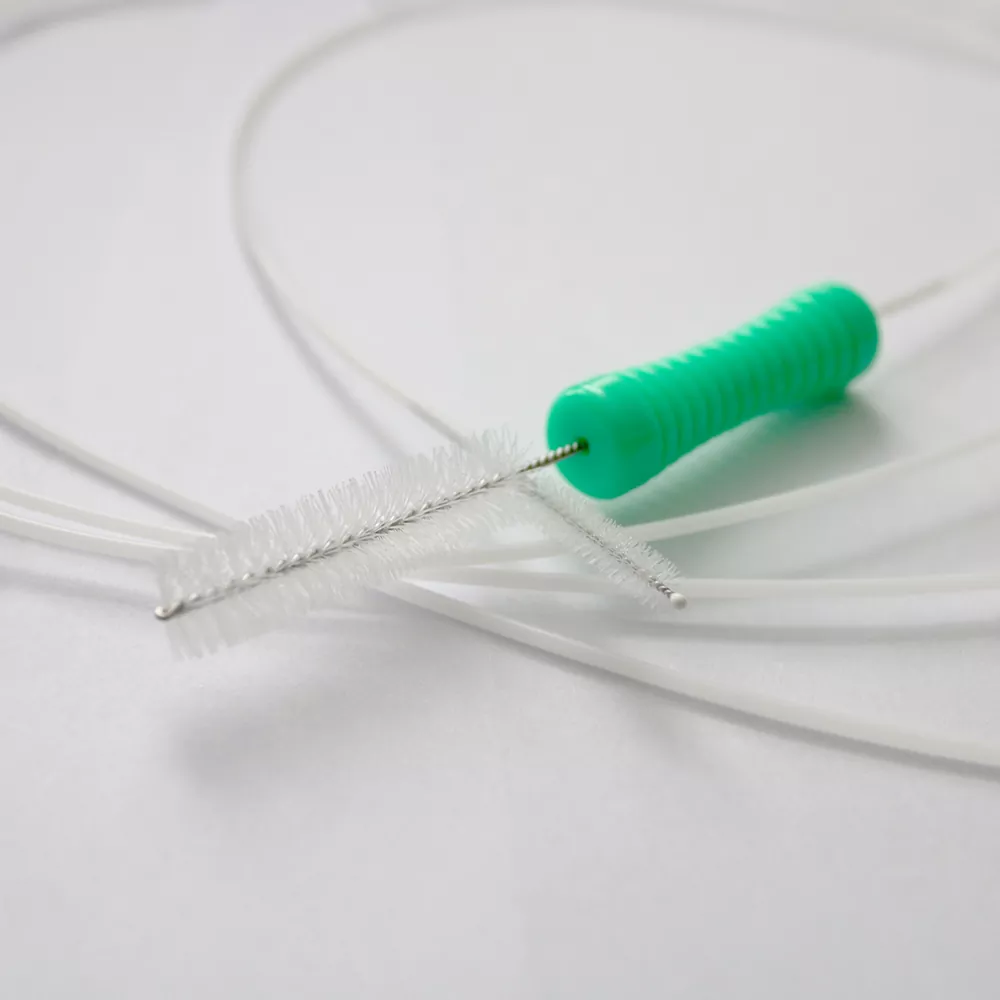
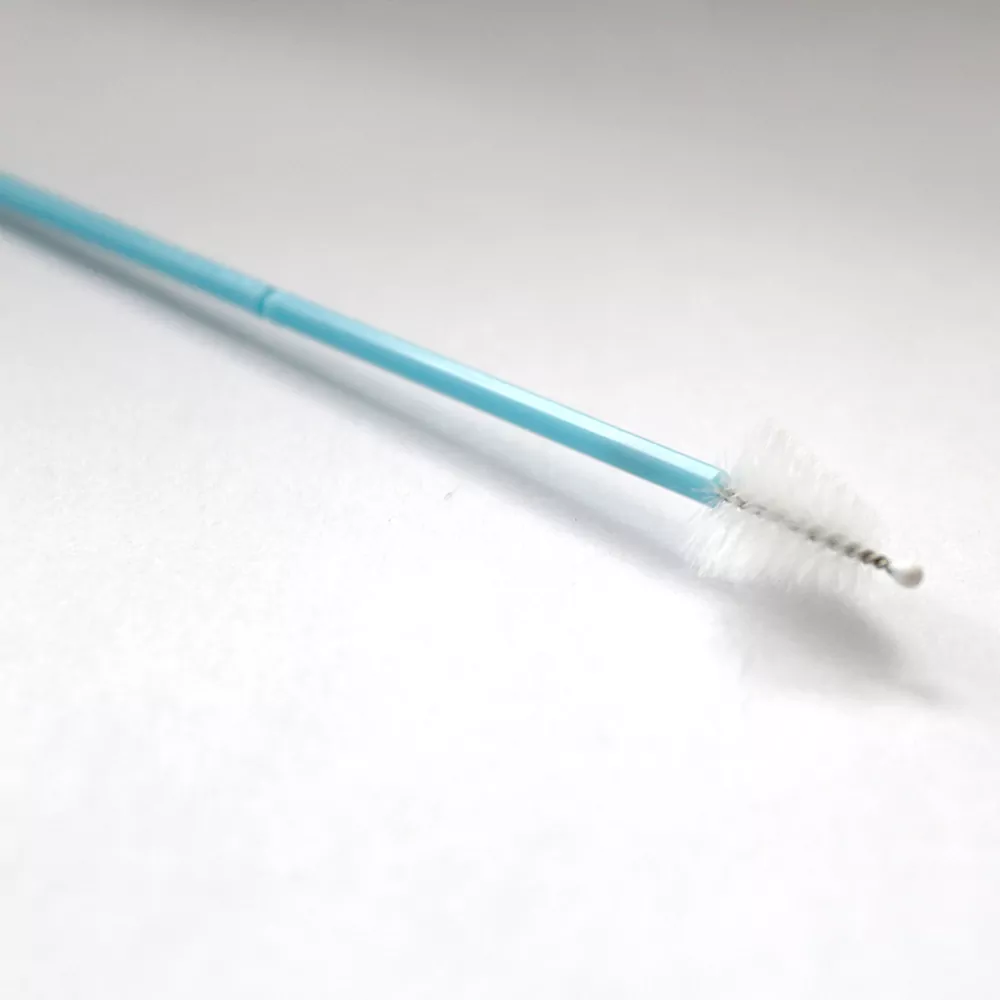
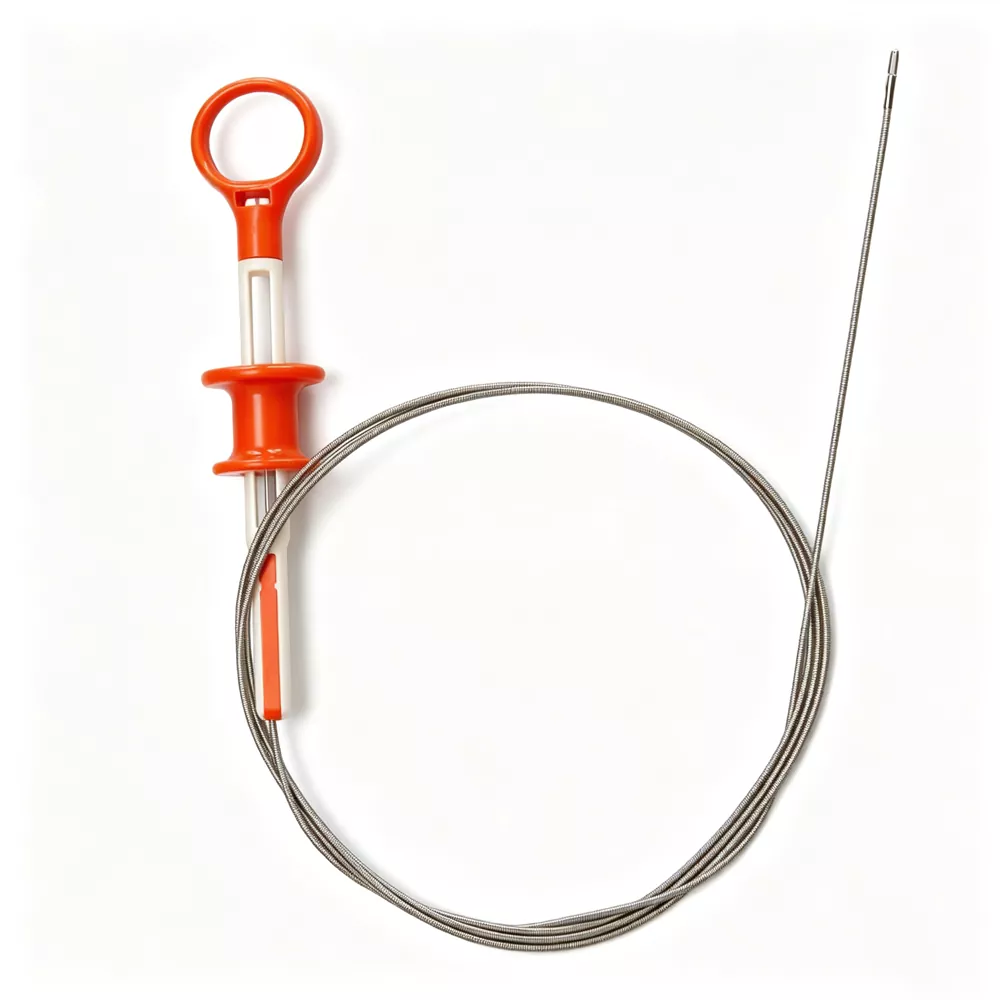
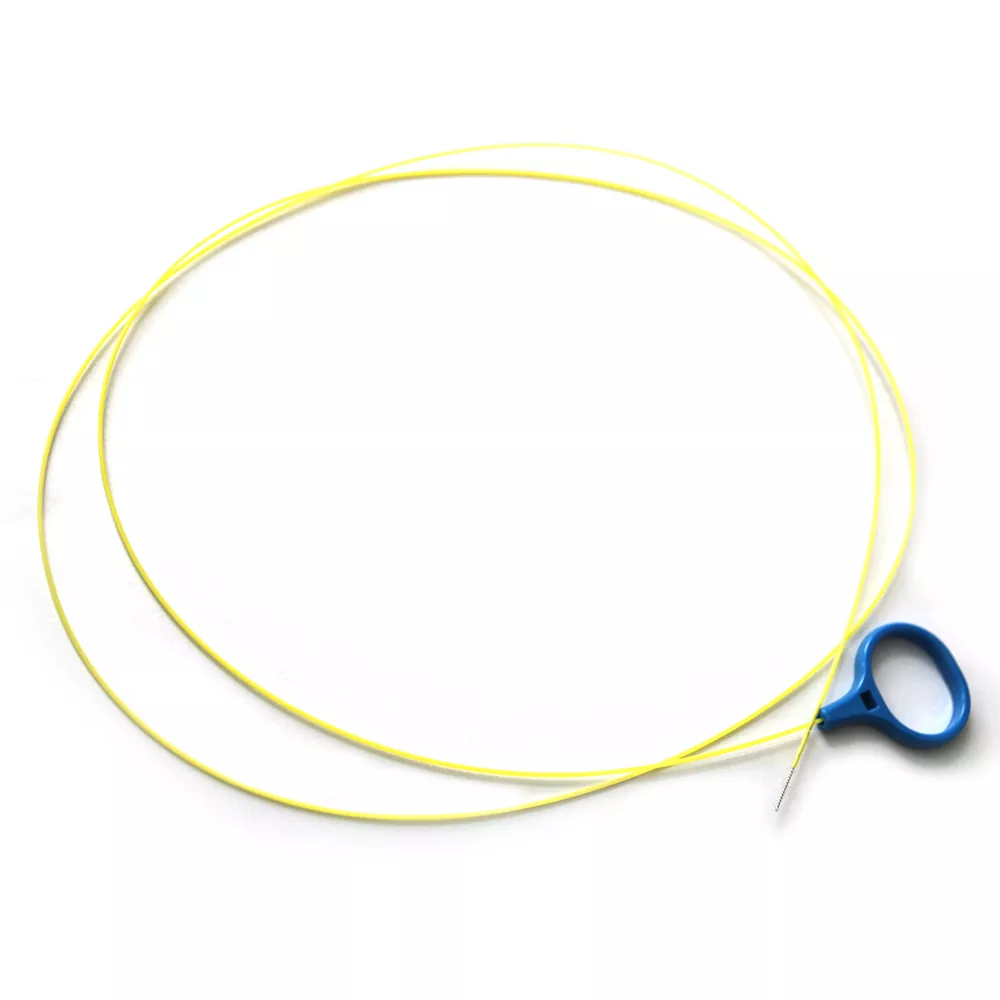
A flexible endoscope cleaning brush is a specialized tool used during the manual cleaning stage of reusable endoscope reprocessing. Because endoscopes contain long, narrow and difficult-to-access channels, ordinary brushes may not provide sufficient contact or flexibility. The right brush should match the endoscope channel in diameter, length, configuration and intended application while allowing effective removal of biological residues without unnecessarily damaging delicate internal surfaces. This guide explains how cleaning brushes work, what features matter, how to use them correctly, and how healthcare buyers can evaluate products for consistent cleaning performance.

flexible endoscope cleaning brush

Table of Contents

  1. Why Flexible Endoscope Cleaning Matters
  2. The Role of a Flexible Endoscope Cleaning Brush
  3. Key Design Features
  4. How to Select the Right Cleaning Brush
  5. Brush Types and Applications
  6. Practical Cleaning Workflow
  7. Common Cleaning Problems and Solutions
  8. Quality and Purchasing Considerations
  9. Why Manufacturer Compatibility Matters
  10. Frequently Asked Questions
  11. Conclusion

Why Flexible Endoscope Cleaning Matters

Flexible endoscopes are designed to provide access to anatomical areas that cannot be reached easily with conventional instruments. Their flexibility and sophisticated construction make them valuable in gastrointestinal, respiratory, urological and other procedures. However, the same design can make thorough reprocessing more challenging.

Internal channels may be long, narrow and difficult to inspect. Some areas can retain organic material if they are not properly flushed and mechanically cleaned. The U.S. Food and Drug Administration has specifically identified long, narrow interior channels and complex device structures as factors that can make effective cleaning and reprocessing more difficult. :contentReference[oaicite:0]{index=0}

Manual cleaning is therefore not simply a preliminary housekeeping step. It is a critical part of the overall reprocessing workflow. Professional guidance recommends cleaning accessible channels with appropriately sized brushes and following the original equipment manufacturer's instructions for the specific endoscope. :contentReference[oaicite:1]{index=1}

Key point: A cleaning brush should be treated as a precision cleaning accessory rather than a generic consumable. Its dimensions and construction need to correspond to the channel and reprocessing procedure for which it is intended.

The Role of a Flexible Endoscope Cleaning Brush

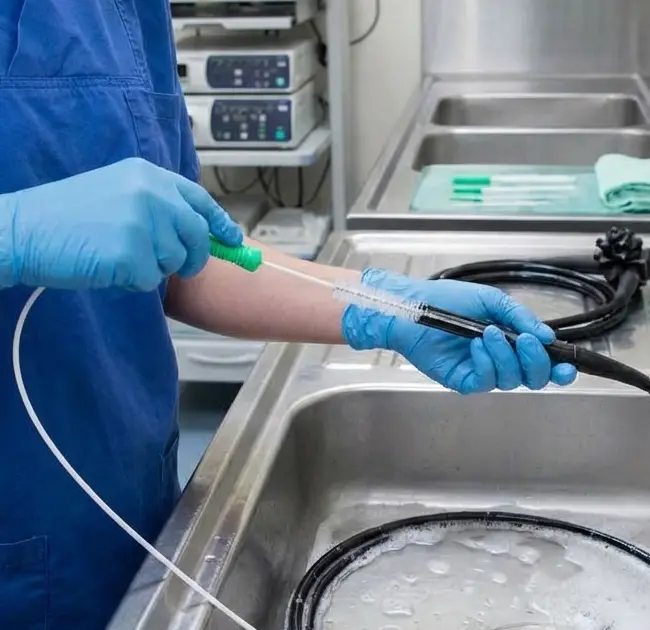
Flushing can help move loose contaminants through an endoscope channel, but mechanical brushing provides an additional method for loosening residues that adhere to internal surfaces. A properly designed flexible endoscope cleaning brush combines a flexible shaft with a brush head capable of contacting the accessible channel walls.

The objective is controlled mechanical action: the brush should pass through the designated channel while its bristles make appropriate contact with the internal surface. Professional guidelines emphasize selecting a brush that is correctly sized so the bristles contact the channel walls without creating unnecessary mechanical stress. :contentReference[oaicite:2]{index=2}

  • Helps mechanically loosen organic residues.
  • Provides access to narrow and extended channels.
  • Supports a systematic manual cleaning process.
  • Can be designed for different channel diameters and lengths.
  • Can be configured for single-use or validated reusable applications.

The brush itself does not replace the complete reprocessing procedure. Cleaning, rinsing, high-level disinfection or sterilization, drying and storage must all be performed according to the applicable instructions and facility procedures.


What Design Features Matter Most?

A well-designed cleaning brush balances flexibility, cleaning contact, dimensional accuracy and ease of handling. Buyers should evaluate the complete brush rather than focusing only on bristle material or price.

Feature Why It Matters What Buyers Should Check
Brush Diameter Determines contact with the channel wall. Match the specific channel dimensions.
Overall Length Determines whether the brush can reach the intended area. Confirm required working length.
Shaft Flexibility Allows navigation through curved pathways. Consider the endoscope's channel geometry.
Bristle Structure Provides mechanical cleaning contact. Check consistency, attachment and intended application.
Handle Design Supports controlled movement. Look for secure and ergonomic handling.
Packaging Influences cleanliness and workflow. Confirm whether single-use or reusable handling is specified.

Research on endoscope cleaning brushes has also highlighted the importance of brush diameter and length. Using an inappropriate size may reduce cleaning effectiveness, while worn or damaged brushes can create additional concerns. :contentReference[oaicite:3]{index=3}


How to Select the Right Flexible Endoscope Cleaning Brush

Selecting a cleaning brush should begin with the endoscope's instructions for use rather than with the brush catalogue alone. Different endoscope models may have different channel structures, cleaning adapters and approved accessories.

  1. Identify the endoscope model. Record the exact model and channel configuration.
  2. Confirm channel dimensions. Check the manufacturer's specified channel diameter and required brush dimensions.
  3. Determine the working length. Make sure the brush can reach the required channel section.
  4. Check the brush configuration. Confirm whether the brush is intended for the suction/biopsy channel, auxiliary channel, valve area or another component.
  5. Review use instructions. Follow the endoscope and brush manufacturer's instructions for use.
  6. Confirm single-use or reusable status. Never assume a disposable brush can be safely reprocessed and reused.
  7. Inspect before application. Check for bent shafts, missing bristles, damaged brush heads or other visible defects.

Multisociety guidance recommends that brushes be appropriately sized for the channel, connectors, parts or orifices being cleaned and that they be approved for the intended endoscope application. :contentReference[oaicite:4]{index=4}


Brush Types and Applications

Not every endoscope cleaning brush is designed for the same purpose. A healthcare facility may require several configurations depending on the instruments being processed.

Brush Configuration Typical Application Main Consideration
Single-ended brush Targeted channel cleaning Correct diameter and length
Double-ended brush Multiple compatible cleaning points Each end must match its intended application
Long flexible brush Extended internal channels Shaft flexibility and working length
Specialized component brush Specific components or recessed areas Must correspond to the equipment manufacturer's instructions

What Does a Practical Cleaning Workflow Look Like?

The precise workflow should always follow the current instructions for the particular endoscope, cleaning brush, detergent and reprocessing equipment. A general workflow can nevertheless help purchasing teams and processing staff understand where a flexible endoscope cleaning brush fits into the overall process.

01

Point-of-use treatment
Begin initial treatment promptly according to the endoscope manufacturer's instructions.

02

Inspection and testing
Perform required leak testing and preliminary inspection before cleaning.

03

Manual cleaning
Use compatible detergent and the specified brush to clean accessible channels and components.

04

Rinsing and inspection
Remove cleaning residues and inspect the device according to the applicable procedure.

05

Disinfection or sterilization
Complete the validated reprocessing procedure specified for the device.

06

Drying and storage
Follow the manufacturer's requirements to maintain the processed condition.

International guidance consistently emphasizes timely cleaning, appropriate detergents, channel flushing and brushing, and strict adherence to the device manufacturer's instructions. :contentReference[oaicite:5]{index=5}


Common Cleaning Problems and Practical Solutions

Problem Possible Cause Practical Response
Brush does not reach the required area Insufficient working length Verify the required brush length against the device instructions.
Poor mechanical contact Brush diameter is not appropriate Use the specified brush size for the channel.
Brush becomes difficult to advance Wrong configuration or excessive resistance Do not force the brush; check compatibility and follow the IFU.
Visible bristle damage Wear, unsuitable use or excessive mechanical stress Remove damaged brushes from use according to the applicable procedure.
Inconsistent cleaning results Incorrect brush selection or inconsistent procedure Standardize product selection, staff training and processing steps.

Studies of cleaning-brush practices have found that worn bristles, inappropriate sizing and uncontrolled reuse can interfere with effective cleaning and increase the potential for contamination or equipment damage. :contentReference[oaicite:6]{index=6}


Quality and Purchasing Considerations

For hospitals, endoscopy centers, distributors and medical-device procurement teams, purchasing decisions should extend beyond unit price. A cleaning brush is part of a controlled reprocessing workflow, so consistency and compatibility are important.

  • Dimensional consistency: Diameter and working length should remain within the manufacturer's specified tolerances.
  • Bristle integrity: Bristles should remain securely attached during intended use.
  • Shaft performance: The shaft should provide the flexibility and handling characteristics required for its intended channel.
  • Packaging: Packaging should protect the brush from contamination and physical damage before use.
  • Traceability: Professional suppliers should be able to provide appropriate product identification and documentation.
  • Application compatibility: The brush configuration should correspond to the endoscope and cleaning procedure.
  • Supply consistency: Stable production and quality control can help reduce variations between purchasing batches.

A Better Purchasing Question

Instead of asking only “How much does the brush cost?”, procurement teams should also ask “Does this brush match our endoscope models, cleaning procedures and quality requirements?” This approach helps connect product selection with real-world clinical workflow.


Why Manufacturer Compatibility Matters

One of the most important principles in endoscope reprocessing is compatibility. A brush that physically fits a channel is not automatically appropriate for every endoscope. The brush, cleaning solution, adapters and processing method should be selected according to the applicable manufacturer's instructions.

Professional guidance recommends using model-specific cleaning devices where required and ensuring that brush dimensions are appropriate for the channel and component being cleaned. :contentReference[oaicite:7]{index=7}

This is particularly important for healthcare organizations managing multiple endoscope brands and models. A centralized purchasing process should maintain a clear relationship between each endoscope model and its approved cleaning accessories.

Qingdao Lushua Medical Technology Co., Ltd. focuses on medical cleaning accessories and can support buyers looking for flexible endoscope cleaning brush solutions for professional applications. When evaluating customized or OEM requirements, purchasers should provide the intended endoscope model, channel dimensions, working length, brush configuration, packaging requirements and target market so that product specifications can be matched accurately.


Frequently Asked Questions

What is a flexible endoscope cleaning brush used for?

It is used during manual cleaning to mechanically remove residues from accessible endoscope channels and components. The exact application depends on the endoscope model and its manufacturer's instructions.

Why does brush diameter matter?

The brush needs to provide appropriate contact with the internal channel surface. If it is too small, mechanical contact may be inadequate; if it is not appropriate for the channel, advancing it may create unnecessary resistance or risk.

Can one cleaning brush be used for every flexible endoscope?

No. Brush dimensions and configurations should be matched to the specific endoscope channel, component and manufacturer's instructions. Healthcare facilities may need multiple brush specifications for different devices.

Are disposable cleaning brushes preferable?

Current professional guidance commonly favors single-use cleaning brushes where specified because they avoid the additional processing requirements associated with reusable brushes. However, the applicable endoscope and brush instructions should always determine the correct practice. :contentReference[oaicite:8]{index=8}

What should be checked before using a cleaning brush?

Check the product identification, dimensions, intended application and visible condition. A brush with damaged or missing bristles, a deformed shaft or other defects should be handled according to the facility's product-disposal procedure.

Does a cleaning brush replace disinfection?

No. Brushing is part of the cleaning stage. It does not replace subsequent high-level disinfection or sterilization steps required for the specific reusable endoscope. The complete reprocessing procedure must follow the applicable instructions.

Can flexible endoscope cleaning brushes be customized?

Depending on the manufacturer and application, customization may be possible for dimensions, shaft length, brush diameter, configuration, handle design and packaging. Buyers should provide detailed technical requirements and endoscope information before requesting a customized solution.


Conclusion

A flexible endoscope cleaning brush is a small but important component of a reliable manual reprocessing workflow. Its effectiveness depends on more than simple flexibility. Correct diameter, working length, bristle configuration, shaft characteristics, handling and compatibility all influence whether the brush can perform its intended cleaning function.

For healthcare facilities and professional buyers, the most practical approach is to start with the exact endoscope model and its instructions for use, then select a brush that is appropriately sized and approved for that application. Proper product selection, consistent handling, timely cleaning and careful inspection can help create a more controlled and repeatable reprocessing workflow.

Qingdao Lushua Medical Technology Co., Ltd. is positioned to support professional buyers seeking flexible endoscope cleaning brush solutions and medical cleaning accessories. Whether you need standard products, application-specific configurations or OEM cooperation, clear technical requirements are the starting point for developing a suitable solution.

Looking for a Reliable Cleaning Brush Solution?

If you are sourcing flexible endoscope cleaning brushes for hospitals, endoscopy centers, distributors or medical-device applications, contact us to discuss your product specifications, customization requirements and purchasing needs.

Related News
Leave me a message
X
We use cookies to offer you a better browsing experience, analyze site traffic and personalize content. By using this site, you agree to our use of cookies. Privacy Policy
RejectAccept