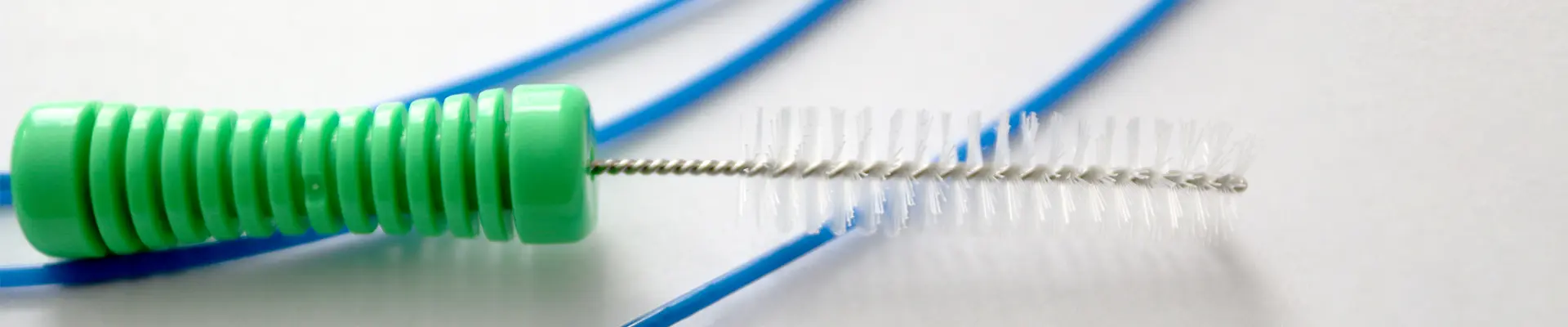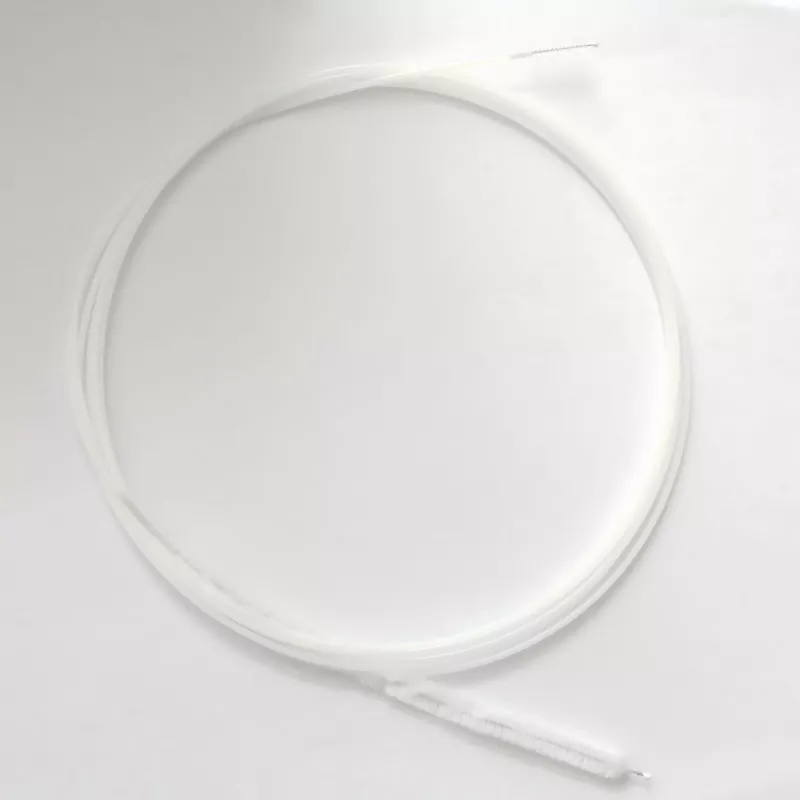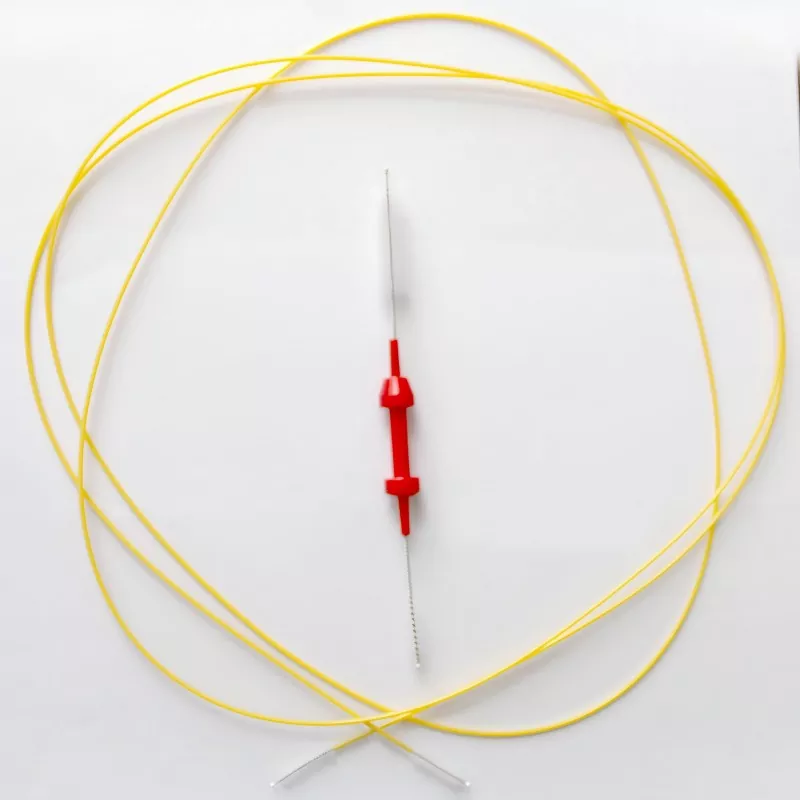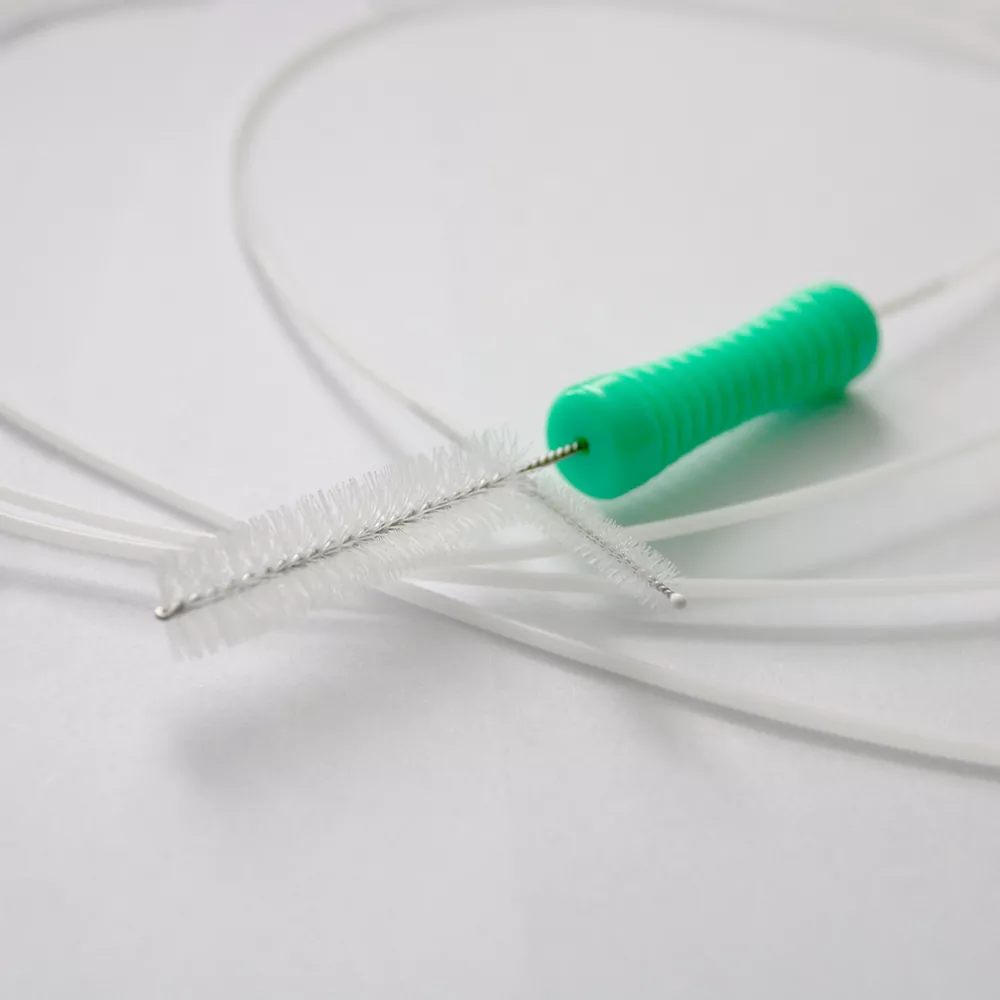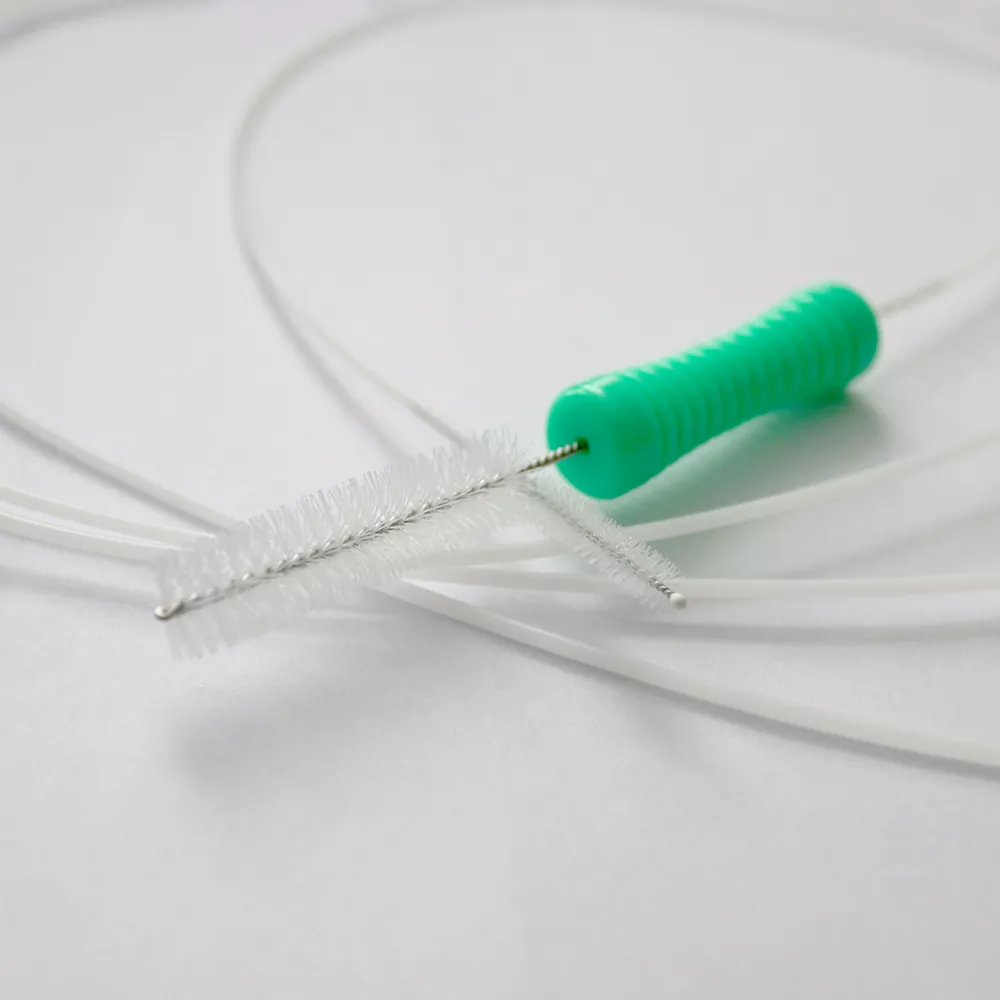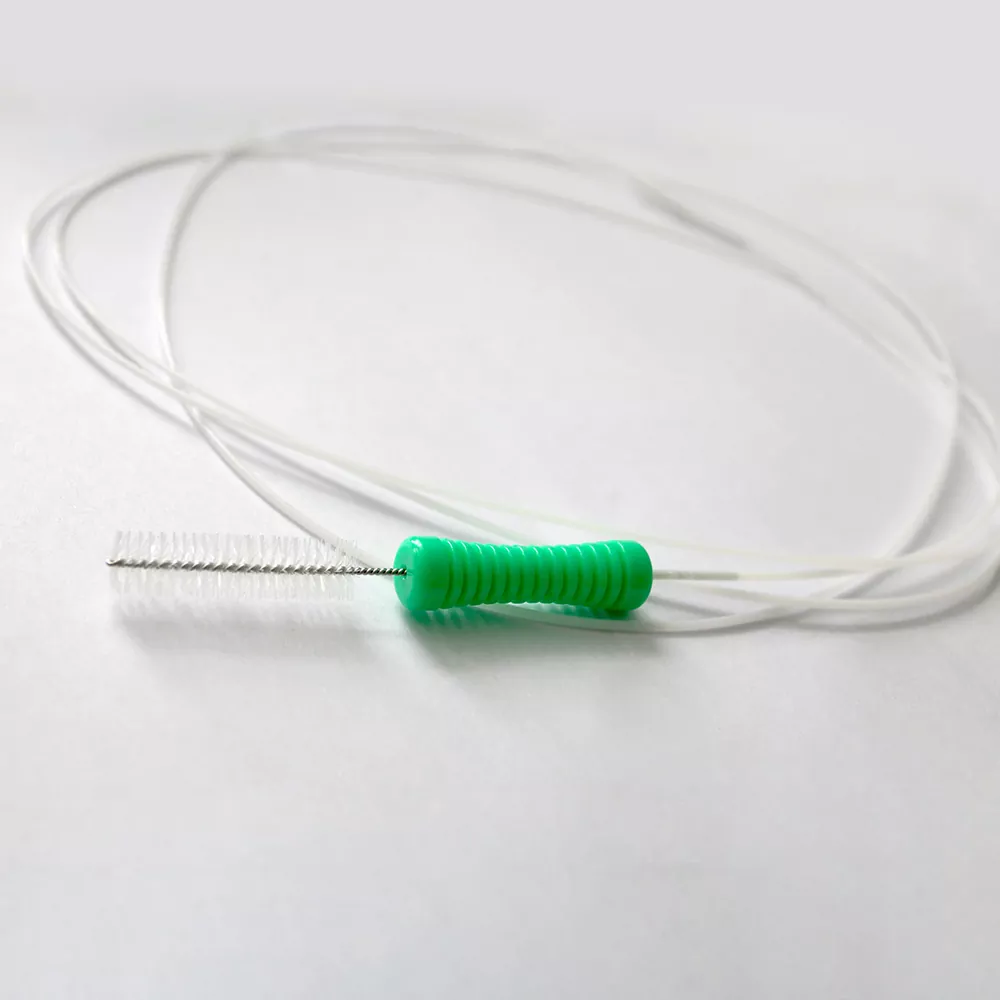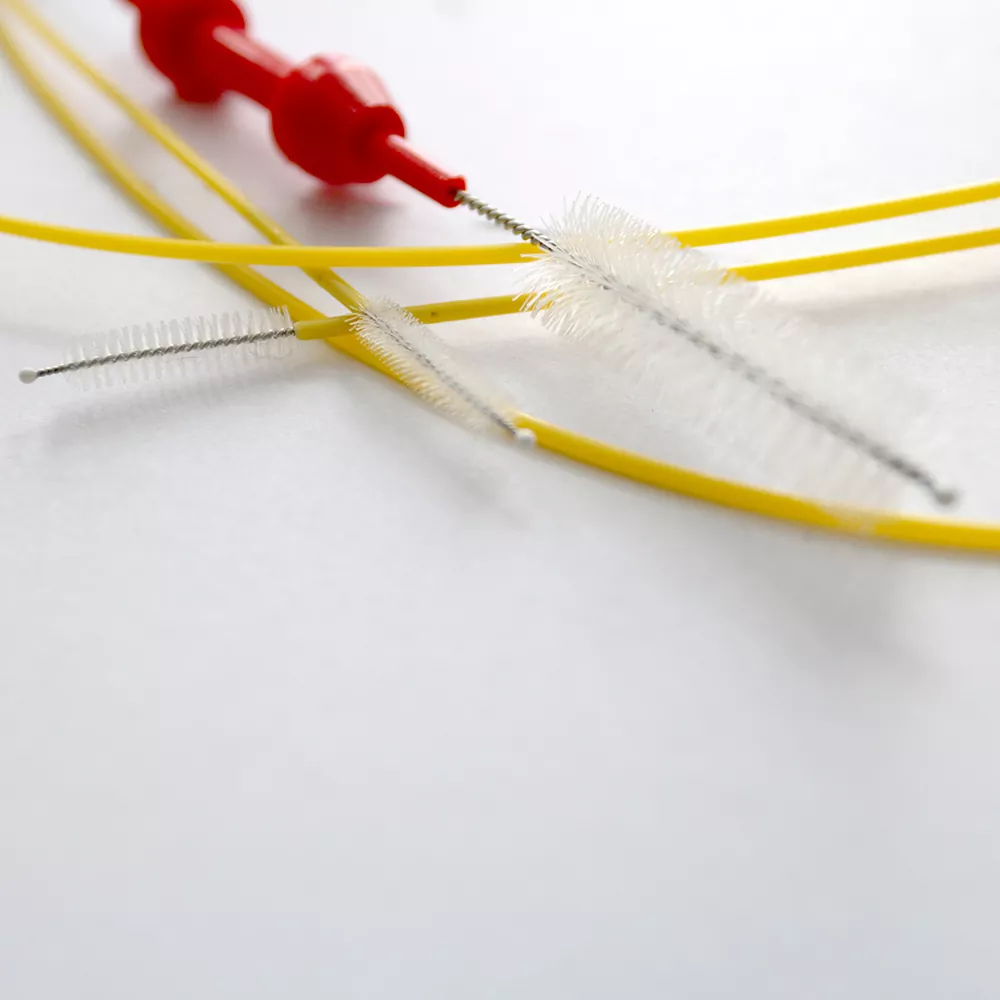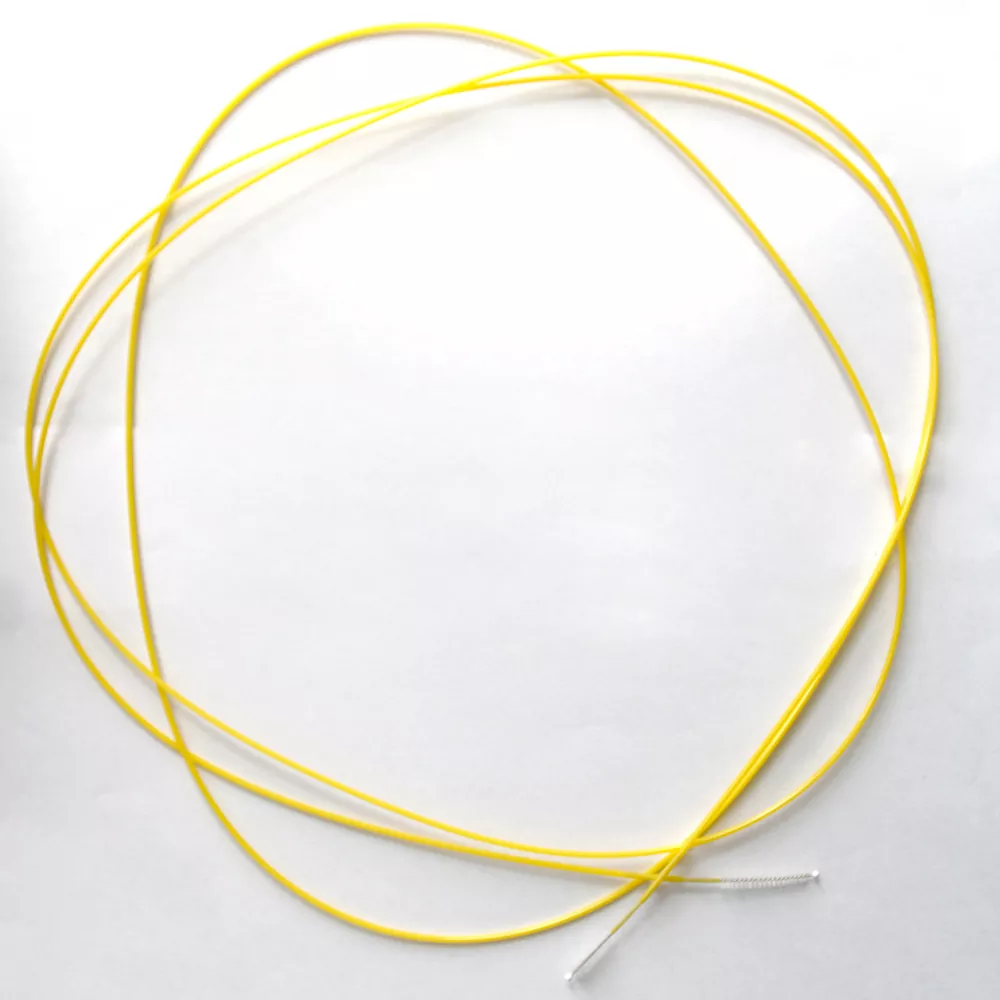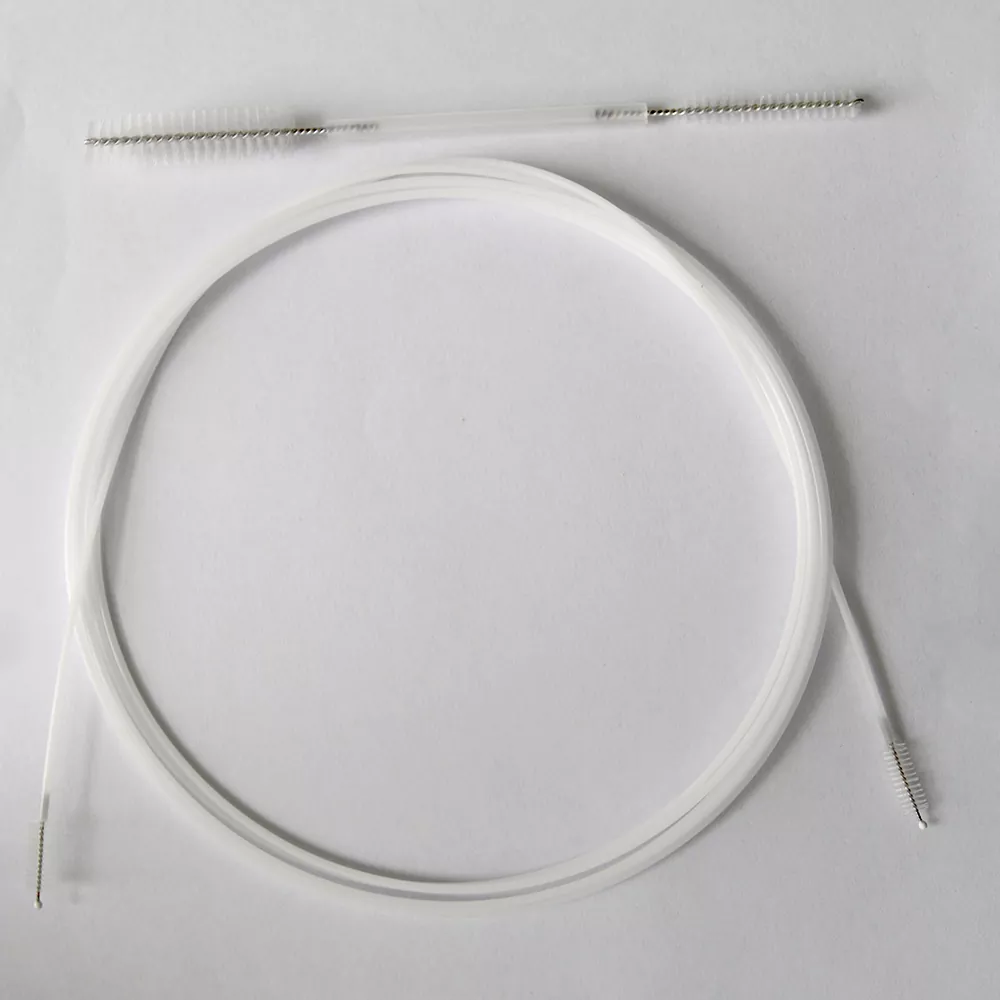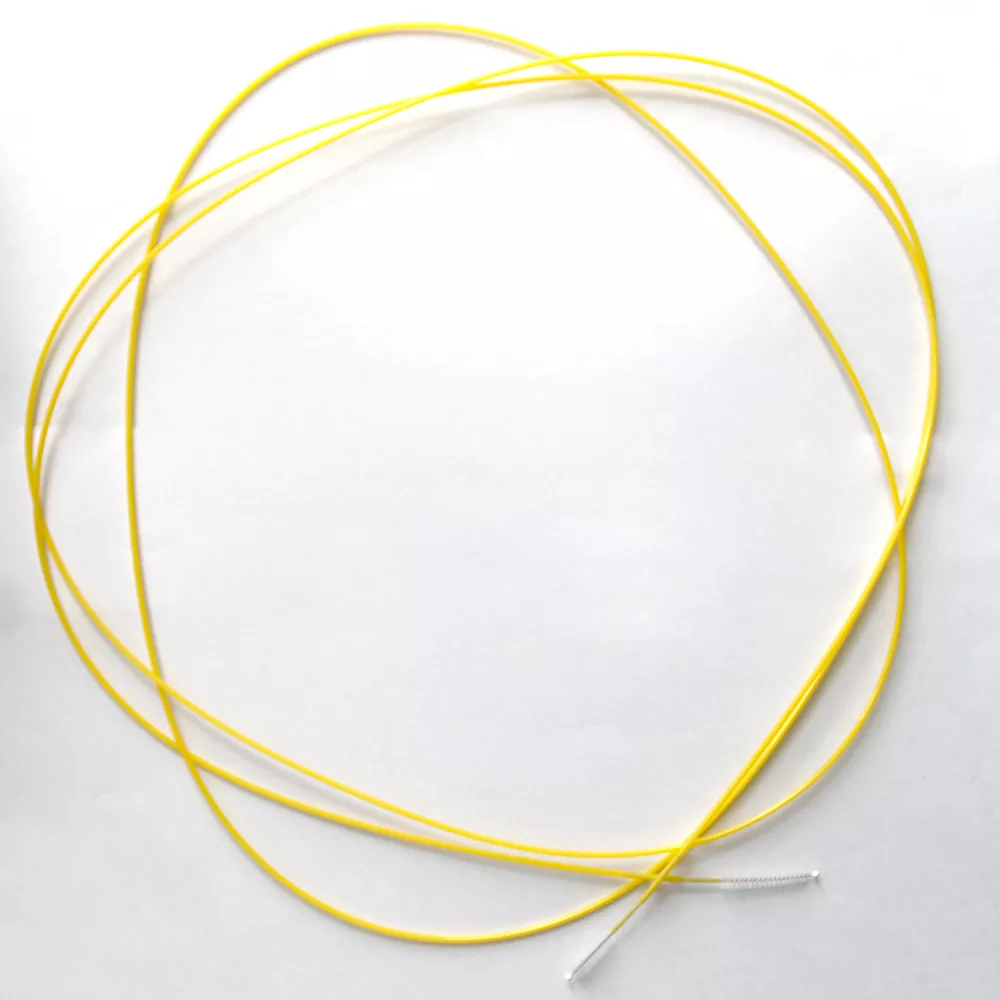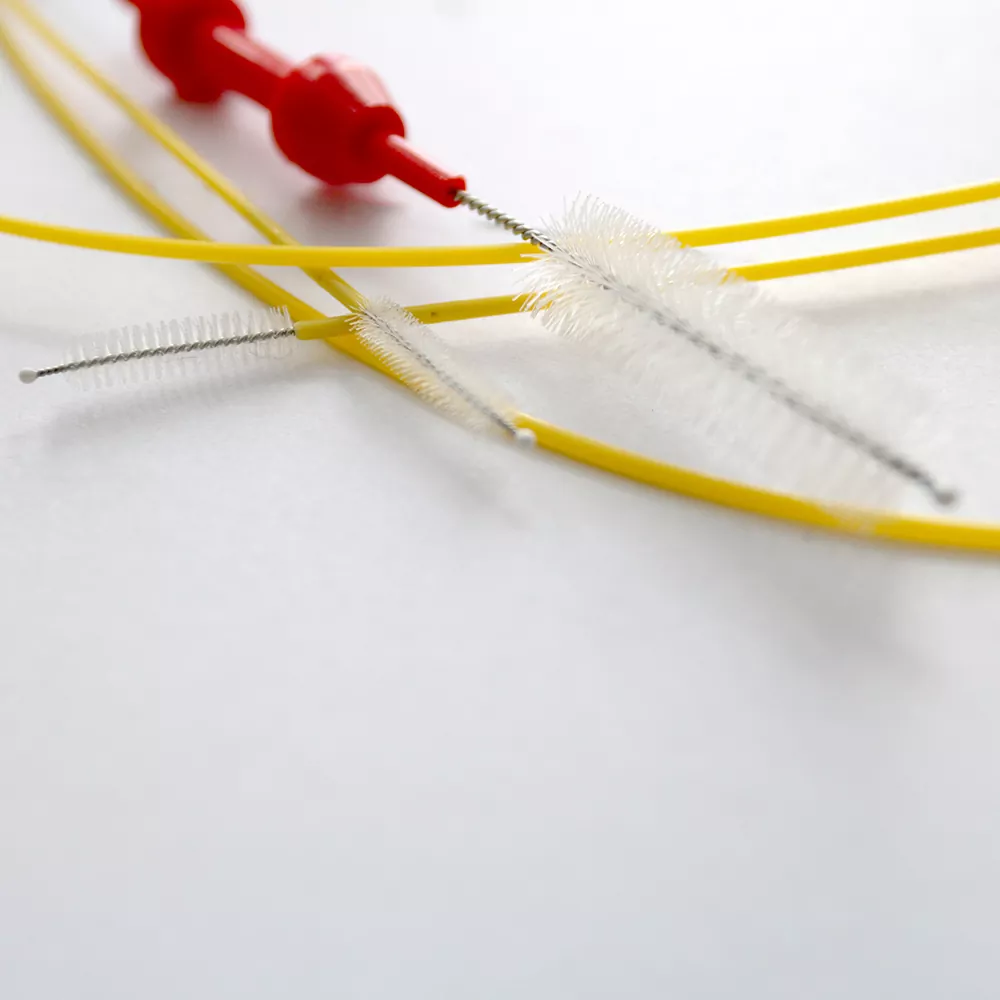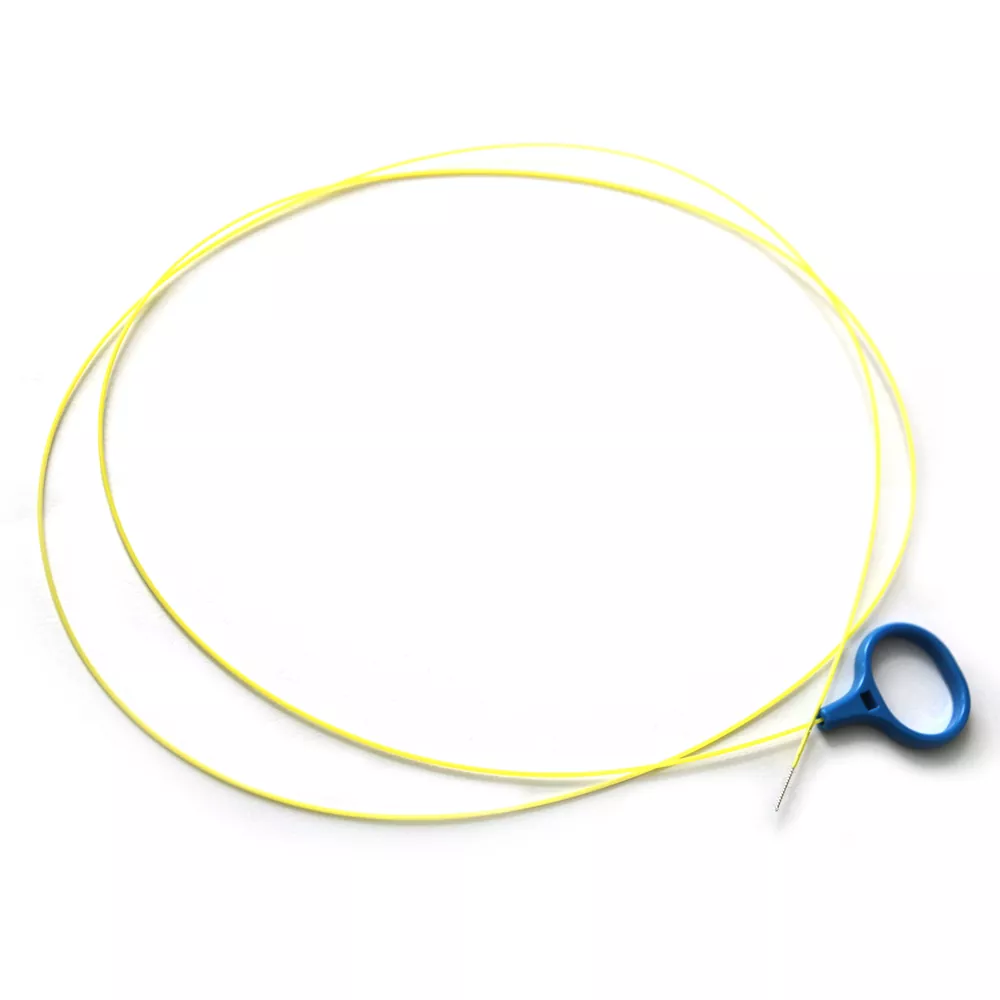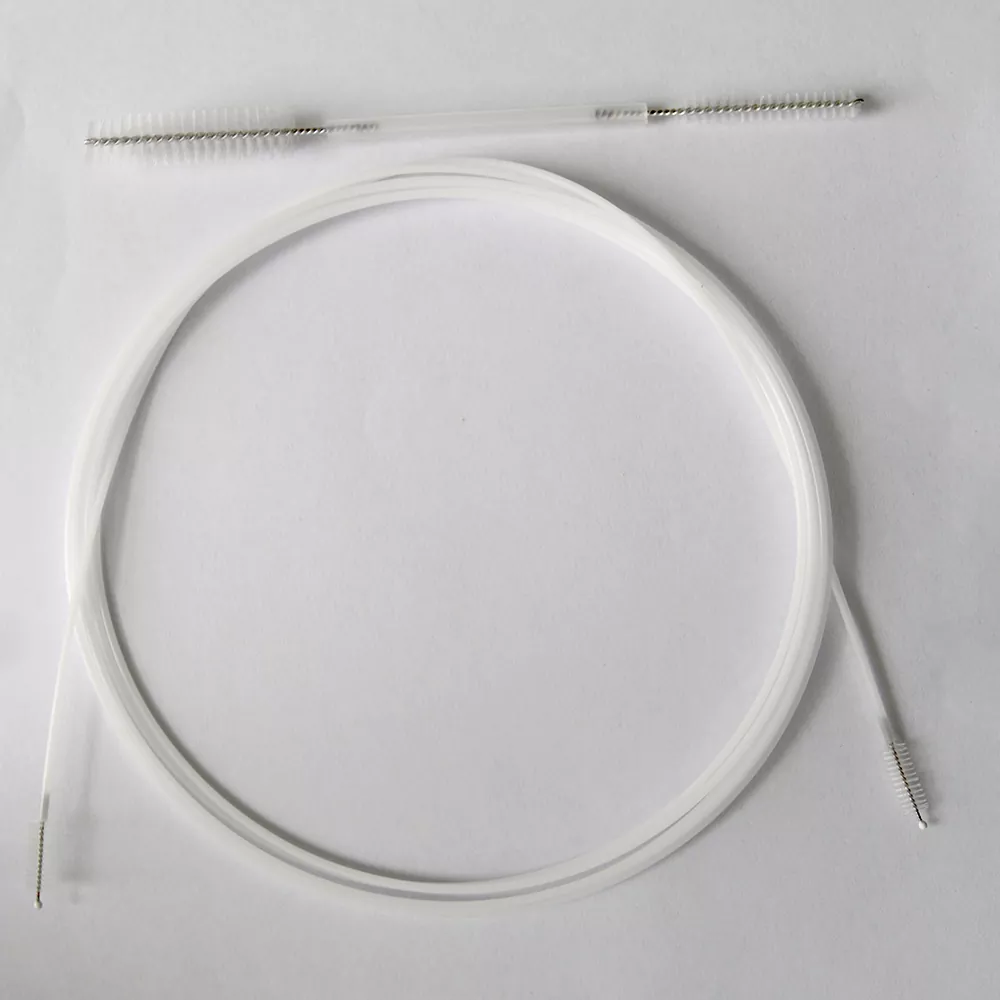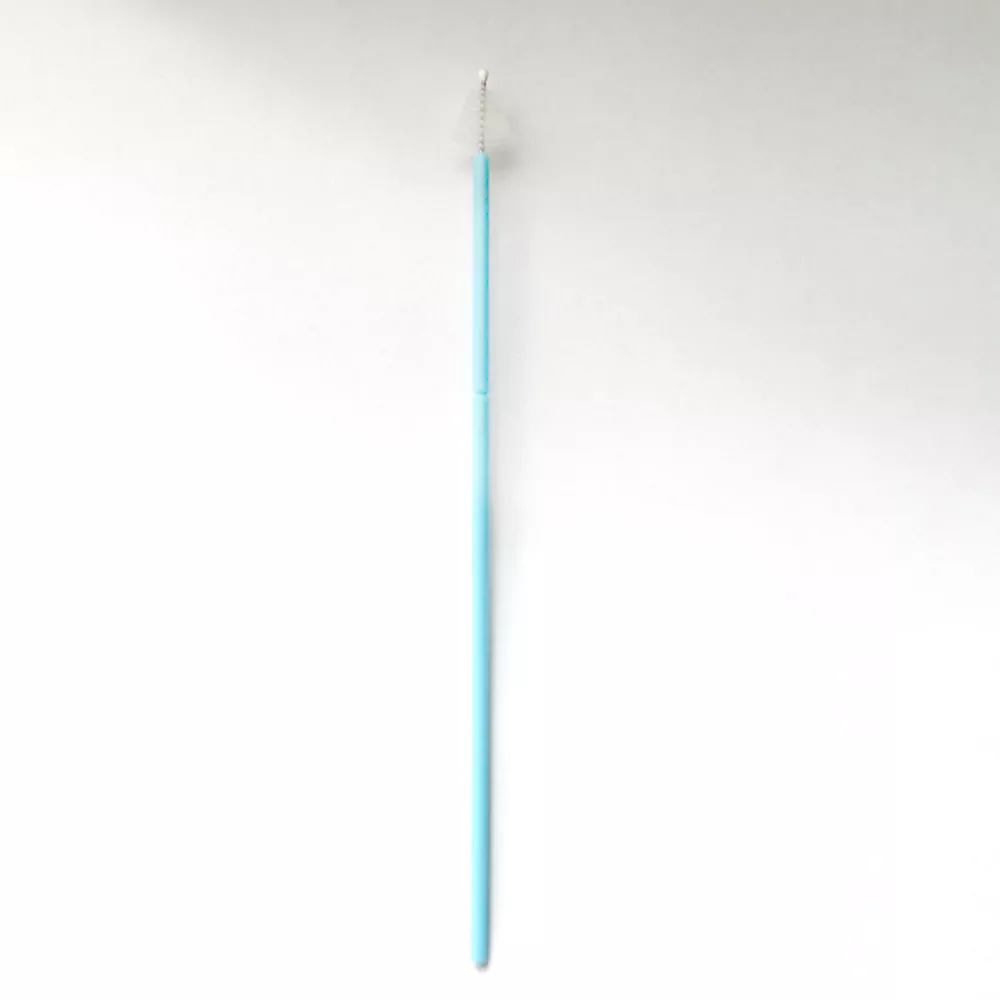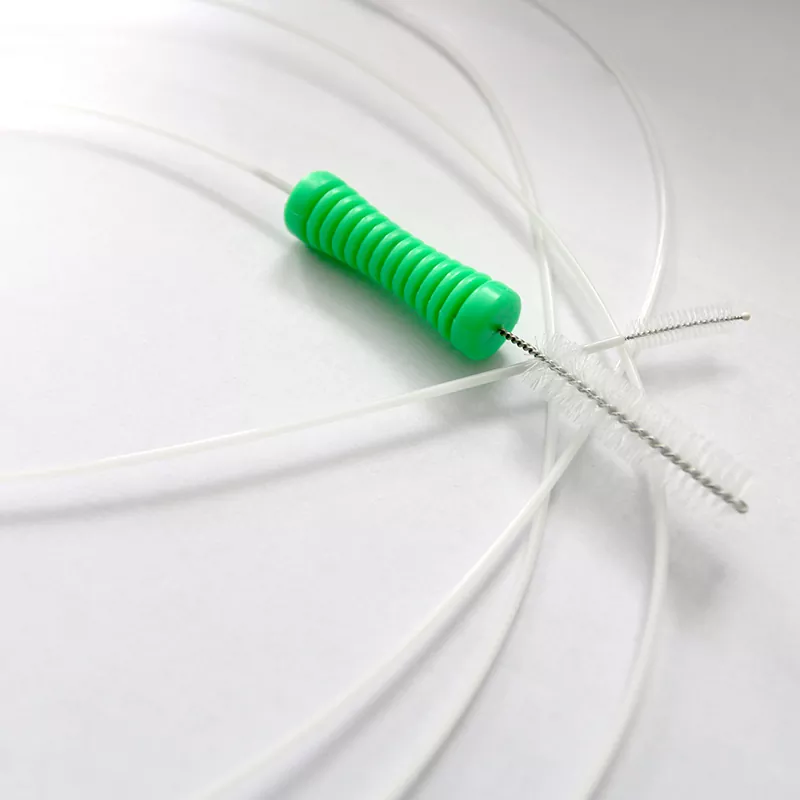
As a professional manufacturer of medical products, LucentMed offers high-quality medical-grade endoscope brushes capable of removing biofilms invisible to the naked eye. Featuring soft, medical-grade bristles, these brushes ensure effective cleaning of luminal instruments without damaging the channels of expensive gastroscopes.
Medical-Grade Endoscope Brushes are essential for ensuring medical safety. Brought to you by LucentMed—a trusted manufacturer and supplier—these brushes offer comprehensive customization options and come with relevant testing and certification.
Our brushes feature uniform, dense bristles with gentle resilience; their density and curvature are designed to perfectly match the endoscopic equipment used in hospitals, clinics, and testing centers.
Why Is a Medical-Grade Endoscope Brush Essential?
Because "medical-grade" is not the same as "industrial-grade." Medical-grade endoscope brushes must meet strict standards regarding biocompatibility, sterility assurance, material safety, and manufacturing reliability.
Safety: Industrial brushes may contain heavy metals or sharp burrs that can scratch the endoscope or leach harmful substances.
Efficacy: The density and stiffness of medical-grade bristles are validated to effectively remove biofilm.
Compliance: Hospital procurement requires verification of qualifications and reports; industrial brushes cannot pass these audits.
Traceability: In the event of an infection incident, batch records for medical-grade brushes allow for retrospective analysis.
What Are the Core Standards for Medical-Grade Endoscope Brushes?
● Bristle Materials: Medical-grade nylon, DuPont filaments, TPU, or PBT; non-cytotoxic, non-sensitizing, and non-irritating; compliant with ISO 10993 standards.
● Manufacturing Process: Integrated/molded brush head design with a pull-off strength of ≥10N; rounded bristle tips (compliant with ASTM F3275 standards).
● Cleaning Performance: Protein residue ≤6μg/cm² per single pass; biofilm removal rate ≥85%; compliant with WS 507 and protein detection standards.
● Sterility Assurance (Disposable): EO sterilization (SAL 10⁻⁶); individually packaged in dialysis paper; EO residue ≤4mg.
Medical-Grade vs. Standard Cleaning Brushes
Comparison Item
Medical-Grade Endoscope Brush
Standard cleaning brush
Application Areas
Medical device cleaning
Industrial or general cleaning
Material Standards
Medical-grade materials
Standard materials
Infection Control Requirements
Complies with medical standards
No medical-grade requirements
Biocompatibility
Meets medical application requirements
Typically not applicable
Quality Control
ISO 13485 management system
Standard quality management
Suitable for Endoscopes
Yes
Not recommended
Why Choose LucentMed?
LucentMed is a premier medical device manufacturer specializing in the R&D, production, and sales of medical brushes, including disposable endoscope channel cleaning brushes. The company holds GB/T 19001-2016 and medical device-specific GB/T 42061-2022 quality management system certifications and has secured multiple product patents.
As an established manufacturer, we operate standardized cleanrooms and automated production lines, strictly adhering to medical device manufacturing standards to ensure comprehensive quality control and guarantee consistent, reliable product quality from the source.
Our medical-grade endoscope brushes have received US FDA clearance and meet the regulatory requirements for export to the US and other global markets.
FAQ
Q1: Why is manual cleaning with an endoscope brush necessary?
A: Automated endoscope reprocessors (AERs) alone cannot remove dried blood or viscous biofilm adhering to the channel walls; these deposits require physical scrubbing to be dislodged.
Furthermore, failing to manually remove large debris first could cause it to become lodged deeper within the channel during the machine's flushing cycle.
Standard protocols mandate manual brushing prior to machine processing; this step cannot be skipped.
Q2: Why dip the brush in enzymatic solution before scrubbing?
A: Dry brushing creates excessive resistance, risks damaging the channel, and results in poor cleaning efficacy. Dipping the brush head in a multi-enzyme cleaning solution softens and dissolves protein-based contaminants, making the scrubbing process easier and more effective.
Additionally, a wet brush navigates curved sections more smoothly, reducing the risk of snagging within the internal channels.
Q3: What steps follow manual brushing?
A: Manual brushing is only the first step. Each channel must be thoroughly flushed with a high-pressure water gun to expel the loosened debris and blood clots.
Subsequent steps must follow the standard protocol: enzymatic cleaning, rinsing, drying, and sterilization.
Q4: What should be done if the suction button mount leaks or the button sticks after cleaning?
A: First, remove the button and inspect the mount for visible scratches, burrs, or deformation; use a small cotton swab dipped in alcohol to clean the interior of the mount and the button's sealing ring.
If minor burrs are present, lightly sand them with fine-grit sandpaper (1000-grit or higher) and polish with a soft cloth.
If the button's O-ring is aged or damaged, replace it with a new sealing ring.
If the mount shows significant wear or deformation, it must be sent to an endoscope repair center for replacement.
Hot Tags: Medical-Grade Endoscope Brush, medical endoscope brush, endoscope brush medical grade
We use cookies to offer you a better browsing experience, analyze site traffic and personalize content. By using this site, you agree to our use of cookies.Privacy Policy