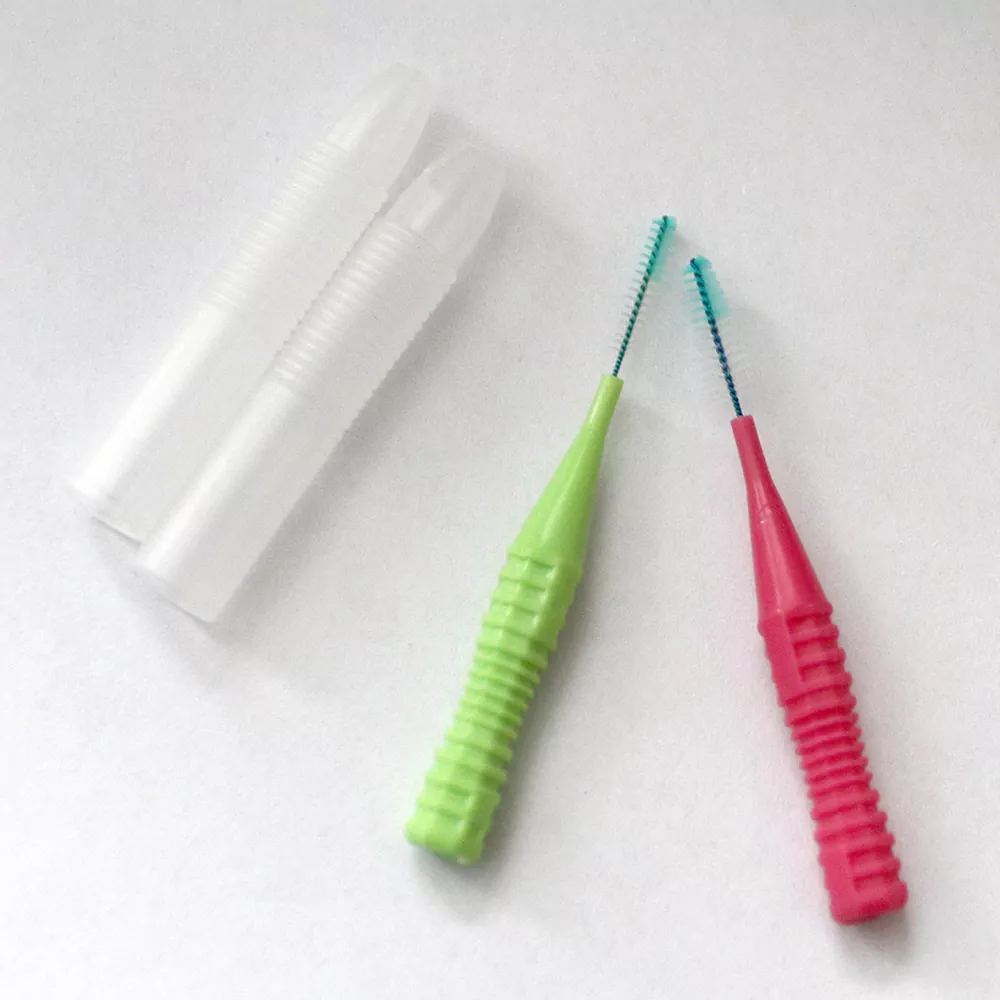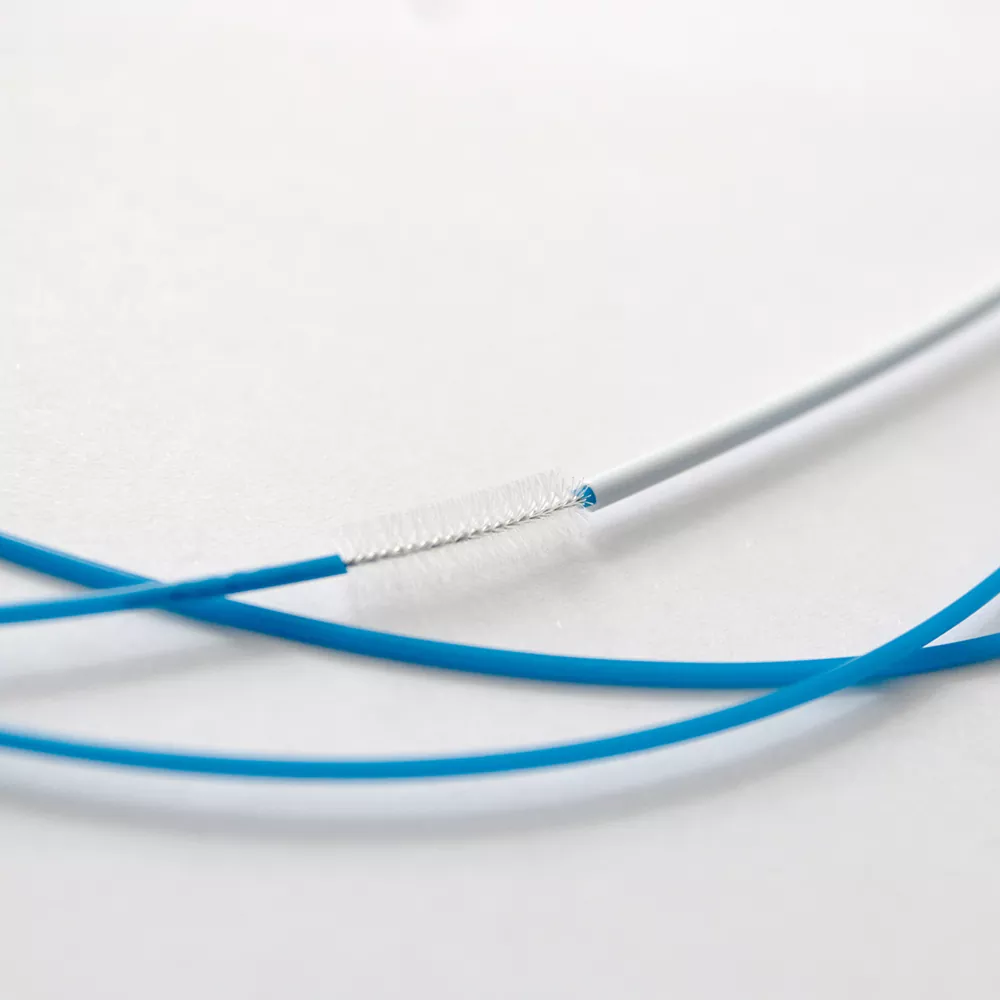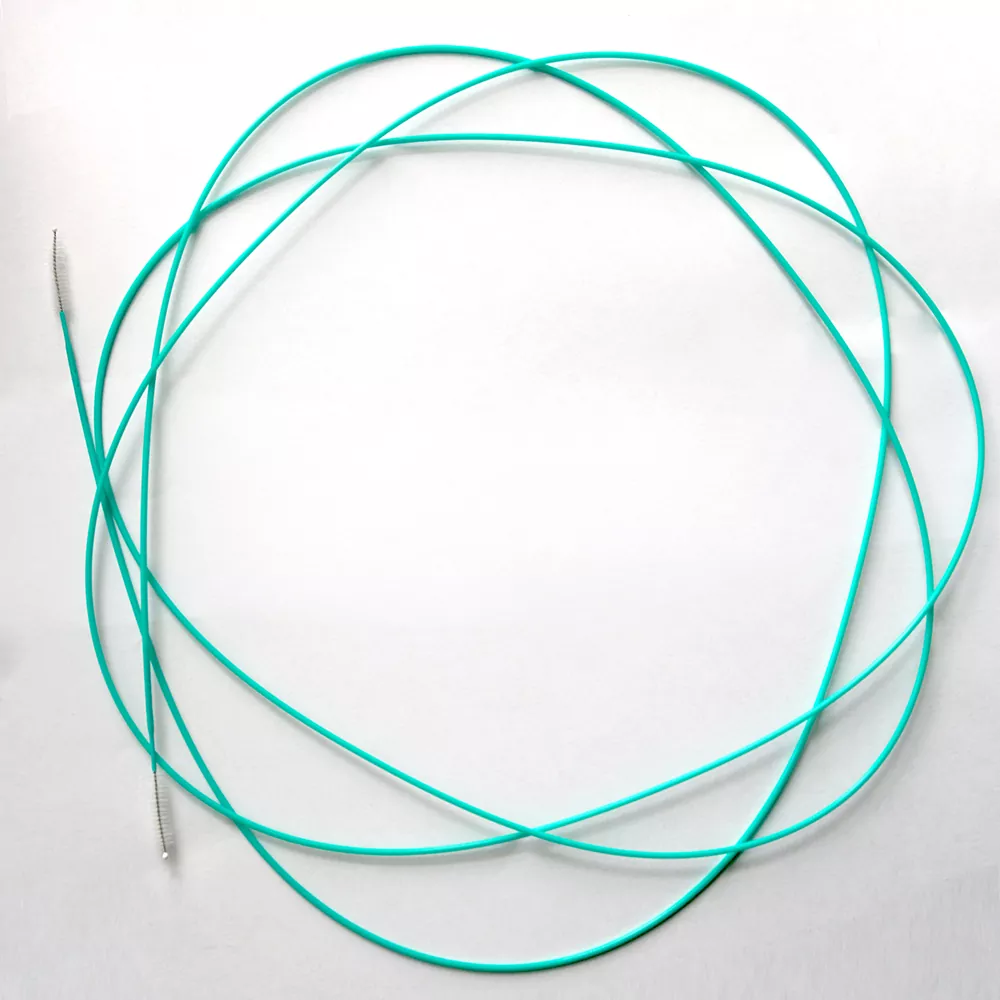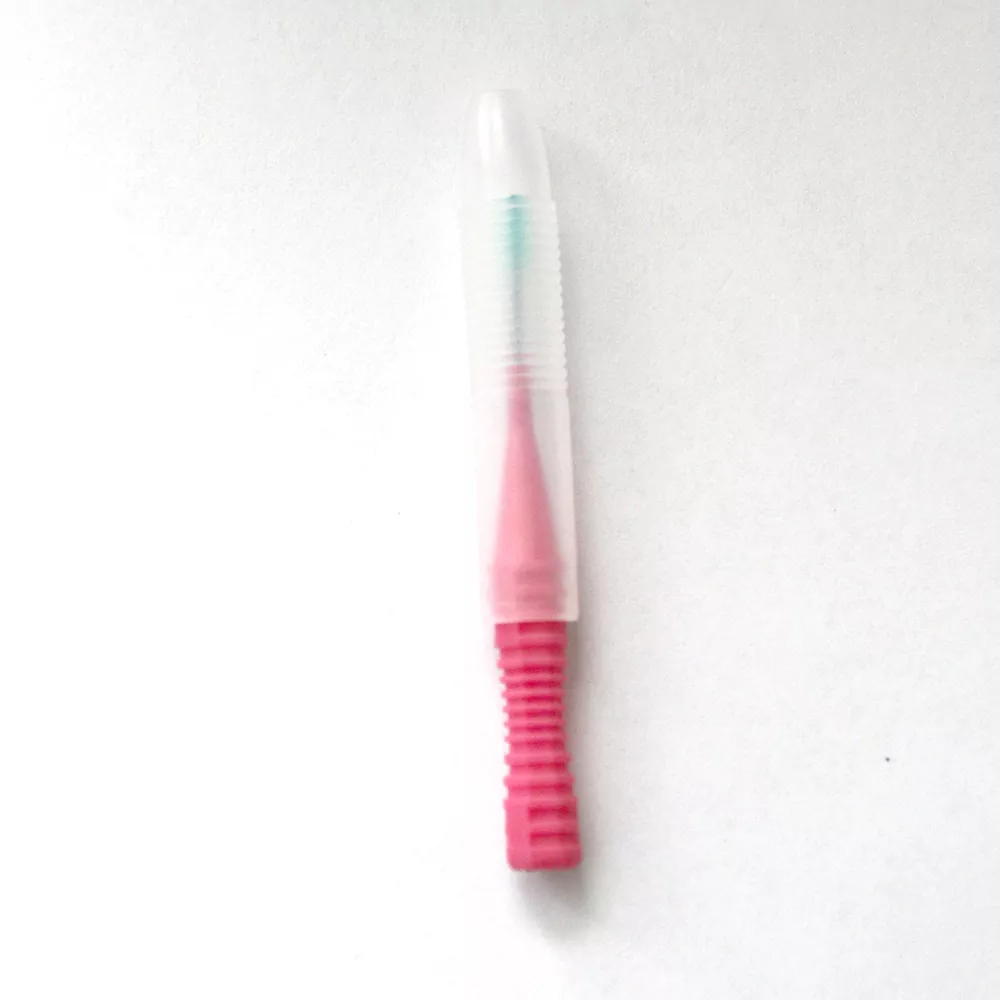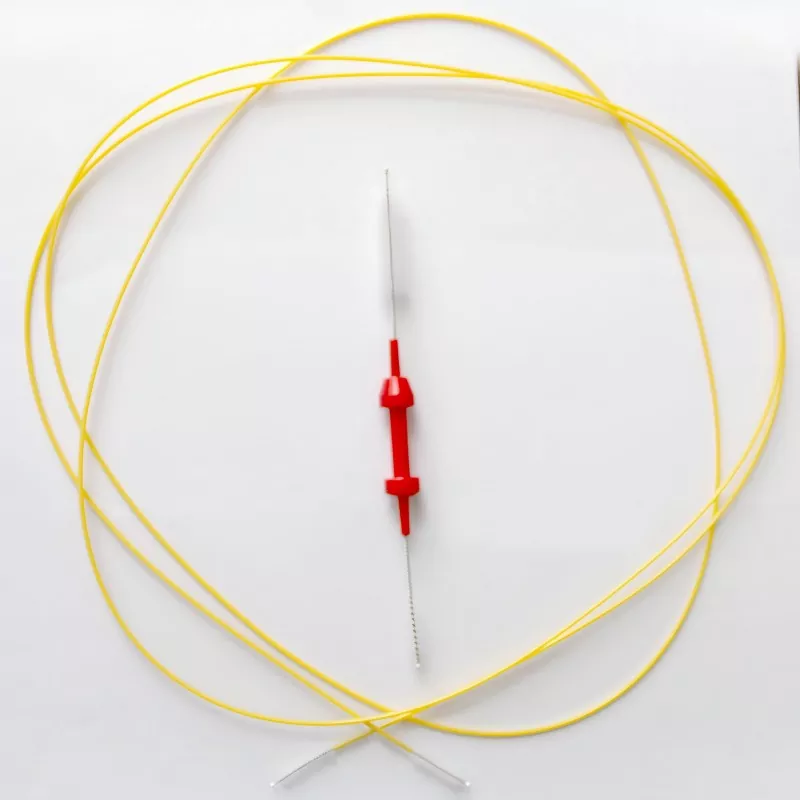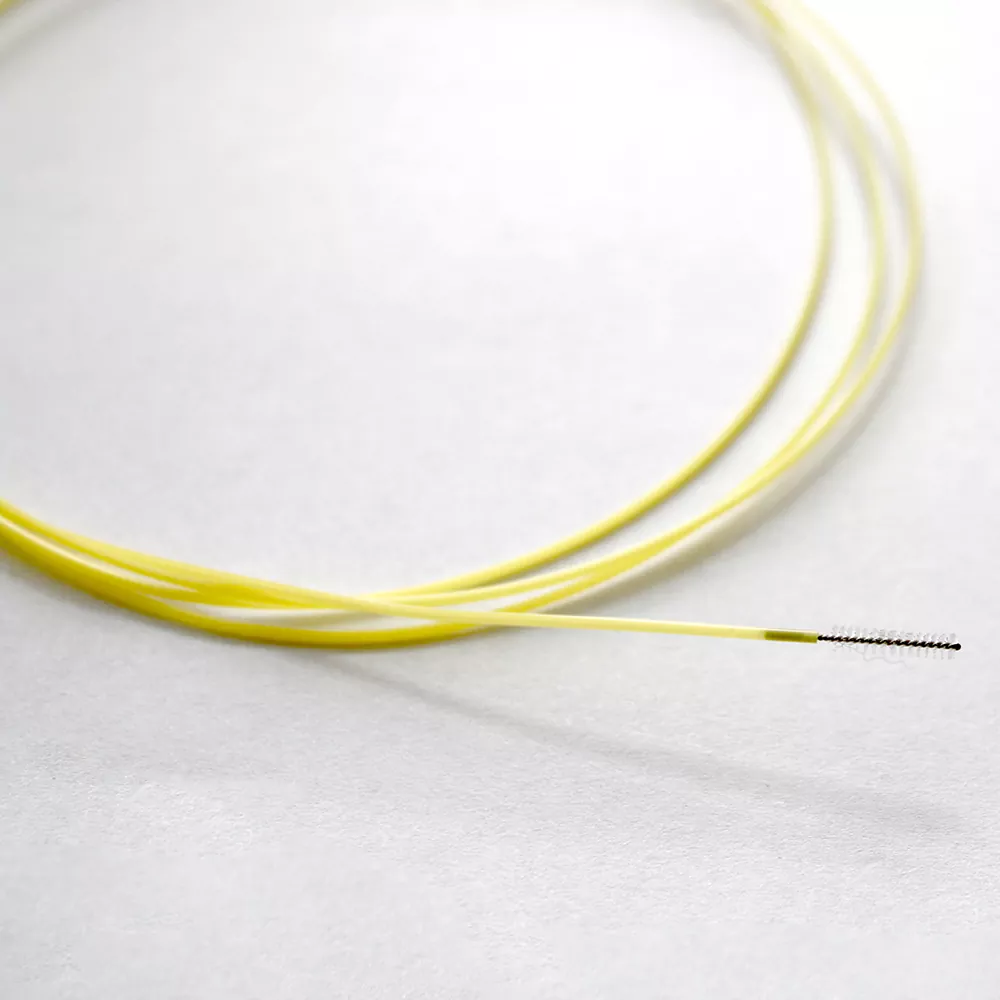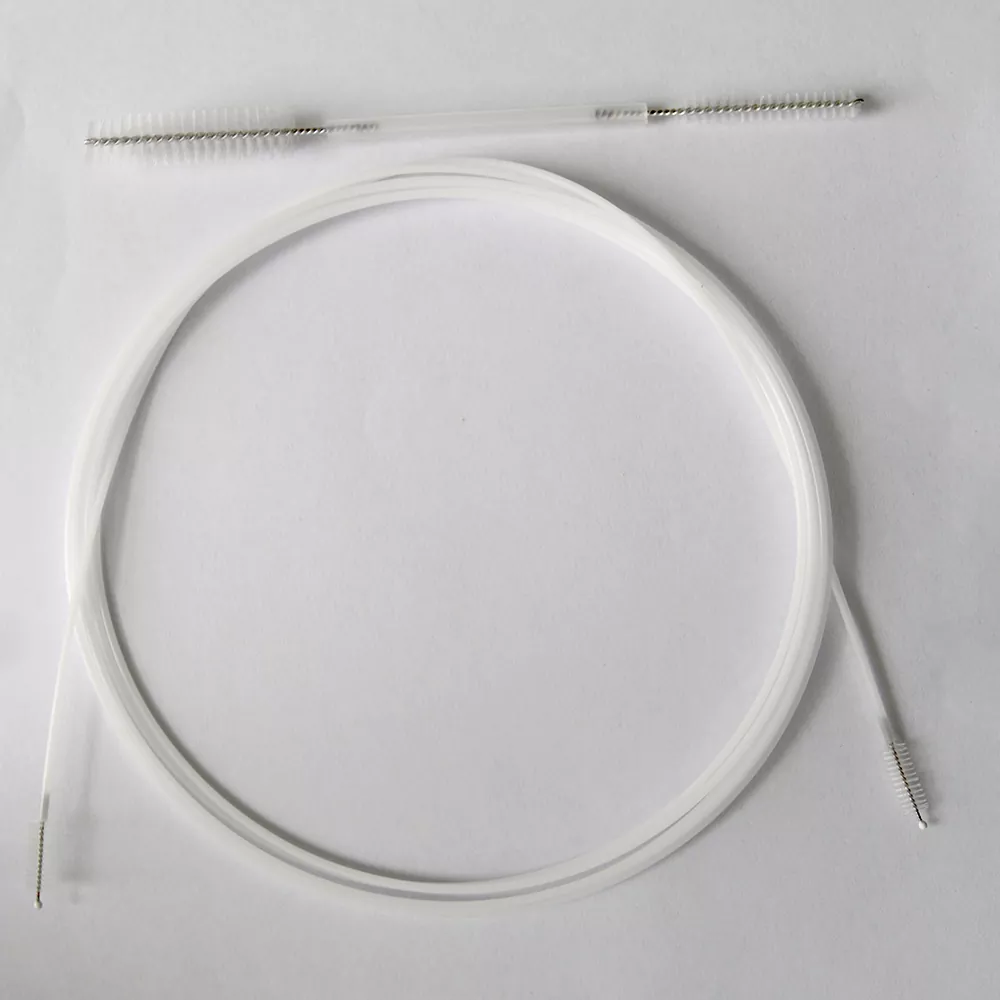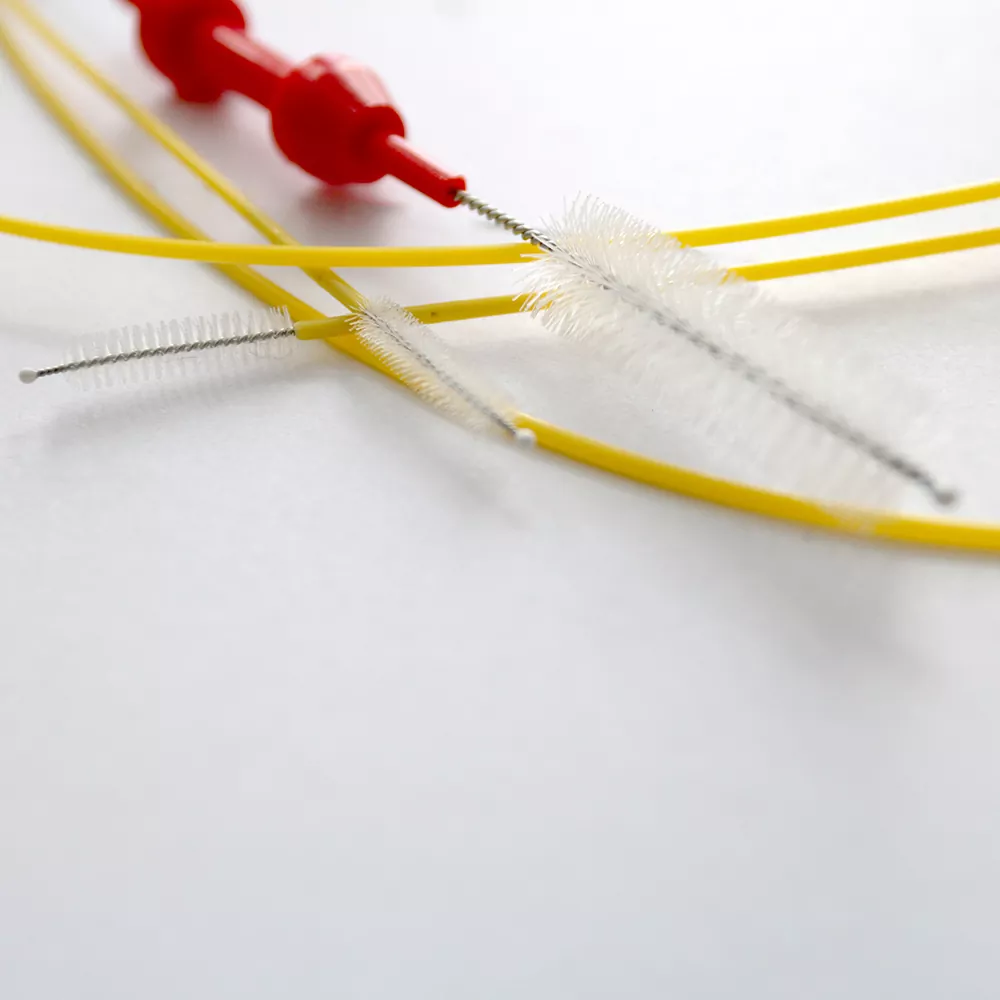

A bronchoscope cleaning brush is a small but critical component of flexible bronchoscope reprocessing. Because bronchoscopes contain narrow channels, bends, valves, and delicate internal surfaces, ordinary cleaning methods may leave behind mucus, tissue residue, blood, or other organic contaminants. A properly designed cleaning brush helps mechanically remove these deposits from areas that are difficult to reach.
This guide explains how bronchoscope cleaning brushes work, why brush design matters, how to use them effectively, common purchasing mistakes, and what medical facilities should consider when evaluating cleaning brushes for routine reprocessing workflows.
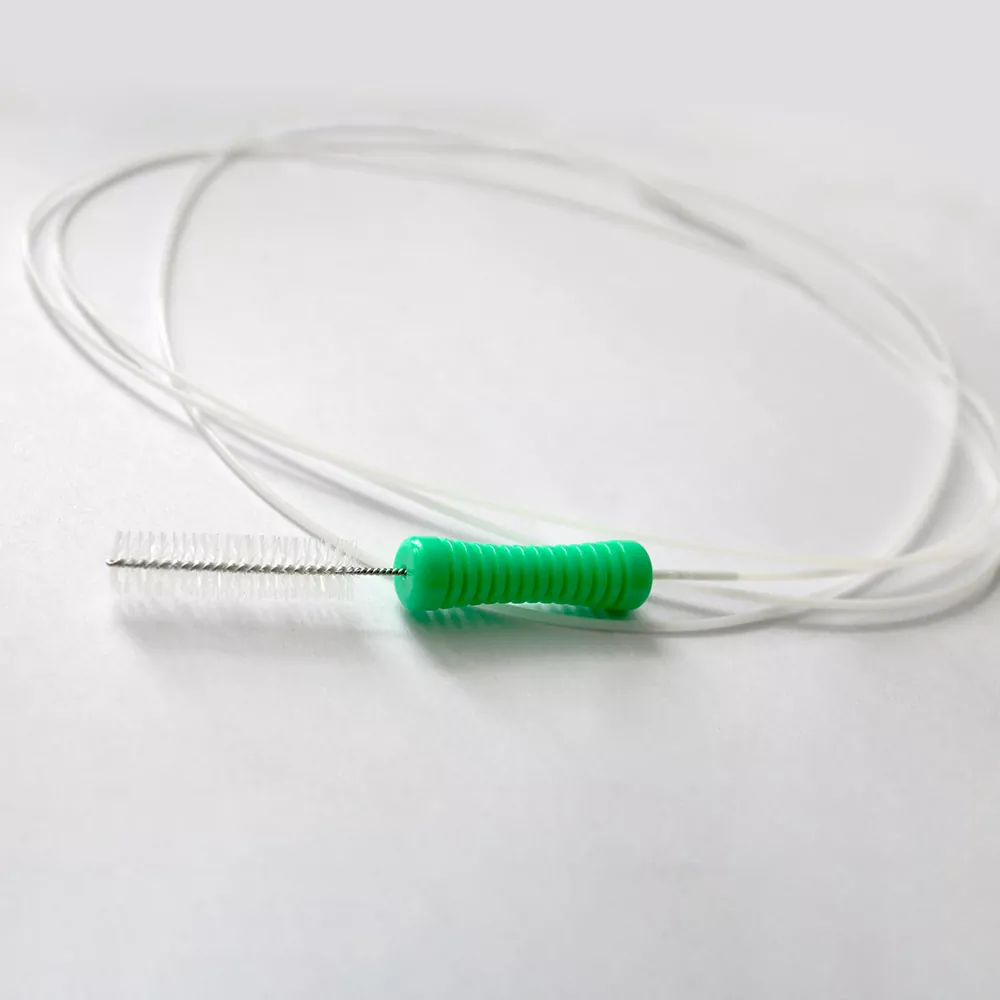
Table of Contents
- Why Is Bronchoscope Cleaning So Challenging?
- How Does a Bronchoscope Cleaning Brush Work?
- What Design Features Matter Most?
- How Does Brushing Improve the Reprocessing Workflow?
- What Problems Can an Unsuitable Brush Cause?
- How Can Facilities Select the Right Cleaning Brush?
- Where Are Bronchoscope Cleaning Brushes Used?
- How Can Cleaning Consistency Be Improved?
- Frequently Asked Questions
- Final Considerations
Why Is Bronchoscope Cleaning So Challenging?
Flexible bronchoscopes are sophisticated medical instruments designed to enter the respiratory tract and provide clinicians with visual access to internal structures. Their complex construction creates a major reprocessing challenge: the instrument must be thoroughly cleaned without damaging sensitive components.
Internal channels can be narrow and difficult to inspect visually. During a procedure, mucus, blood, tissue fragments, secretions, and other contaminants may enter these passages. If organic material dries inside a channel, it can become significantly more difficult to remove.
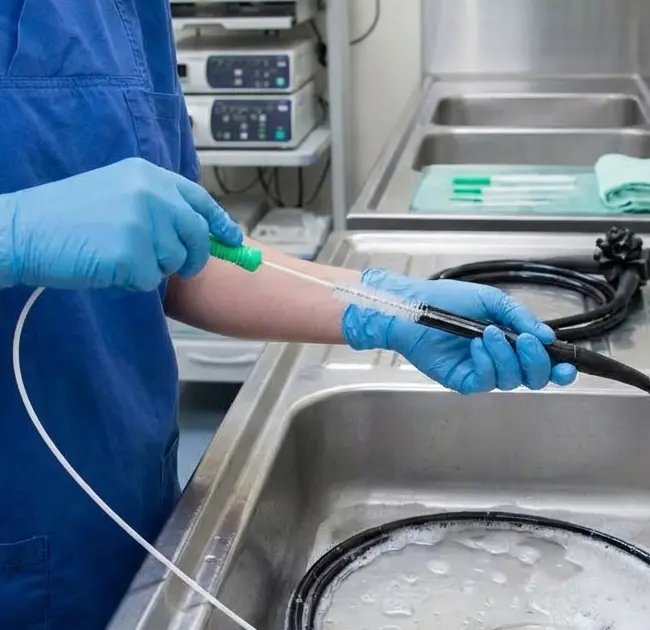
Manual cleaning is therefore an important part of the overall reprocessing process. A cleaning brush provides mechanical action that helps dislodge material from internal surfaces rather than relying exclusively on the movement of cleaning fluid.
How Does a Bronchoscope Cleaning Brush Work?
The basic principle is straightforward: the brush is introduced into an appropriate channel and moved through the channel according to the applicable cleaning procedure. Bristles contact the internal wall and help loosen contamination that may adhere to the surface.
Compared with flushing alone, brushing provides direct mechanical contact. This can be particularly useful when contaminants have adhered to the channel wall or accumulated in areas where fluid movement is less effective.
However, effective brushing depends on more than simply inserting a brush into a channel. The brush diameter, bristle structure, shaft flexibility, length, handle design, and compatibility with the instrument all influence usability.
| Brush Component | Primary Function | Why It Matters |
|---|---|---|
| Bristles | Contact and loosen contaminants | Need appropriate stiffness and configuration for effective mechanical cleaning |
| Flexible Shaft | Allows the brush to travel through internal channels | Helps navigate long or curved passages |
| Brush Tip | Enters and moves through narrow areas | Should be appropriately designed for the intended channel |
| Handle | Provides operator control | Good handling can improve consistency and reduce unnecessary force |
| Overall Length | Provides sufficient reach | Must correspond to the channel and cleaning procedure |
What Design Features Matter Most?
Not every cleaning brush is suitable for every bronchoscope. Selecting a brush based only on price or general appearance can create unnecessary operational problems. Healthcare facilities should evaluate the brush against the actual instrument specifications and reprocessing requirements.
- Correct diameter: The brush should be compatible with the internal diameter of the channel specified for cleaning.
- Appropriate bristle structure: Bristles need to provide effective contact while minimizing the risk of unnecessary abrasion.
- Sufficient length: The brush should reach the intended channel without requiring unsafe manipulation.
- Flexible construction: Flexibility can help the brush follow the path of curved channels.
- Secure construction: Bristles and other components should remain securely attached during use.
- Good operator control: A practical handle can make repetitive cleaning procedures easier to perform consistently.
- Instrument compatibility: The brush must be suitable for the specific device and channel configuration.
For hospitals, endoscopy centers, and medical device reprocessing departments, compatibility should always be verified against the relevant manufacturer's instructions rather than assumed from a generic product description.
How Does Brushing Improve the Reprocessing Workflow?
An effective cleaning brush can contribute to a more structured and repeatable manual cleaning process. This matters because reprocessing quality depends not only on the equipment being used but also on whether procedures can be performed consistently.
A well-matched brush can make it easier for personnel to access internal channels, remove visible contamination, and follow established cleaning steps. Consistent tools also simplify staff training because operators can work with a clearly defined set of equipment and procedures.
- Pre-clean promptly: Follow the instrument manufacturer's instructions as soon as practical after the procedure.
- Prepare the appropriate cleaning solution: Use the concentration, temperature, and exposure conditions specified by the applicable protocol.
- Brush the required channels: Use the appropriate brush size and technique.
- Inspect the instrument: Check for residual contamination and any signs of damage.
- Rinse and continue reprocessing: Complete all subsequent validated cleaning, disinfection, drying, and storage steps.
What Problems Can an Unsuitable Brush Cause?
Choosing the wrong cleaning brush can create both cleaning and operational difficulties. A brush that is too large may be difficult to advance through a narrow channel. A brush that is too small may provide insufficient contact with the internal surface.
Excessive stiffness or inappropriate construction can also increase the possibility of damaging sensitive components. Conversely, inadequate bristle contact may reduce the mechanical cleaning effect.
| Potential Issue | Possible Cause | Practical Response |
|---|---|---|
| Brush difficult to advance | Incorrect diameter or unsuitable flexibility | Verify channel and brush specifications |
| Insufficient cleaning contact | Brush too small or unsuitable bristle configuration | Use a compatible design specified for the application |
| Visible residue remains | Inadequate cleaning technique or unsuitable brush | Review the validated manual cleaning procedure |
| Operator discomfort | Poor handle or excessive manipulation required | Evaluate brush ergonomics and workflow |
| Component wear | Improper brush selection or excessive force | Follow instrument and brush manufacturer's instructions |
How Can Facilities Select the Right Cleaning Brush?
Purchasing teams should treat a bronchoscope cleaning brush as a functional reprocessing accessory rather than a generic disposable item. The correct selection begins with the instrument being cleaned.
-
Identify the instrument model and channel specifications.
Confirm the dimensions and cleaning requirements provided by the bronchoscope manufacturer. -
Determine the required brush dimensions.
Diameter and working length should match the intended application. -
Review material and construction.
Examine the bristles, shaft, tip, handle, and connection points. -
Consider the intended usage model.
Determine whether the facility requires single-use products or products designed for another validated reprocessing workflow. -
Assess supplier quality controls.
Reliable documentation, consistent manufacturing, traceability, and product specifications are important when purchasing medical cleaning accessories. -
Evaluate customization needs.
High-volume healthcare customers may require specific dimensions, packaging configurations, labeling, or other product requirements.
Where Are Bronchoscope Cleaning Brushes Used?
Bronchoscope cleaning brushes are primarily associated with healthcare environments where flexible bronchoscopes and related endoscopic instruments are cleaned and reprocessed. Typical settings may include:
- Hospital endoscopy departments
- Respiratory medicine departments
- Central sterile or medical device reprocessing departments
- Specialized outpatient endoscopy centers
- Medical device service and maintenance environments
- Healthcare institutions requiring accessories for manual instrument cleaning
The exact cleaning requirements vary according to the instrument design, institutional protocol, local regulations, and manufacturer's instructions. For that reason, a cleaning brush should always be evaluated as part of the complete reprocessing system.
How Can Cleaning Consistency Be Improved?
One of the biggest operational challenges in medical instrument reprocessing is maintaining consistency across personnel, shifts, and equipment. A standardized cleaning brush can help support this goal, but the product is only one part of the solution.
Facilities can improve consistency by establishing clear procedures for brush selection, inspection, use, disposal or reprocessing where applicable, and replacement. Staff should also understand why channel dimensions and brush specifications matter.
Documentation is equally important. Purchasing departments should maintain accurate product specifications and ensure that replacement products are equivalent to those approved for the relevant cleaning process.
- Verify the bronchoscope model.
- Confirm channel dimensions.
- Match the brush diameter and working length.
- Review material and construction requirements.
- Follow the instrument manufacturer's cleaning instructions.
- Train staff on the approved brushing technique.
- Inspect brushes and instruments as required by the procedure.
- Maintain consistent purchasing specifications.
Frequently Asked Questions
A bronchoscope cleaning brush is a specialized mechanical cleaning accessory used to help remove contaminants from appropriate channels and surfaces of a bronchoscope during manual reprocessing.
Brush diameter and length need to correspond to the channel being cleaned. A poor fit may make brushing difficult or reduce effective contact with the internal surface.
No. Bronchoscopes can have different channel dimensions and configurations. The correct brush should be selected according to the specific instrument and applicable manufacturer instructions.
No. Brushing is a cleaning step and does not replace the complete validated cleaning and disinfection or sterilization process required for the specific medical instrument.
Important considerations include compatibility, diameter, working length, bristle configuration, shaft flexibility, construction quality, packaging, documentation, supply consistency, and compliance with the facility's approved reprocessing procedure.
Depending on the manufacturer and application, customized dimensions, packaging, labeling, and other product specifications may be available. Any customized product should be evaluated and validated for its intended use.
Final Considerations
A bronchoscope cleaning brush may be a relatively small component of the medical reprocessing workflow, but its design and compatibility can have a significant practical impact. Flexible bronchoscopes contain delicate and difficult-to-access channels where organic contamination can accumulate, making effective mechanical cleaning an essential consideration.
The best approach is not simply to purchase the cheapest or most widely available brush. Healthcare facilities should begin with the specifications of the bronchoscope, then evaluate brush diameter, length, bristle configuration, flexibility, construction, handling characteristics, and supplier consistency.
Qingdao Lushua Medical Technology Co., Ltd. focuses on medical cleaning products and related solutions designed to support professional healthcare applications. For hospitals, distributors, medical equipment suppliers, and other professional buyers, selecting a reliable manufacturing partner can help simplify sourcing while maintaining consistent product specifications.
Looking for a Reliable Bronchoscope Cleaning Brush Supplier?
If you are sourcing bronchoscope cleaning brushes for hospitals, endoscopy centers, medical distributors, or healthcare equipment projects, product compatibility and manufacturing consistency should be at the center of your purchasing decision.
Contact us to discuss your required brush dimensions, packaging specifications, application requirements, and potential OEM or customized solutions. Qingdao Lushua Medical Technology Co., Ltd. can work with professional buyers to develop a suitable solution for their medical cleaning needs.