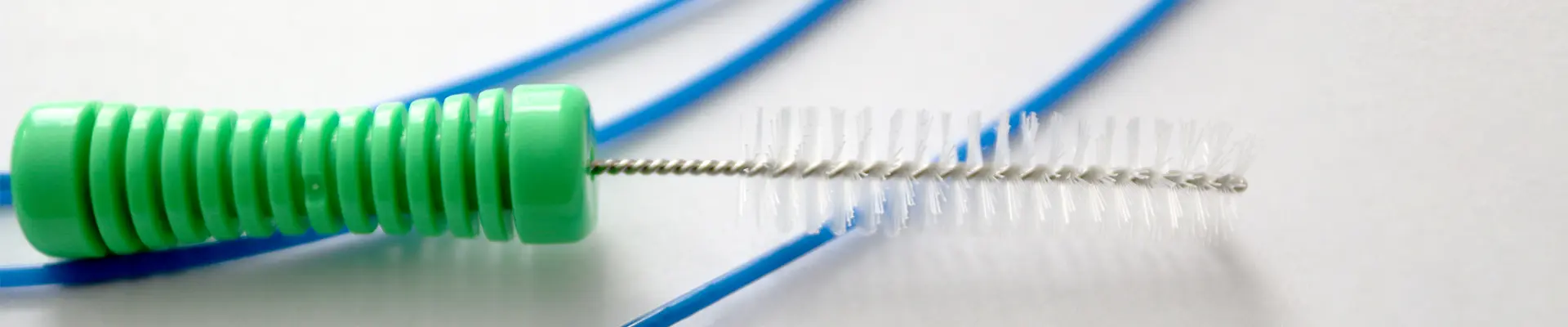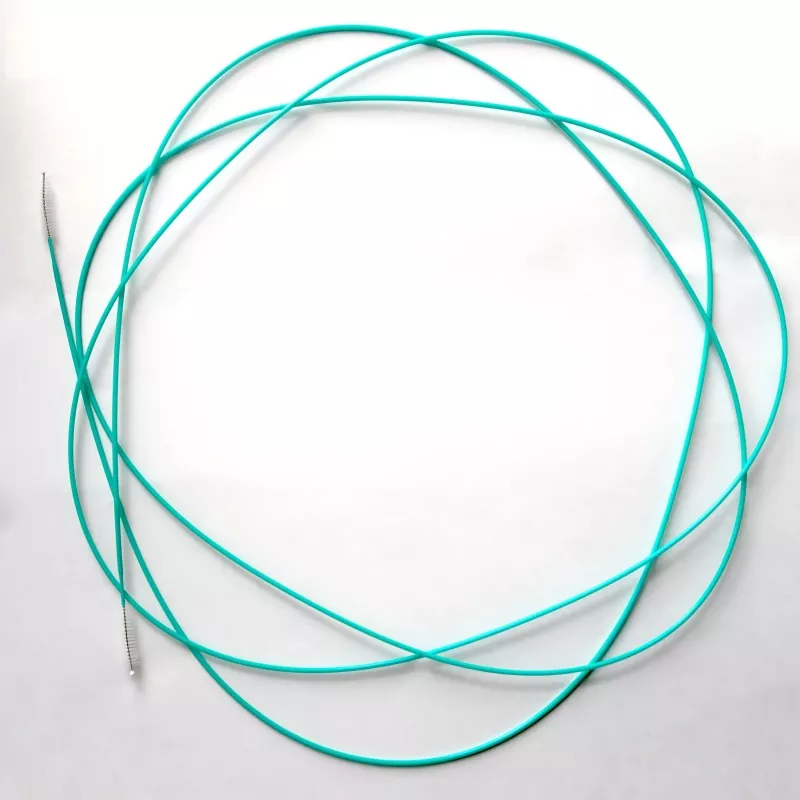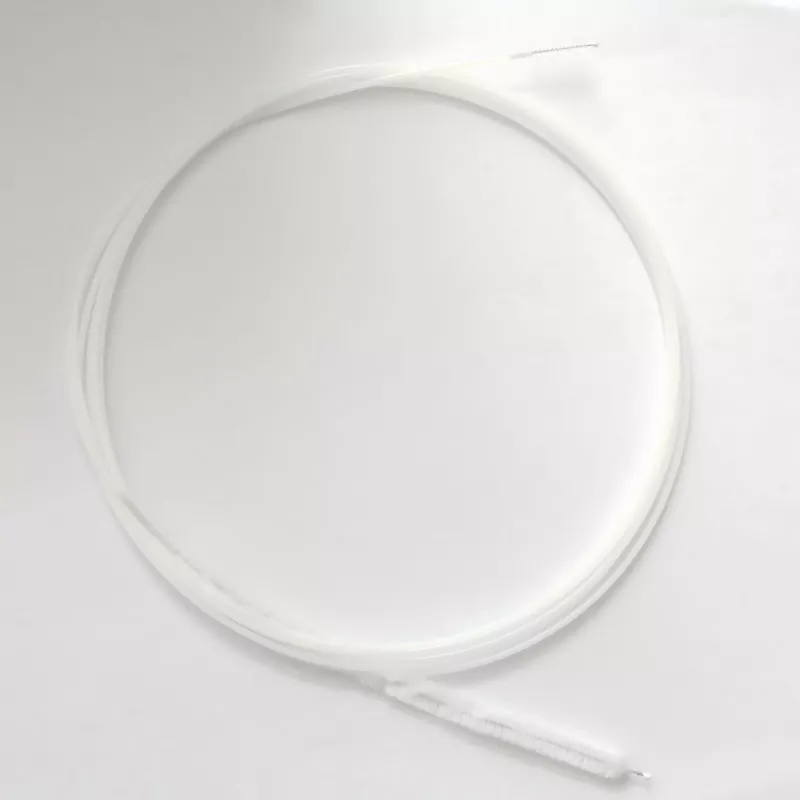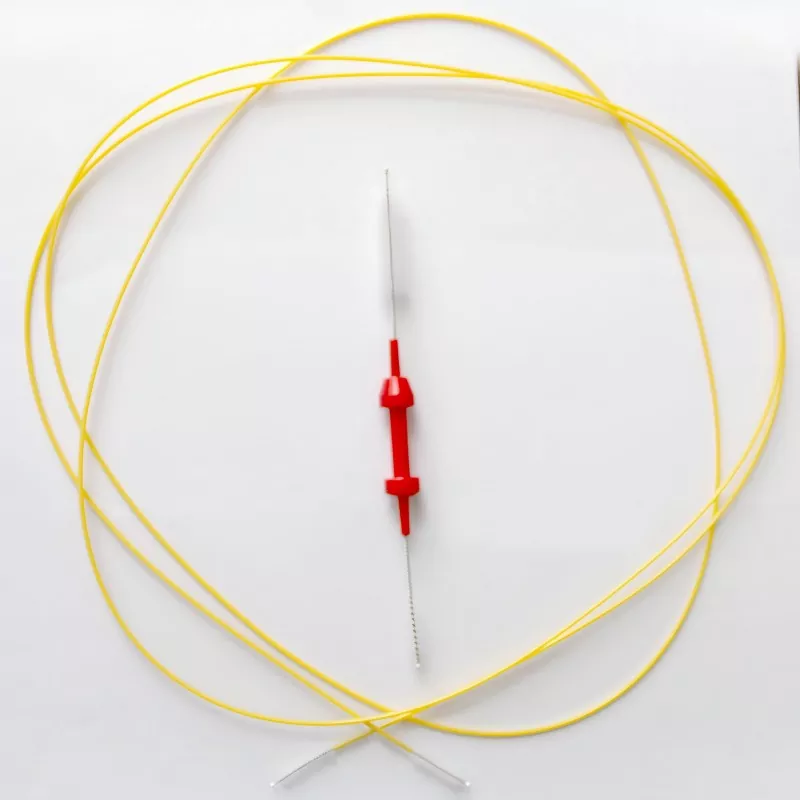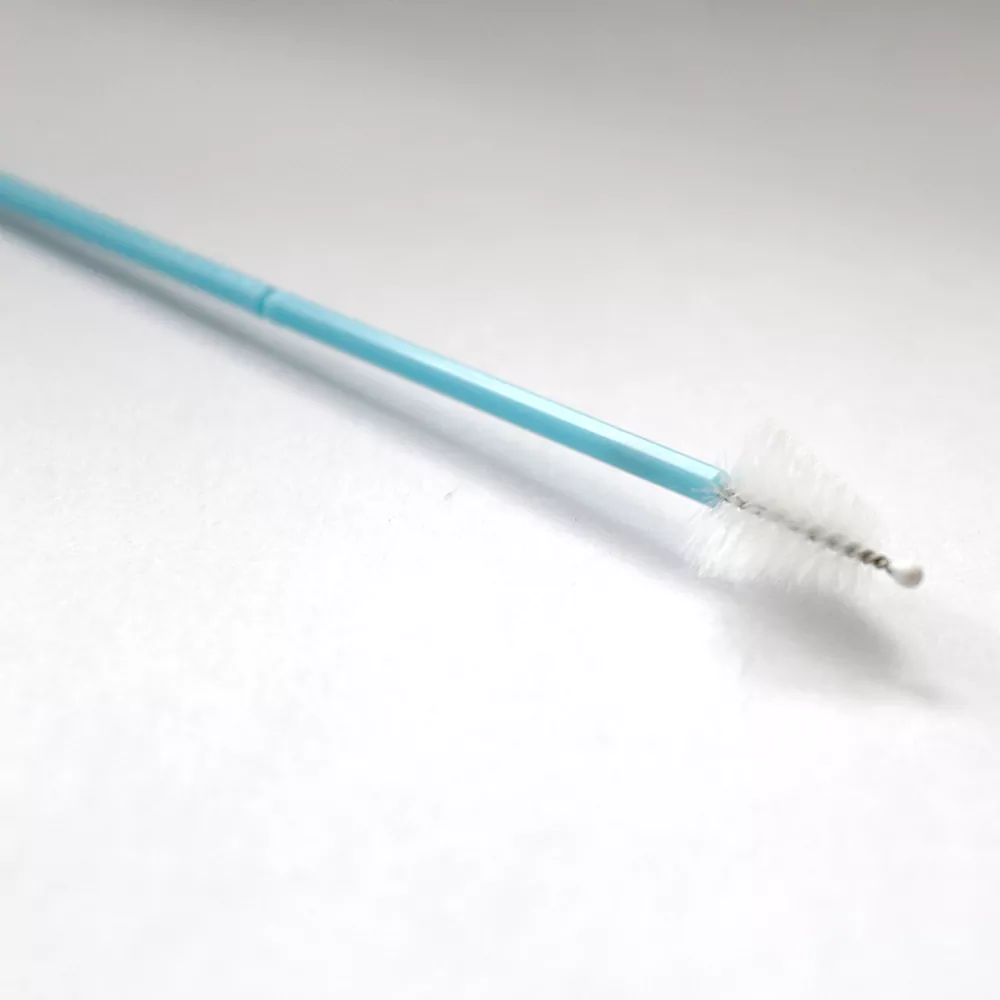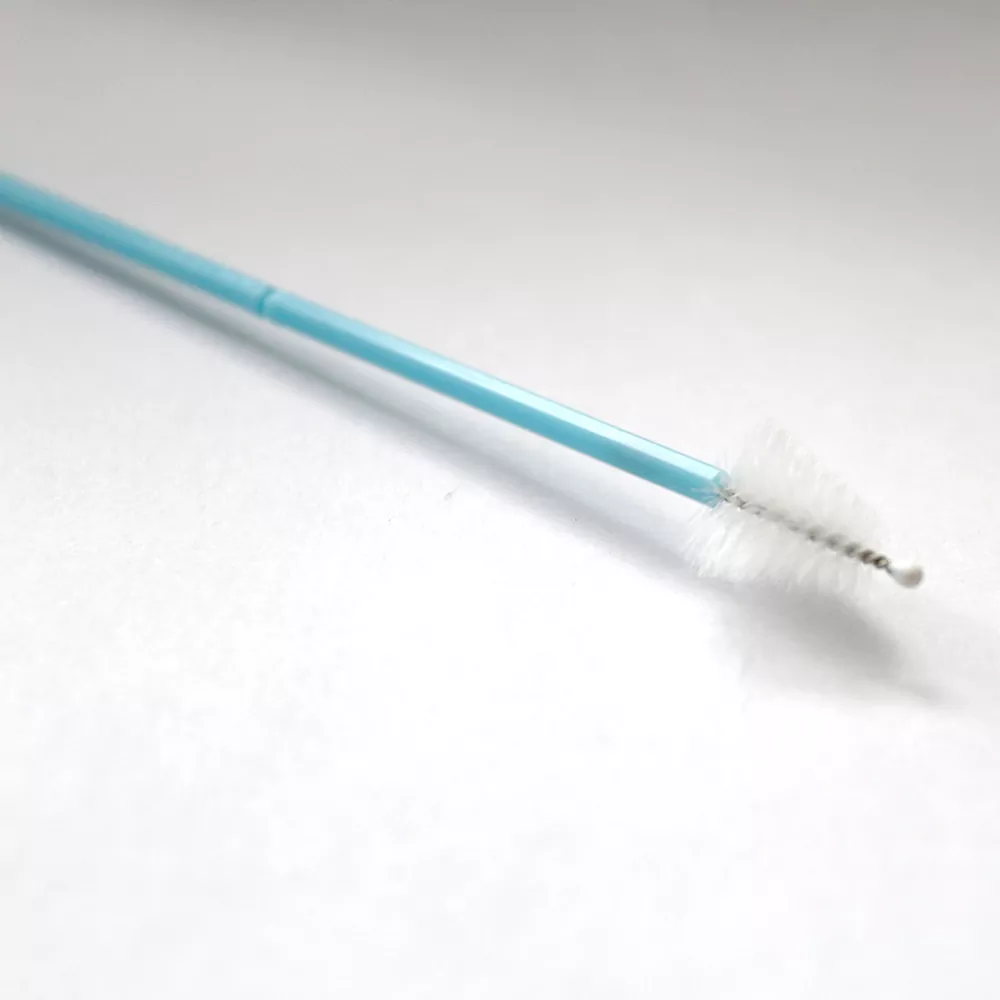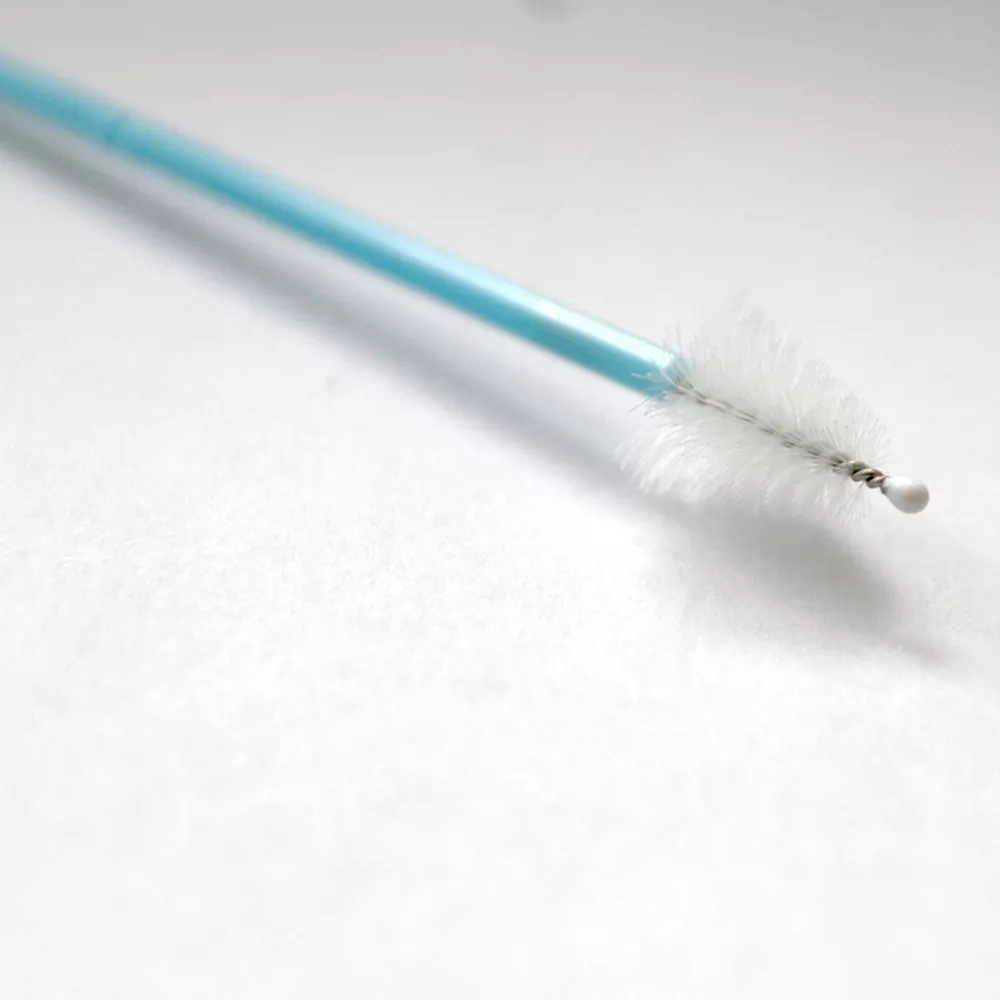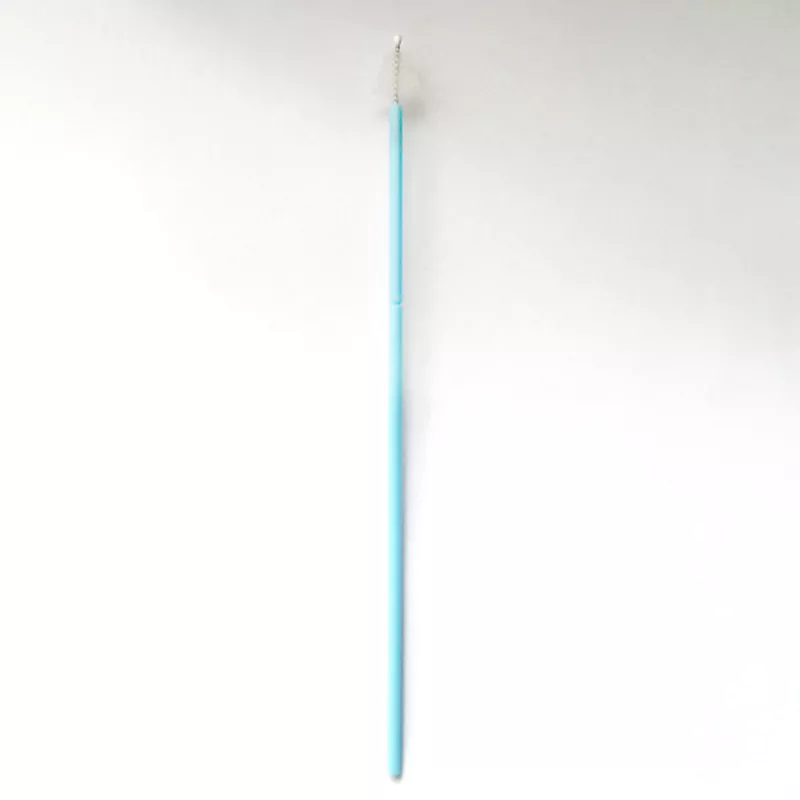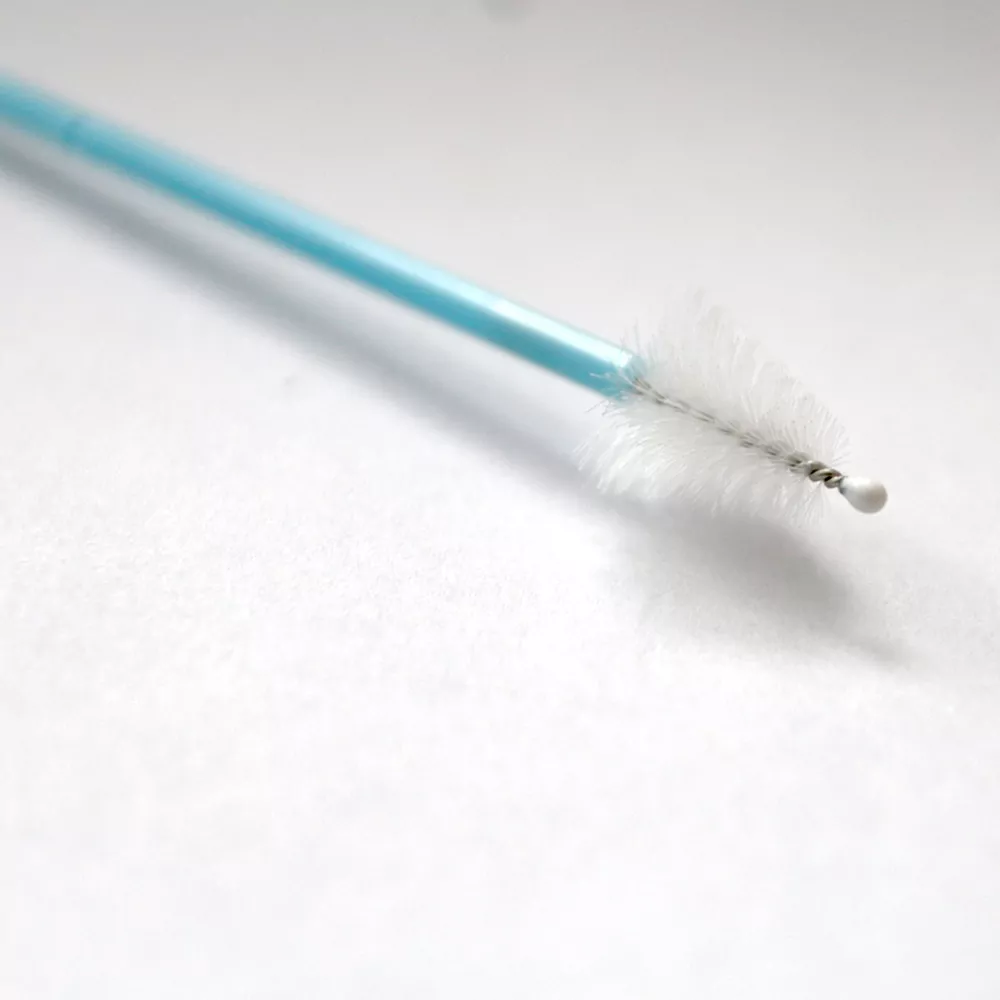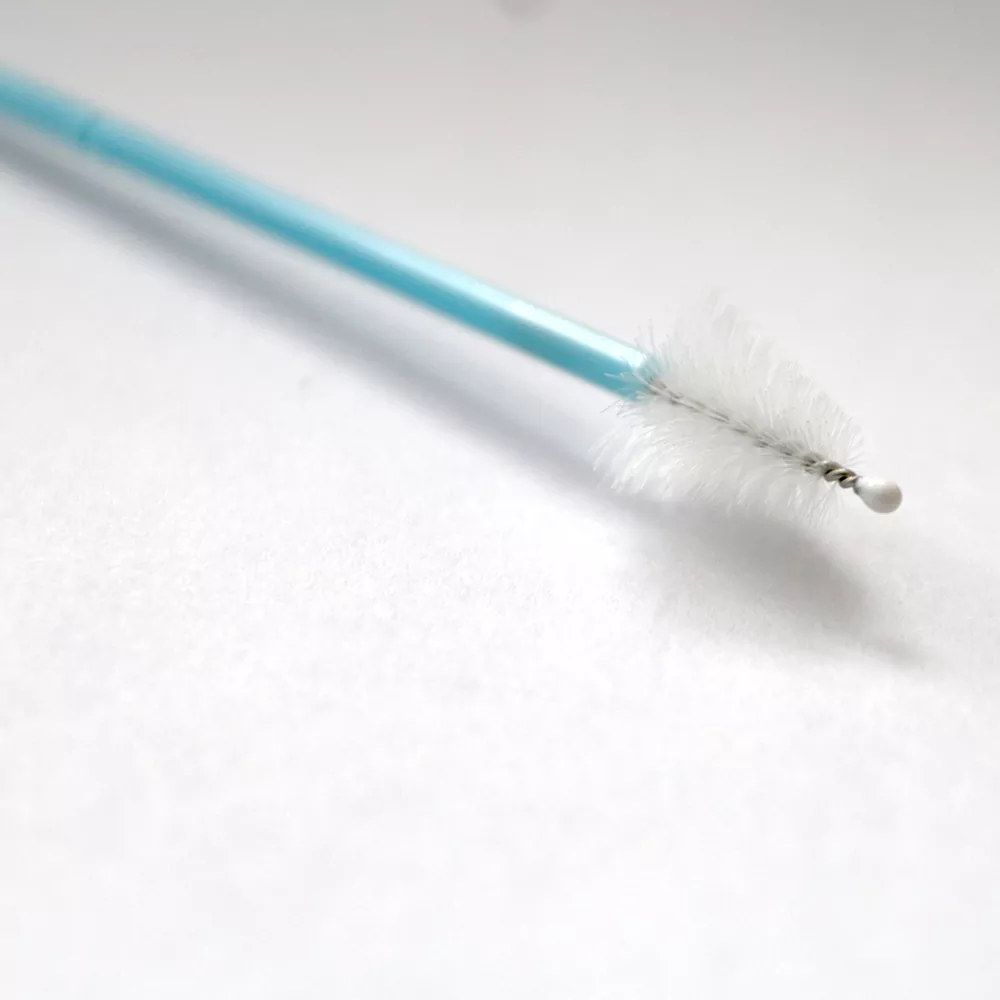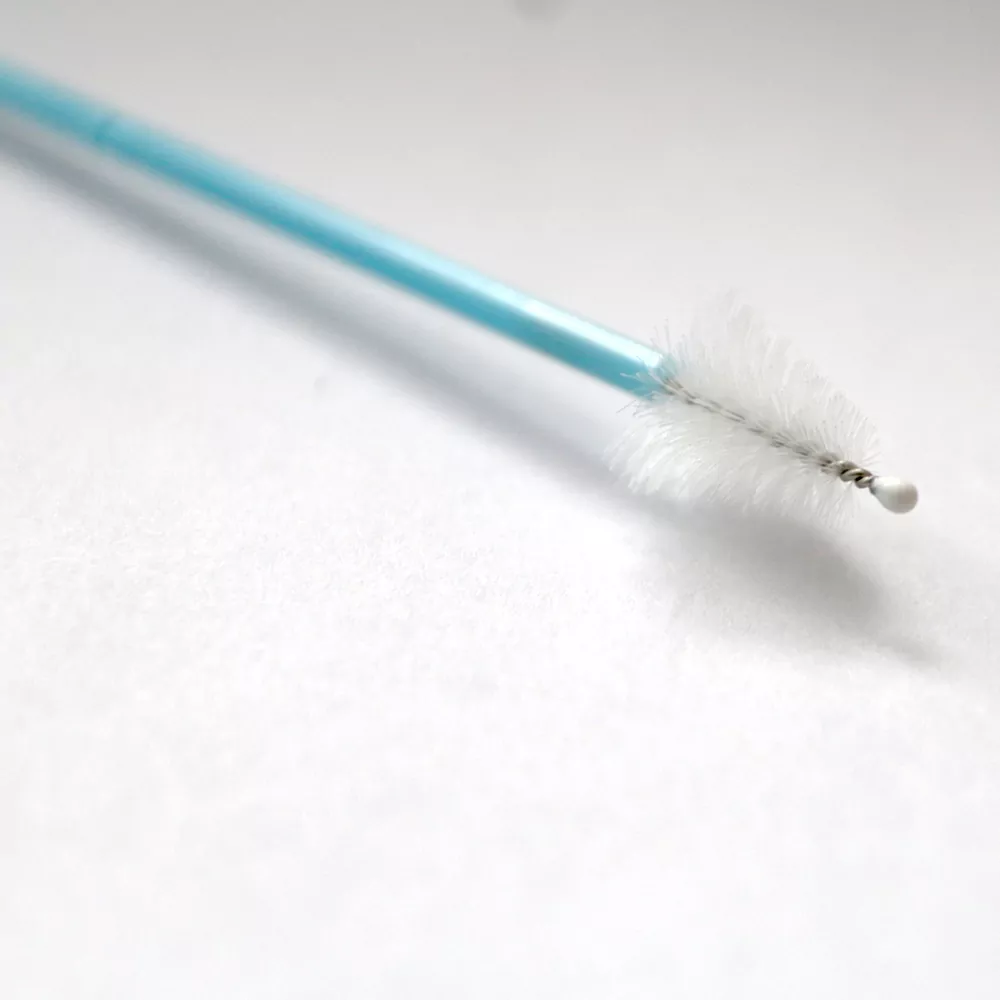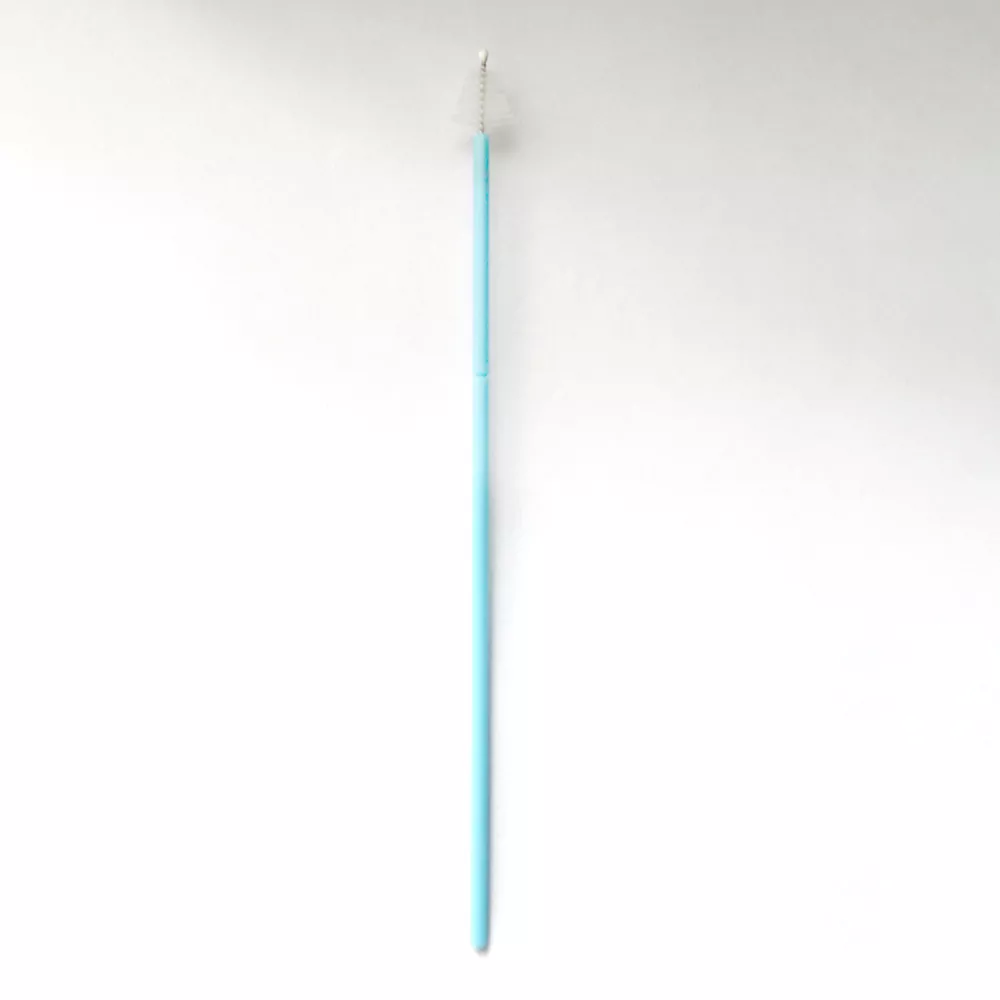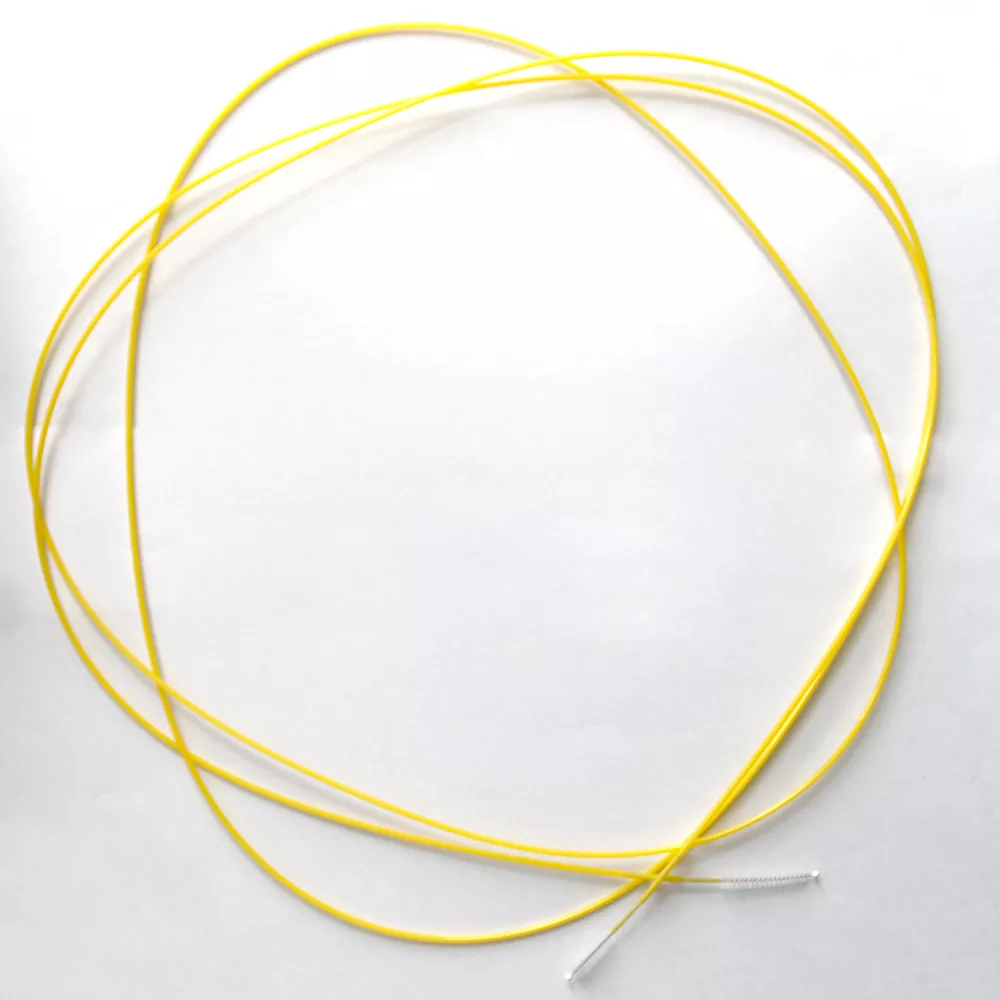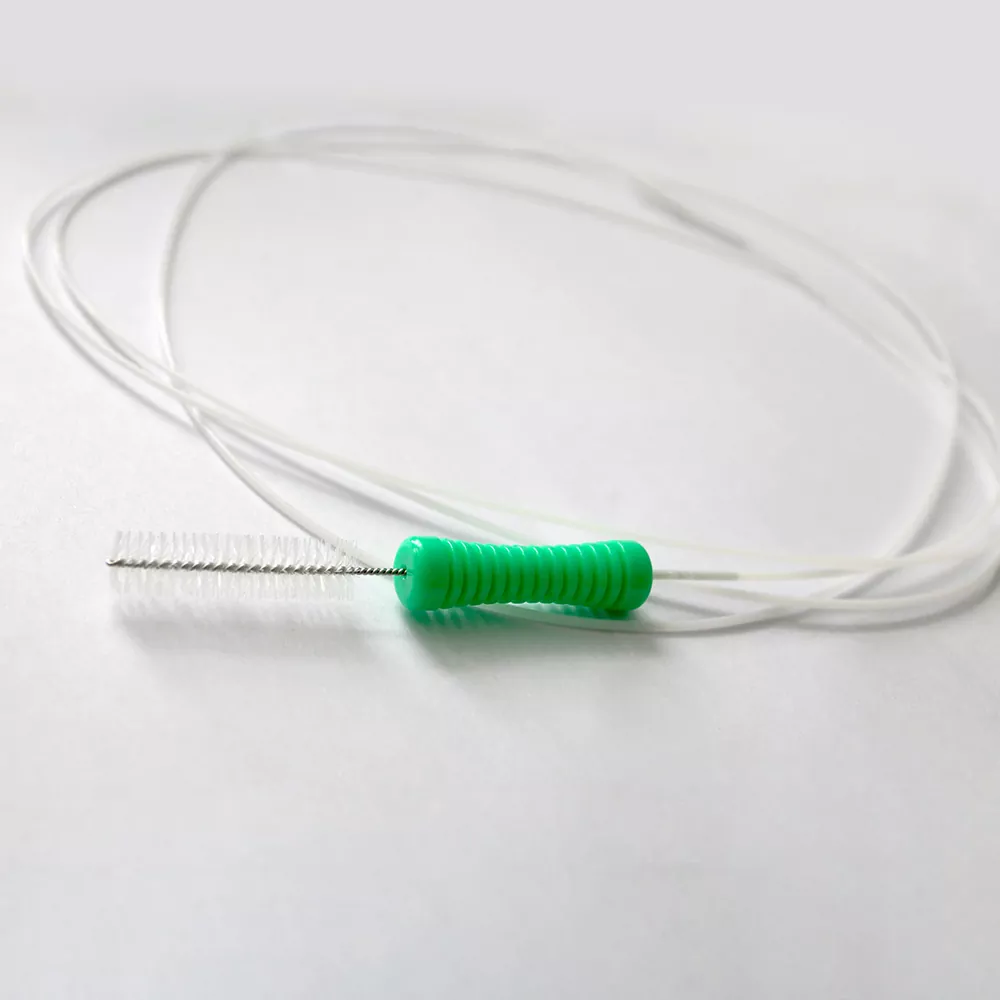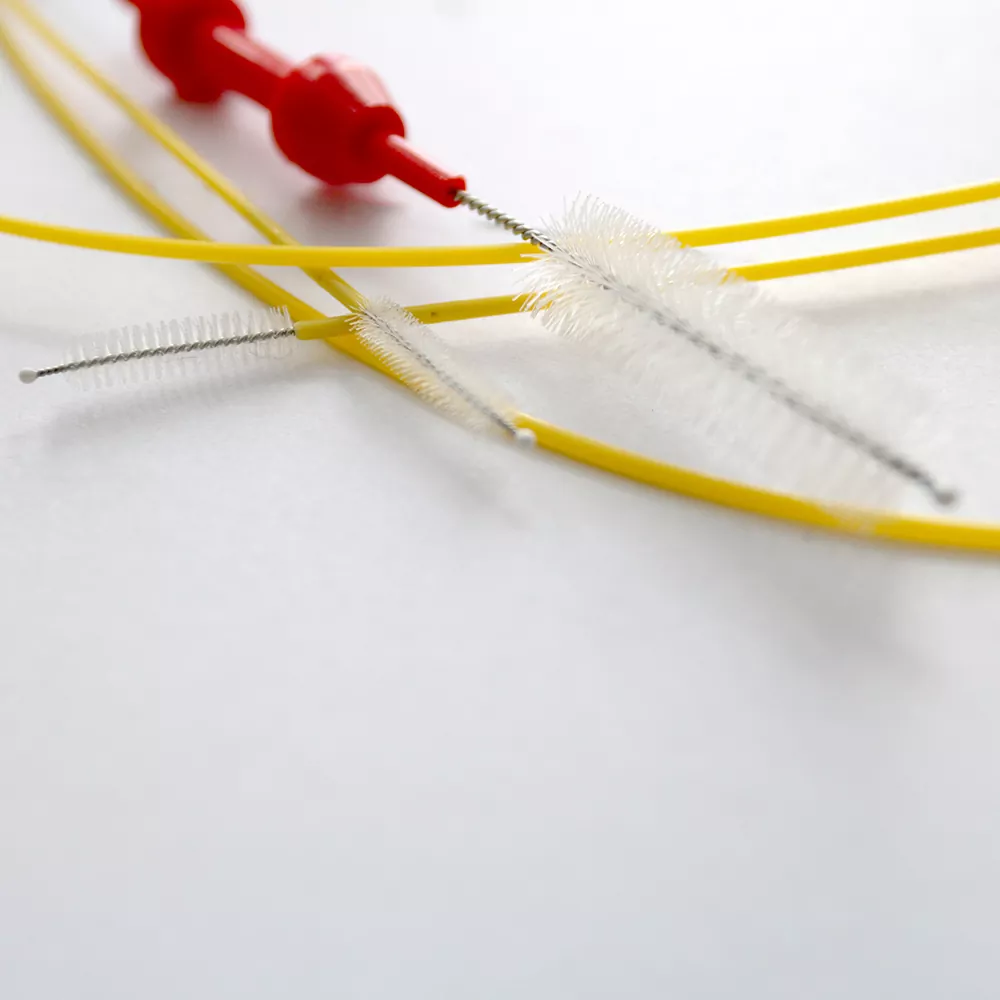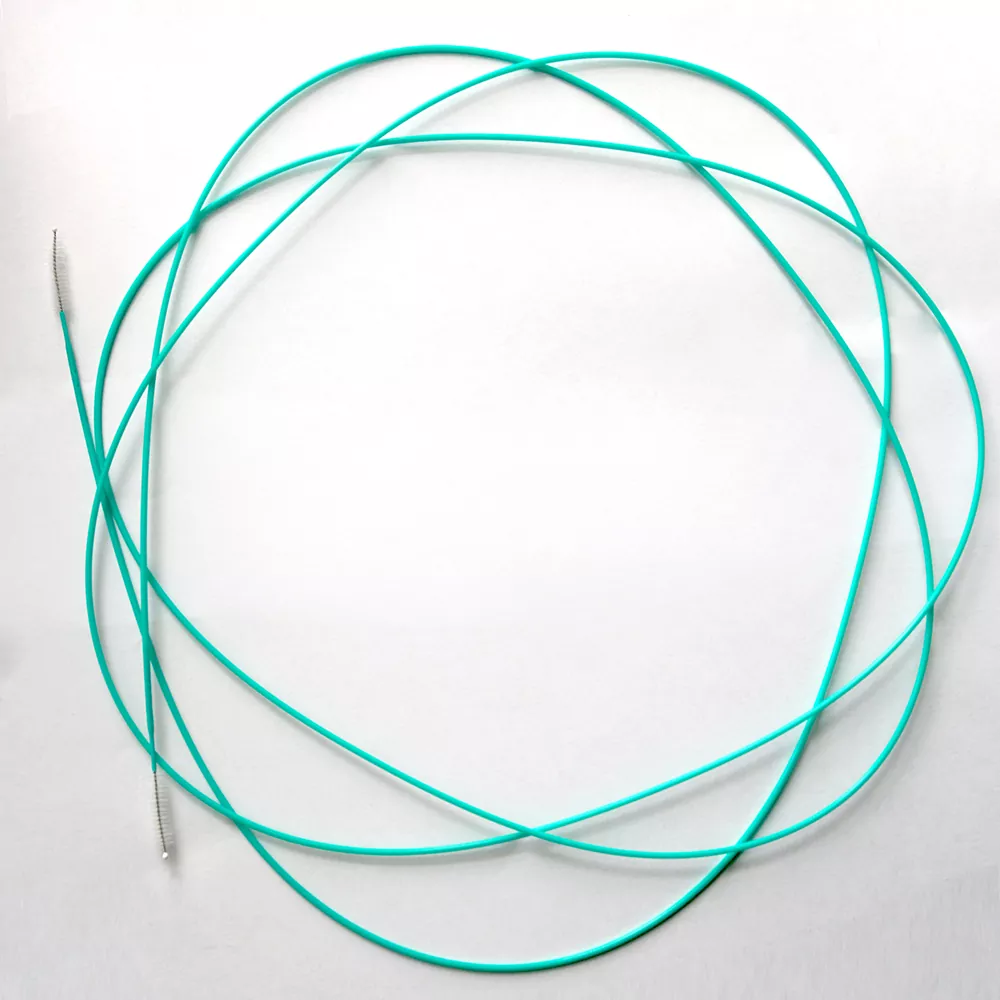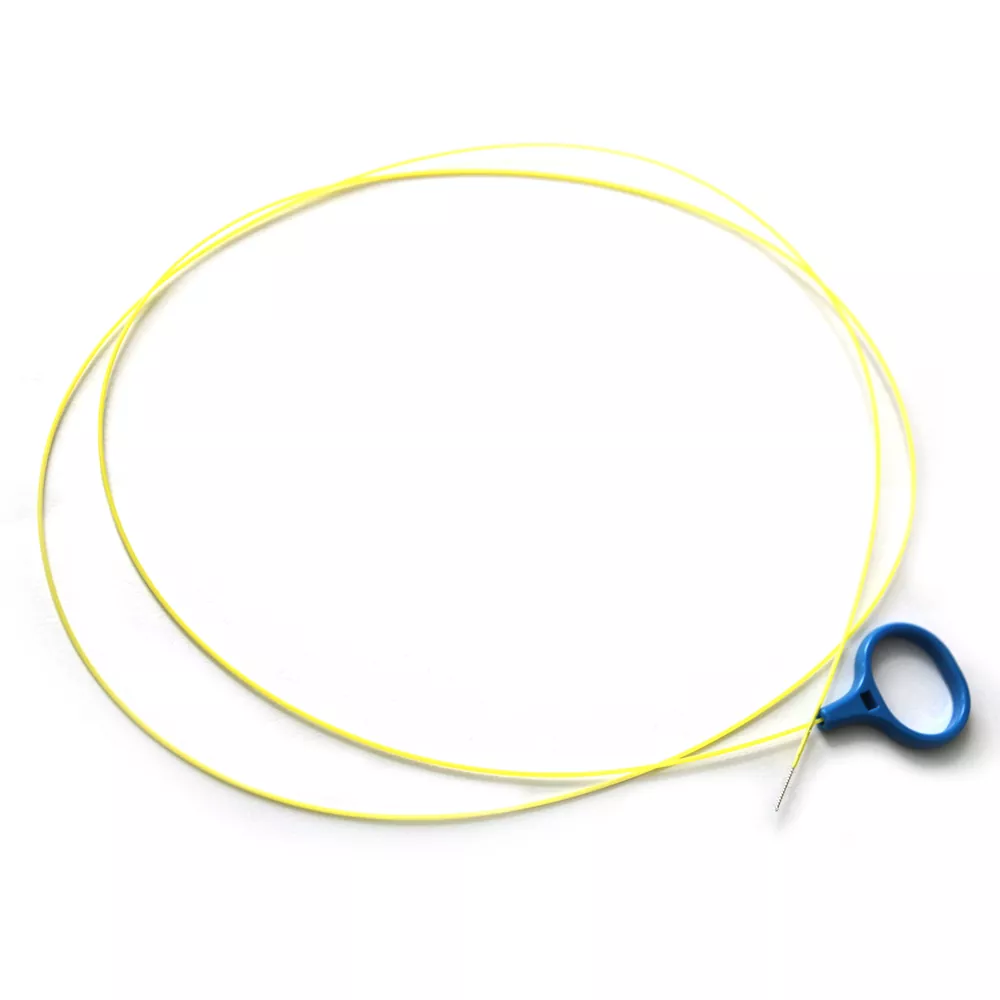
As a professional manufacturer of medical products, LucentMed operates a 7,800-square-meter cleanroom facility compliant with GMP standards to produce the Broom-type Cervical Brush. This product is sterilized using ethylene oxide, individually sterile-packaged, and suitable for Thin-layer Cytology Testing (TCT), HPV genotyping, and conventional Pap smears.
The Broom-type Cervical Brush is one of LucentMed's products. As an ISO 13485-certified manufacturer, we exercise strict control over the selection of medical-grade materials for each component—utilizing medical-grade nylon bristles and a medical-grade polypropylene (PP) handle—to ensure safe and reliable use.
What is a Broom-type Cervical Brush?
The anatomical structure of the female cervix consists of the external os, the internal os, and the transformation zone located between them. The broom-type cervical brush is designed to conform to this anatomy; structurally, its brush head resembles a broom:
● Central long bristles (targeting the internal os):
The bristles in the center of the brush head are longer and typically possess greater axial rigidity.
When the clinician inserts the sampling brush, these long central bristles automatically and smoothly extend into the endocervical canal.
● Lateral shorter bristles (targeting the external os):
The bristles on the sides decrease in length in a stepped fashion, creating an overall semicircular arc.
Upon applying slight axial pressure, these shorter bristles fan out, lying flat and flush against the mucosal surface of the external os.
● Combined sampling
This unique broom-like design allows the clinician to collect and capture cells from the internal os, external os, and transformation zone simultaneously—all within a few seconds—by simply rotating the brush steadily clockwise for 3 to 5 turns.
Broom-type Cervical Brush vs. Standard Cervical Brush: What Is the Difference?
Comparison Dimension
Broom-type Cervical Brush
Standard Cervical Brush
Product Structure
Broom-like multi-bristle structure
Linear or single-brush-head structure
Sampling Method
One-step, integrated sampling
Zonal or single-point sampling
Contact Area
Large surface area; multiple bristles in simultaneous contact
Small; contact via a single brush surface
Sampling Efficiency
High efficiency; sampling completed in a single step
Moderate; angle adjustment may be required
Operational Steps
Simple; completed with a single rotation
Relatively dependent on the clinician's experience
1. Hospital Obstetrics and Gynecology Outpatient Clinics
Application Scenario: Routine disease screening and outpatient examinations in hospital gynecology departments.
Specific Use: During gynecological examinations, clinicians use the Broom-type Cervical Brush to collect cells from the endocervix, ectocervix, and transformation zone in a single pass.
2. National Public Health and Community-based Cervical Cancer Screening
Application Scenario: Large-scale, high-volume cervical cancer screening programs for eligible women.
Specific Use: High-throughput screening; doctors use the brush for rapid, streamlined sample collection, allowing for very fast sample transfer.
3. Third-party Medical Testing Centers and Professional Health Check-up Institutions
Application Scenario: Professional health screening centers and downstream laboratories.
Specific Use: TCT/LBC (Liquid-Based Cytology) and HPV DNA genotyping.
4. At-home Self-sampling
Application Scenario: The growing trend of private, at-home testing.
Specific Use: Targeted at women who delay gynecological examinations due to busy schedules, fear of visiting hospitals, or privacy concerns.
Packaging and Shipping
1. Product Packaging
The Broom-type Cervical Brush is individually packaged in sterile units, sealed after ethylene oxide (EO) sterilization to ensure protection against contamination, moisture, and damage.
Outer cartons are reinforced, medical-grade export boxes designed to be crush- and shock-resistant, complying with FSC standards.
2. Shipping Methods
Supports various international shipping methods: sea freight, air freight, and international express delivery.
Trade terms: Options include FOB, CIF, and DDP; supports procurement models for hospitals and distributors worldwide.
Products undergo comprehensive inspection prior to shipment and feature batch traceability; all necessary export documentation can be provided.
FAQ
Q1: Why should the brush head be left in the preservation solution bottle after sampling?
A: Leaving the brush head in the preservation solution bottle ensures 100% cell elution, preventing cells from remaining trapped in the bristles during manual rinsing.
Q2: Is slight bleeding after sampling normal?
A: This occurs because the bristles come into contact with fragile blood vessels in the cervical transformation zone; the bleeding usually stops on its own within 1–2 days. If the bleeding is heavy (exceeding menstrual flow), a follow-up medical consultation is required.
Q3: Can the Broom-type Cervical Brush be used on postmenopausal patients or those with cervical atrophy?
A: Yes, it can be used, but please note: select a small-sized brush head and perform the procedure gently to avoid inserting it too deeply into the cervical canal, which could cause injury, adhesions, or tissue tearing.
Q4: What documentation can LucentMed provide?
A: Medical Device Registration Certificate (Class II medical device), Manufacturing License, and ISO 13485 Certificate; products are marked with sterilization batch numbers and expiration dates, and the packaging is intact.
We use cookies to offer you a better browsing experience, analyze site traffic and personalize content. By using this site, you agree to our use of cookies.Privacy Policy