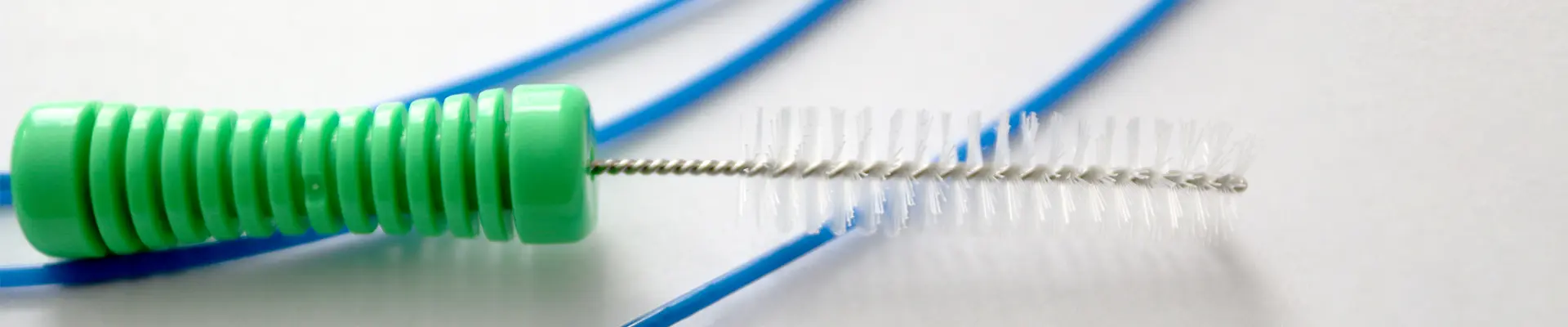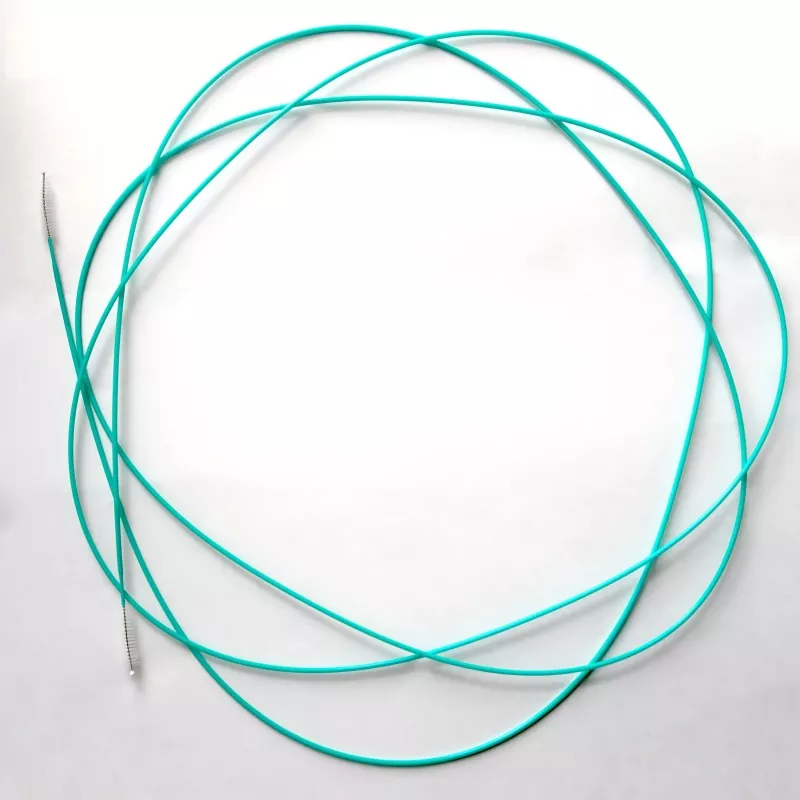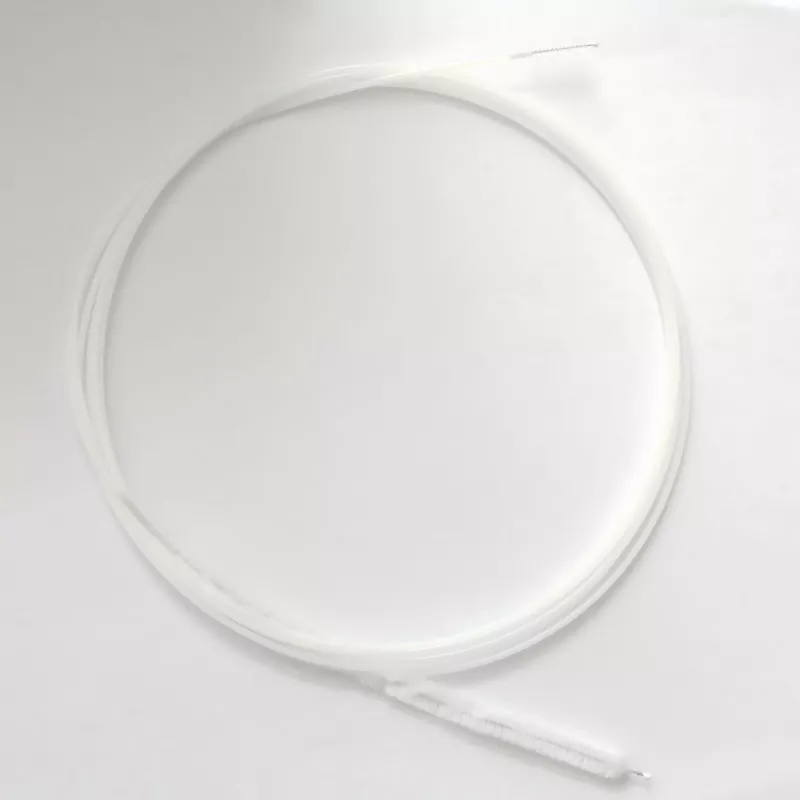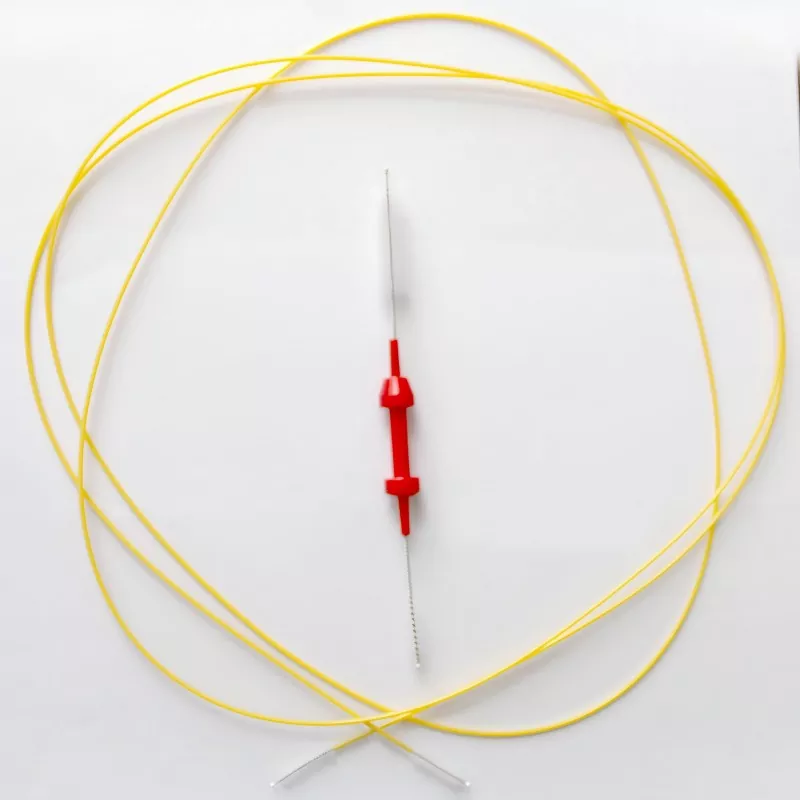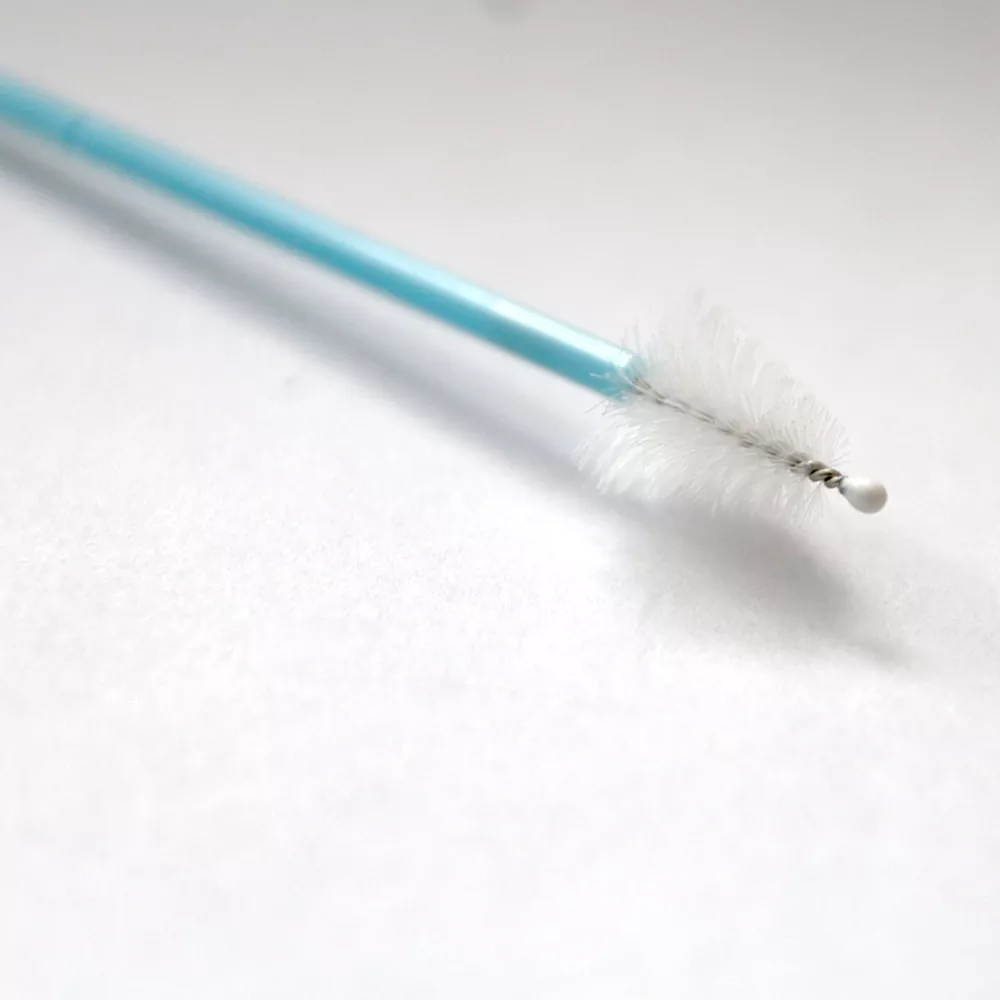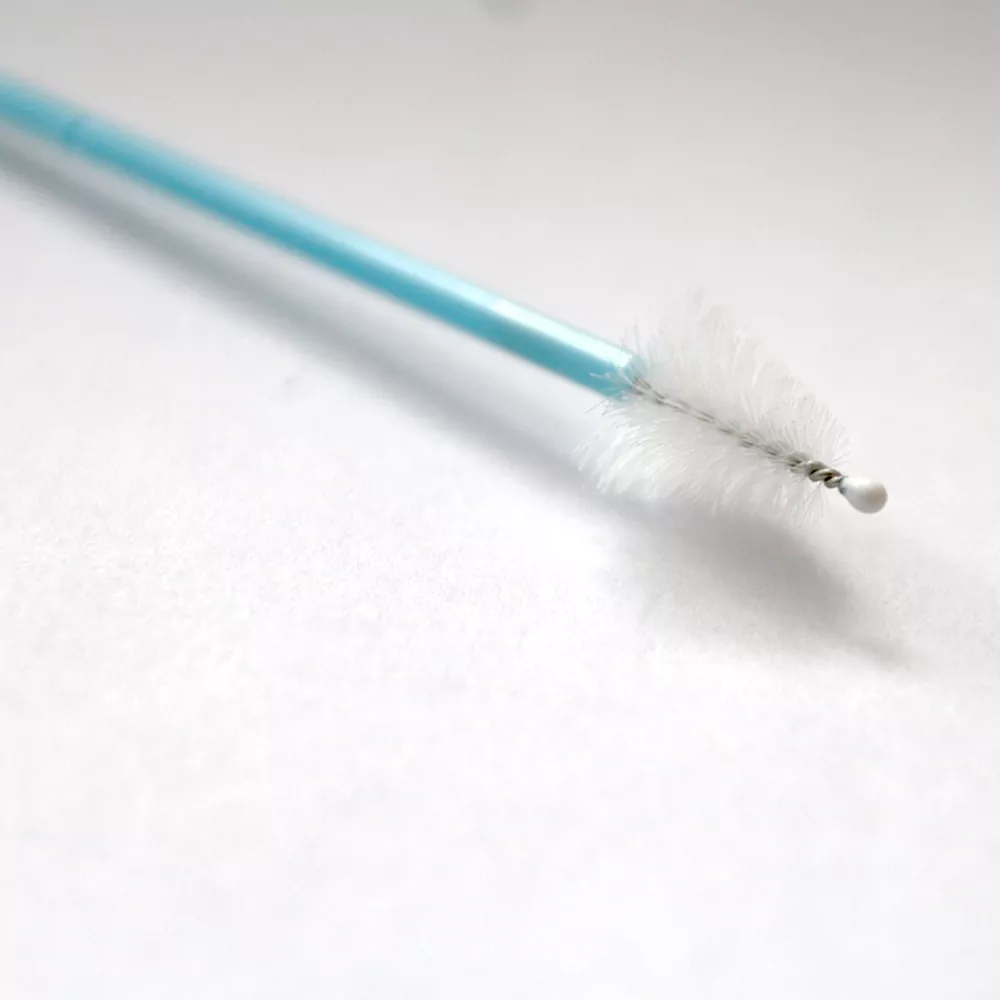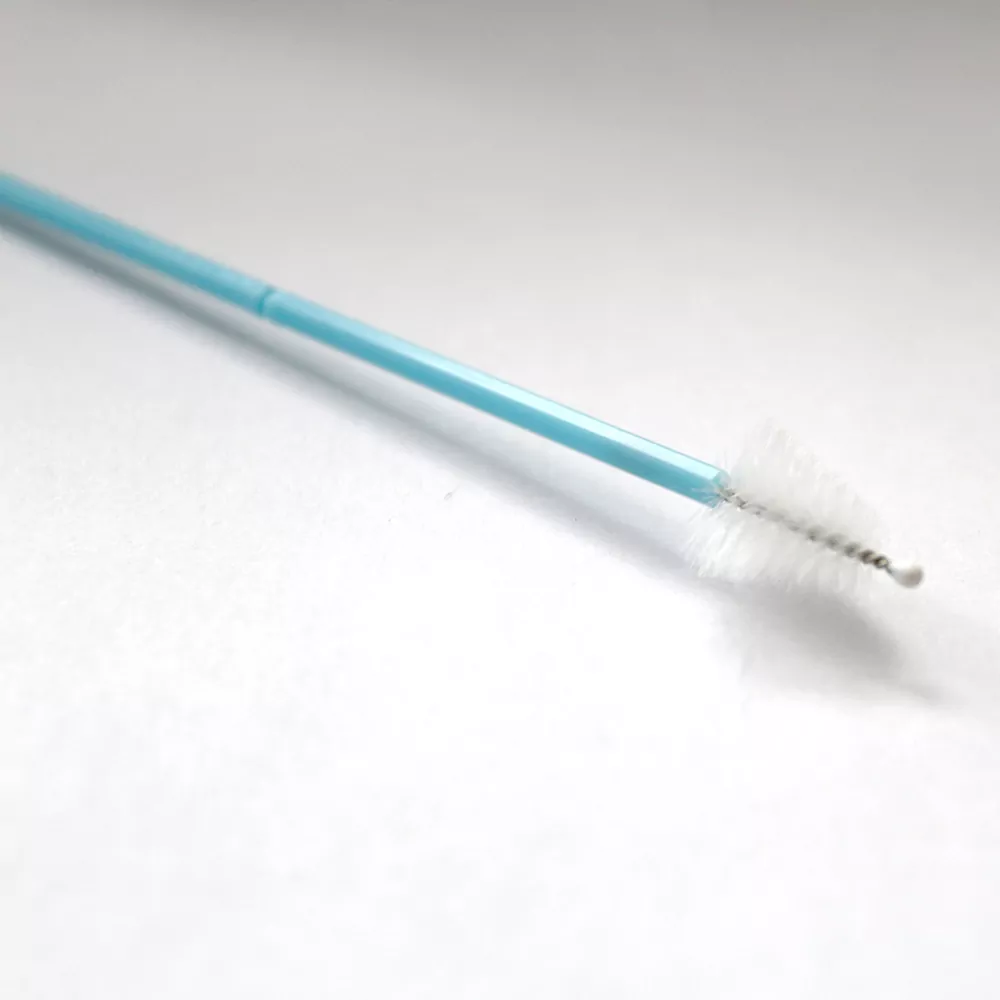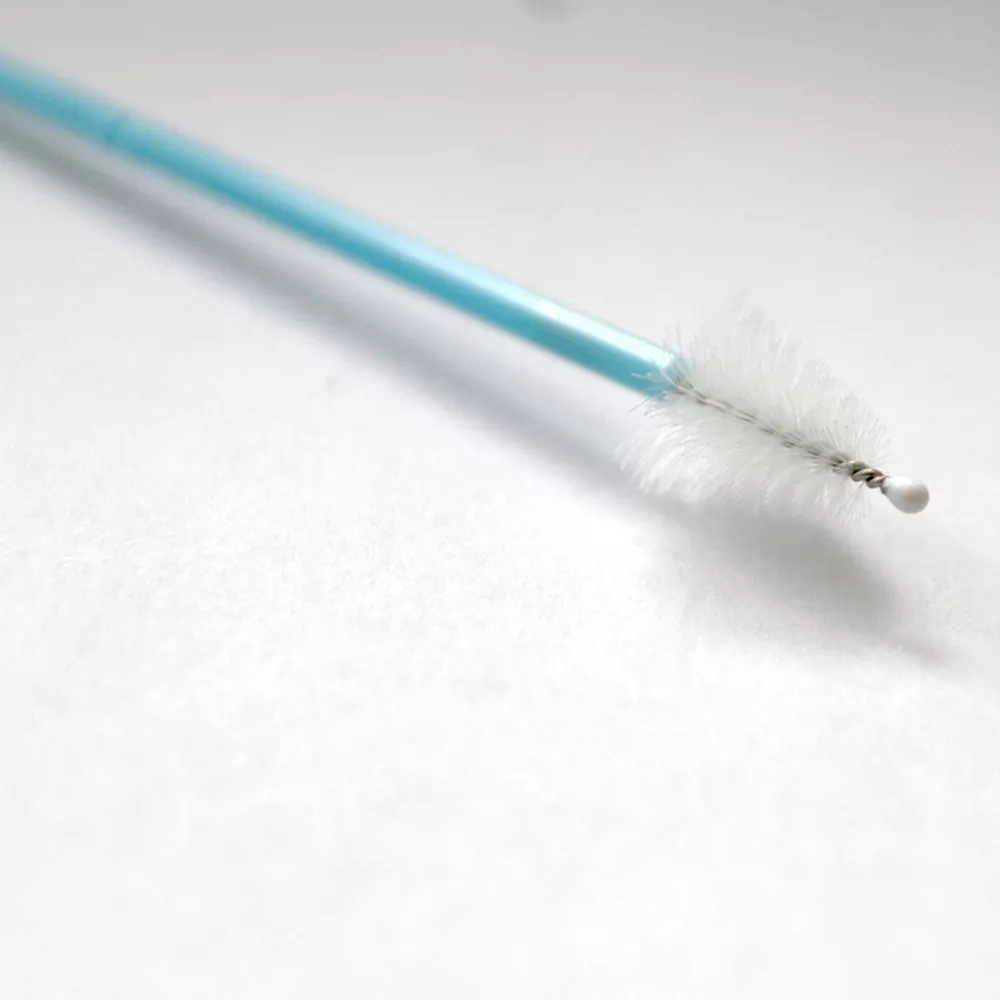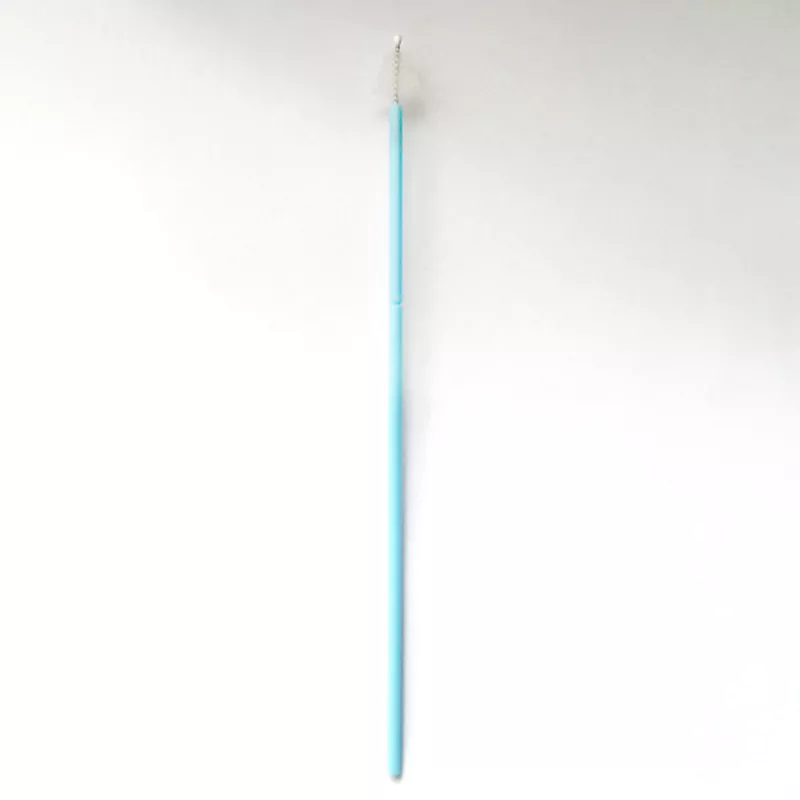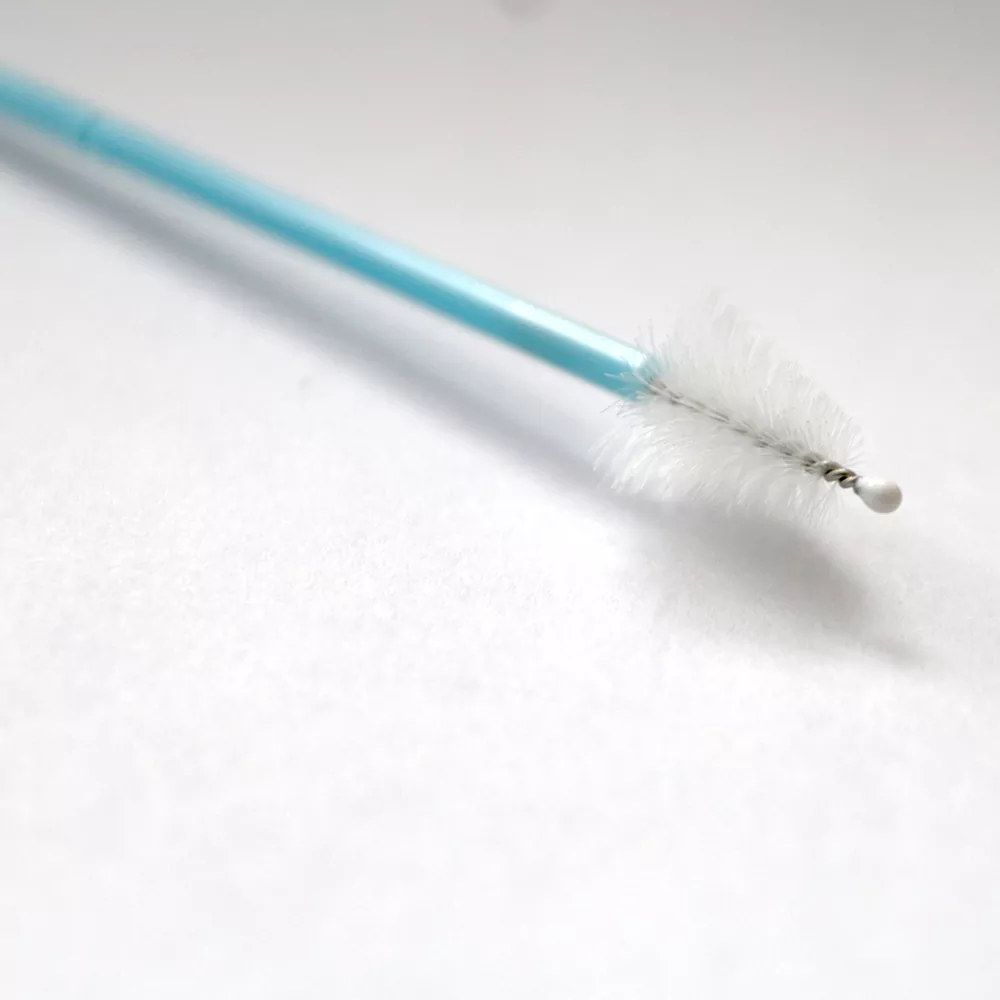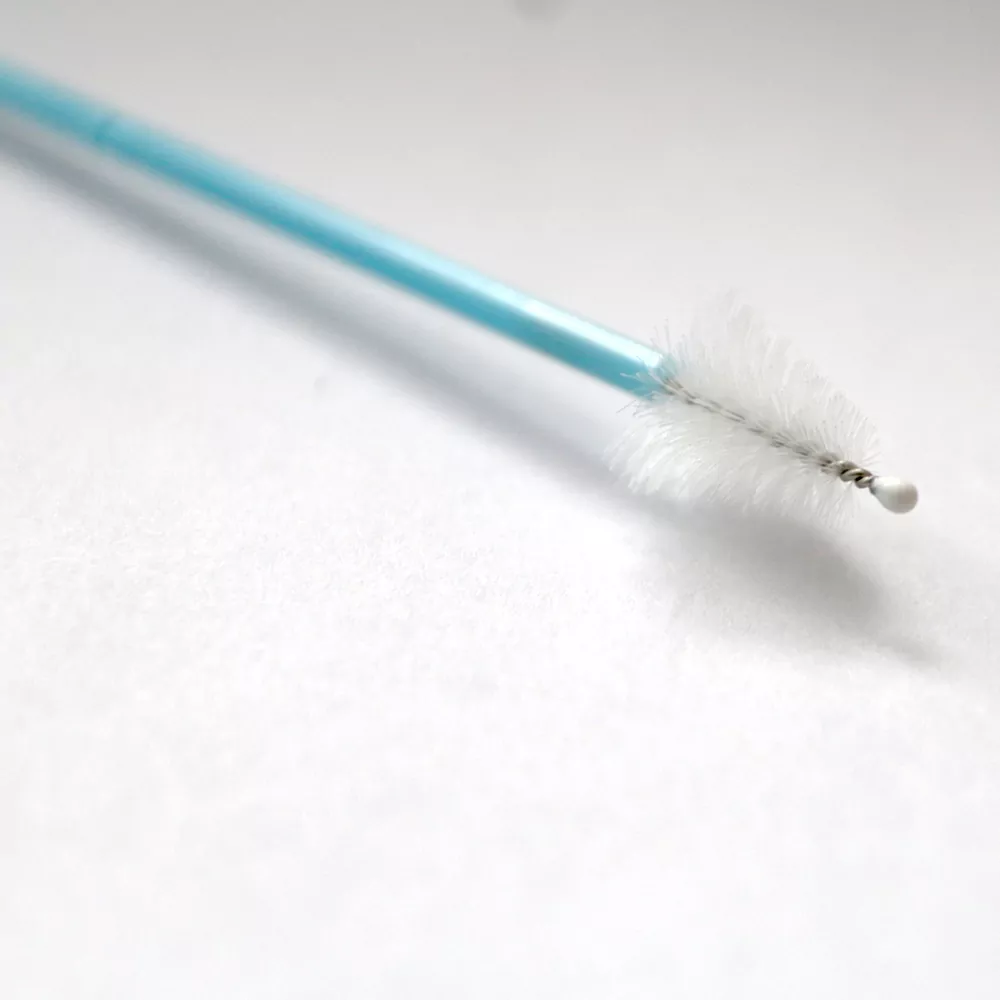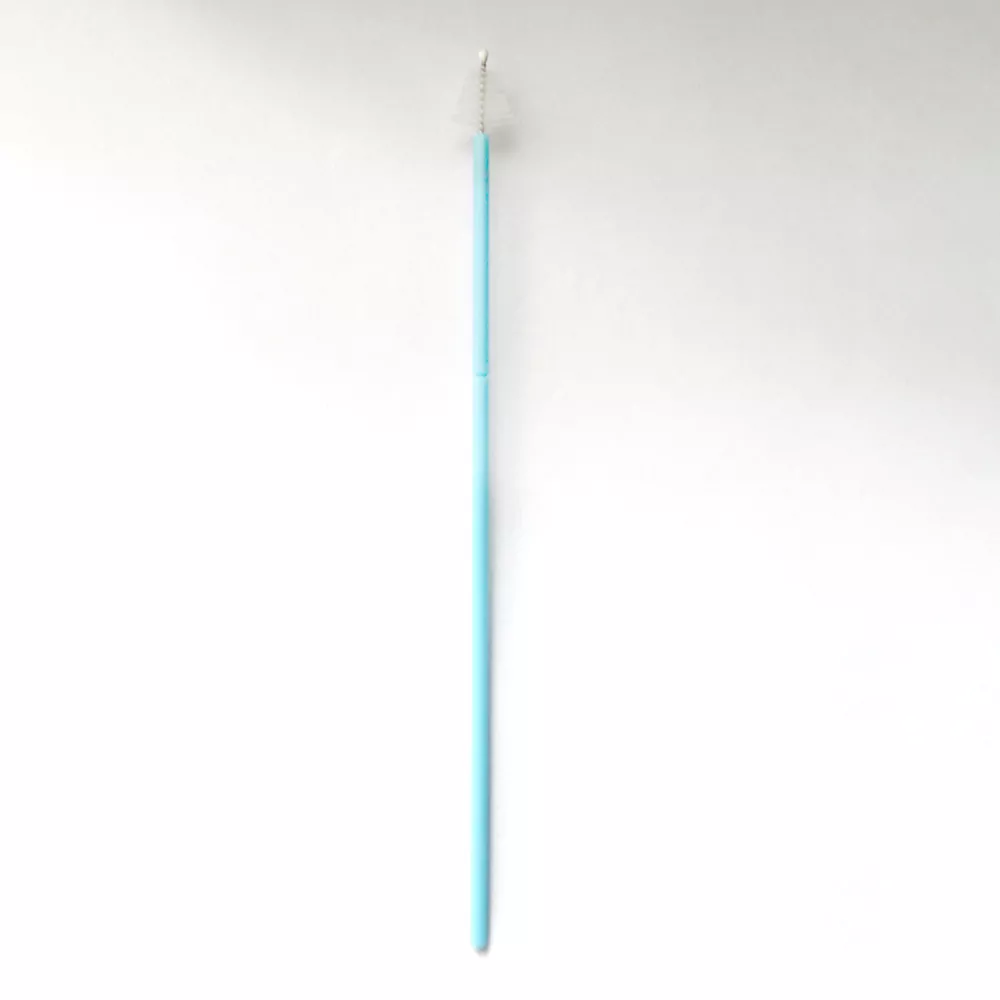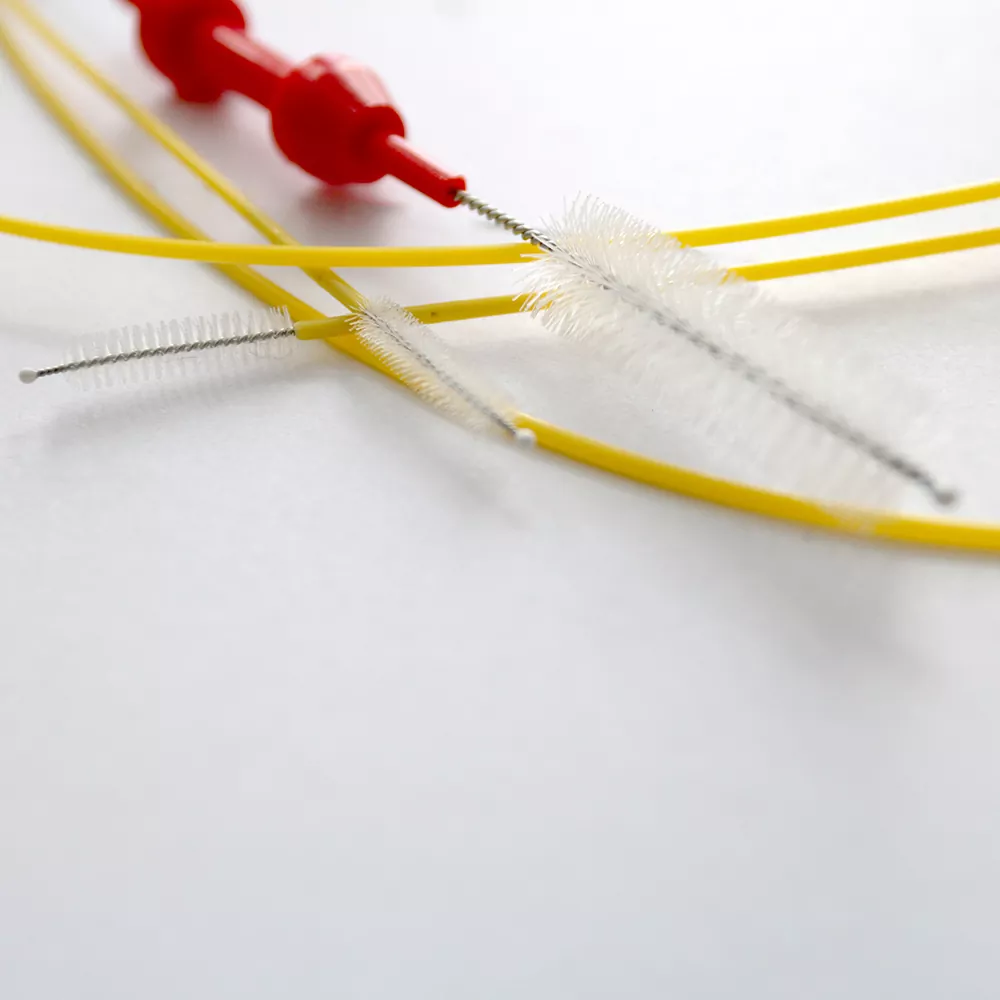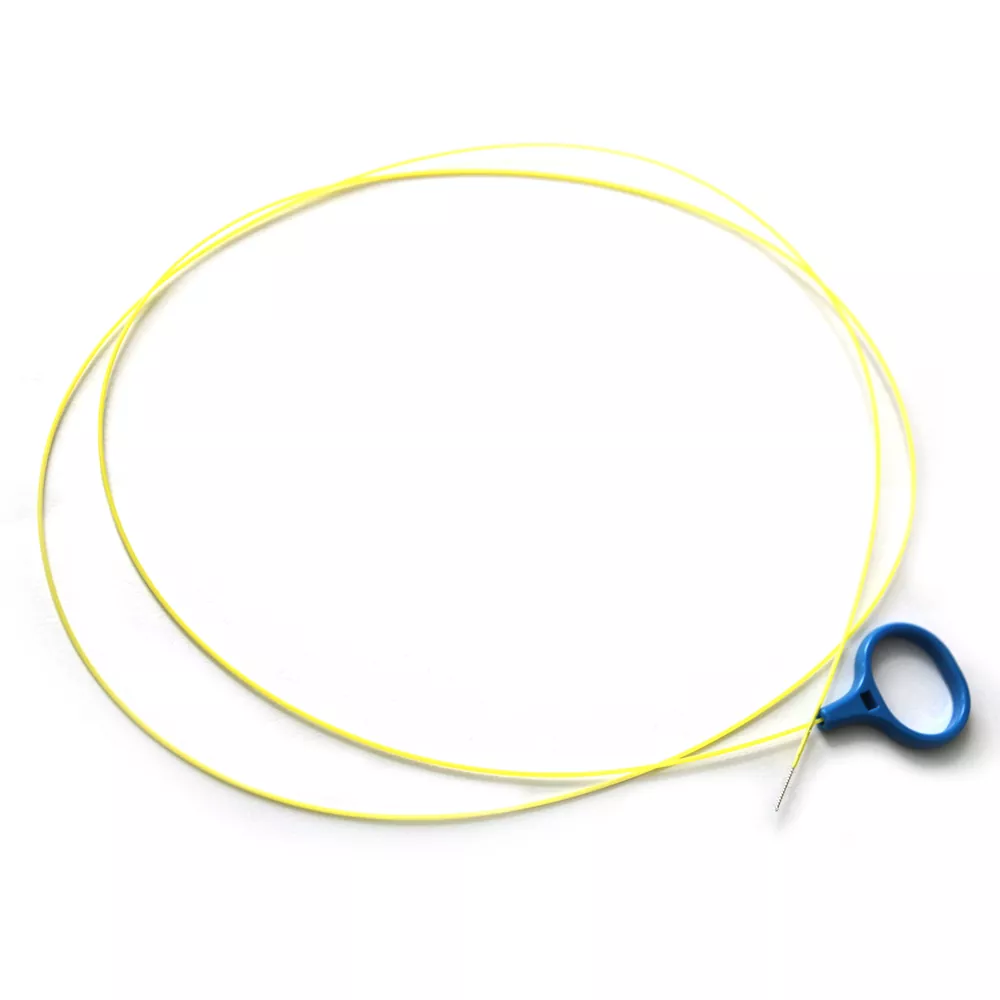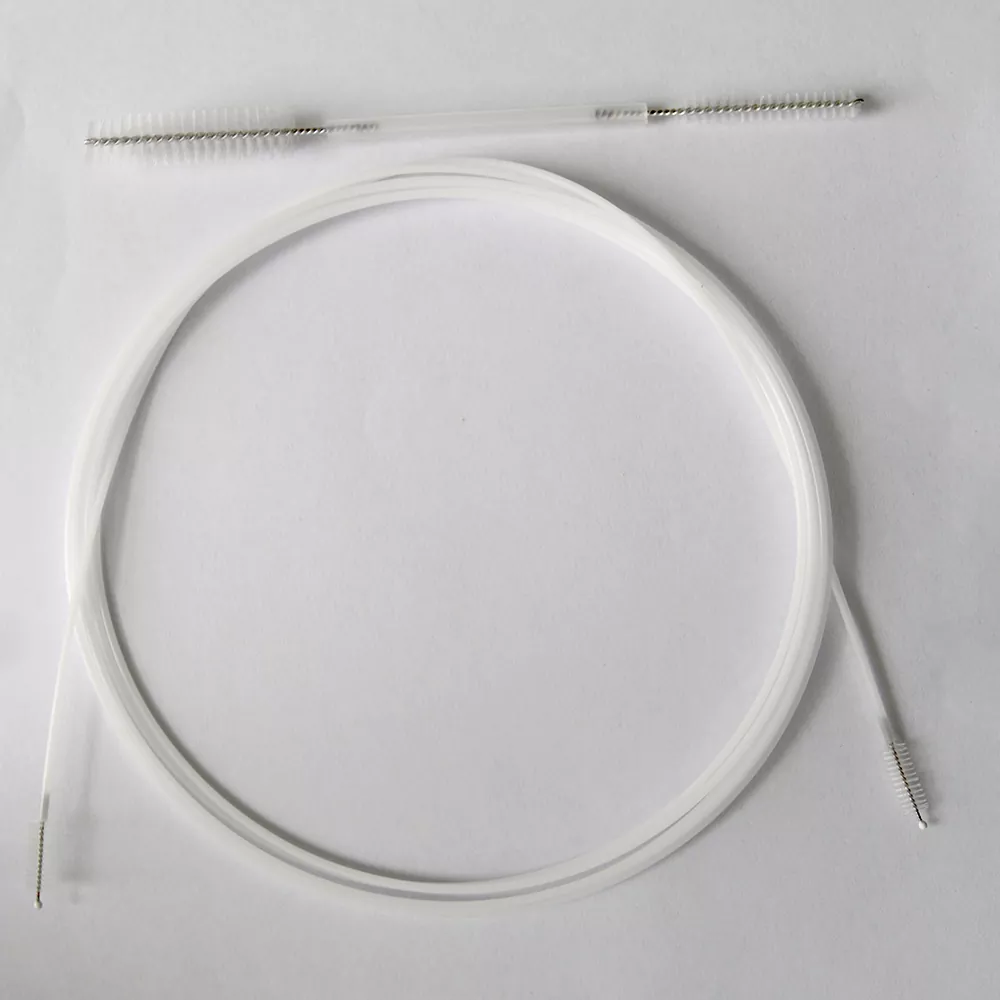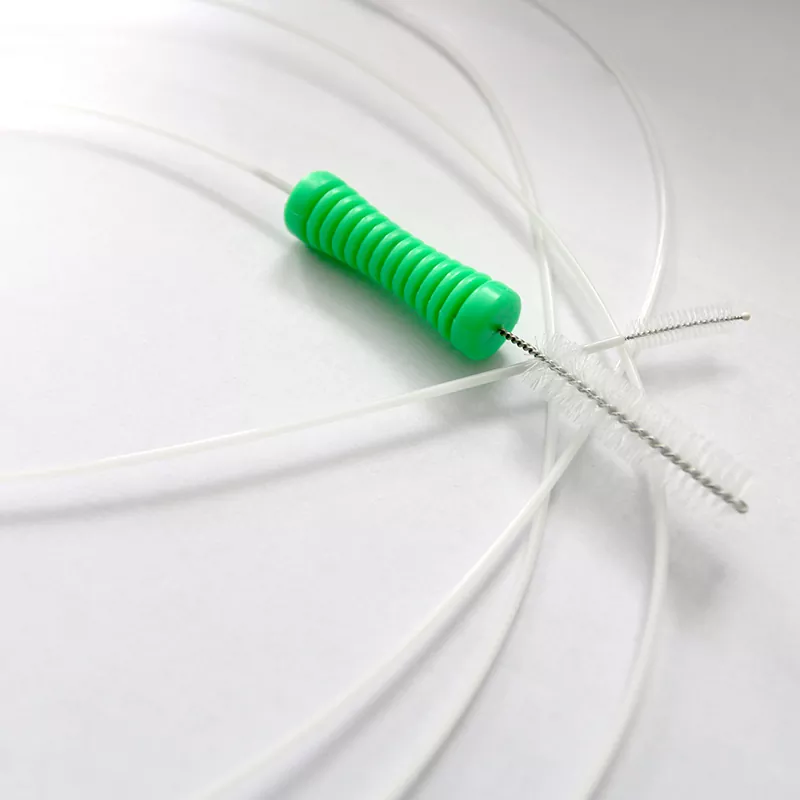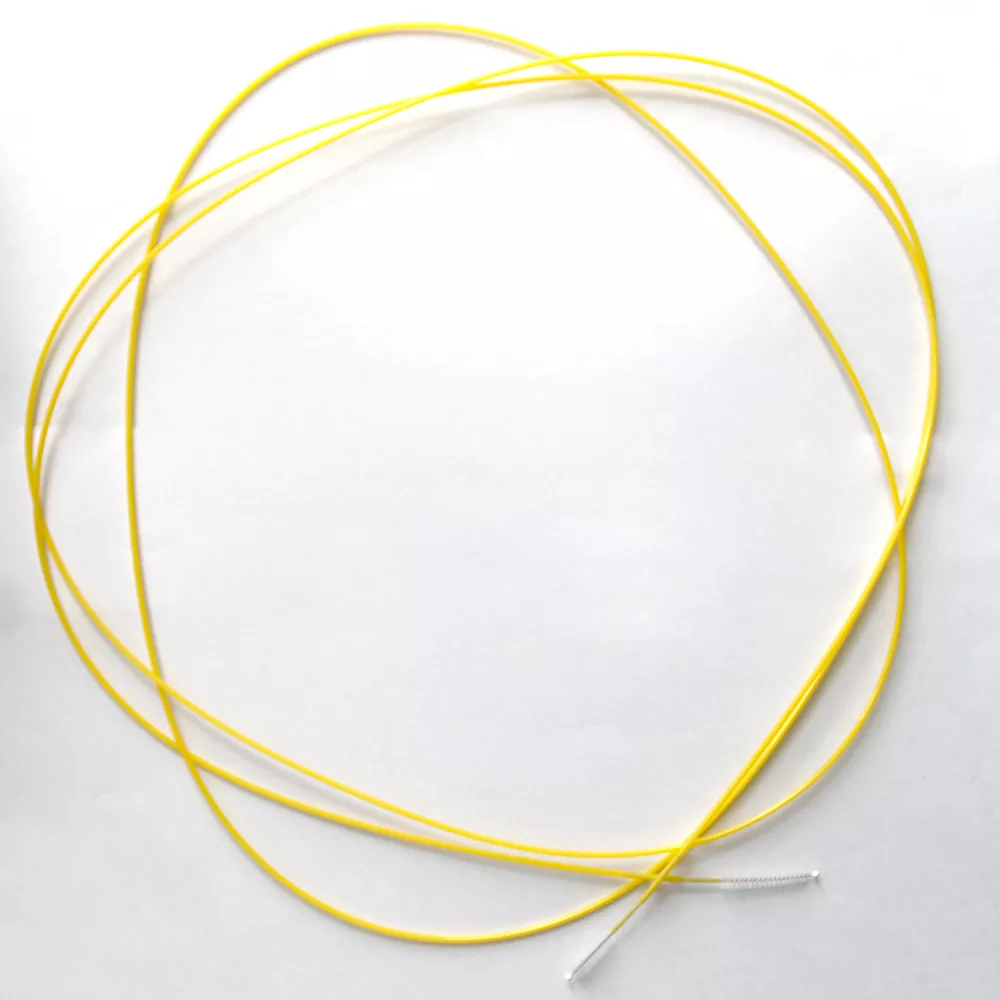
As a high-quality manufacturer of cervical cell collectors, LucentMed selects medical-grade flocked nylon for the bristles; this material is both soft and highly resilient, enabling the efficient collection of exfoliated cells from the cervical transformation zone. The product undergoes comprehensive quality control to ensure high batch-to-batch consistency and is individually packaged and EO-sterilized, guaranteeing safety and reliability.
LucentMed offers a safe, high-quality, and highly efficient Cervical Cell Collector designed for cervical cancer screening and gynecological diagnostics.
Suitable for use in gynecological examinations and large-scale cervical cancer screening programs across all levels of healthcare facilities, the product features individually sealed, sterile packaging to eliminate the risk of cross-contamination.
What is the Function of the Cervical Cell Collector?
1. TCT/Pap Smear Screening
Medical Principle: Over 90% of cervical cancers and precancerous lesions (CIN) originate in the transformation zone of the cervix.
Collection Function: The collector's unique broom-like brush head simultaneously contacts both the endocervical canal and the ectocervix, fully harvesting both squamous and columnar epithelial cells for TCT or conventional Pap smear analysis.
2. HPV DNA Screening
Medical Principle: HPV is the primary cause of cervical cancer and primarily resides within the host's epithelial cells.
Collection Function: The collector uses flexible bristles to scrape epithelial cells, which are then released into a preservation solution; the sample is subsequently used for laboratory molecular amplification techniques (such as PCR) to accurately detect HPV infection and identify specific genotypes.
3. Reproductive Tract Infection Screening
Medical Principle: The cervix and vagina exist in a consistently warm, moist environment, making them susceptible to invasion by specific microorganisms.
Collection Function: The sterile collector can reach specific depths to precisely sample secretions or mucosal surfaces, facilitating laboratory culture and drug susceptibility testing for pathogens such as Mycoplasma, Chlamydia, and Neisseria gonorrhoeae.
Why Can't a Cervical Cell Collector Be Replaced by a Traditional Cotton Swab?
1. Ultra-high release rate
Traditional cotton swabs are absorbent; a large number of cells become trapped within the cotton fibers and cannot be released, resulting in a high retention rate.
Professional collectors utilize medical-grade, hydrophobic bristles. When agitated in the preservation solution, they can fully release over 95% of the captured cells into the liquid, significantly reducing the rate of missed diagnoses.
2. Force-controlled design to prevent bleeding
The tips of the bristles undergo laser rounding at a microscopic level; this ensures sufficient mechanical friction to dislodge cells while remaining gentle enough to avoid puncturing submucosal capillaries.
If the sample contains an excess of red blood cells (causing bleeding), the test slide becomes heavily obscured, interfering with diagnosis by AI or pathologists.
Product Specifications
Parameter Category
Wire Type
Primary Material
Bristles: Nylon filaments wound with stainless steel wire
Tip bead: Epoxy resin (on select models)
Common Specifications
A1, A2, A3, A4, etc.
Brush Head Design
Broom-like or spiral shape; utilizes wire elasticity to conform to the shape of the cervix
Total Length
Typically 140mm – 170mm, depending on handle design
Sterilization Method
Ethylene oxide (EO) sterilization
Residual Limit Standard
Residual ethylene oxide ≤ 10µg/g
Scope of Application
Intended for endocervical cell collection and vaginal secretion sampling; certain designs facilitate deeper access into the cervical canal
Product Categories
1. TCT-Specific Type
LucentMed offers a cervical cell collector specifically designed for ThinPrep Cytology Test (TCT) / Liquid-Based Cytology (LBC).
Features: High cell release rate; samples are processed in a preservation solution; compatible with systems such as ThinPrep and SurePath.
2. Pap Smear-Specific Type
We also provide sampling brushes designed for conventional Pap smear examinations.
Features: Focuses on uniform cell distribution; samples are smeared directly onto a microscope slide rather than being placed in a preservation solution system.
Standard Clinical Procedure
● Pre-procedure Preparation
1. Information Verification
Strictly verify that the patient's basic information, the requisition form, and the barcode labels on the cell preservation solution vial (TCT/HPV) match exactly.
2. Positioning
Place the patient in the lithotomy position with legs supported on stirrups; ensure proper draping and privacy protection.
3. Speculum Insertion
The clinician washes hands and dons sterile gloves, then gently inserts a medical speculum to fully expose the cervical os and the transformation zone.
● Sampling Steps
1. Precise Insertion
Remove the Cervical Cell Collector from its sterile packaging, ensuring the brush head is not touched by hand.
Align the longer central bristles with the cervical canal and insert them into it, while positioning the shorter peripheral bristles against the external cervical os.
2. Controlled-Pressure Rotation
Gently apply moderate axial pressure toward the cervix; the bristles will fan out and curve slightly to conform to the cervical contour.
Rotate steadily in a clockwise direction for 3 to 5 full turns; do not use a back-and-forth sawing or scraping motion.
3. Atraumatic Removal
After rotation, maintain axial alignment and gently withdraw the collector vertically, avoiding contact with the vaginal walls.
● Sample Processing and Transfer
1. Immediate Immersion
After removal, immediately immerse the brush head in the vial containing the cell preservation solution (within 10 seconds) to prevent the cells from drying out or deforming upon exposure to air.
2. Efficient Elution
Press the brush head firmly against the inner wall of the vial and rapidly agitate/swirl it 10–15 times; leverage the hydrophobic properties of the bristles to fully dislodge and release the adherent exfoliated cells into the solution.
3. Sterile Snap-off
Align the pre-scored break point on the brush handle with the rim of the vial opening and apply lateral pressure to snap it off, leaving the brush head inside the vial.
4. Secure Sealing
Discard the remaining handle and immediately screw the cap tightly onto the preservation solution vial. Invert and shake the bottle 3–5 times to thoroughly mix and fix the cells with the preservation solution.
FAQ
Q1: Will the bristles damage the cervix?
A: Traditional stiff-bristled brushes often require vigorous scraping to collect cells; however, LucentMed utilizes highly absorbent, imported soft flocked material, allowing for cell collection with just gentle contact.
The bristles offer optimal softness, effectively protecting cervical tissue and preventing unnecessary bleeding or injury.
Q2: Is the cell yield from the Cervical Cell Collector sufficient for HPV testing?
A: Absolutely. HPV testing has specific requirements regarding total DNA quantity.
Our product's high collection efficiency ensures that the number of cells adhering to the brush head far exceeds the minimum threshold for HPV testing, providing an ample cell count within the collection vial.
Q3: Does such high collection efficiency imply stricter technical requirements for the operator?
A: No. In fact, the high collection efficiency actually reduces the need for demanding or complex manipulation techniques.
We use cookies to offer you a better browsing experience, analyze site traffic and personalize content. By using this site, you agree to our use of cookies.Privacy Policy