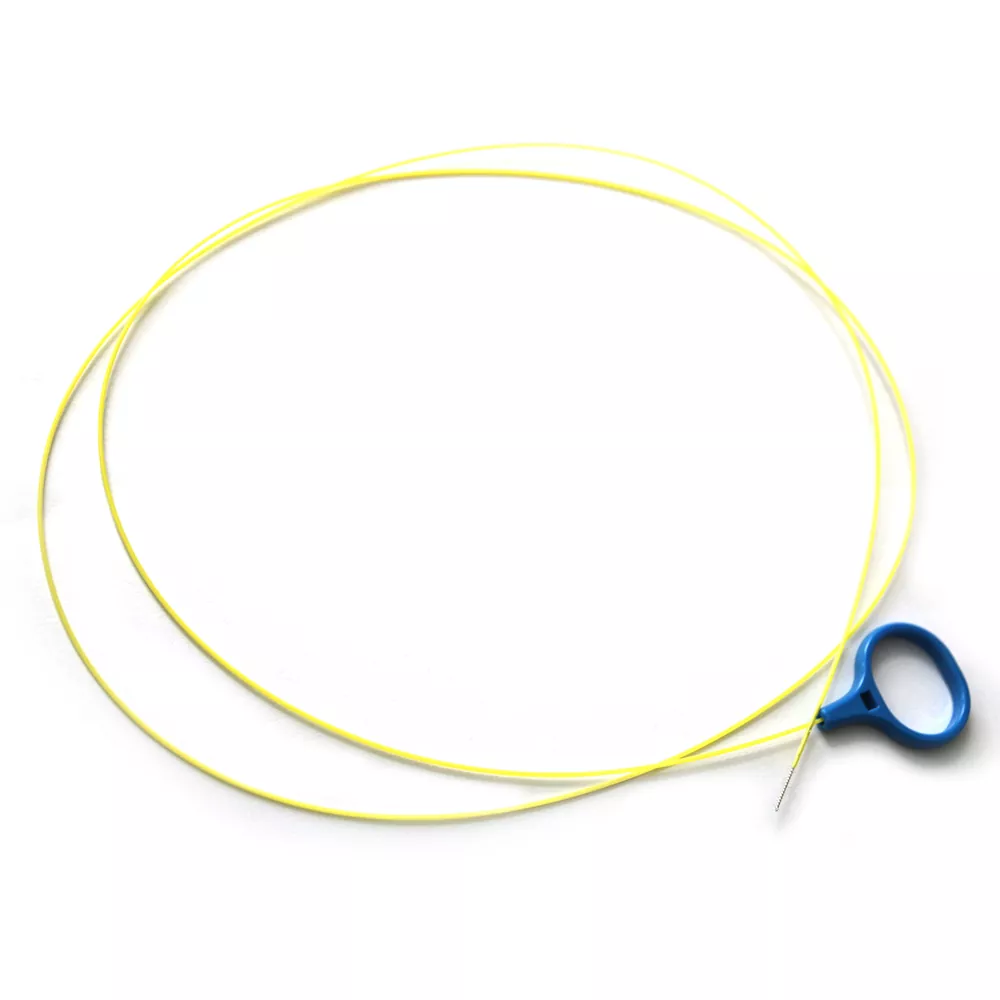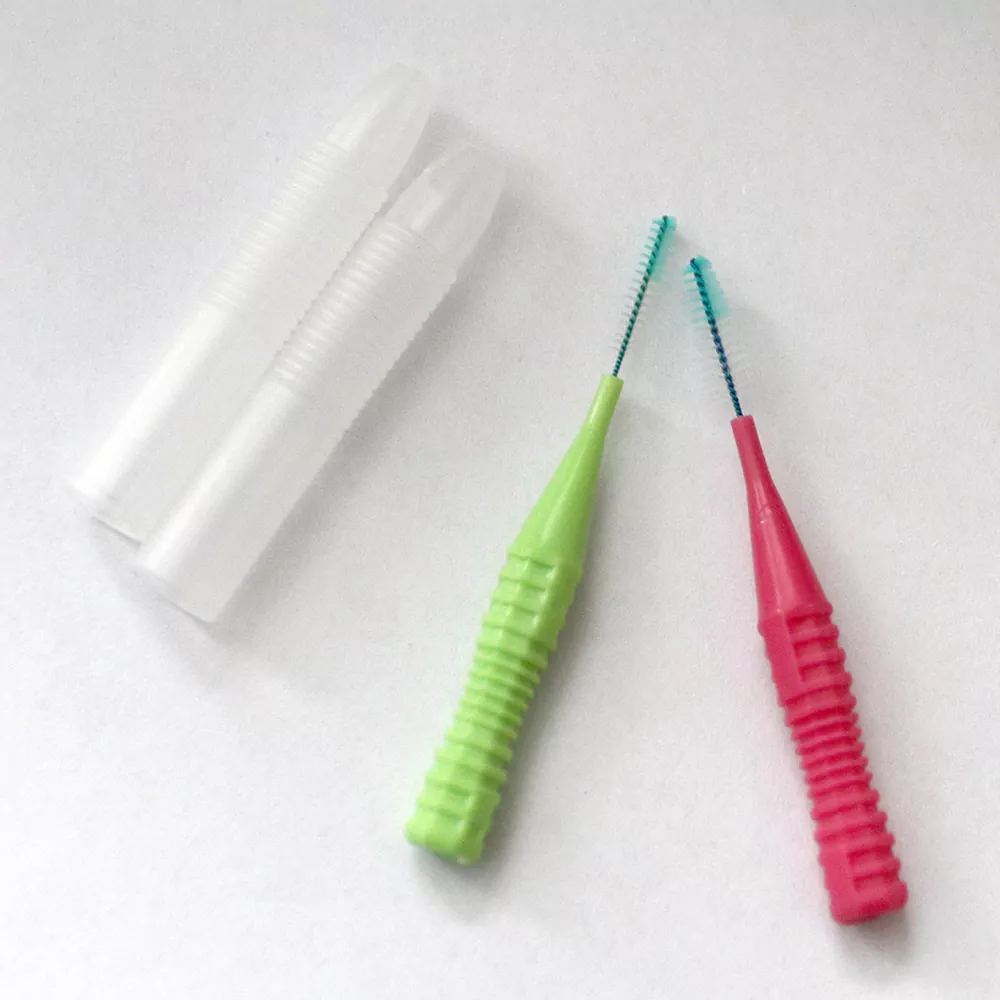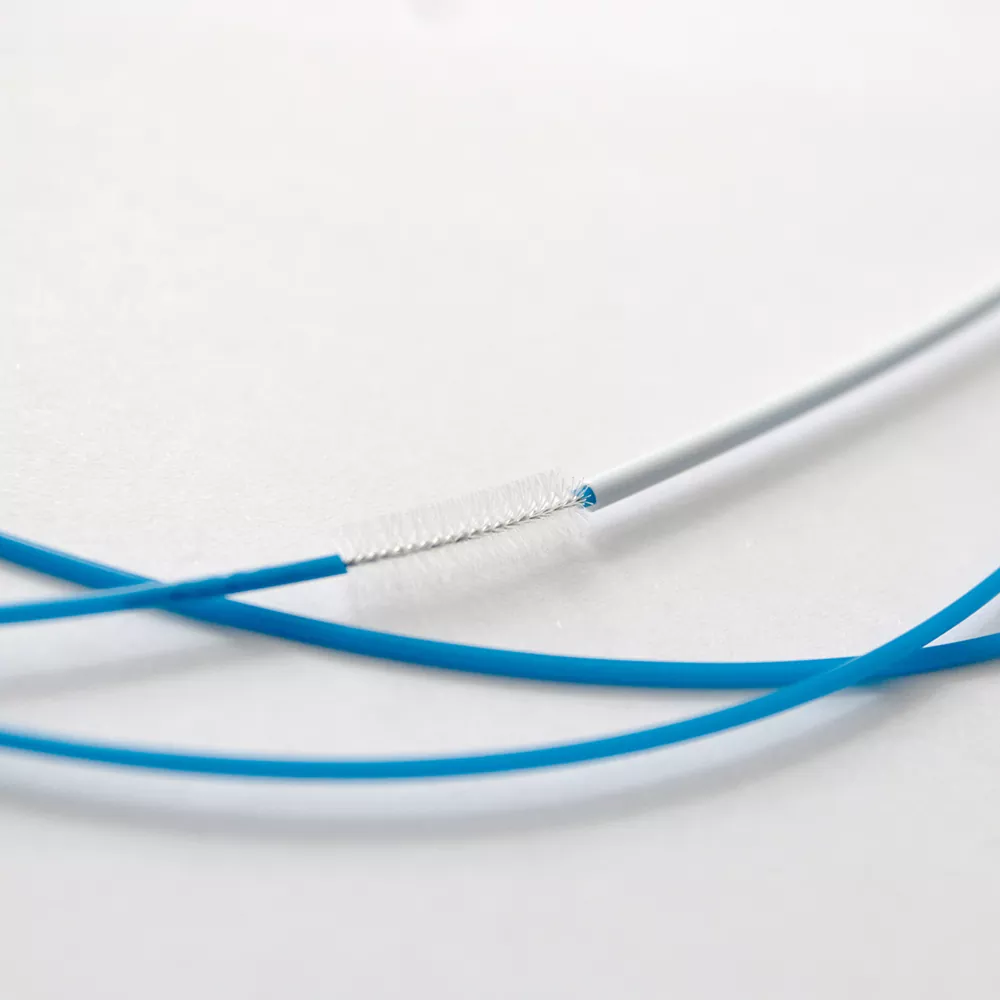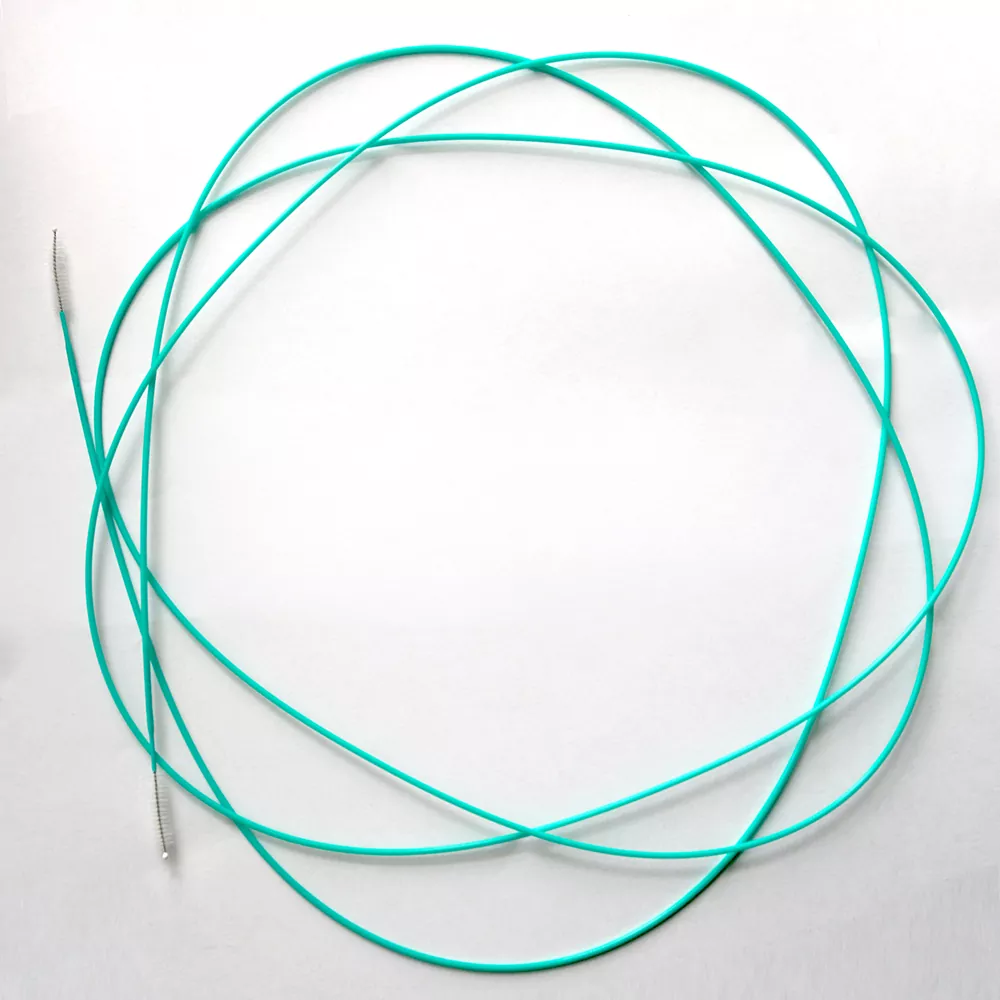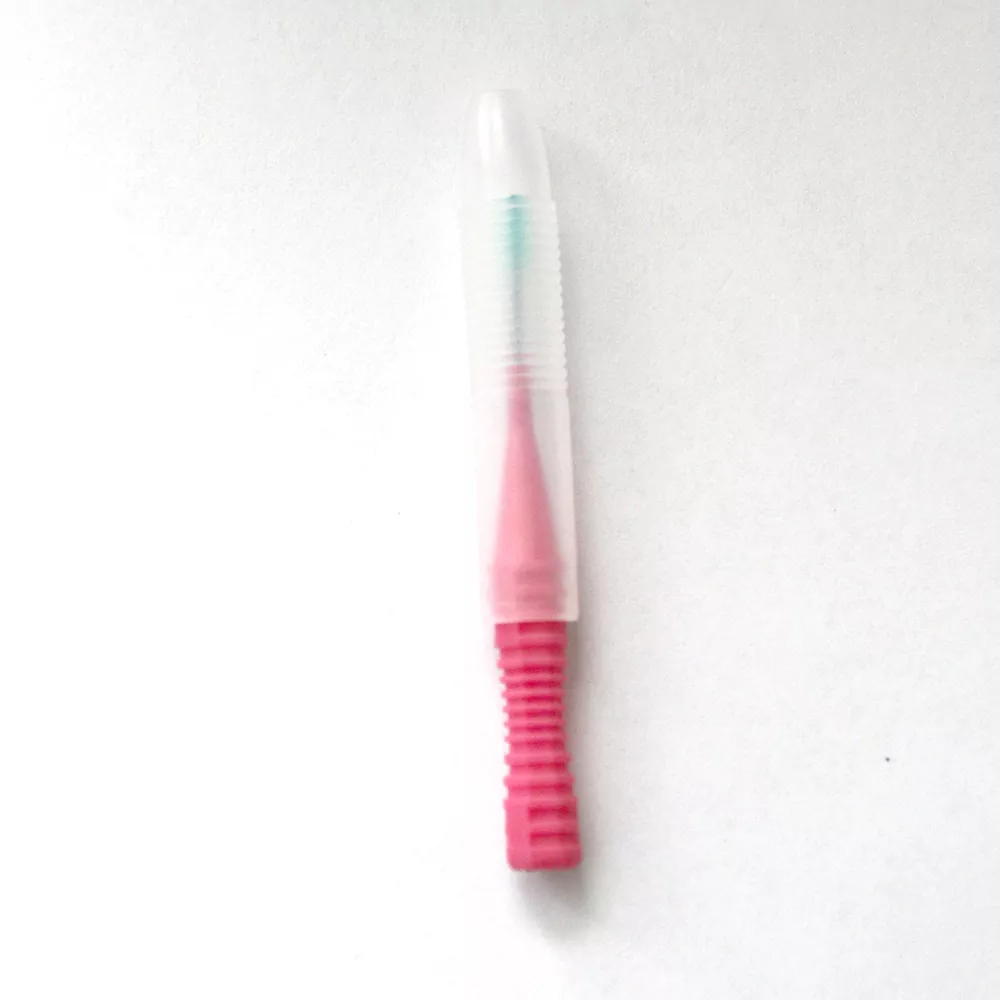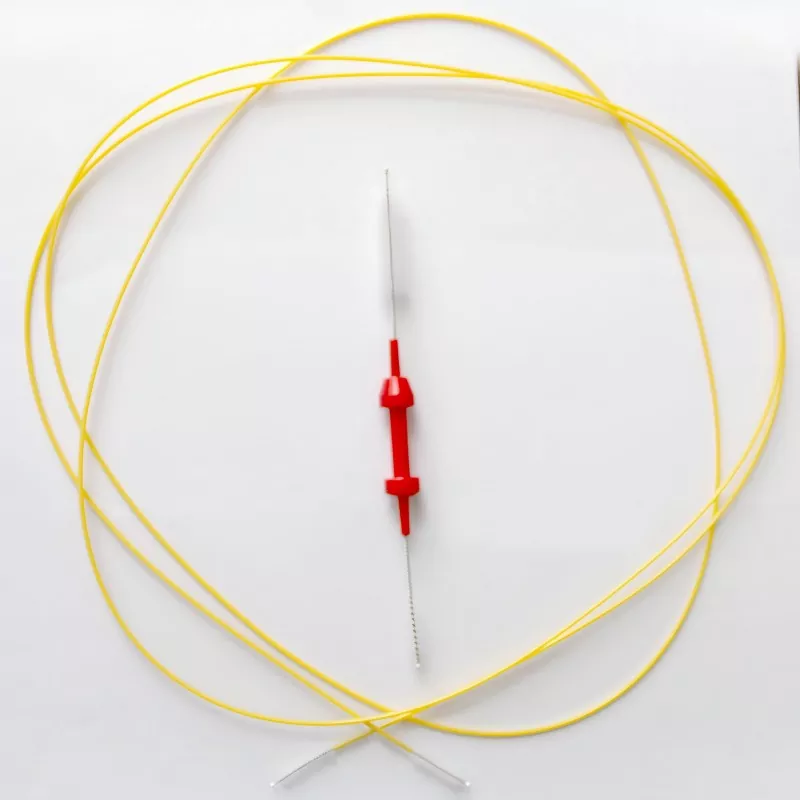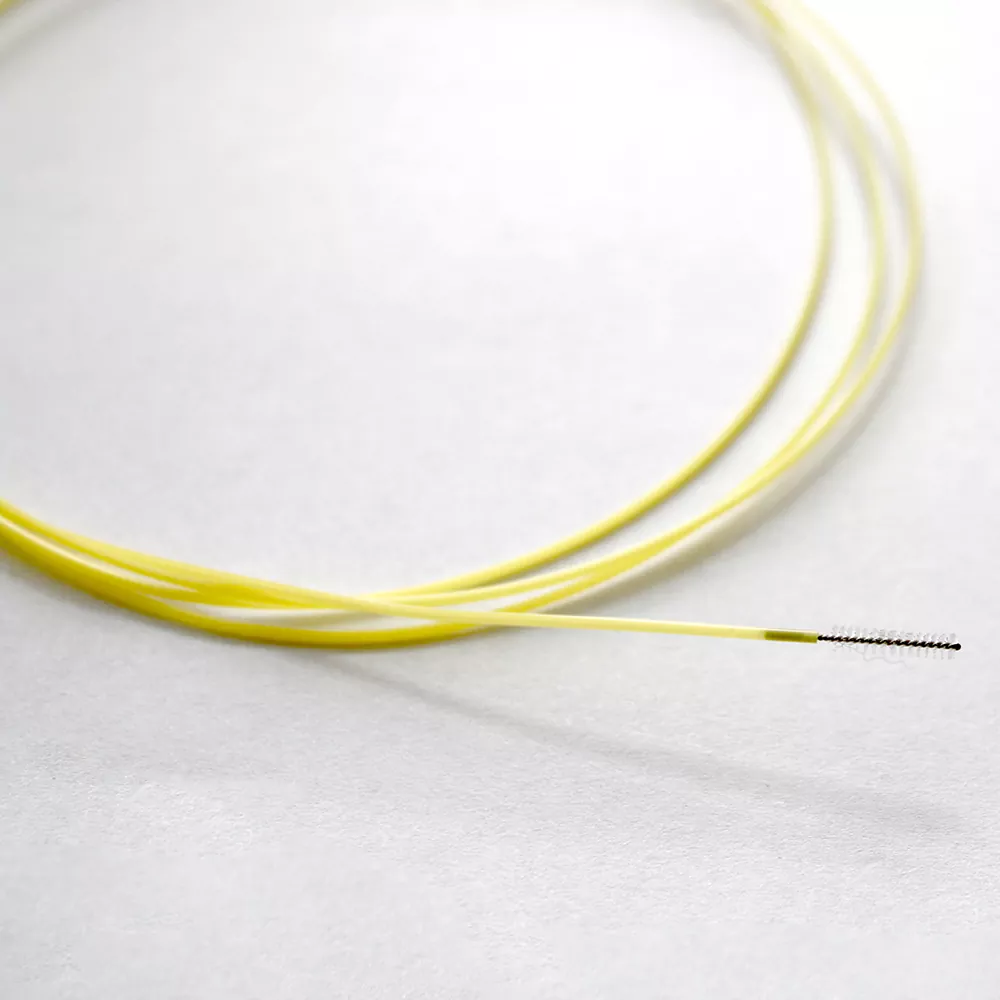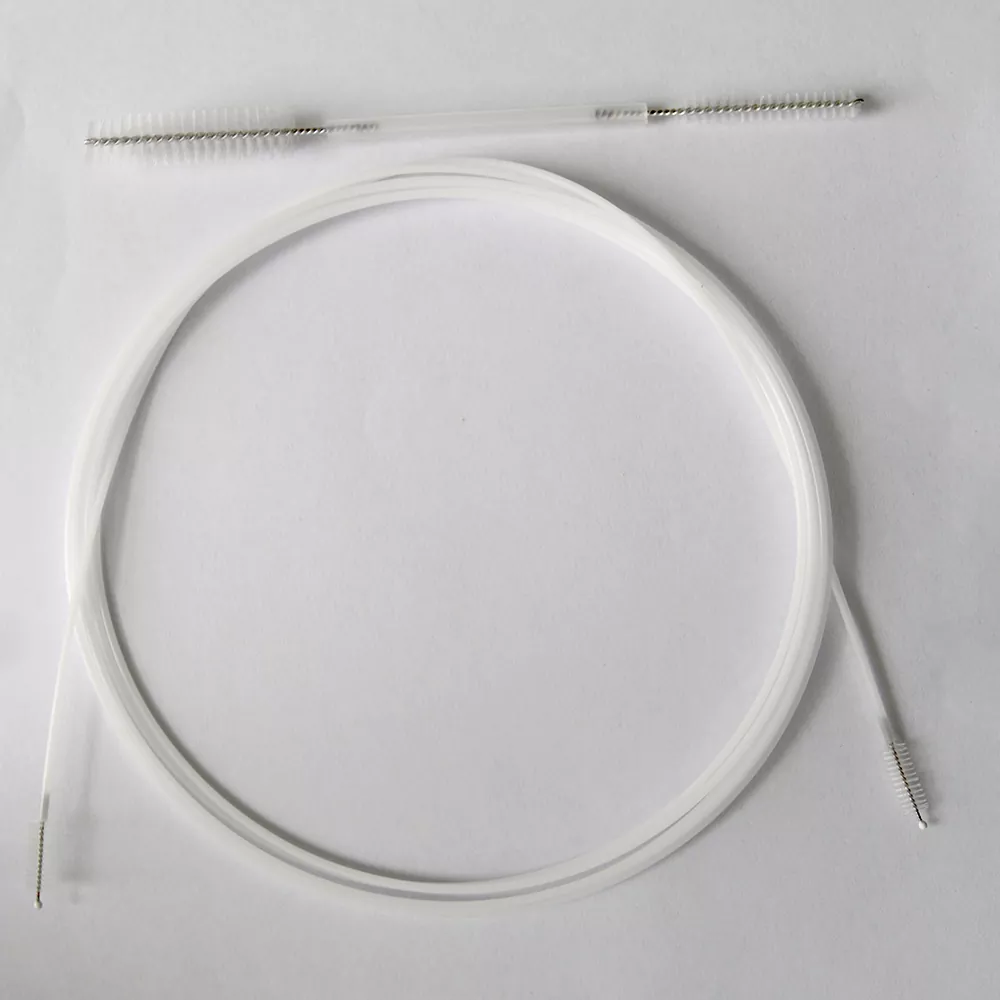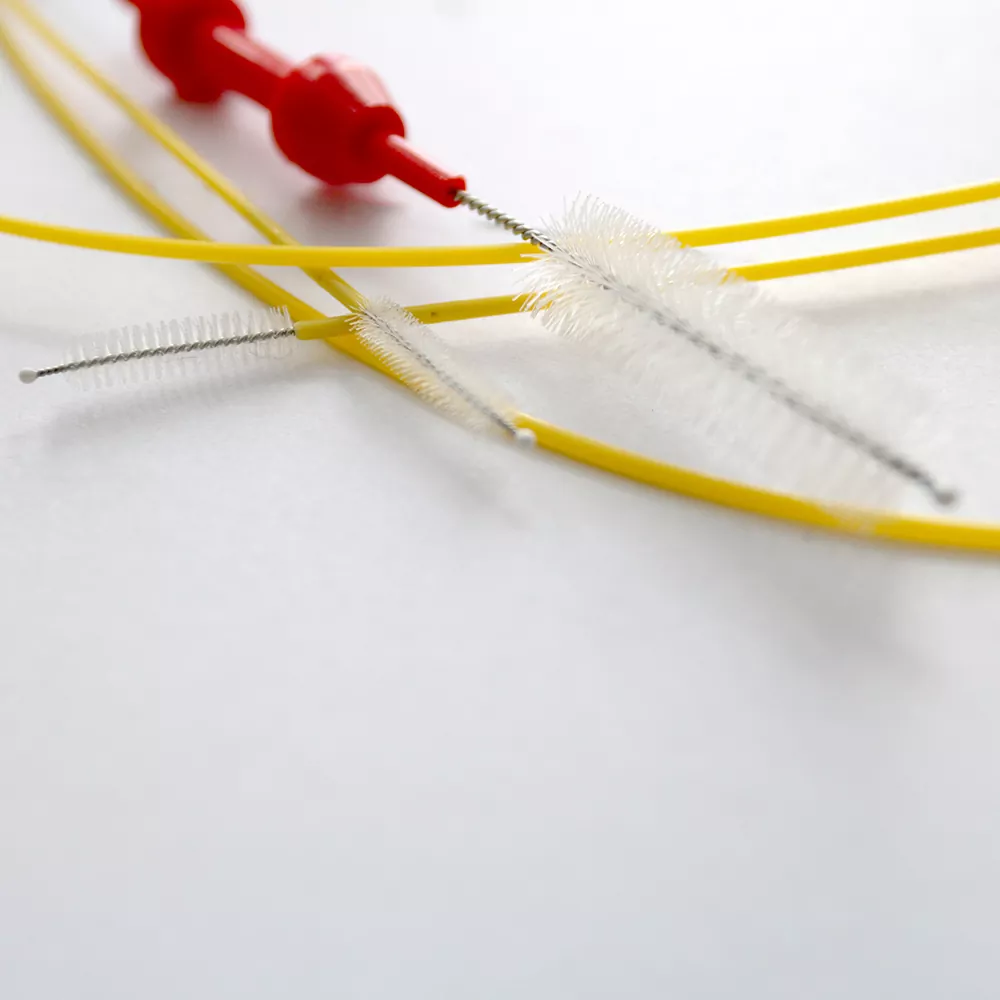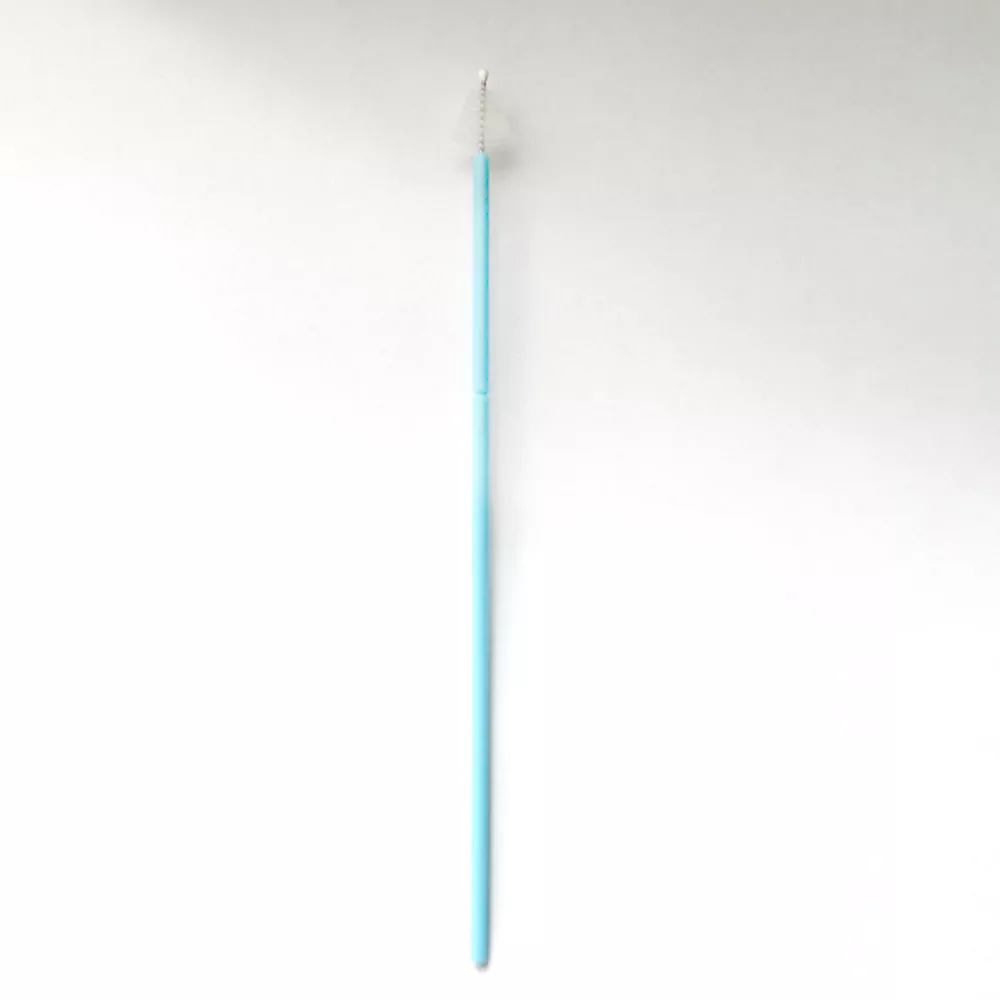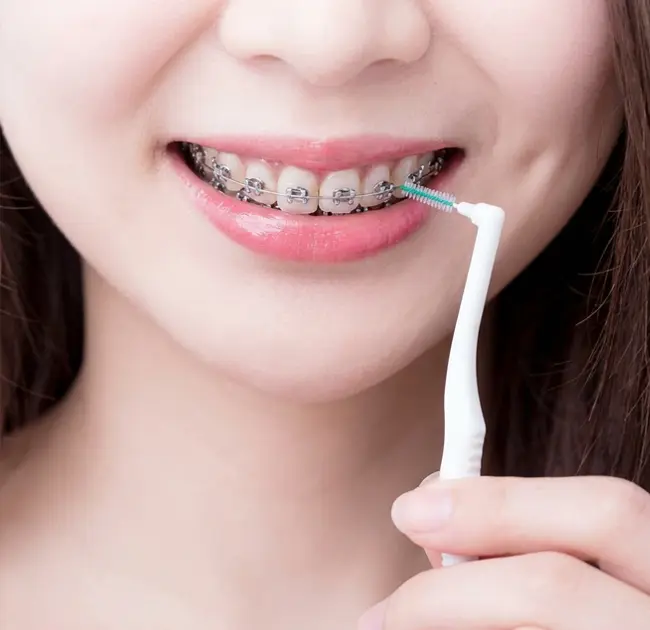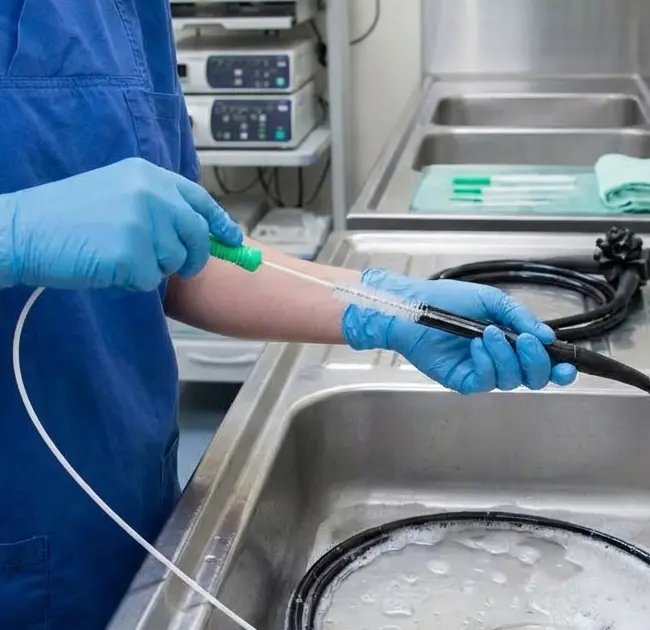
A medical device cleaning brush is a small but important component of an effective instrument-cleaning process. Medical instruments often contain narrow channels, hinges, grooves, joints, textured surfaces, and other areas that are difficult to reach with ordinary brushes. If soil or biological residue remains in these areas, subsequent disinfection or sterilization may not achieve the intended result.
This guide explains the practical considerations involved in choosing a medical device cleaning brush, including brush size, filament characteristics, handle design, compatibility, durability, cleaning performance, and quality consistency. It also covers common cleaning mistakes and provides a useful evaluation framework for healthcare facilities, medical device manufacturers, distributors, and professional reprocessing teams.
Cleaning is a fundamental stage in medical device reprocessing. Before an instrument can undergo further processing, visible and microscopic contamination needs to be removed as effectively as the device design and validated cleaning procedure require.
Standard wiping or soaking may not be sufficient for complex instruments. A medical device cleaning brush provides mechanical action that helps loosen and remove contaminants from surfaces that are difficult to access manually.
The brush itself, however, should not be viewed as an isolated solution. Its performance depends on the instrument design, cleaning chemistry, water quality, temperature, contact time, brushing technique, and the facility's established reprocessing instructions. The correct brush is therefore one part of a controlled cleaning system.
Medical devices vary considerably in geometry and construction. A brush suitable for a broad, flat surface may be completely unsuitable for a narrow internal channel. Understanding the cleaning challenge is the first step toward selecting an appropriate brush.
Small internal passages require controlled brush diameter and sufficient filament contact.
Moving components can create recessed areas where residue accumulates.
Fine grooves can retain debris and require controlled mechanical cleaning.
Some materials and finishes may be damaged by excessively aggressive filaments.
Another challenge is consistency. A brush that works well on one instrument may perform poorly on another because of differences in diameter, length, surface finish, or internal configuration. For professional applications, brush selection should therefore be based on the specific cleaning task rather than on appearance alone.
Several design characteristics directly influence how a medical device cleaning brush performs in real-world applications.
Filament material affects flexibility, stiffness, abrasion characteristics, chemical resistance, and durability. Nylon is commonly used in many brush applications because it can provide a useful balance between flexibility and mechanical action. Other materials may be selected depending on the intended application and compatibility requirements.
Filaments that are too soft may fail to provide sufficient mechanical action, while excessively stiff filaments may increase the possibility of scratching or damaging delicate surfaces. The appropriate stiffness should reflect the device material and the type of contamination being removed.
Dimensions are particularly important for lumen cleaning. The brush should be appropriately sized for the channel or surface being cleaned and used according to the device manufacturer's instructions. A poor dimensional match can reduce contact efficiency or make insertion and withdrawal unnecessarily difficult.
A practical handle should support controlled movement and reduce unnecessary hand strain during repetitive cleaning. Depending on the application, a longer handle can improve access to recessed areas, while a compact handle may be more convenient for external surfaces.
Professional users need predictable brush performance. Consistent filament distribution, secure attachment, stable dimensions, and clean finishing are important considerations when evaluating a supplier.
Instead of choosing a brush simply because it looks similar to an existing product, purchasing teams should evaluate the complete application. The following checklist can make the process more systematic:
For custom medical device cleaning brushes, detailed drawings, sample instruments, dimensional requirements, filament specifications, and packaging requirements can help a manufacturer develop a more suitable solution.
Even a high-quality medical device cleaning brush can produce inconsistent results if the cleaning procedure is not followed correctly. Always follow the medical device manufacturer's validated or specified cleaning instructions and the applicable facility procedures.
For lumen cleaning, the brush should be compatible with the channel dimensions and used for the movement and number of passes specified by the applicable cleaning instructions. The objective is not simply to push a brush through a channel but to achieve appropriate contact and mechanical action without compromising the instrument.
| Common Problem | Potential Cause | Practical Improvement |
|---|---|---|
| Poor cleaning coverage | Incorrect brush size | Match dimensions to the instrument and cleaning instructions |
| Surface damage | Excessive stiffness or force | Review filament characteristics and brushing technique |
| Premature brush wear | Repeated excessive force or chemical incompatibility | Check application conditions and replace brushes according to procedure |
| Inconsistent results | Variation in brush construction or user technique | Standardize specifications, procedures, and supplier quality |
One of the most overlooked issues is using a general-purpose brush for a specialized medical device. A household or industrial brush may have unsuitable materials, dimensions, stiffness, or construction. Medical device applications require careful attention to compatibility and intended use.
For hospitals, distributors, OEM customers, and medical device manufacturers, supplier evaluation is as important as product selection. A reliable supplier should be able to communicate clearly about product specifications, materials, dimensions, customization capabilities, production consistency, and quality-control practices.
Qingdao Lushua Medical Technology Co., Ltd. focuses on medical and healthcare-related brush solutions and can support customers who require application-specific cleaning brush configurations. For OEM and customized projects, discussing the instrument structure and intended cleaning application at an early stage can help create a more practical product specification.
| Evaluation Factor | Questions to Consider | Why It Matters |
|---|---|---|
| Dimensions | Does the brush fit the intended area? | Supports appropriate contact and access |
| Filaments | Are material and stiffness appropriate? | Balances cleaning action and surface protection |
| Handle | Can users control the brush comfortably? | Improves handling during repetitive work |
| Construction | Is the brush consistently manufactured? | Helps maintain predictable performance |
| Compatibility | Is it suitable for the device and process? | Reduces avoidable application problems |
It is designed to provide mechanical cleaning action on medical instruments and devices, particularly on areas that are difficult to clean using wiping or soaking alone. Applications can include external surfaces, grooves, joints, openings, channels, and lumens, subject to the device manufacturer's cleaning instructions.
Start with the dimensions of the area or channel being cleaned and follow the applicable device instructions. Diameter, filament length, overall brush length, and handle configuration should all be considered.
Generally, no. Different instruments have different materials, geometries, and cleaning requirements. A brush should be selected according to the specific application and relevant manufacturer instructions.
Filament stiffness directly influences mechanical cleaning action and interaction with the device surface. The appropriate level depends on the instrument material, geometry, contamination, and cleaning procedure.
Many professional brush manufacturers can customize dimensions, filament specifications, handle configurations, packaging, and other features depending on the project. OEM customers should provide detailed application requirements and approve samples before mass production.
Replacement should follow the applicable instructions and facility procedure. Signs such as damaged or deformed filaments, loose components, contamination that cannot be adequately removed, or deterioration that affects intended performance should be evaluated promptly.
No. More aggressive mechanical action is not automatically better. The brush should provide appropriate cleaning action without unnecessarily damaging the device surface or compromising the instrument.
A medical device cleaning brush may be a relatively simple product, but its design and application can have an important role in the overall instrument-cleaning process. The best solution is not necessarily the largest, stiffest, or lowest-cost brush. It is the brush whose dimensions, materials, construction, and handling characteristics are appropriate for the intended medical device and established cleaning procedure.
For professional buyers, the most effective approach is to define the application first, establish clear technical specifications, evaluate samples, and maintain consistent quality requirements. This approach can help reduce cleaning difficulties, improve user confidence, and create a more dependable procurement process.
If you are looking for a reliable medical device cleaning brush supplier or need a customized brush for a specific instrument, Qingdao Lushua Medical Technology Co., Ltd. can discuss your application requirements and develop a suitable product solution.
Contact us to discuss brush dimensions, filament specifications, handle designs, OEM requirements, sampling, and customized medical cleaning brush solutions.
Phone: +86-18661928062
Mobile: +86-18661928062
E-mail: 18661928062@163.com
Address:Zhongke Industrial City, No. 6, Xihuan Road, Jiangshan Town, Laixi City, Qingdao, Shandong Province, China
Copyright © 2026 Qingdao Lushua Medical Technology Co., Ltd. All Rights Reserved.