Follow Us:

Products
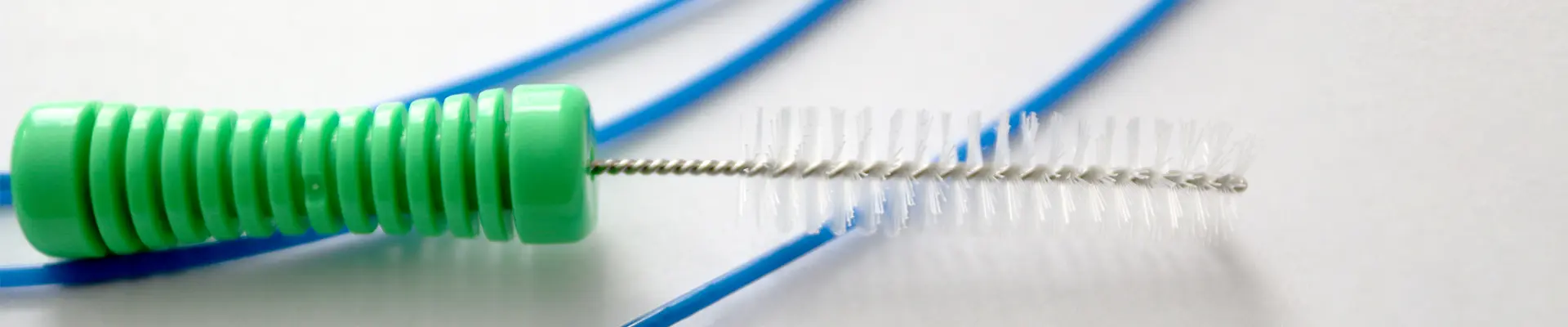
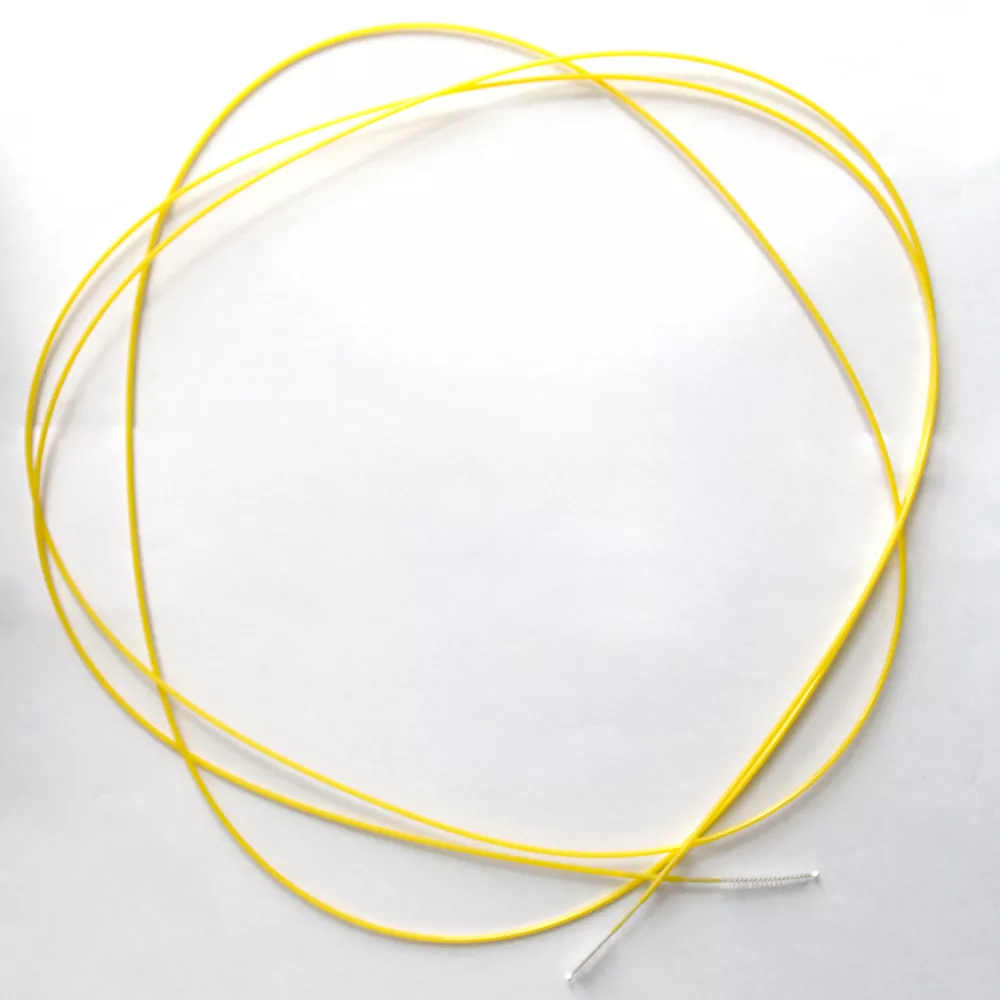
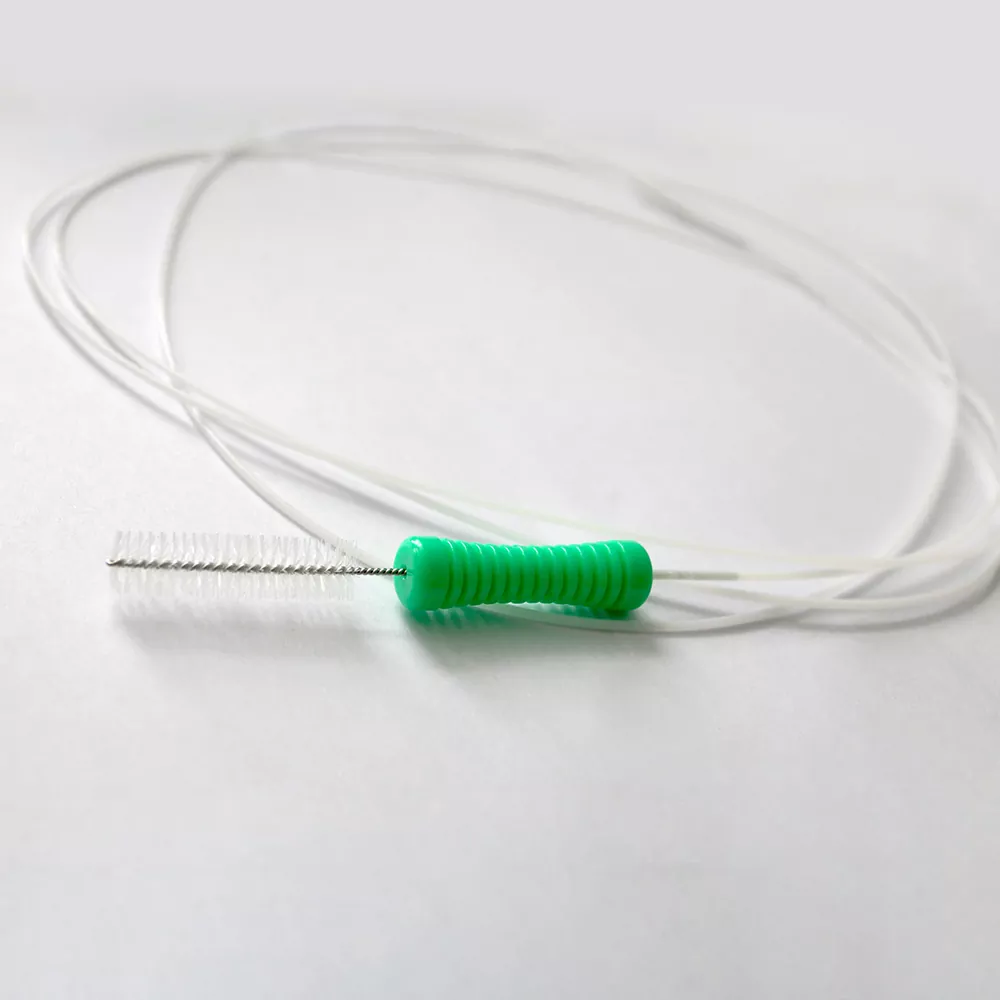
Double-Ended Endoscope Cleaning Brush
  • Double-Ended Endoscope Cleaning BrushDouble-Ended Endoscope Cleaning Brush

Double-Ended Endoscope Cleaning Brush

LucentMed is a Chinese manufacturer and supplier of double-ended endoscope cleaning brushes. Our products feature a core made of 304 or 316 medical-grade stainless steel and an integrated design where the brush head and shaft are securely joined to prevent detachment, thereby ensuring medical safety.

With over 20 years of industry experience, LucentMed is a professional manufacturer and supplier of double-ended endoscope cleaning brushes. These brushes effectively remove biofilm, dried blood, mucus, and tissue debris while minimizing abrasion and scratching of the PTFE coating or hydrophilic surfaces within the endoscope channels.

What Is a Double-Ended Endoscope Cleaning Brush?

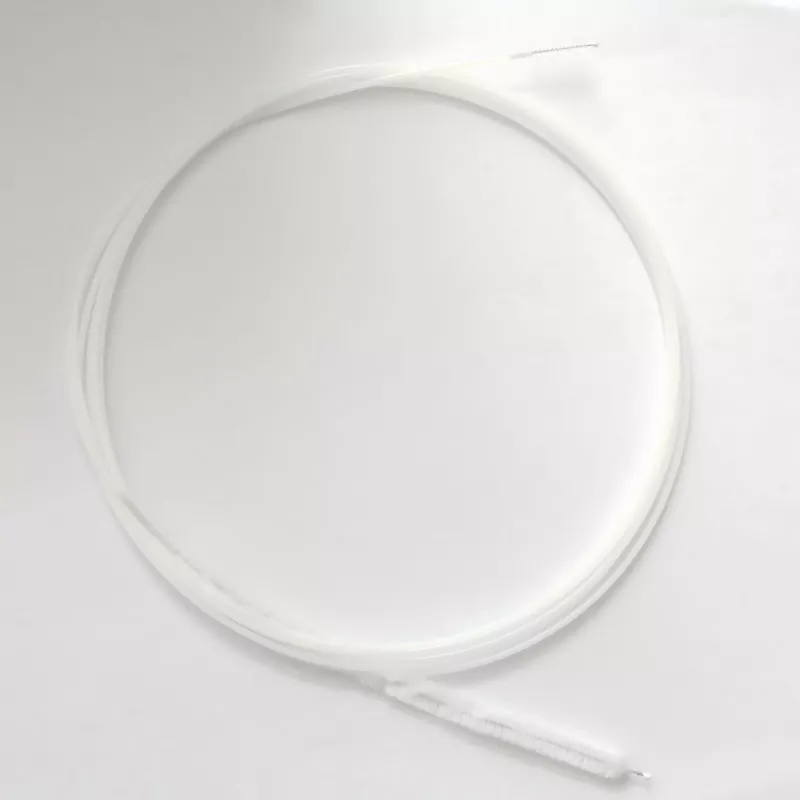
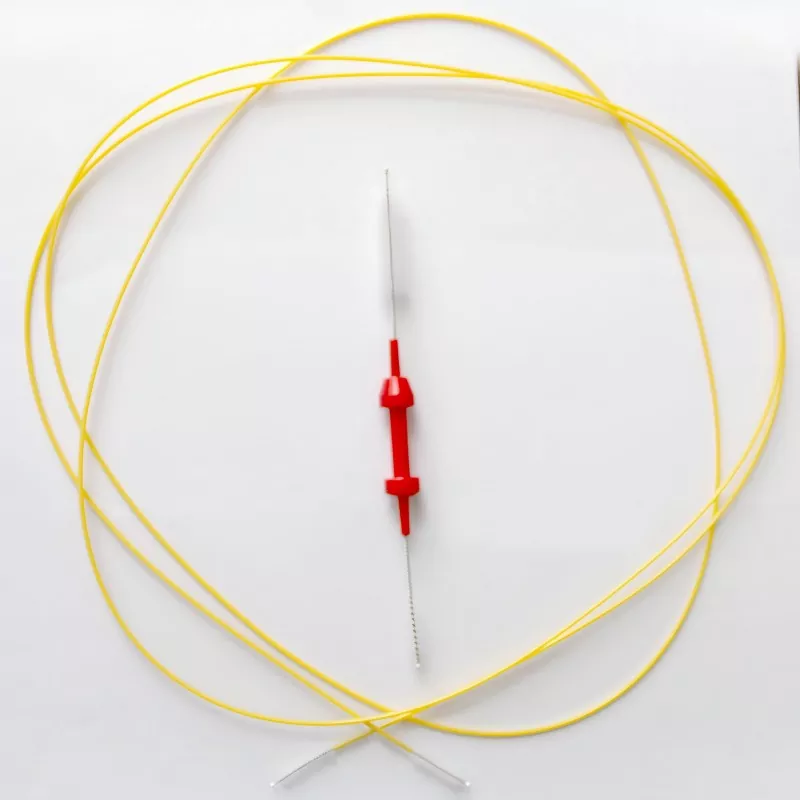
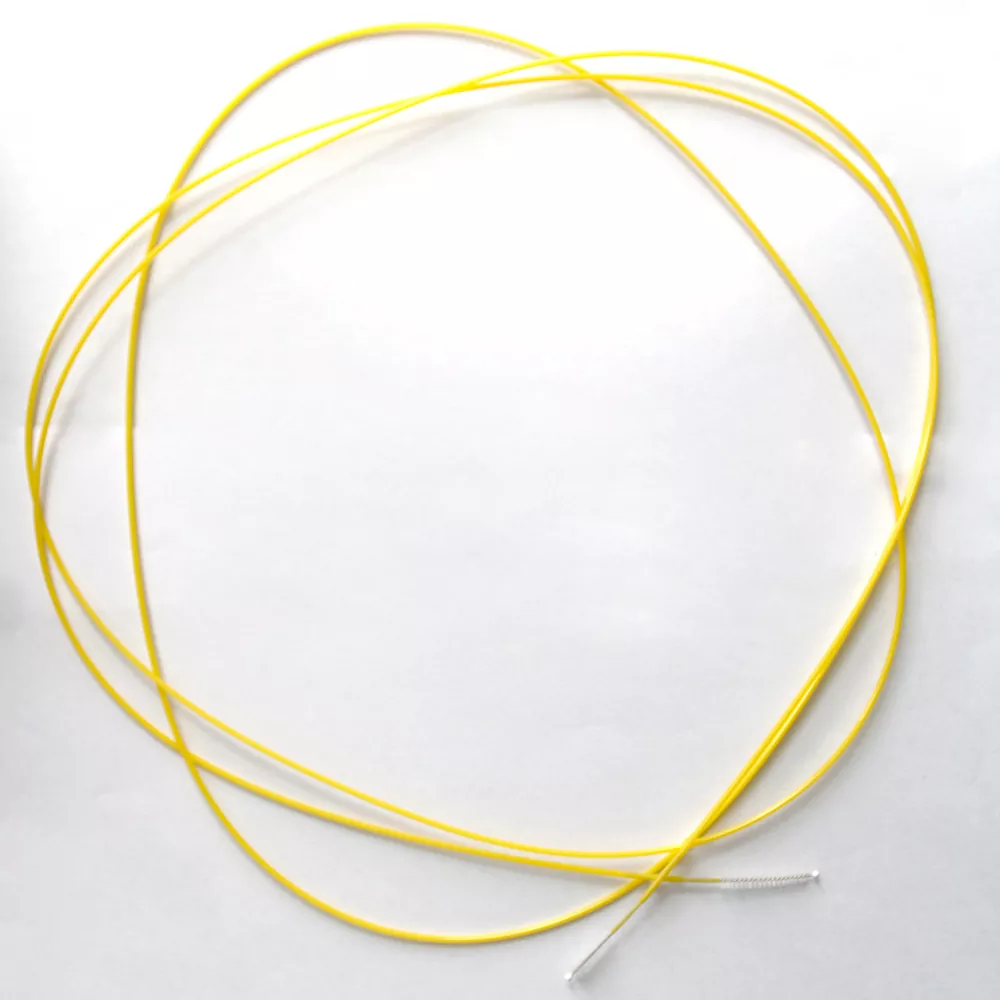
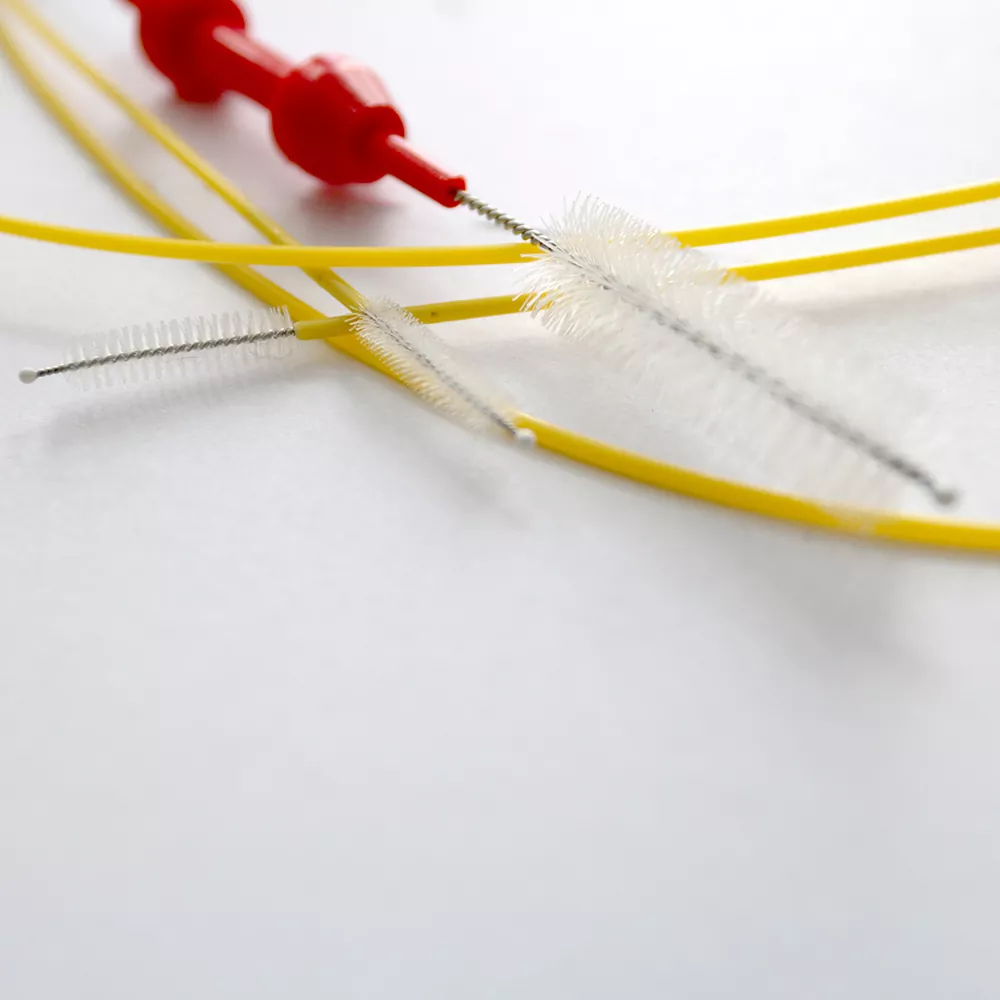
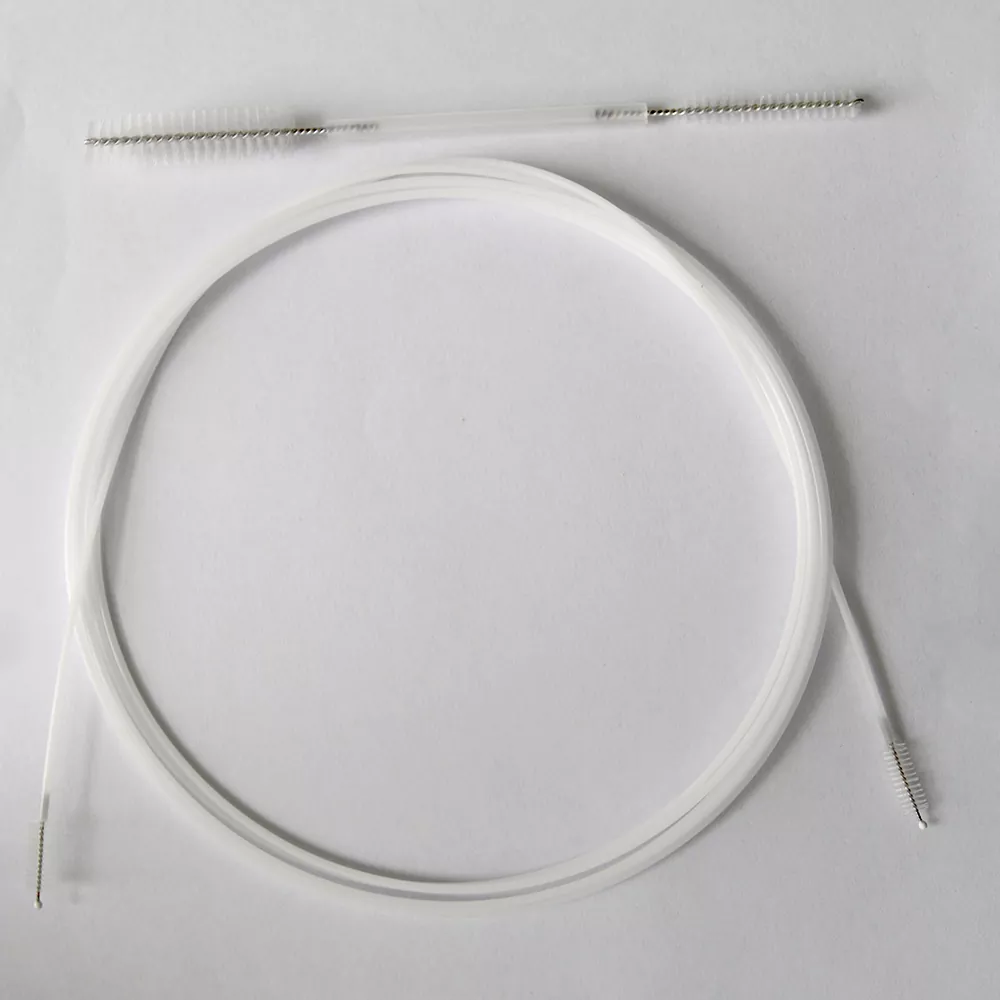
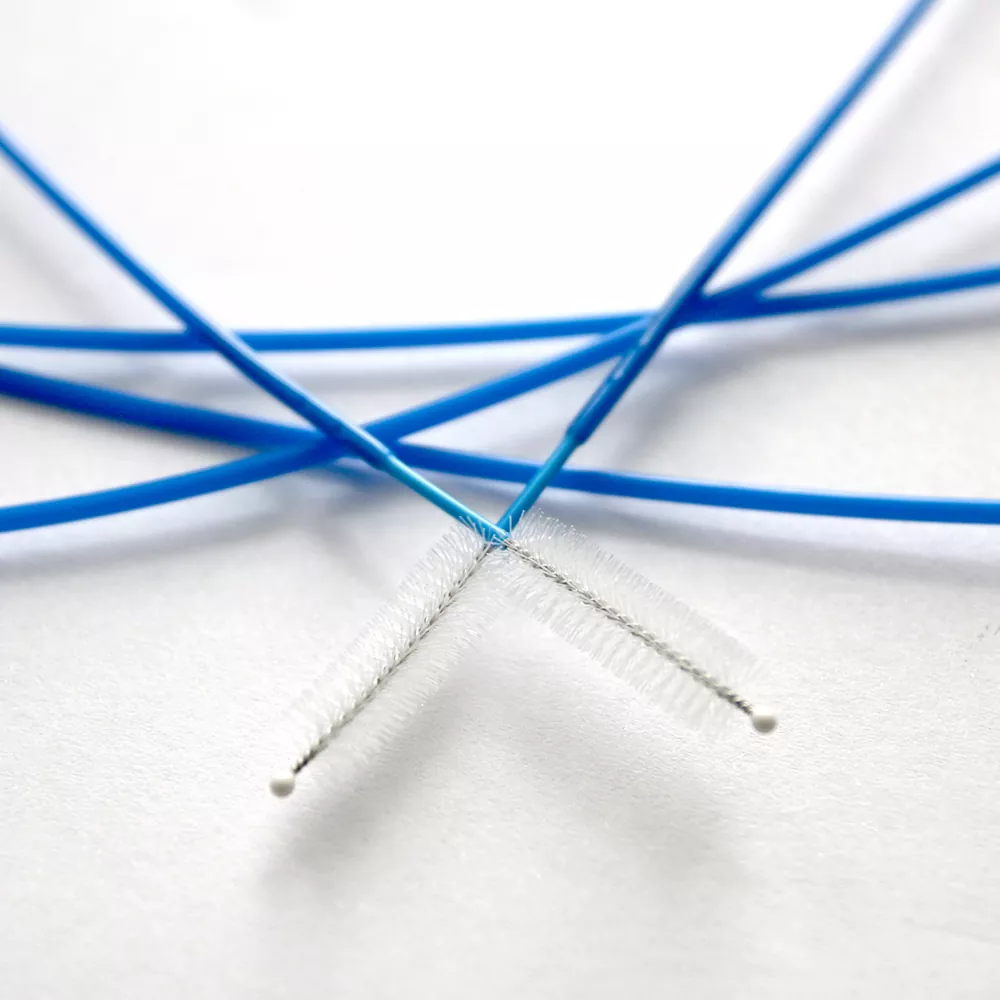
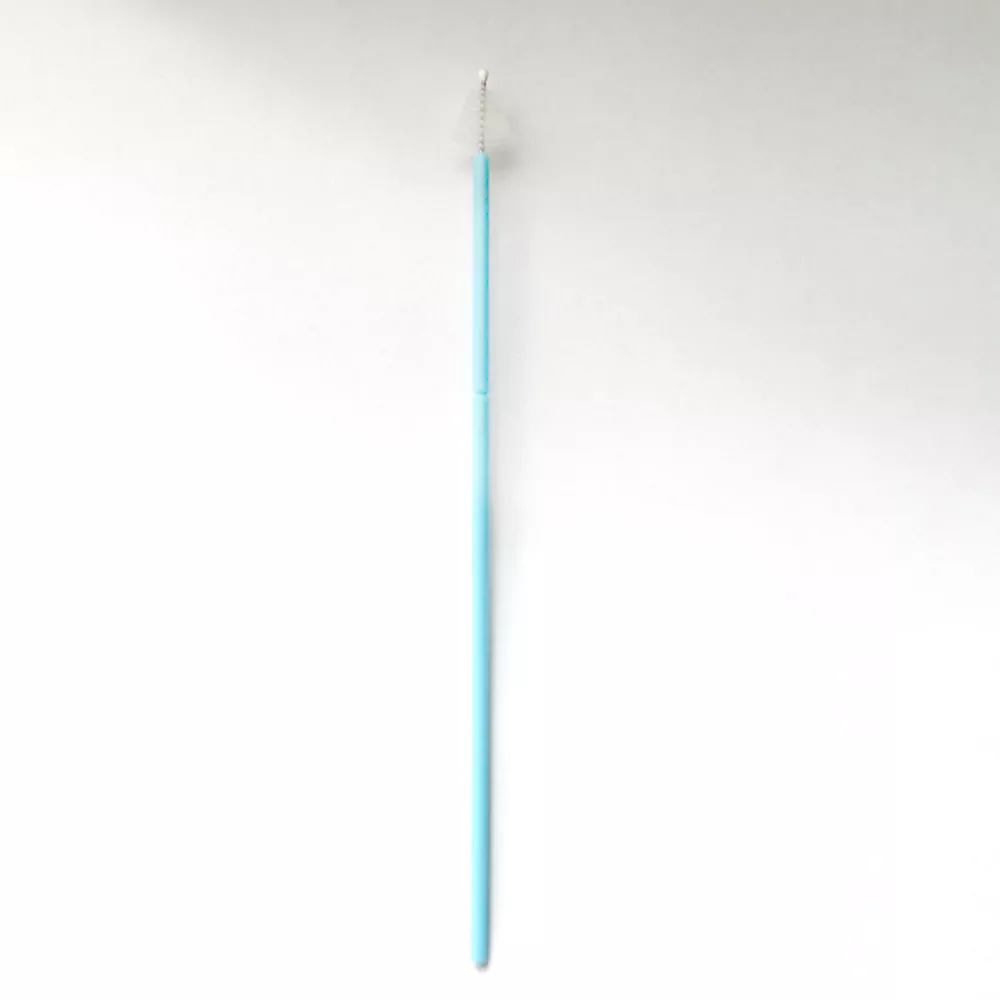
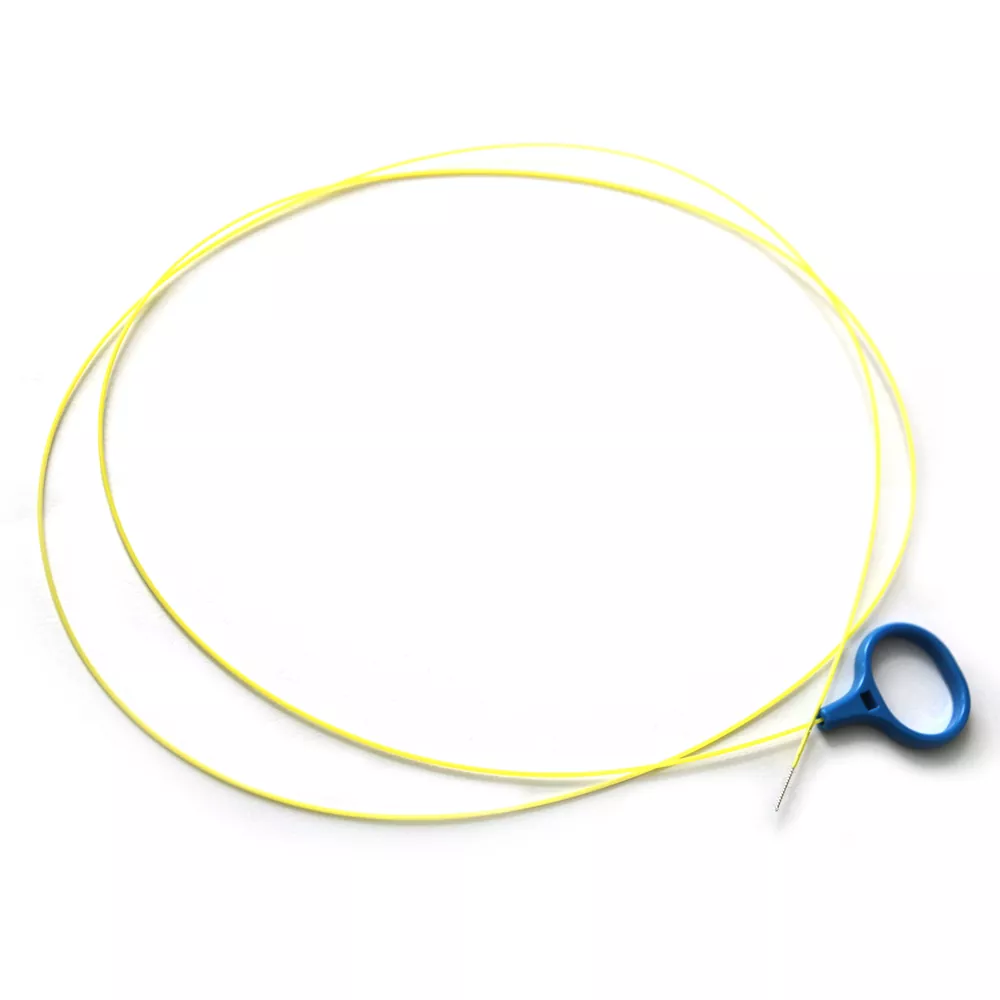
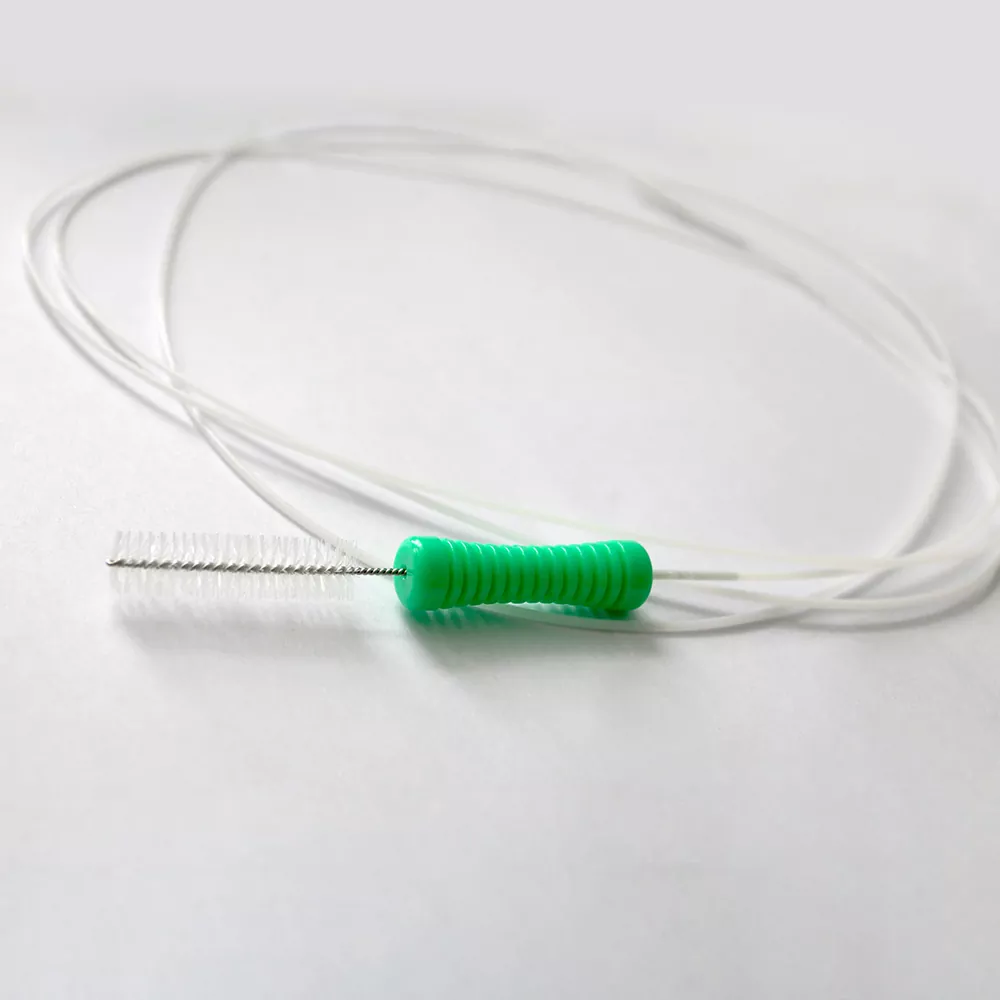
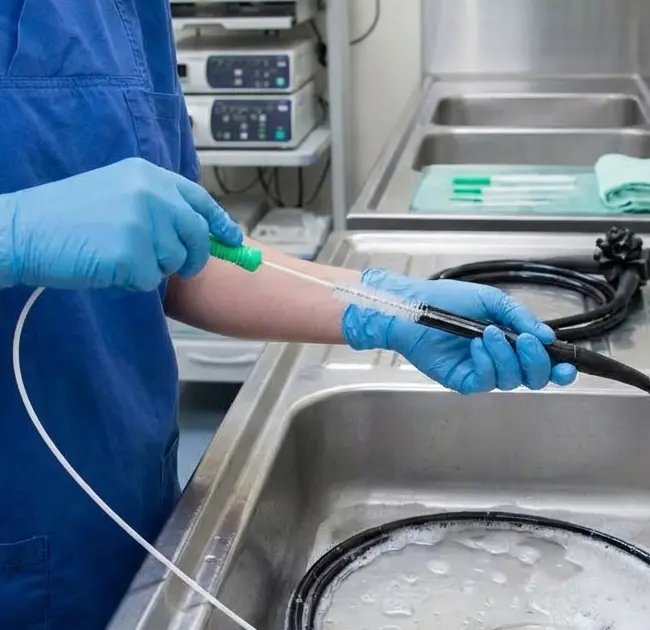
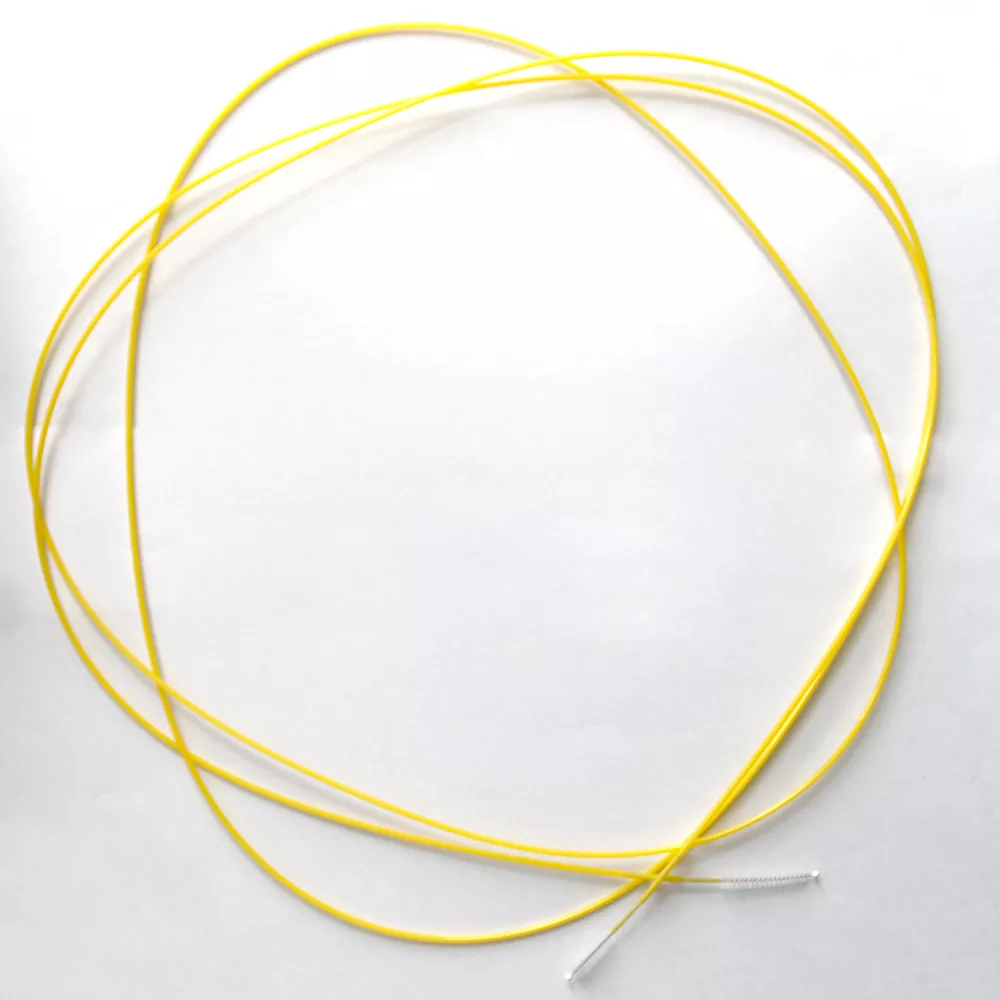
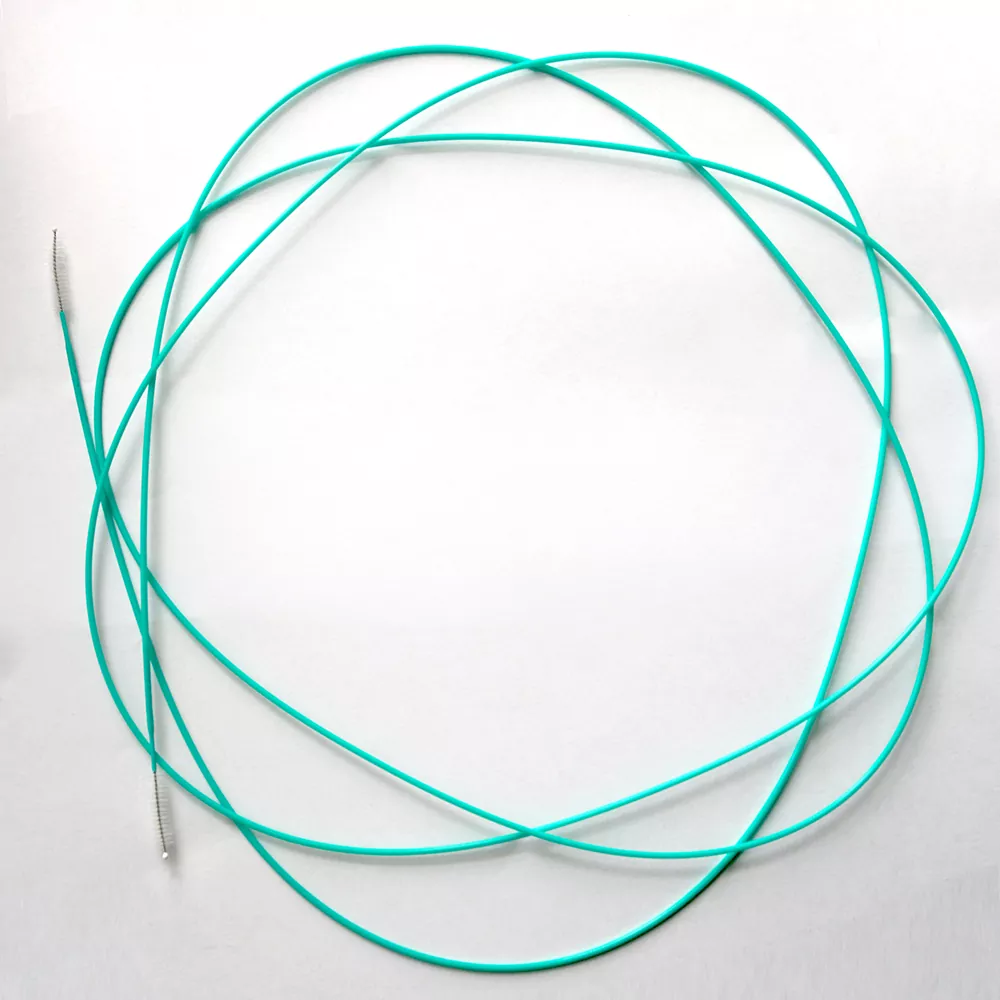
A double-ended endoscope cleaning brush is a medical cleaning tool specifically designed for the cleaning and reprocessing of endoscope channels. It features brush heads at both ends—either of the same or different specifications—to accommodate endoscope channels of varying diameters or types.

This dual-ended design allows a single tool to handle multiple channel specifications, replacing the need for several single-ended brushes and thereby enhancing efficiency and compatibility.

It is used to remove residual blood, mucus, tissue debris, and biofilm from within the endoscope, improving the efficiency of the reprocessing procedure and ensuring comprehensive cleaning coverage.

Double-Ended Endoscope Cleaning Brush

Double-Ended vs. Single-Ended Endoscope Cleaning Brushes: How to Choose?

Comparison Dimension

Double-Ended Endoscope Cleaning Brush

Single-Ended Endoscope Cleaning Brush

Basic Structure

Dual-ended brush heads (same or different specifications)

Single-ended brush head

Product Logic

One brush addresses multiple cleaning needs

One brush per specific channel size

Compatible Channels

Compatible with various specifications (small/medium/large channels)

Precise match for a single specification

Endoscope Compatibility

Suitable for cross-departmental use (ENT, GI, Urology)

Single department or single equipment model

Usage Method

Bi-directional or independent end usage

Single-use

Replacement Frequency

Lower (fewer brush changes required)

Higher (requires changing for different specifications)

Operational Efficiency

High (fewer procedural steps)

Moderate (clearer workflow but more frequent switching)

Cleaning Coverage Efficiency

High (ideal for rapid processing of multiple channels)

High (greater precision for specific channels)

Operational Complexity

Moderate

Low

Cost Per Unit

Moderately high

Relatively low

Total Cost of Use

Superior (for large-scale operations)

Stable but higher cumulative cost

Suitable Hospital Scale

Medium-to-large hospitals / Endoscopy Centers / CSSD

Small hospitals / specialized clinics

Suitable Usage Scenarios

High-frequency endoscope turnover; environments with mixed equipment models

Fixed-model equipment, low-frequency usage environments

Recommended Departments

Endoscopy Centers, ENT, Gastroenterology, Urology

Single-specialty outpatient clinics


Choose Double-Ended if you need to:

✔ Increase endoscope cleaning efficiency

✔ Handle multiple endoscope models

✔ Conduct hospital-wide centralized procurement


Choose Single-Ended if you need:

✔ Compatibility with a single device or specification

✔ A highly simplified, standardized workflow

✔ A solution for small clinics or specialized departments

✔ Lower per-unit procurement costs

Usage Precautions

1. Strictly match dimensions to the endoscope channel

Before use, verify the inner diameter of the endoscope channel and the diameter of the cleaning brush head.

Usage principles:

✔ Brush head slightly larger than the channel

x Strictly prohibited: forcing advancement if the brush is too large

x Strictly prohibited: using a brush that is too small

2. Do not force advancement or passage

If significant resistance is encountered or the brush cannot pass smoothly through curved sections during cleaning, stop immediately to avoid damaging the endoscope's inner wall or deforming the guidewire.

3. Perform pre-cleaning

Before using the Double-Ended Endoscope Cleaning Brush, rinse off surface debris and soak the device in an enzymatic cleaning solution to enhance the brush's cleaning efficiency.

4. Ensure complete channel brushing

During use, ensure the brush head passes entirely through the lumen, covering the full length of the channel without skipping curved areas.

5. Control brushing force

Proper operation involves a steady pushing motion followed by a slow pulling motion, maintaining only light contact pressure. Excessive force or rapid, vigorous back-and-forth pulling can damage the endoscope equipment.

6. Handle immediately after use

Do not leave contaminated brushes lying around; handle them according to their specific type:

Disposable brushes: Discard immediately

Reusable brushes: Disinfect and process according to medical protocols

FAQ

Q1: Why is the double-ended endoscope cleaning brush designed with two brush heads of different sizes?

A: Endoscopes typically contain channels of various diameters; biopsy channels are relatively narrow (2.0–2.8 mm), suction channels are wider (5–12 mm), and valve ports fall somewhere in between.

Q2: How is sterilization validation performed for the double-ended brush (a single-use product)?

A: LucentMed single-use double-ended brushes undergo EO sterilization. For each batch, Geobacillus stearothermophilus biological indicators (BIs) are placed at the location within the sterilization chamber that is most difficult to sterilize.

Q3: How can we ensure that different operators do not damage the endoscope?

A: Preventing equipment damage requires a combination of standardized tools and standardized procedures.

LucentMed cleaning brushes lower the skill requirement for operators through features such as rounded bristles, flexible shafts, and protective caps.

Q4: Can the double-ended endoscope cleaning brush be autoclaved (high-temperature, high-pressure sterilization)?

A: Only reusable brushes made with DuPont filaments can withstand high-pressure steam at 121°C (for 20 minutes). Brushes made of nylon or PBT cannot withstand high temperatures and require chemical disinfection.

Hot Tags: Double-Ended Endoscope Cleaning Brush, Endoscope Brush Manufacturer, Endoscopy Brush Supplier
Send Inquiry
Contact Info
  • Address

    Zhongke Industrial City, No. 6, Xihuan Road, Jiangshan Town, Laixi City, Qingdao, Shandong Province, China

Your Vision + Our Expertise = Global-Ready Medical Solutions
Why Inquire with LucentMed?
48-Hour Custom Quote:
Free Sample Acceleration
Pre-Assessed Compliance
Scalability Guaranteed
X
We use cookies to offer you a better browsing experience, analyze site traffic and personalize content. By using this site, you agree to our use of cookies.Privacy Policy
RejectAccept