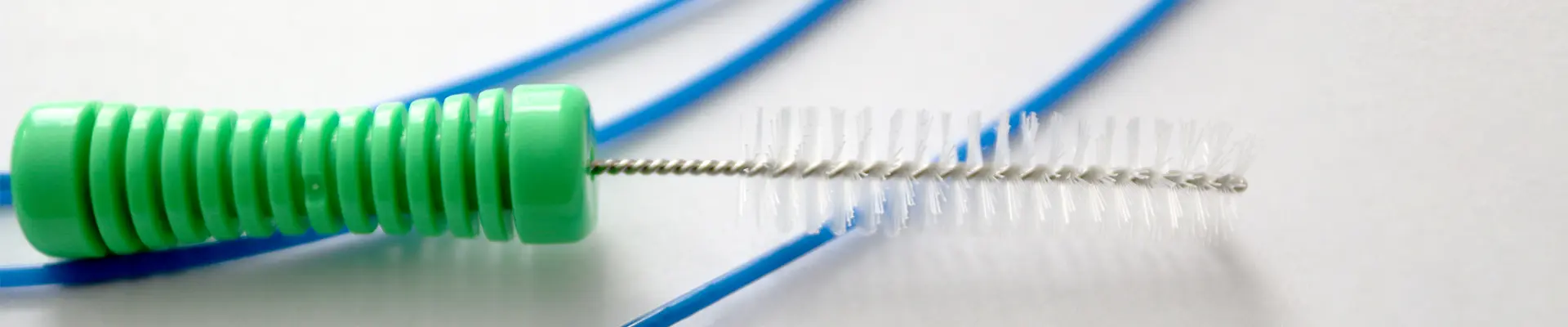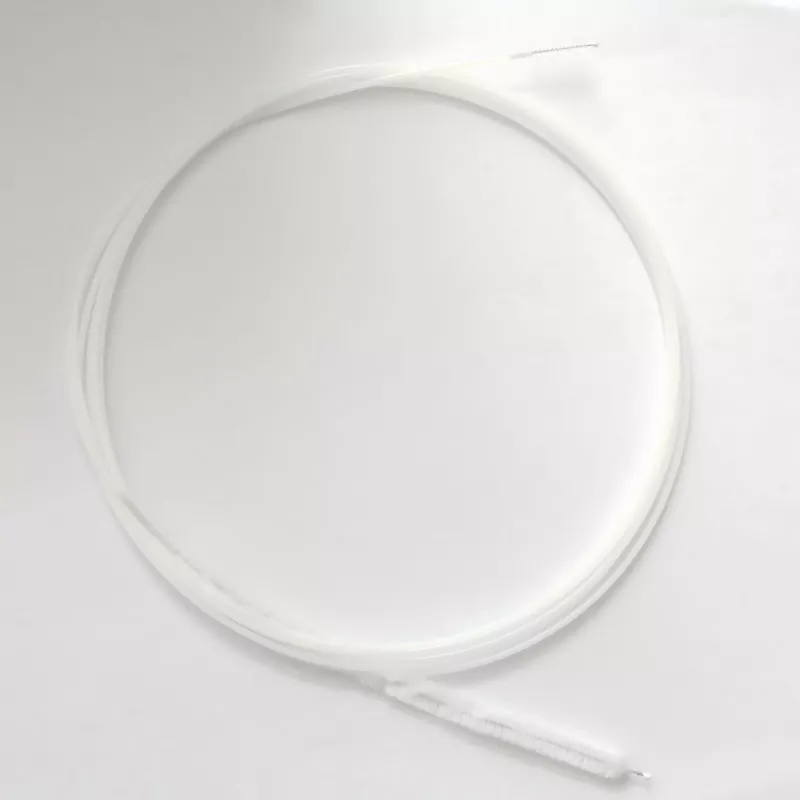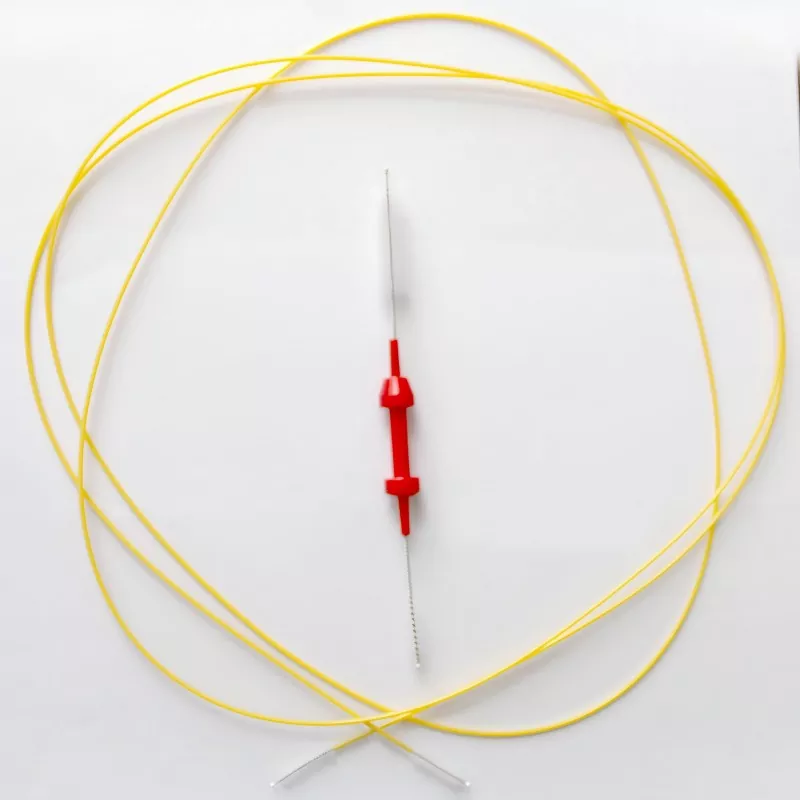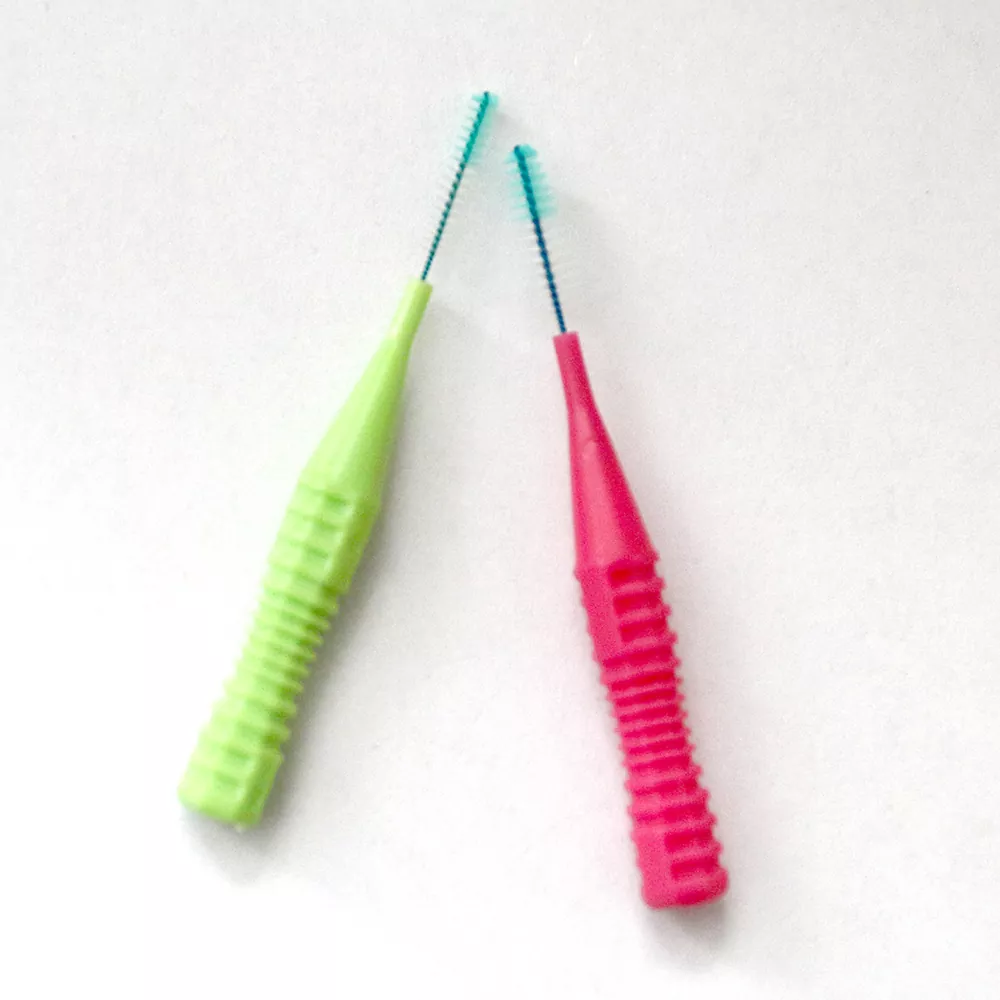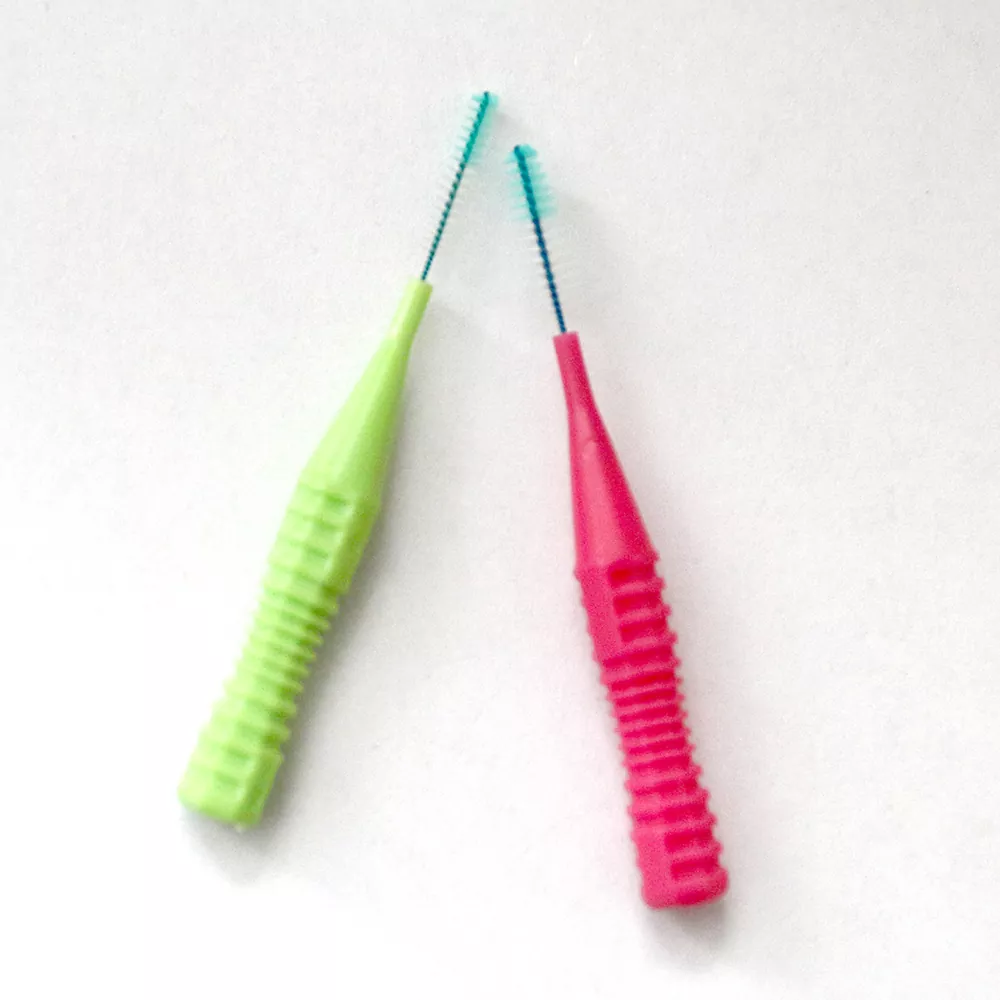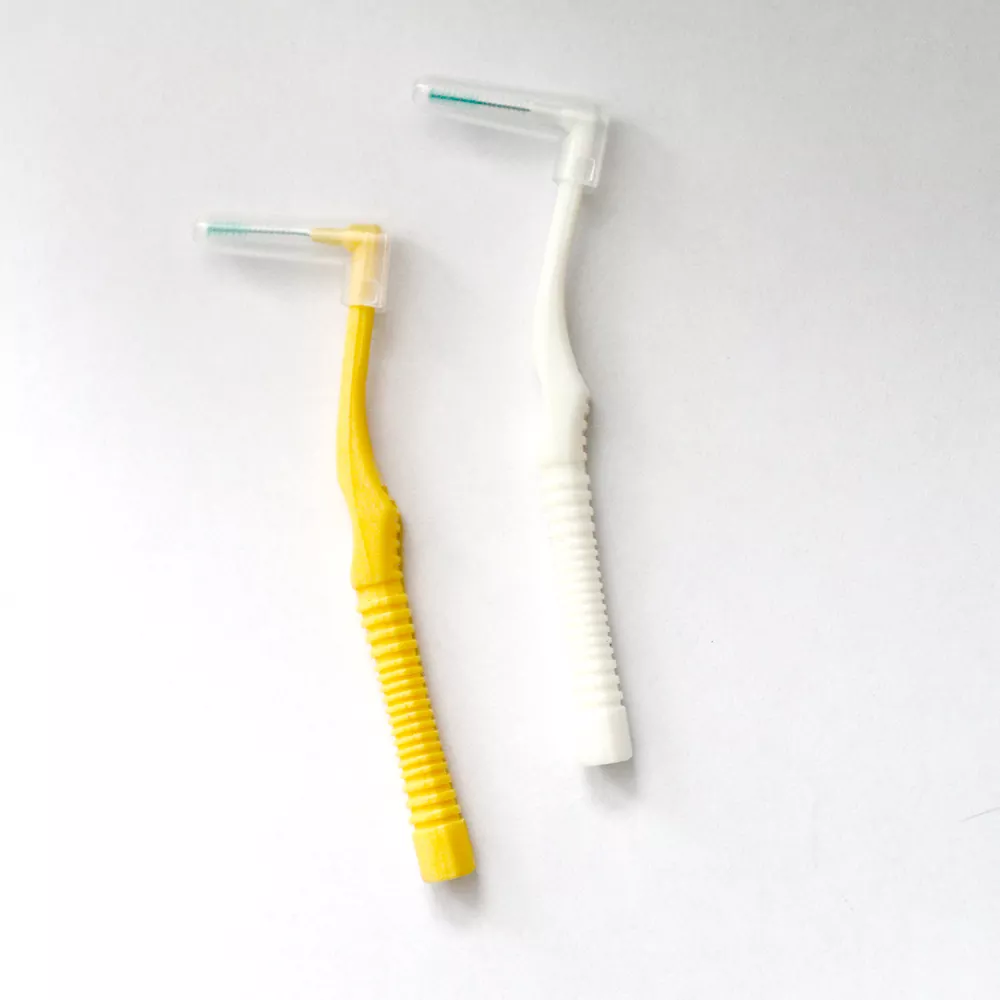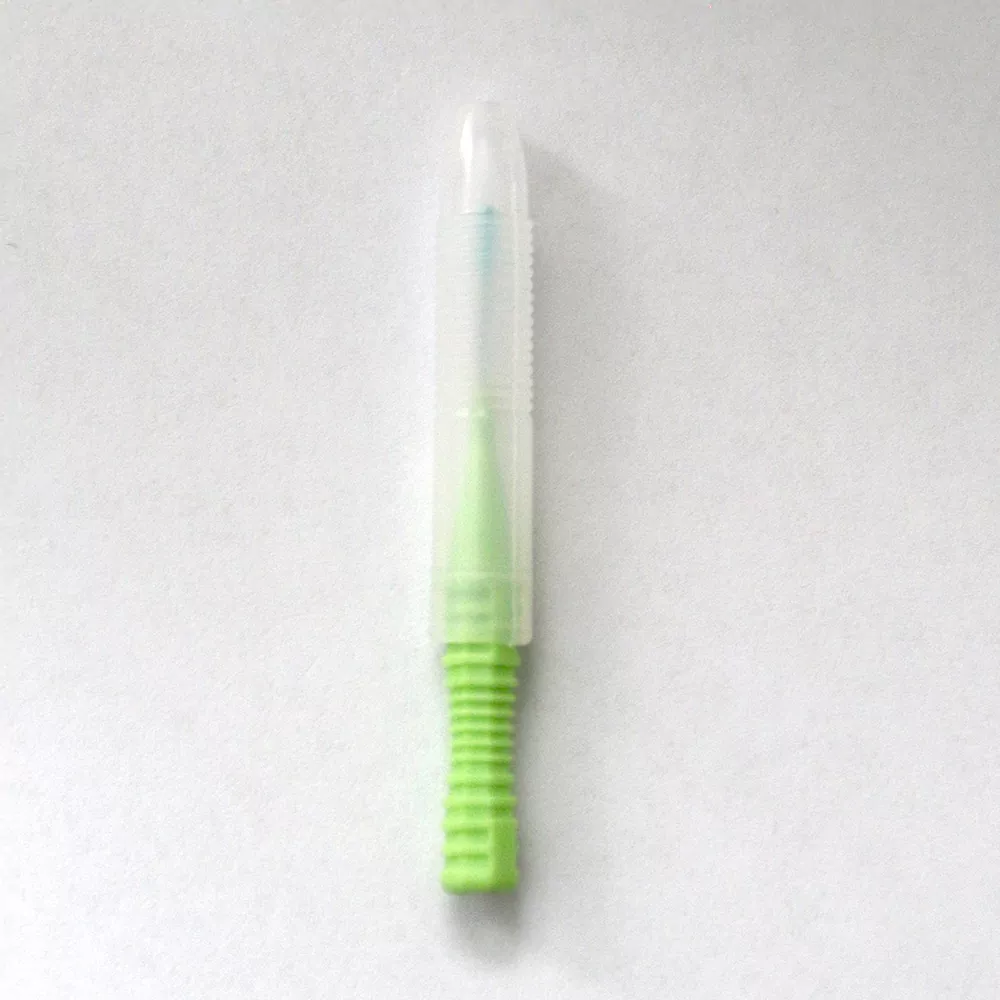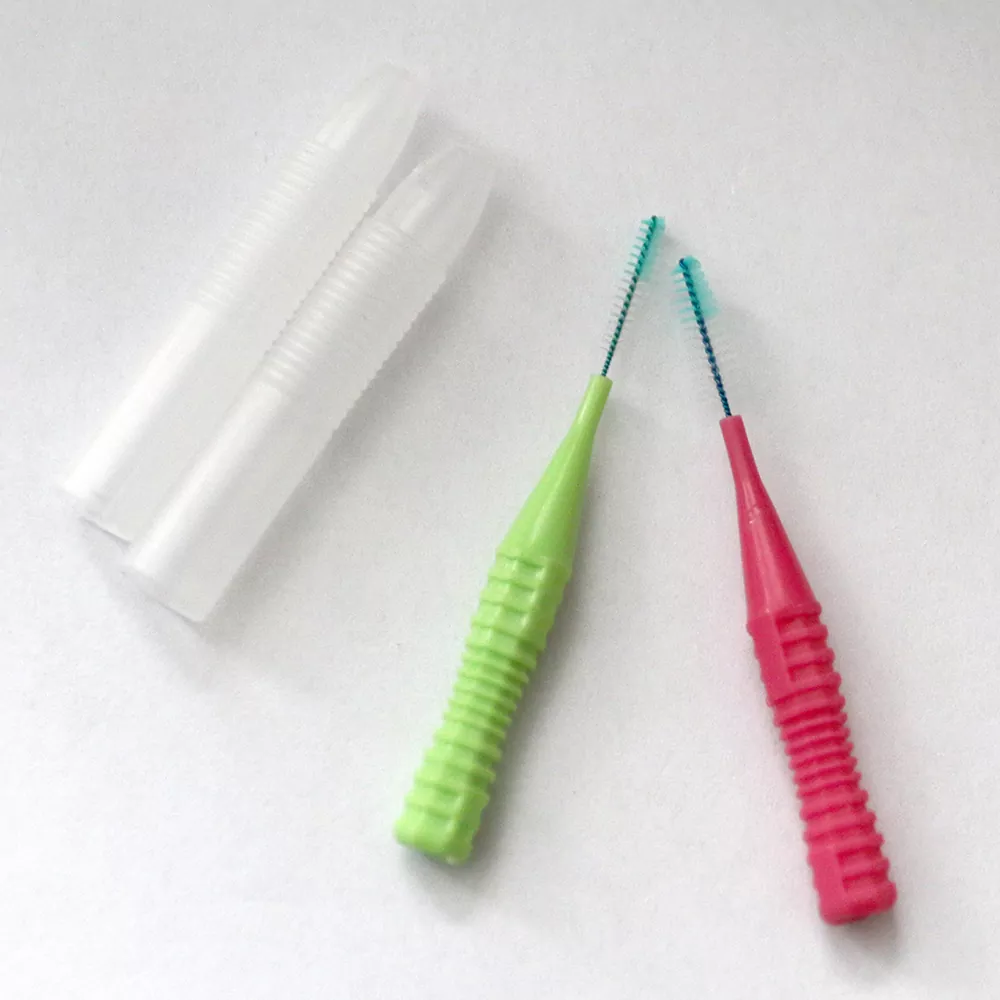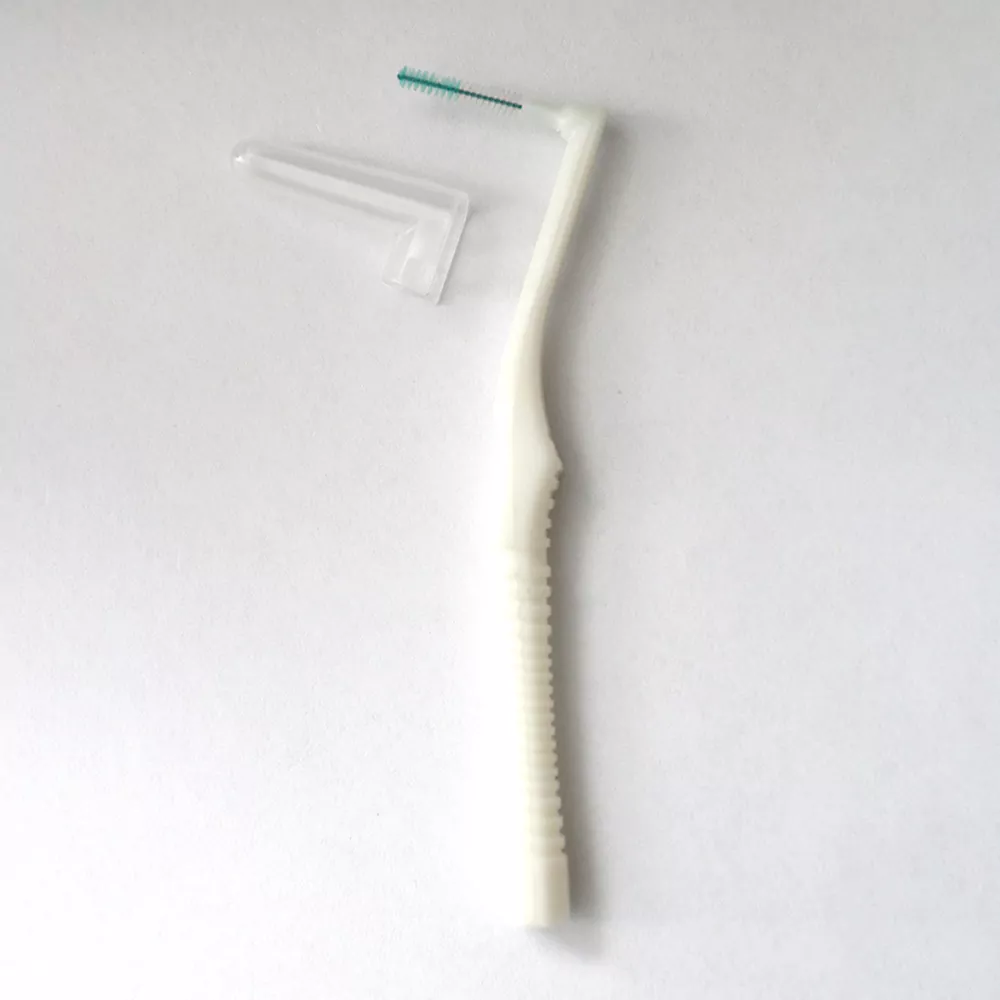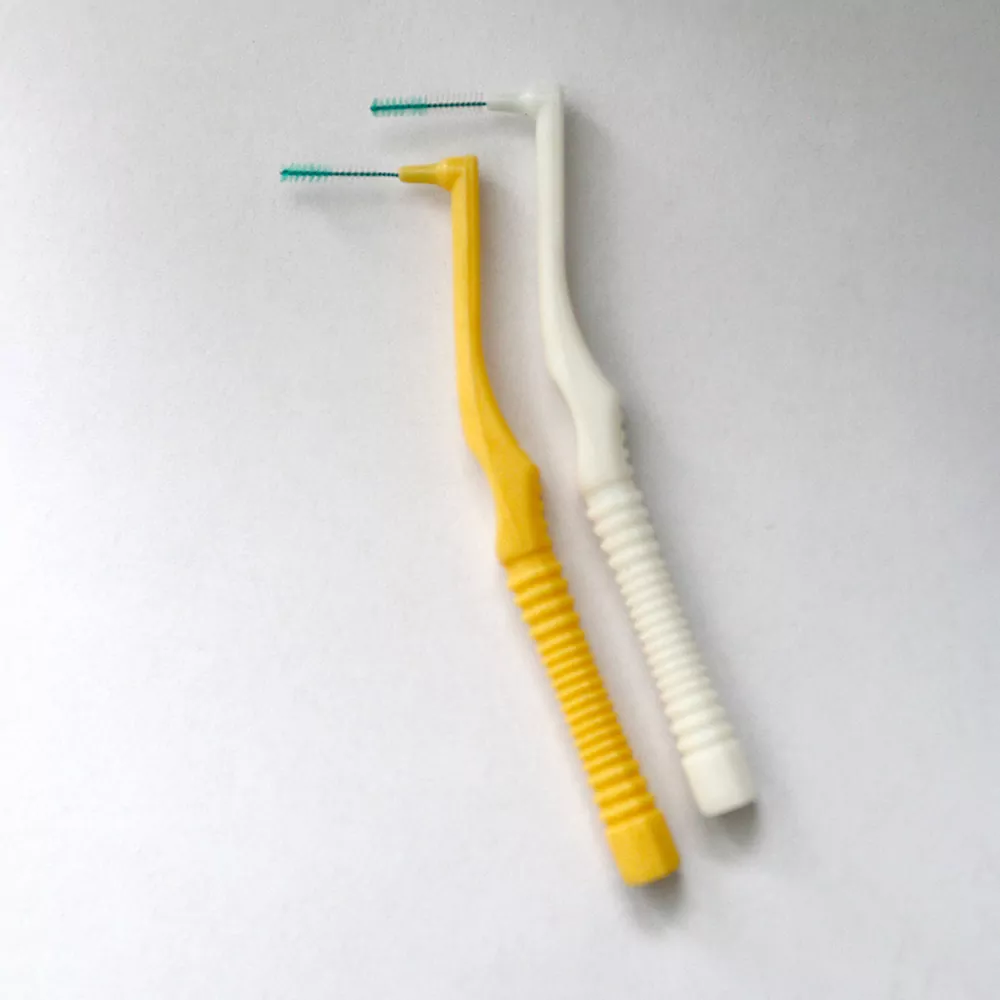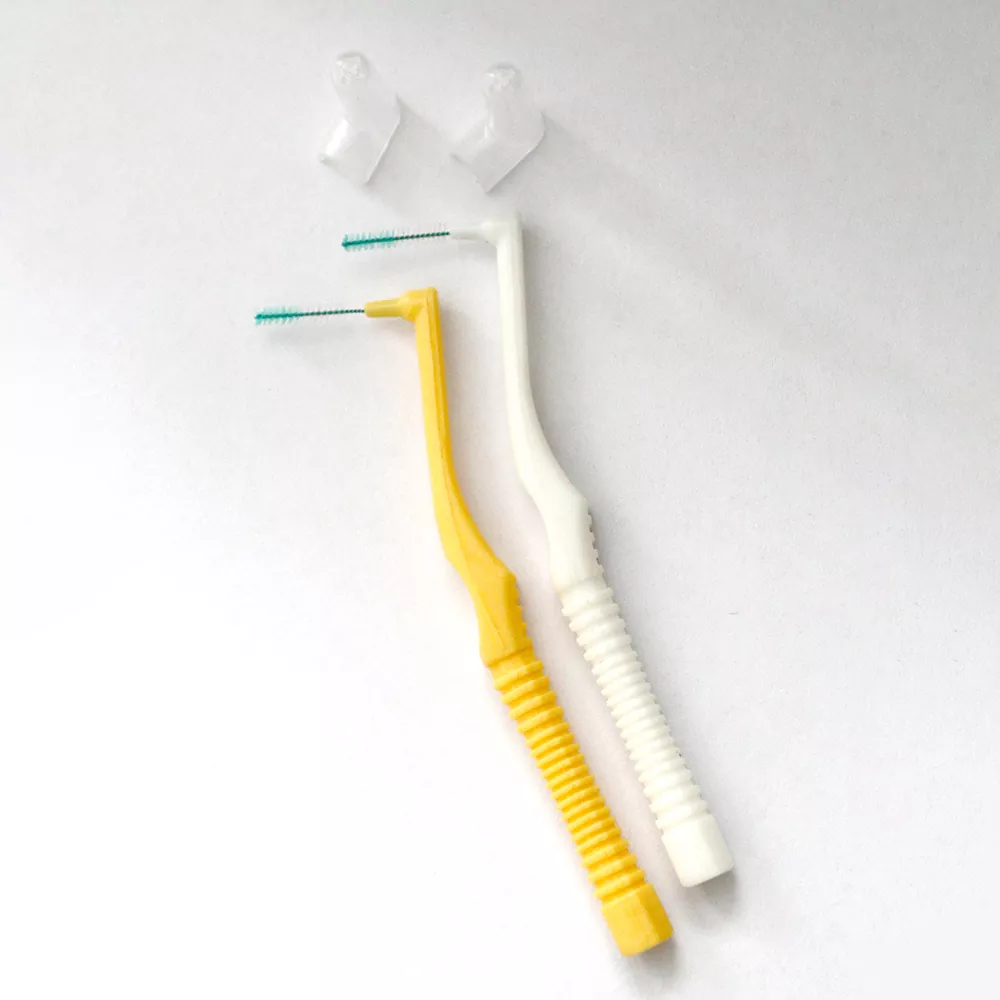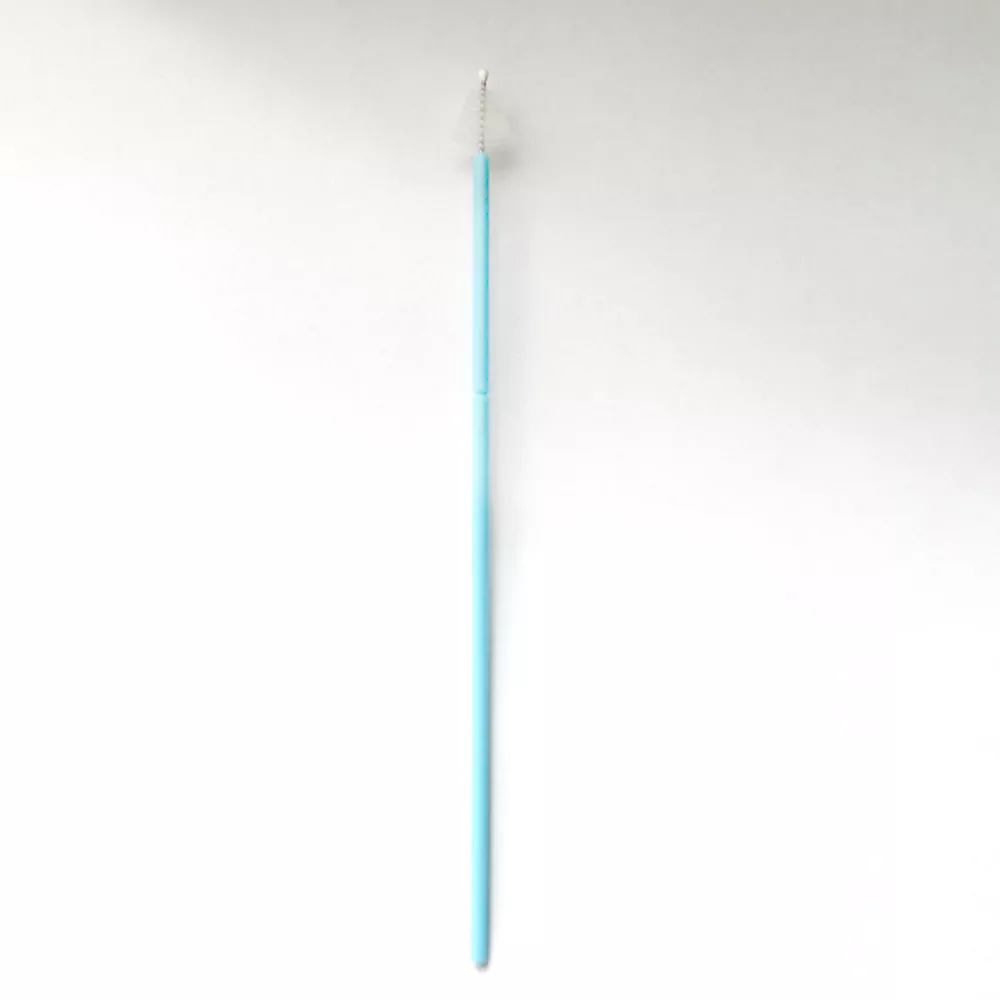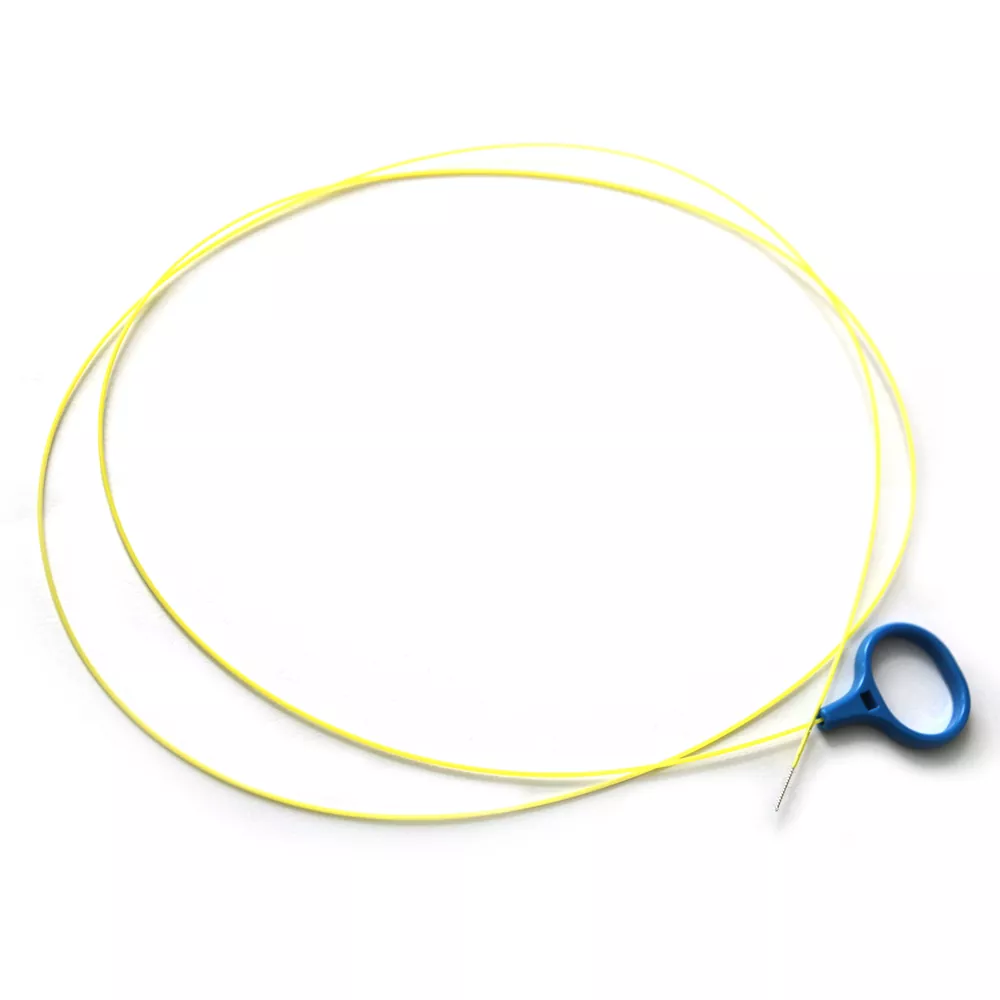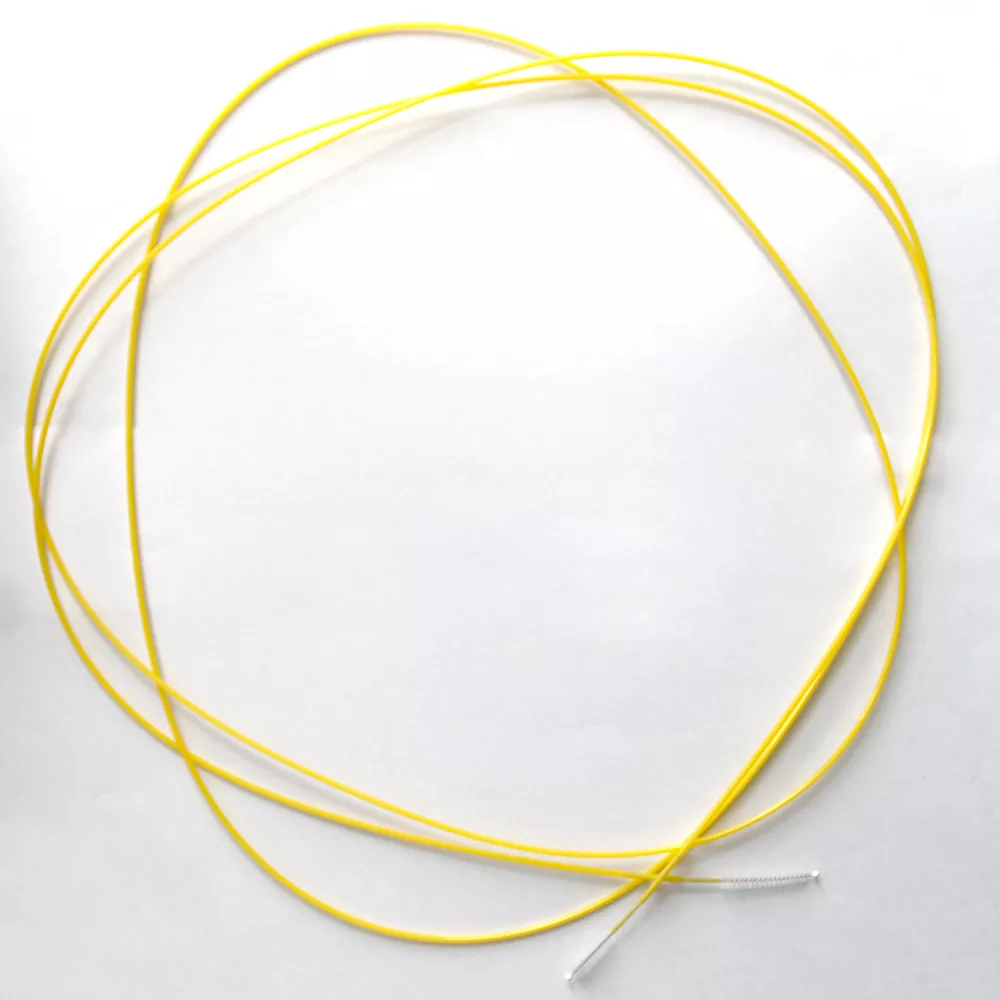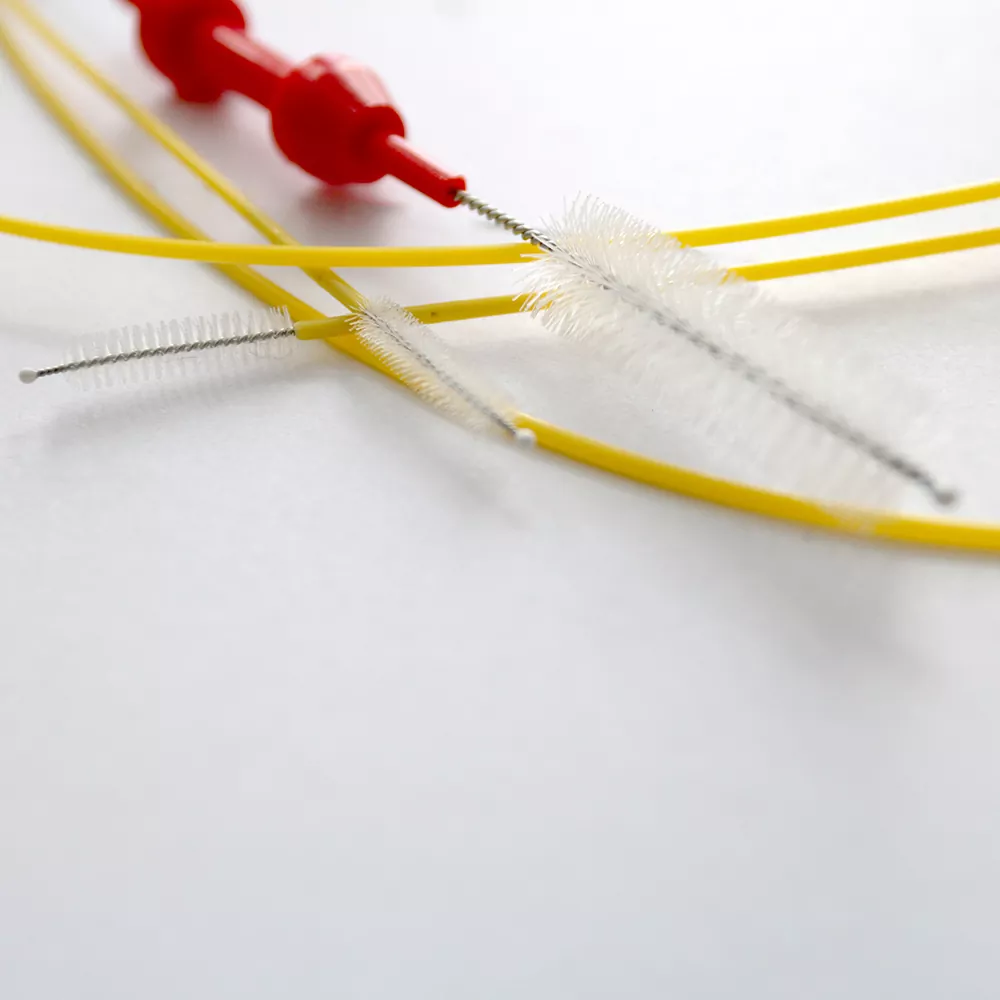
As a professional and reliable manufacturer of medical products, LucentMed offers high-quality disposable interdental brushes featuring soft, medical-grade bristles. Available in a range of sizes to suit various interdental spaces, these brushes can be customized to meet specific needs, and samples are available upon request. Please feel free to contact us at any time.
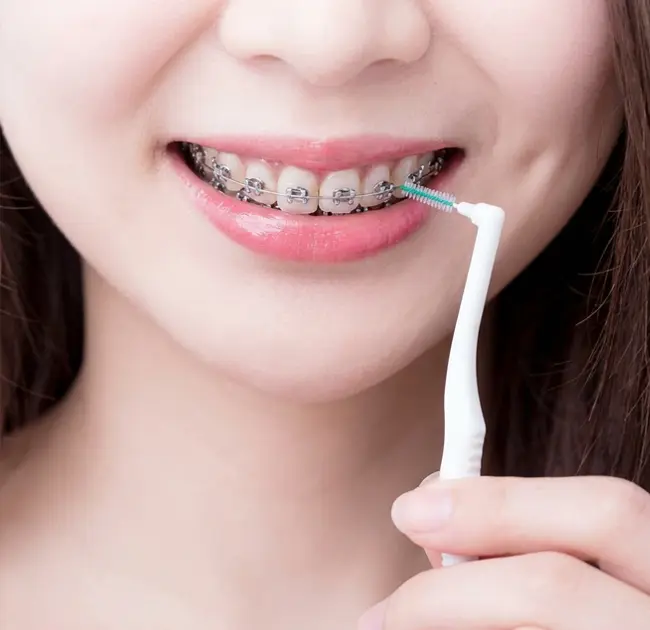
Choosing LucentMed means selecting a reliable manufacturer and supplier of disposable interdental brushes. Designed to clean interdental spaces, gaps around orthodontic brackets, and the gingival sulcus, these brushes feature flexible, medical-grade nylon bristles that effectively remove food debris and plaque without damaging the gums.
The handle features an ergonomic, non-slip design, ensuring ease of use even with wet hands.
Disposable Interdental Brushes vs. Reusable Interdental Brushes: What's the Difference?
Comparison Criteria
Disposable Interdental Brush
Reusable Interdental Brush
Usage Method
Single-use; discard after use
Reusable after cleaning
Hygiene
★★★★★ Fresh brush for every use
★★★★☆ Requires proper cleaning and storage
Cleaning Performance
Consistent performance every time
Performance may gradually decline with repeated use
Maintenance Requirements
No cleaning or maintenance required
Requires cleaning, drying, and periodic replacement
Ease of Use
Convenient for outings and travel
Better suited for daily home use
Suitable Scenarios
Suitable for medical facilities, travel, office use, and daily care
Long-term home care
What Do Disposable Interdental Brushes Primarily Clean?
1. Hard-to-reach areas for orthodontic patients
✔ Tooth surfaces beneath the archwire: Standard toothbrush bristles are obstructed by metal archwires, whereas interdental brushes can pass underneath to clean the gap between the wire and the tooth.
✔ Sides of brackets: Precisely clean the areas immediately adjacent to bracket edges where soft debris and food particles (like vegetable leaves) tend to accumulate.
✔ Around orthodontic bands and attachments: Remove food residue from around the various small metal components of the braces.
2. Areas behind back teeth and between teeth
✔ Interdental spaces: While standard toothbrushes struggle to reach deep between teeth, interdental brushes can be inserted horizontally to remove plaque from the adjacent tooth surfaces.
✔ Back surfaces of the rearmost molars: Standard toothbrush heads are often too large to reach the back of the innermost molars; slender interdental brushes can bend flexibly to access and clean these areas.
3. Areas around specialized dental restorations
✔ Around dental implants: Soft-bristled disposable interdental brushes gently clean around implant abutments, helping to prevent peri-implantitis.
✔ Beneath fixed splinted crowns or porcelain bridges: Standard dental floss cannot pass beneath splinted crowns; interdental brushes can be inserted from the side to clean the space underneath the restoration.
4. Types of debris primarily removed
Tiny food particles: Fibrous foods—such as meat strands, vegetable leaves, and strawberry seeds—that easily get stuck between teeth or in braces.
Soft debris and dental plaque: A transparent or yellowish film composed of bacteria that adheres to adjacent tooth surfaces and areas around brackets.
Mechanical brushing is the most effective method for disrupting dental plaque, preventing cavities and periodontitis at the source.
How to Use Disposable Interdental Brushes Correctly?
1. Lightly moisten the disposable interdental brush with clean water or mouthwash.
2. Align the brush head with the interdental space or the gap beneath the orthodontic bracket, ensuring the brush head is parallel to the direction of the space.
3. Slowly and gently insert the brush head into the interdental space or beneath the bracket. Do not force it in, as this may damage the gums or deform the brush head.
If you encounter excessive resistance, the brush size is likely too large; switch to a smaller size.
4. Once the brush head is fully inserted, move it back and forth 3–5 times with a stroke length of approximately 0.5–1 cm.
You may gently rotate the handle to ensure the bristles make full contact with the sides of the teeth and all surfaces within the gingival sulcus.
This action dislodges trapped food debris, soft deposits, and plaque.
5. Carefully withdraw the brush head, maintaining the same alignment with the interdental space.
Inspect the brush head for removed debris to verify the cleaning result.
6. Use a different part of the brush head for each interdental space, or rinse the brush head with clean water between uses to prevent cross-contamination.
It is recommended to clean the spaces sequentially, moving from the molars on one side to the other.
7. LucentMed interdental brushes are single-use products; discard them immediately after use. Do not reuse them.
Used brush heads may harbor bacteria, and reusing them increases the risk of infection.
FAQ
Q1: Can interdental brushes be used to clean dental implants and bridges? Will they damage the restorations?
A: Yes. LucentMed interdental brushes feature medical-grade, ultra-soft nylon bristles that will not scratch the surfaces of restorations such as implant crowns, porcelain-fused-to-metal crowns, or all-ceramic crowns.
Q2: Will the wire core of the brush head break? What should I do if it breaks?
A: Our products use high-quality stainless steel wire coated with food-grade plastic; under normal use, the wire will not break. However, excessive force may cause the wire to break due to metal fatigue.
Do not attempt to remove a broken wire yourself using hard objects like needles or toothpicks; seek professional dental care immediately.
Q3: Why shouldn't interdental brushes be reused?
A: Used interdental brushes retain plaque and food debris on their bristles. Even after rinsing, bacteria cannot be completely eliminated; reusing the brush may transfer bacteria to other interdental spaces, increasing the risk of infection.
Q4: What are the benefits of the disposable design?
A: LucentMed disposable interdental brushes come in individually sealed packaging—ready for immediate, hygienic use. This design prevents cross-contamination at the source, making them particularly suitable for individuals requiring high standards of infection control, such as those undergoing orthodontic treatment or implant procedures, or those with periodontal disease.
We use cookies to offer you a better browsing experience, analyze site traffic and personalize content. By using this site, you agree to our use of cookies.Privacy Policy