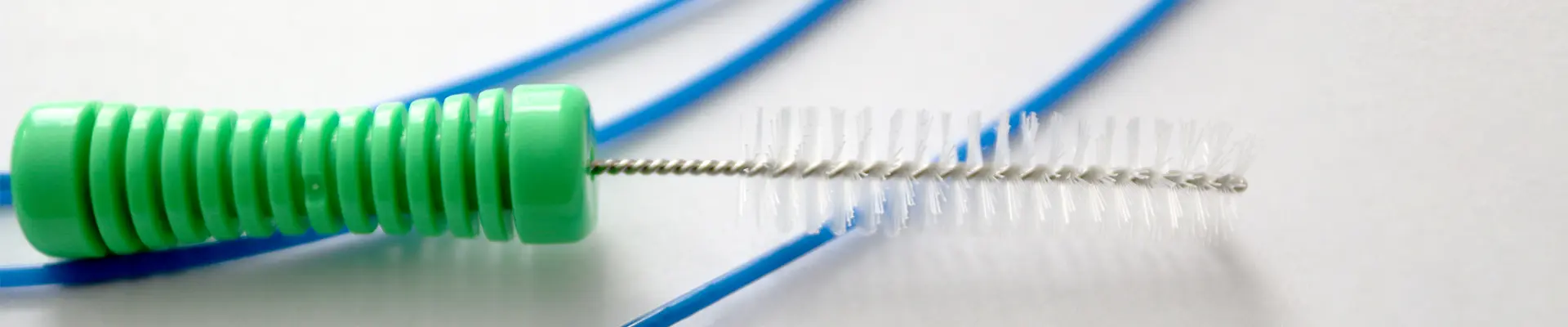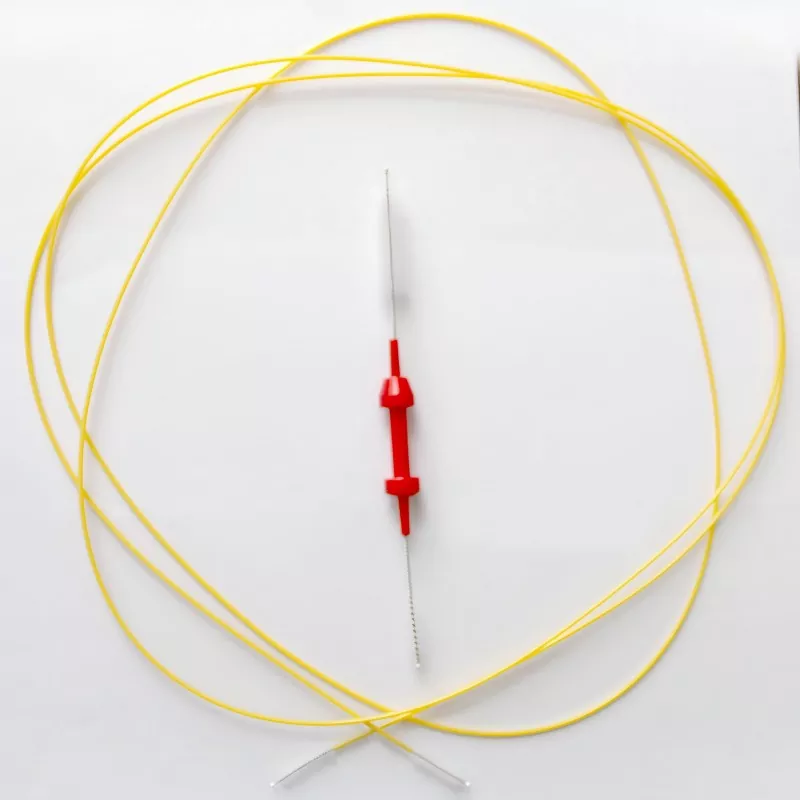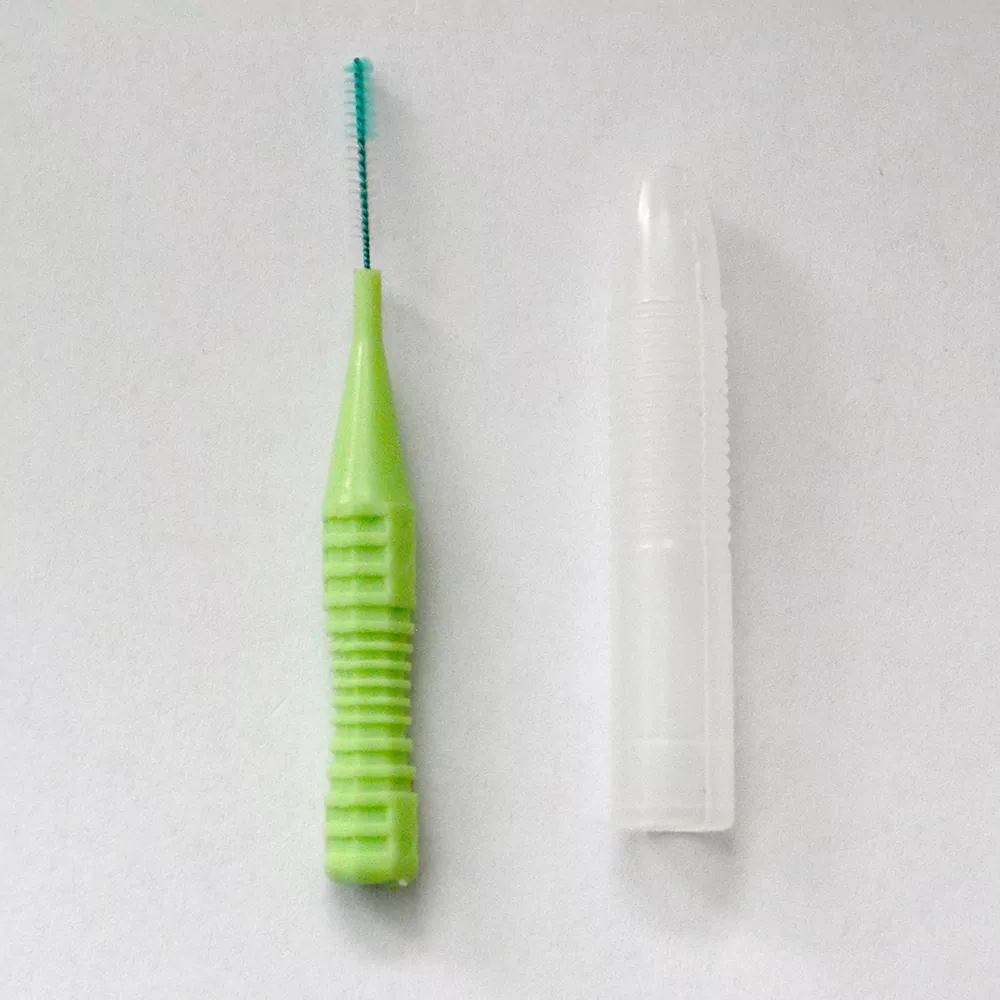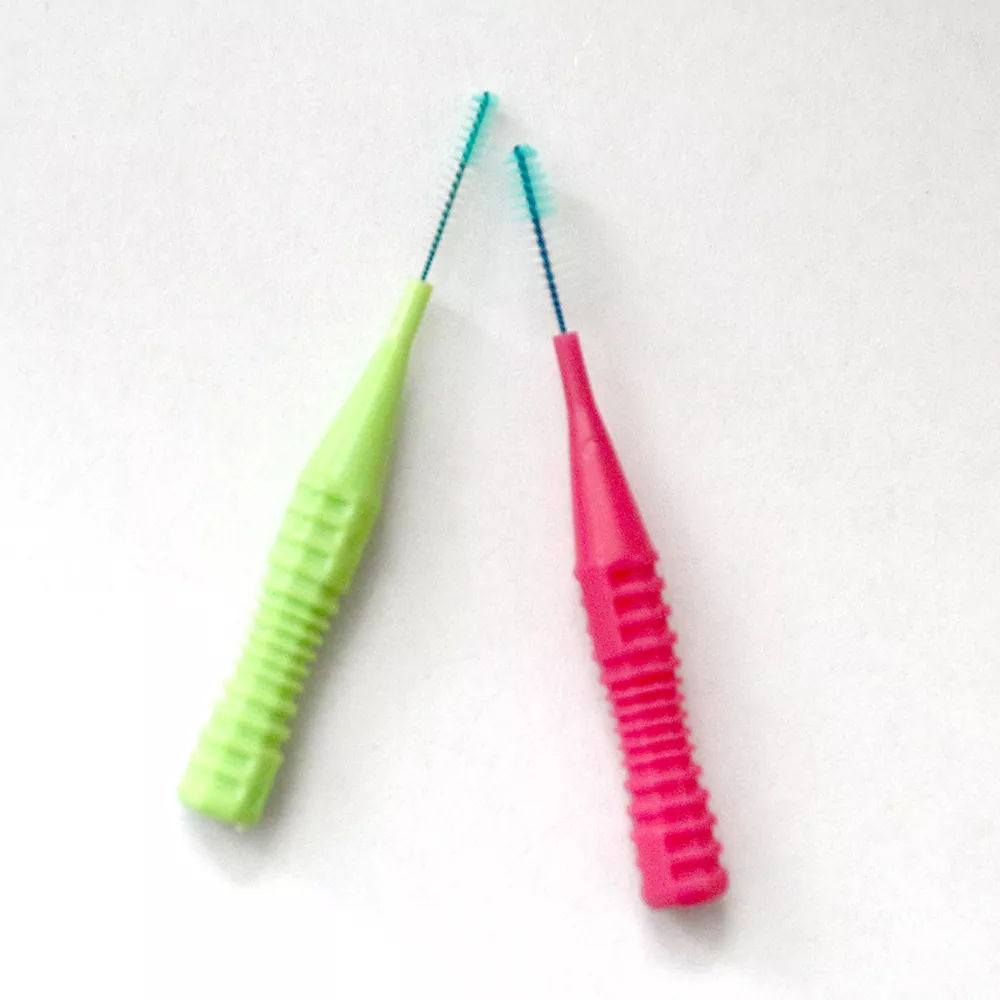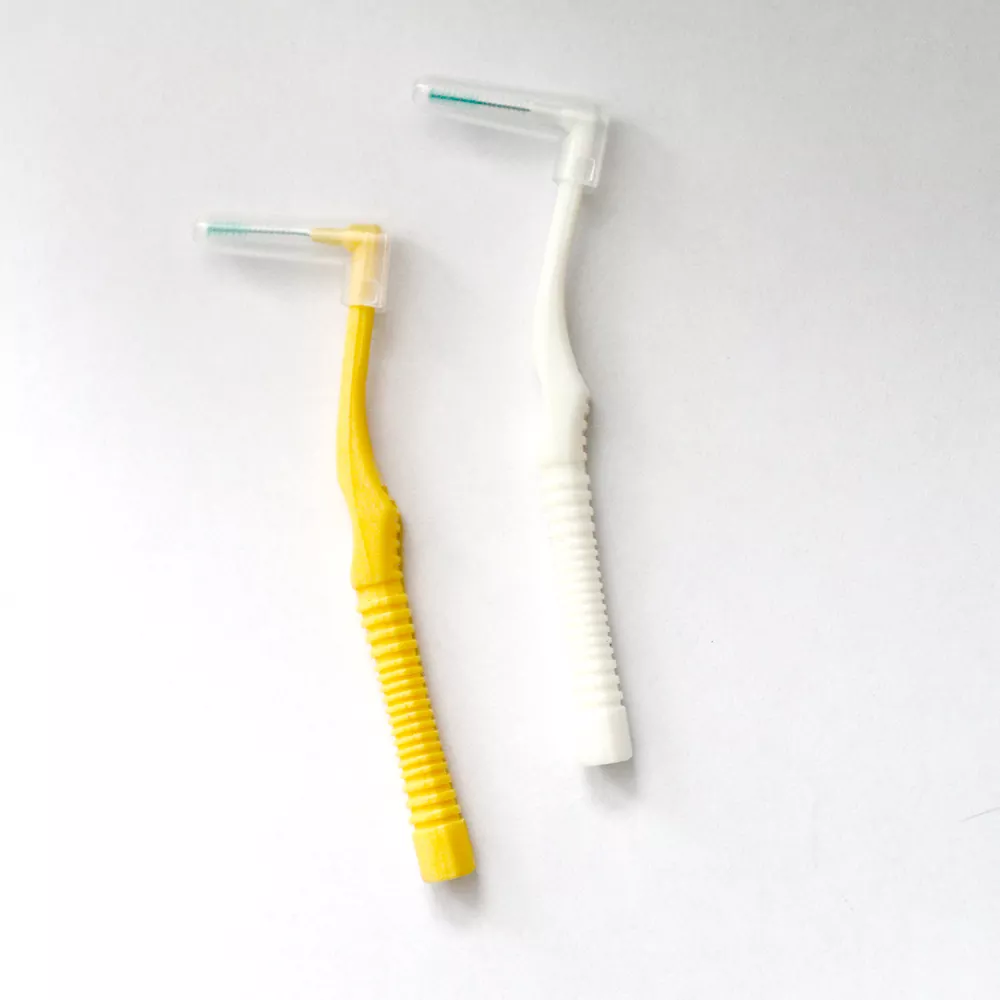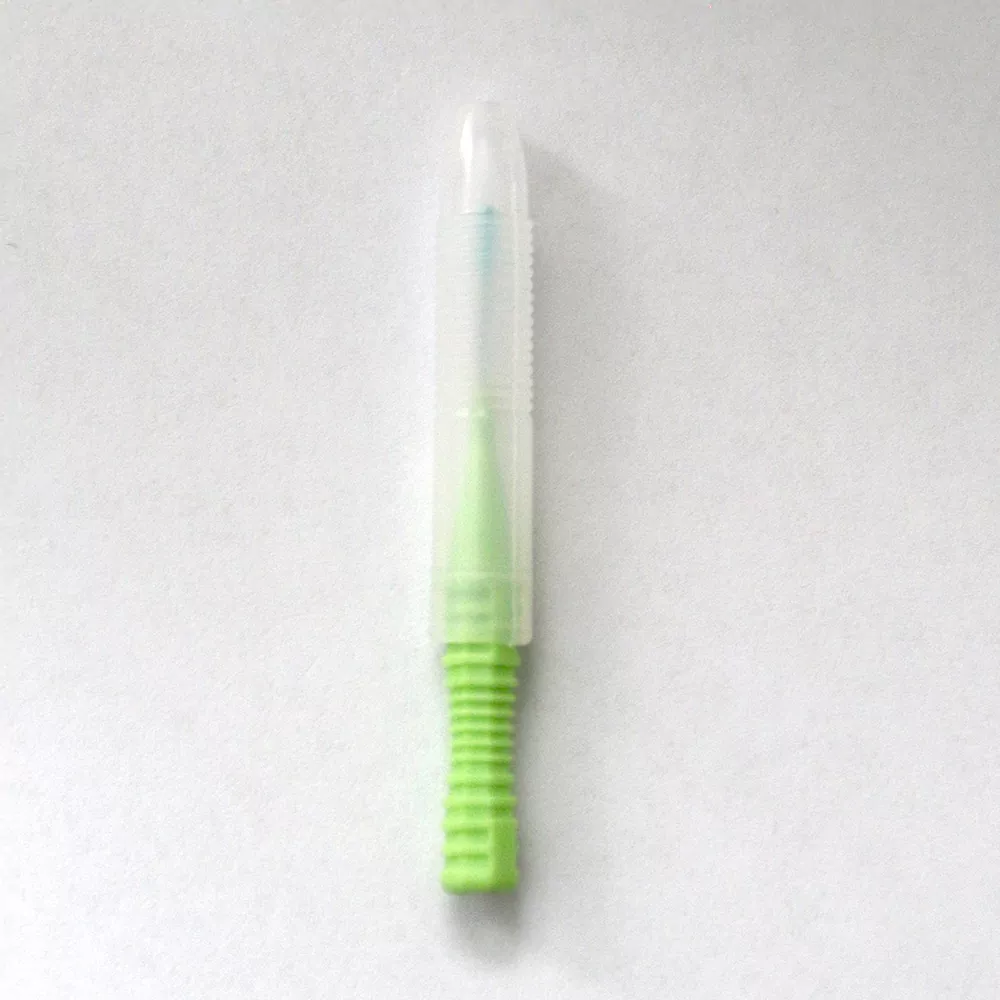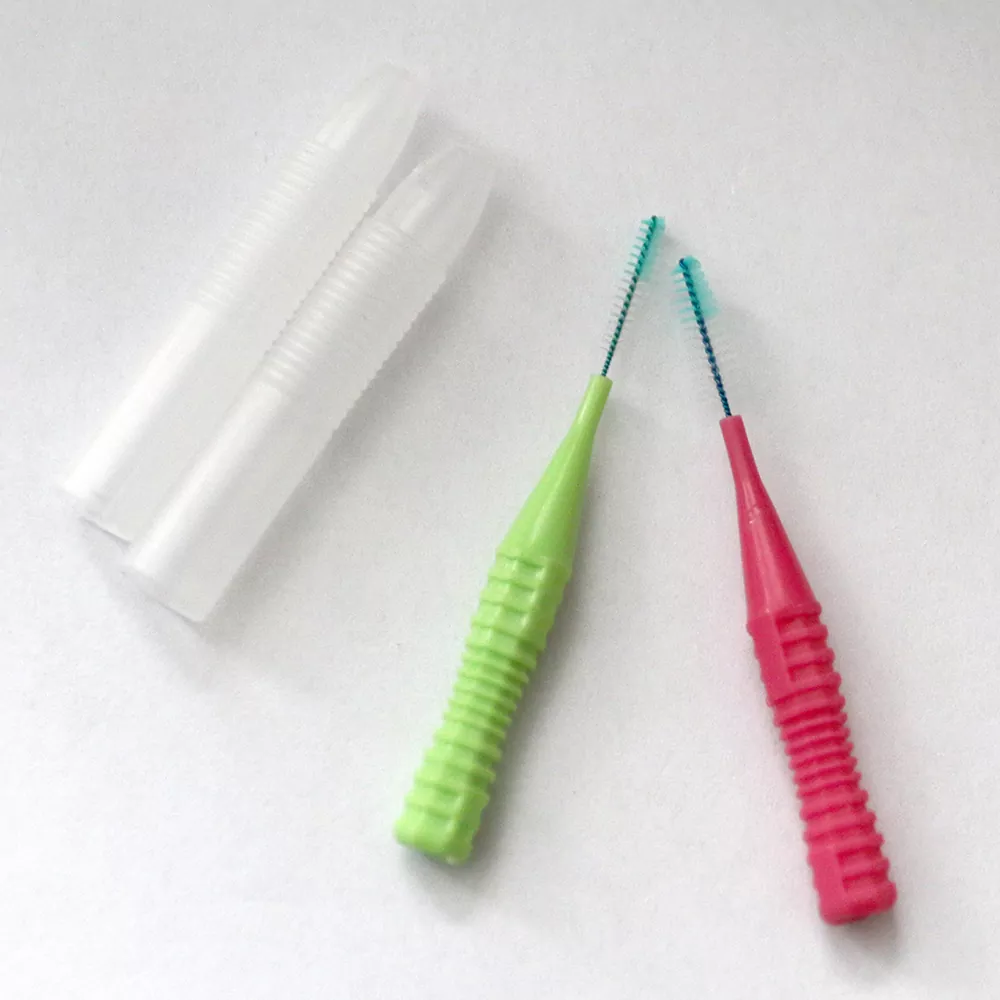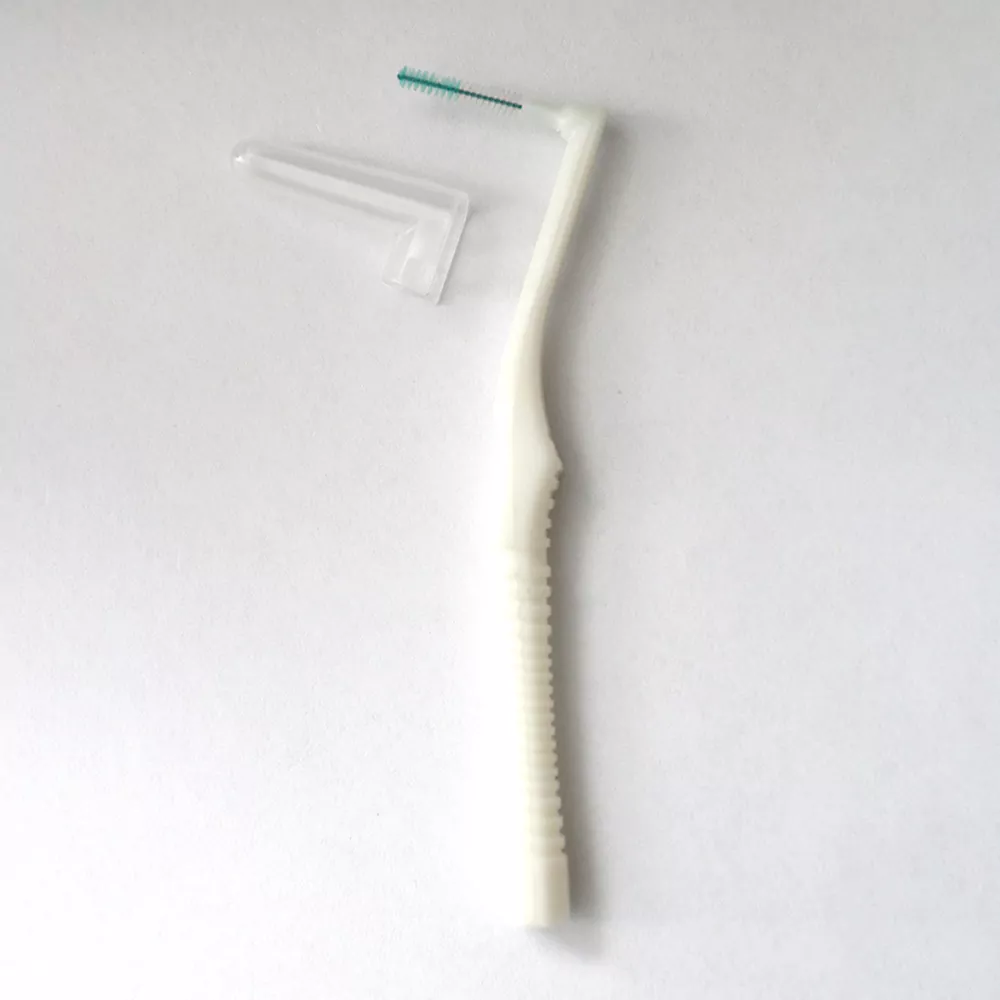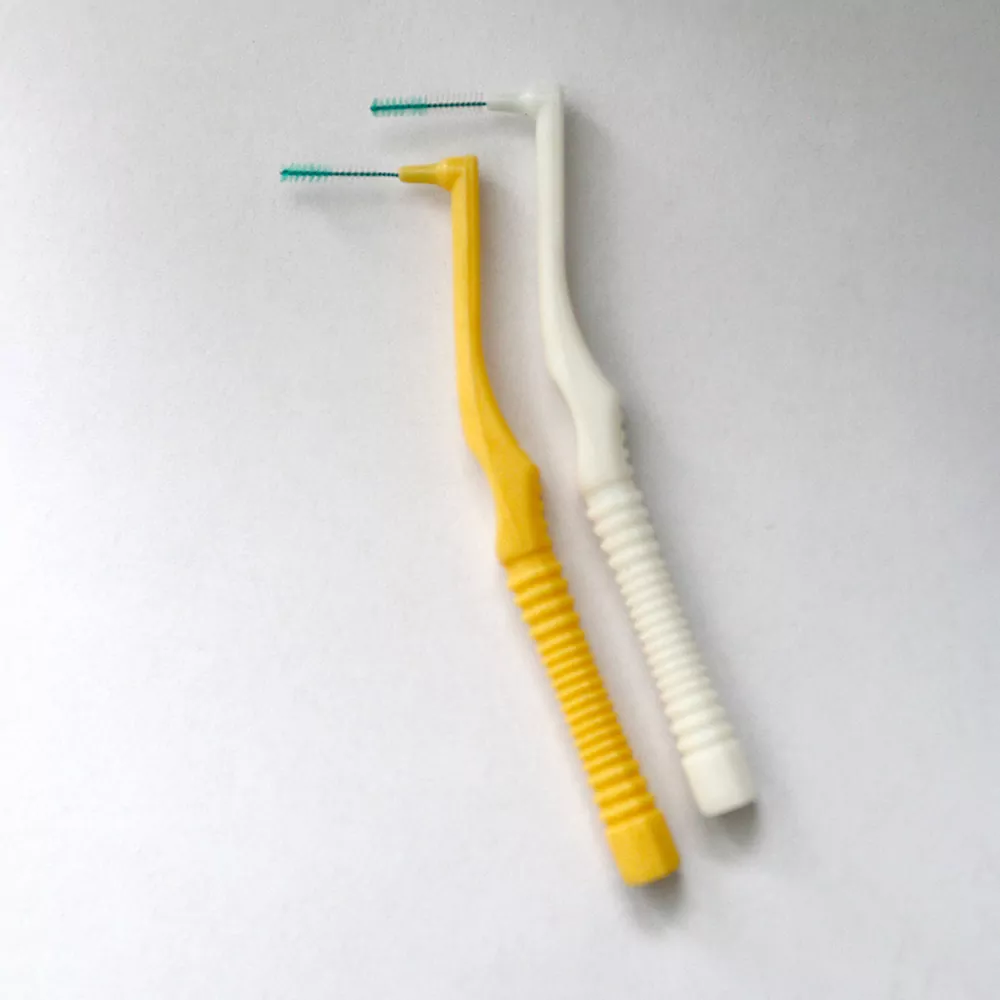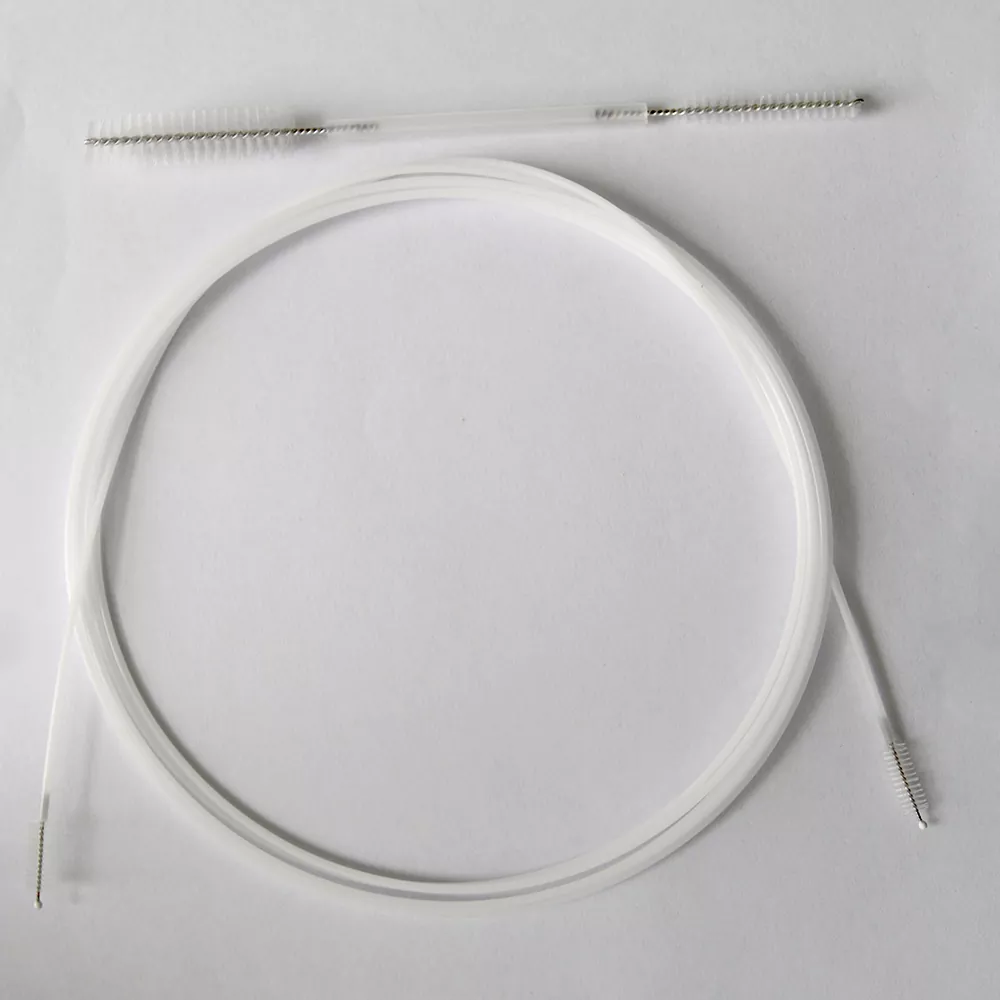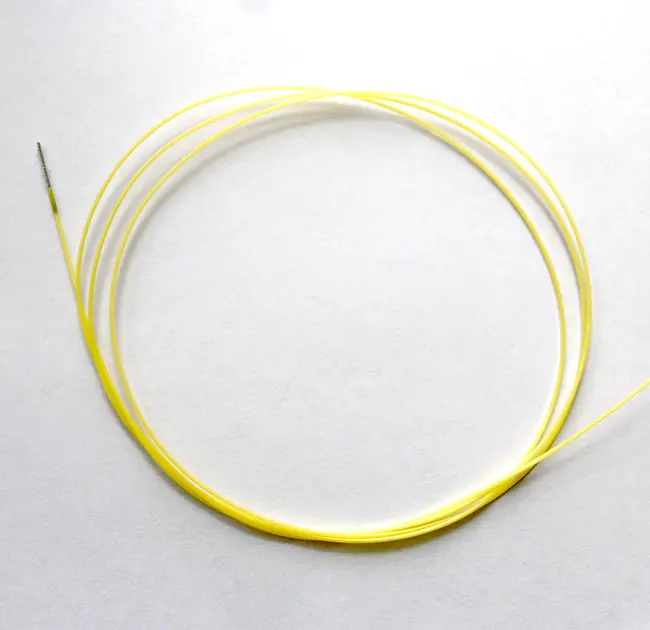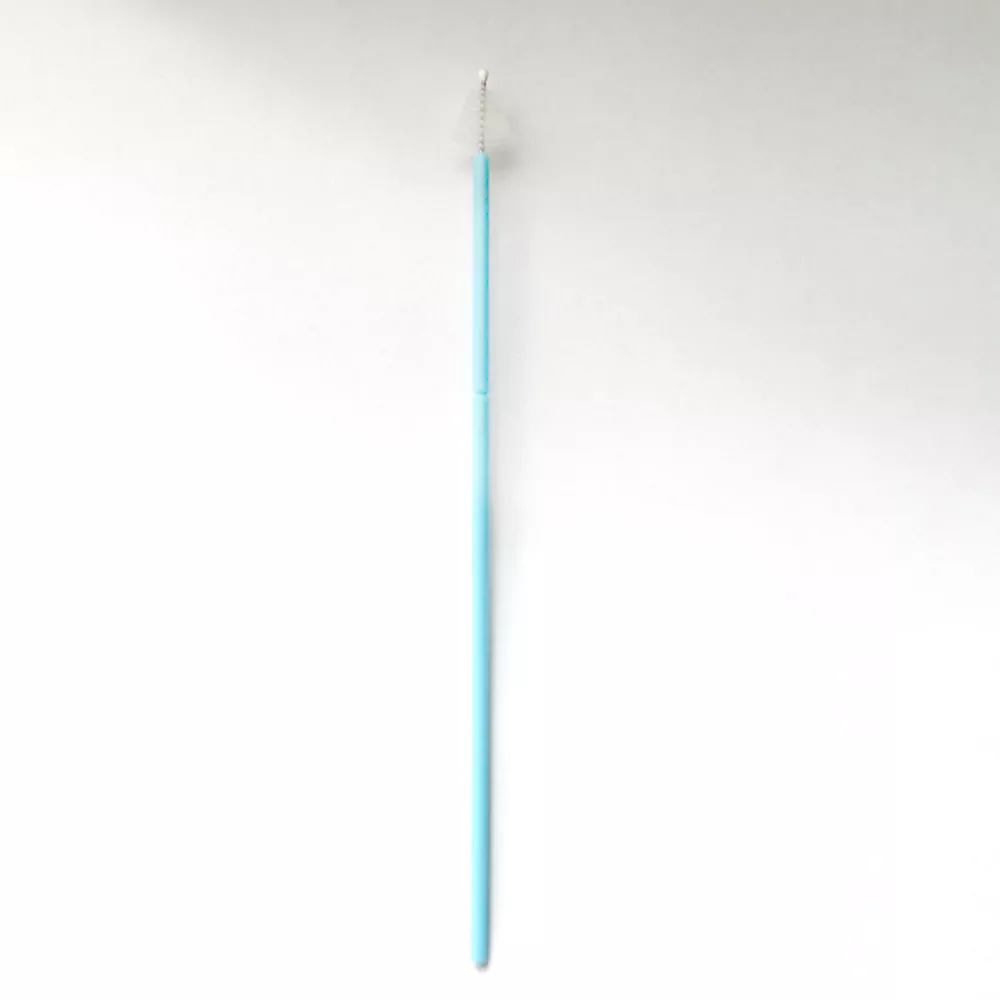
The Interdental Cleaner is one of the products offered by LucentMed. As the direct manufacturer, we support customization and provide samples. These cleaners feature ultra-fine nylon bristles and an ergonomically designed handle for a comfortable grip; they deliver superior cleaning power through direct physical contact, with various sizes available to suit different user needs.
LucentMed is a reliable manufacturer and supplier of interdental cleaners, backed by a 30-person quality inspection team that ensures product quality and batch-to-batch consistency.
Our interdental brushes are available in various sizes to accommodate everything from the tight spaces between front teeth to the wider gaps in the posterior molar region; they are easy to use and offered in both disposable and reusable options to meet specific needs.
Interdental Brushes vs. Toothbrushes vs. Dental Floss vs. Water Flossers: Product Comparison
Comparison Criteria
Toothbrush
Dental Floss
Interdental Brush
Water Flosser
Core Positioning
Basic cleaning tool
Tool for cleaning tight interdental spaces
Tool for deep interdental cleaning (key supplement)
Supplementary rinsing tool
Target Area
Tooth surfaces, gumline
Contact surfaces in tight interdental spaces
Interdental spaces, brackets, hard-to-reach areas
Interdental spaces, gingival sulcus
Cleaning Method
Mechanical brushing
Linear scraping action
Physical scrubbing/brushing
Water jet action
Reaches Between Teeth
❌ No
✔ Suitable (for very narrow gaps)
✔✔ (Medium to large gaps)
✔ (Relies on water flow)
Cleaning Intensity
Medium
Medium to high (scraping action)
⭐⭐⭐⭐⭐ (Superior physical cleaning)
Low to medium
Acts as a Substitute Tool
No
No
No
No
Suitable for Gap Types
Does not address interdental spaces
Very narrow gaps
Medium to large gaps
All interdental spaces (supplementary)
Suitable for Orthodontics (Braces)
✔ Basic
✔ Difficult in some areas
✔✔✔ Essential
✔ Supplementary
Implants/Bridges
✔
✔ Targeted areas
✔✔✔ Recommended
✔ Supplementary
Sensitive Gums
✔
✔ (Requires gentle handling)
✔ (Requires small size)
✔✔ Gentlest
Ease of Use
Low
Medium
Medium
Low
Cleaning Efficiency
Medium
Medium to high
⭐⭐⭐⭐⭐
Medium
Can Replace Toothbrush
❌
❌
❌
❌
Key Summary:
● Toothbrush → Surface cleaning (basic)
● Dental floss → Very narrow gaps
● Interdental brush → Deep cleaning between teeth (core)
● Water flosser → Supplementary rinsing
Usage Precautions
1. Do not force it in
Inserting the Interdental Cleaner into the gap between teeth or beneath orthodontic archwires should be smooth and gentle.
If you encounter significant resistance, the gap is likely too small; do not force the brush forward, as this can compress and damage the gums.
2. Choose the right size
Have at least two sizes of interdental brushes ready: use an ultra-fine size (e.g., 0.6mm) for the front teeth, and a slightly thicker size for the back teeth or around orthodontic brackets.
3. Proper technique
Positioning: Stand in front of a mirror and gently slide the brush head into the interdental space, following the edge of the gum papilla.
Back-and-forth motion: Once inserted, move the brush horizontally back and forth 2–3 times. Do not use a sawing motion (up and down) or rotate the brush inside the gap.
Bending for access: When cleaning back teeth, you can gently bend the wire neck of the brush into an L-shape; this makes the handle easier to hold and allows for better access to the back of the mouth.
4. Understanding bleeding
Initial bleeding: You may experience gum bleeding during the first use or the first few days, often due to a lack of prior cleaning in those areas. This is normal.
What to expect: With consistent, gentle cleaning over 3–5 days, plaque is removed and gum inflammation subsides, causing the bleeding to stop on its own.
If heavy bleeding persists for more than a week and is accompanied by severe pain, stop using the brush immediately and consult a dentist.
5. Do not use with regular toothpaste
Interdental brushes should be used dry or dipped in water/mouthwash when cleaning gaps and brackets.
Do not dip them in regular toothpaste; toothpaste contains abrasives that, when rubbed vigorously in a confined space, can wear down the tooth enamel on the adjacent tooth surfaces.
6. Replace promptly
Whether using a reusable or disposable model, discard the brush immediately if the central wire becomes bent or soft, or if the bristles become flattened or matted.
Size Selection Chart
Brush Head Diameter
ISO Reference
Suitable Interdental Space Types
Recommended for
0.4 mm
ISO 0
Ultra-narrow
First-time users / Tight interdental spaces
0.5 mm
ISO 0-1
Very narrow
Adults new to using the product
0.6 mm
ISO 1
Narrow
Basic daily cleaning
0.7 mm
ISO 1-2
Medium
Most users
0.8 mm
ISO 2
Medium-to-wide
Orthodontic patients / Those prone to food impaction
1.0 mm
ISO 3
Relatively wide
Dental implants / Dental bridges
1.2 mm+
ISO 4+
Wide
Those with wider interdental spaces
FAQ
Q1: Will using the LucentMed Interdental Cleaner damage my gums or widen the gaps between my teeth?
A: No, not when used correctly. The bristles feature rounded, smooth tips free of burrs; an appropriately sized interdental brush will not stretch or widen the gaps between teeth.
Q2: What should I do if my gums bleed when using the interdental cleaner for the first time?
A: Mild gum bleeding during the first 1–2 weeks of use—or after a long period without interdental cleaning—is normal. This is typically due to existing gum inflammation rather than damage caused by the brush itself.
Q3: Is the LucentMed Interdental Cleaner suitable for children?
A: Yes, but it should be used under adult supervision. Since children often have narrower interdental spaces, the 0.6mm (extra-fine) size is recommended.
LucentMed offers a 0.6mm size with a slender, soft brush head designed to clean the gaps between teeth, including during the mixed dentition (tooth-changing) stage.
Q4: Can the interdental cleaner be used on dental implants and fixed bridges?
A: Yes. Cleaning dental implants and fixed bridges is challenging due to the spaces between the restoration and adjacent teeth, as well as the curved gaps beneath the bridge pontics—areas that are difficult for standard toothbrushes and oral irrigators to reach.
Hot Tags: Interdental Cleaner, Interdental Brush, Dental Floss Picks
We use cookies to offer you a better browsing experience, analyze site traffic and personalize content. By using this site, you agree to our use of cookies.Privacy Policy