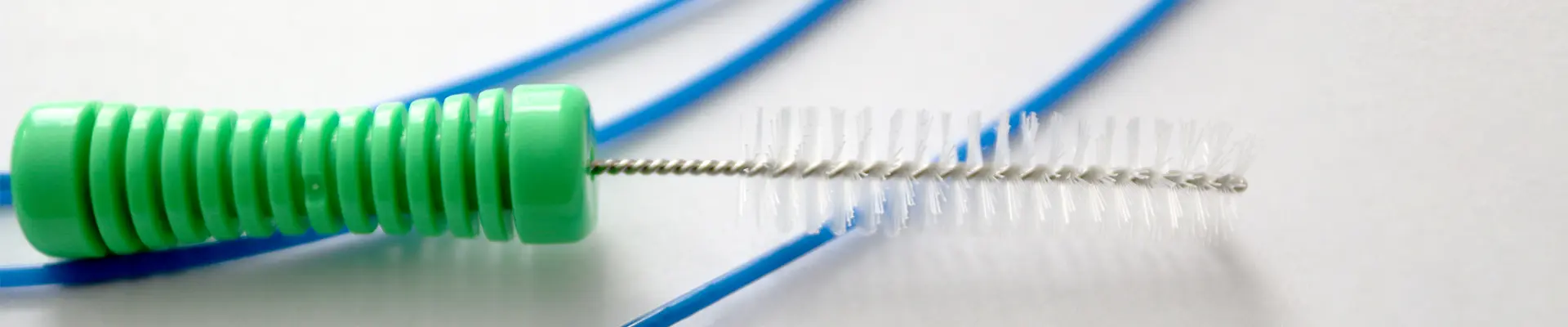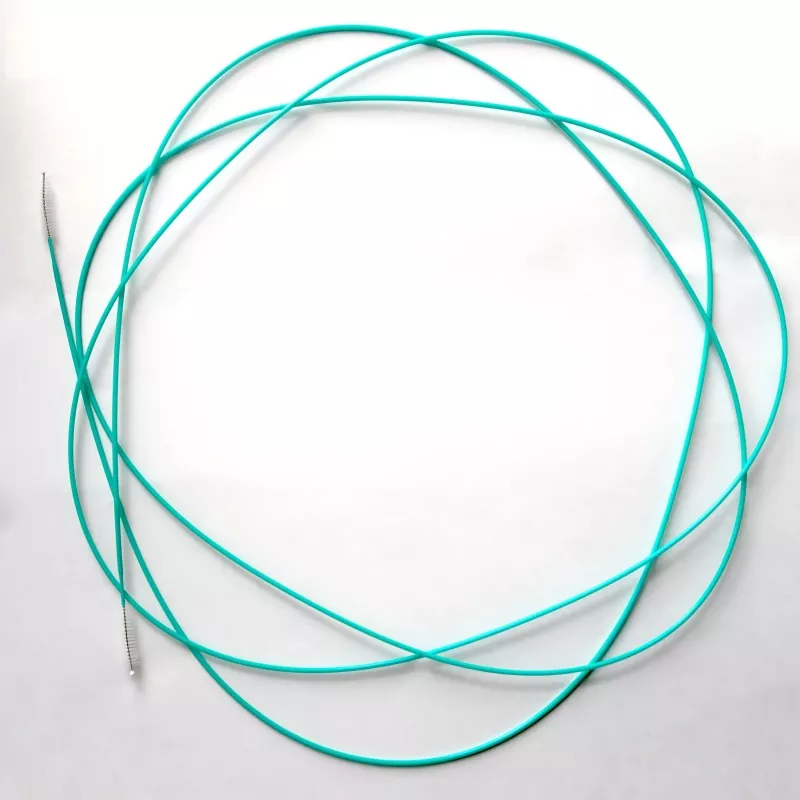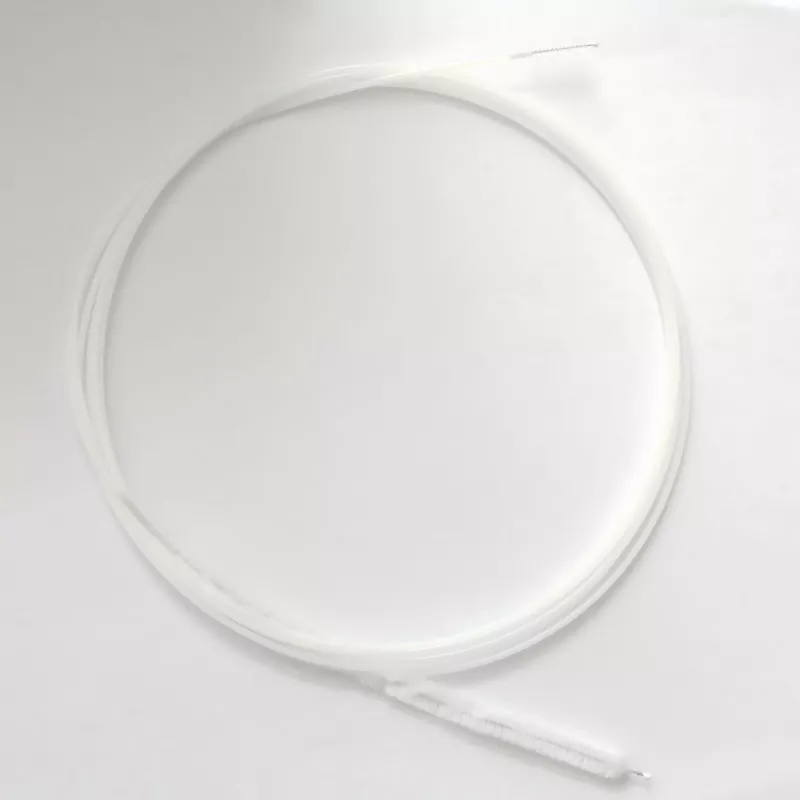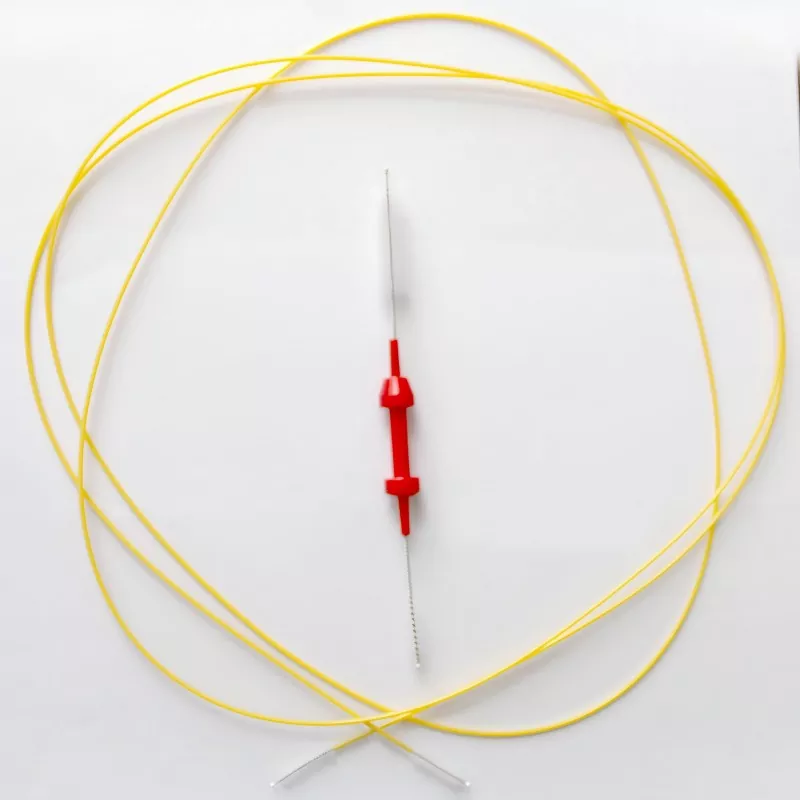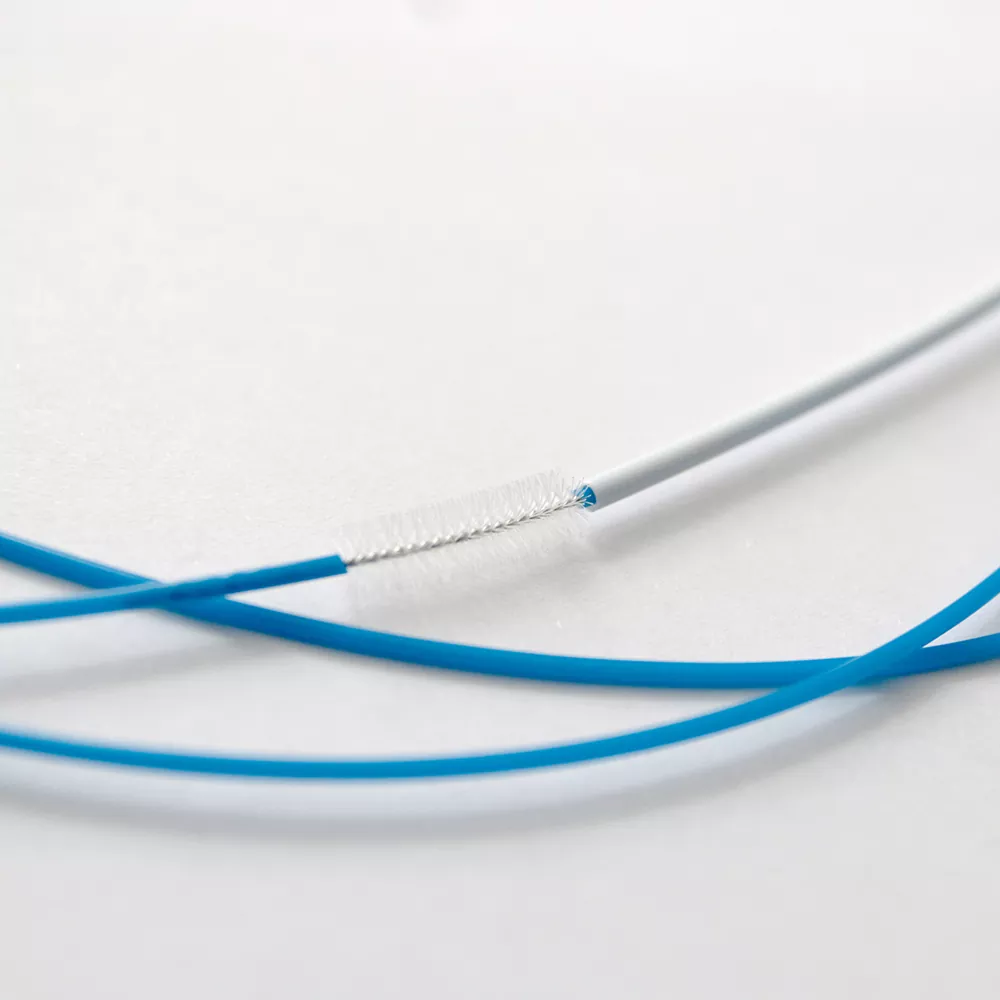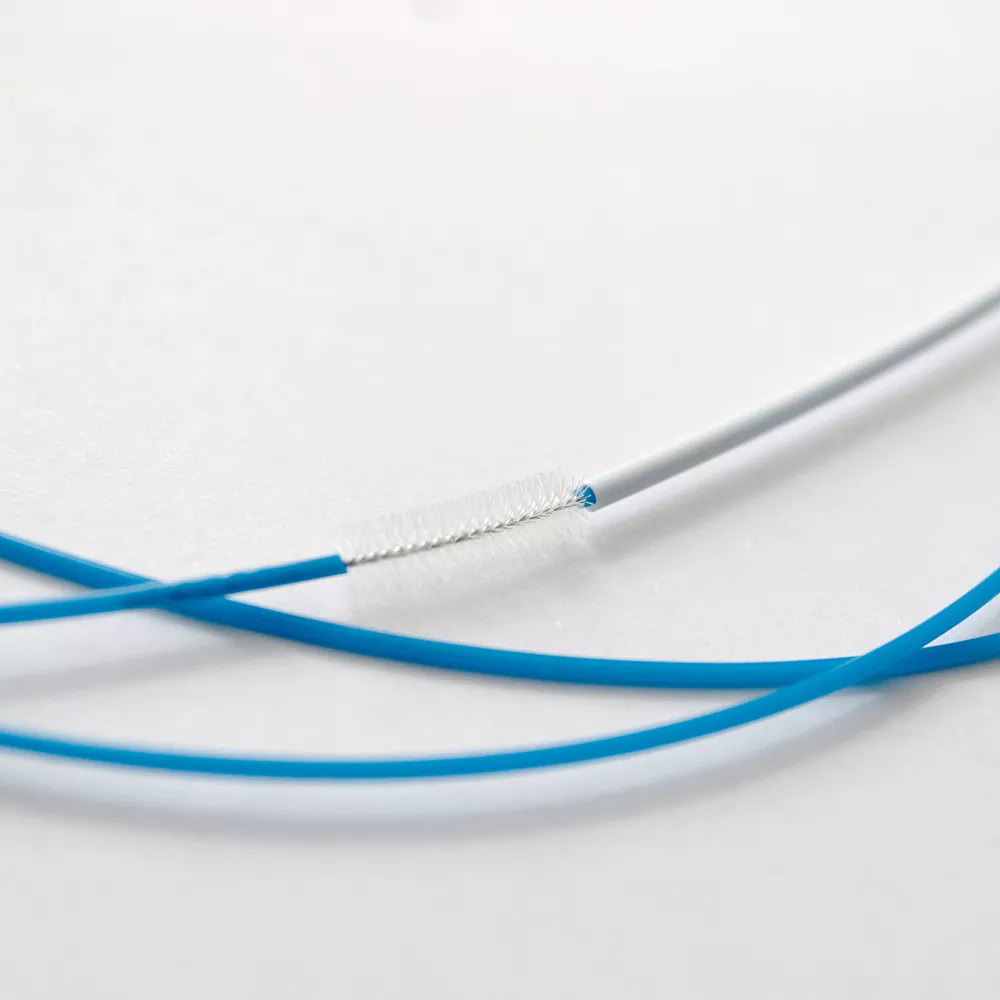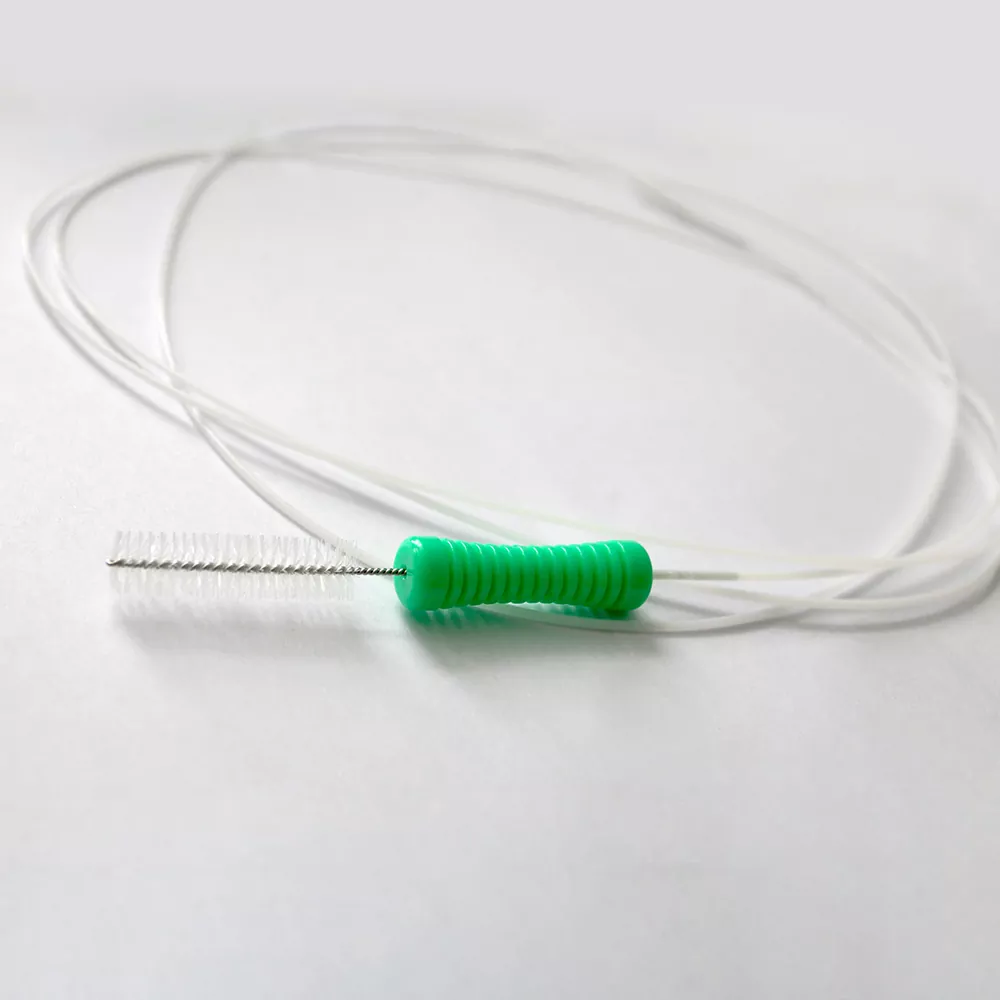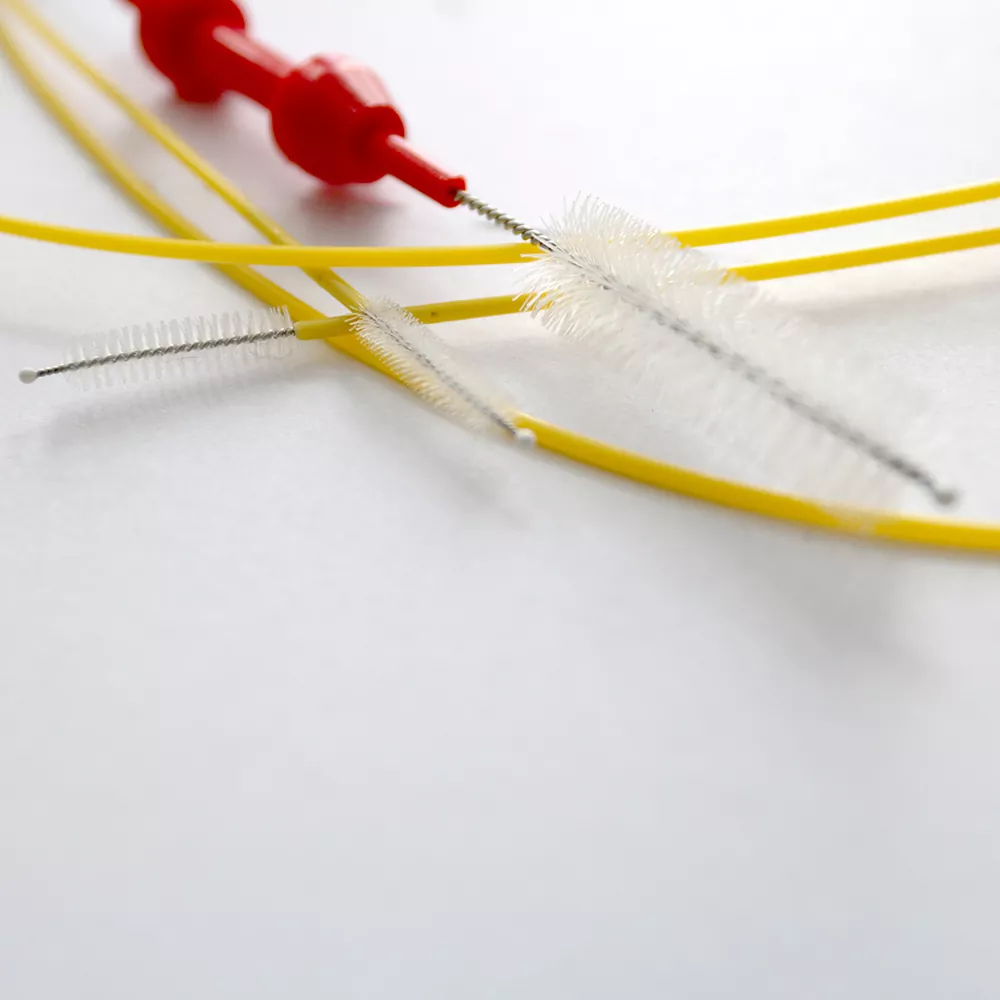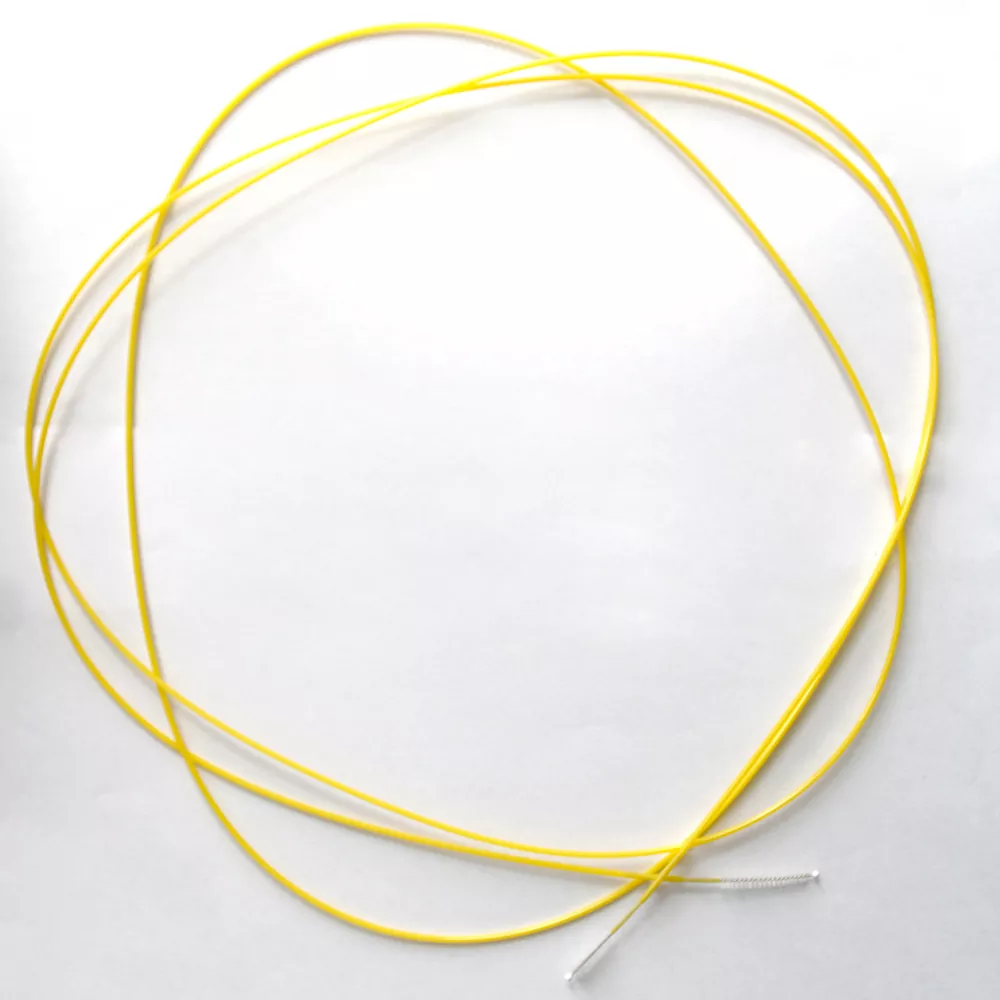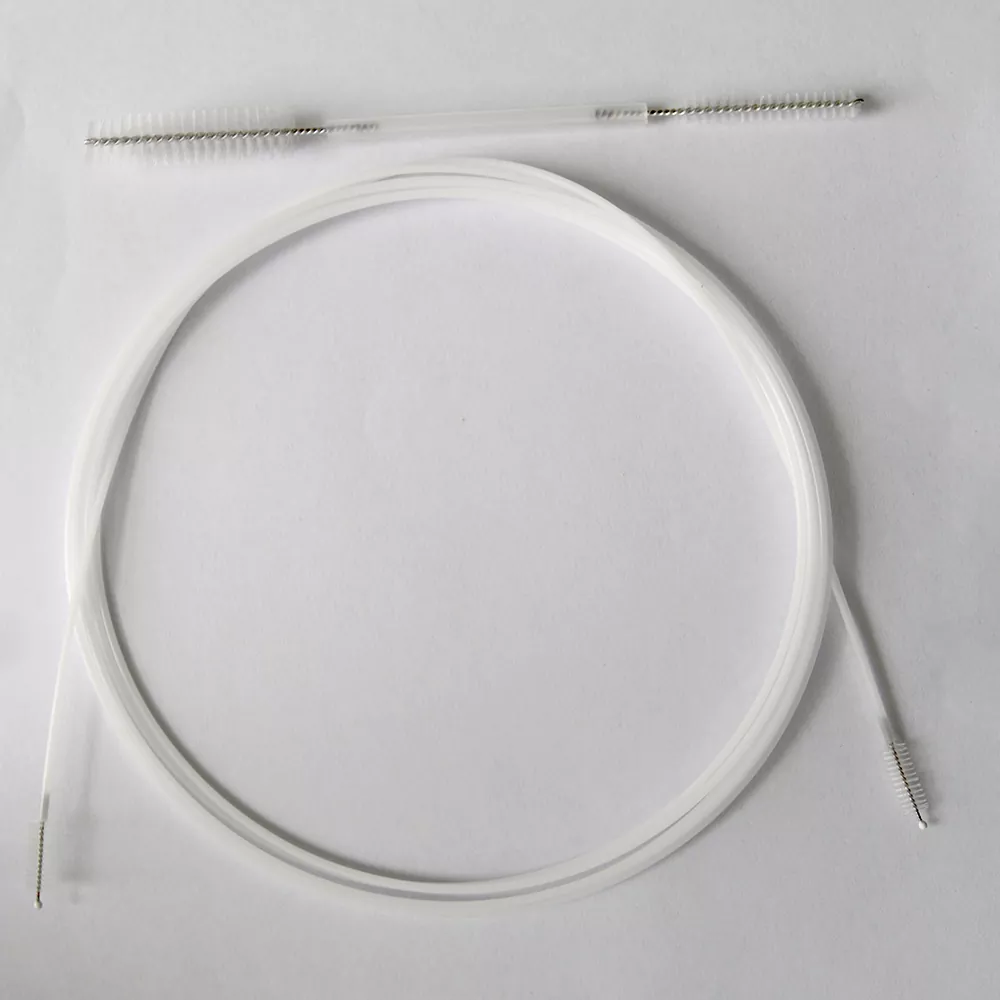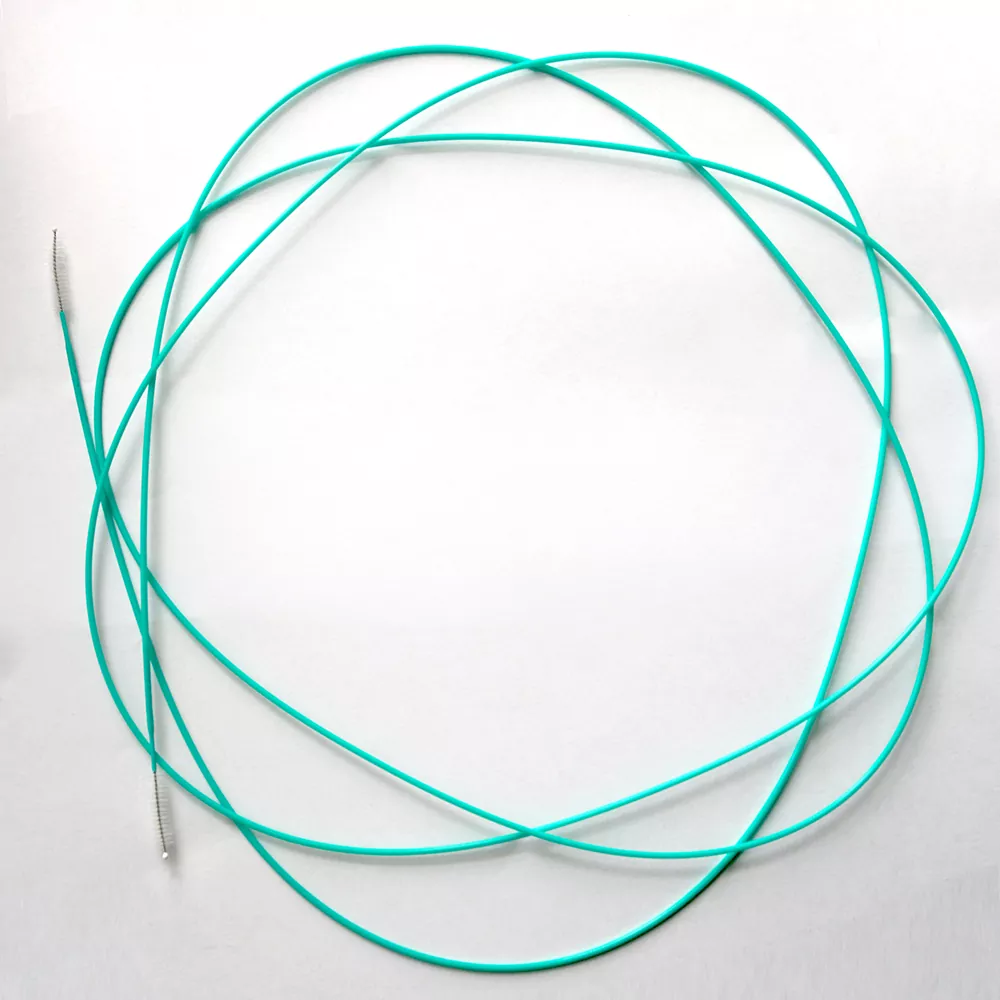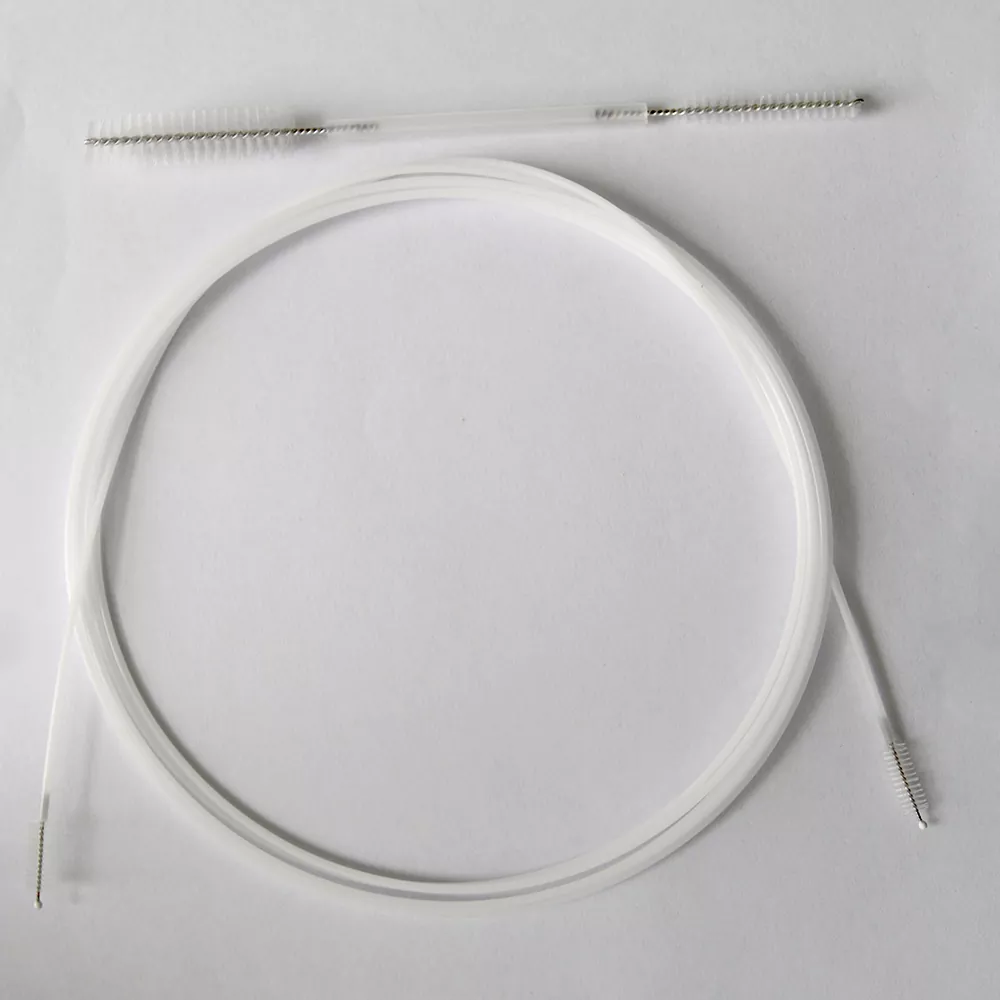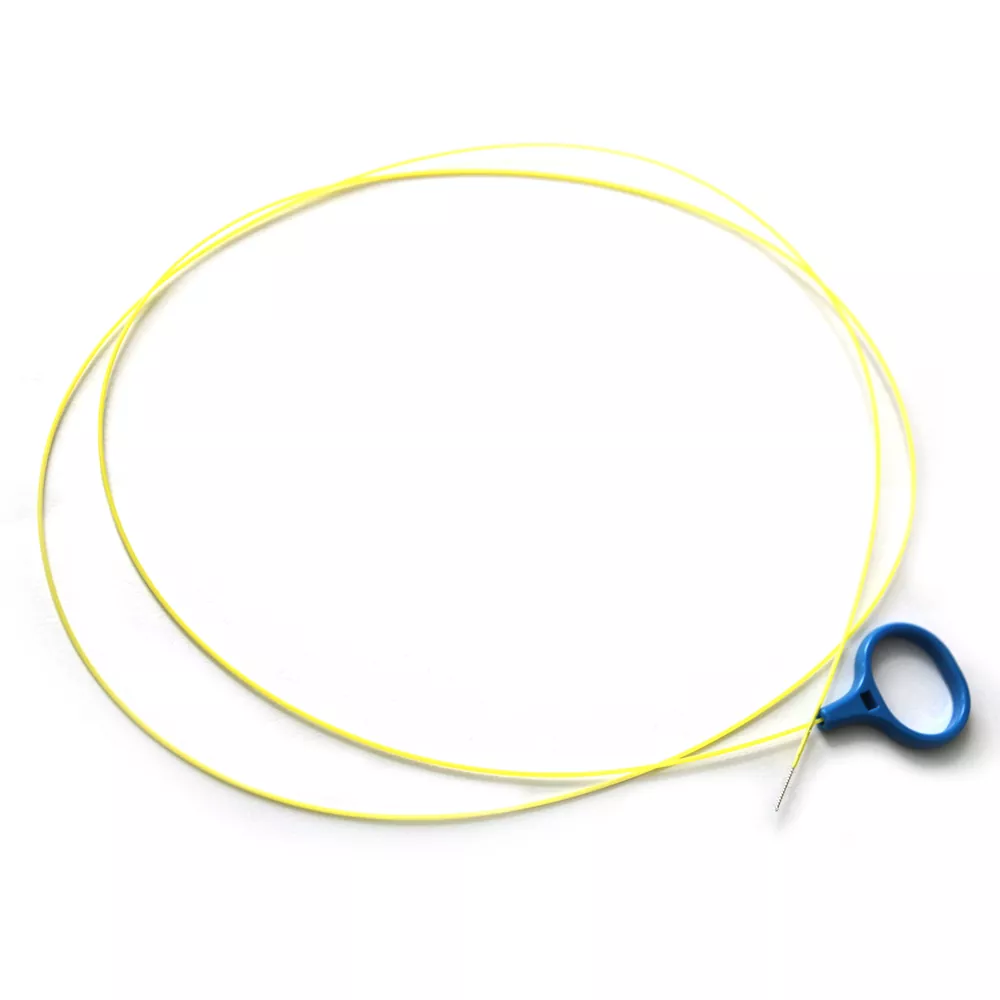
LucentMed is a Chinese manufacturer and supplier of endoscope reprocessing brushes. We employ a professional R&D team and utilize an integrated molding process to create a secure bond between the bristles and the shaft, ensuring a stable pull-off strength exceeding 10N. Our brushes are safe to use—free from bristle shedding or breakage—and are capable of repeatedly navigating complex endoscope channels.
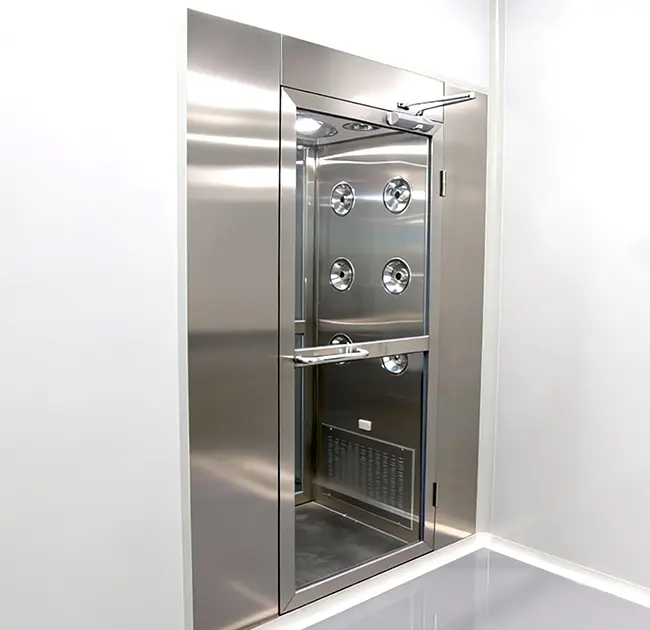
With over 20 years of experience, LucentMed operates facilities certified to ISO 13485/9001 and CE standards, featuring GMP-compliant cleanrooms for the production of high-quality, sterile, and safe endoscope reprocessing brushes that have passed rigorous seal strength and microbial challenge tests.
What Is Endoscope Reprocessing?
Endoscope reprocessing refers to the standardized series of procedures performed after an endoscope has been used to ensure it is safe for the next patient. These steps include:
1. Pre-cleaning
2. Leak testing
3. Manual cleaning
4. High-level disinfection or sterilization
5. Drying and storage
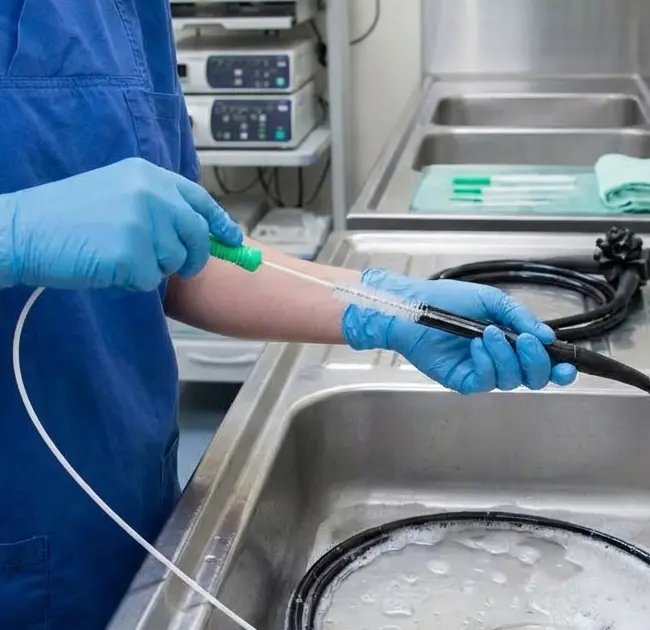
Manual brushing is one of the most critical steps in this process; effective reprocessing requires the use of high-quality endoscope reprocessing brushes.
If contaminants within the channels are not thoroughly removed, the final disinfection outcome may be compromised, even after high-level disinfection.
Key Functions
1. Removing residual matter from internal channels
Endoscopes contain multiple narrow channels, including working, biopsy, suction, irrigation, and guidewire channels.
Specialized endoscope reprocessing brushes can reach deep into these hard-to-access areas to thoroughly remove adherent contaminants.
2. Disrupting and removing biofilms
Through mechanical brushing, endoscope reprocessing brushes remove microbial layers, reduce bacterial residue, enhance the efficiency of subsequent disinfection, and lower the risk of cross-infection.
3. Meeting hospital reprocessing standards
A review of major global endoscope reprocessing guidelines reveals a consistent emphasis on the thorough brushing of all accessible channels.
Using specialized cleaning brushes improves reprocessing compliance rates, meets hospital infection control requirements, and supports quality audits and accreditation inspections.
Specifications and Selection Guide
Endoscope Type
Recommended Brush Diameter
Recommended Length
Gastroscope
2.0 – 3.0 mm
1600 – 2300 mm
Colonoscope
2.5 – 4.0 mm
2000 – 2500 mm
Bronchoscope
1.5 – 2.5 mm
1200 – 1800 mm
Ureteroscope
1.0 – 2.0 mm
800 – 1500 mm
Cystoscope
1.5 – 3.0 mm
800 – 1800 mm
Duodenoscope
2.0 – 4.0 mm
1800 – 2500 mm
What Are the Common Errors When Using Endoscope Reprocessing Brushes?
Error 1: Mismatched specifications
Consequences: Incomplete cleaning and damage to endoscope channels.
Error 2: Rinsing without brushing
Consequences: Ineffective removal of biofilm and reduced disinfection efficacy.
Error 3: Brush head failing to pass completely through the lumen
Consequences: Residual contaminants in deep sections of the channel and substandard cleaning quality.
Error 4: Reusing disposable brushes
Consequences: Increased risk of cross-infection and non-compliance with hospital infection control protocols.
Recommendations for proper use:
To achieve optimal cleaning results, LucentMed recommends:
✓ Using brushes with specifications matched to the endoscope
✓ Brushing in conjunction with an enzymatic detergent
✓ Ensuring the brush head passes completely through the entire lumen
✓ Brushing critical areas multiple times
✓ Strictly adhering to hospital endoscope reprocessing protocols
✓ Regularly training operators
Why Choose LucentMed?
LucentMed has specialized in medical brushes for nearly two decades. Since 2004, we have focused on the R&D and manufacturing of products such as endoscope reprocessing cleaning brushes, endoscope channel brushes, suction tube cleaning brushes, and medical sampling brushes.
Our professional team implements rigorous quality control throughout the production process. We hold ISO 13485, ISO 9001, and CE certifications and operate GMP-standard cleanrooms.
To better serve global clients and meet the medical regulatory standards of diverse markets, we offer customized solutions—including OEM/ODM services—along with bespoke packaging and branding options.
FAQ
Q: Why must the brushing process be performed while the brush is submerged below the liquid level?
A: If brushing occurs in the air or above the liquid level, the elasticity of the bristles can cause adhered blood, bodily fluids, and pathogens to be flung outward—creating aerosols—as the brush head exits the channel opening.
This contaminates the air in the decontamination room and directly increases the risk of occupational exposure and infection for healthcare personnel.
Q: Even though a multi-enzyme cleaning solution is used during brushing, why is manual cleaning of the brush head required after it exits the channel?
A: While multi-enzyme solutions break down organic matter, large clumps of mucus, dried blood, or tissue debris scraped from deep within the channel can become lodged between the dense bristles.
If the brush is pulled back without first removing this visible debris, the accumulated soil on the bristles will re-contaminate the channel wall that was just cleaned, rendering the cleaning process ineffective.
Q: For reusable endoscope reprocessing brushes, how do I determine when the brush has reached the end of its service life and must be discarded?
A: The brush must be discarded immediately if any of the following conditions occur:
● The bristles show obvious matting, deformation, thinning, or shedding.
● The brush shaft exhibits visible permanent kinks, excessive bending, or coating delamination.
● The protective spherical tip is damaged or detached, exposing sharp wire ends.
● The maximum number of reuse cycles specified by the Infection Control Department or LucentMed has been reached.
We use cookies to offer you a better browsing experience, analyze site traffic and personalize content. By using this site, you agree to our use of cookies.Privacy Policy